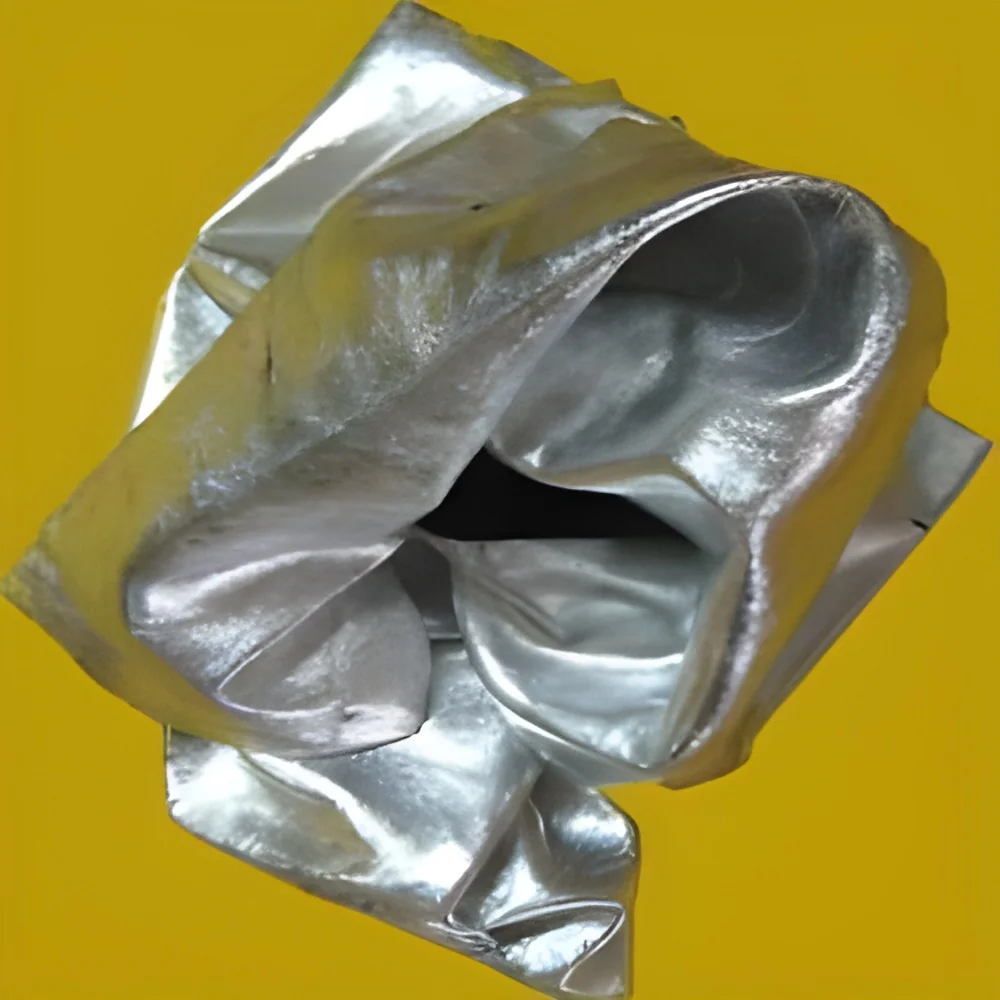
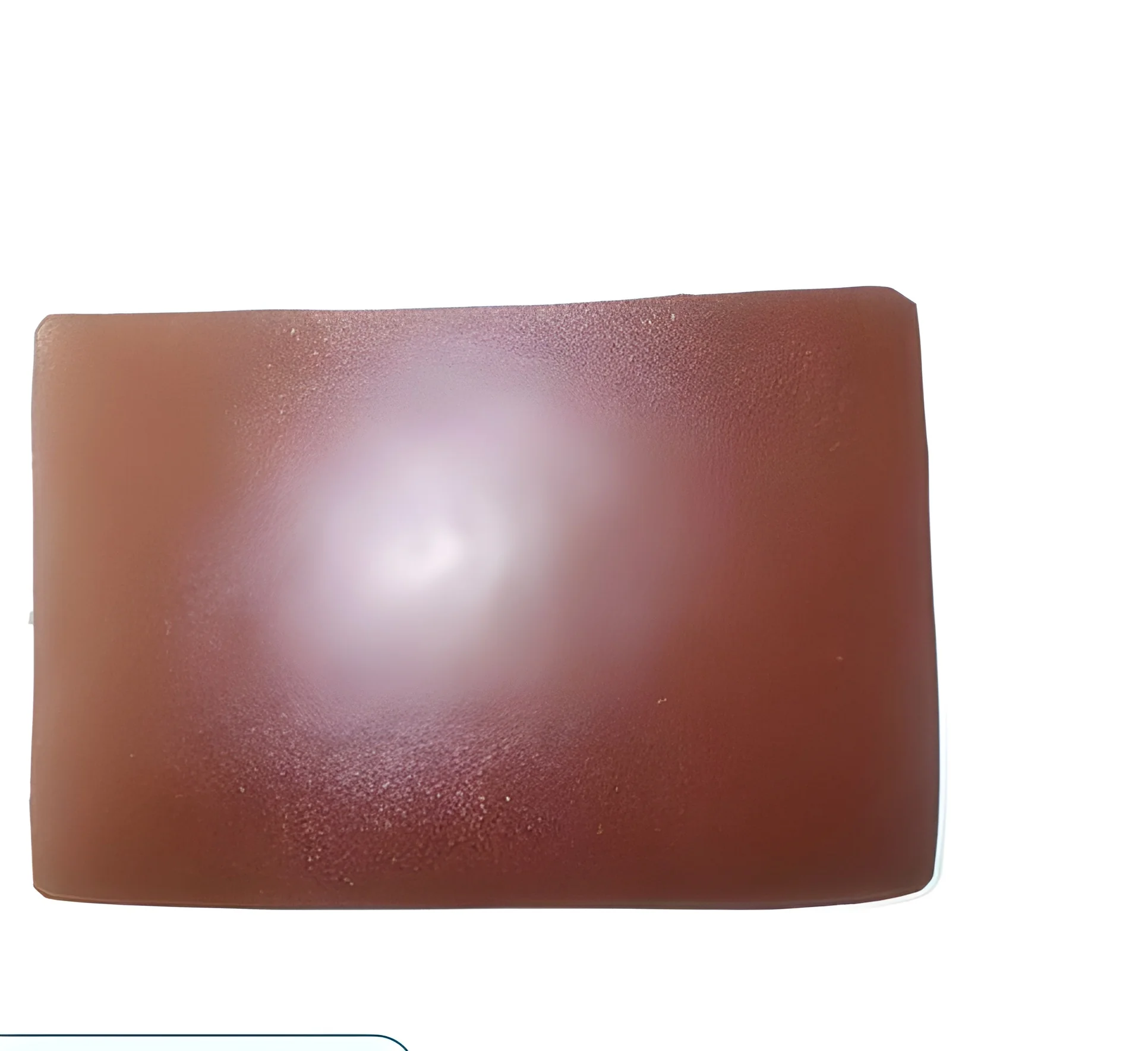
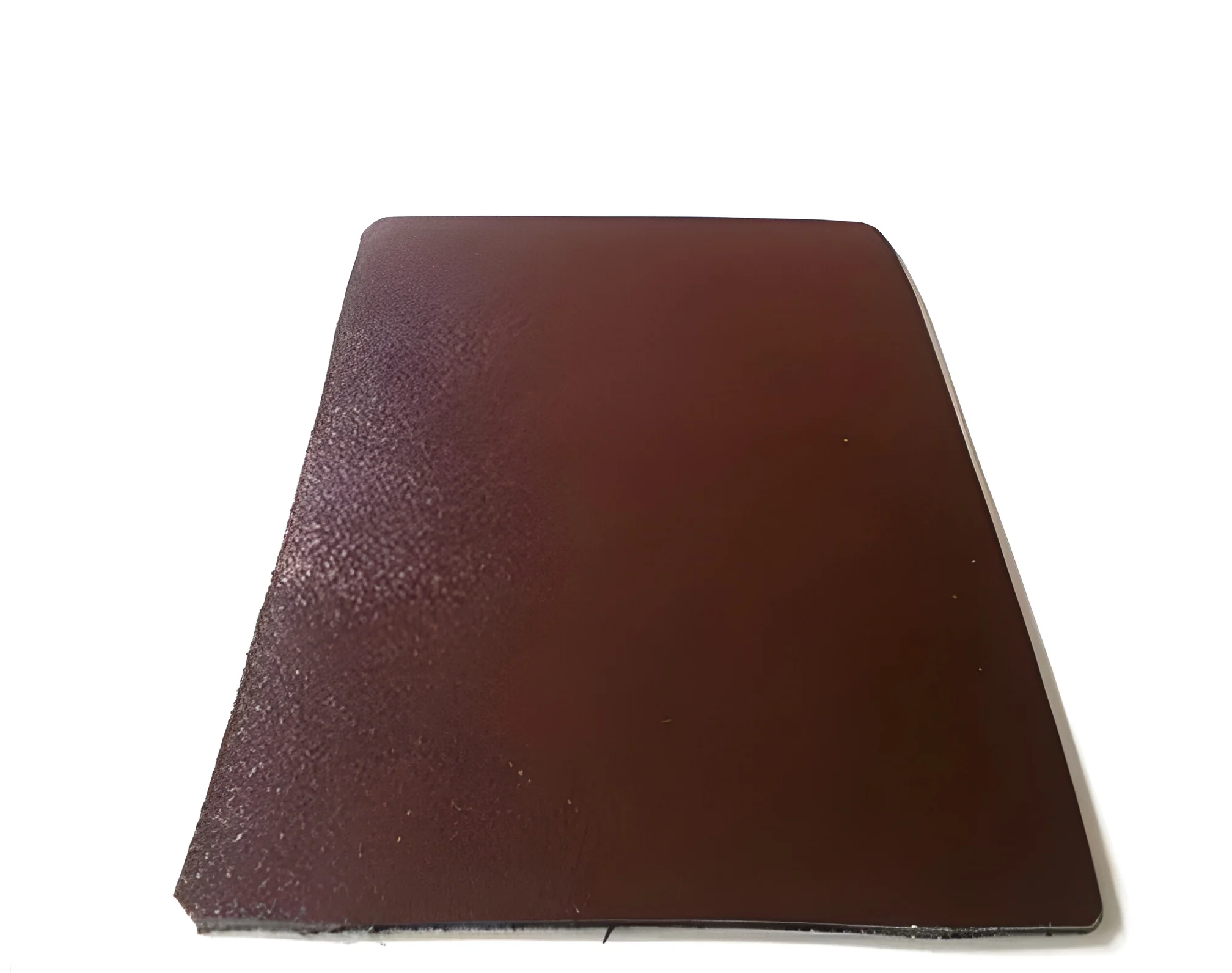
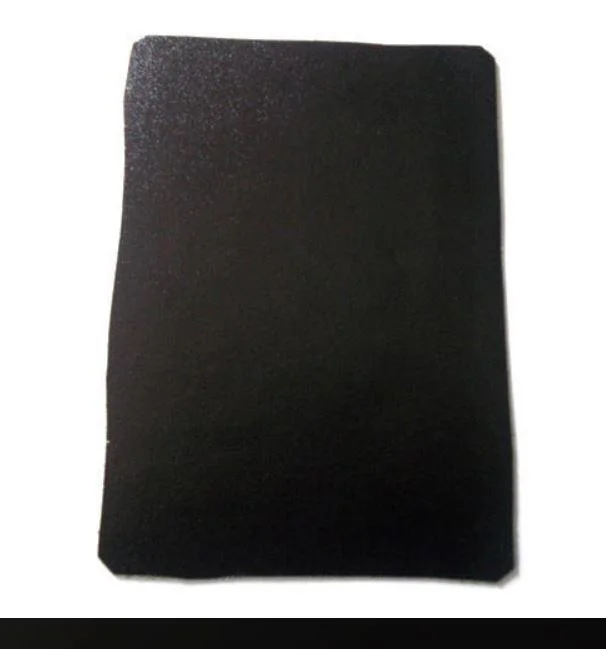
What are Leather for Footwear?
Leather for footwear refers to a specialized material used in the production of shoes, boots, and other types of footwear. It is derived from animal hides, primarily cow, goat, and sheep, which are processed through tanning to create durable and flexible materials. The tanning process enhances the leather's strength, resistance to wear, and aesthetic appeal, making it suitable for various footwear applications.
This type of leather is primarily utilized in the footwear industry, where it serves both functional and aesthetic purposes. High-quality leather offers comfort, durability, and breathability, making it a preferred choice for premium footwear. Additionally, leather can be finished in numerous ways, allowing manufacturers to create diverse styles that cater to different consumer preferences. The demand for leather footwear continues to grow, influenced by fashion trends and the increasing popularity of sustainable materials.
In the current market context, leather for footwear remains a relevant product as the footwear industry evolves. The global shift towards sustainable and ethically sourced materials has led to innovations in leather processing and the emergence of plant-based alternatives. Nonetheless, traditional leather maintains its status due to its unique properties and timeless appeal.
Key Features and Specifications
Leather for footwear is characterized by several key features that ensure its suitability for various applications. The material must meet specific specifications that govern its quality and performance in the footwear industry.
Key specifications include:
1. Thickness
- Typical thickness ranges from 1.2 mm to 3.0 mm, depending on the type of footwear.
- Thicker leather provides enhanced durability, while thinner options offer flexibility.
2. Grain Type
- Available in full-grain, top-grain, and corrected-grain.
- Full-grain leather retains the natural texture and is highly durable, while corrected-grain has a uniform appearance.
3. Tanning Method
- Chrome-tanned and vegetable-tanned are common methods.
- Chrome tanning is faster and offers water resistance, while vegetable tanning is more environmentally friendly.
4. Finish Type
- Can be aniline, semi-aniline, or pigmented.
- Aniline leather showcases natural characteristics, while pigmented leather has a protective coating for durability.
5. Breathability
- High-quality leather allows for proper air circulation.
- Essential for comfort in footwear, preventing moisture buildup.
6. Flexibility
- Must maintain flexibility to ensure comfort during wear.
- Flexibility varies based on thickness and tanning method.
7. Colorfastness
- Resistance to fading and discoloration from light exposure.
- Important for maintaining the aesthetic of footwear over time.
8. Durability
- Ability to withstand wear and tear, essential for footwear longevity.
- Quality leather typically lasts longer than synthetic alternatives.
In summary, leather for footwear is defined by its thickness, grain type, tanning method, finish type, breathability, flexibility, colorfastness, and durability. These specifications ensure that the leather meets the demands of the footwear industry.
Common Applications and Use Cases
Leather for footwear is utilized in a variety of industries, showcasing its versatility and demand.
1. Fashion Industry: Leather is a staple material for high-end shoe designers. It is used in crafting elegant heels, stylish boots, and trendy sneakers that appeal to fashion-conscious consumers.
2. Industrial Footwear: In sectors such as construction and manufacturing, leather is used to produce durable safety boots. These boots provide protection, comfort, and longevity in harsh working conditions.
3. Sports Footwear: Leather is often used in performance sports shoes, offering the necessary support and breathability. It is popular in brands that prioritize quality and athlete performance.
4. Military Footwear: Leather boots designed for military use must withstand extreme conditions. High-quality leather provides durability and comfort for soldiers in the field.
5. Orthopedic Footwear: Leather is often used in orthopedic shoes due to its ability to mold to the foot's shape. This feature enhances comfort and support for individuals with specific foot conditions.
6. Casual Footwear: Everyday casual shoes are frequently made from leather for their comfort and style. This segment is growing as consumers seek both fashion and functionality.
7. Children's Footwear: Leather is popular in children's shoes for its durability and ease of maintenance. Parents prefer leather for its ability to withstand wear and tear from active play.
Product Variants and Subcategories
Leather for footwear comes in various forms, catering to different requirements and preferences. Each variant offers unique characteristics suited for specific applications.
Full-Grain Leather
Full-grain leather is the highest quality leather available. It retains the natural grain of the hide, offering durability and breathability. This type is often used in premium footwear, providing a luxurious feel and aesthetic.
Top-Grain Leather
Top-grain leather is slightly less durable than full-grain but is more affordable. It has a more uniform appearance and is often used in mid-range footwear options, balancing quality and cost.
Corrected-Grain Leather
This variant has been sanded and treated to remove imperfections, resulting in a smooth surface. It is often used in budget-friendly footwear, making it accessible without sacrificing style.
Nappa Leather
Nappa leather is known for its soft and supple feel, making it a popular choice for high-end shoes. Its luxurious texture enhances the overall comfort and style of the footwear.
Sustainable Leather
With the rise of eco-conscious consumers, sustainable leather options are gaining traction. These leathers are produced using environmentally friendly processes, appealing to buyers prioritizing sustainability.
Benefits and Advantages
Leather for footwear offers numerous benefits that make it a preferred choice among manufacturers and consumers alike.
Key benefits include:
1. Durability: Leather is known for its long-lasting nature, making it ideal for footwear that endures daily wear and tear.
2. Comfort: High-quality leather molds to the foot over time, providing exceptional comfort for extended wear.
3. Aesthetic Appeal: Leather offers a classic and timeless look that enhances the overall design of footwear.
4. Breathability: Leather allows for air circulation, helping to keep feet dry and comfortable, especially in warm conditions.
5. Versatility: Available in various styles and finishes, leather can cater to different consumer preferences and market trends.
6. Sustainability: With advancements in eco-friendly tanning processes, leather can be sourced responsibly, appealing to environmentally conscious buyers.
Buying Guide for B2B Buyers
When sourcing leather for footwear, it is essential to consider several factors to ensure a successful purchase.
1. Quality Assessment: Assess the quality of leather by examining its thickness, grain type, and finish. High-quality leather should show minimal imperfections and have a consistent texture.
2. Supplier Verification: Verify suppliers to ensure they meet industry standards and provide reliable products. Look for certifications and positive reviews from other buyers.
3. Pricing and MOQ: Understand the pricing structure and minimum order quantities (MOQs) required by suppliers. This information helps in budgeting and ensuring sufficient stock levels.
4. Delivery and Lead Times: Inquire about delivery schedules and lead times. Timely delivery is crucial in maintaining production schedules in the footwear industry.
5. Compliance Requirements: Ensure that the leather meets relevant regulations and certifications, such as CE marking. Compliance is essential for product safety and market acceptance.
Compliance and Certifications
Leather for footwear must adhere to various quality standards and industry certifications to ensure product safety and reliability.
Relevant quality standards include ISO 9001, which focuses on quality management systems, ensuring consistent quality in leather production. Additionally, HACCP principles may apply to leather processing to maintain safety and hygiene.
Industry certifications, such as CE marking, signify that the leather meets European safety requirements, making it suitable for the market.
Safety and testing requirements are also critical, as leather used in footwear must undergo rigorous testing for durability, chemical resistance, and other performance criteria.
Regional compliance considerations may vary, with different countries imposing specific regulations on leather sourcing and processing. It is essential for manufacturers and suppliers to stay updated on these regulations to ensure compliance and avoid penalties.
Why Source Leather for Footwear from Pepagora?
Pepagora provides a trusted platform for sourcing leather for footwear, offering several key advantages that benefit B2B buyers.
Verified Supplier Network: Pepagora boasts a network of verified suppliers, ensuring that buyers can source high-quality leather from reliable manufacturers. This verification process enhances buyer confidence and reduces risks.
Streamlined RFQ Process: The request for quotation (RFQ) process on Pepagora is designed to be efficient and user-friendly. Buyers can easily request quotations from multiple suppliers, allowing for informed decision-making based on pricing and quality.
Trade Assurance and Support: Pepagora offers trade assurance and support, providing buyers with protection throughout the purchasing process. This support includes dispute resolution and assistance in case of issues with suppliers.
Regional Coverage: Pepagora's geographic reach spans India, the GCC region, and Southeast Asia. This broad coverage ensures that buyers can access a diverse range of leather options tailored to their specific market needs.
In summary, Pepagora is an ideal choice for businesses looking to source leather for footwear, combining supplier verification, a streamlined process, and regional access to high-quality products.

 IN
IN