
 IN
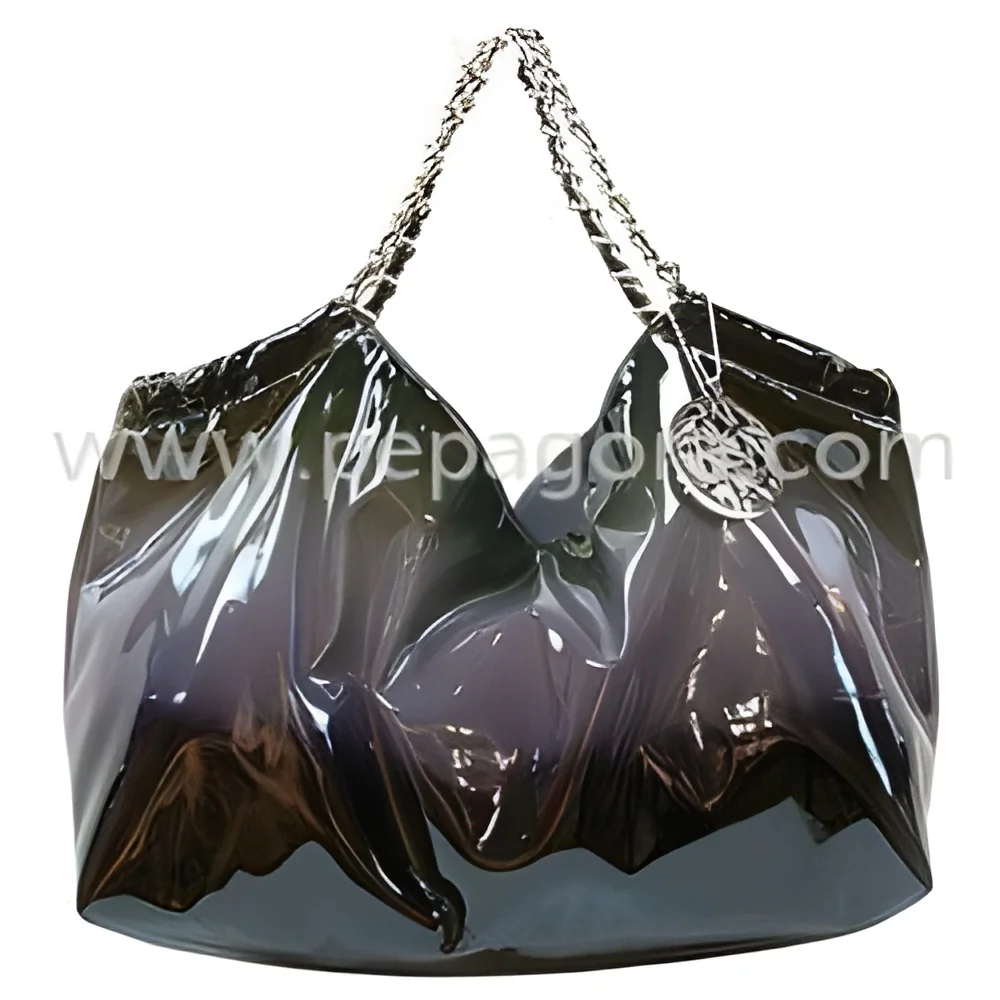
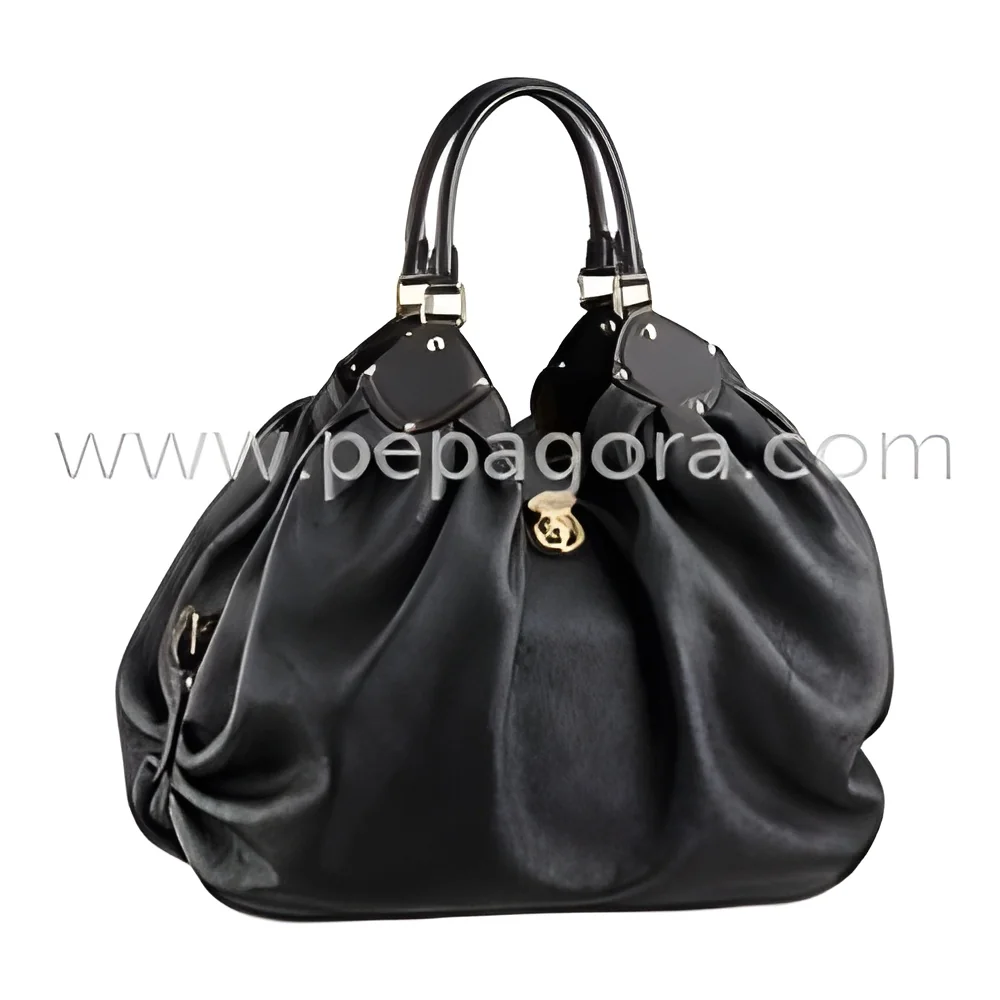
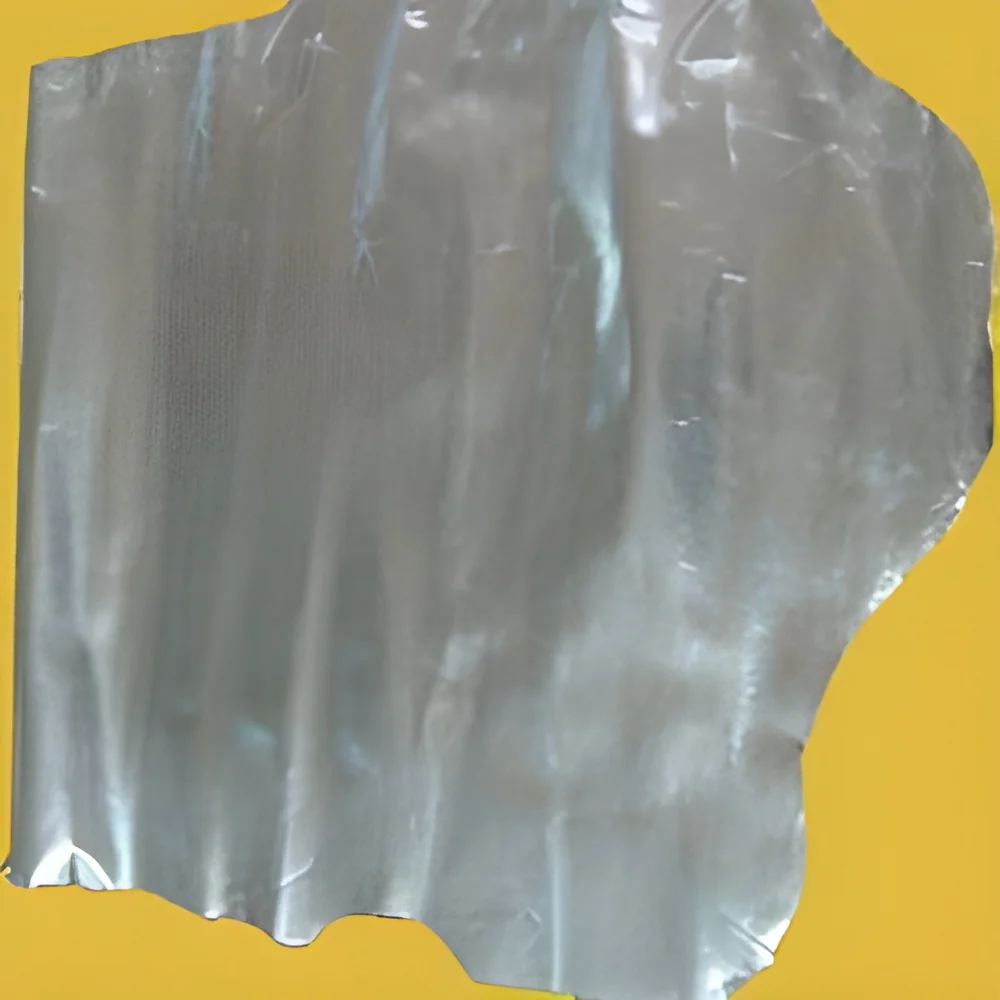
Leather for Bags & Accessories
5 products available
What are Leather for Bags & Accessories?
Leather for bags and accessories refers to high-quality animal hides that are processed and treated to create durable and aesthetically pleasing materials used in manufacturing various products. This type of leather is known for its strength, flexibility, and ability to withstand wear and tear. It is commonly sourced from cattle, sheep, and goats, with different treatments and finishes applied to achieve desired textures and colors.
The primary uses of leather in this category include handbags, wallets, belts, and other fashion accessories. Businesses in the fashion, retail, and luxury goods sectors utilize leather for its premium appeal and versatility. The leather market is a significant segment of the global textile and accessory industry, with growing demand driven by consumer preferences for sustainable and high-quality materials.
The relevance of leather in the industry is underscored by its rich history and enduring popularity. As consumers increasingly seek out unique and handcrafted items, leather products are often perceived as status symbols, contributing to their significance in the market. The leather industry continues to evolve, integrating modern technology and sustainable practices to meet contemporary consumer expectations.
Key Features and Specifications
Leather for bags and accessories possesses several key features that make it a preferred material for manufacturers. These features enhance the usability and appeal of the final products.
Key specifications include:
1. Tannage Process
- The method used to treat the leather, influencing durability and texture.
- Common types include chrome tanning and vegetable tanning.
2. Thickness
- Refers to the gauge of the leather, affecting its flexibility and application.
- Typical thickness ranges from 0.8 mm to 3.0 mm.
3. Finish Type
- Describes the surface treatment that affects appearance and feel.
- Options include full-grain, top-grain, and suede finishes.
4. Color Options
- Various shades and hues are available, allowing for customization.
- Standard colors include black, brown, tan, and vibrant hues.
5. Grain Pattern
- Refers to the natural texture of the leather, contributing to aesthetics.
- Options include smooth, pebbled, and distressed grains.
6. Weight
- Indicates the heaviness of the leather, which can determine suitability for specific products.
- Weight typically ranges from 1.5 oz to 5 oz.
7. Durability
- Assesses the leather's resistance to wear and environmental factors.
- High-quality leather can last for years with proper care.
8. Water Resistance
- Indicates the ability of leather to repel moisture.
- Treatment options exist to enhance water-resistant properties.
The combination of these specifications ensures that leather products are not only visually appealing but also functional and long-lasting.
Common Applications and Use Cases
Leather for bags and accessories is utilized across various industries, highlighting its versatility and appeal.
1. Fashion Industry: Leather is a staple in high-end fashion, used for creating designer handbags and luxury accessories that reflect style and sophistication.
2. Retail Sector: Many retailers offer leather goods as part of their product lines, catering to consumers looking for durable and stylish items.
3. Travel Industry: Leather bags and luggage are favored by travelers for their durability and classic look, often used by premium brands.
4. Automotive Industry: Leather is commonly used in car interiors, particularly in seating and trim, enhancing luxury and comfort.
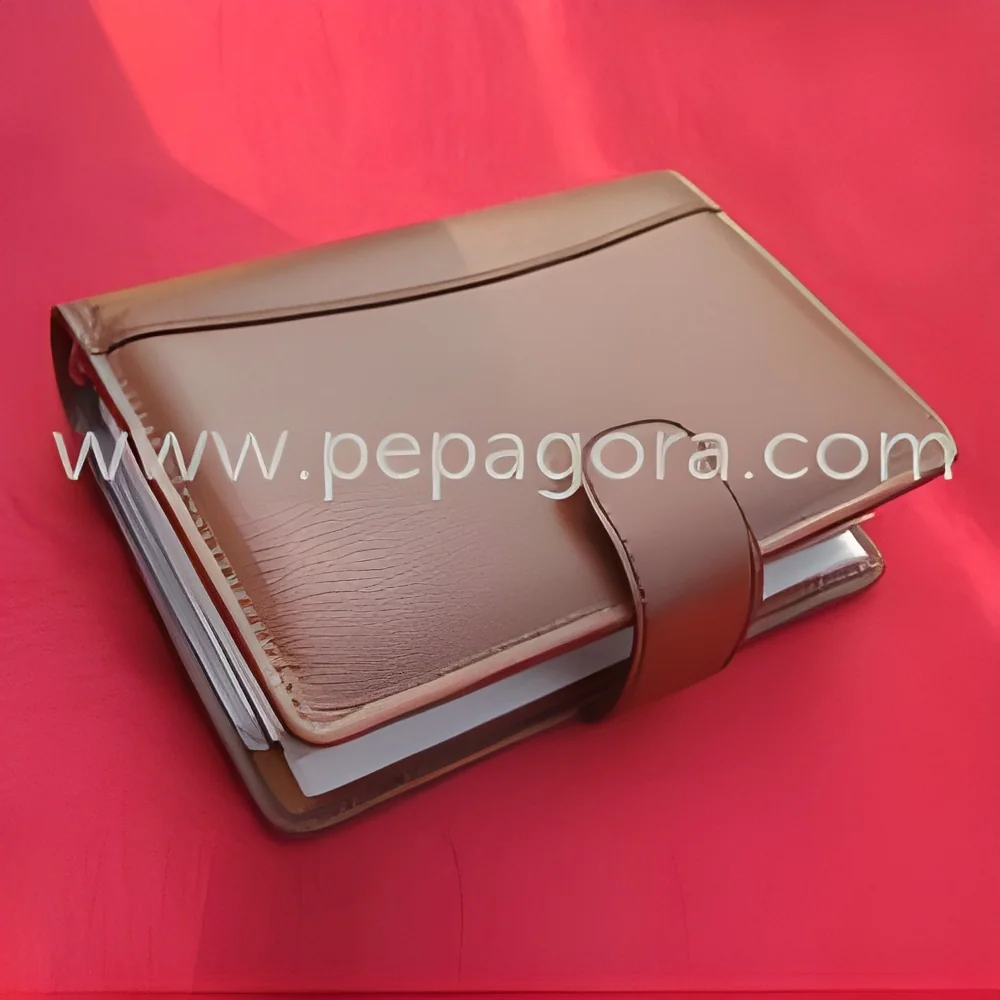
5. Corporate Gifting: Leather accessories such as wallets and organizers are popular corporate gifts, symbolizing professionalism and quality.
6. E-commerce: Online platforms increasingly offer leather products, catering to a growing audience seeking unique and personalized items.
7. Artisan Crafts: Many artisans create handcrafted leather goods, emphasizing sustainability and bespoke design, appealing to niche markets.
Product Variants and Subcategories
Leather for bags and accessories comes in various forms, allowing businesses to choose options that best suit their needs.
Genuine Leather
Genuine leather is made from real animal hides and is known for its durability and rich texture. It is commonly used in everyday bags and accessories due to its ability to age beautifully.
Top-Grain Leather
Top-grain leather is slightly sanded and refinished, making it more resistant to stains and wear. It is often used in high-quality handbags and wallets, known for its refined look and feel.
Full-Grain Leather
Full-grain leather retains the natural grain of the hide, making it the highest quality option. It is highly durable and develops a unique patina over time, favored for luxury bags.
Bonded Leather
Bonded leather is made from leftover scraps and fibers, bonded together with adhesives. While more affordable, it is less durable and often used in budget-friendly accessories.
Synthetic Leather
Synthetic leather, or faux leather, mimics the appearance of natural leather but is made from plastic materials. It is a popular choice for eco-conscious consumers looking for cruelty-free options.
Benefits and Advantages
Sourcing leather for bags and accessories offers numerous advantages for businesses in various sectors.
Key benefits include:
1. Durability: Leather products are known for their longevity, providing excellent value for investment.
2. Aesthetic Appeal: Leather offers a classic and luxurious look, appealing to consumers seeking high-quality items.
3. Versatility: Leather can be easily customized in terms of color, texture, and design, making it suitable for a wide range of products.
4. Comfort: Leather is breathable and adapts to temperature changes, providing comfort in various applications.
5. Sustainability: When sourced responsibly, leather can be a sustainable option, especially when produced from by-products of the food industry.
6. Brand Image: Offering leather products can enhance a brand's image, associating it with quality and prestige.
Buying Guide for B2B Buyers
When sourcing leather for bags and accessories, it is essential for buyers to consider various factors to make informed decisions.
1. Quality Assessment: Evaluate the leather's quality by checking for consistency in texture, color, and finish. High-quality leather should exhibit minimal imperfections.
2. Supplier Verification: Conduct thorough research to verify suppliers' credibility. Look for established manufacturers with a good reputation in the industry.
3. Pricing and MOQ: Understand the pricing structure and minimum order quantity (MOQ) requirements to ensure they align with your budget and production needs.
4. Delivery and Lead Times: Discuss logistics with suppliers, including delivery schedules and lead times, to ensure timely availability of materials.
5. Compliance Requirements: Ensure that the leather meets industry standards and regulatory requirements, including certifications like CE for safety and quality.
Compliance and Certifications
Leather for bags and accessories must adhere to various quality standards and certifications to ensure safety and reliability. Relevant standards include ISO 9001, which focuses on quality management systems, ensuring that the manufacturing process meets international quality benchmarks.
Additionally, CE certification is important for products sold in Europe, indicating compliance with health, safety, and environmental protection standards. This certification helps reassure buyers about the quality and safety of the leather used in their products.
Safety and testing requirements are critical, especially for items that may come into contact with skin, necessitating checks for harmful substances and allergens. Regional compliance considerations may vary, so it is essential for manufacturers to be aware of local regulations and standards in their target markets.
Why Source Leather for Bags & Accessories from Pepagora?
Pepagora provides a trusted platform for sourcing leather for bags and accessories, offering several key advantages to buyers seeking quality materials.
The verified supplier network ensures that businesses have access to reputable manufacturers who meet stringent quality standards. This network fosters confidence in sourcing processes by connecting buyers with established companies known for delivering high-quality leather.
The streamlined RFQ process simplifies the quotation experience, allowing buyers to request and receive competitive offers quickly. This efficiency saves time and helps businesses make informed purchasing decisions.
Furthermore, Pepagora offers trade assurance and support, providing a layer of buyer protection that enhances confidence in transactions. This assurance is especially valuable for businesses engaging in larger orders or establishing new supplier relationships.
Finally, Pepagora boasts regional coverage across India, the GCC, and Southeast Asia, ensuring that buyers have access to a diverse range of suppliers and products tailored to their market needs. This geographic reach enhances the opportunities for sourcing high-quality leather efficiently, catering to various business requirements.

 India


Frequently Asked Questions
What are Leather for Bags & Accessories?
Leather for Bags & Accessories refers to various types of leather materials used in the manufacturing of bags, wallets, belts, and other fashion accessories. These leathers can be sourced from different animal hides and are often treated and processed to enhance durability and aesthetics.
What are the different types of Leather for Bags & Accessories?
The different types of leather for bags and accessories include full-grain leather, top-grain leather, corrected grain leather, and bonded leather. Each type has unique characteristics, such as texture, durability, and appearance, making them suitable for various applications in fashion and functional items.
How do I choose the right Leather for Bags & Accessories?
Choosing the right leather involves considering factors such as the intended use, desired aesthetics, and budget. It's essential to assess the leather's quality, texture, and finish to ensure it meets your specific requirements for durability and style.
What are the standard specifications for Leather for Bags & Accessories?
Standard specifications for leather used in bags and accessories typically include thickness, tensile strength, and resistance to wear and tear. Additionally, factors like colorfastness, flexibility, and moisture resistance are also important for ensuring the longevity of the products.
What is the price range for Leather for Bags & Accessories?
The price range for leather for bags and accessories can vary significantly based on the type, quality, and source of the leather. Generally, prices may range from INR 200 to INR 5000 per square meter, depending on the specifications and supplier.
What quality standards apply to Leather for Bags & Accessories?
Quality standards for leather used in bags and accessories often adhere to industry benchmarks such as ISO 17076 and ISO 14021. These standards ensure that the leather meets certain criteria for physical properties, environmental impact, and safety for consumers.
Where can I find Leather for Bags & Accessories suppliers in India?
Leather for bags and accessories suppliers in India can be found on B2B marketplaces such as Pepagora.com, trade shows, and industry directories. It's advisable to research and compare multiple suppliers to find one that meets your specific needs and quality standards.
Can Leather for Bags & Accessories be customized?
Yes, leather for bags and accessories can be customized to meet specific design requirements, including color, texture, and finish. Many manufacturers offer customization options, allowing businesses to create unique products that cater to their target market.
What is the typical minimum order quantity for Leather for Bags & Accessories?
The typical minimum order quantity (MOQ) for leather for bags and accessories varies by supplier but usually ranges from 50 to 100 square meters. It's important to check with individual suppliers for their specific MOQ policies.
What is the typical lead time for Leather for Bags & Accessories?
The typical lead time for leather for bags and accessories can range from 2 to 6 weeks, depending on the supplier, order size, and customization requirements. It is advisable to confirm lead times with the supplier during the ordering process.
Why Businesses Trust Pepagora
Thousands of companies trust Pepagora to source smarter and sell faster
Expand Your Sales Globally

Source Smarter,Grow Faster
