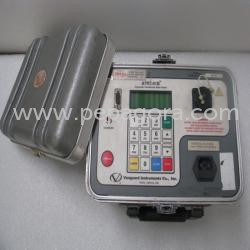
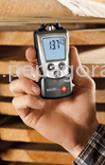
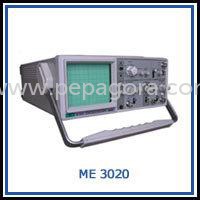
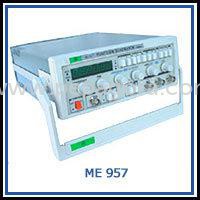
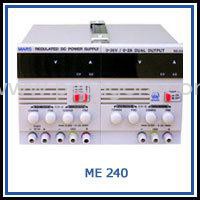
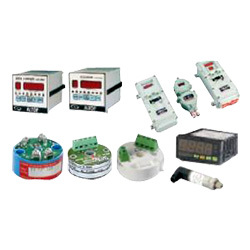
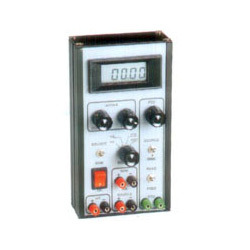
𝗪𝗵𝗮𝘁 𝗮𝗿𝗲 𝗟𝗖𝗥 𝗠𝗲𝘁𝗲𝗿𝘀?
LCR meters are specialized electronic measuring instruments used to determine the inductance (L), capacitance (C), and resistance (R) of various components in electronic circuits. These devices are essential for engineers and technicians who need to analyze and verify the characteristics of passive components such as capacitors, inductors, and resistors. LCR meters can provide precise measurements, which are critical for ensuring the quality and performance of electronic devices.
The primary uses of LCR meters include testing, troubleshooting, and designing electronic circuits. They are commonly used in laboratories, manufacturing environments, and fieldwork to assess the performance of components and systems. Businesses use LCR meters to ensure product quality and reliability, as well as to comply with industry standards. The relevance of LCR meters spans across various industries, including telecommunications, automotive, and consumer electronics, where the accurate measurement of electrical properties is essential for product development and testing.
In the current market context, LCR meters are increasingly integrated with advanced features such as digital displays, connectivity options, and automated testing capabilities. This evolution reflects the growing demand for precise measurement tools that can support the rapid advancements in electronic technologies.
𝗞𝗲𝘆 𝗙𝗲𝗮𝘁𝘂𝗿𝗲𝘀 𝗮𝗻𝗱 𝗦𝗽𝗲𝗰𝗶𝗳𝗶𝗰𝗮𝘁𝗶𝗼𝗻𝘀
LCR meters come equipped with various features that enhance their functionality and usability. These features are important for providing accurate measurements and ensuring ease of use in different settings.
Key specifications include:
1. Measurement Range
- Measures inductance from nanoHenries to henries, capacitance from picoFarads to microFarads, and resistance from ohms to megaohms.
2. Accuracy
- Typically offers accuracy levels of 0.5% to 1% depending on the model, ensuring reliable measurements for critical applications.
3. Frequency Range
- Operating frequency ranges from 20 Hz to several megahertz, allowing for testing of components across different frequencies.
4. Display Type
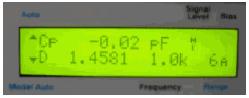
- Equipped with a digital display that provides clear readings, often with backlighting for visibility in low-light conditions.
5. Connectivity Options
- Some models feature USB or Bluetooth connectivity for data transfer to computers or mobile devices for analysis and reporting.
6. Battery Life
- Extended battery life, often up to 100 hours, ensures that the meter can be used for long periods without frequent recharging.
7. Size and Portability
- Compact and lightweight design makes it suitable for both laboratory and field applications.
8. Calibration Features
- Built-in calibration capabilities help maintain measurement accuracy over time.
In summary, LCR meters are characterized by their wide measurement ranges, high accuracy, and user-friendly features that make them indispensable tools in various electronic applications.
𝗖𝗼𝗺𝗺𝗼𝗻 𝗔𝗽𝗽𝗹𝗶𝗰𝗮𝘁𝗶𝗼𝗻𝘀 𝗮𝗻𝗱 𝗨𝘀𝗲 𝗖𝗮𝘀𝗲𝘀
LCR meters serve a broad range of industries and applications. Their ability to accurately measure electrical properties makes them invaluable in many fields.
1. Telecommunications: LCR meters are used to test components in communication devices, ensuring signal integrity and performance.
2. Automotive: In the automotive industry, these meters are utilized for testing sensors, capacitors, and other electronic components critical for vehicle performance.
3. Consumer Electronics: Manufacturers of consumer electronics use LCR meters to verify the specifications of components, ensuring product reliability and compliance with standards.
4. Aerospace: In aerospace applications, LCR meters are essential for testing components in navigation and communication systems, where precision is paramount.
5. Industrial Automation: LCR meters play a role in maintaining the performance of sensors and actuators in automated systems.
6. Research and Development: Engineers and researchers use LCR meters in laboratory settings to explore new materials and designs for electronic components.
7. Medical Devices: These meters are critical in the testing of electronic components in medical equipment, ensuring safety and efficacy.
𝗣𝗿𝗼𝗱𝘂𝗰𝘁 𝗩𝗮𝗿𝗶𝗮𝗻𝘁𝘀 𝗮𝗻𝗱 𝗦𝘂𝗯𝗰𝗮𝘁𝗲𝗴𝗼𝗿𝗶𝗲𝘀
LCR meters come in various models to cater to specific needs and applications. This diversity allows businesses to select the right tool for their requirements.
Portable LCR Meters
These compact devices are designed for field use, offering lightweight and battery-operated options. They often include essential measurement features while being easy to transport.
Bench-top LCR Meters
Bench-top models provide advanced features and higher accuracy for laboratory testing. They typically have larger displays and more complex measurement capabilities, making them suitable for in-depth analysis.
High-Frequency LCR Meters
These specialized meters are designed for measuring components at high frequencies. They are essential in applications involving RF components and high-speed circuits, ensuring that measurements remain accurate under varying conditions.
𝗕𝗲𝗻𝗲𝗳𝗶𝘁𝘀 𝗮𝗻𝗱 𝗔𝗱𝘃𝗮𝗻𝘁𝗮𝗴𝗲𝘀
Investing in LCR meters offers numerous benefits for businesses and professionals in the electronic field.
Key benefits include:
1. Enhanced Accuracy: LCR meters provide precise measurements, crucial for maintaining quality and performance in electronic components.
2. Versatility: These meters can measure multiple parameters, making them suitable for various testing applications across industries.
3. Time Efficiency: Automated testing features and quick measurement capabilities reduce testing time, increasing productivity.
4. User-Friendly Design: Many models are designed with intuitive interfaces, allowing users to operate them easily, even with minimal training.
5. Portability: Many LCR meters are lightweight and compact, making them ideal for fieldwork and on-site testing.
6. Cost-Effectiveness: Investing in a quality LCR meter can lead to long-term savings by reducing errors and improving product reliability.
𝗕𝘂𝘆𝗶𝗻𝗴 𝗚𝘂𝗶𝗱𝗲 𝗳𝗼𝗿 𝗕𝟮𝗕 𝗕𝘂𝘆𝗲𝗿𝘀
When sourcing LCR meters, it is essential for buyers to consider several factors to ensure they make an informed decision.
1. Quality Assessment: Look for meters that adhere to industry standards. Verify the accuracy and reliability of measurements to ensure they meet specific application needs.
2. Supplier Verification: Vet suppliers by checking their reputation, customer reviews, and certifications. A reputable supplier can provide additional support and assurance of product quality.
3. Pricing and MOQ: Understand the price range and minimum order quantities. Compare costs across different suppliers to find the best deal without compromising on quality.
4. Delivery and Lead Times: Consider the logistics of delivery times and ensure that suppliers can meet your project schedules.
5. Compliance Requirements: Ensure that the LCR meters comply with relevant industry standards and regulations, as this can impact product quality and marketability.
𝗖𝗼𝗺𝗽𝗹𝗶𝗮𝗻𝗰𝗲 𝗮𝗻𝗱 𝗖𝗲𝗿𝘁𝗶𝗳𝗶𝗰𝗮𝘁𝗶𝗼𝗻𝘀
LCR meters must adhere to various quality standards and certifications to ensure safety and reliability. Common standards include ISO 9001, which outlines quality management principles, and CE certification, which demonstrates compliance with European safety regulations.
Safety and testing requirements are crucial, as LCR meters must be reliable and accurate in measuring electrical properties. Manufacturers often conduct rigorous testing to ensure that their products meet these standards.
Regional compliance considerations may also play a role, as different regions may have specific regulations regarding electronic testing equipment. Buyers should be aware of these requirements to ensure compliance in their respective markets.
𝗪𝗵𝘆 𝗦𝗼𝘂𝗿𝗰𝗲 𝗟𝗖𝗥 𝗠𝗲𝘁𝗲𝗿𝘀 𝗳𝗿𝗼𝗺 𝗣𝗲𝗽𝗮𝗴𝗼𝗿𝗮?
Pepagora provides a trusted platform for sourcing LCR meters, offering several key advantages that benefit B2B buyers.
Verified Supplier Network: Pepagora has established a network of verified suppliers who meet stringent quality criteria. This ensures that buyers can trust the products and services they receive.
Streamlined RFQ Process: The Request for Quotation (RFQ) system simplifies the procurement process, allowing buyers to easily request quotes from multiple suppliers and compare offerings efficiently.
Trade Assurance and Support: Buyers are protected through trade assurance programs, which provide security and support throughout the purchasing process, ensuring satisfaction with their orders.
Regional Coverage: Pepagora offers extensive geographic reach, servicing regions such as India, the GCC, and Southeast Asia. This broad coverage allows businesses in various locations to access high-quality LCR meters and related products.

 IN
IN
 India
India