
 IN
Ladles & Soup Spoons
1 products available
What are Ladles & Soup Spoons?
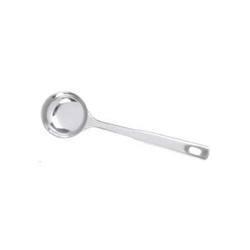
Ladles and soup spoons are essential kitchen utensils used for serving liquids such as soups, stews, and sauces. A ladle is typically a deep, bowl-shaped spoon with a long handle, designed to scoop and pour larger quantities of liquid. Soup spoons, on the other hand, are smaller and have a rounded bowl, making them ideal for consuming soups directly.
These utensils find primary applications in commercial kitchens, catering services, and food production facilities. They are crucial for portioning and serving hot liquids efficiently and hygienically. The food service industry relies on ladles and soup spoons to ensure that every serving is consistent in size and presentation. In addition, these tools play a vital role in maintaining food safety standards, as they help prevent cross-contamination during serving.
The relevance of ladles and soup spoons extends to various sectors, including restaurants, cafeterias, and institutional kitchens. With the growing demand for convenience and efficiency in food service operations, the market for quality ladles and soup spoons continues to expand. Manufacturers are increasingly focusing on producing durable, hygienic, and ergonomically designed utensils to meet the needs of commercial buyers.
Key Features and Specifications
Ladles and soup spoons come with various features and specifications tailored to meet the demands of the food service industry. When selecting these products, it is essential to consider aspects such as material, design, and usability.
Key specifications include:
1. Material
- Common materials include stainless steel, plastic, and silicone.
- Stainless steel offers durability and resistance to corrosion.
2. Size
- Ladles typically range from 4 ounces to 16 ounces in capacity.
- Soup spoons generally have a bowl diameter of 2 to 3 inches.
3. Handle Design
- Long handles provide better reach and control.
- Ergonomic designs reduce hand fatigue during use.
4. Heat Resistance
- Some materials can withstand temperatures up to 500°F.
- Important for maintaining integrity when used in hot liquids.
5. Dishwasher Safe
- Many ladles and soup spoons are dishwasher safe for easy cleaning.
- Ensures compliance with hygiene standards.
6. Weight
- Lightweight options are available for ease of handling.
- Heavier materials may provide a more robust feel.
7. Customization Options
- Some suppliers offer branding or customization on handles.
- Ideal for businesses looking to enhance their brand visibility.
In summary, choosing the right ladles and soup spoons involves understanding their key features and specifications. Businesses should prioritize materials and designs that ensure durability and efficiency in high-volume settings.
Common Applications and Use Cases
Ladles and soup spoons are utilized across various industries, highlighting their versatility and importance.
1. Restaurants: In restaurants, ladles are used to serve soups and sauces, ensuring consistent portion sizes for every dish.
2. Catering Services: Catering companies rely on these utensils for serving large quantities at events, making them essential for buffet setups.
3. Hospitals and Care Facilities: In healthcare, ladles and soup spoons enable staff to serve nutritious soups and broths to patients effectively and safely.
4. Educational Institutions: School cafeterias use ladles and soup spoons to serve meals efficiently, promoting food safety and hygiene.
5. Food Processing: In food manufacturing, these tools help in portioning ingredients for soups and sauces during production.
6. Food Trucks: Mobile food vendors use ladles and soup spoons for quick service of soups and stews, making them vital for on-the-go operations.
7. Home Cooking: While primarily targeted at commercial use, these utensils are also popular among home cooks for their practicality and convenience.
Product Variants and Subcategories
Ladles and soup spoons come in various designs to cater to different needs and preferences.
Stainless Steel Ladles: These ladles are known for their durability and resistance to corrosion. They are often used in professional kitchens for their ability to withstand high temperatures without warping.
Plastic Soup Spoons: Lightweight and cost-effective, plastic soup spoons are suitable for events and casual dining. They are often disposable, making them convenient for large gatherings.
Silicone Ladles: These ladles are flexible and heat-resistant, ideal for non-stick cookware. They prevent scratching while providing a sturdy option for serving.
Wooden Ladles: Wooden ladles offer a traditional touch and are often preferred for serving homemade soups and stews. They are gentle on cookware and aesthetically pleasing.
Benefits and Advantages
Investing in high-quality ladles and soup spoons brings several advantages to food service operations.
1. Durability: High-grade materials enhance longevity, reducing replacement costs for businesses.
2. Efficiency: Ergonomic designs allow for quick and easy serving, improving workflow in busy kitchens.
3. Hygiene: Non-porous materials are easier to clean and maintain, ensuring compliance with food safety standards.
4. Versatility: Suitable for various foods, ladles and soup spoons can handle different liquids, making them multifunctional.
5. Consistency: Using ladles ensures even portion sizes, contributing to customer satisfaction and inventory control.
6. Cost-Effectiveness: Quality utensils can withstand heavy use, providing long-term savings for businesses.
Buying Guide for B2B Buyers
When sourcing ladles and soup spoons, B2B buyers should consider several important factors to ensure they make informed purchasing decisions.
1. Quality Assessment: Evaluate the materials and construction of the ladles and spoons. Look for durable options that meet industry standards.
2. Supplier Verification: Vet suppliers by checking their reputation and customer reviews. Ensure they have a track record of delivering quality products.
3. Pricing and MOQ: Consider the cost per unit and minimum order quantities. Look for suppliers that offer competitive pricing without compromising quality.
4. Delivery and Lead Times: Assess the supplier's ability to meet your delivery deadlines. Reliable logistics are crucial for maintaining inventory levels.
5. Compliance Requirements: Ensure that the products meet relevant health and safety regulations. This includes certifications and quality standards applicable in the region.
Compliance and Certifications
Ladles and soup spoons must adhere to various quality standards and certifications to ensure safety and reliability in food service applications.
ISO 9001 is an international standard that outlines requirements for a quality management system. Compliance with this standard indicates that a manufacturer follows consistent quality assurance practices.
HACCP (Hazard Analysis and Critical Control Points) principles are crucial in the food industry for identifying and controlling potential hazards in food preparation and service. Ladles and soup spoons that meet HACCP guidelines help ensure food safety.
CE certification is essential for products sold in the European market, indicating they meet safety, health, and environmental protection standards.
Safety and testing requirements vary by region, but generally include assessments for material safety, heat resistance, and usability in food service environments. Compliance with local regulations is vital for market acceptance.
Why Source Ladles & Soup Spoons from Pepagora?
Pepagora stands out as a trusted platform for sourcing ladles and soup spoons, offering several key advantages for B2B buyers.
Verified Supplier Network: Pepagora connects buyers with verified suppliers, ensuring that all products meet high standards of quality and reliability. This network helps mitigate risks associated with sourcing.
Streamlined RFQ Process: The platform features an efficient request for quotation (RFQ) system, allowing buyers to easily compare quotes from multiple suppliers. This transparency fosters informed decision-making.
Trade Assurance and Support: Buyers benefit from trade assurance, which offers protection for transactions and ensures that products meet agreed-upon specifications. This support enhances buyer confidence.
Regional Coverage: Pepagora has a strong presence in India, the GCC, and Southeast Asia. This geographic reach allows buyers to find local suppliers, reducing shipping costs and lead times while promoting regional business growth.


Frequently Asked Questions
What are Ladles & Soup Spoons?
Ladles and soup spoons are kitchen utensils primarily used for serving liquids, such as soups, stews, and sauces. They typically have a large, deep bowl and a long handle, allowing for easy scooping and serving.
What are the different types of Ladles & Soup Spoons?
There are various types of ladles and soup spoons available, including stainless steel ladles, wooden ladles, and silicone spoons. Each type serves a specific purpose, with variations in material affecting heat resistance, durability, and suitability for different types of cookware.
How do I choose the right Ladles & Soup Spoons?
When selecting ladles and soup spoons, consider the material, size, and design based on your cooking needs. Stainless steel is durable and heat-resistant, while wooden options are gentle on non-stick cookware. Ensure the size fits your serving needs and is comfortable to hold.
What are the standard specifications for Ladles & Soup Spoons?
Standard specifications for ladles and soup spoons include a bowl diameter of 4 to 6 inches and a handle length of 8 to 12 inches. Materials commonly used include stainless steel, plastic, and wood, each offering different properties suitable for various cooking applications.
What is the price range for Ladles & Soup Spoons?
The price of ladles and soup spoons can vary widely based on material, brand, and design. Generally, you can find basic models starting around INR 100, while high-quality or designer models can cost upwards of INR 1,000 or more.
What quality standards apply to Ladles & Soup Spoons?
Quality standards for ladles and soup spoons typically include food safety certifications and material durability. Products should be made from non-toxic materials that are safe for food contact and resistant to heat and corrosion.
Where can I find Ladles & Soup Spoons suppliers in India?
You can find suppliers of ladles and soup spoons in India through various B2B marketplaces, local kitchenware stores, and online platforms. Websites like Pepagora.com provide listings of manufacturers and suppliers specializing in kitchen utensils.
Can Ladles & Soup Spoons be customized?
Yes, ladles and soup spoons can often be customized to meet specific requirements, such as size, material, or branding. Many manufacturers offer customization options for bulk orders, allowing businesses to create unique products for their needs.
What is the typical minimum order quantity for Ladles & Soup Spoons?
The minimum order quantity (MOQ) for ladles and soup spoons varies by supplier but typically ranges from 50 to 100 units. It is advisable to check with individual suppliers for their specific MOQ requirements.
What is the typical lead time for Ladles & Soup Spoons?
The typical lead time for ladles and soup spoons can range from 2 to 6 weeks, depending on the supplier, customization requirements, and order size. It's best to confirm lead times directly with the supplier to ensure timely delivery.
Why Businesses Trust Pepagora
Thousands of companies trust Pepagora to source smarter and sell faster
Expand Your Sales Globally

Source Smarter,Grow Faster
