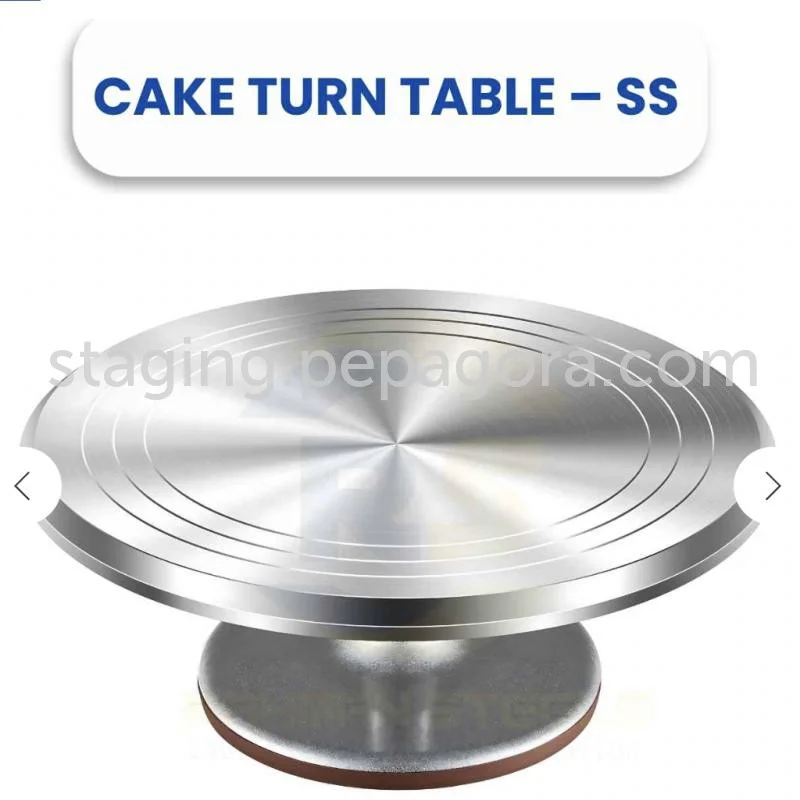
𝗪𝗵𝗮𝘁 𝗮𝗿𝗲 𝗧𝘂𝗿𝗻𝗲𝗿𝘀 & 𝗙𝗹𝗶𝗽𝗽𝗲𝗿𝘀?
Turners and flippers are specialized equipment used in various industrial processes to manipulate and reposition materials or products. These devices are designed to provide efficient handling, movement, and orientation of items in manufacturing, logistics, and processing environments. Their primary function is to ensure that products are positioned correctly for further processing or packaging, making them essential for maintaining workflow efficiency.
These tools find applications across multiple sectors, including food processing, pharmaceuticals, and manufacturing. In food processing, for example, turners and flippers are used to rotate food items for even cooking or cooling. In pharmaceutical settings, they assist in handling delicate containers without risking contamination. The versatility of turners and flippers makes them crucial in industries where precision and efficiency are paramount, contributing to streamlined operations and enhanced productivity.
The market for turners and flippers is growing as industries increasingly seek automation solutions to improve operations. With technological advancements, these devices are becoming more sophisticated, incorporating features such as programmable controls and enhanced safety measures. As businesses strive to optimize their processes, the demand for reliable turners and flippers will continue to rise, positioning them as vital components in modern industrial settings.
𝗞𝗲𝘆 𝗙𝗲𝗮𝘁𝘂𝗿𝗲𝘀 𝗮𝗻𝗱 𝗦𝗽𝗲𝗰𝗶𝗳𝗶𝗰𝗮𝘁𝗶𝗼𝗻𝘀
Turners and flippers come equipped with various features that enhance their functionality and usability in diverse applications. Understanding the specifications can help businesses choose the right equipment for their needs.
Key specifications include:
1. Load Capacity
- The maximum weight the turners and flippers can handle, typically ranging from 100 kg to several tons.
2. Rotation Angles
- The degrees of rotation available, which can vary from 180 degrees to 360 degrees, depending on the model.
3. Speed Control
- Adjustable speed settings that allow users to control the rate of rotation or flipping, enhancing precision.
4. Material Construction
- The materials used in construction, often stainless steel or high-grade plastics, ensuring durability and resistance to corrosion.
5. Power Source
- The type of energy required, such as electric, pneumatic, or hydraulic systems, impacting operational costs and maintenance.
6. Control System
- Options for manual or automated controls, facilitating ease of use and integration with existing systems.
7. Safety Features
- Built-in safety mechanisms like emergency stops, safety guards, and overload protection to ensure safe operation.
8. Dimensions
- Size specifications, including height, width, and footprint, to ensure compatibility with existing workspace layouts.
In summary, selecting turners and flippers involves understanding their specifications and features to ensure they meet specific operational requirements.
𝗖𝗼𝗺𝗺𝗼𝗻 𝗔𝗽𝗽𝗹𝗶𝗰𝗮𝘁𝗶𝗼𝗻𝘀 𝗮𝗻𝗱 𝗨𝘀𝗲 𝗖𝗮𝘀𝗲𝘀
Turners and flippers serve a broad range of industries, each utilizing these devices to enhance efficiency and safety in their operations.
1. Food Processing: In this industry, turners and flippers are used to rotate products like baked goods or frozen items, ensuring even cooking and cooling.
2. Pharmaceutical: These devices assist in handling delicate vials and containers, preventing contamination and damage during transport.
3. Manufacturing: In manufacturing environments, turners and flippers are employed to position parts for assembly or inspection, improving workflow and reducing manual handling.
4. Packaging: Turners and flippers streamline the packaging process by orienting products correctly for labeling and sealing, enhancing operational speed.
5. Warehousing: In logistics, these devices help in the efficient handling of pallets and crates, facilitating easier loading and unloading.
6. Automotive: In automotive production, turners and flippers are used to position components for assembly, ensuring precision and efficiency.
7. Recycling: In recycling operations, these devices help sort and position materials for processing, enhancing the efficiency of recycling workflows.
𝗣𝗿𝗼𝗱𝘂𝗰𝘁 𝗩𝗮𝗿𝗶𝗮𝗻𝘁𝘀 𝗮𝗻𝗱 𝗦𝘂𝗯𝗰𝗮𝘁𝗲𝗴𝗼𝗿𝗶𝗲𝘀
The diversity of turners and flippers allows for tailored solutions to meet specific industry needs.
Electric Turners
Electric turners are powered by electric motors, providing precise control over rotation and speed. They are ideal for applications requiring consistent performance and minimal manual intervention.
Pneumatic Flippers
Pneumatic flippers utilize air pressure for operation, making them suitable for environments where electrical sources may be limited. Their rapid action is beneficial in high-speed production lines.
Hydraulic Turners
Hydraulic turners are designed for heavy-duty applications, capable of handling larger loads with ease. They are commonly used in manufacturing and construction environments.
Manual Turners
Manual turners are operated by hand, offering simplicity and cost-effectiveness for small-scale applications. They are often used in workshops and less automated settings.
𝗕𝗲𝗻𝗲𝗳𝗶𝘁𝘀 𝗮𝗻𝗱 𝗔𝗱𝘃𝗮𝗻𝘁𝗮𝗴𝗲𝘀
Investing in turners and flippers provides numerous advantages for businesses looking to enhance their operational efficiency.
1. Increased Efficiency: These devices streamline processes, reducing the time required for handling and positioning materials.
2. Labor Savings: Automation of turning and flipping tasks minimizes the need for manual labor, allowing staff to focus on more critical tasks.
3. Enhanced Safety: Equipped with safety features, turners and flippers reduce the risk of workplace accidents related to lifting and handling.
4. Improved Product Quality: Consistent positioning ensures that products are processed uniformly, enhancing quality control.
5. Flexibility: With various models available, businesses can choose devices tailored to their specific operational needs.
6. Cost-Effectiveness: By optimizing processes, turners and flippers contribute to reduced operational costs over time.
𝗕𝘂𝘆𝗶𝗻𝗴 𝗚𝘂𝗶𝗱𝗲 𝗳𝗼𝗿 𝗕𝟮𝗕 𝗕𝘂𝘆𝗲𝗿𝘀
When sourcing turners and flippers, it is essential to consider several critical factors to ensure a suitable purchase.
1. Quality Assessment: Evaluate the materials and construction quality of the devices, ensuring they meet industry standards for durability and performance.
2. Supplier Verification: Conduct thorough research on potential suppliers, checking reviews, certifications, and past customer experiences to ensure reliability.
3. Pricing and MOQ: Understand the pricing structures and minimum order quantities required by suppliers to facilitate budgeting and procurement planning.
4. Delivery and Lead Times: Inquire about delivery timelines and logistics to ensure timely receipt of equipment for operational needs.
5. Compliance Requirements: Verify that the turners and flippers meet relevant industry regulations and standards to avoid compliance issues.
𝗖𝗼𝗺𝗽𝗹𝗶𝗮𝗻𝗰𝗲 𝗮𝗻𝗱 𝗖𝗲𝗿𝘁𝗶𝗳𝗶𝗰𝗮𝘁𝗶𝗼𝗻𝘀
Turners and flippers must adhere to specific quality standards and certifications to ensure reliability and safety in industrial applications.
ISO 9001 is a widely recognized quality management standard that demonstrates a company's ability to consistently provide products that meet customer and regulatory requirements. Compliance with ISO 9001 assures buyers of the manufacturer's commitment to quality.
The CE mark indicates conformity with health, safety, and environmental protection standards for products sold within the European Economic Area. This certification is crucial for businesses looking to market their products in Europe.
Safety and testing requirements are also vital, ensuring that turners and flippers operate safely under various conditions. Regular testing and compliance checks are necessary to maintain operational integrity.
Regional compliance considerations may vary, so it is essential for businesses to be aware of local regulations governing the use of such equipment. This ensures adherence to safety and operational standards specific to each region.
𝗪𝗵𝘆 𝗦𝗼𝘂𝗿𝗰𝗲 𝗧𝘂𝗿𝗻𝗲𝗿𝘀 & 𝗙𝗹𝗶𝗽𝗽𝗲𝗿𝘀 𝗳𝗿𝗼𝗺 𝗣𝗲𝗽𝗮𝗴𝗼𝗿𝗮?
Pepagora offers a reliable platform for sourcing turners and flippers, providing several advantages that benefit B2B buyers.
Verified Supplier Network: Pepagora's extensive network includes verified suppliers, ensuring that buyers have access to high-quality products and trustworthy manufacturers. This reduces the risk associated with sourcing equipment.
Streamlined RFQ Process: The request for quotation (RFQ) process on Pepagora is designed to be user-friendly, allowing buyers to easily compare offers from different suppliers. This efficiency helps in making informed purchasing decisions.
Trade Assurance and Support: Pepagora provides trade assurance, offering protection throughout the purchasing process. Buyers can feel secure knowing there is support available should any issues arise.
Regional Coverage: With a focus on regions such as India, the GCC, and Southeast Asia, Pepagora ensures that buyers can find suitable suppliers that cater to their specific geographic needs. This regional focus enhances accessibility and convenience for businesses.

 IN
IN