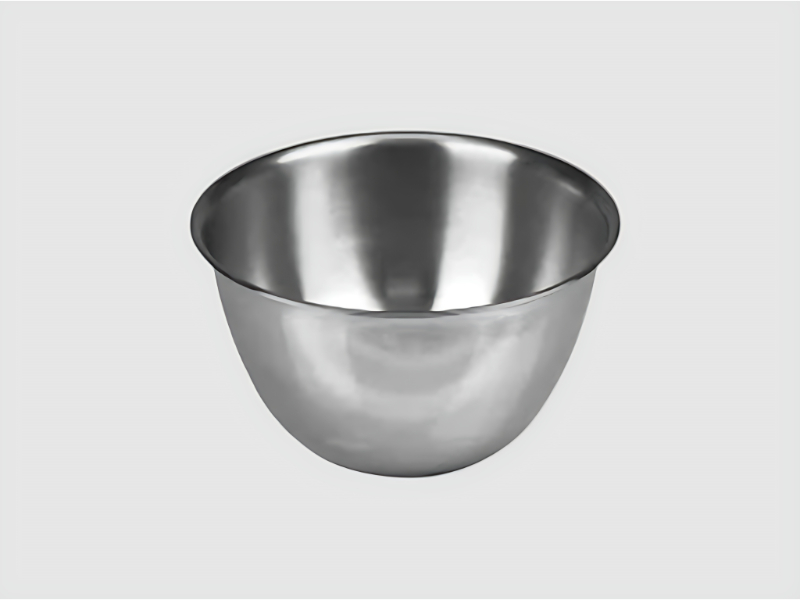
What are Mixing Bowls?
Mixing bowls are essential kitchen tools designed to facilitate the preparation of food by combining ingredients. They come in various materials such as stainless steel, glass, and plastic, each offering unique benefits. These bowls are typically deep and wide, enabling easy mixing, whisking, and kneading. Their design allows for efficient ingredient incorporation while minimizing spills and mess.
In the context of business applications, mixing bowls are widely used in food service industries, catering, and commercial kitchens. They are fundamental in the preparation of various dishes, from salads to baked goods. The ability to mix large quantities of ingredients efficiently makes them indispensable for restaurants, bakeries, and catering services. Additionally, their versatility extends beyond food preparation, as they can also be used in laboratories and manufacturing processes where mixing is required.
The market for mixing bowls is growing, driven by the increasing demand for culinary tools in both commercial and domestic kitchens. As food preparation practices evolve, the need for high-quality mixing bowls that can withstand rigorous use is becoming more pronounced. This trend highlights the importance of investing in durable and efficient mixing bowls to enhance productivity in various industries.
Key Features and Specifications
Mixing bowls are characterized by several key features that enhance their functionality and usability. When selecting mixing bowls for business needs, it is crucial to consider various specifications that align with specific applications.
Key specifications include:
1. Material Composition
- Common materials include stainless steel, glass, ceramic, and plastic.
- Each material has its own benefits, such as durability, heat resistance, and ease of cleaning.
2. Size Options
- Mixing bowls come in various sizes, typically ranging from 1 quart to 8 quarts or more.
- Larger sizes are ideal for batch cooking or preparing large quantities of ingredients.
3. Design Features
- Some mixing bowls include non-slip bases or ergonomic handles for ease of use.
- Certain designs may also feature pouring spouts for easier transfer of contents.
4. Stackability
- Many mixing bowls are designed to nest within each other for efficient storage.
- This feature is especially beneficial in commercial settings where space is limited.
5. Temperature Resistance
- Glass and stainless steel bowls can typically withstand high temperatures, making them suitable for mixing hot ingredients.
- Specific temperature ranges are not available.
6. Dishwasher Safe
- Most mixing bowls are designed to be dishwasher safe for easy cleaning.
- This feature aids in maintaining hygiene in commercial kitchens.
7. Non-reactive Surfaces
- Materials like glass and stainless steel do not react with acidic ingredients, ensuring food safety.
- This is particularly important for preserving the flavor and quality of food.
In summary, selecting mixing bowls with the right features and specifications can significantly enhance kitchen efficiency and productivity.
Common Applications and Use Cases
Mixing bowls serve a wide range of industries, making them versatile tools in various applications.
1. Food Service Industry: In restaurants and catering services, mixing bowls are used for preparing salads, marinades, batters, and dough. Their ability to handle large volumes makes them essential for food preparation.
2. Baking: Professional bakers rely on mixing bowls to combine ingredients for cakes, bread, and pastries. The right bowl can streamline the mixing process and improve consistency in baked goods.
3. Food Manufacturing: In factories and production lines, mixing bowls are utilized to blend ingredients before packaging. Their durable construction ensures long-lasting performance during high-volume production.
4. Laboratories: Mixing bowls are also applicable in some laboratory settings for combining chemical ingredients. The non-reactive surfaces of certain materials make them ideal for sensitive applications.
5. Home Cooking: While primarily targeted at commercial use, mixing bowls are also popular among home cooks for meal preparation and baking activities.
6. Cooking Schools: Culinary schools use mixing bowls extensively for teaching students proper mixing techniques and food preparation methods.
7. Catering Events: During large events, mixing bowls facilitate the preparation of buffet-style meals, allowing caterers to mix large quantities efficiently.
Product Variants and Subcategories
Mixing bowls come in a variety of designs and materials, catering to different needs and preferences. This diversity allows businesses to select bowls that best fit their specific applications.
Stainless Steel Mixing Bowls
These bowls are favored for their durability and resistance to rust and corrosion. They are lightweight yet sturdy, making them ideal for commercial kitchens where heavy use is expected. Their non-reactive surfaces ensure that they do not alter the taste of ingredients.
Glass Mixing Bowls
Glass mixing bowls offer a non-reactive option that is perfect for recipes requiring acidic ingredients. They are often microwave safe and allow users to monitor the mixing process easily. Their aesthetic appeal makes them suitable for serving as well.
Plastic Mixing Bowls
Lightweight and easy to handle, plastic mixing bowls are often used in home kitchens and catering environments. They are typically less expensive than glass or metal options and come in a variety of colors. However, they may not be as durable under high heat.
Ceramic Mixing Bowls
These bowls provide an attractive option for both mixing and serving. While they are heavier and more fragile than other materials, they are excellent for tasks requiring stability. Ceramic bowls are often used in baking and food presentation.
Benefits and Advantages
Choosing the right mixing bowls can offer several key benefits that enhance both efficiency and effectiveness in food preparation.
1. Enhanced Durability: High-quality mixing bowls, especially those made from stainless steel or glass, are built to withstand daily use without cracking or breaking.
2. Versatility: Mixing bowls can be used for a variety of tasks, from mixing ingredients to serving dishes, making them a multifunctional tool in any kitchen.
3. Easy Maintenance: Many mixing bowls are dishwasher safe, simplifying the cleaning process and promoting hygiene in commercial and home kitchens.
4. Improved Mixing Efficiency: The design and size of mixing bowls allow for better incorporation of ingredients, resulting in consistent and well-mixed outcomes.
5. Space Saving: Stackable designs help save storage space in kitchens, making them ideal for both commercial and residential settings.
6. Safety Features: Non-reactive materials ensure that food safety is maintained, especially when mixing acidic ingredients that could otherwise react with certain materials.
Buying Guide for B2B Buyers
When sourcing mixing bowls for your business, it is essential to consider several critical factors to ensure you make an informed decision.
1. Quality Assessment: Evaluate the materials and construction of mixing bowls to ensure they meet your durability and performance needs. Look for bowls that can withstand heavy usage without damage.
2. Supplier Verification: Vet suppliers to confirm their reliability and reputation in the market. Check for customer reviews and industry certifications to ensure you are partnering with trustworthy vendors.
3. Pricing and MOQ: Understand the pricing structure and minimum order quantities (MOQs) associated with your purchasing decisions. Compare prices across suppliers to find competitive options.
4. Delivery and Lead Times: Inquire about delivery schedules and lead times to ensure that products can be received on time for your operations. Timely delivery is crucial for maintaining workflow in commercial settings.
5. Compliance Requirements: Ensure that the mixing bowls comply with relevant industry regulations and standards, such as food safety guidelines. Verify any certifications that may be necessary for your specific application.
Compliance and Certifications
Mixing bowls are subject to various quality standards that ensure they are safe and suitable for use in food preparation and other applications. One of the key standards is ISO 9001, which focuses on quality management systems and ensures consistent product quality.
HACCP (Hazard Analysis and Critical Control Points) is another relevant standard that emphasizes food safety management. This standard is crucial for mixing bowls used in food service to ensure that they do not contribute to foodborne illnesses.
Additionally, compliance with CE certification indicates that the product meets European safety, health, and environmental protection standards. This certification is particularly important for suppliers aiming to trade within the European market.
Safety testing is also vital, as it helps verify that mixing bowls do not leach harmful substances into food and that they can withstand the rigors of commercial use. Regional compliance considerations may vary, and it is essential for buyers to be aware of specific regulations in their geographic areas.
Why Source Mixing Bowls from Pepagora?
Pepagora offers a trusted platform for sourcing mixing bowls, providing several key advantages that cater to B2B buyers.
Verified Supplier Network: Pepagora connects buyers with a wide range of verified suppliers, ensuring that the products meet high-quality standards. The platform emphasizes supplier reliability, which is crucial for establishing long-term business relationships.
Streamlined RFQ Process: The Request for Quotation (RFQ) process on Pepagora simplifies procurement, allowing buyers to easily compare quotes from multiple suppliers. This efficiency helps businesses make informed purchasing decisions quickly.
Trade Assurance and Support: Buyers on Pepagora benefit from trade assurance programs that protect their investments. This support includes assistance with dispute resolution and ensuring that product specifications are met.
Regional Coverage: Pepagora has a broad geographic reach, encompassing regions such as India, the Gulf Cooperation Council (GCC), and Southeast Asia. This extensive coverage enables buyers to access quality mixing bowls from various suppliers in their respective regions.

 IN
IN