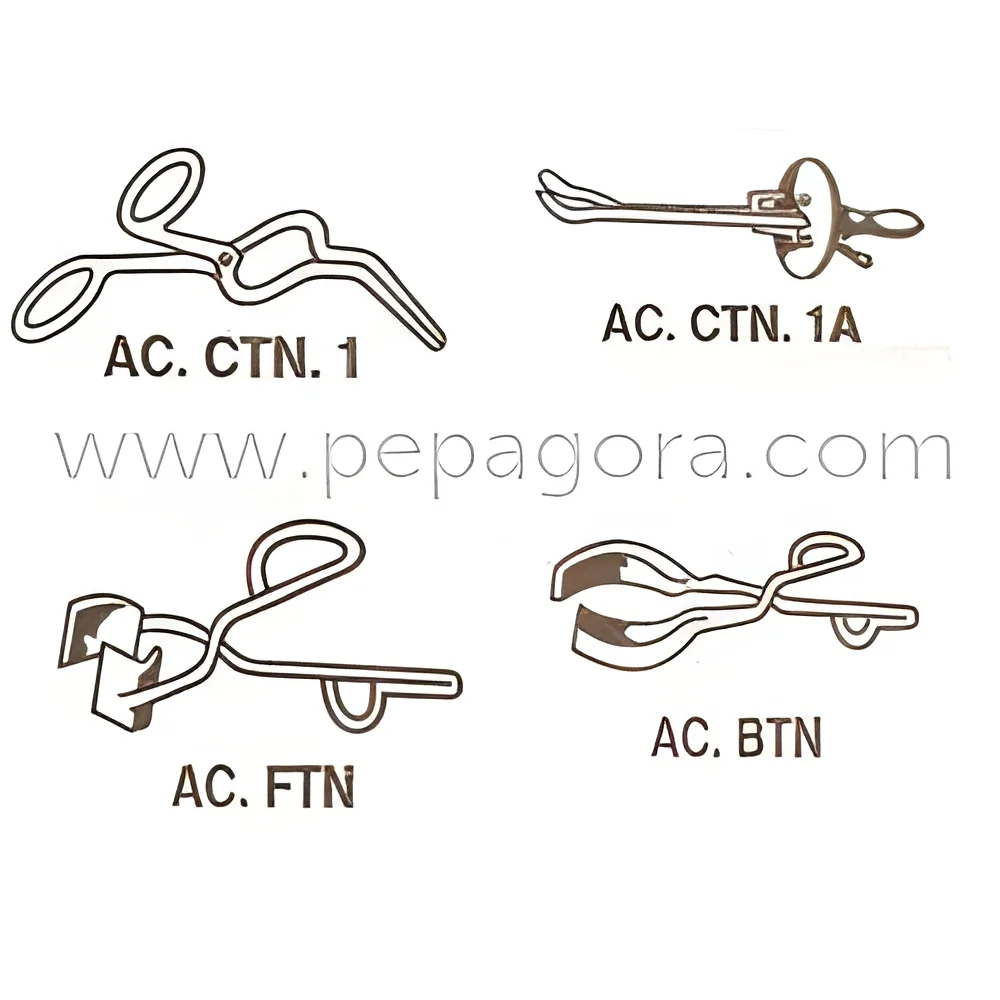
What are Salad Servers?
Salad servers are essential utensils designed for serving salads and other mixed dishes. Typically consisting of a pair of long-handled tools, salad servers come in various materials such as stainless steel, wood, and plastic. Their design allows for easy scooping, tossing, and serving of salads, making them indispensable in both domestic and commercial kitchens.
These tools are primarily used in restaurants, catering services, and food service establishments to efficiently serve salads at buffets or individual servings. They facilitate the serving process by allowing servers to easily pick up and transfer salad portions without the risk of spilling. The ergonomic design of salad servers ensures that they can be used comfortably for extended periods, which is especially important in high-volume settings.
In the context of the food industry, salad servers are relevant for enhancing the dining experience. Their use promotes hygiene and efficiency in food service, which is crucial in today's health-conscious market. With growing consumer interest in fresh and healthy meals, the demand for quality salad servers is on the rise, reflecting broader trends in gastronomy and dining practices.
Key Features and Specifications
Salad servers are characterized by their functional and ergonomic design, catering to the needs of various food service environments. These utensils are made with careful consideration of durability and usability.
Key specifications include:
1. Material
- Salad servers can be made from stainless steel, wood, or plastic.
- Each material offers different benefits in terms of durability, weight, and ease of cleaning.
2. Length
- Typical lengths range from 10 to 14 inches, allowing for easy handling.
- Longer handles provide better reach for deeper serving bowls.
3. Weight
- Salad servers usually weigh between 100 to 300 grams.
- The weight affects ease of handling and the overall user experience.
4. Design
- Available in various styles, including slotted or solid designs.
- Slotted designs help in draining excess dressing from salads.
5. Finish
- Options include polished, matte, or coated finishes.
- The finish impacts aesthetics and ease of cleaning.
6. Handle Style
- Handle styles may vary from straight to curved designs.
- Curved handles can enhance grip and comfort during use.
7. Customization
- Many suppliers offer options for customization, including branding.
- Customization can be beneficial for businesses looking to enhance their brand visibility.
In summary, salad servers are versatile tools with key features that cater to the needs of various industries, ensuring efficient service and user satisfaction.
Common Applications and Use Cases
Salad servers find applications across multiple industries, where their functionality enhances food service.
1. Restaurants: In dining establishments, salad servers are vital for presenting salads elegantly at the table or buffet. Their design helps in portion control and reduces waste.
2. Catering Services: For events and gatherings, salad servers allow caterers to serve large quantities of salads efficiently, ensuring a smooth dining experience for guests.
3. Buffets: In buffet settings, salad servers enable guests to easily serve themselves, promoting hygiene and minimizing mess.
4. Food Trucks: Mobile food vendors utilize salad servers for quick and effective service, especially for fresh salad offerings.
5. Meal Prep Services: Companies focused on meal prep use salad servers to portion salads for delivery, ensuring that each serving is consistent and well-presented.
6. Schools and Institutions: In educational and healthcare settings, salad servers help in serving nutritious meals, promoting healthy eating habits.
7. Home Use: For home chefs, salad servers are essential for preparing and serving salads during family meals or gatherings.
Product Variants and Subcategories
The variety of salad servers available allows businesses to choose according to specific needs and preferences.
Stainless Steel Salad Servers
These are durable and resistant to corrosion, making them ideal for high-volume use in restaurants and catering services. Their sleek design adds a touch of elegance to any table setting.
Wooden Salad Servers
Wooden variants provide a rustic charm and are often preferred for organic or natural-themed dining experiences. They are gentle on delicate salad ingredients, preventing bruising.
Plastic Salad Servers
Lightweight and cost-effective, plastic salad servers are commonly used in casual dining and outdoor events. They are available in various colors and designs, making them suitable for themed occasions.
Benefits and Advantages
Salad servers offer various benefits that enhance their value in food service operations.
1. Improved Efficiency: Their design allows for quick and easy serving, saving time for servers during busy hours.
2. Enhanced Presentation: Salad servers help in presenting salads attractively, which can enhance customer satisfaction and dining experience.
3. Versatility: Suitable for various salad types and other mixed dishes, salad servers are adaptable to different menu offerings.
4. Hygienic Serving: Using dedicated utensils for salad serving minimizes cross-contamination, promoting food safety.
5. Ease of Use: The ergonomic design of salad servers ensures comfort during prolonged use, making them ideal for busy restaurant environments.
6. Customization Options: Businesses can brand salad servers, reinforcing brand identity and making them a marketing tool.
Buying Guide for B2B Buyers
When sourcing salad servers, several factors should be considered to ensure the right choice for your business needs.
1. Quality Assessment: Look for servers made from durable materials that can withstand frequent use. Check for reviews or certifications that highlight the quality of the products.
2. Supplier Verification: Vet potential suppliers to ensure they have a reliable track record and can provide consistent quality. Request samples if possible to assess the product firsthand.
3. Pricing and MOQ: Understand the pricing structure and minimum order quantities (MOQ) to determine if they align with your budget and operational needs.
4. Delivery and Lead Times: Inquire about delivery schedules to ensure that you receive your order on time, especially during peak seasons.
5. Compliance Requirements: Ensure that the salad servers meet relevant safety and quality standards, such as CE certifications, to avoid compliance issues.
Compliance and Certifications
Salad servers must adhere to specific quality standards and industry certifications to ensure their safety and usability in food service settings.
ISO 9001 is a widely recognized quality management system standard that ensures products meet customer and regulatory requirements. Compliance with this standard reflects a commitment to quality and continuous improvement in manufacturing processes.
CE certification indicates that salad servers meet European safety standards, ensuring that they are safe for use in food preparation and serving. This certification is crucial for manufacturers who wish to market their products in the European Union.
Safety and testing requirements for salad servers may include assessments for material safety, durability, and ease of cleaning. It is important for manufacturers to conduct thorough testing to ensure that their products do not pose any health risks.
Regional compliance considerations can vary, so it is essential to understand the specific requirements in the markets where the products will be sold. This may include local health regulations or standards specific to food service equipment.
Why Source Salad Servers from Pepagora?
Pepagora provides a trusted platform for sourcing salad servers, offering numerous advantages for businesses in need of high-quality food service equipment.
Verified Supplier Network: Pepagora connects buyers with a network of verified suppliers, ensuring that all products meet stringent quality standards. This reduces the risk of receiving subpar products.
Streamlined RFQ Process: The platform simplifies the request for quotation (RFQ) process, allowing buyers to easily compare options and make informed purchasing decisions. This efficiency can save time and resources.
Trade Assurance and Support: Buyers are protected through trade assurance policies that ensure fair transactions and reliable product delivery. This builds confidence in sourcing products through Pepagora.
Regional Coverage: With a strong presence in India, the GCC, and Southeast Asia, Pepagora offers extensive geographic reach. This allows businesses to source locally while accessing a diverse range of products suited to various markets.
In summary, sourcing salad servers from Pepagora ensures quality, efficiency, and reliability, essential for meeting the demands of modern food service operations.

 IN
IN