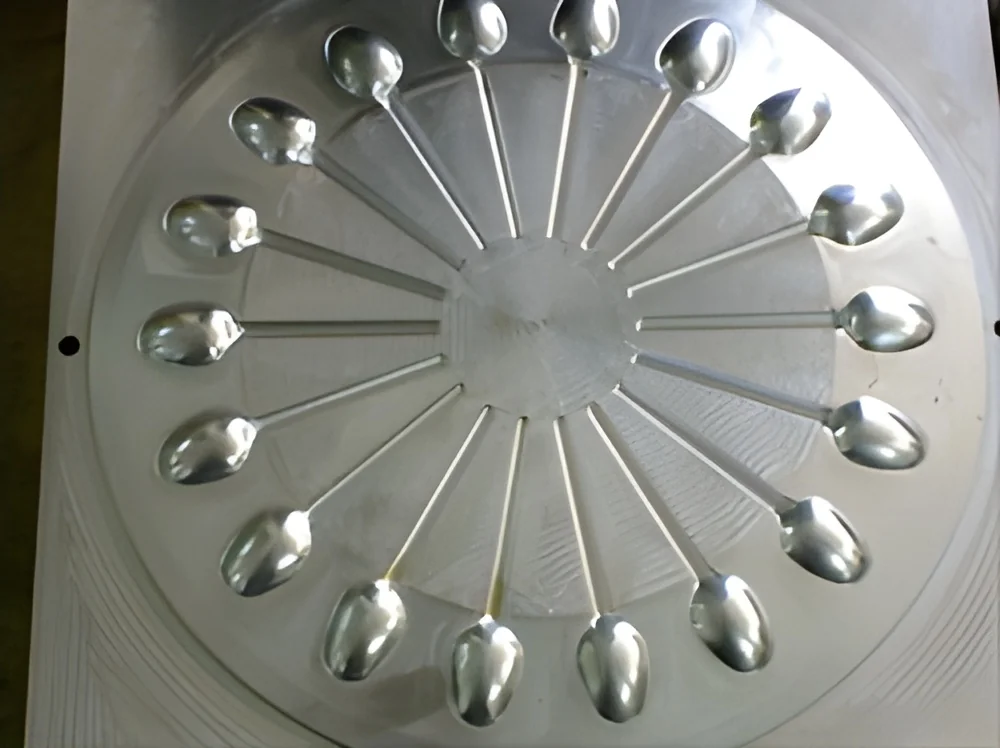
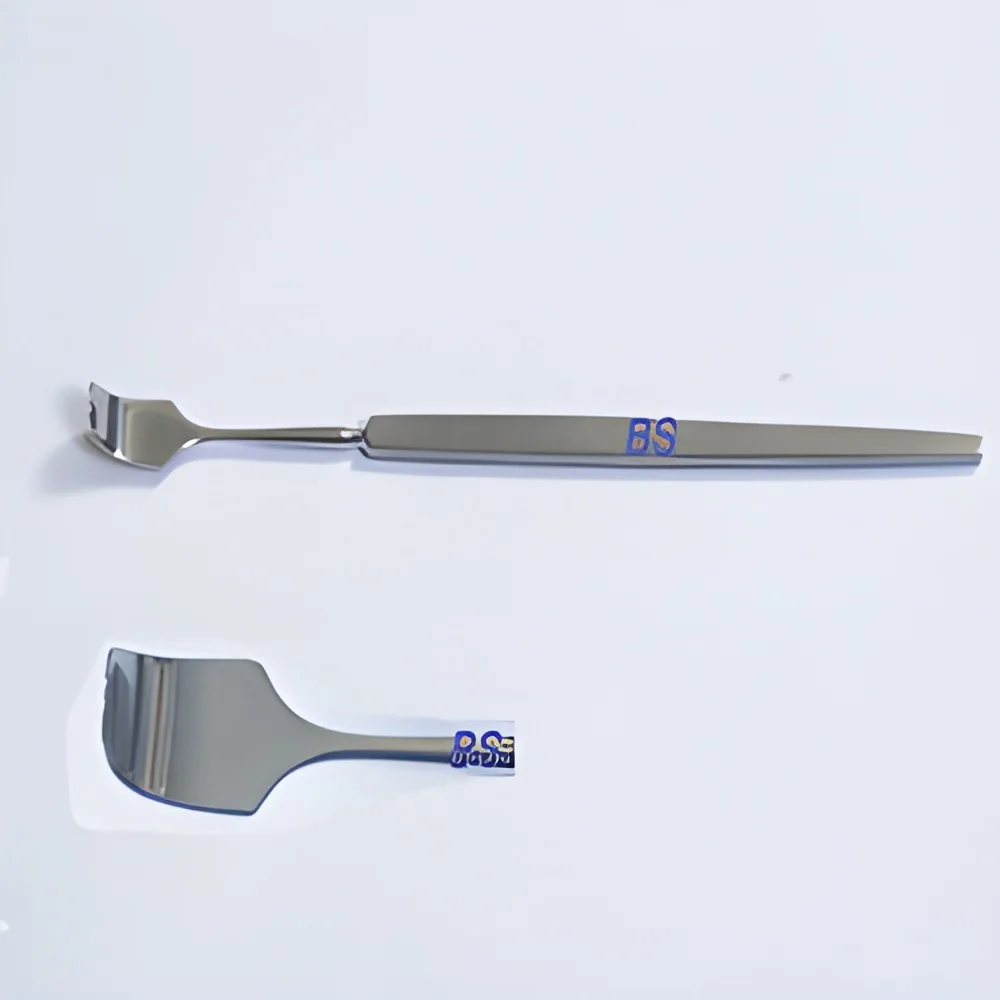
What are Serving Spoons?
Serving spoons are essential utensils designed for transferring food from serving dishes to individual plates. These spoons typically feature a larger bowl and a long handle, allowing for easy scooping and serving of various types of food, such as salads, casseroles, and side dishes. Their ergonomic design ensures that they can handle larger portions compared to standard spoons, making them a staple in both commercial and domestic kitchens.
In terms of primary uses, serving spoons are invaluable in catering, restaurants, and food service operations. They facilitate efficient serving during buffets and communal dining experiences, where quick and hygienic food service is necessary. Additionally, serving spoons are often utilized in meal prep and presentation, helping to enhance the dining experience by allowing for a clean transfer of food from serving platters to plates.
The market for serving spoons is closely tied to the broader food service and hospitality industries. As restaurants and catering businesses continue to grow, the demand for high-quality serving utensils remains strong. With various materials and designs available, serving spoons cater to diverse culinary needs and stylistic preferences, ensuring their relevance across different sectors.
Key Features and Specifications
Serving spoons come with a variety of features and specifications to meet the demands of different industries. Understanding these specifications can help B2B buyers select the right product for their needs.
Key specifications include:
1. Material
- Commonly made from stainless steel, plastic, or wood
- Durability and resistance to corrosion or heat vary by material
2. Length
- Standard lengths range from 8 to 12 inches
- Longer handles provide better reach for serving from large dishes
3. Bowl Size
- Bowl sizes can vary from 2 to 4 inches in diameter
- Larger bowls accommodate bigger servings
4. Weight
- Weight can affect handling and ease of use
- Generally ranges from 50 grams to 200 grams depending on the material
5. Design
- Available in various designs, including slotted for draining and solid for scooping
- Aesthetic options may include polished finishes or decorative styles
6. Dishwasher Safe
- Many serving spoons are designed for easy cleaning in commercial dishwashers
- Compliance with food safety standards is essential
7. Heat Resistance
- Some serving spoons are designed to withstand high temperatures
- Ideal for serving hot dishes without warping or melting
8. Customization Options
- Many suppliers offer customization for branding or specific design requests
- This can include engraved logos or color variations
In summary, selecting the right serving spoon involves understanding material properties, sizes, and design features that align with operational needs and aesthetic preferences.
Common Applications and Use Cases
Serving spoons serve various industries, demonstrating their versatility and importance in food service applications.
1. Restaurants: In restaurants, serving spoons are used for plating dishes, allowing chefs to serve portions directly from kitchen to table efficiently.
2. Catering Services: Catering companies utilize serving spoons for buffet setups, enabling guests to serve themselves while maintaining hygiene and ease of use.
3. Hospitals: In healthcare facilities, serving spoons are essential for meal service, ensuring that patients receive their food in a safe and manageable manner.
4. Schools and Educational Institutions: Serving spoons are used in cafeterias to portion out meals, allowing for quick and organized serving during busy lunch hours.
5. Events and Banquets: During large events, serving spoons play a crucial role in managing food service, helping staff serve multiple guests efficiently.
6. Food Trucks: Food trucks require durable serving utensils that can withstand frequent use in varied conditions, making serving spoons a critical component of their operations.
7. Home Kitchens: Even in home settings, serving spoons are fundamental for family meals and gatherings, enhancing the dining experience.
Product Variants and Subcategories
Serving spoons come in various types to cater to different culinary needs and styles. Each variant offers unique features suited for specific applications.
Standard Serving Spoon
The standard serving spoon is versatile and typically made from stainless steel or high-grade plastic. It is ideal for general use in restaurants and catering, providing a reliable option for serving a variety of dishes.
Slotted Serving Spoon
This variant features holes in the bowl, allowing liquid to drain away. It is perfect for serving foods like pasta or vegetables, where excess liquid needs to be minimized.
Ladle
Ladles, while not traditional serving spoons, are essential for serving soups and stews. They come with a deep bowl and a long handle, making them suitable for transferring liquids.
Spoon with Serving Fork
This tool combines the functionality of a spoon and fork, allowing for easy serving of complex dishes that require both scooping and lifting.
Benefits and Advantages
Serving spoons offer numerous benefits that enhance operational efficiency and dining experiences in various settings.
1. Enhanced Efficiency: Serving spoons allow for quick and easy food transfer, streamlining service processes in busy environments like restaurants and catering.
2. Versatility: Suitable for various types of food, from salads to casseroles, serving spoons can adapt to different culinary needs.
3. Ergonomic Design: Many serving spoons feature ergonomic handles that improve grip and reduce strain, making them easier to use over long periods.
4. Easy Cleaning: Most serving spoons are designed for easy maintenance, often being dishwasher safe, which is a significant advantage for high-volume operations.
5. Aesthetic Appeal: Available in various designs and materials, serving spoons can complement table settings and enhance the overall dining experience.
6. Durability: High-quality materials ensure longevity and reliability, providing a cost-effective solution for businesses.
Buying Guide for B2B Buyers
When sourcing serving spoons, B2B buyers should consider several important factors to ensure they select the right products.
1. Quality Assessment: Evaluate the material quality and craftsmanship. Look for serving spoons made from durable materials that will withstand frequent use without bending or breaking.
2. Supplier Verification: Check the reputation and reliability of suppliers. Request references or reviews and ensure they meet industry standards for food service utensils.
3. Pricing and MOQ: Understand the pricing structure and minimum order quantities. This helps in budgeting and ensures that you procure enough utensils for your operations.
4. Delivery and Lead Times: Discuss logistics and lead times with suppliers to ensure timely delivery, especially for large orders or during peak seasons.
5. Compliance Requirements: Ensure that the serving spoons meet relevant safety and hygiene standards. Familiarize yourself with any certifications, such as CE, that may be necessary for your region.
Compliance and Certifications
Compliance with industry standards is crucial when sourcing serving spoons. Relevant quality standards, such as ISO 9001, ensure that the manufacturing process meets high-quality benchmarks.
HACCP (Hazard Analysis Critical Control Point) and GDP (Good Distribution Practice) are also essential in the food service industry, as they address safety and hygiene protocols necessary for food handling.
In addition to these standards, serving spoons may carry certifications like CE, indicating compliance with European safety regulations. This is particularly important for businesses operating in multiple regions.
Safety requirements include ensuring that serving spoons are free from harmful chemicals and safe for food contact. Regular testing and quality checks are advisable to maintain compliance and customer safety.
Why Source Serving Spoons from Pepagora?
Pepagora provides a trusted platform for sourcing serving spoons, offering several key advantages that can benefit B2B buyers.
Verified Supplier Network: Pepagora connects buyers with a network of verified suppliers, ensuring that all sourced products meet high standards of quality and safety. This reduces the risk associated with procurement.
Streamlined RFQ Process: The Request for Quotation (RFQ) process simplifies sourcing by allowing buyers to easily compare prices and specifications from multiple suppliers, ensuring they find the best deal.
Trade Assurance and Support: Pepagora offers trade assurance, providing buyers with protection during transactions. This includes support in case of disputes or issues with orders, enhancing buyer confidence.
Regional Coverage: With extensive reach across India, the GCC, and Southeast Asia, Pepagora ensures that buyers can source serving spoons from suppliers that cater to their specific regional needs, facilitating smooth logistics and supply chain management.

 IN
IN