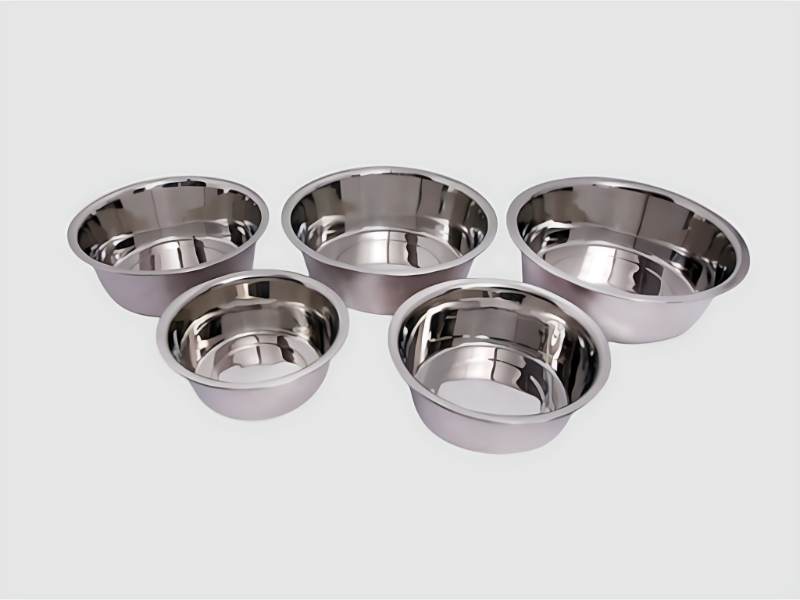
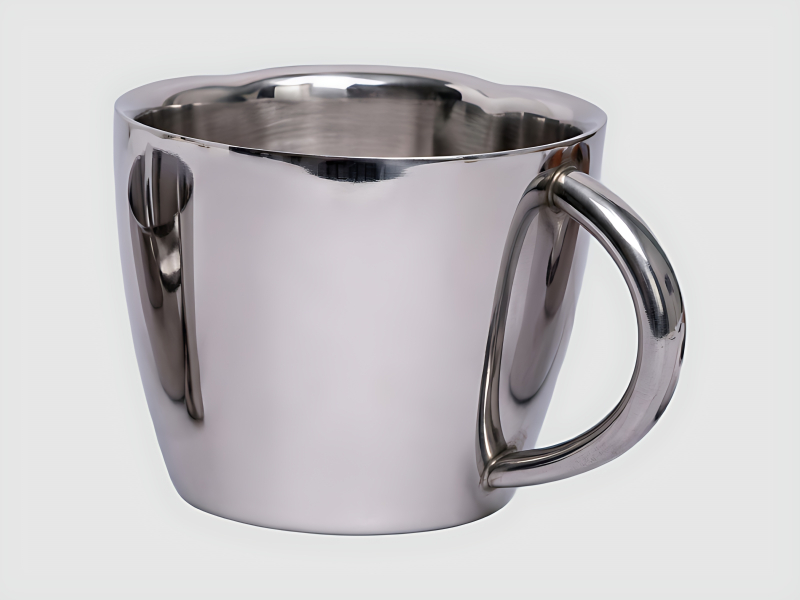
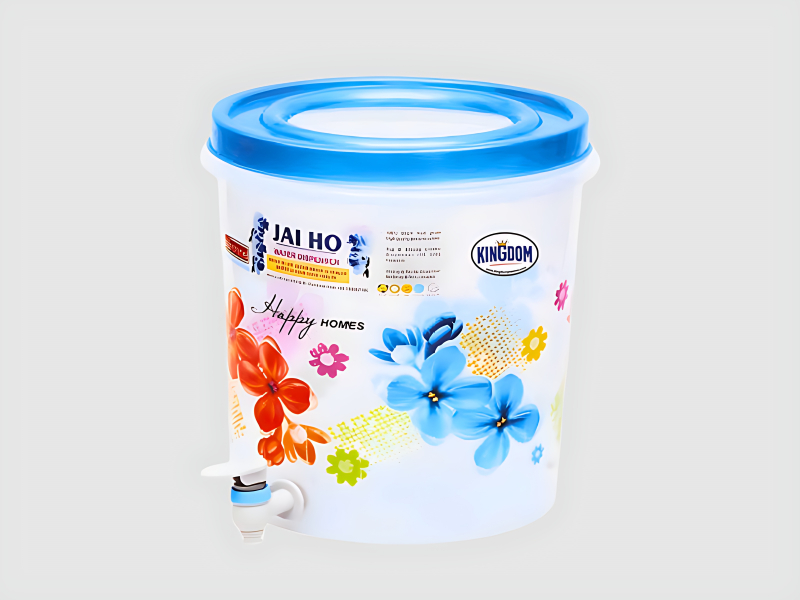
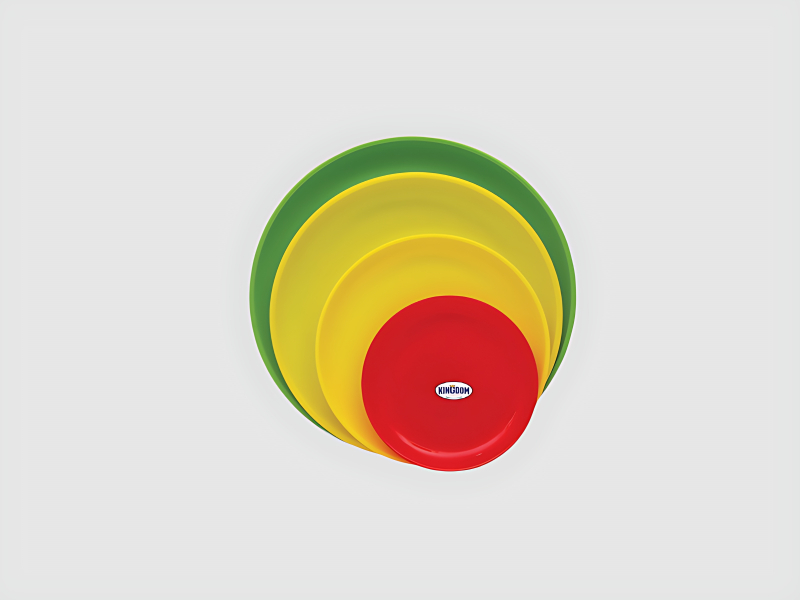
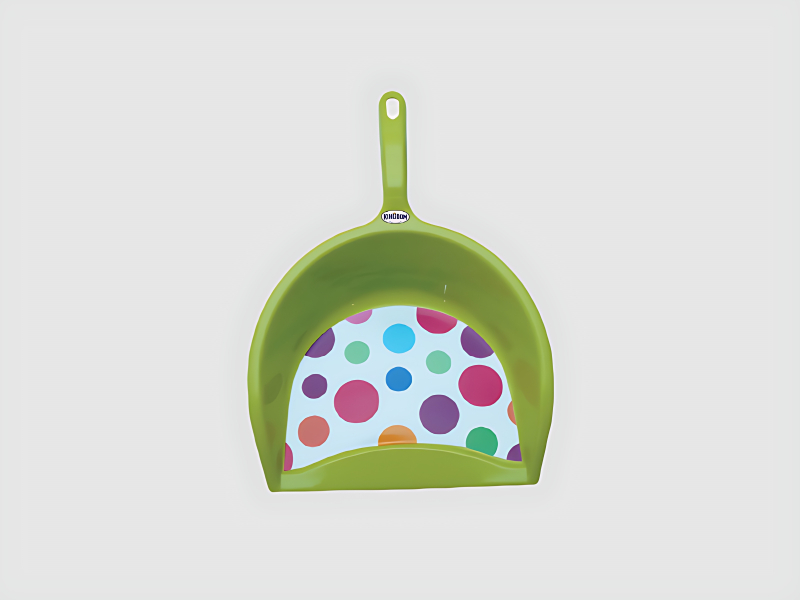
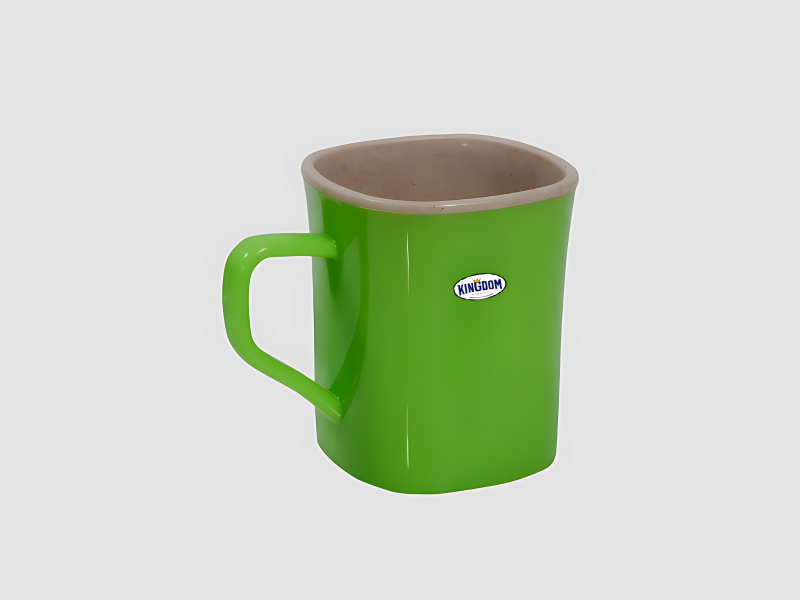
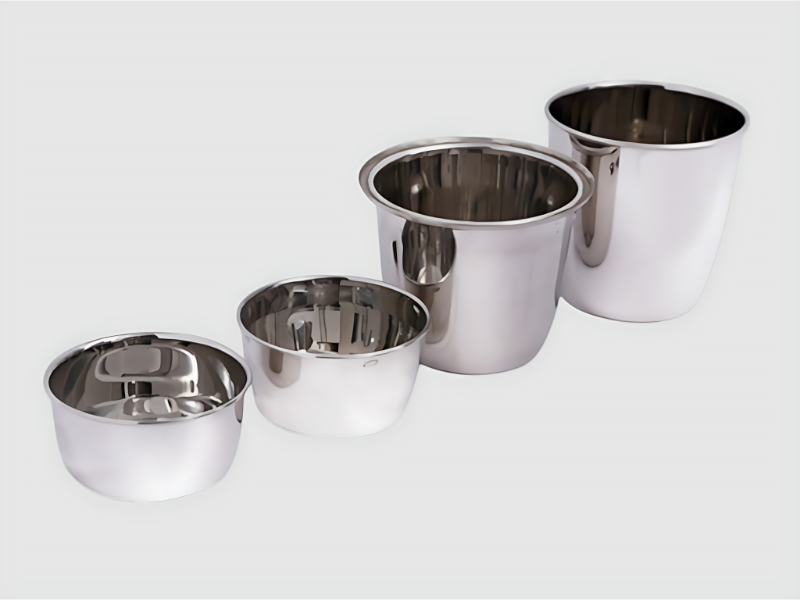
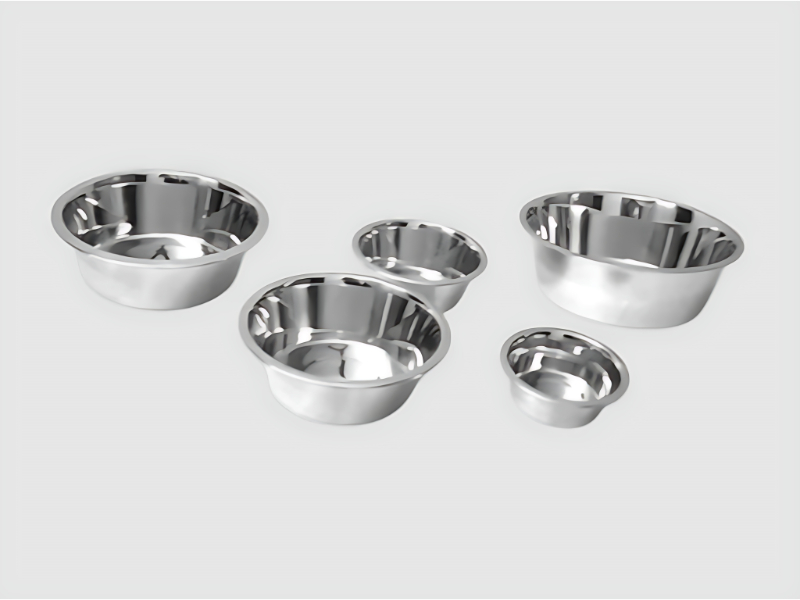
𝗪𝗵𝗮𝘁 𝗮𝗿𝗲 𝗖𝘂𝘁𝗹𝗲𝗿𝘆 & 𝗞𝗶𝘁𝗰𝗵𝗲𝗻 𝗧𝗼𝗼𝗹𝘀?
Cutlery and kitchen tools are essential instruments used in food preparation, serving, and dining. Cutlery typically refers to knives, forks, spoons, and other utensils designed for cutting and serving food. Kitchen tools encompass a broader range of items, including peelers, graters, whisks, and measuring cups, which assist in various cooking tasks. Together, these tools are indispensable in both commercial and residential kitchens, facilitating efficient food handling and preparation.
In business applications, cutlery and kitchen tools are vital for restaurants, catering services, food manufacturers, and meal prep companies. These items contribute to both functionality and presentation in food service environments. Properly designed and manufactured cutlery and kitchen tools enhance the cooking experience, improve food safety, and boost customer satisfaction. As the food industry evolves, the demand for high-quality, durable kitchen tools continues to rise, creating a robust market for manufacturers and suppliers.
The relevance of cutlery and kitchen tools in the industry is underscored by their integration into culinary arts programs and their essential role in food safety regulations. Market trends indicate a growing preference for ergonomic and sustainable designs, reflecting consumer demands for quality and environmental responsibility.
𝗞𝗲𝘆 𝗙𝗲𝗮𝘁𝘂𝗿𝗲𝘀 𝗮𝗻𝗱 𝗦𝗽𝗲𝗰𝗶𝗳𝗶𝗰𝗮𝘁𝗶𝗼𝗻𝘀
Cutlery and kitchen tools are characterized by several key features that enhance their usability and effectiveness. When considering options, it is crucial to understand these specifications to make informed purchasing decisions.
Key specifications include:
1. Material Composition
- Stainless steel, plastic, wood, or silicone
- Varies based on application and durability requirements
2. Ergonomic Design
- Handles designed for comfort and grip
- Reduces strain during extended use
3. Blade Sharpness and Edge Retention
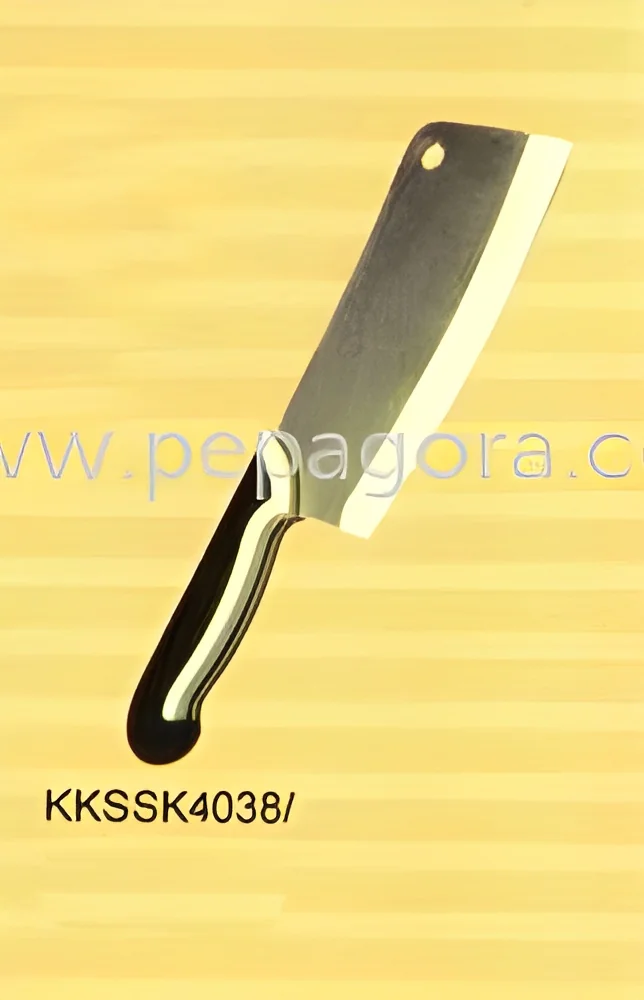
- High-carbon stainless steel for knives
- Long-lasting sharpness for efficiency
4. Heat Resistance
- Tools designed to withstand high temperatures
- Essential for cooking applications
5. Dishwasher Safe
- Easy to clean, enhancing convenience for users
- Ensures hygiene compliance
6. Size and Weight
- Varied sizes for different applications
- Lightweight options available for ease of use
7. Versatility
- Multi-functional tools that serve various purposes
- Adaptability for different cooking techniques
8. Safety Features
- Non-slip handles and blade guards
- Important for reducing accidents in the kitchen
Understanding these specifications helps buyers select cutlery and kitchen tools that meet their specific needs and industry standards.
𝗖𝗼𝗺𝗺𝗼𝗻 𝗔𝗽𝗽𝗹𝗶𝗰𝗮𝘁𝗶𝗼𝗻𝘀 𝗮𝗻𝗱 𝗨𝘀𝗲 𝗖𝗮𝘀𝗲𝘀
Cutlery and kitchen tools find applications across various industries that rely on food preparation and service.
1. Restaurants: Professional kitchens require high-quality knives and utensils for food prep and plating, ensuring efficiency during service.
2. Catering Services: Catering companies use versatile kitchen tools to prepare and serve large quantities of food, emphasizing durability and ease of transport.
3. Food Processing: In manufacturing settings, specialized cutlery is used for slicing, dicing, and portioning products, facilitating production line efficiency.
4. Culinary Schools: Training environments utilize a range of kitchen tools to educate aspiring chefs, highlighting the importance of quality and function.
5. Meal Kit Services: Companies providing pre-packaged ingredients use cutlery and tools for meal preparation, ensuring that customers have the right tools for cooking.
6. Bakeries: Specialized cutting tools are essential for precise measurements and shaping of dough, contributing to product consistency.
7. Home Kitchens: Consumers seek kitchen tools that enhance their cooking experience, focusing on ease of use and durability for everyday tasks.
𝗣𝗿𝗼𝗱𝘂𝗰𝘁 𝗩𝗮𝗿𝗶𝗮𝗻𝘁𝘀 𝗮𝗻𝗱 𝗦𝘂𝗯𝗰𝗮𝘁𝗲𝗴𝗼𝗿𝗶𝗲𝘀
The diversity of cutlery and kitchen tools allows for a wide range of variants tailored to specific needs.
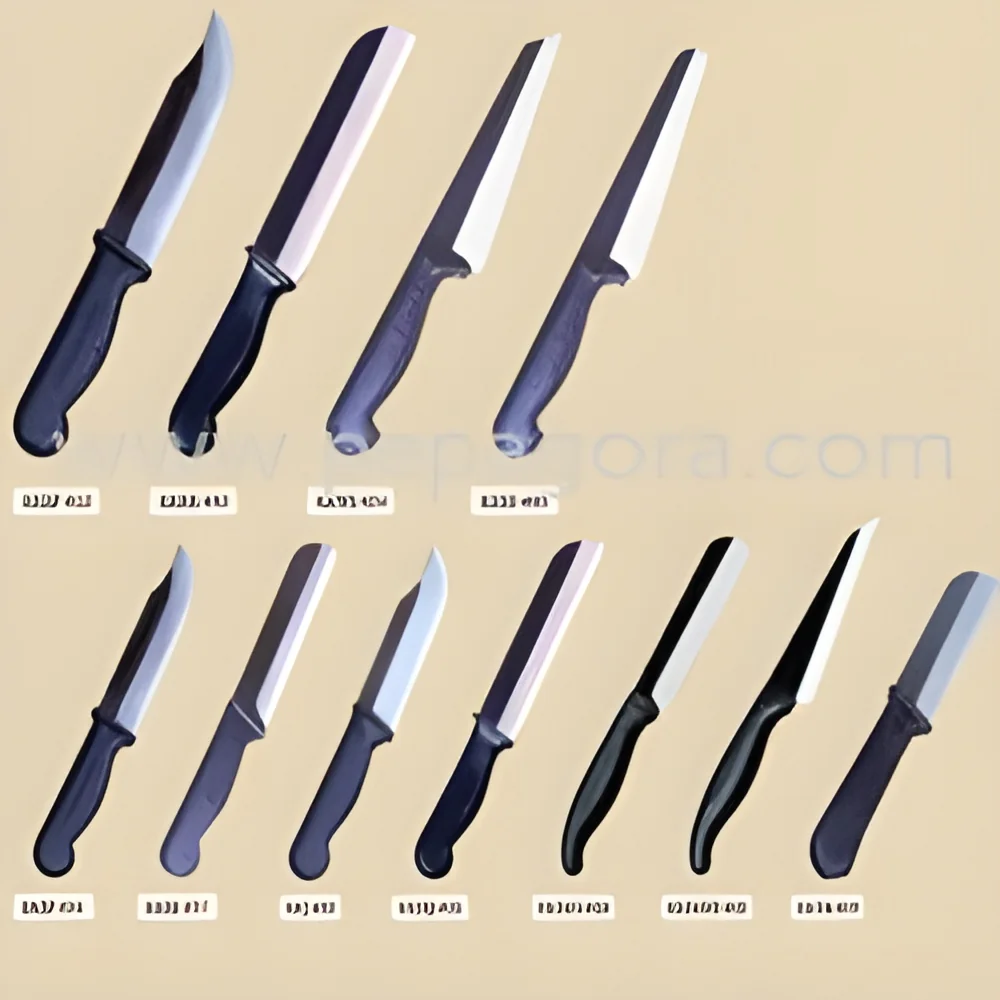
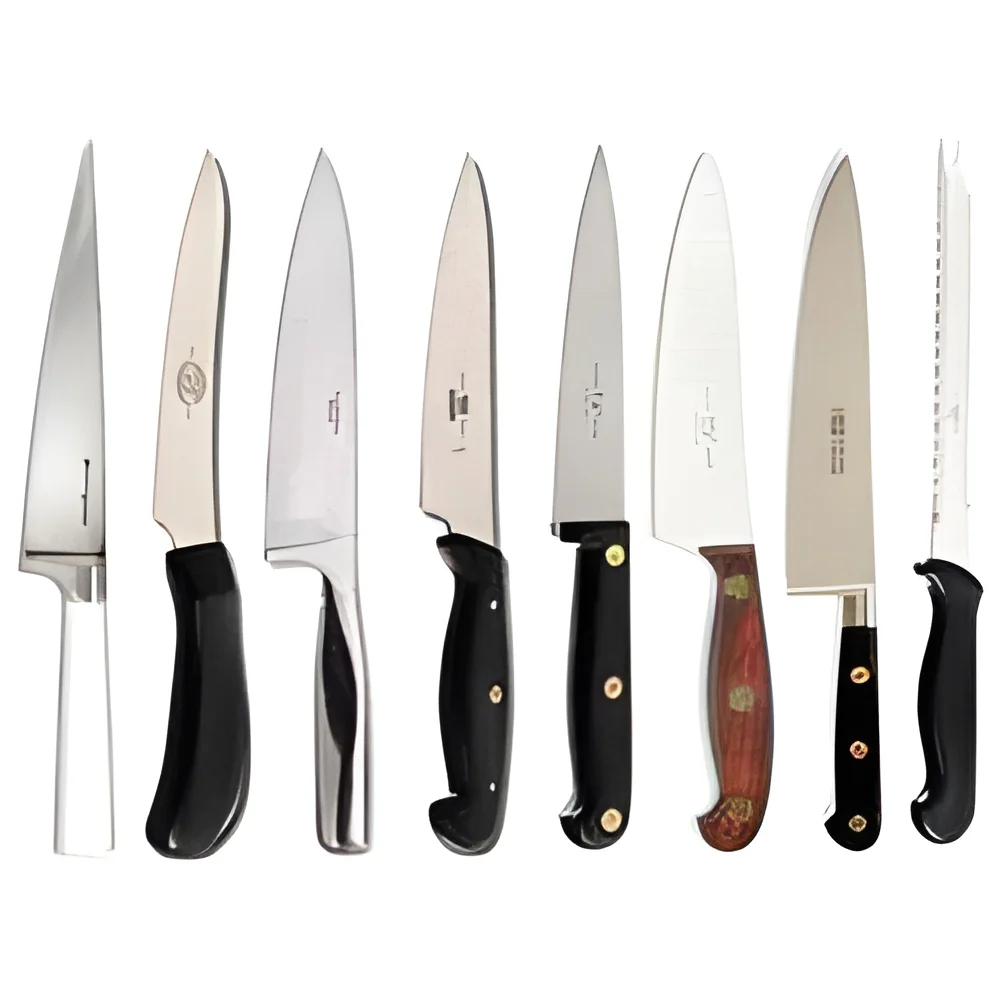
Chef's Knives
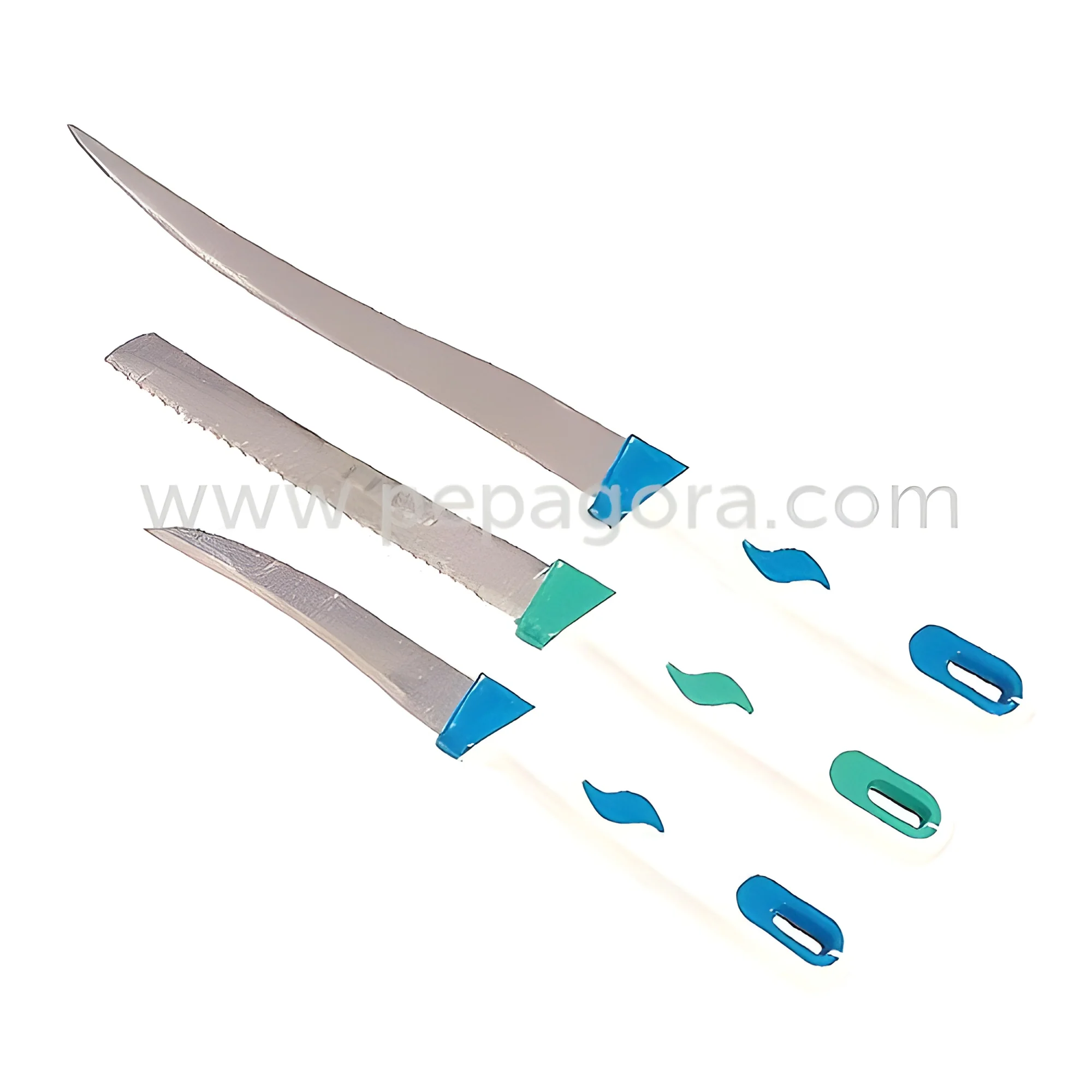
These versatile knives are essential for chopping, slicing, and dicing. They feature a broad blade that allows for various cutting techniques and are favored by professional chefs.
Paring Knives
These small, lightweight knives are perfect for intricate tasks such as peeling and trimming fruits and vegetables. Their precise design makes them a favorite for detailed work.
Kitchen Shears
Multi-functional kitchen shears are ideal for cutting herbs, packaging, and food preparation. Their ability to handle various tasks makes them a staple in both home and commercial kitchens.
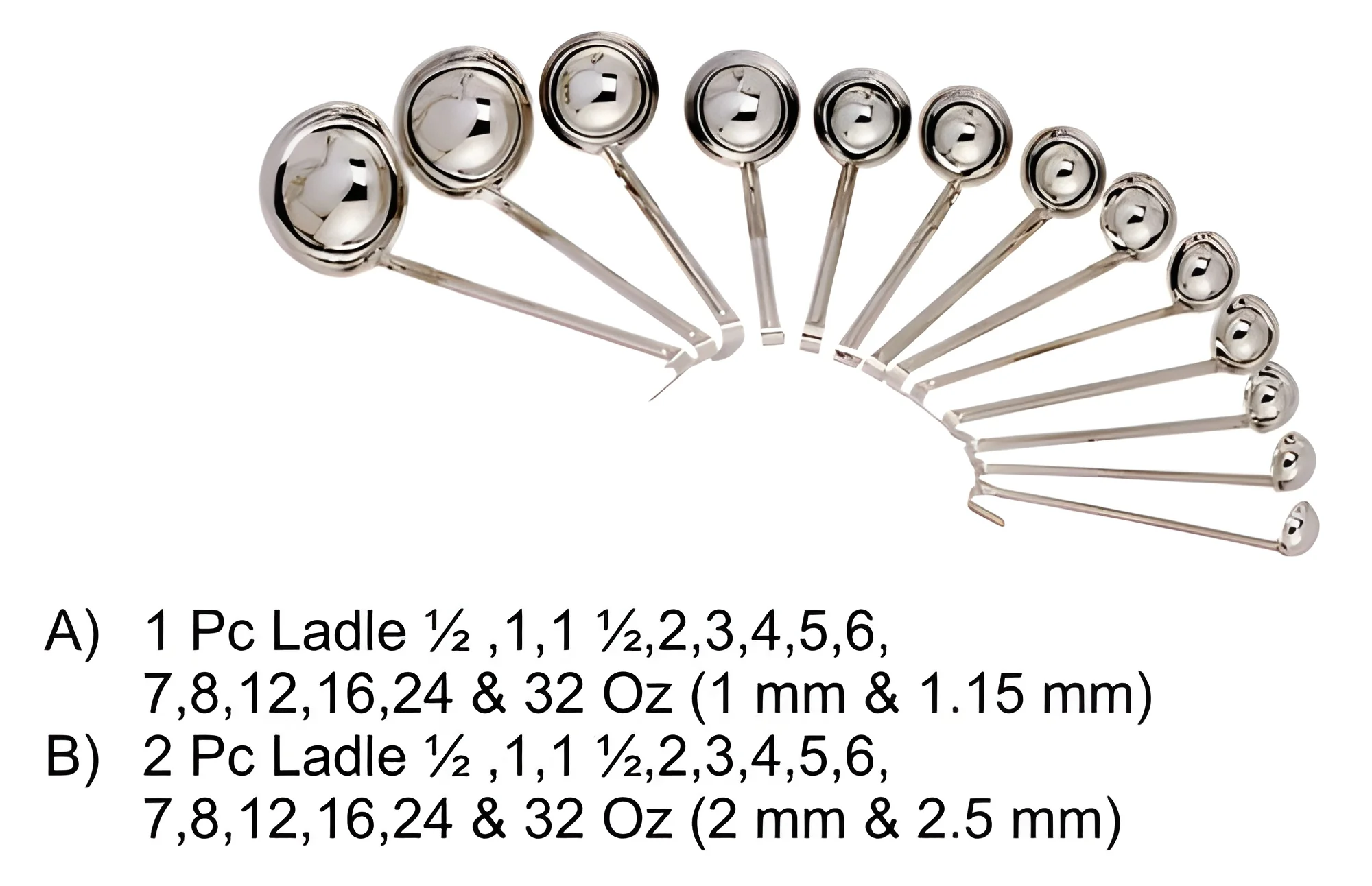
Measuring Tools
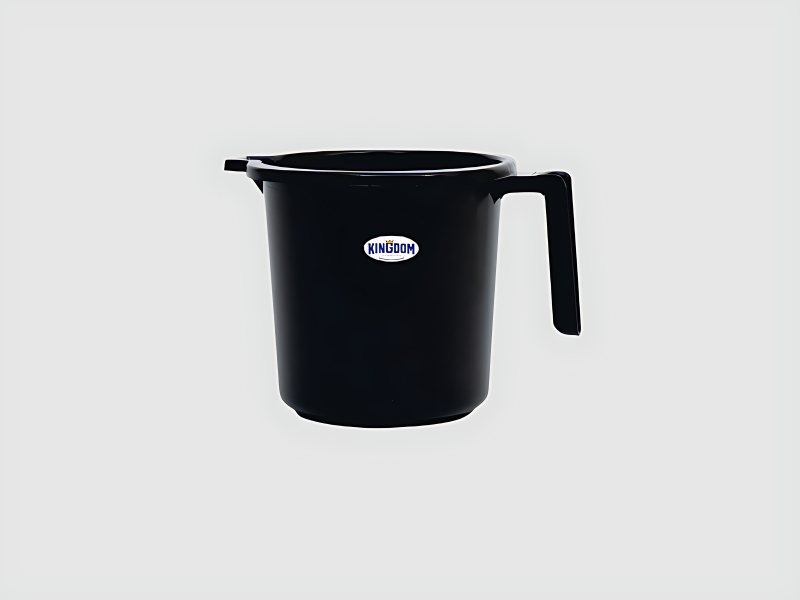
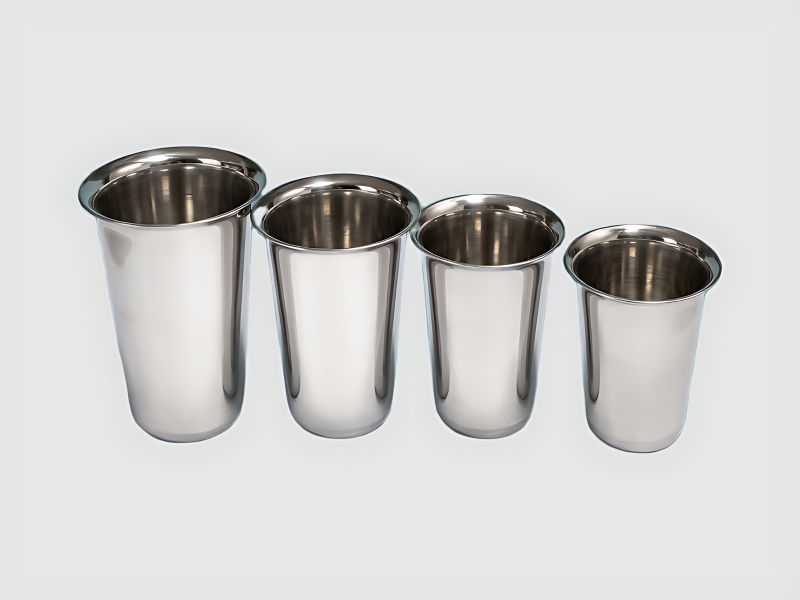
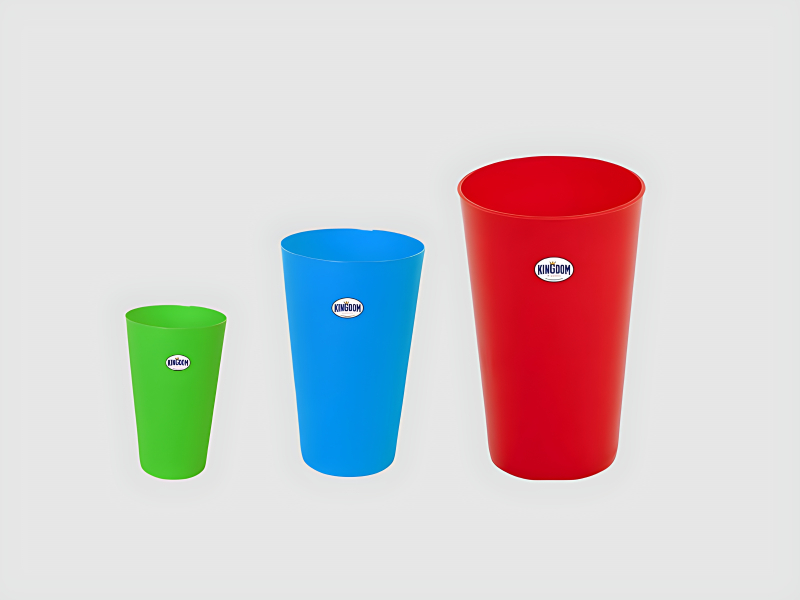
Accurate measuring cups and spoons are crucial for recipe consistency. These tools come in various materials, including plastic and stainless steel, catering to different user preferences.
𝗕𝗲𝗻𝗲𝗳𝗶𝘁𝘀 𝗮𝗻𝗱 𝗔𝗱𝘃𝗮𝗻𝘁𝗮𝗴𝗲𝘀
Investing in high-quality cutlery and kitchen tools provides numerous benefits for businesses.
1. Enhanced Efficiency: Quality tools streamline food preparation, saving time and increasing productivity in busy kitchens.
2. Improved Safety: Ergonomic designs and safety features help prevent accidents, creating a safer working environment for staff.
3. Cost-effectiveness: Durable materials lead to less frequent replacements, lowering overall operational costs over time.
4. Better Food Presentation: High-quality cutlery and tools enhance the visual appeal of dishes, positively impacting customer perception.
5. Compliance with Standards: Using certified tools ensures adherence to food safety regulations, protecting businesses from potential liabilities.
6. Versatility: Multi-functional tools allow for a broader range of culinary techniques, enabling chefs to explore creativity in their cooking.
𝗕𝘂𝘆𝗶𝗻𝗴 𝗚𝘂𝗶𝗱𝗲 𝗳𝗼𝗿 𝗕𝟮𝗕 𝗕𝘂𝘆𝗲𝗿𝘀
When sourcing cutlery and kitchen tools for business use, it is essential to consider various factors to ensure quality and suitability.
1. Quality Assessment: Evaluate materials and craftsmanship. Look for reputable brands with a history of producing reliable products that meet industry standards.
2. Supplier Verification: Vet suppliers through research and references. A trusted supplier should provide guarantees on product quality and delivery timelines.
3. Pricing and MOQ: Understand market pricing and minimum order quantities. Compare suppliers to find the best value without compromising on quality.
4. Delivery and Lead Times: Confirm lead times for orders. Timely delivery is crucial for maintaining stock levels and ensuring uninterrupted operations.
5. Compliance Requirements: Ensure that products meet relevant safety and quality certifications. Compliance with industry standards is vital for food safety and customer satisfaction.
𝗖𝗼𝗺𝗽𝗹𝗶𝗮𝗻𝗰𝗲 𝗮𝗻𝗱 𝗖𝗲𝗿𝘁𝗶𝗳𝗶𝗰𝗮𝘁𝗶𝗼𝗻𝘀
Cutlery and kitchen tools must adhere to various quality standards to ensure safety and effectiveness.
ISO 9001 is a widely recognized standard that outlines criteria for quality management systems. Companies manufacturing cutlery and kitchen tools often seek this certification to demonstrate their commitment to quality.
HACCP (Hazard Analysis and Critical Control Points) is another critical standard, particularly for food safety. Compliance with HACCP ensures that products are safe for food contact and minimizes risks during food preparation.
CE marking indicates that products meet European health, safety, and environmental protection standards. This certification is essential for businesses looking to enter European markets.
Safety and testing requirements play a significant role in product development. Manufacturers must ensure that tools can withstand rigorous use while maintaining safety features to protect users.
Regional compliance considerations vary by market. Understanding local regulations is crucial for suppliers aiming to distribute cutlery and kitchen tools effectively.
𝗪𝗵𝘆 𝗦𝗼𝘂𝗿𝗰𝗲 𝗖𝘂𝘁𝗹𝗲𝗿𝘆 & 𝗞𝗶𝘁𝗰𝗵𝗲𝗻 𝗧𝗼𝗼𝗹𝘀 𝗳𝗿𝗼𝗺 𝗣𝗲𝗽𝗮𝗴𝗼𝗿𝗮?
Pepagora offers a reliable platform for businesses looking to source cutlery and kitchen tools, providing several key advantages.
Verified Supplier Network: Pepagora connects buyers with a network of verified suppliers, ensuring quality and reliability. Each supplier undergoes rigorous verification processes to maintain high standards.
Streamlined RFQ Process: The request for quotation process is efficient, allowing businesses to receive competitive pricing from multiple suppliers quickly. This system simplifies sourcing and enhances decision-making.
Trade Assurance and Support: Pepagora provides buyer protection through its trade assurance program, ensuring that transactions are secure and that buyers receive the products as specified.
Regional Coverage: With a strong presence across India, the GCC, and Southeast Asia, Pepagora facilitates access to a diverse range of suppliers and products, catering to the specific needs of businesses in various markets.
By leveraging the advantages of Pepagora, businesses can confidently source high-quality cutlery and kitchen tools that meet their operational requirements.

 IN
IN