
 IN
Laboratory Thermostatic Devices
85 products available
What are Laboratory Thermostatic Devices?
Laboratory thermostatic devices are precision instruments designed to maintain a stable temperature within a controlled environment. These devices are essential for a variety of laboratory applications where temperature consistency is critical. They use advanced technology to regulate temperature, ensuring that experiments and processes occur under optimal conditions. This stability is crucial for achieving accurate results in scientific research and industrial applications.
These devices are widely used across various sectors, including pharmaceuticals, biotechnology, food and beverage, and environmental testing. In laboratories, they help in conducting experiments that require strict temperature control, such as enzyme reactions, sample storage, and material testing. The relevance of laboratory thermostatic devices has grown as industries increasingly emphasize quality control and regulatory compliance, making them a vital component in any laboratory setup.
Key Features and Specifications
Laboratory thermostatic devices come with a range of features and specifications that enhance their functionality and reliability. Understanding these specifications is essential for selecting the right device for specific needs.
Key specifications include:
1. Temperature Control Range
- The ability to maintain a specific temperature range, typically from sub-zero to high temperatures.
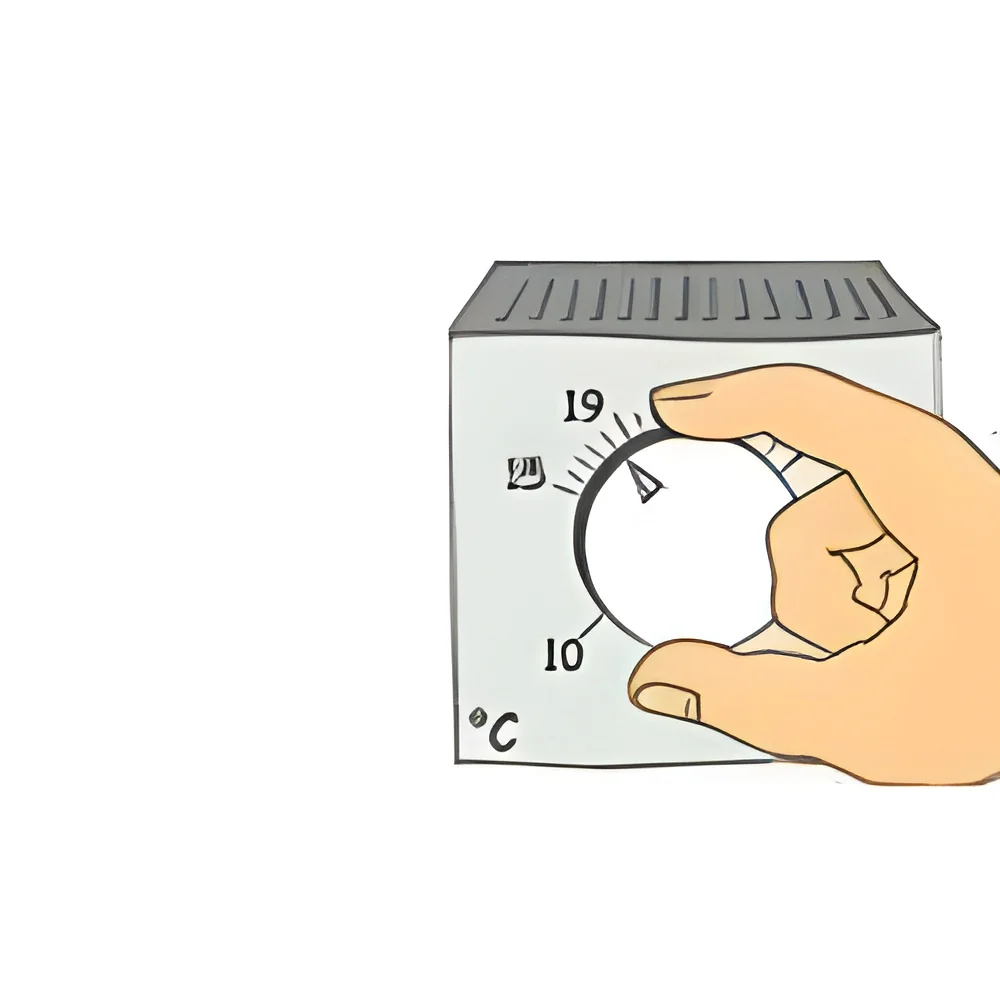
- Precision in temperature control is often within ±0.1°C.
2. Humidity Control
- Some devices offer humidity control to maintain optimal moisture levels within the environment.
- Humidity ranges can vary based on application requirements.
3. Monitoring Features
- Many models come equipped with digital displays and remote monitoring capabilities.
- This allows users to track temperature and humidity in real-time.
4. Energy Efficiency
- Modern devices are designed to use less energy while maintaining performance.
- Energy-efficient models can significantly reduce operational costs.
5. Size and Capacity
- Available in various sizes to accommodate different laboratory spaces and requirements.
- Capacity options range from small benchtop units to large floor-standing models.
6. Construction Material
- Typically constructed from durable materials that can withstand harsh laboratory conditions.
- Stainless steel and high-grade plastics are common materials used.
7. User Interface
- User-friendly controls for easy operation and programming.
- Touch screens and intuitive interfaces are becoming standard.
8. Safety Features
- Equipped with alarms and automatic shut-off mechanisms to prevent overheating or other hazards.
- Compliance with safety standards is essential.
These specifications highlight the importance of selecting the right laboratory thermostatic device to ensure optimal performance and reliability.
Common Applications and Use Cases
Laboratory thermostatic devices play a crucial role in various industries.
1. Pharmaceutical Industry: Used for maintaining the proper temperature during drug formulation, storage, and testing processes, ensuring product efficacy and safety.
2. Biotechnology: Essential for enzyme reactions and microbial culture incubations, where temperature stability directly impacts experimental outcomes.
3. Food and Beverage: Helps in quality control processes, such as maintaining the right temperature for fermentation and product testing, ensuring food safety and compliance.
4. Environmental Testing: Utilized in laboratories for testing soil, water, and air samples, where temperature control is vital for accurate results.
5. Educational Institutions: Used in academic laboratories for teaching purposes, allowing students to conduct experiments under controlled conditions.
6. Chemical Research: Critical for reactions and stability studies, where precise temperature control can affect chemical properties.
7. Material Testing: Used in laboratories to test the durability and performance of materials under varying temperature conditions.
Product Variants and Subcategories
Laboratory thermostatic devices are available in various configurations to meet diverse laboratory needs.
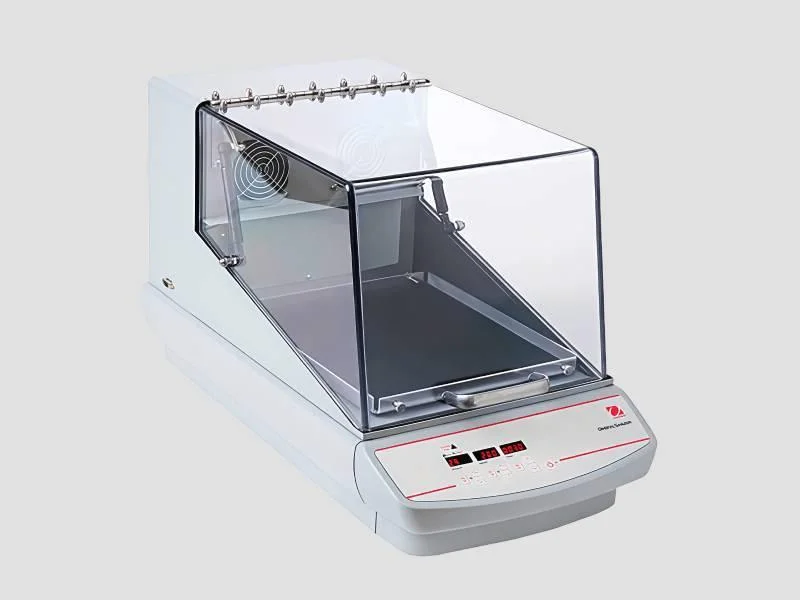
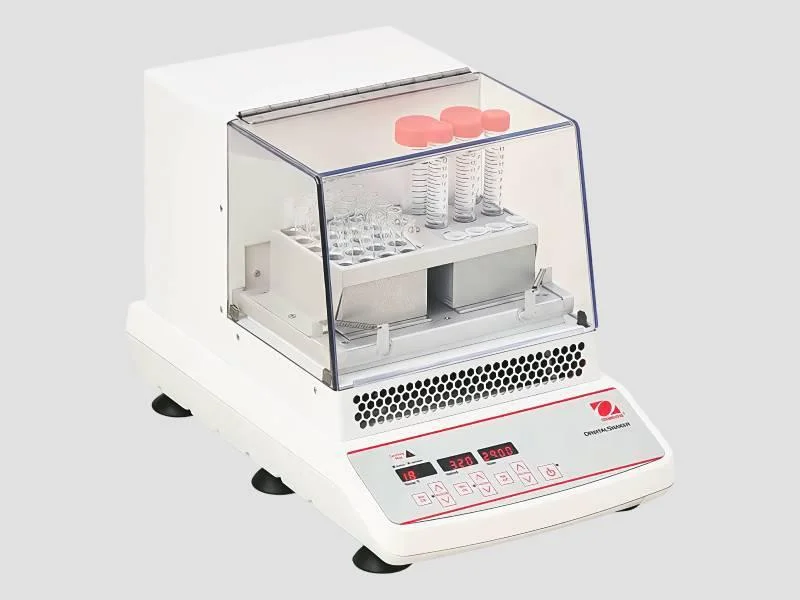
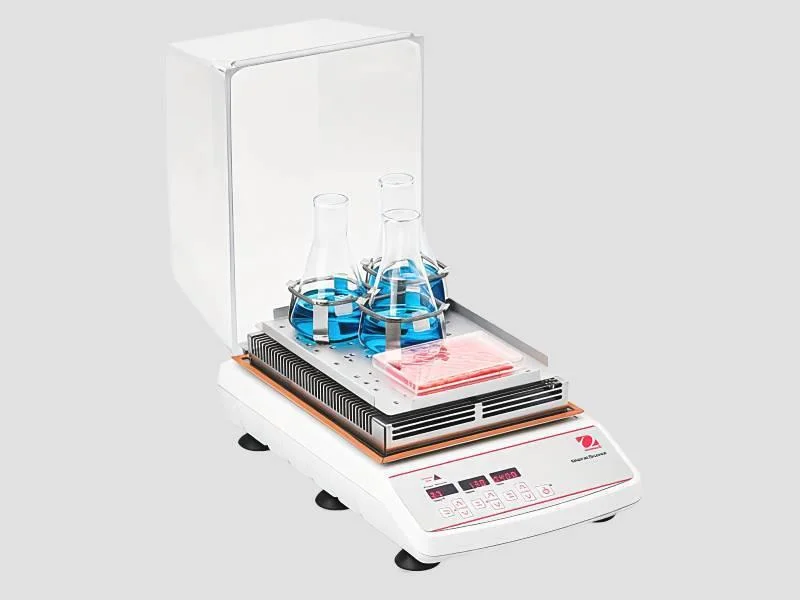
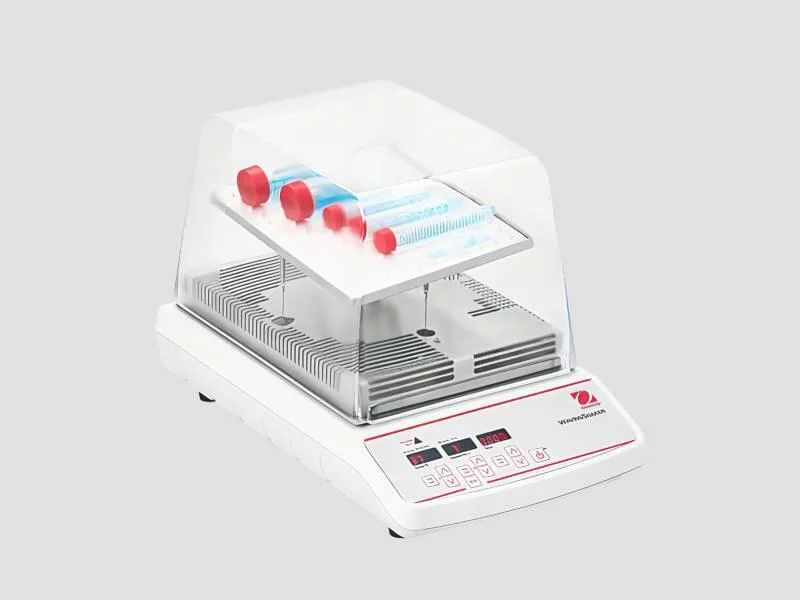
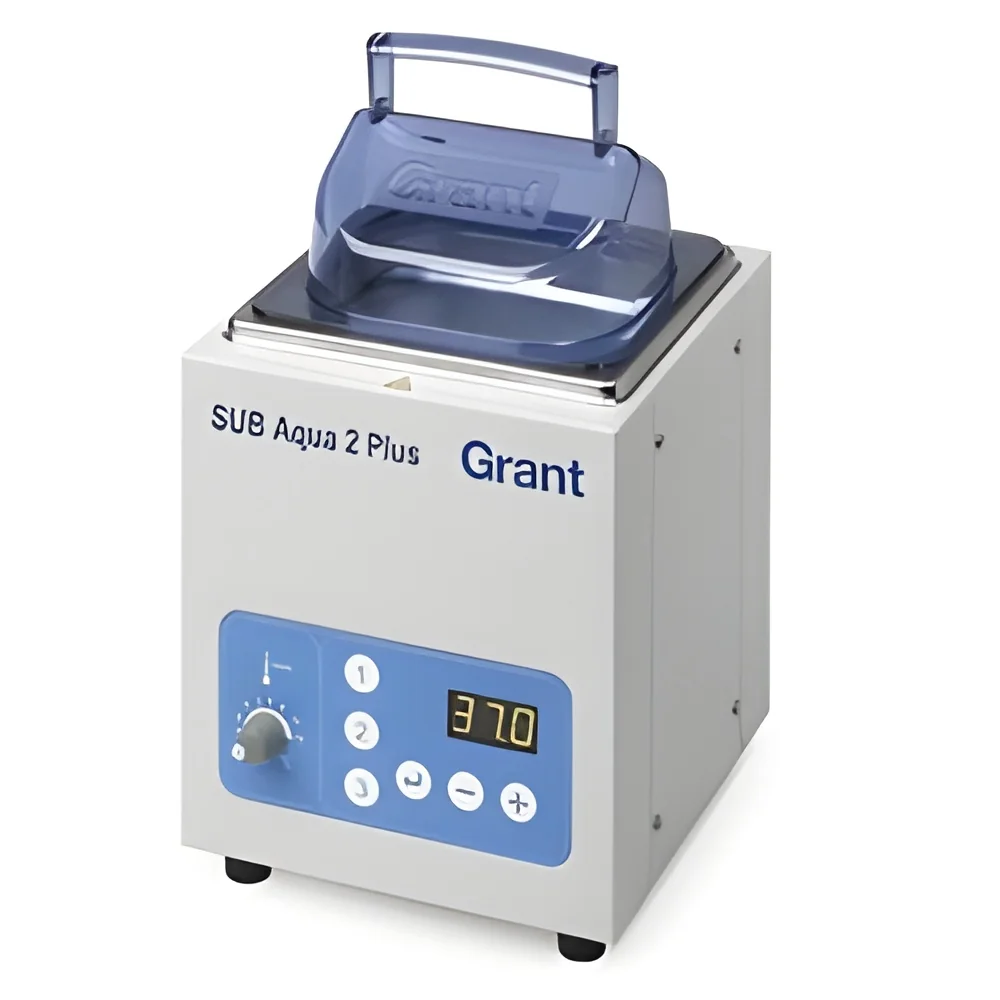
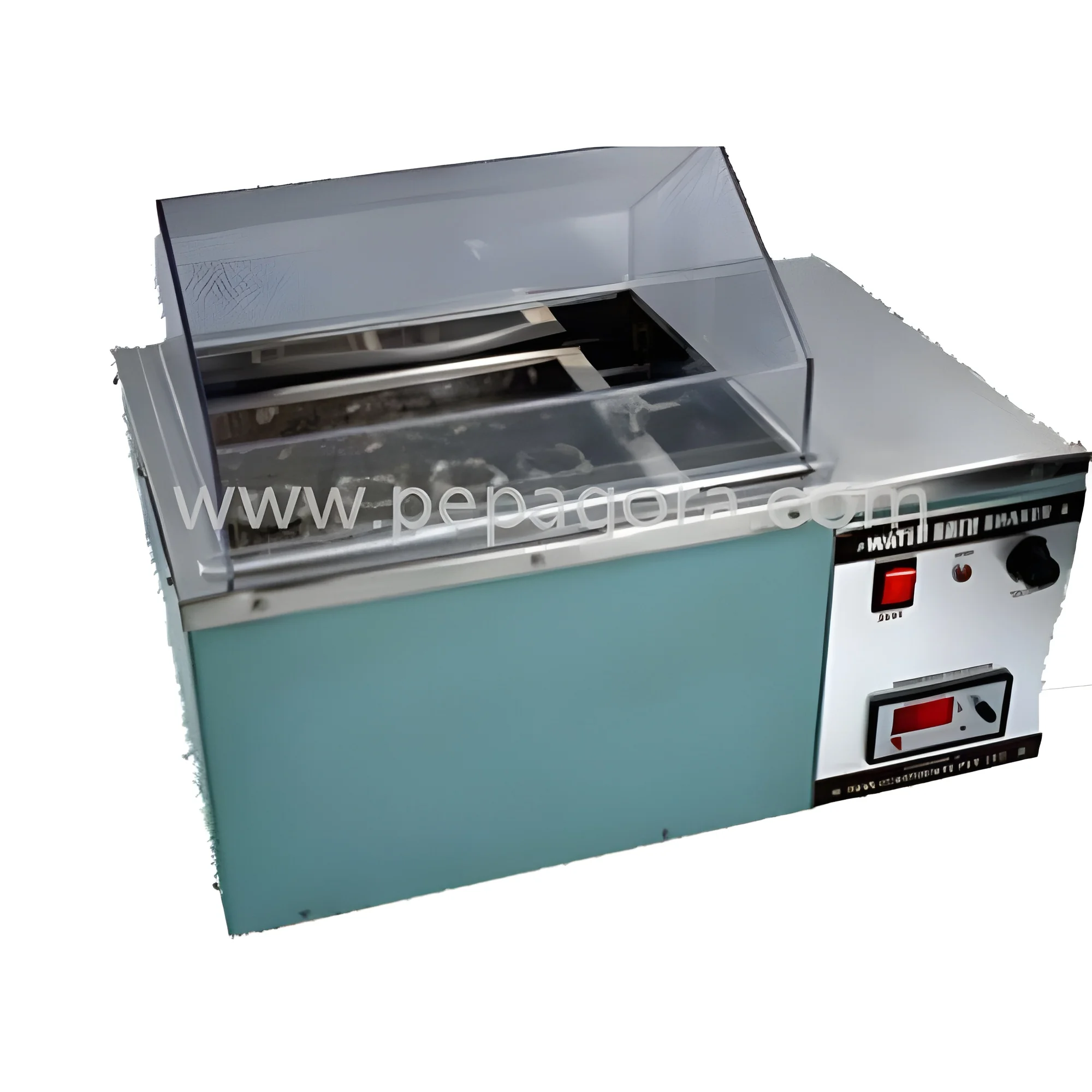
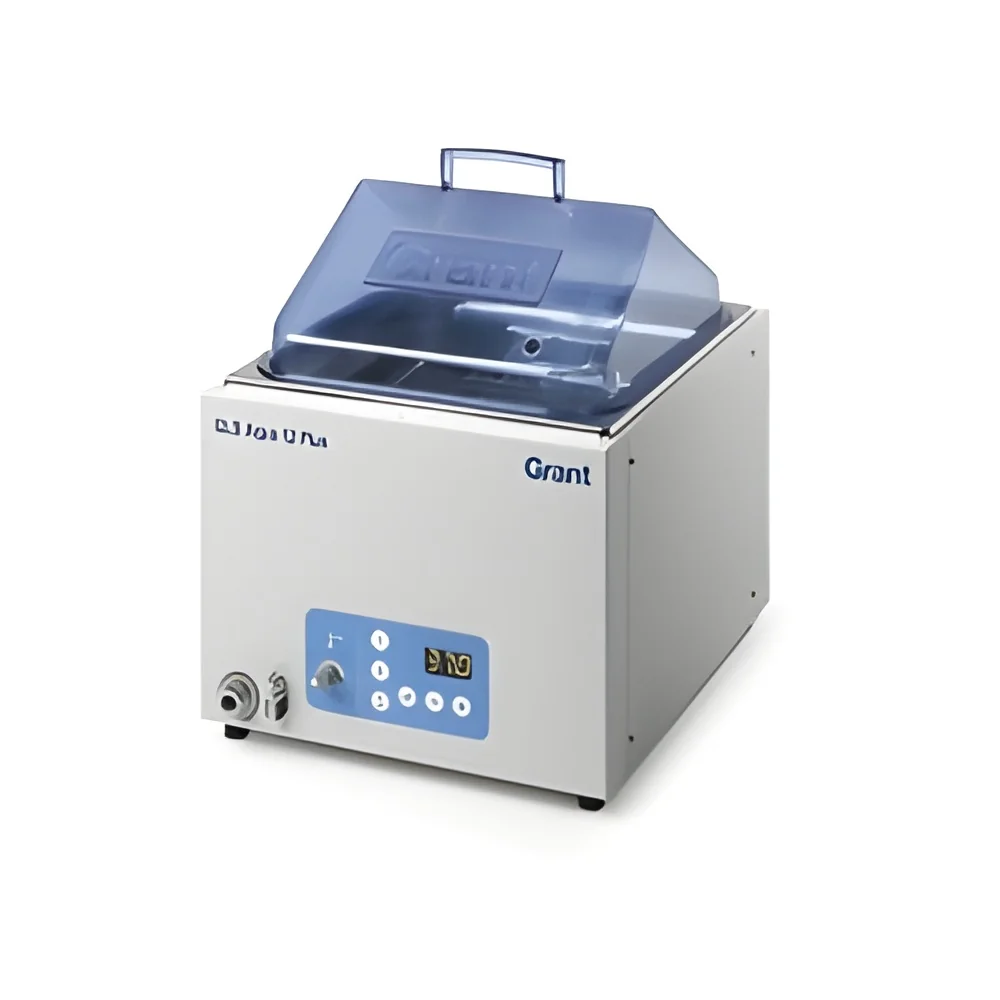
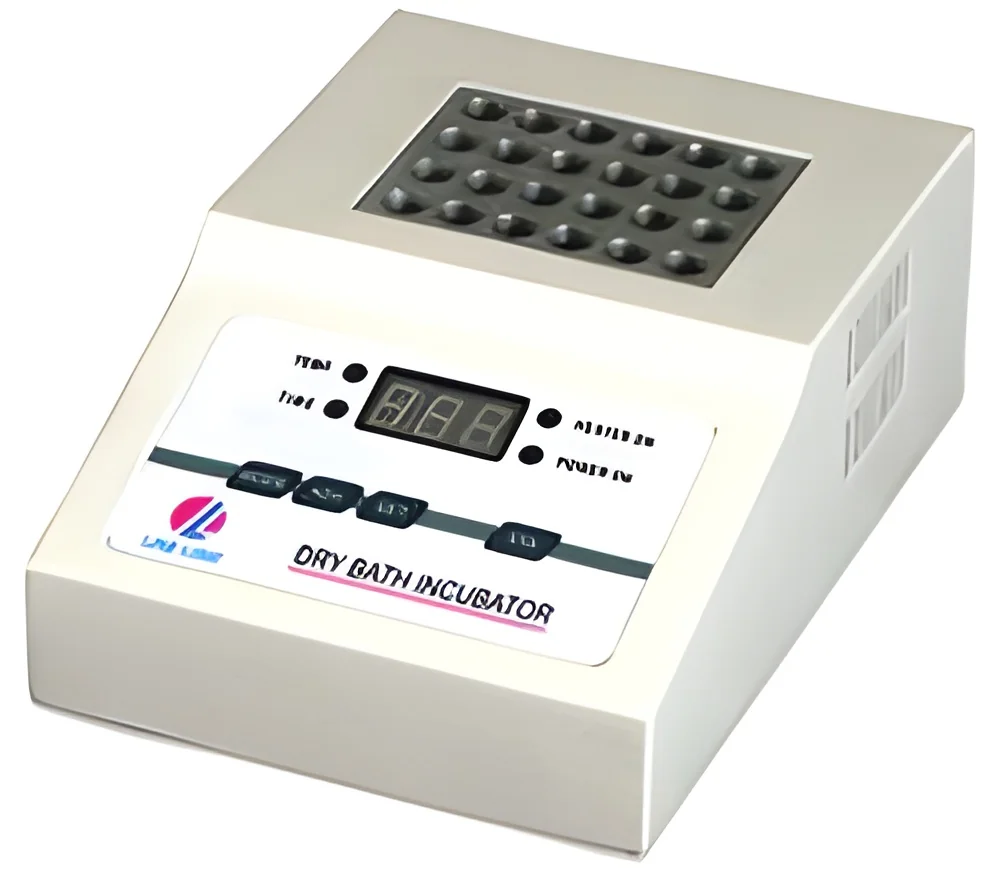
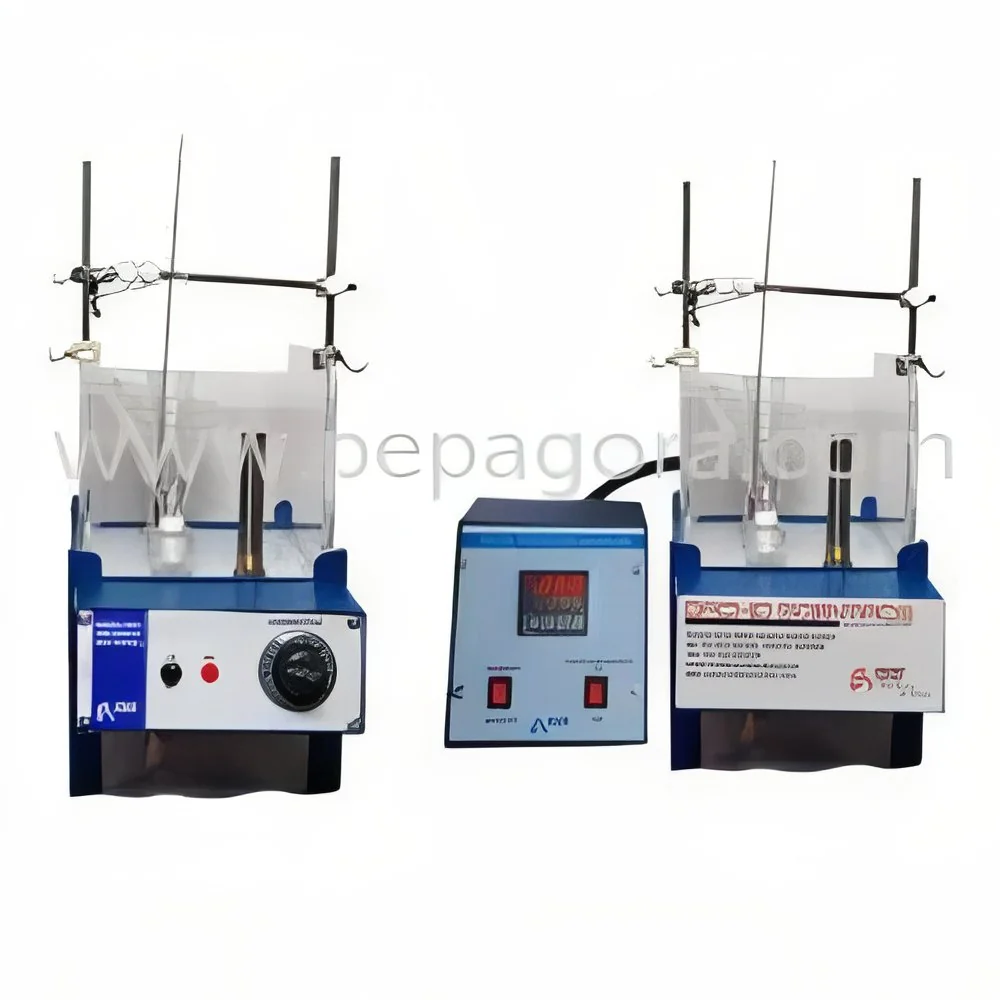
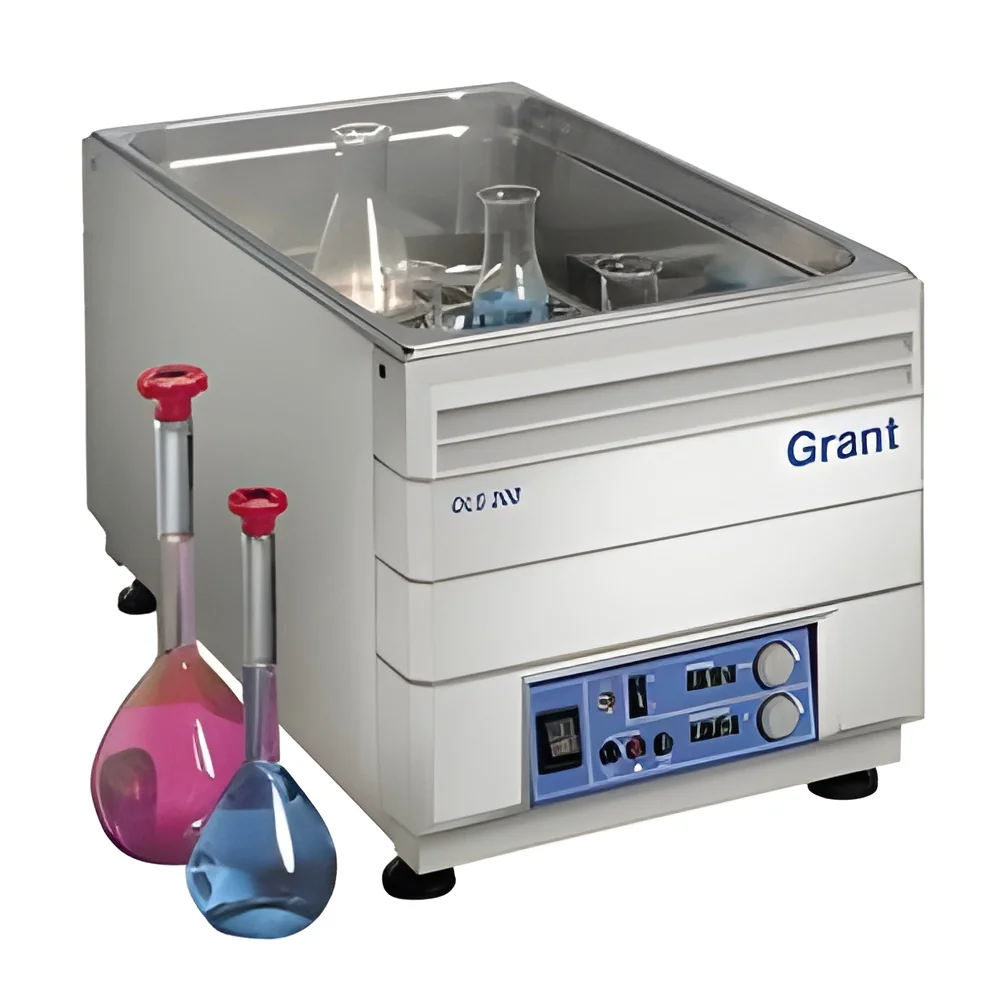
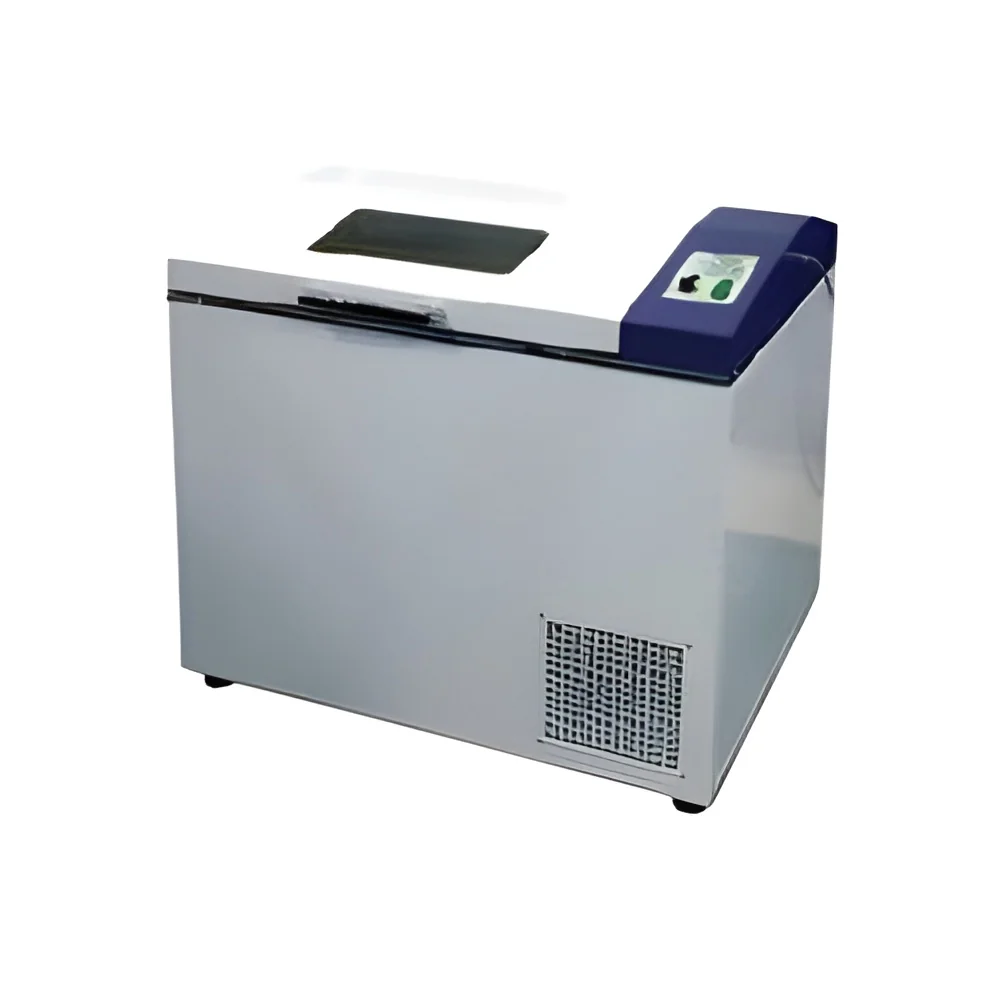
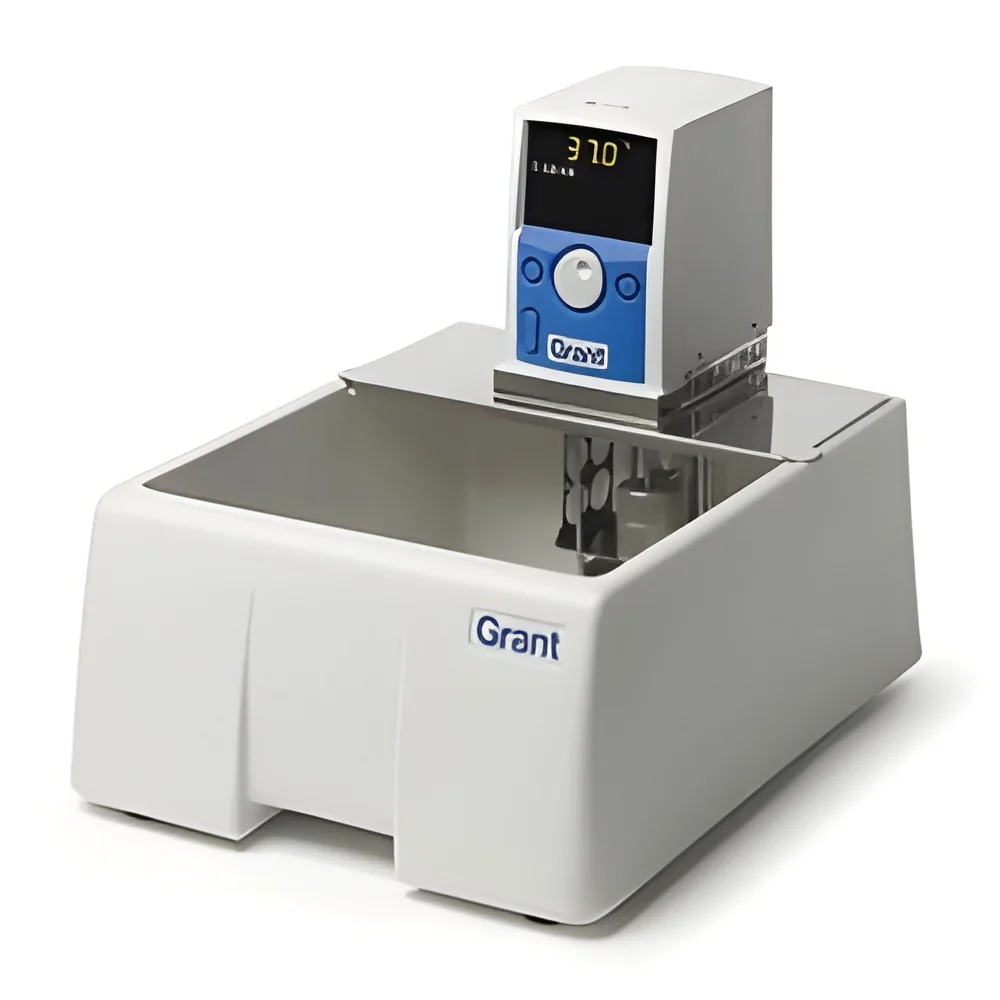
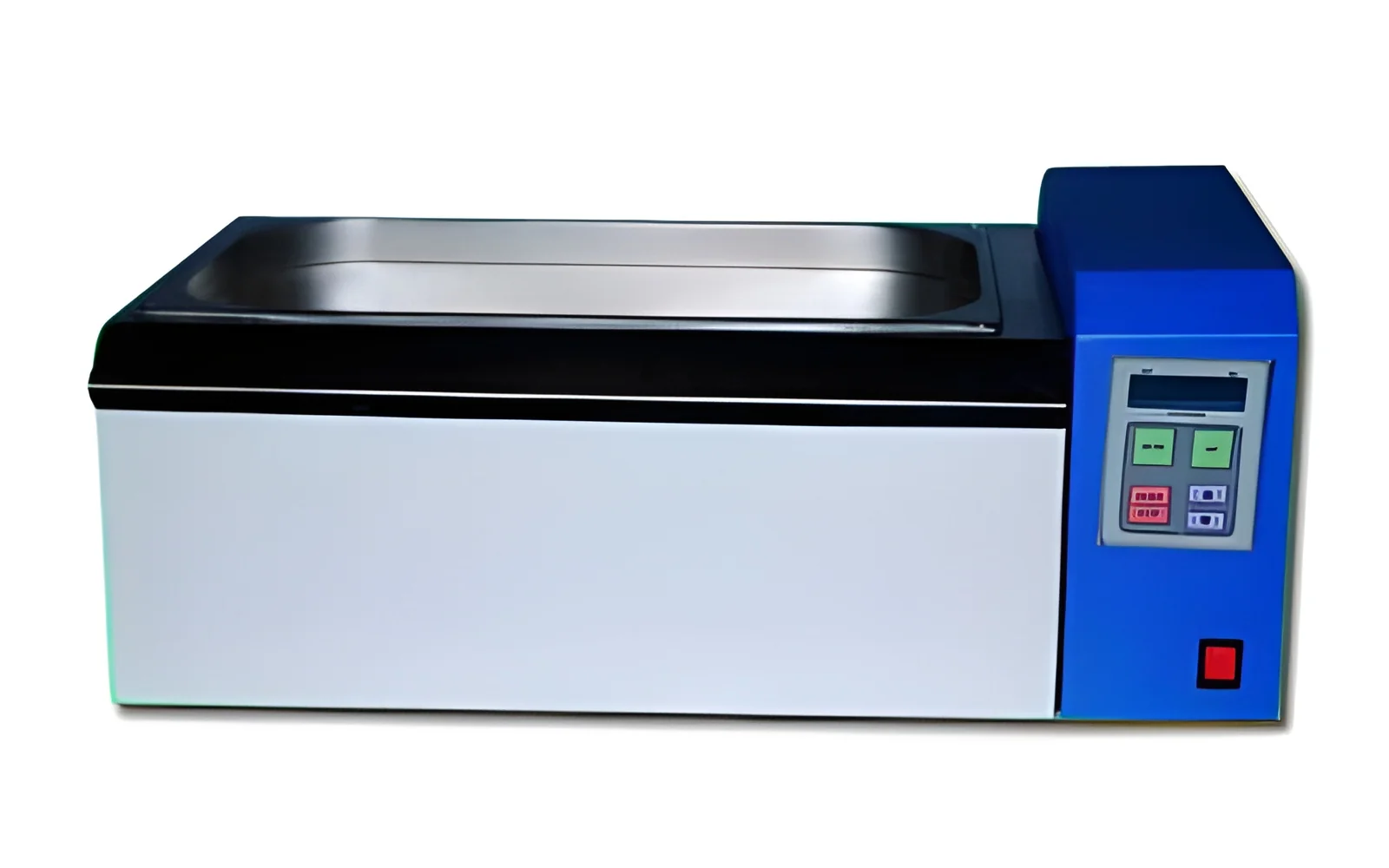
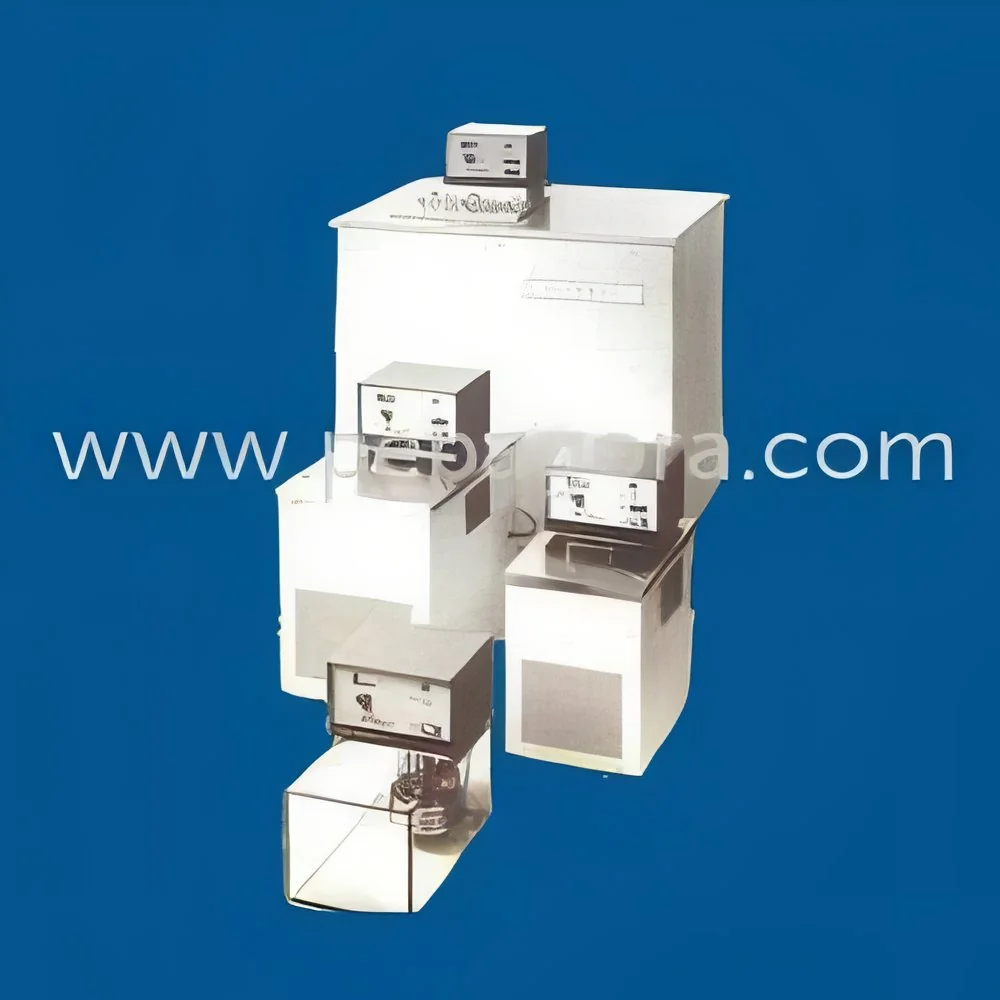
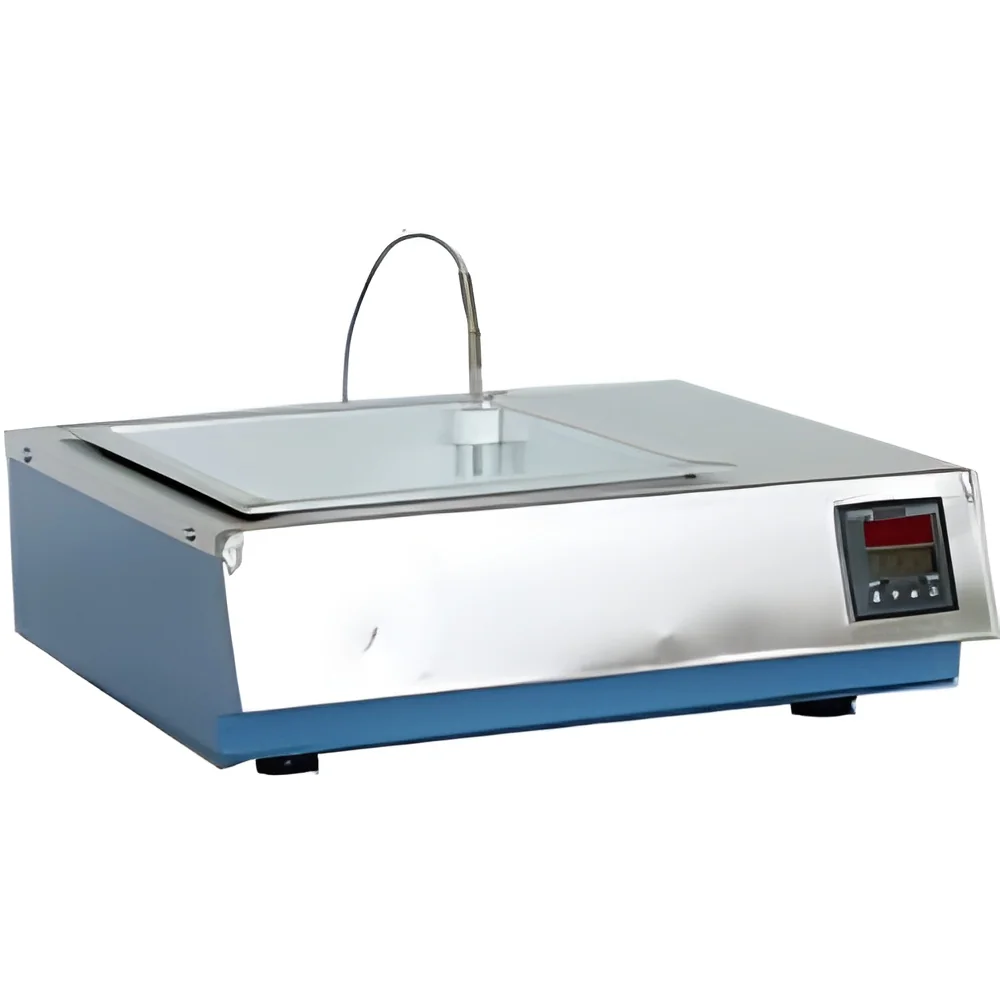
Benchtop Thermostatic Devices: These compact units are ideal for small lab spaces and are often used for routine tasks such as incubations and sample storage. They typically have a lower capacity but are highly efficient for specific applications.
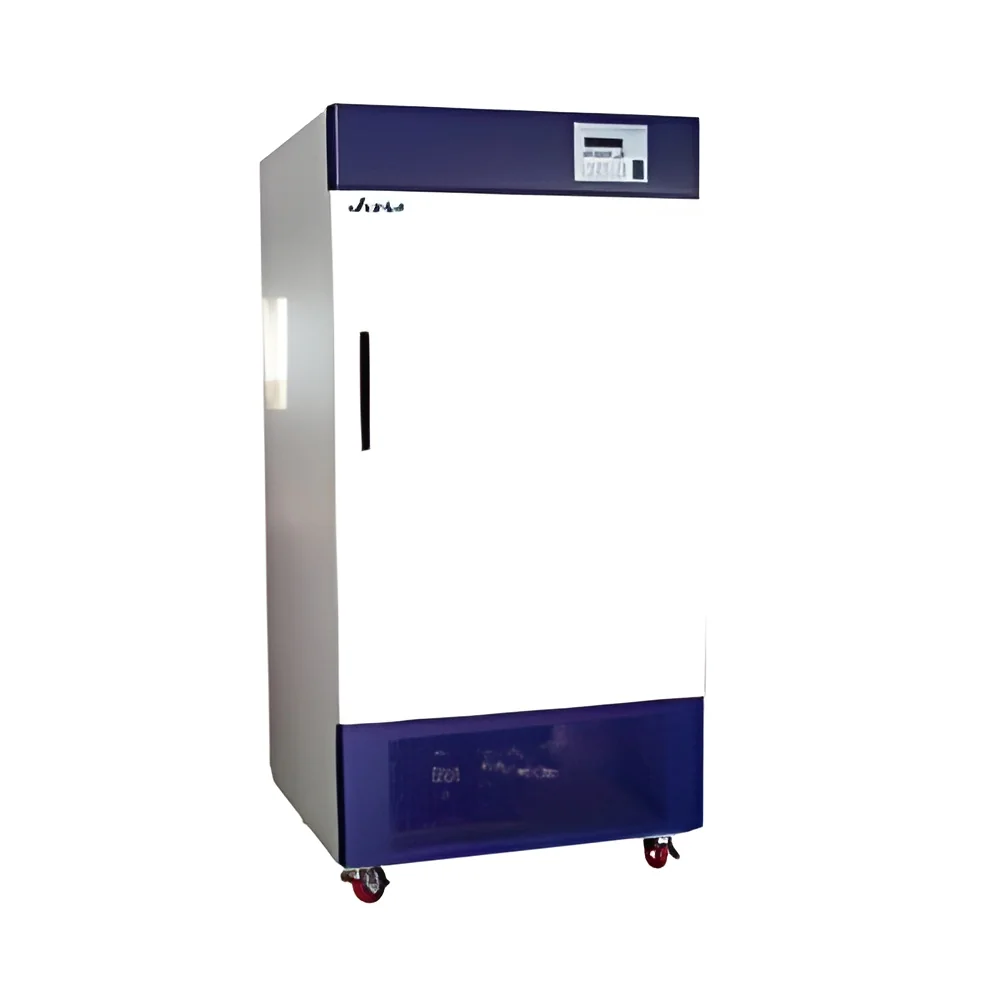
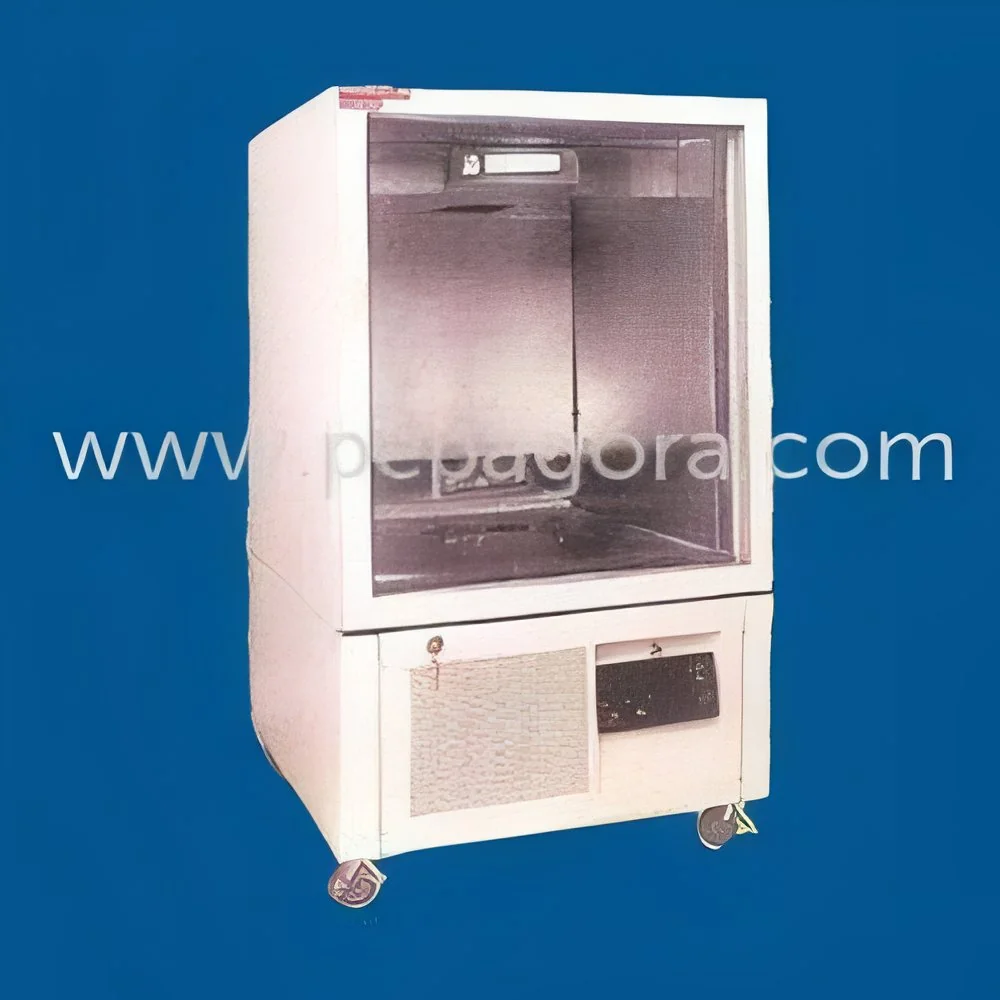
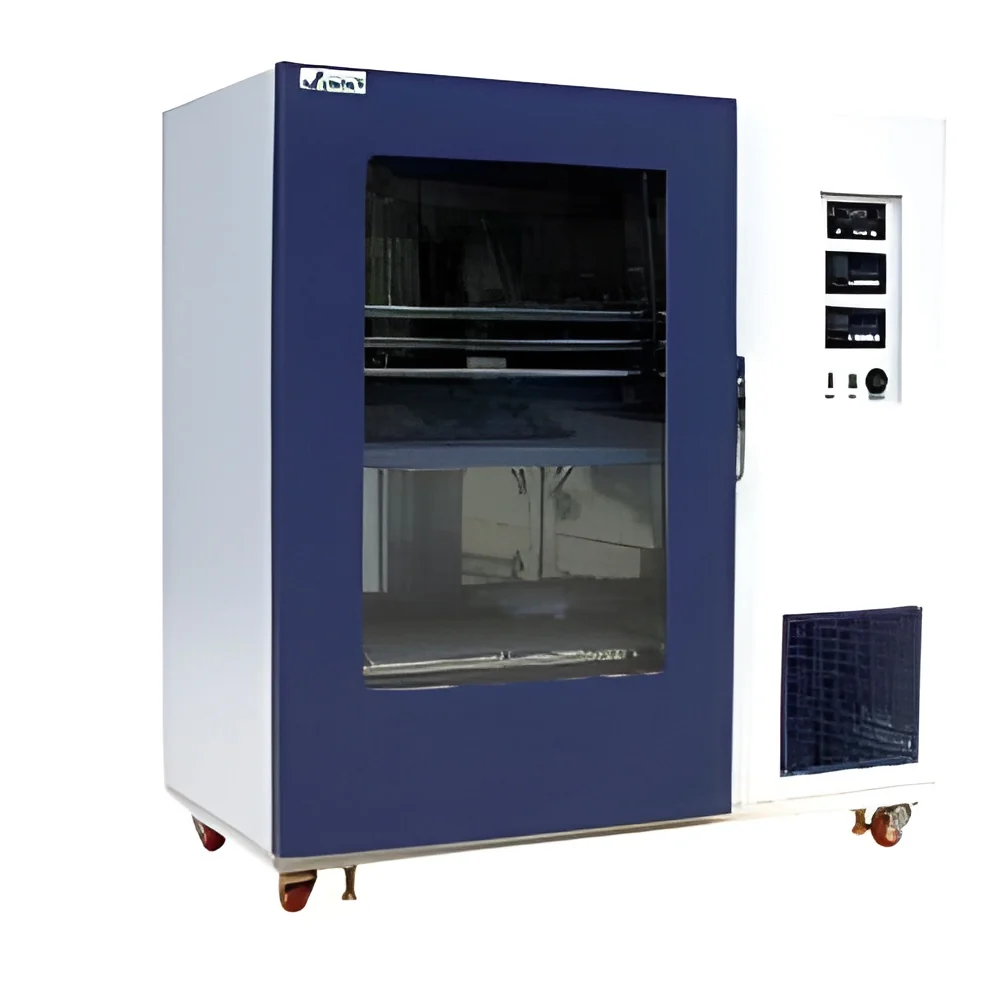
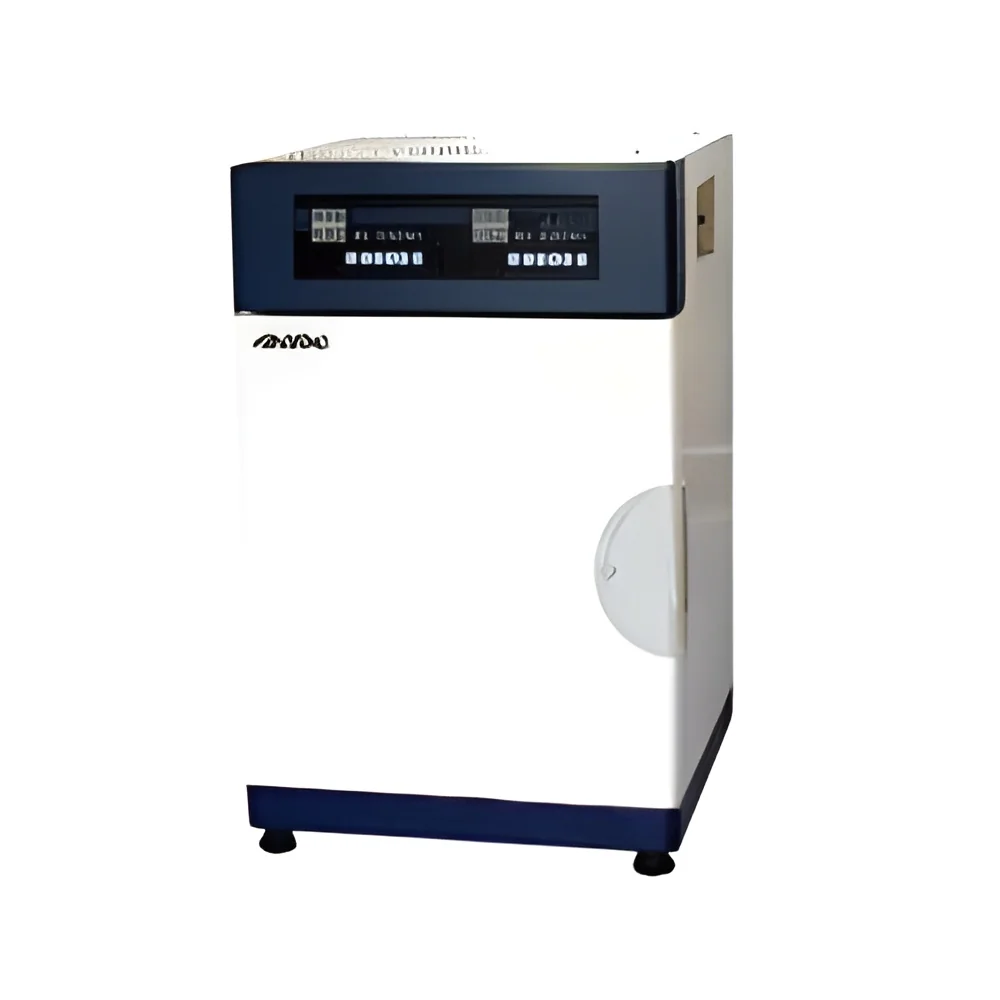
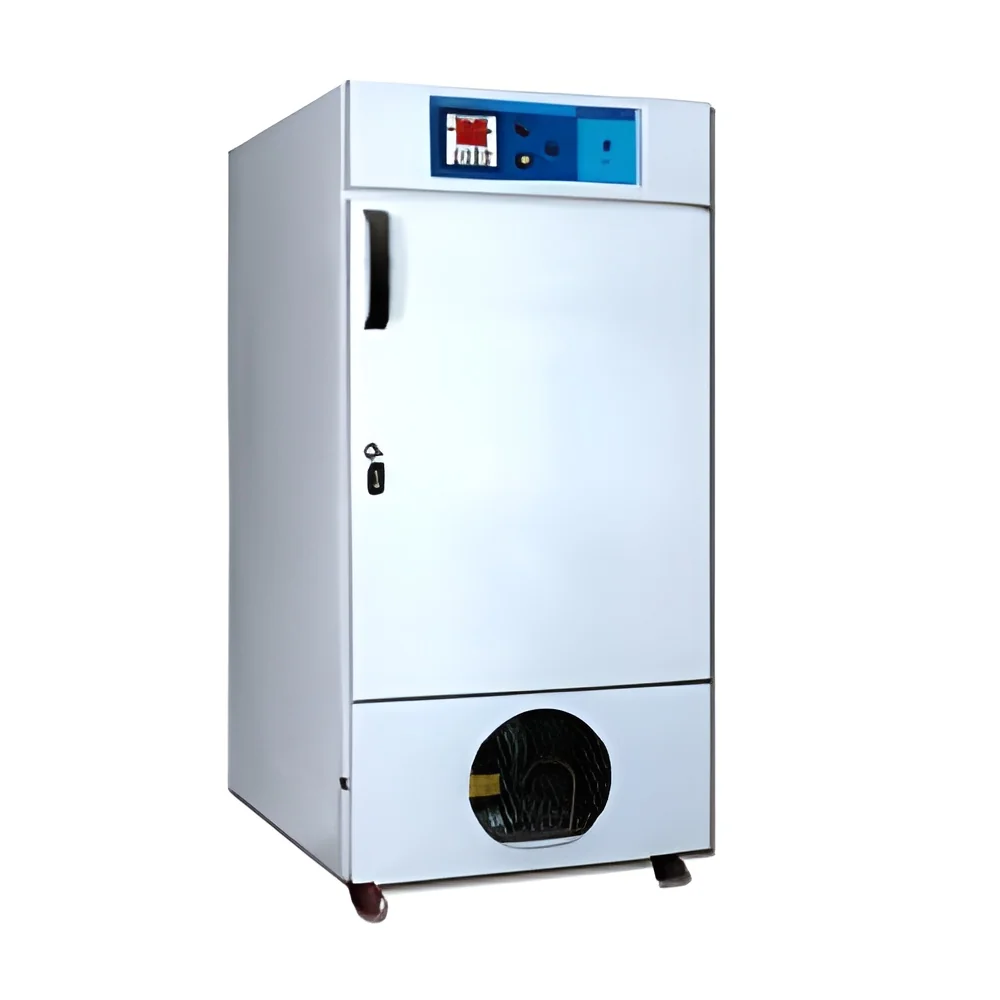
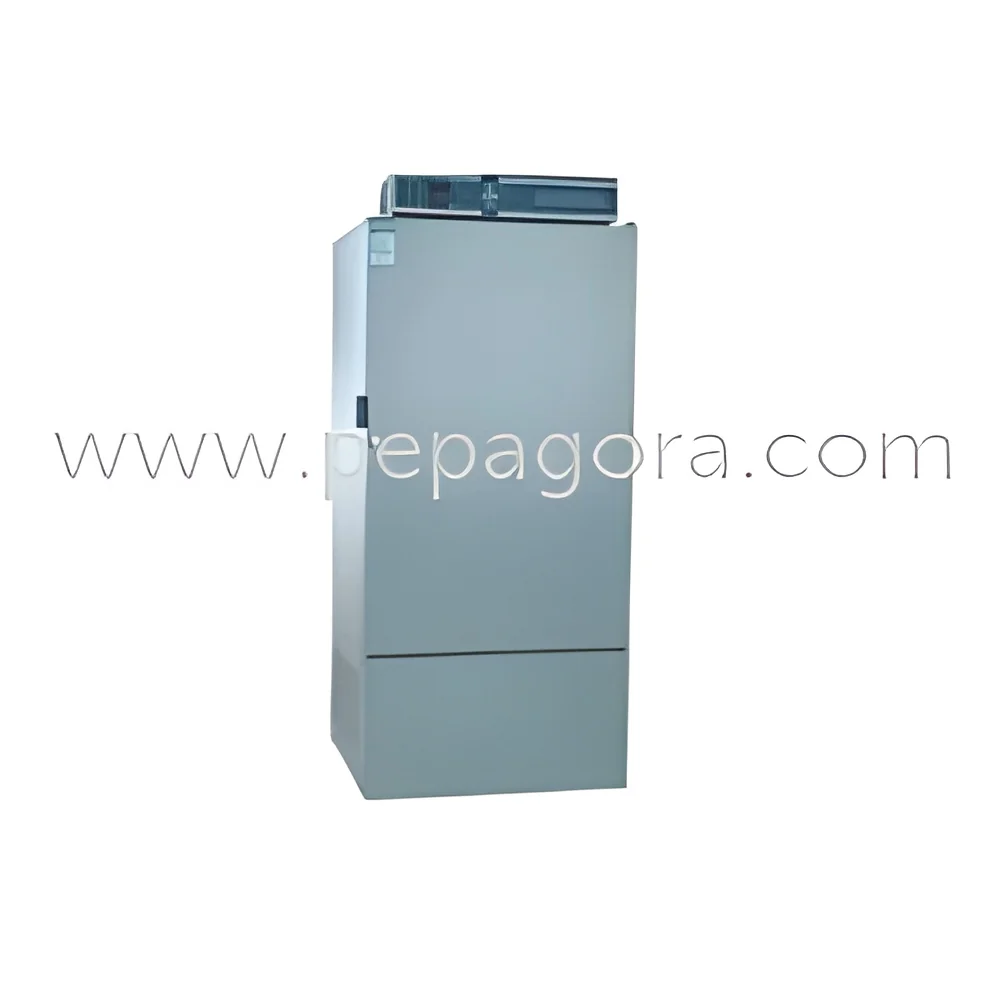
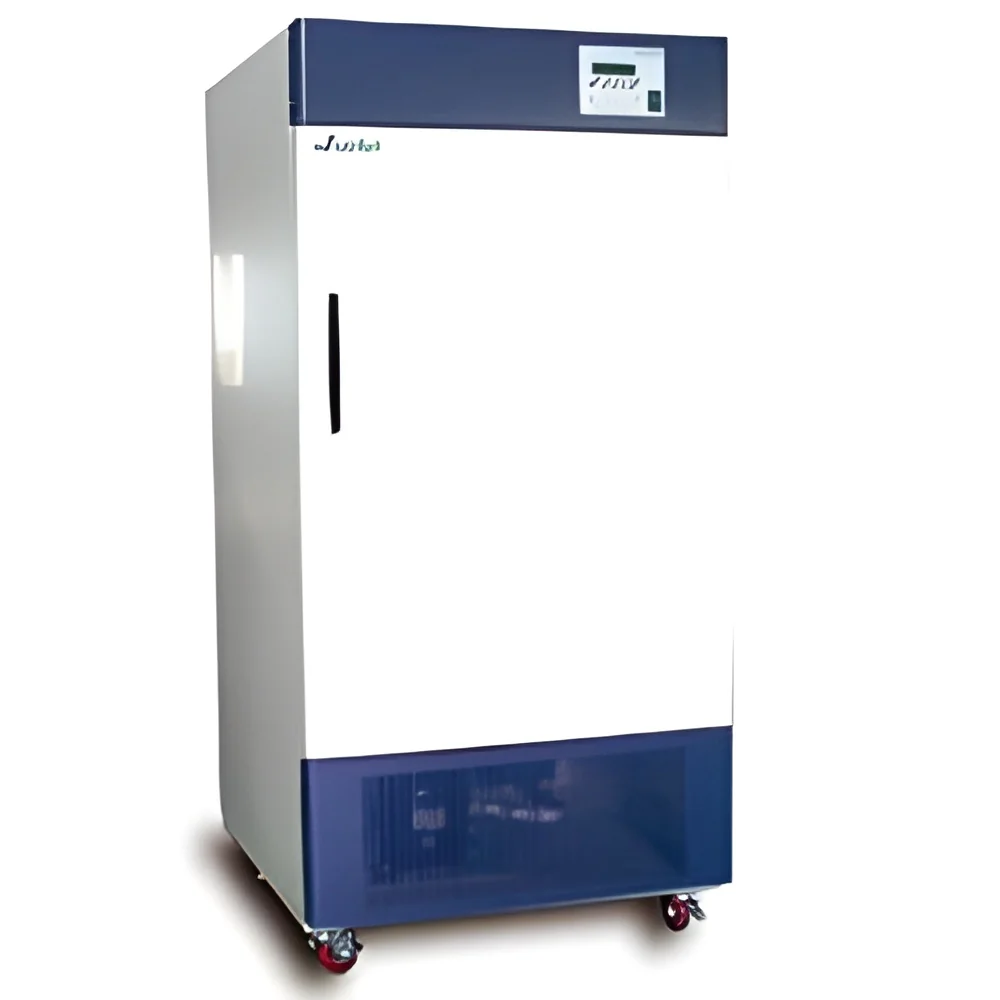
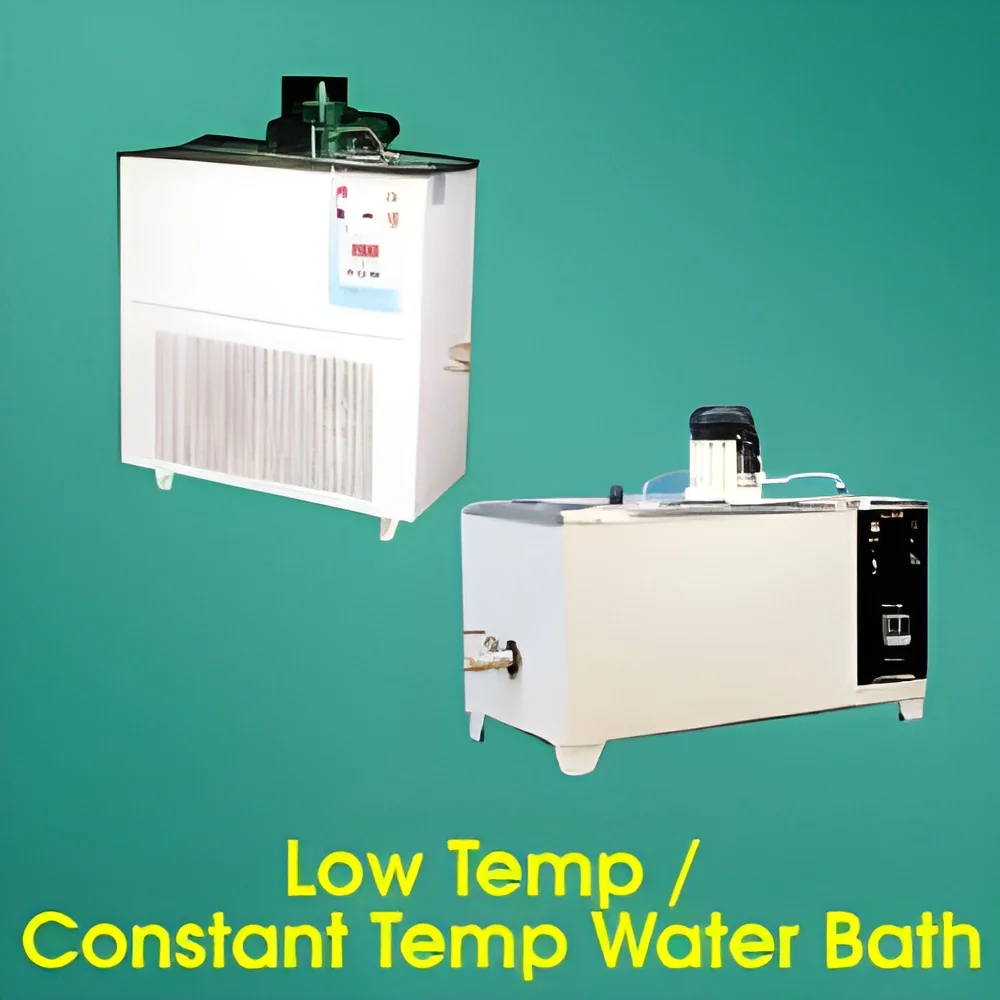
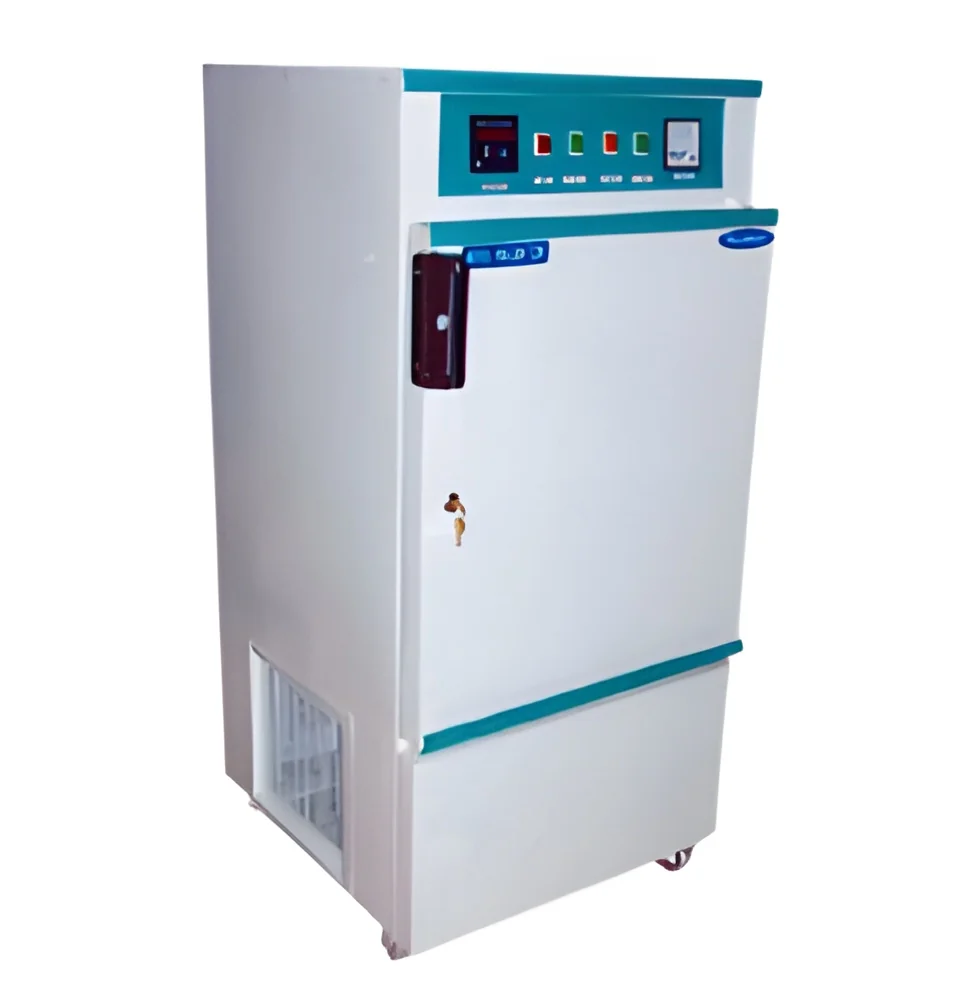
Floor-Standing Thermostatic Devices: Larger units designed for high-capacity needs in busy laboratories. These devices can handle multiple samples and are suitable for extensive research and testing environments.
Cryostatic Devices: Specialized devices for maintaining extremely low temperatures, often used in cryopreservation and other applications requiring sub-zero conditions.
Refrigerated Thermostatic Devices: These units provide cooling capabilities, essential for experiments that require lower temperatures for stability and preservation.
Benefits and Advantages
Laboratory thermostatic devices offer numerous benefits that enhance laboratory efficiency and safety.
1. Accurate Temperature Control: Ensures that experiments are conducted under optimal conditions, leading to reliable results.
2. Enhanced Safety: Equipped with safety features that prevent overheating and potential hazards, safeguarding both users and samples.
3. Energy Efficiency: Modern designs are energy-efficient, reducing operational costs while maintaining high performance.
4. Versatility: Suitable for various applications across multiple industries, making them a valuable investment for diverse laboratory needs.
5. User-Friendly Interfaces: Simplifies operation and programming, allowing users to focus on their experiments rather than device management.
6. Compliance Assurance: Many devices meet industry standards and regulations, ensuring that laboratories adhere to necessary quality controls.
Buying Guide for B2B Buyers
When sourcing laboratory thermostatic devices, several factors should be considered to ensure you make an informed decision.
1. Quality Assessment: Evaluate the quality of materials and construction. Look for devices that meet recognized standards and have a proven track record in your industry.
2. Supplier Verification: Conduct thorough research on potential suppliers. Check their reputation, customer reviews, and certifications to ensure reliability and quality.
3. Pricing and MOQ: Consider the pricing structure and minimum order quantities. Understand the cost implications of bulk purchases versus single units.
4. Delivery and Lead Times: Discuss logistics with suppliers, including shipping times and delivery methods to ensure timely receipt of devices.
5. Compliance Requirements: Be aware of any industry-specific regulations or standards that the devices must meet, ensuring that your laboratory remains compliant.
Compliance and Certifications
Laboratory thermostatic devices must adhere to various quality and safety standards to ensure their effectiveness and reliability.
ISO 9001 is a key standard that outlines the requirements for a quality management system. Devices that comply with this standard demonstrate a commitment to quality and continuous improvement.
CE certification is crucial for products sold in Europe, indicating that the device meets health, safety, and environmental protection standards set by the European Union.
Safety and testing requirements are essential, especially for devices used in sensitive applications like pharmaceuticals and biotechnology. Compliance with these standards ensures that devices operate safely and effectively.
Regional compliance considerations may vary based on local regulations. It is important to verify that devices meet the specific requirements of the regions in which they will be used.
Why Source Laboratory Thermostatic Devices from Pepagora?
Pepagora provides a trusted platform for sourcing laboratory thermostatic devices, offering several key advantages to B2B buyers.
Verified Supplier Network: Pepagora connects buyers with a network of verified suppliers, ensuring high-quality products and reliable service. This network allows for easier access to trusted manufacturers.
Streamlined RFQ Process: The platform simplifies the request for quotation process, enabling buyers to receive competitive pricing and terms quickly. This efficiency helps businesses make informed purchasing decisions.
Trade Assurance and Support: Buyers are protected through Pepagora's trade assurance policies, which provide safeguards against potential risks in transactions. The support team is available to assist with any inquiries or issues.
Regional Coverage: With a broad geographic reach including India, the GCC, and Southeast Asia, Pepagora facilitates sourcing from various regions, allowing companies to find the best options for their needs. This extensive reach helps buyers access diverse products and suppliers, enhancing their purchasing experience.
















Frequently Asked Questions
What are Laboratory Thermostatic Devices?
Laboratory Thermostatic Devices are instruments used to control and maintain specific temperature conditions in laboratory settings. They are essential for experiments and processes that require precise temperature regulation, ensuring consistent results and safety.
What are the different types of Laboratory Thermostatic Devices?
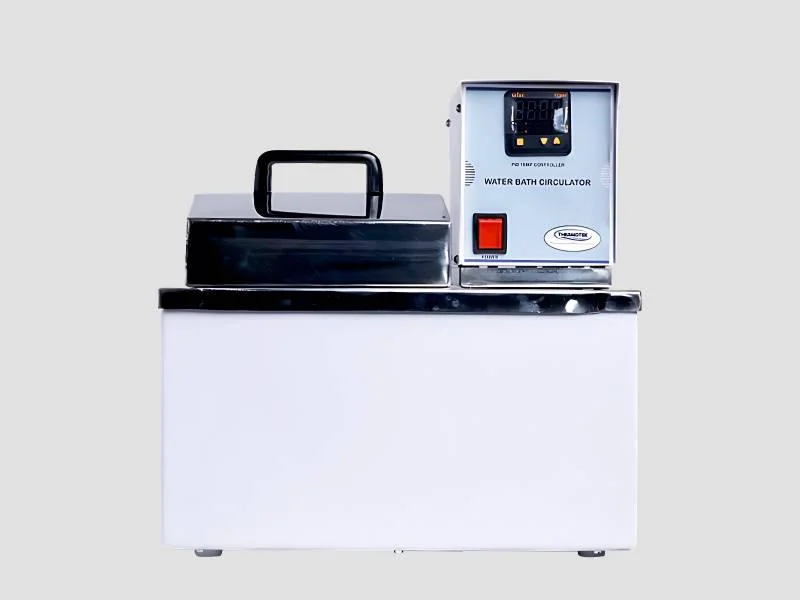
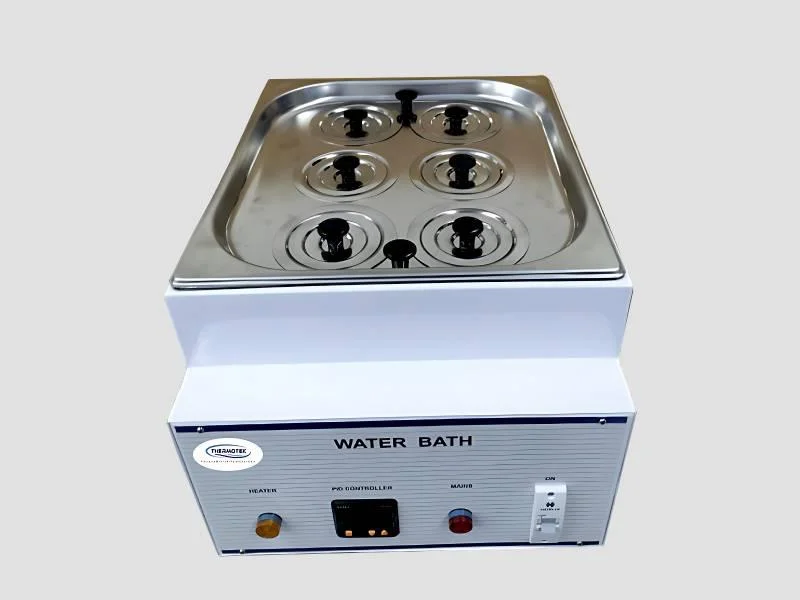
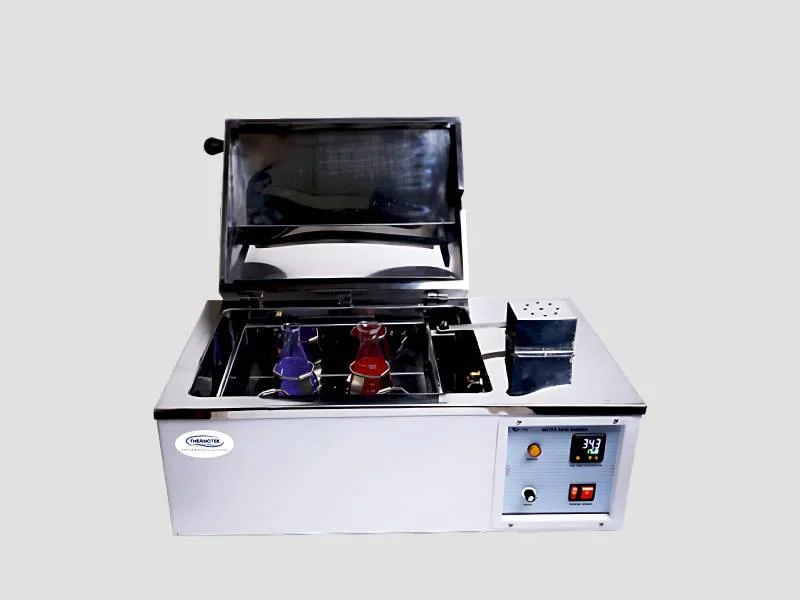
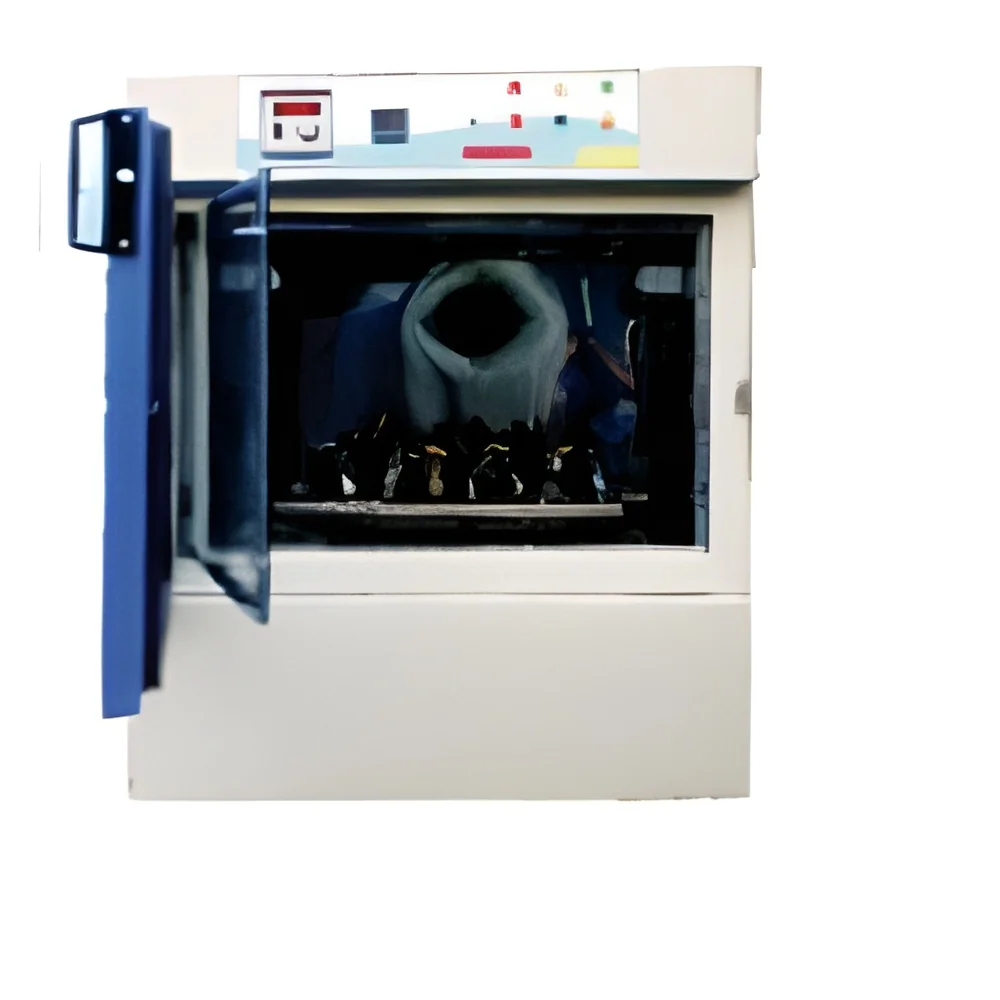
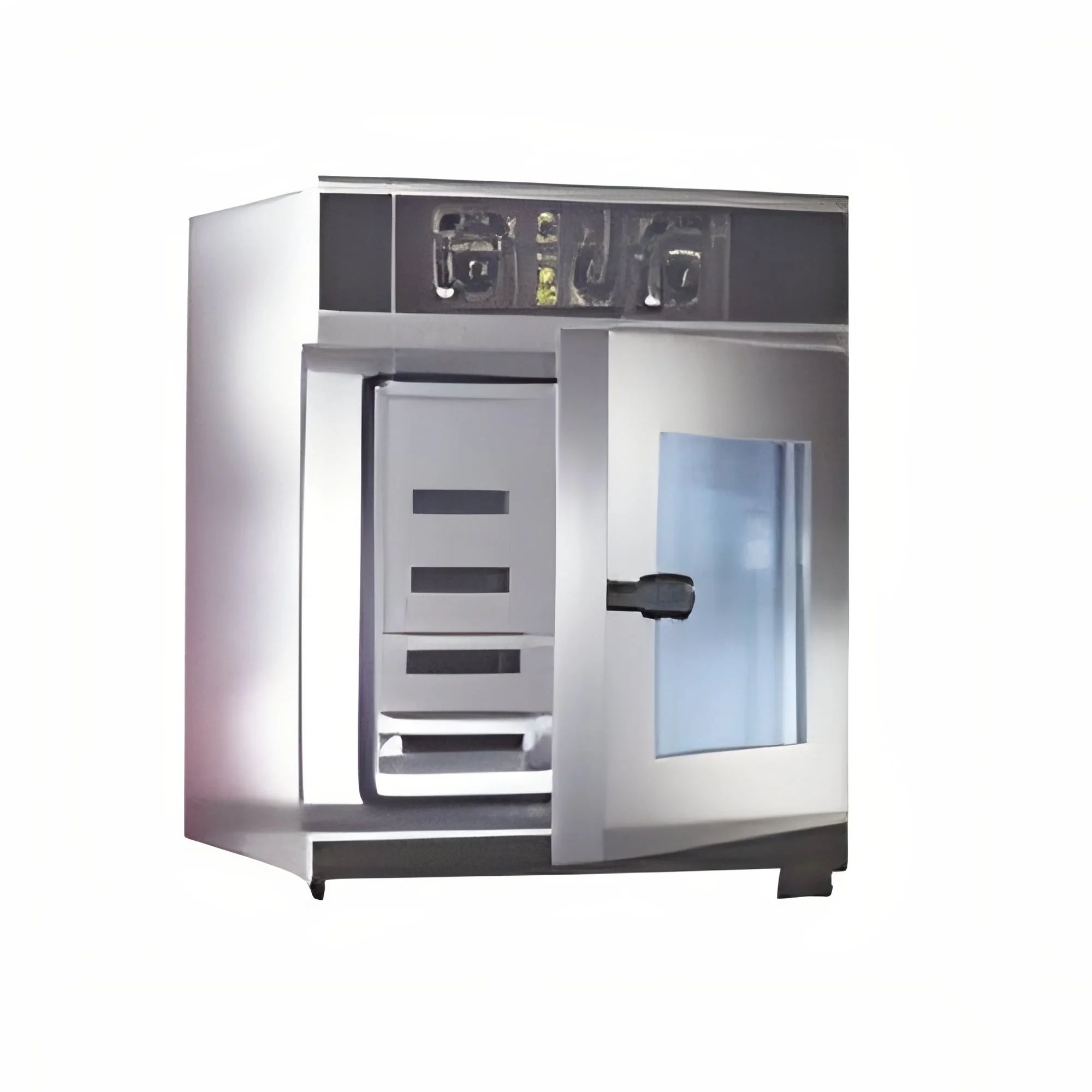
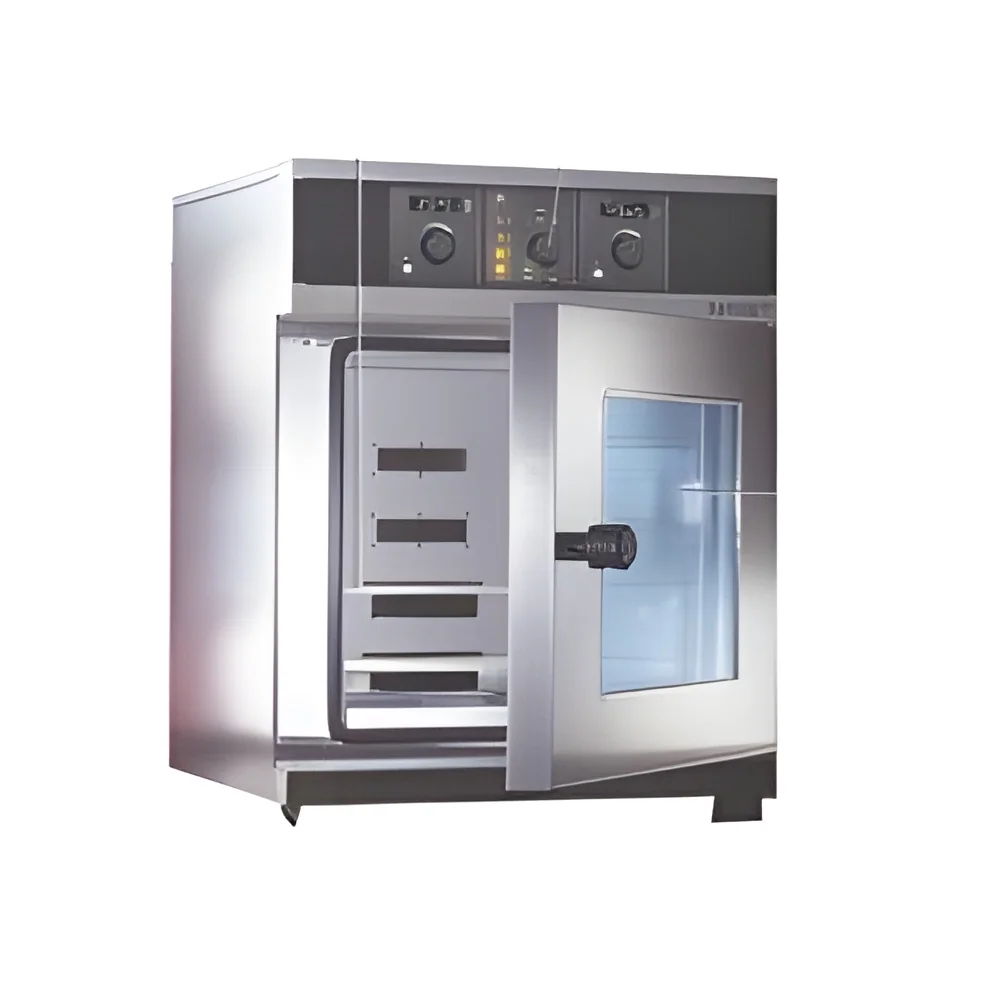
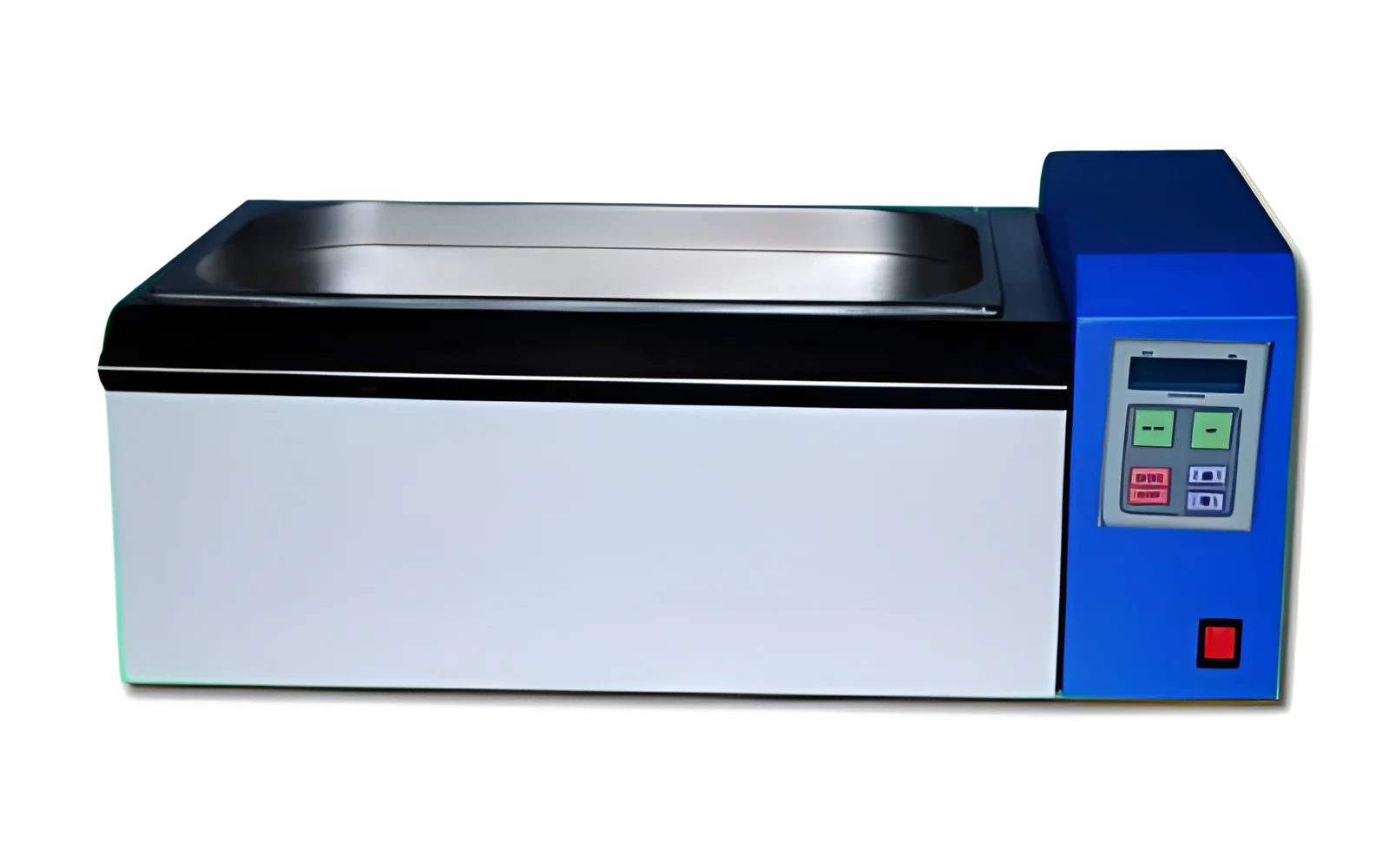
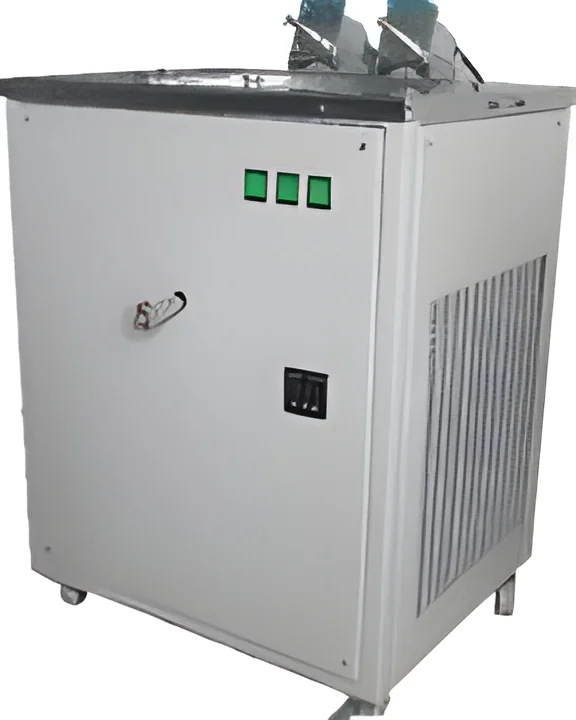
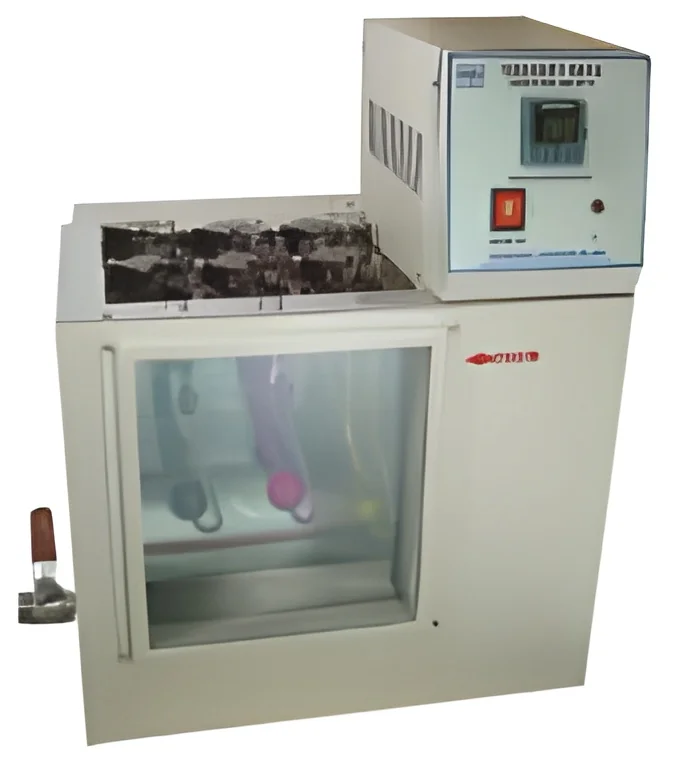
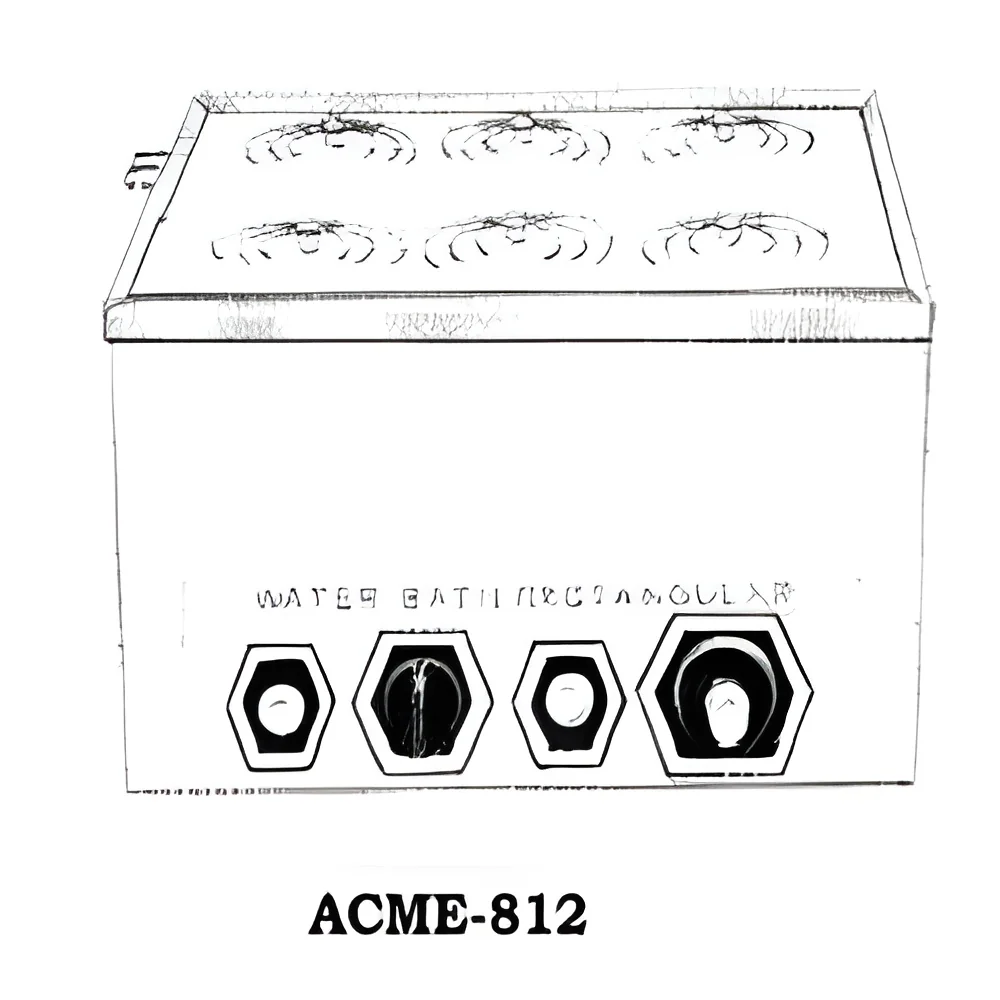
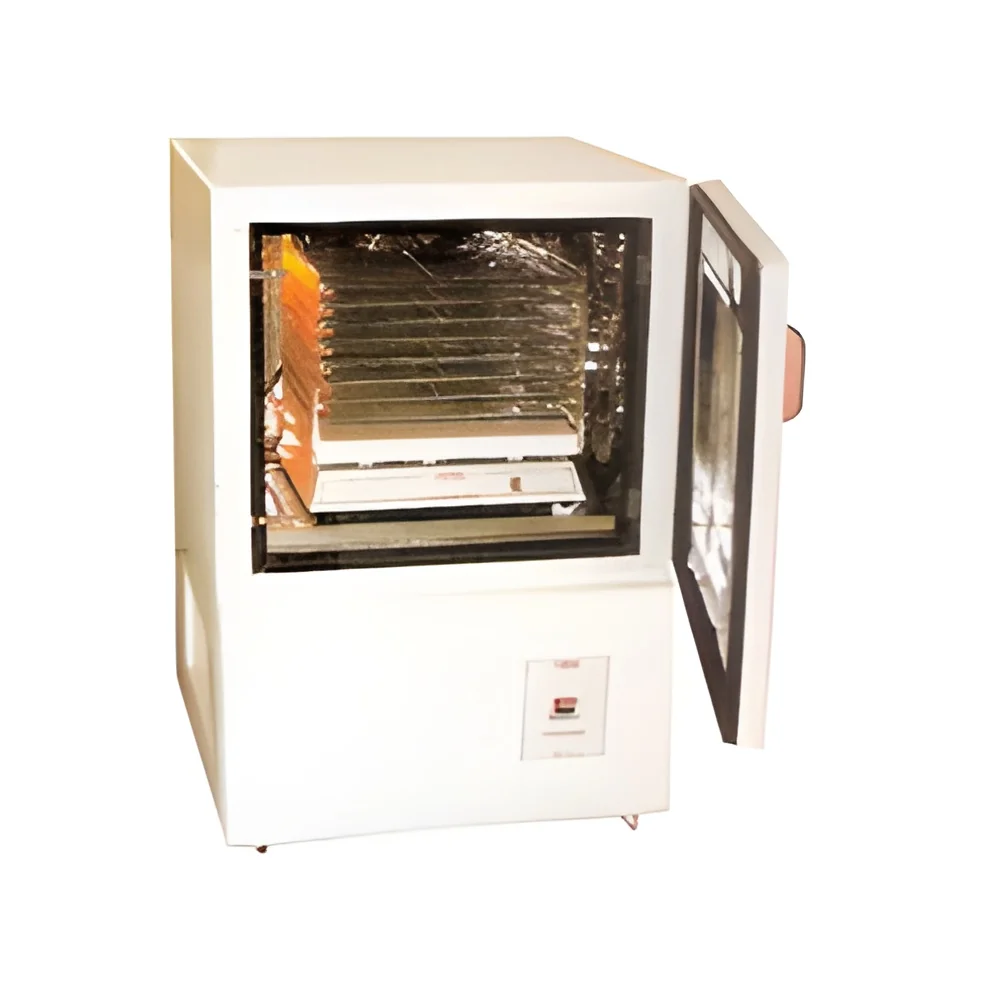
The different types of Laboratory Thermostatic Devices include water baths, incubators, and temperature-controlled ovens. Each type serves specific applications, from incubating samples to maintaining stable temperatures for chemical reactions.
How do I choose the right Laboratory Thermostatic Devices?
Choosing the right Laboratory Thermostatic Devices involves considering factors such as temperature range, capacity, and the specific requirements of your experiments. It's also important to evaluate the device's accuracy and stability to ensure reliable results.
What are the standard specifications for Laboratory Thermostatic Devices?
Standard specifications for Laboratory Thermostatic Devices typically include temperature range, uniformity, heating/cooling rates, and control accuracy. Additionally, dimensions and power requirements are important specifications to consider.
What is the price range for Laboratory Thermostatic Devices?
The price range for Laboratory Thermostatic Devices can vary significantly based on type, features, and manufacturer. Generally, prices can start from a few thousand Indian Rupees and go up to several lakhs for high-end models.
What quality standards apply to Laboratory Thermostatic Devices?
Laboratory Thermostatic Devices are subject to various quality standards, including ISO certifications and compliance with safety regulations. Manufacturers often adhere to guidelines set by organizations such as ASTM and IEC to ensure product reliability and safety.
Where can I find Laboratory Thermostatic Devices suppliers in India?
You can find Laboratory Thermostatic Devices suppliers in India through online B2B marketplaces like Pepagora, industry trade shows, and directories. It's advisable to research suppliers' credentials and customer reviews to ensure quality.
Can Laboratory Thermostatic Devices be customized?
Yes, many manufacturers offer customization options for Laboratory Thermostatic Devices to meet specific requirements. Customization may include adjustments to temperature range, size, and additional features tailored to your laboratory needs.
What is the typical minimum order quantity for Laboratory Thermostatic Devices?
The typical minimum order quantity (MOQ) for Laboratory Thermostatic Devices can vary by supplier and device type. Generally, MOQs can range from one unit for standard models to larger quantities for customized devices.
What is the typical lead time for Laboratory Thermostatic Devices?
The typical lead time for Laboratory Thermostatic Devices depends on the manufacturer and whether the device is standard or customized. Standard devices usually have a lead time of 2-4 weeks, while custom orders may take longer.
Why Businesses Trust Pepagora
Thousands of companies trust Pepagora to source smarter and sell faster
Expand Your Sales Globally

Source Smarter,Grow Faster
