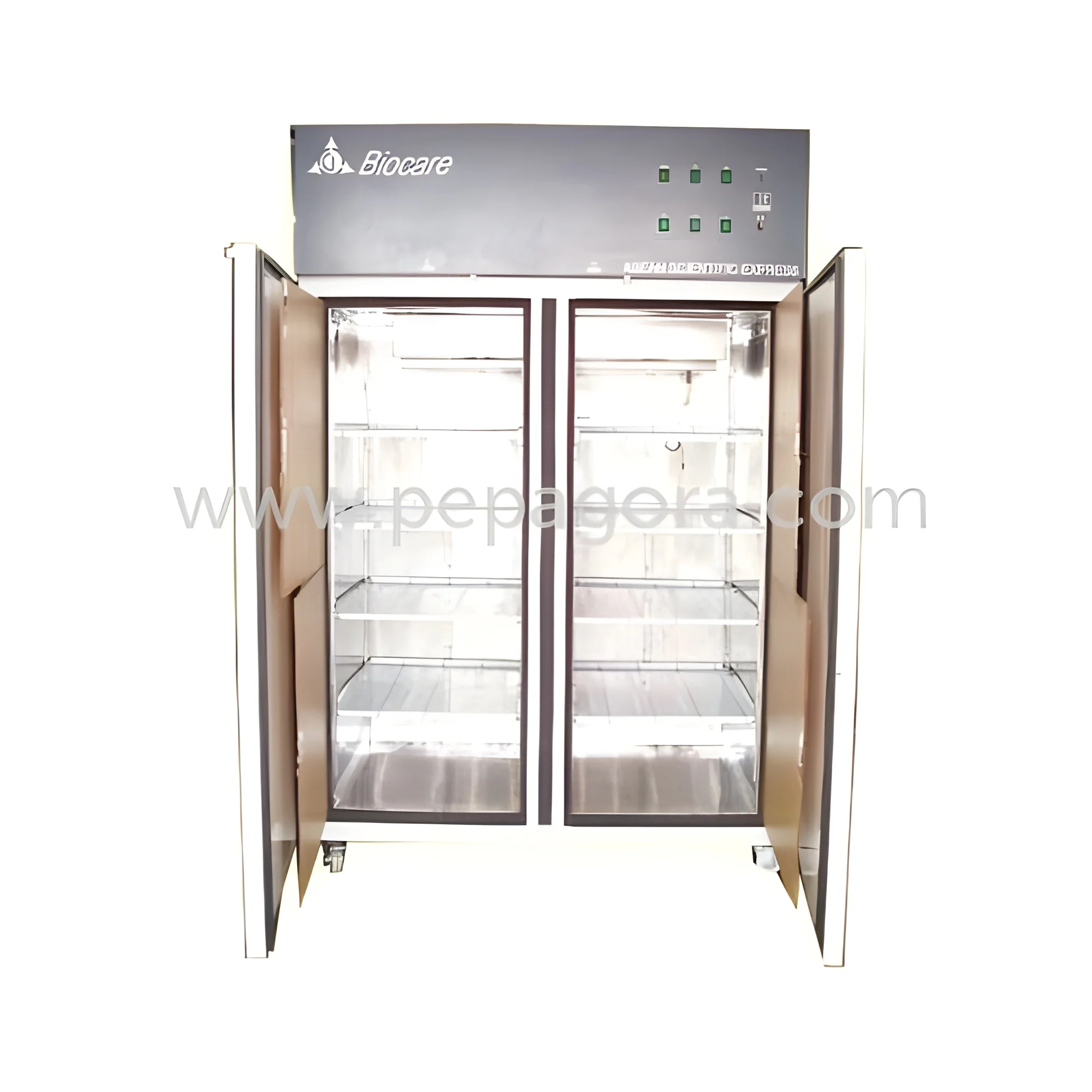
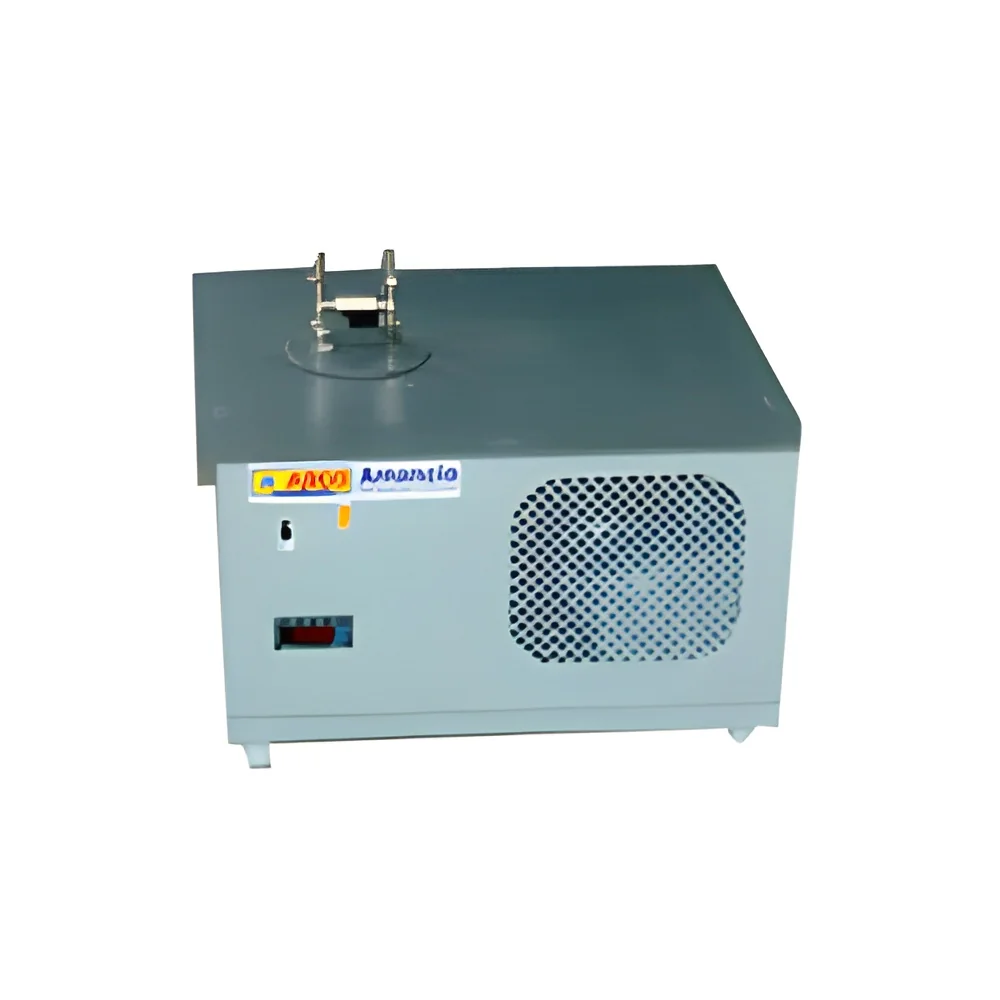
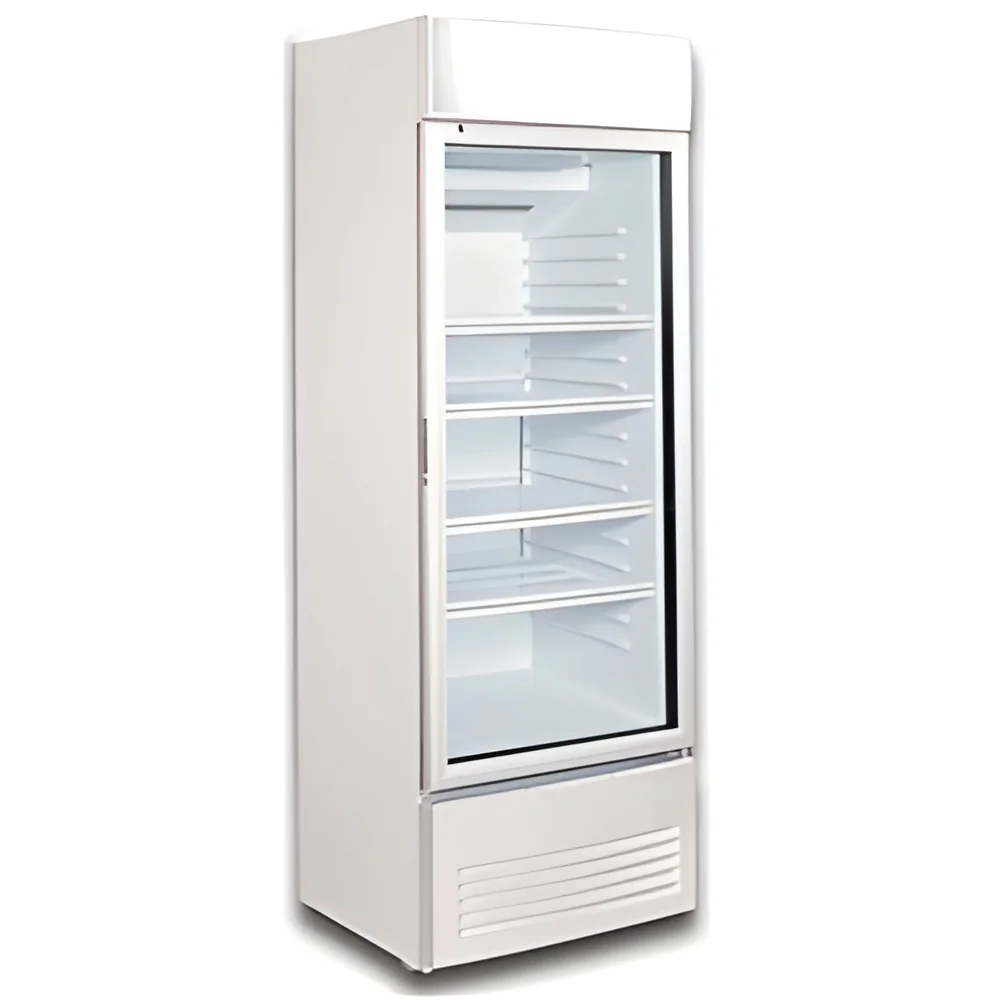
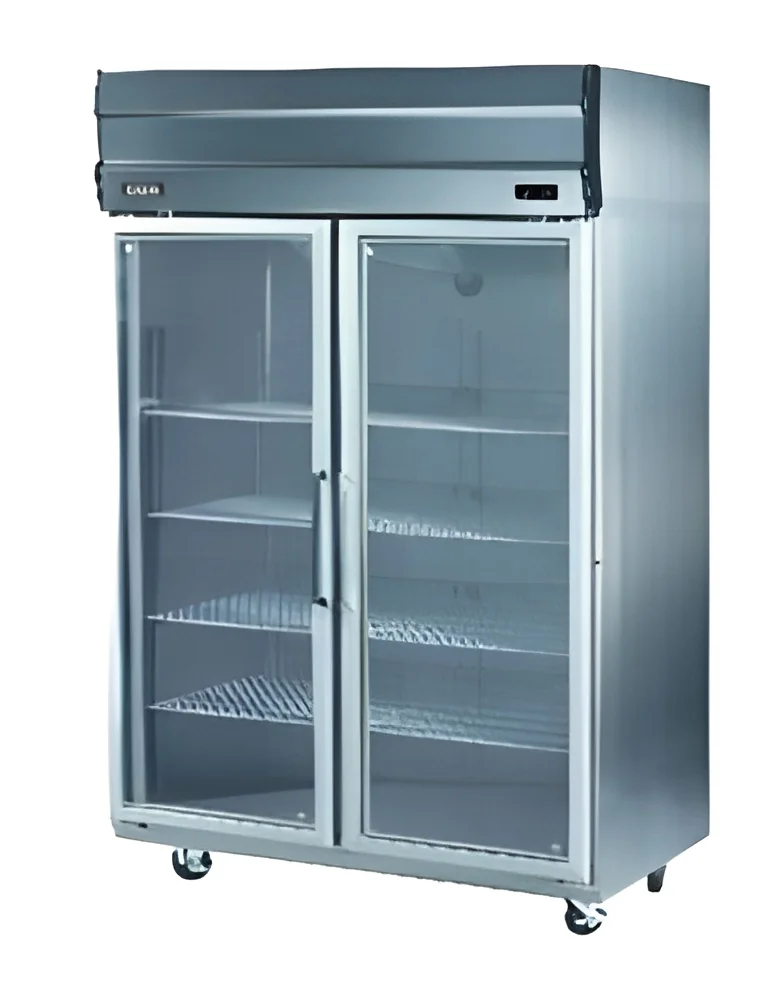
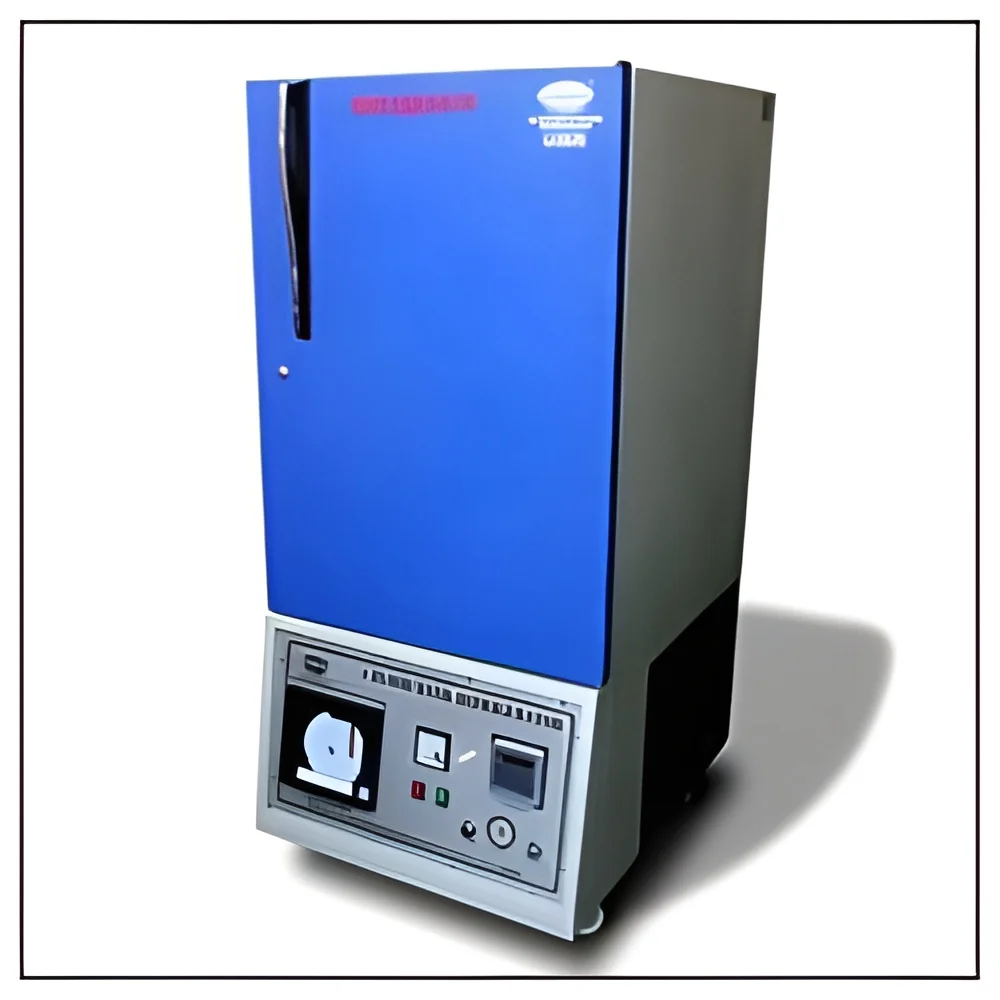
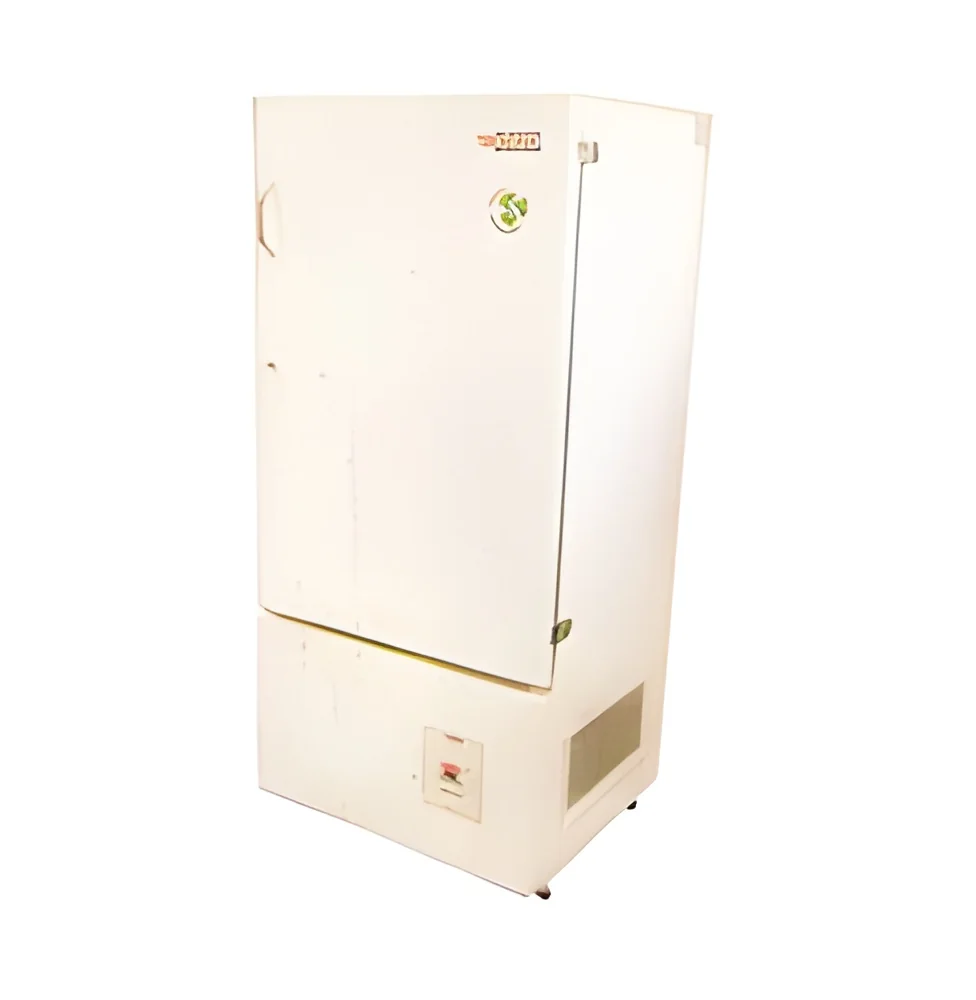
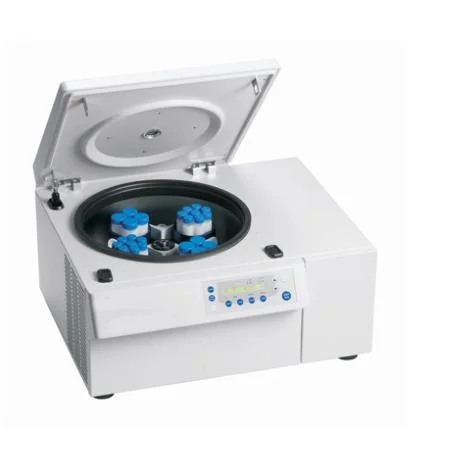
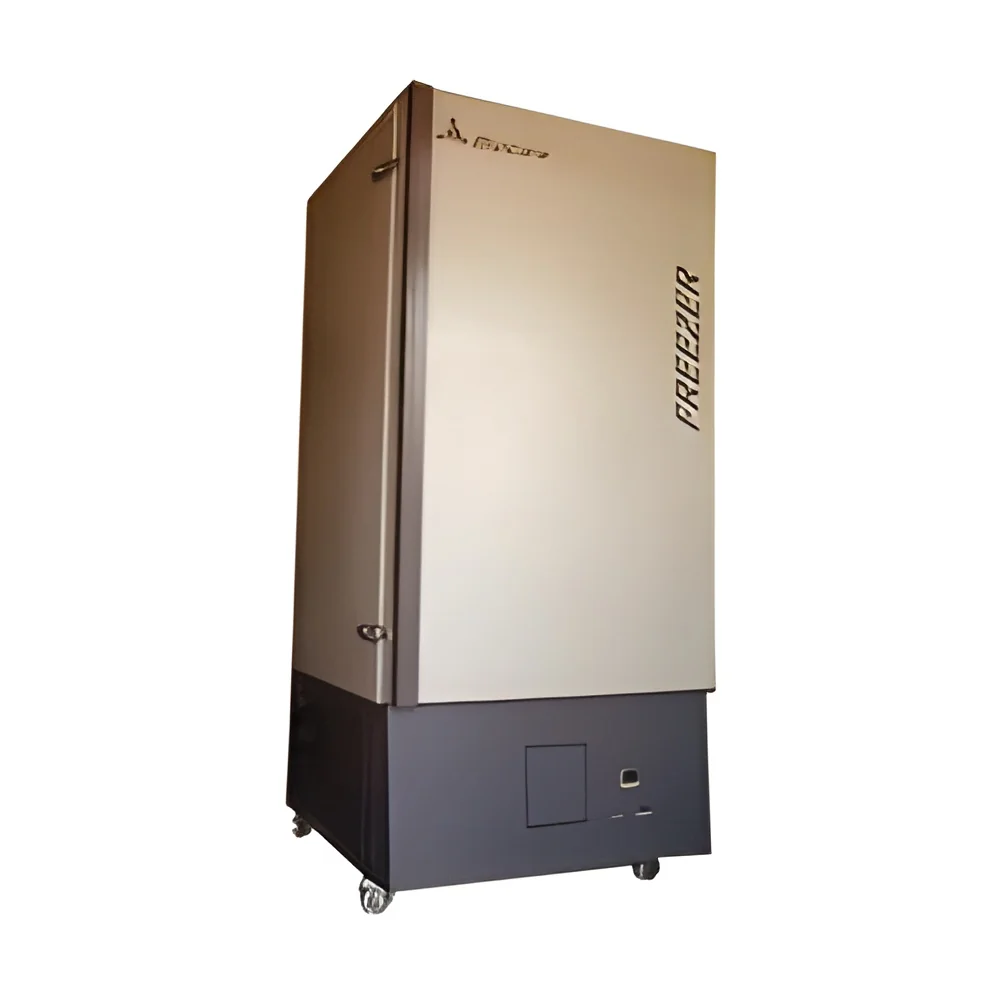
What are Laboratory Refrigeration Equipment?
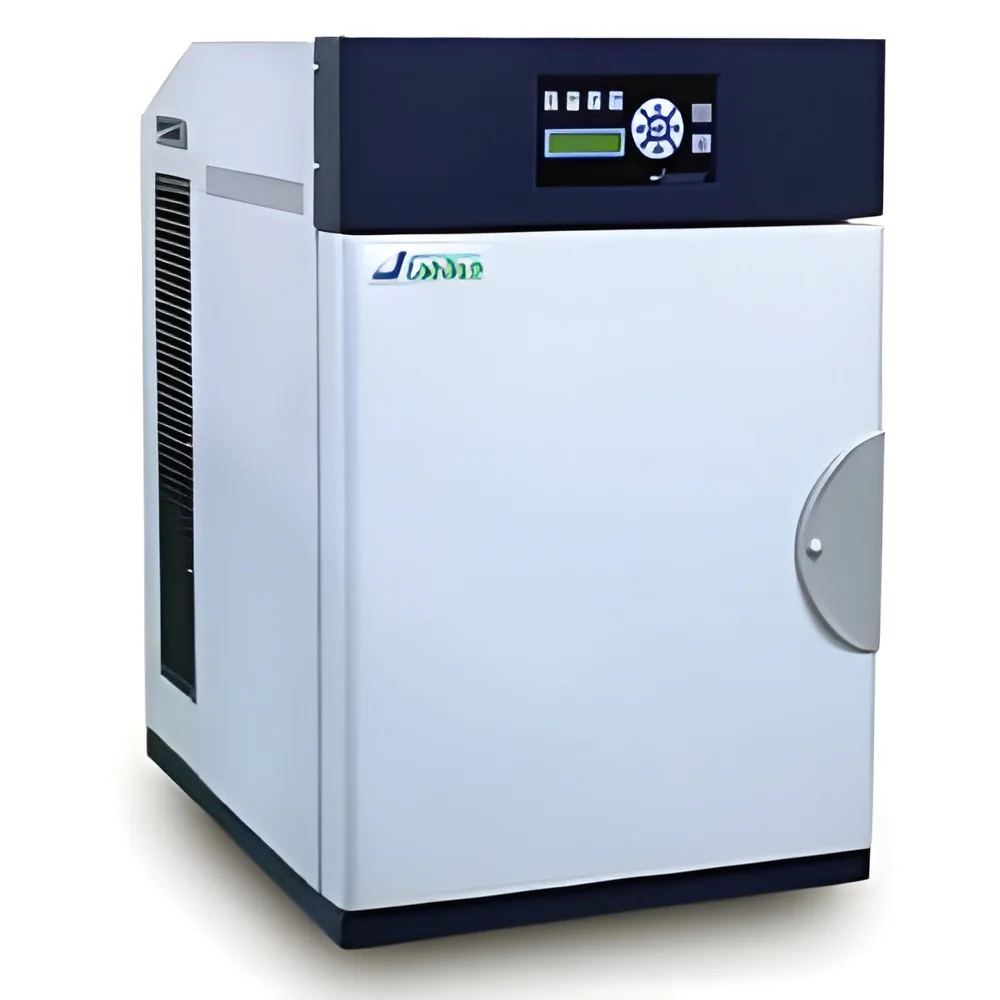
Laboratory refrigeration equipment refers to specialized cooling devices designed to maintain low temperatures for a variety of scientific applications. These units are essential in preserving sensitive materials, chemicals, biological samples, and pharmaceuticals. They operate within specific temperature ranges to ensure the integrity of stored items, preventing degradation or contamination.
The primary uses of laboratory refrigeration equipment span across various sectors, including pharmaceuticals, biotechnology, research laboratories, and clinical settings. In these environments, maintaining stable temperatures is crucial for experiments, sample storage, and product efficacy. As industries increasingly focus on research and development, the demand for reliable refrigeration solutions continues to grow, highlighting the industry's relevance and significance in scientific advancement.
Key Features and Specifications
Laboratory refrigeration equipment is characterized by several key features that enhance its functionality and reliability. Understanding these specifications is essential for selecting the right equipment for specific applications.
Key specifications include:
1. Temperature Range
- Typically operates between -80°C to +4°C, depending on the model.
- Critical for preserving biological samples and chemicals.
2. Capacity
- Available in various sizes from small under-counter units to large walk-in freezers.
- Capacity usually ranges from 50 liters to over 1000 liters.
3. Cooling Technology
- Options include compressor-based and thermoelectric cooling systems.
- Each technology has its benefits, such as energy efficiency and temperature stability.
4. Control Systems
- Digital temperature control and display for precise monitoring.
- Some units offer programmable settings for specific protocols.
5. Safety Features
- Includes alarms for temperature deviations and power failures.
- Locks and security features to protect sensitive materials.
6. Energy Efficiency
- Compliance with energy standards to minimize operational costs.
- Features like insulation and energy-efficient compressors.
7. Humidity Control
- Some models include humidity control features to protect sensitive materials.
- Important for applications involving biological samples.
8. Certifications
- Units often come with certifications such as CE for quality assurance.
- Compliance with industry standards ensures safety and reliability.
These specifications help buyers identify the best equipment suited to their laboratory needs.
Common Applications and Use Cases
Laboratory refrigeration equipment serves various industries, each with unique applications that require precise temperature control.
1. Pharmaceuticals: These units are crucial for storing vaccines, medications, and biological samples to ensure their effectiveness and safety.
2. Biotechnology: In this field, refrigeration is vital for preserving reagents, enzymes, and cellular cultures used in experiments.
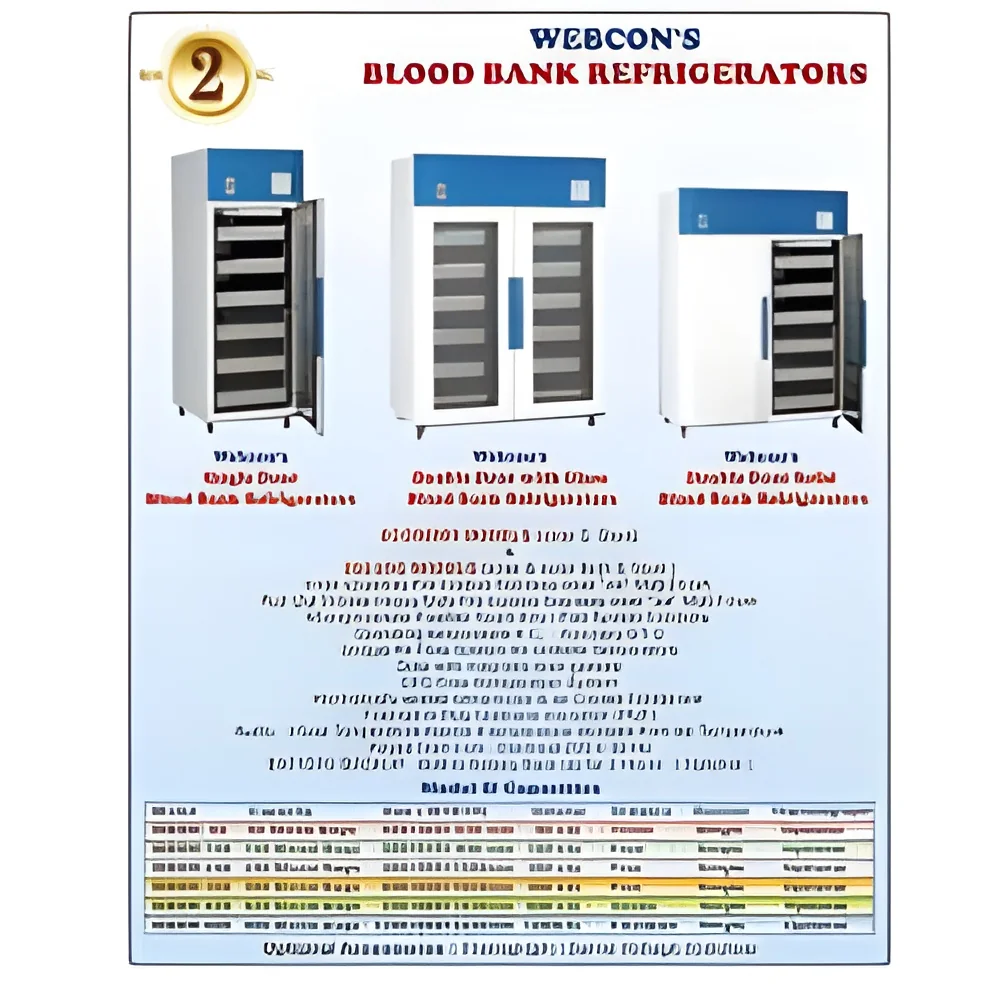
3. Clinical Laboratories: Hospitals and diagnostic centers rely on refrigeration equipment to store blood samples and other sensitive materials for testing.
4. Research Institutions: Laboratories use refrigeration for sample storage, maintaining the integrity of research materials and experimental samples.
5. Food and Beverage: Refrigeration equipment is essential in research and development labs for quality control and testing of food products.
6. Environmental Testing: Equipment is used to store environmental samples, ensuring accurate analysis and testing outcomes.
7. Educational Institutions: Universities and colleges utilize refrigeration for teaching and research purposes in sciences.
Product Variants and Subcategories
Laboratory refrigeration equipment comes in various forms to meet specific needs and applications.
Laboratory Freezers
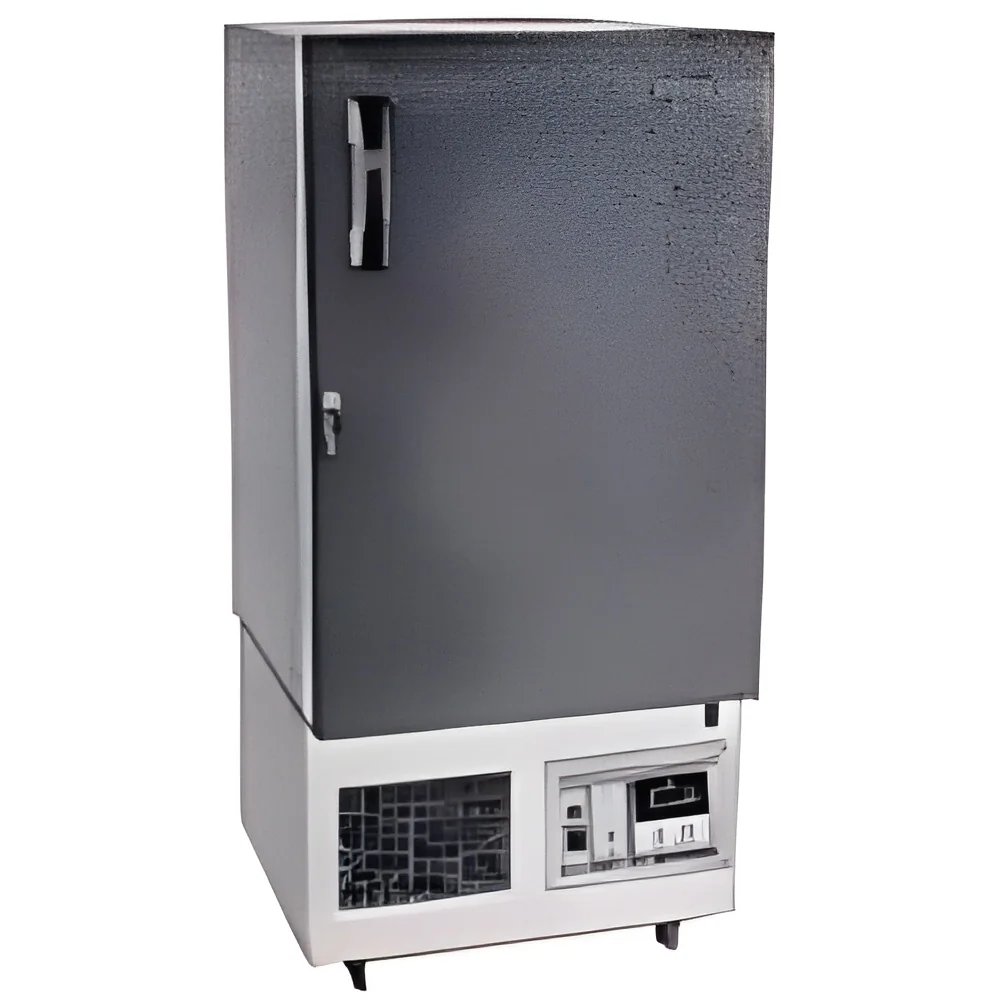
These are designed to store samples at ultra-low temperatures, often reaching -80°C. They are commonly used for the long-term storage of biological materials, including vaccines and cell cultures.
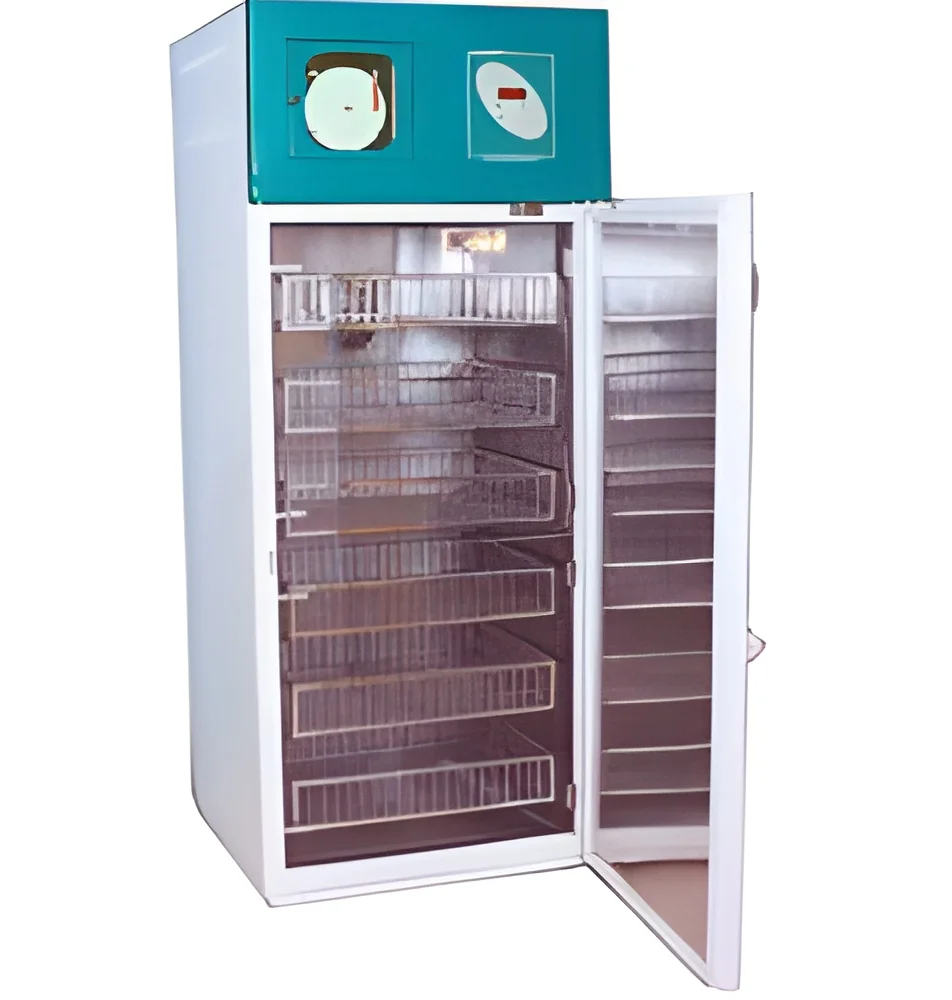
Refrigerators
Standard laboratory refrigerators maintain temperatures just above freezing. They are suitable for storing reagents, chemicals, and other materials that do not require extremely low temperatures.
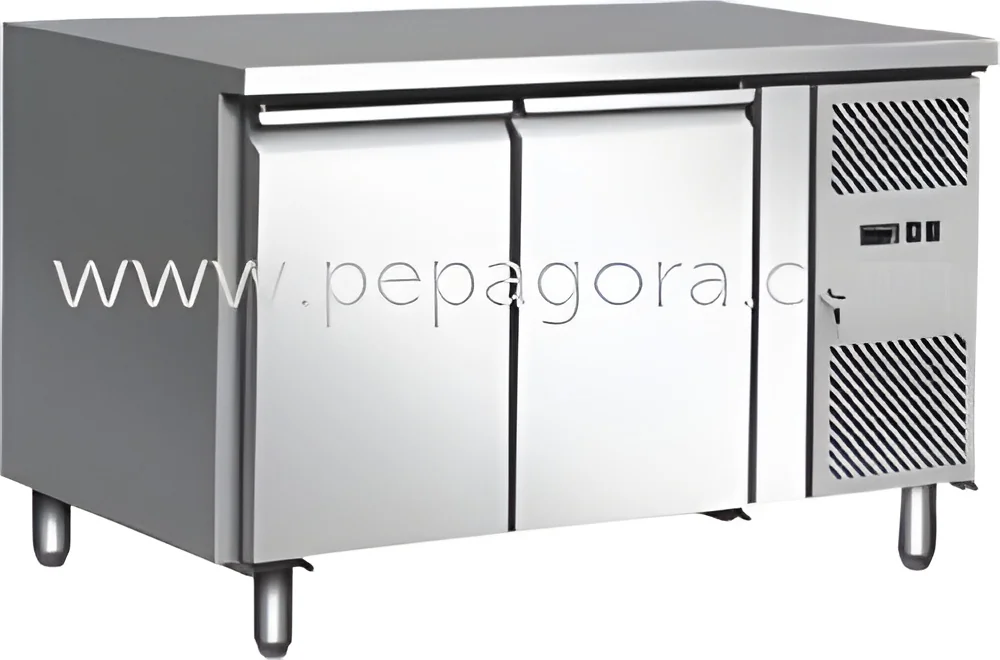
Under-Counter Units
Compact and space-saving, these units fit under laboratory benches. They are ideal for smaller labs needing quick access to stored materials.
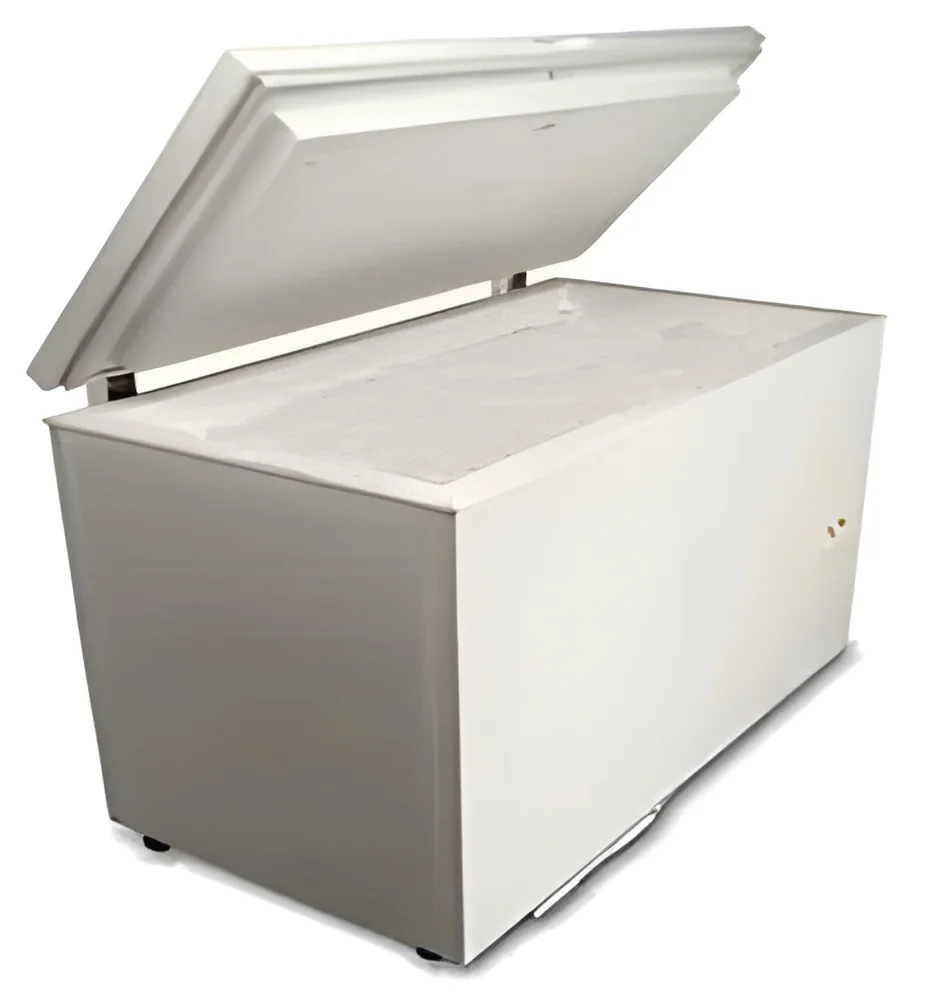
Chest Freezers
These freezers offer large storage capacities and are often used in larger facilities for bulk storage of samples and materials.
Benefits and Advantages
Investing in quality laboratory refrigeration equipment offers numerous benefits critical to scientific operations.
1. Temperature Stability: Maintains precise temperatures, ensuring the integrity of samples and materials over time.
2. Protection from Contamination: Advanced features prevent exposure to external elements, safeguarding sensitive materials.
3. Increased Efficiency: Reliable refrigeration systems reduce the risk of sample loss, enhancing overall lab productivity.
4. Versatility: Available in various models to suit different laboratory sizes and applications.
5. Compliance Assurance: Meets industry standards and certifications, ensuring safety and reliability.
6. Energy Savings: Energy-efficient models help reduce operational costs while maintaining performance.
Buying Guide for B2B Buyers
When sourcing laboratory refrigeration equipment, several factors should be considered to ensure the best investment.
1. Quality Assessment: Evaluate the quality of the equipment by reviewing manufacturer reputation and product reviews. High-quality units are more reliable over time.
2. Supplier Verification: Vet suppliers by checking credentials, certifications, and customer feedback. A verified supplier ensures product authenticity and reliability.
3. Pricing and MOQ: Compare prices across different suppliers while considering minimum order quantities. Look for bulk purchase discounts when applicable.
4. Delivery and Lead Times: Discuss logistics with suppliers to understand delivery times and ensure timely availability of equipment.
5. Compliance Requirements: Ensure that the equipment meets relevant compliance standards and certifications for your industry. This can prevent future regulatory issues.
Compliance and Certifications
Laboratory refrigeration equipment must adhere to various quality standards to ensure safety and effectiveness in scientific applications.
ISO 9001 is a widely recognized quality management standard that emphasizes continuous improvement and customer satisfaction. Equipment that meets this standard can be trusted for its reliability and performance.
HACCP (Hazard Analysis Critical Control Point) is crucial in food and pharmaceutical industries, ensuring that refrigeration processes minimize risks to health and safety through systematic monitoring.
CE certification indicates that a product meets European safety, health, and environmental protection standards. This certification is essential for equipment sold in European markets.
In addition, safety and testing requirements must be adhered to, ensuring that equipment operates safely under specified conditions. Regional compliance may also vary, necessitating awareness of local regulations when sourcing equipment.
Why Source Laboratory Refrigeration Equipment from Pepagora?
Pepagora provides a trusted platform for sourcing laboratory refrigeration equipment, offering several key advantages to buyers.
Verified Supplier Network: Pepagora has a rigorous vetting process for suppliers, ensuring that only reliable and reputable manufacturers are featured. This builds confidence in the quality of the products offered.
Streamlined RFQ Process: The platform simplifies the process of requesting quotations, making it easier for buyers to compare prices and features across multiple suppliers quickly.
Trade Assurance and Support: Pepagora offers buyer protection through trade assurance policies, which safeguard transactions and ensure satisfaction with purchases.
Regional Coverage: With a wide geographic reach, including India, GCC, and Southeast Asia, Pepagora connects buyers with suppliers in key markets, facilitating efficient sourcing and logistics for laboratory refrigeration equipment.

 IN
IN