What are Laboratory Heating Equipment?
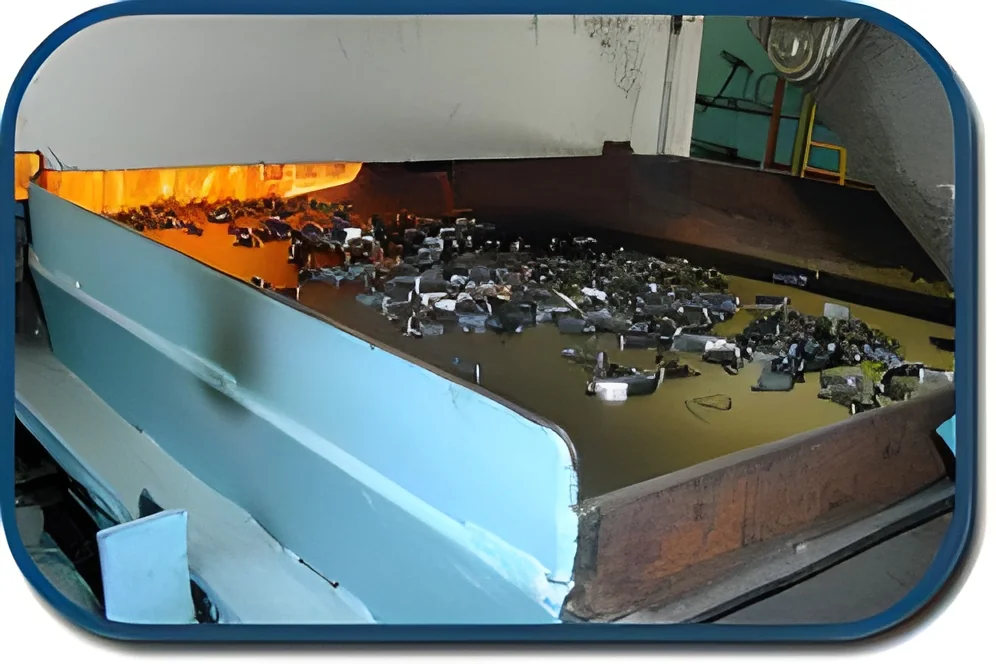
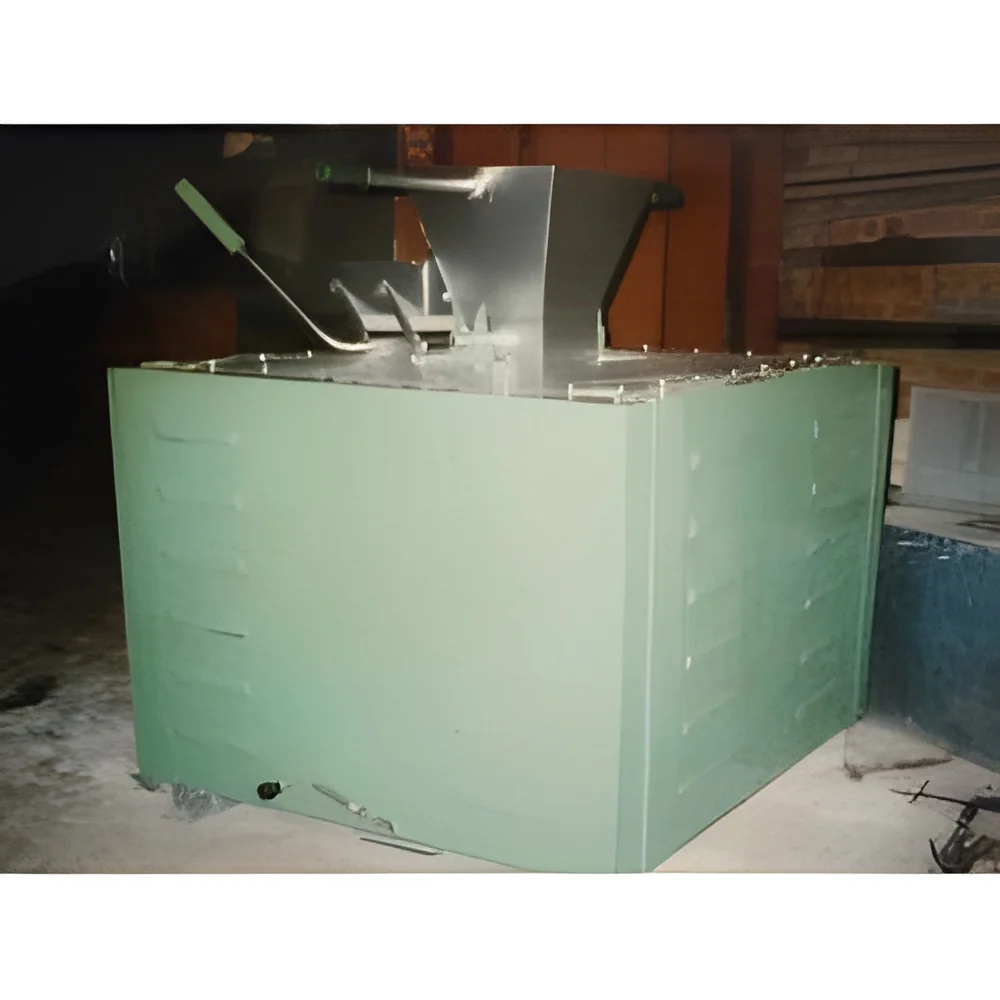
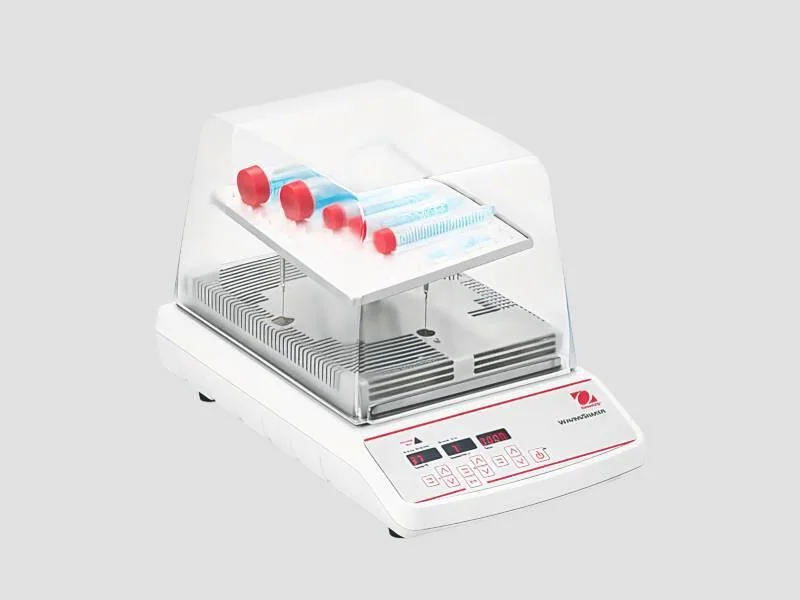
Laboratory heating equipment refers to a range of devices used to heat substances in a controlled environment for scientific and industrial purposes. These instruments are essential for various laboratory applications, including chemical reactions, sample preparation, and material testing. They provide precise temperature control, allowing researchers and technicians to conduct experiments accurately and safely.
The primary applications of laboratory heating equipment span multiple sectors, including pharmaceuticals, biotechnology, food and beverage, and academic research. In these industries, heating equipment is utilized for processes such as sterilization, evaporation, and even maintaining specific temperatures for biochemical reactions. As industries increasingly rely on scientific research and development, the demand for reliable laboratory heating solutions continues to grow, reinforcing their significance in the market.
Key Features and Specifications
Laboratory heating equipment is characterized by several key features that enhance its functionality and efficiency. These features are tailored to meet the diverse needs of laboratories across various sectors.
Key specifications include:
1. Temperature Control
- Offers precise temperature settings for accurate heating
- Typically ranges from ambient to 500 degrees Celsius or higher
2. Heating Method
- Includes options such as conduction, convection, and infrared heating
- Each method serves different applications depending on heating needs
3. Safety Features
- Incorporates alarms and automatic shut-off mechanisms
- Ensures safe operation and prevents overheating
4. Material Construction
- Often made from durable materials like stainless steel or glass
- Provides resistance to chemicals and high temperatures
5. Size and Capacity
- Available in various sizes to accommodate different laboratory spaces
- Capacity may range from small benchtop units to larger industrial models
6. Energy Efficiency
- Designed to minimize power consumption while maximizing performance
- Often features insulation to retain heat efficiently
7. User Interface
- Equipped with digital displays and intuitive controls
- Enhances user experience and simplifies operation
In summary, the specifications of laboratory heating equipment are crucial in determining their suitability for specific applications. By selecting equipment that meets these specifications, laboratories can ensure effective and safe heating processes.
Common Applications and Use Cases
Laboratory heating equipment serves various industries with specific applications tailored to their unique requirements.
1. Pharmaceuticals: Used for drug formulation and stability testing, ensuring that active ingredients are heated to required temperatures for proper mixing and efficacy.
2. Biotechnology: Essential for culturing microorganisms and cells, where controlled heating is necessary for optimal growth and experimentation.
3. Food and Beverage: Employed in processes such as pasteurization and quality testing, where precise heating is critical to ensure safety and compliance with regulations.
4. Environmental Testing: Utilized for sample preparation in testing soil and water samples, where consistent heating is needed to extract contaminants effectively.
5. Materials Science: Used in research and development of new materials, focusing on thermal properties and performance under various temperature conditions.
6. Academic Research: Provides essential support in educational institutions for experiments that require consistent heating, such as chemical reactions and material studies.
7. Chemical Manufacturing: Integral in processes involving reactions that require precise temperature control to enhance yield and product quality.
Product Variants and Subcategories
Laboratory heating equipment comes in various forms, each designed for specific applications and environments. The diversity allows users to select the most suitable equipment for their needs.
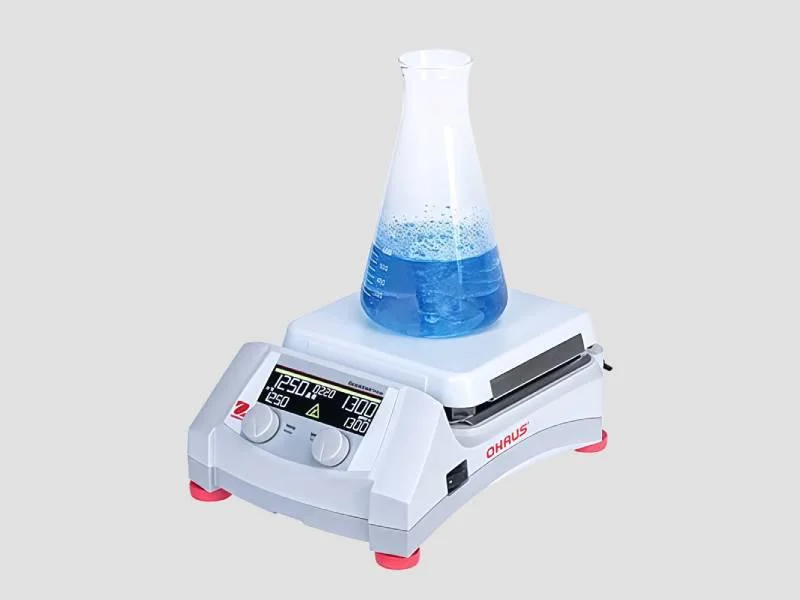
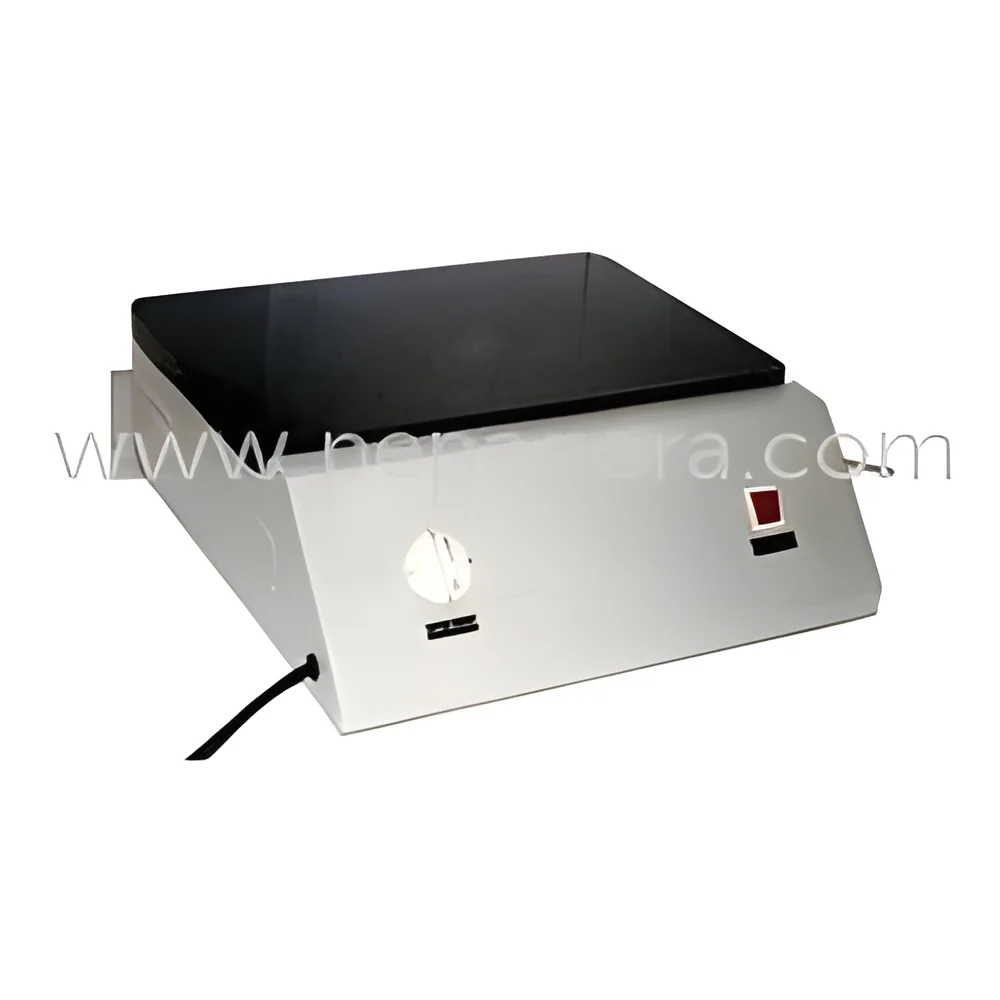
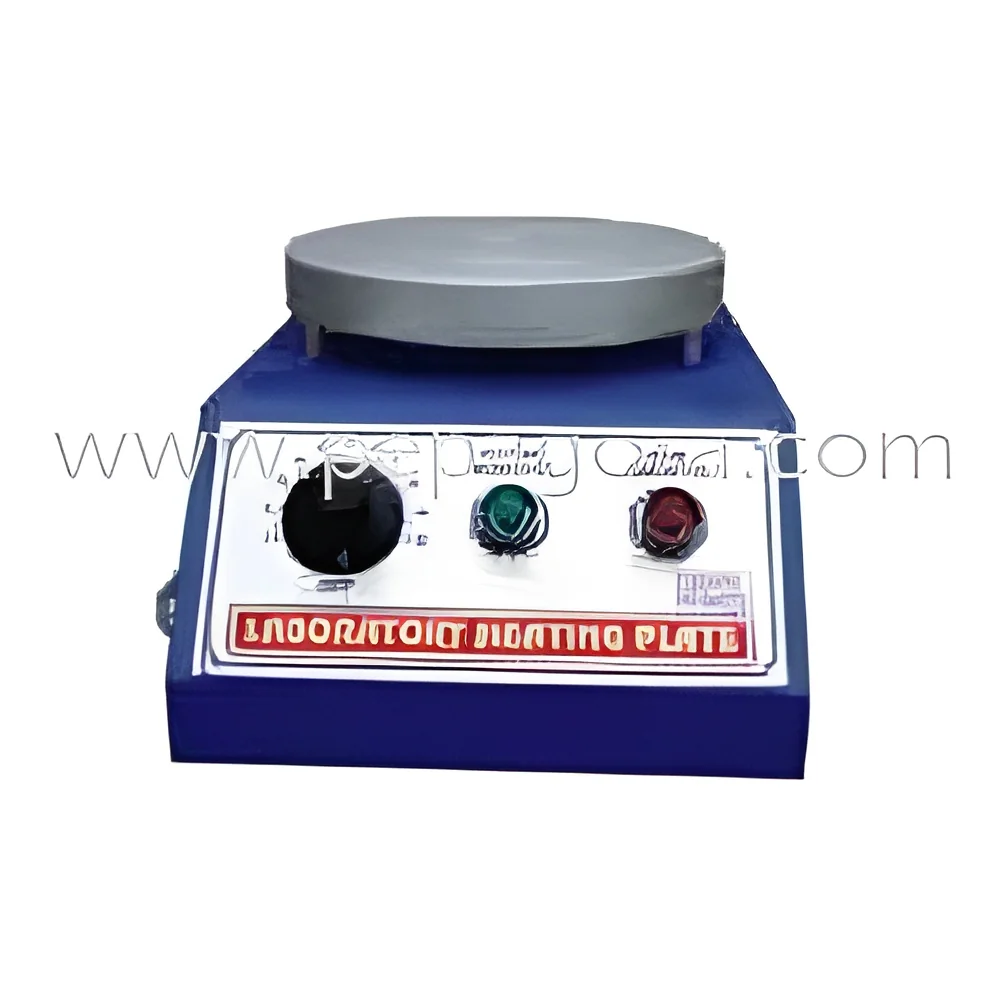
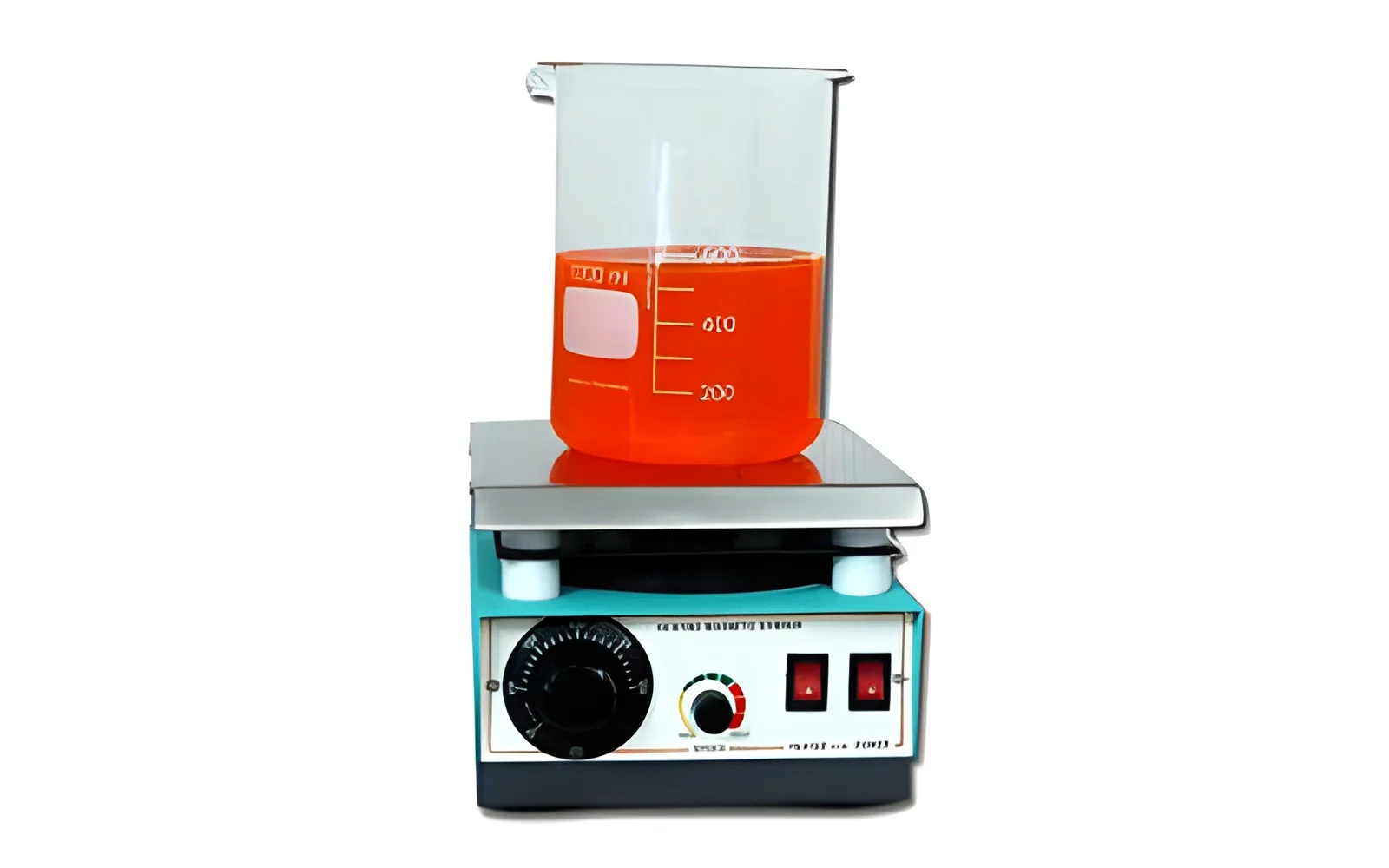
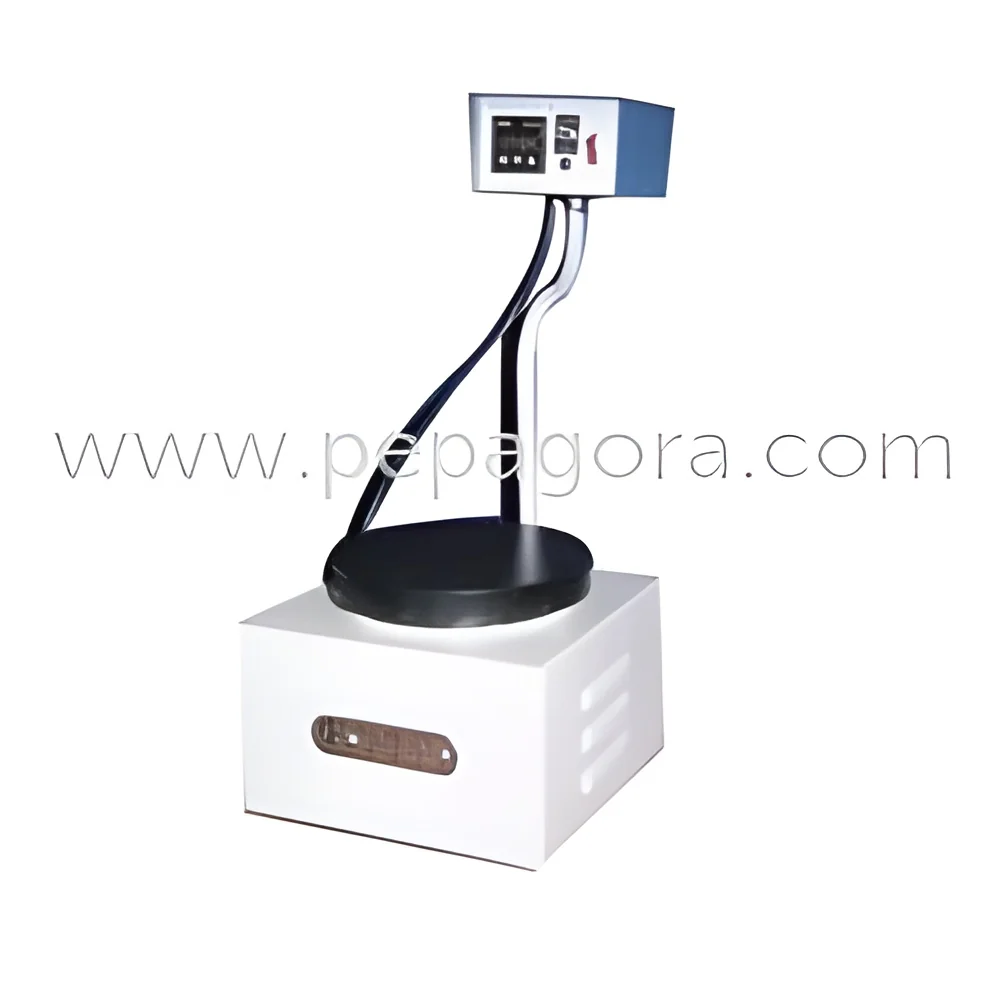
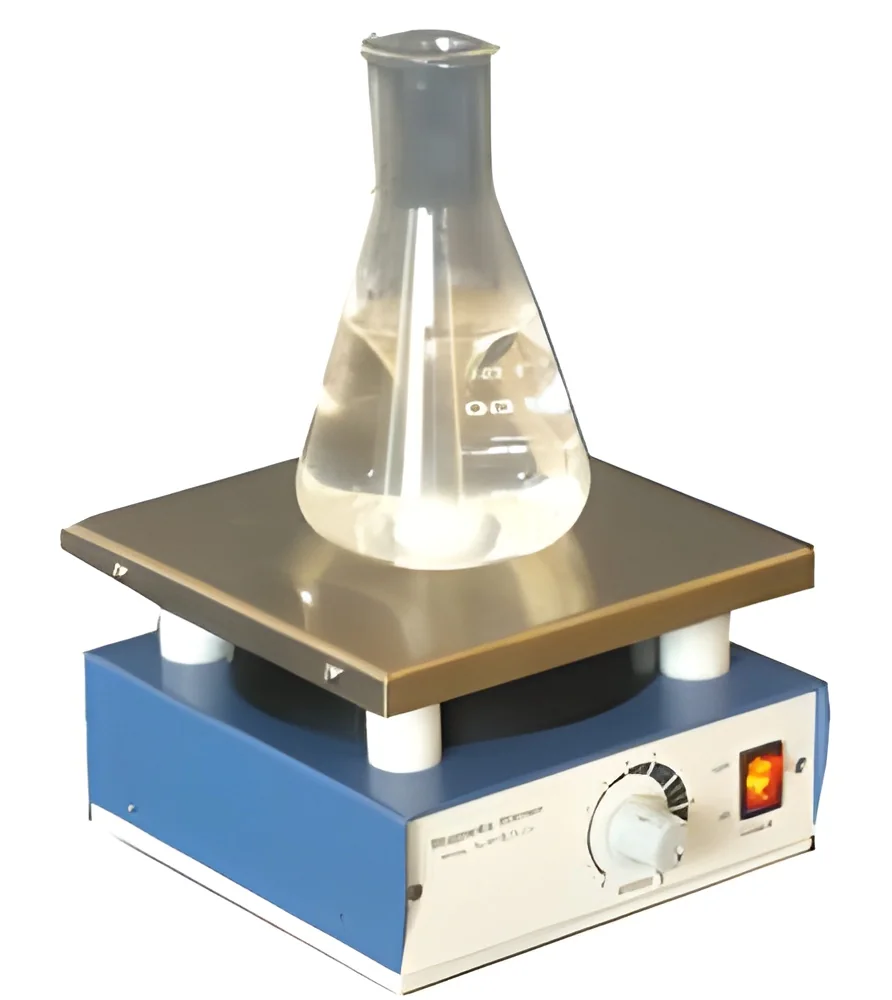
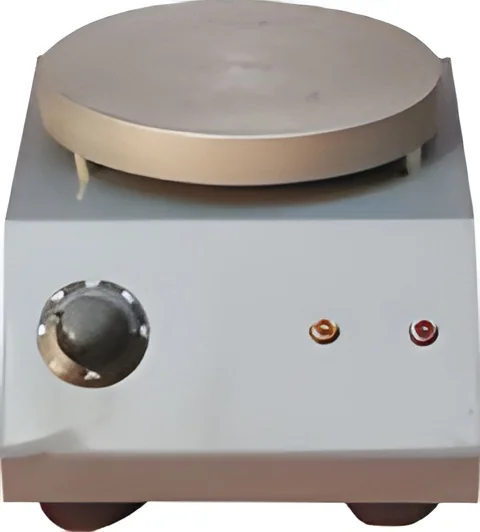
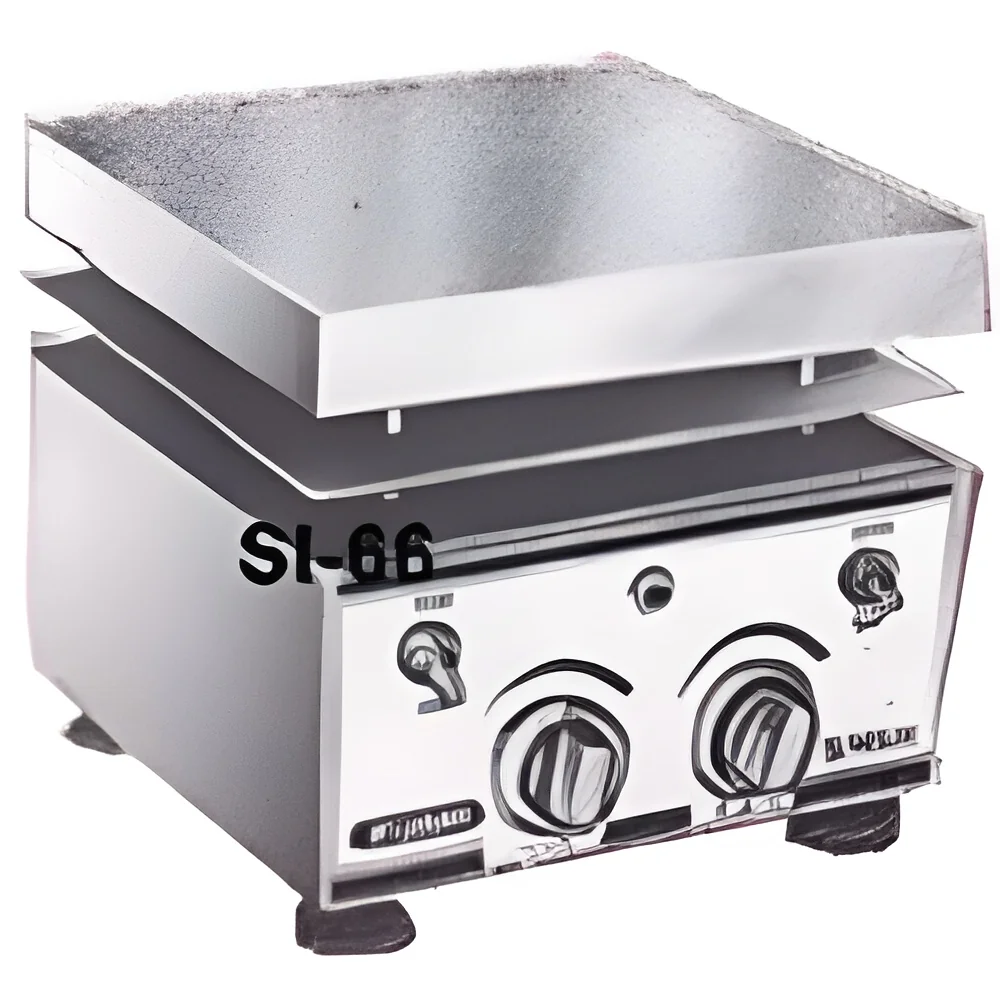
Hot Plates
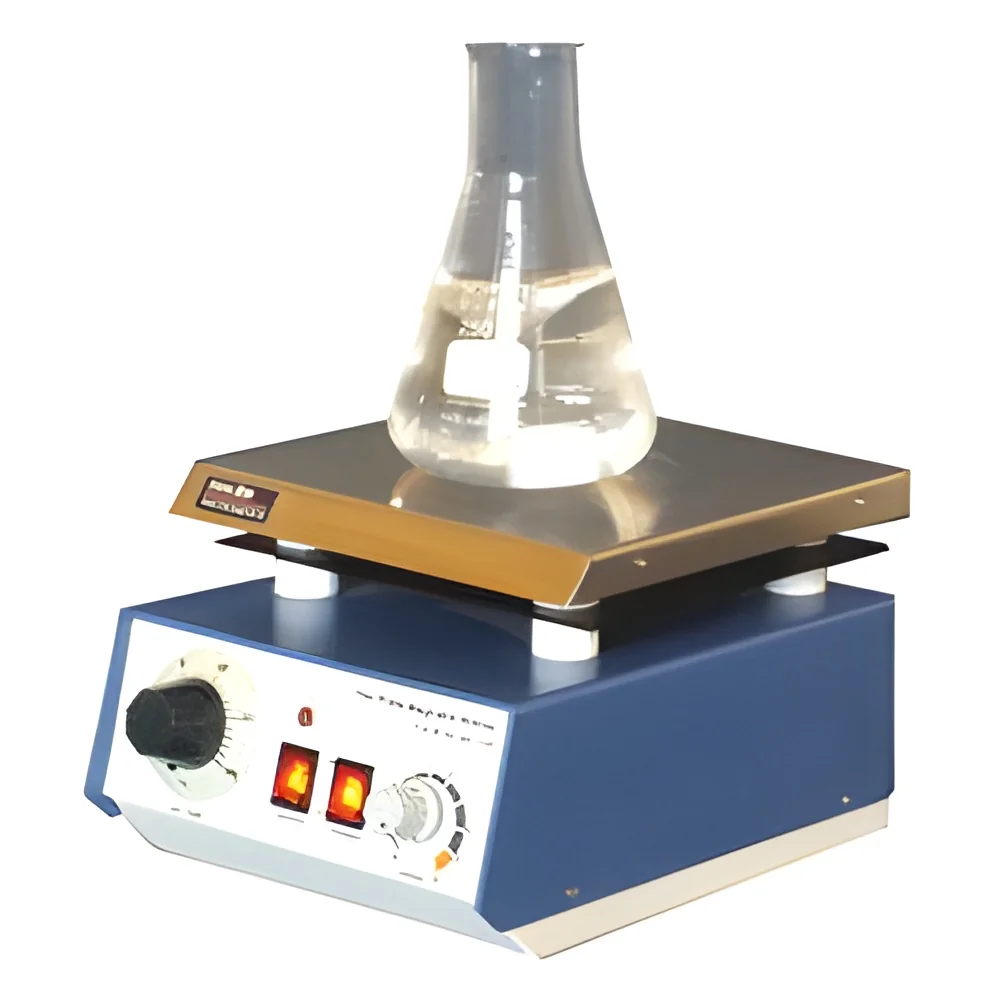
These devices provide a flat, heated surface for various laboratory tasks. They are widely used for heating liquids in beakers or flasks and offer adjustable temperature controls for precise heating.
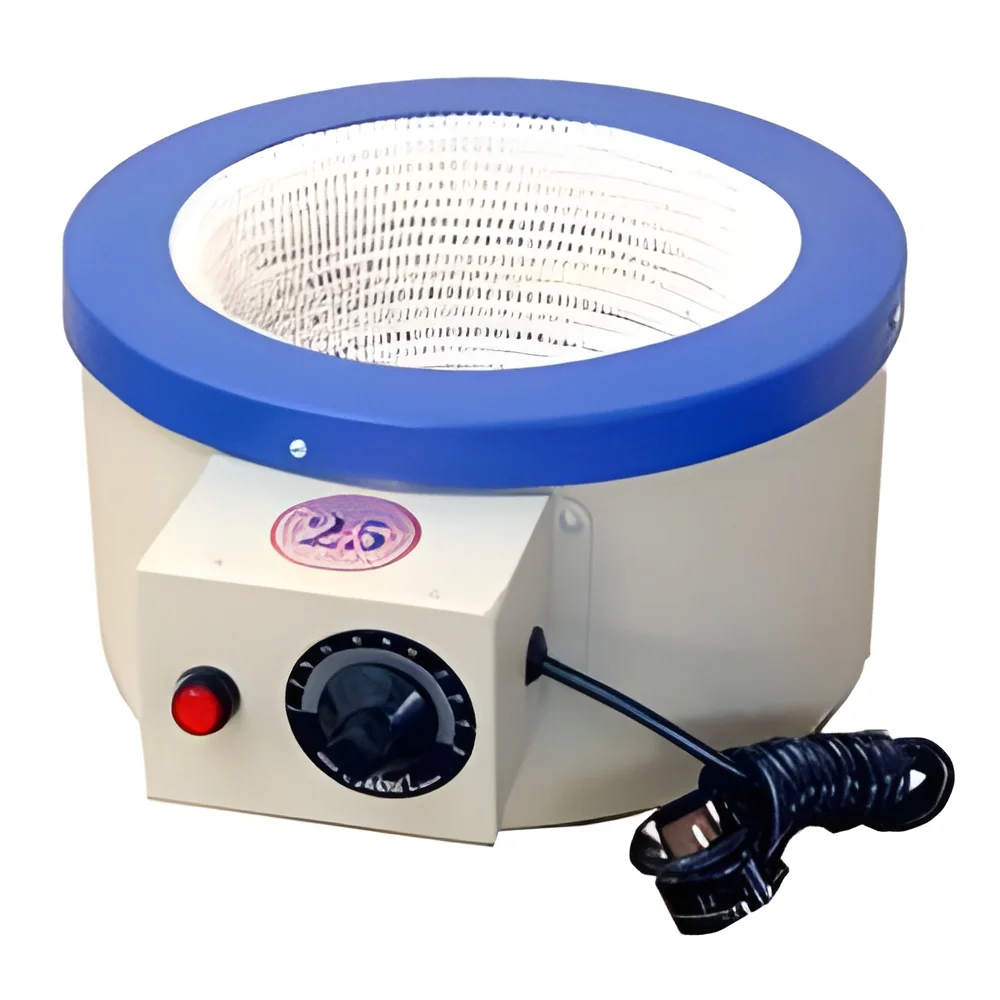
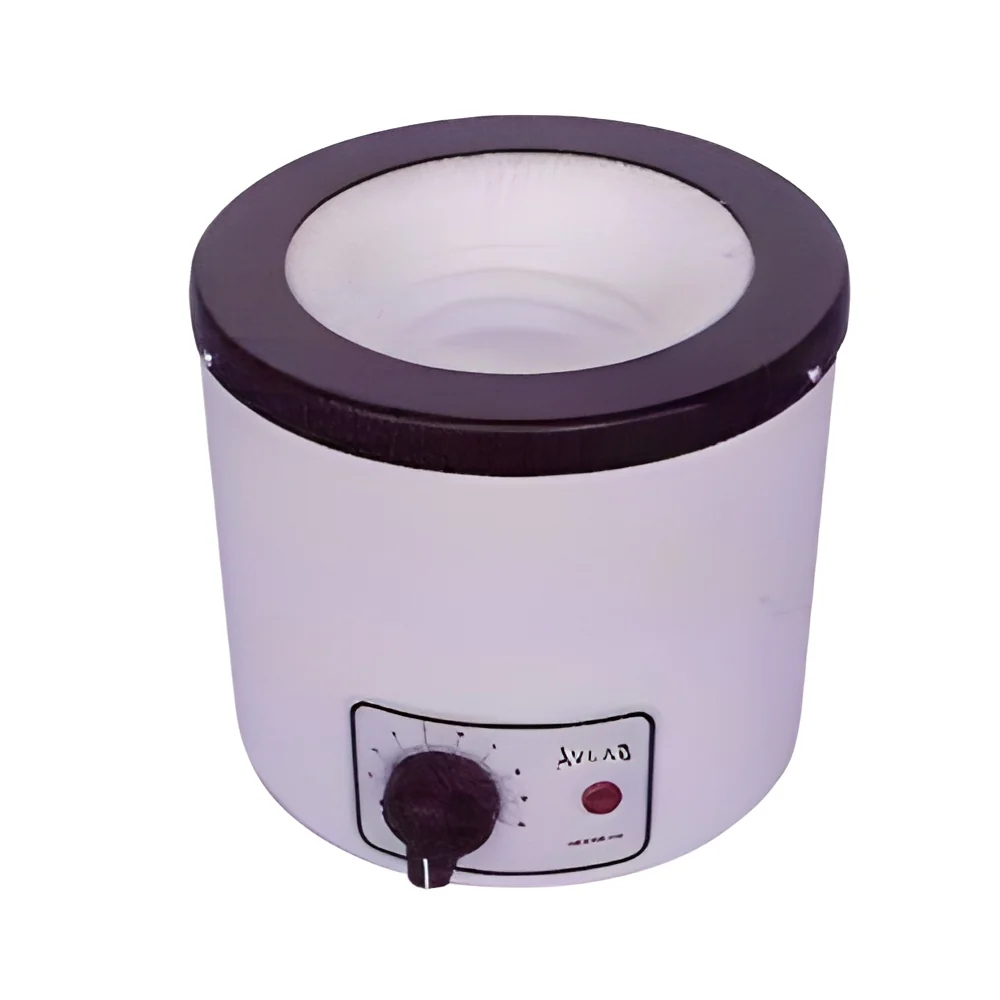
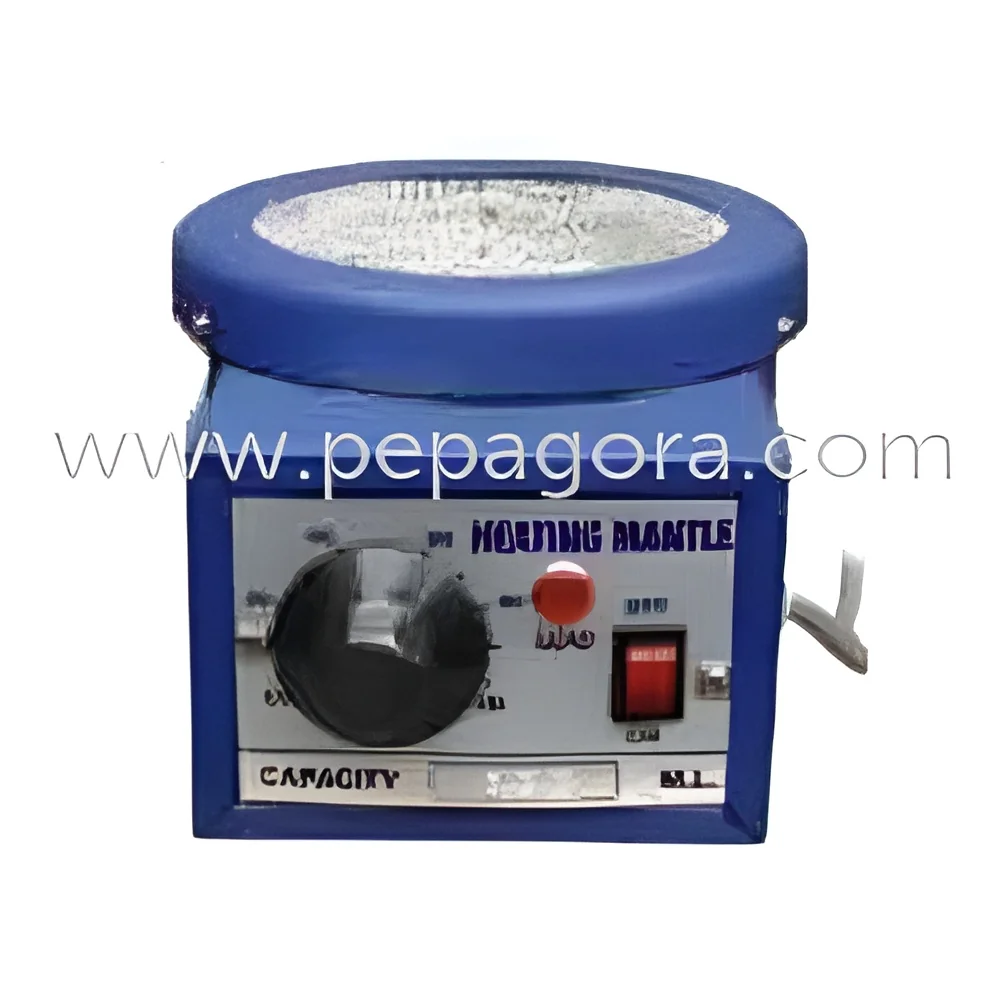
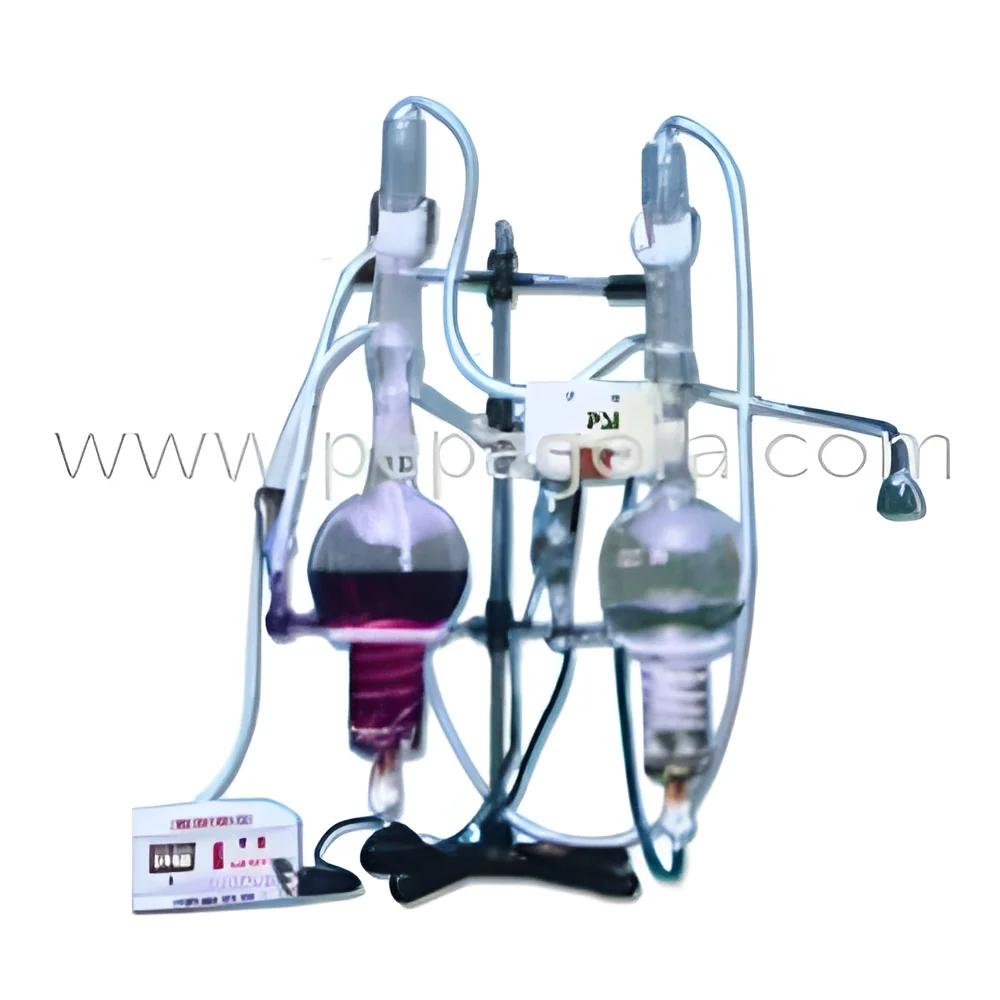
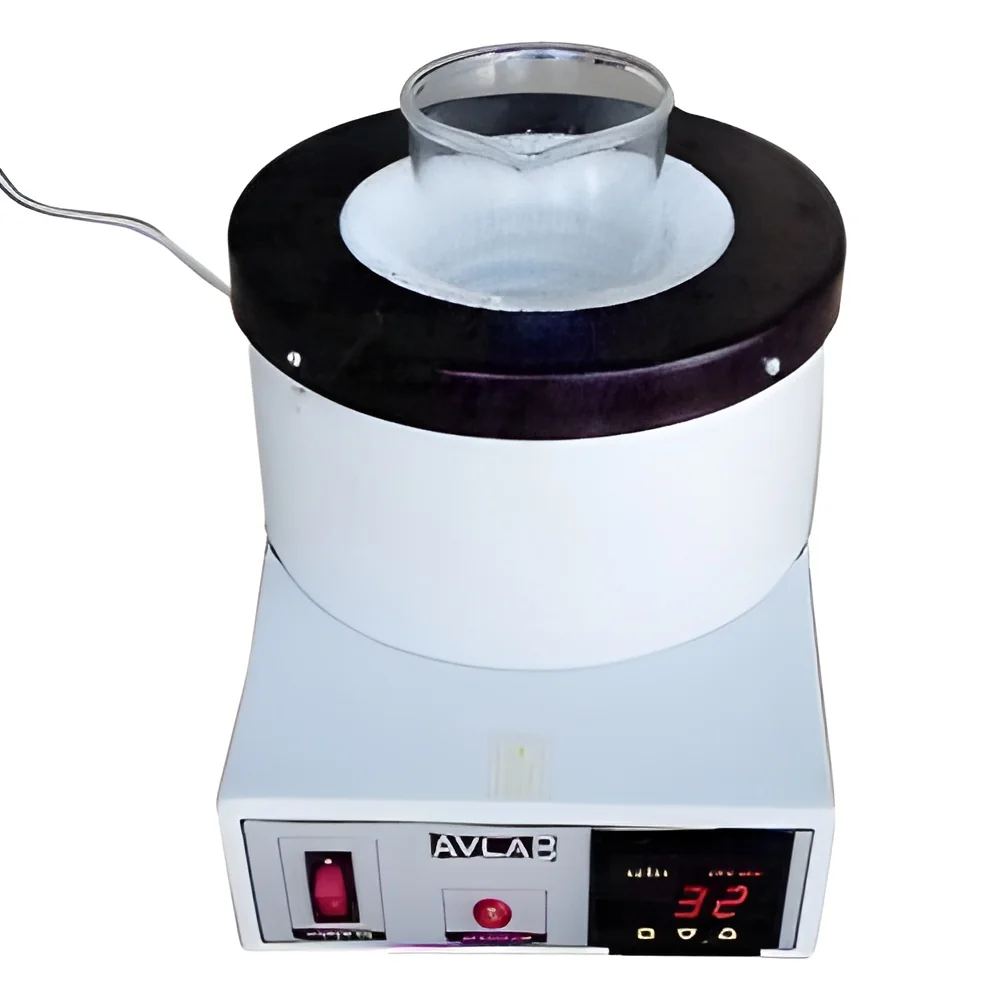
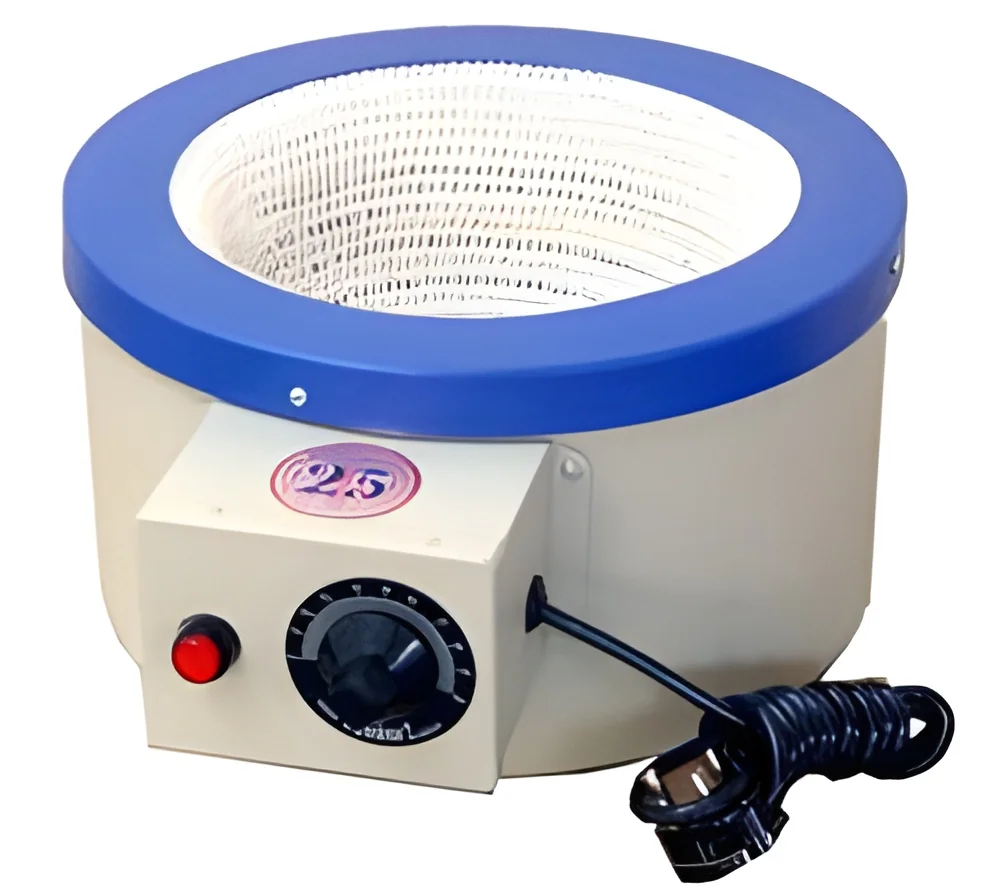
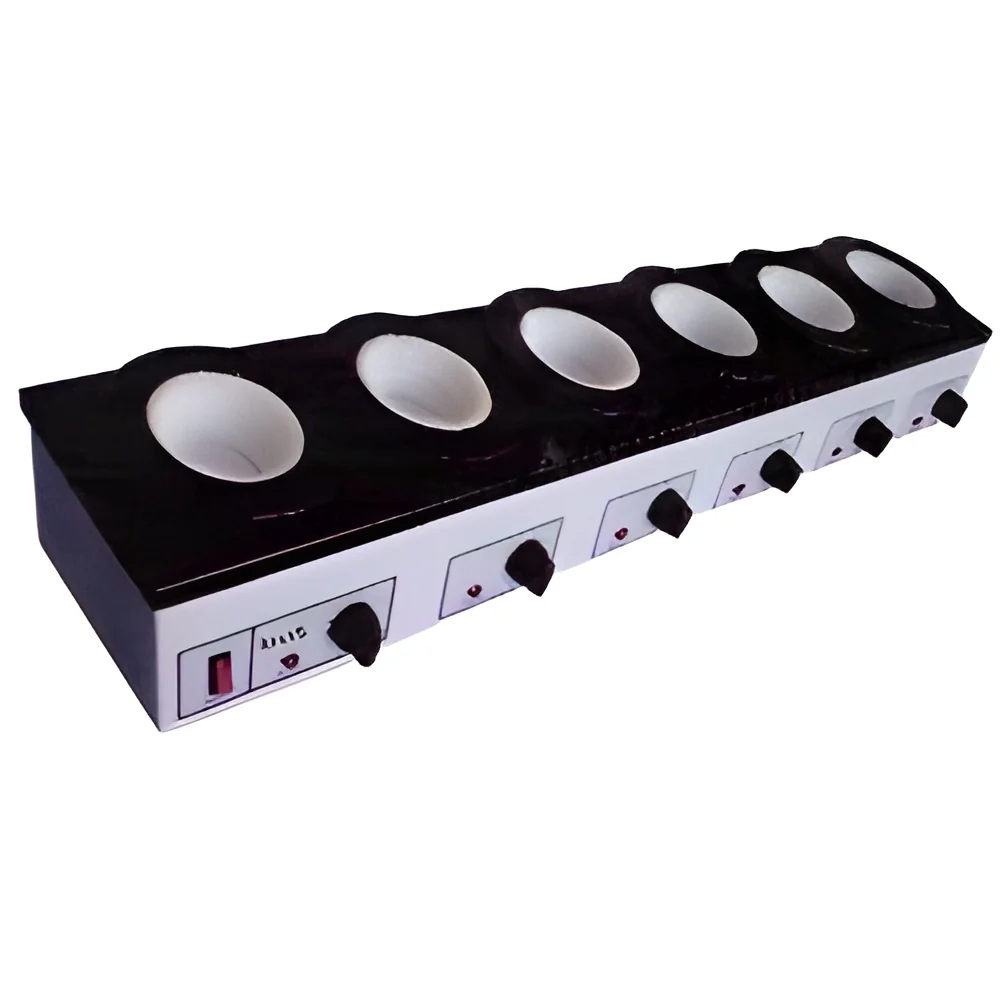
Heating Mantles
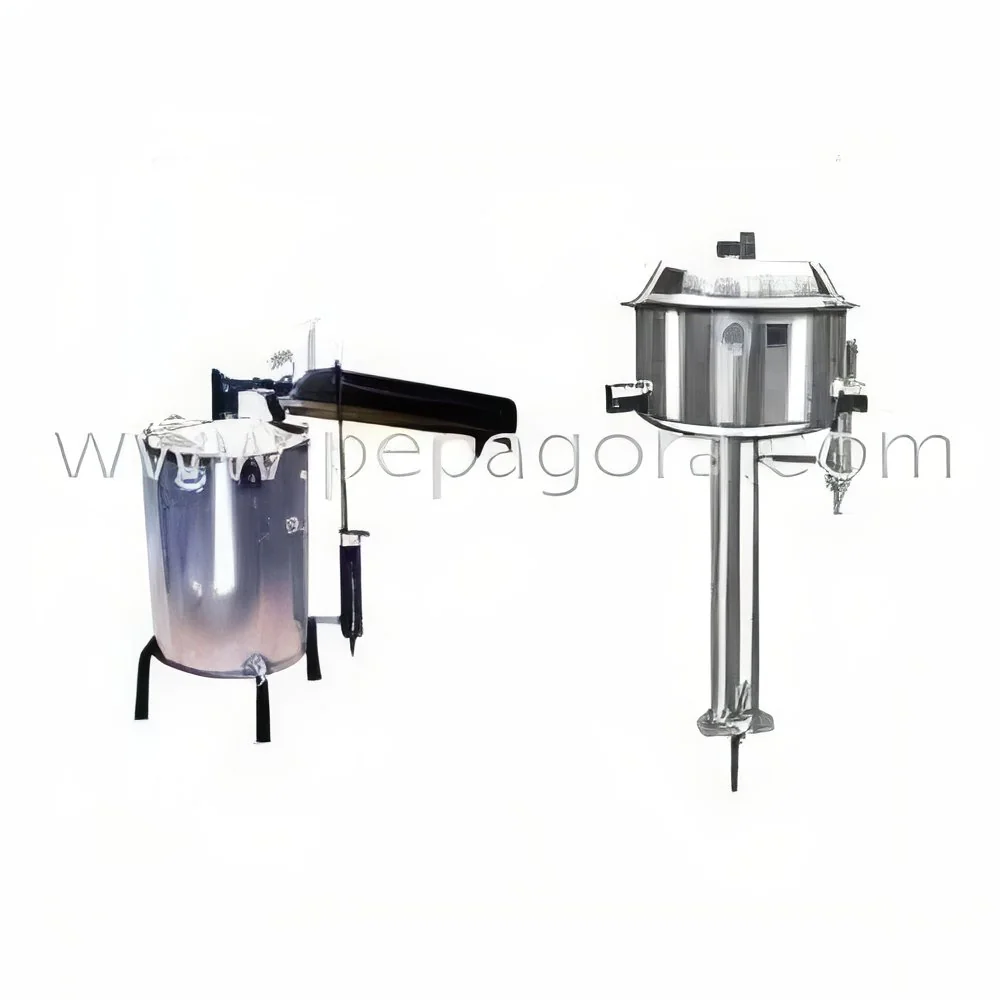
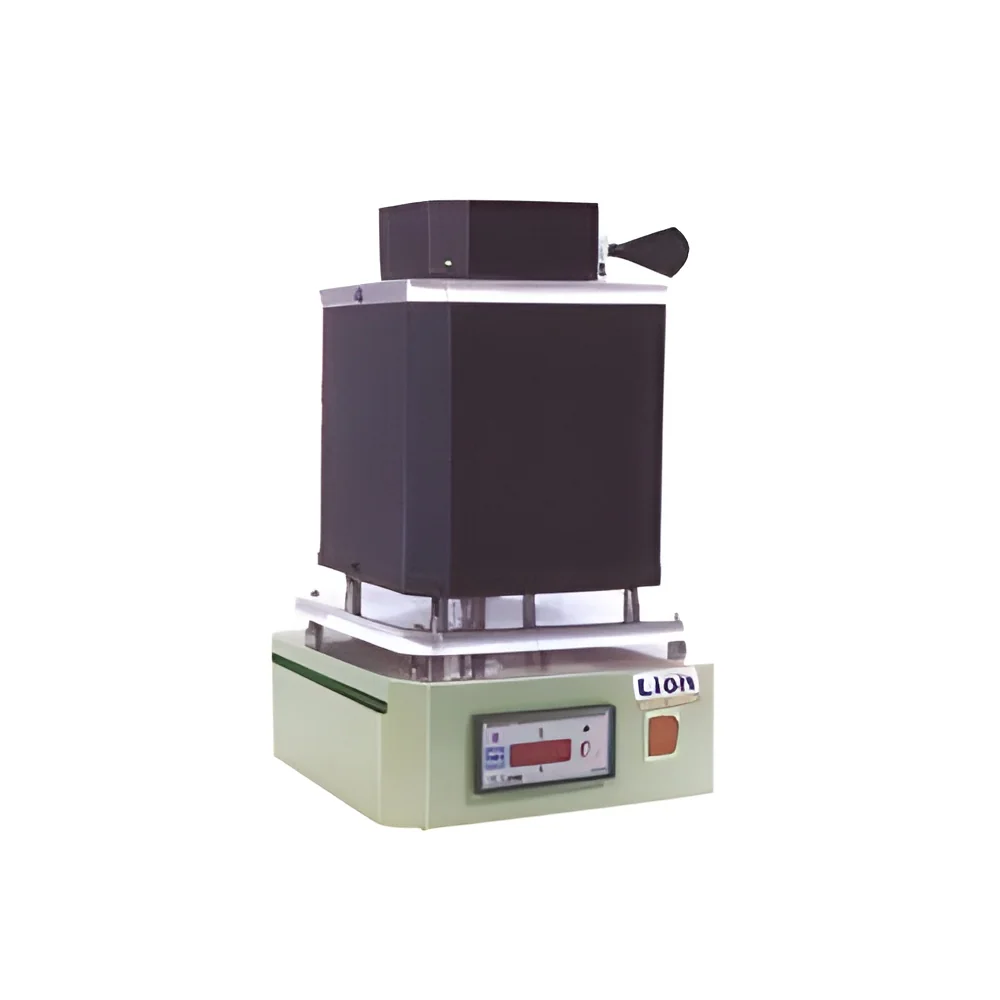
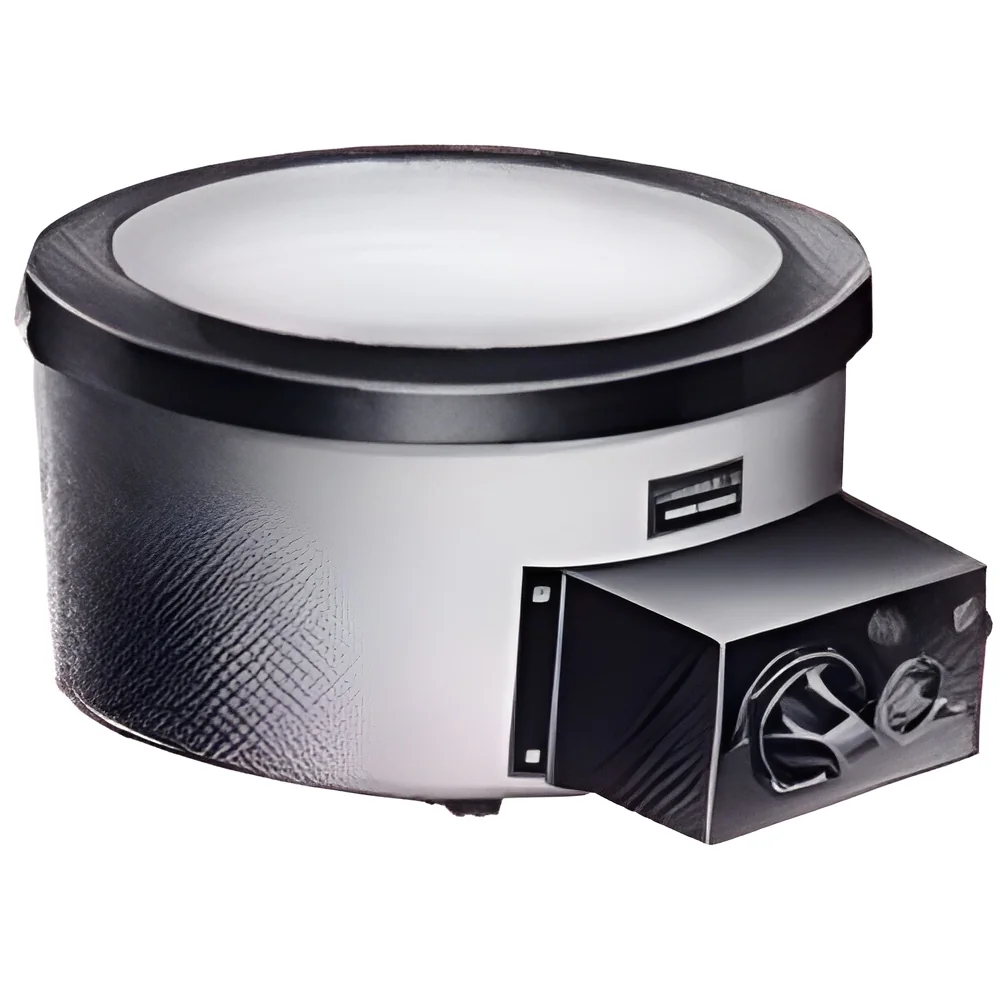
Designed to heat round-bottom flasks, heating mantles provide uniform heating and are often used in distillation processes. Their design allows for safe and even heating without direct flame exposure.
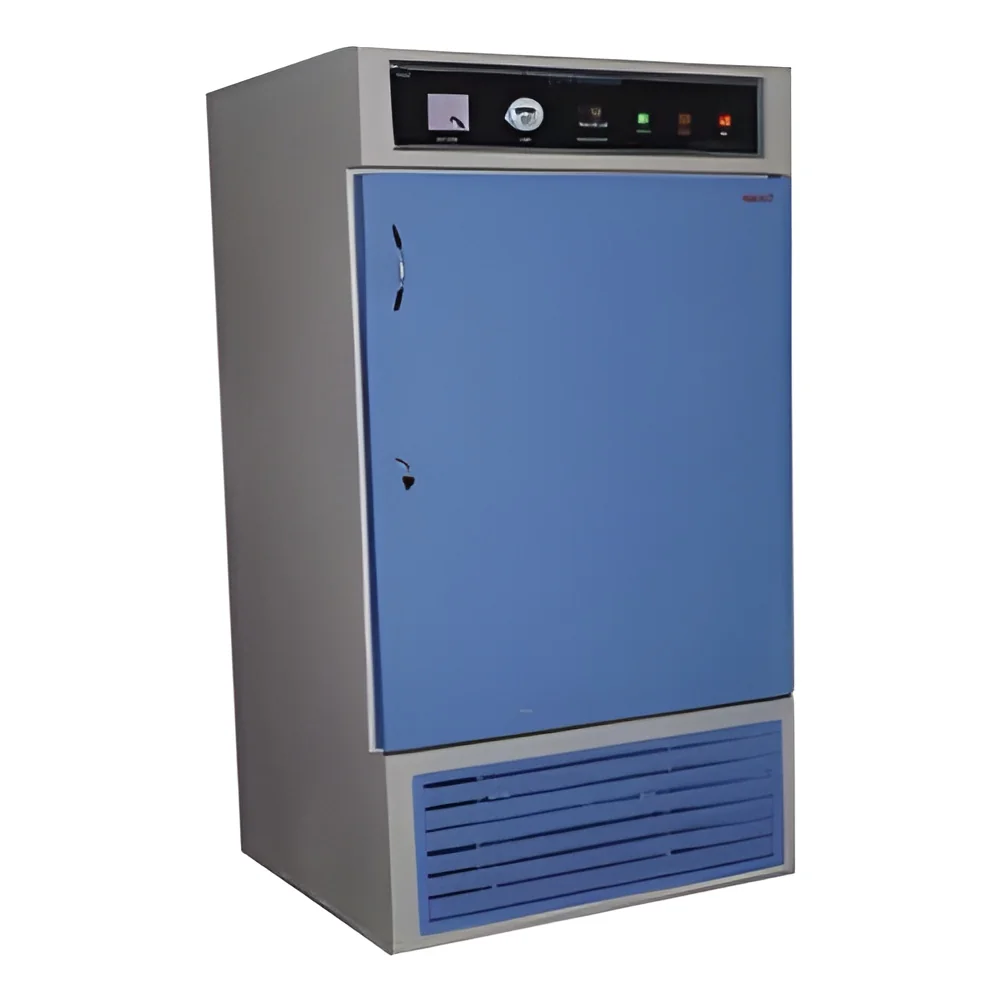
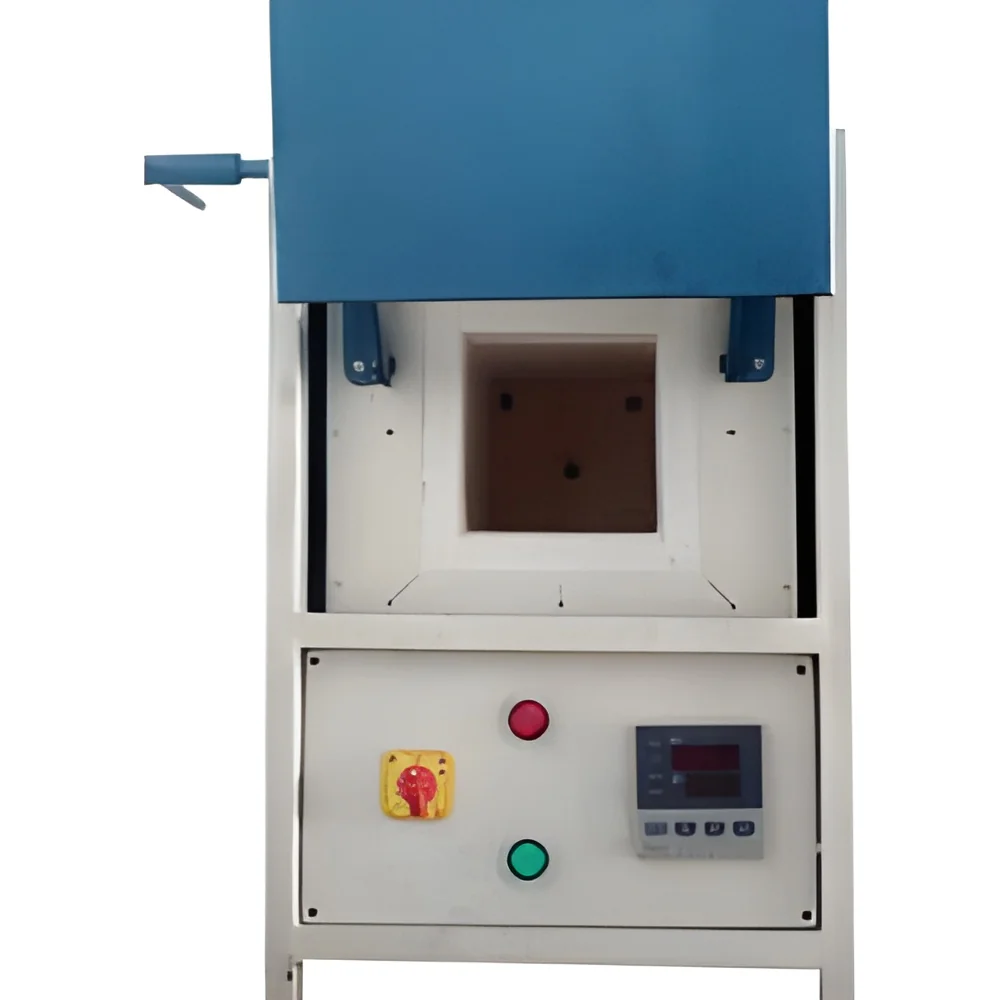
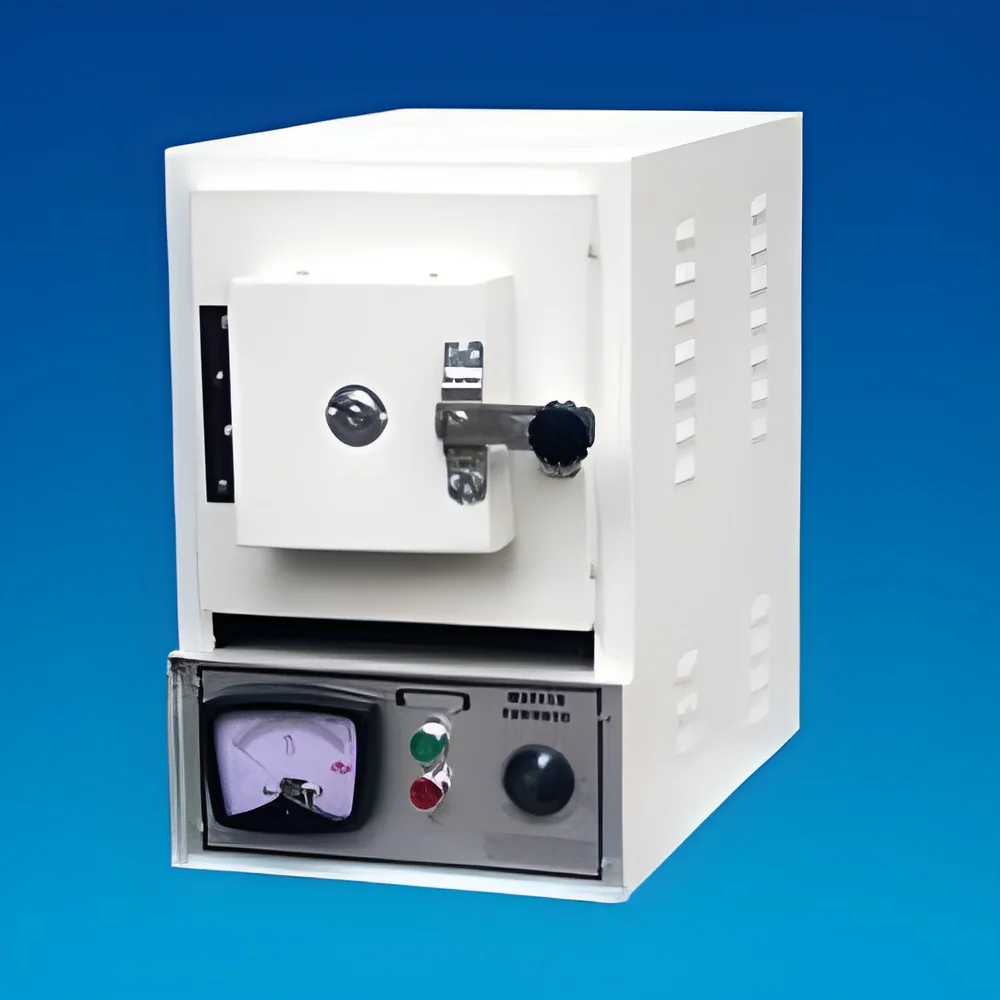
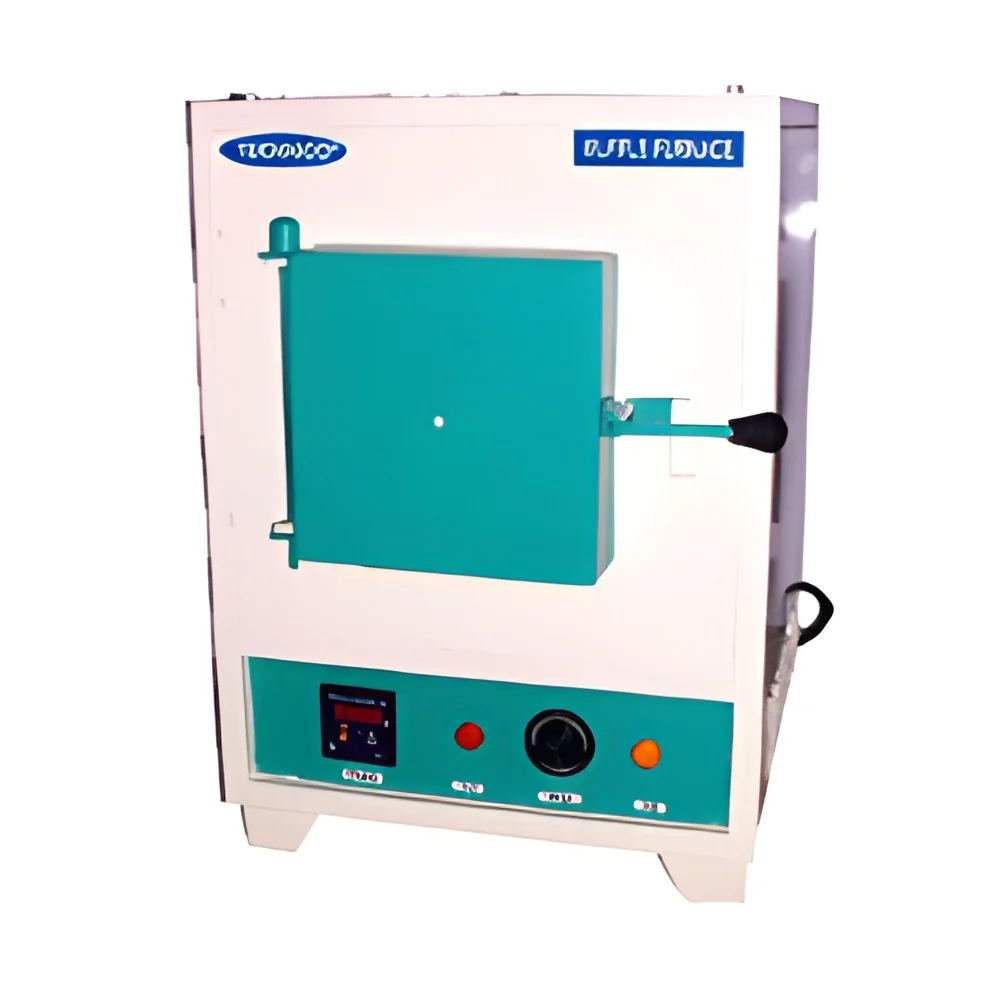
Ovens
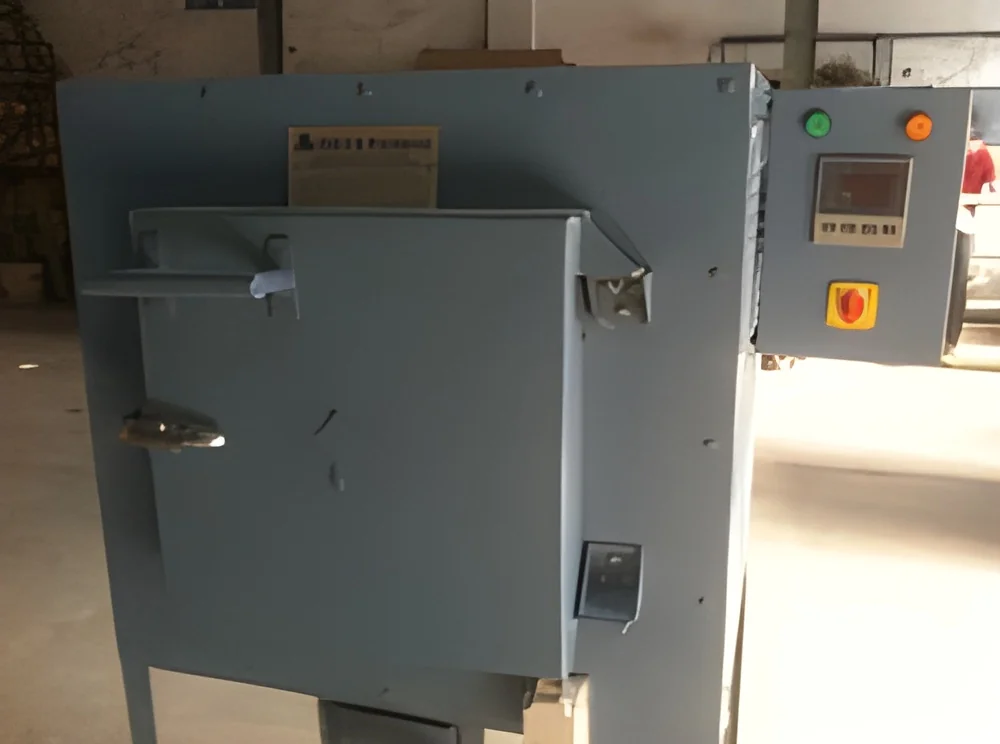
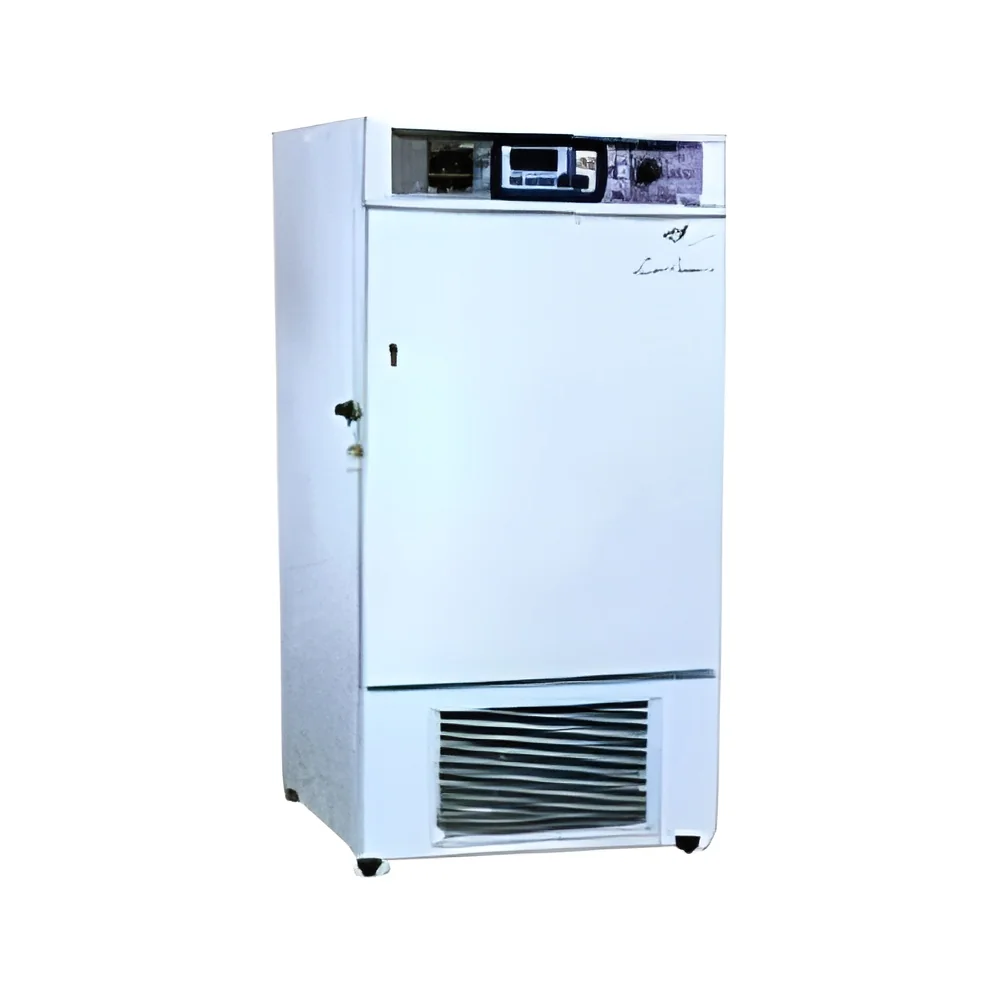
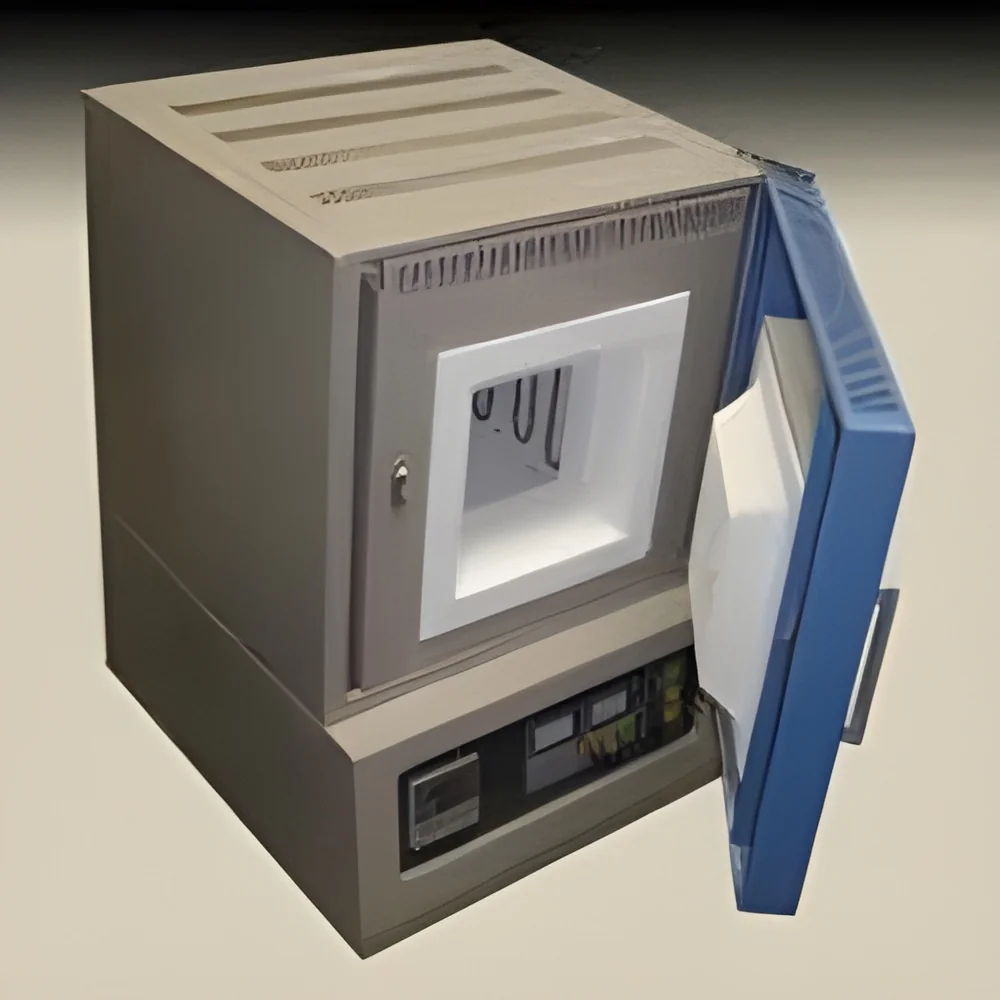
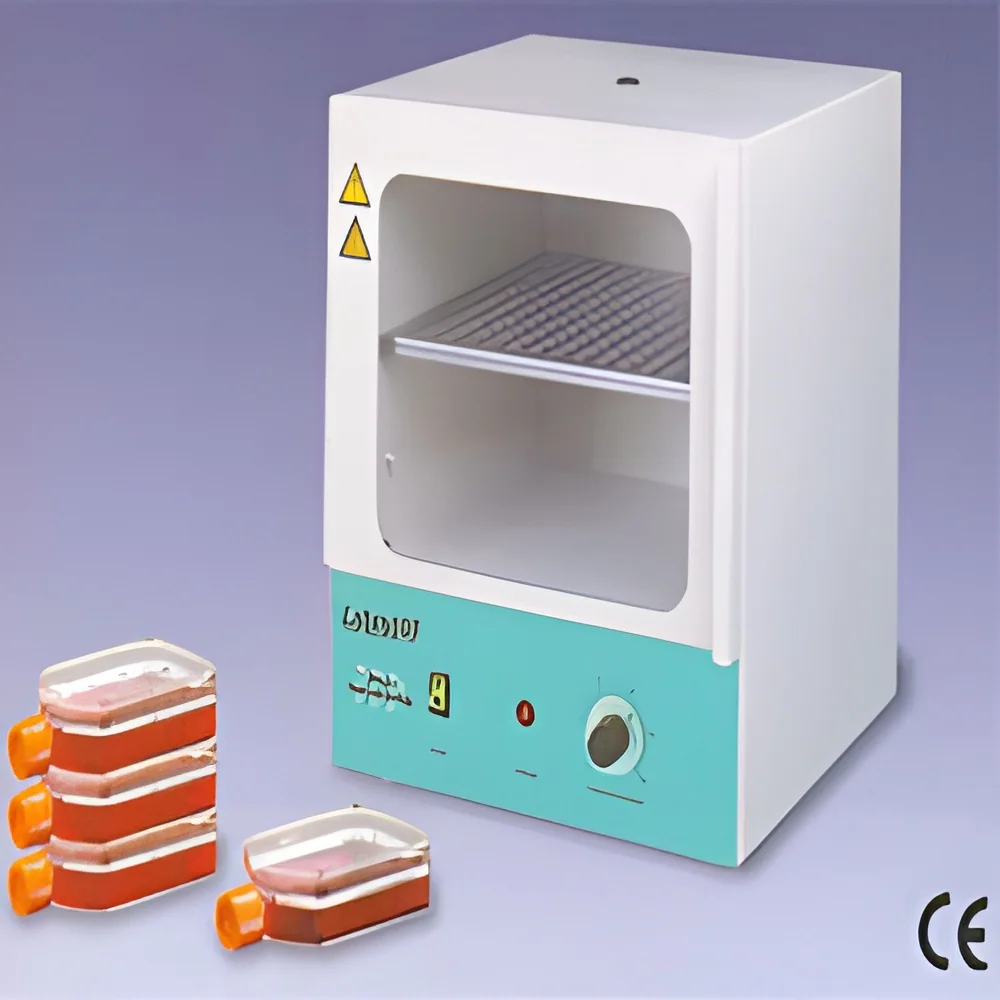
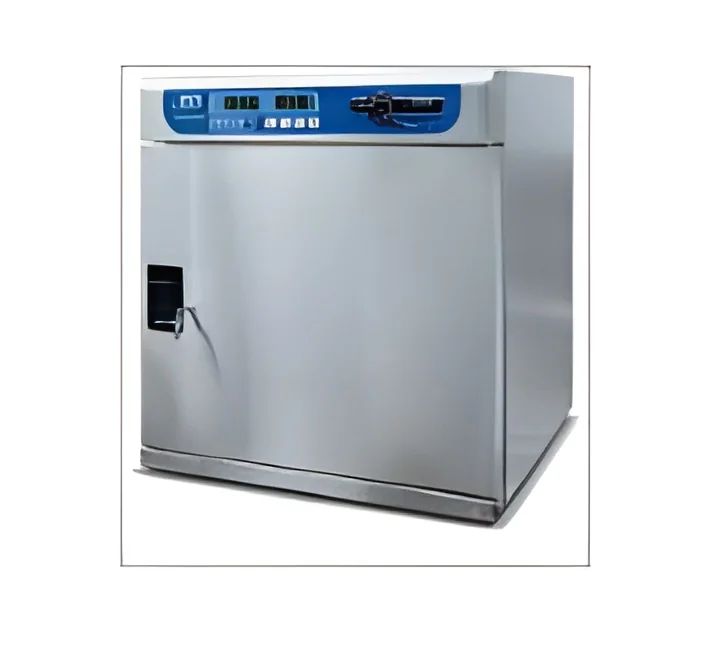
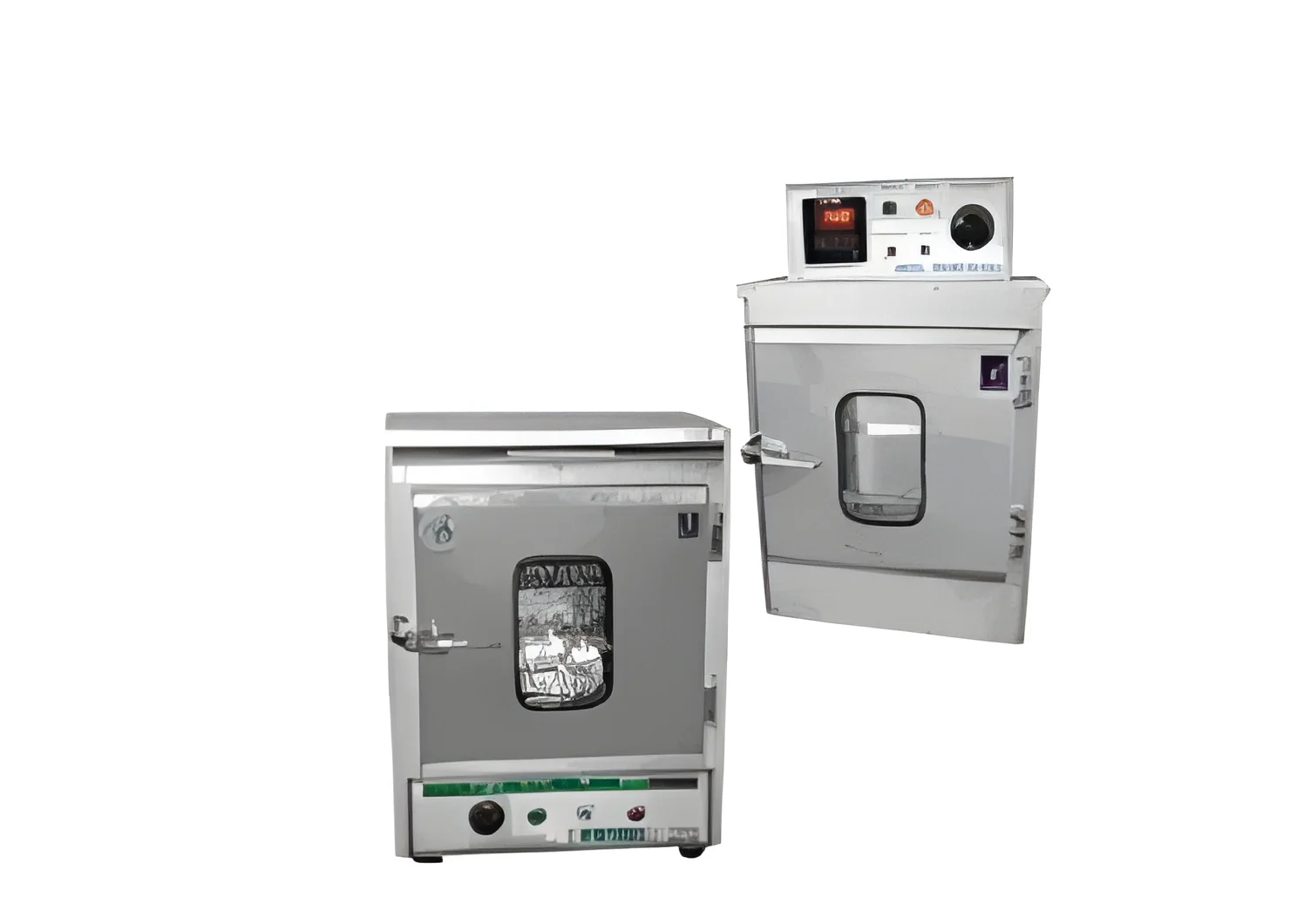
Laboratory ovens are used for drying, baking, and sterilization applications. They provide controlled heating environments that are essential for sample preparation and material testing.
Bunsen Burners
These portable devices use gas to produce a flame for direct heating. Bunsen burners are commonly utilized in educational settings and various laboratory applications for quick heating tasks.
Benefits and Advantages
Laboratory heating equipment provides several advantages that enhance laboratory efficiency and safety.
1. Precision Heating: Ensures accurate temperature control, critical for experimental integrity and reproducibility.
2. Versatile Applications: Suitable for a wide range of laboratory tasks across multiple industries, making them an essential tool in any lab.
3. Enhanced Safety: Incorporates safety features that protect users from overheating and potential hazards.
4. Energy Efficiency: Designed to minimize energy consumption while delivering effective heating solutions, contributing to lower operational costs.
5. User-Friendly Design: Features intuitive controls and displays that facilitate ease of use, allowing for quick adjustments and monitoring.
6. Durability: Constructed with high-quality materials to withstand rigorous laboratory environments and extend the lifespan of the equipment.
Buying Guide for B2B Buyers
When sourcing laboratory heating equipment, it is essential to consider several factors to ensure the right choice for your laboratory needs.
1. Quality Assessment: Evaluate the quality of equipment based on industry standards and certifications. Look for suppliers that offer reliable products backed by quality assurance.
2. Supplier Verification: Vet potential suppliers by checking their reputation, customer reviews, and compliance with relevant industry regulations to ensure you are dealing with a reputable source.
3. Pricing and MOQ: Compare prices from different suppliers and be aware of minimum order quantities. This helps in budgeting effectively and ensures you are getting a fair deal.
4. Delivery and Lead Times: Consider the logistics involved in acquiring the equipment. Ensure suppliers can meet your delivery timelines to avoid disruptions in laboratory operations.
5. Compliance Requirements: Verify that the equipment meets all necessary regulatory standards for your industry, ensuring safety and operational reliability.
Compliance and Certifications
Laboratory heating equipment must adhere to various quality standards and certifications to ensure they are safe and effective for use in laboratories.
Relevant quality standards include ISO 9001, which focuses on maintaining a quality management system. Compliance with HACCP (Hazard Analysis Critical Control Point) is crucial in industries like food and pharmaceuticals to ensure safety and quality.
Industry certifications such as CE indicate that the equipment meets European health, safety, and environmental protection standards. These certifications provide assurance to buyers regarding the reliability and safety of the heating equipment.
Additionally, safety and testing requirements must be followed to ensure the equipment operates within safe parameters. Regional compliance considerations may also be necessary, depending on the geographical location of use, further emphasizing the importance of selecting certified and compliant equipment.
Why Source Laboratory Heating Equipment from Pepagora?
Pepagora offers a trusted platform for sourcing laboratory heating equipment, providing several key advantages for B2B buyers.
Verified Supplier Network: Pepagora features a network of verified suppliers, ensuring that buyers can access high-quality products from reputable sources. This verification process helps mitigate risks associated with unreliable suppliers.
Streamlined RFQ Process: The platform simplifies the Request for Quotation (RFQ) process, allowing buyers to obtain competitive pricing and terms from multiple suppliers quickly and efficiently.
Trade Assurance and Support: Pepagora provides trade assurance and dedicated support for buyers, ensuring protection during transactions. This support helps build trust and confidence in sourcing decisions.
Regional Coverage: With a broad geographic reach across India, the Gulf Cooperation Council (GCC), and Southeast Asia, Pepagora connects buyers with suppliers in key markets, facilitating smoother transactions and logistics.
By choosing Pepagora, businesses can access a comprehensive range of laboratory heating equipment while benefiting from a secure and efficient sourcing process.

 IN
IN