
 IN
INLaboratory Equipment
161 products available
𝗪𝗵𝗮𝘁 𝗮𝗿𝗲 𝗟𝗮𝗯𝗼𝗿𝗮𝘁𝗼𝗿𝘆 𝗘𝗾𝘂𝗶𝗽𝗺𝗲𝗻𝘁?
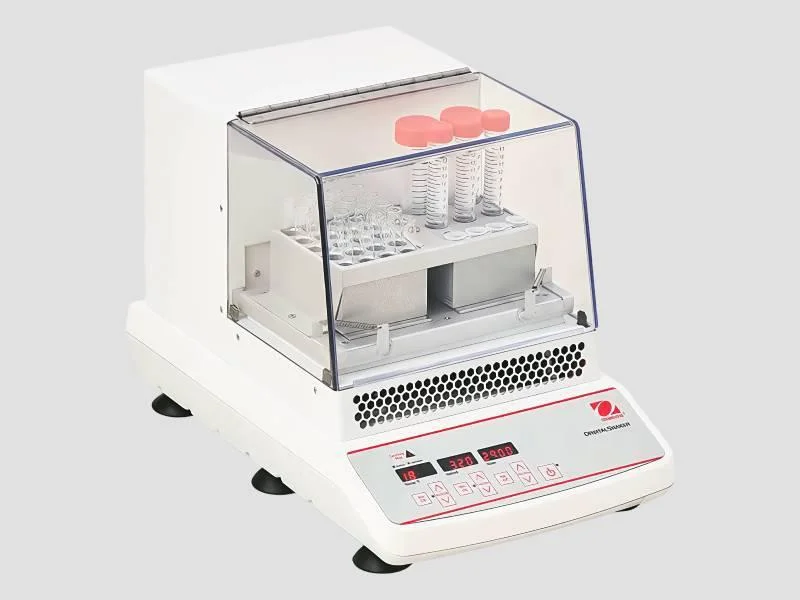
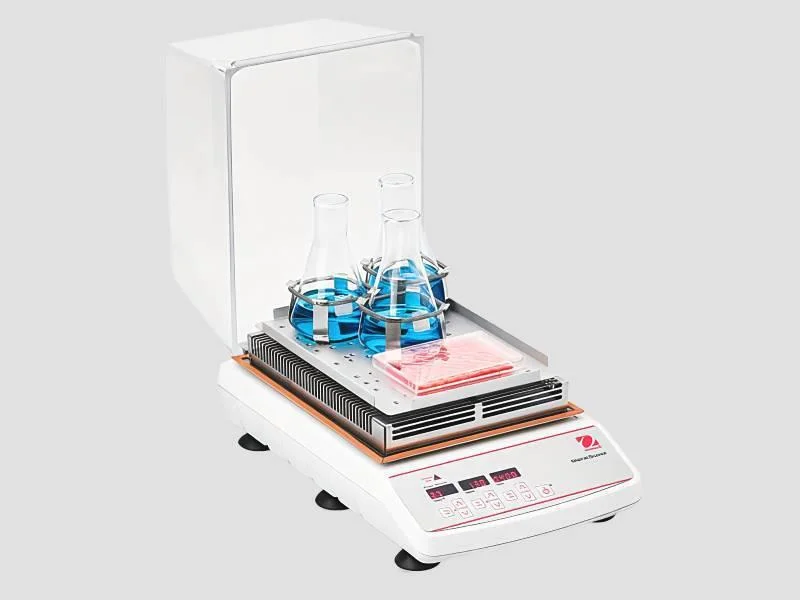
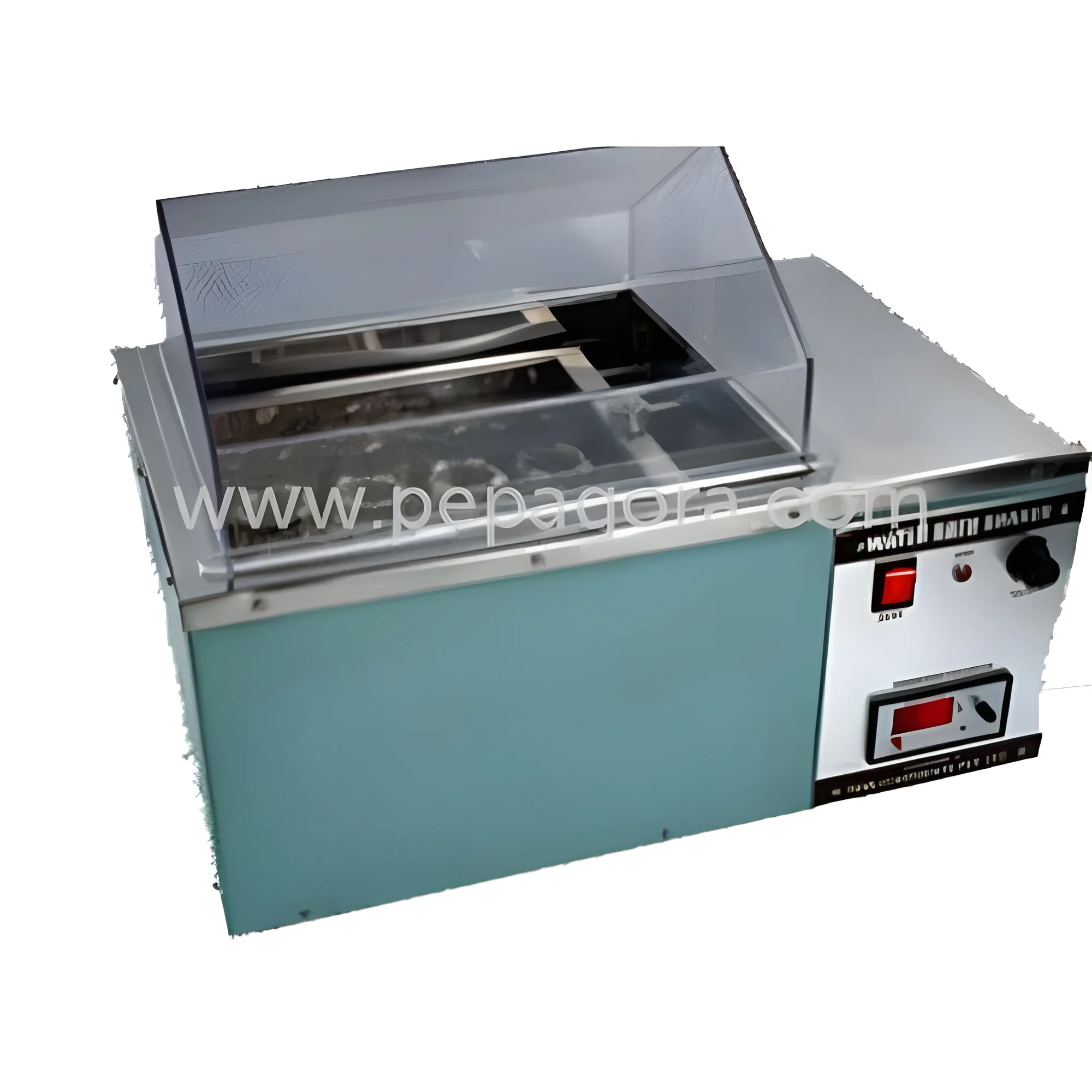
Laboratory equipment refers to a wide array of tools and devices used by scientists, researchers, and technicians in various laboratory settings. These instruments facilitate experiments, analysis, and research processes across multiple disciplines, including chemistry, biology, physics, and environmental science. Common laboratory equipment includes microscopes, pipettes, centrifuges, glassware, and analytical instruments. Each piece of equipment is designed to enhance precision, safety, and efficiency in experimental procedures.
The primary uses of laboratory equipment are to conduct experiments, analyze samples, and test hypotheses. Businesses and institutions utilize these tools to develop new products, ensure quality control, and conduct research. Laboratory equipment is essential in industries such as pharmaceuticals, biotechnology, environmental testing, and education, where accurate measurements and data collection are critical. As the demand for innovative solutions and efficient processes grows, the laboratory equipment market continues to expand, with advancements in technology driving increased efficiency and capabilities.
𝗞𝗲𝘆 𝗙𝗲𝗮𝘁𝘂𝗿𝗲𝘀 𝗮𝗻𝗱 𝗦𝗽𝗲𝗰𝗶𝗳𝗶𝗰𝗮𝘁𝗶𝗼𝗻𝘀
Laboratory equipment comes with various features and specifications tailored to meet the diverse needs of laboratories. Understanding these specifications is crucial for selecting the right equipment for specific applications.
Key specifications include:
1. Measurement Accuracy
- Essential for reliable results
- Tolerance levels typically range from ±0.01% to ±0.5%
2. Temperature Control
- Important for experiments requiring specific conditions
- Operating ranges can vary widely depending on the equipment
3. Volume Capacity
- Relevant for liquid handling equipment
- Common capacities range from microliters to several liters
4. Material Composition
- Affects durability and chemical resistance
- Common materials include glass, stainless steel, and various plastics
5. Safety Features
- Include emergency shut-off, protective casings, and alarms
- Essential for equipment used in hazardous environments
6. Dimensions and Weight
- Important for space planning in laboratories
- Varies significantly based on equipment type
7. Power Requirements
- Necessary for electronic and automated equipment
- Standard voltage ratings typically range from 110V to 240V
8. Certification Compliance
- Indicates adherence to industry standards
- Common certifications include CE marking and ISO standards
In summary, understanding the features and specifications of laboratory equipment helps buyers make informed decisions tailored to their specific laboratory needs.
𝗖𝗼𝗺𝗺𝗼𝗻 𝗔𝗽𝗽𝗹𝗶𝗰𝗮𝘁𝗶𝗼𝗻𝘀 𝗮𝗻𝗱 𝗨𝘀𝗲 𝗖𝗮𝘀𝗲𝘀
Laboratory equipment serves various industries, each with unique requirements and applications.
1. Pharmaceuticals: Laboratory equipment is used for drug development, testing, and quality control processes, ensuring that products meet regulatory standards.
2. Biotechnology: Equipment plays a critical role in research and development, including genetic engineering, cell culture, and protein analysis.
3. Environmental Testing: Instruments are used to analyze soil, water, and air samples for contaminants, helping organizations comply with environmental regulations.
4. Food and Beverage: Laboratories use equipment for quality assurance testing, including microbiological analysis and nutritional content assessments.
5. Education: Schools and universities utilize laboratory equipment for teaching purposes, enabling students to conduct experiments and learn fundamental scientific principles.
6. Forensics: Laboratory equipment assists in the analysis of evidence collected from crime scenes, aiding in criminal investigations.
7. Clinical Diagnostics: Equipment is essential for analyzing biological samples in medical laboratories, contributing to patient diagnosis and treatment.
𝗣𝗿𝗼𝗱𝘂𝗰𝘁 𝗩𝗮𝗿𝗶𝗮𝗻𝘁𝘀 𝗮𝗻𝗱 𝗦𝘂𝗯𝗰𝗮𝘁𝗲𝗴𝗼𝗿𝗶𝗲𝘀
Laboratory equipment is diverse, with various types designed for specific functions and applications.
Microscopes: These instruments are used for detailed examination of specimens at a microscopic level. They are essential in biology for studying cells and microorganisms.
Centrifuges: Used to separate components of liquids based on density, centrifuges are vital in clinical labs for blood sample analysis and in research for cell separation.
Pipettes: Essential for precise liquid handling, pipettes are widely used in chemical and biological laboratories for transferring small volumes of liquids.
Analytical Balances: These high-precision scales are used to measure mass with great accuracy, crucial for various applications in chemistry and research.
𝗕𝗲𝗻𝗲𝗳𝗶𝘁𝘀 𝗮𝗻𝗱 𝗔𝗱𝘃𝗮𝗻𝘁𝗮𝗴𝗲𝘀
Laboratory equipment offers numerous benefits to businesses and research institutions.
1. Enhanced Precision: Laboratory equipment provides accurate measurements, leading to reliable experimental results.
2. Improved Efficiency: Advanced technology in laboratory equipment allows for faster testing and analysis, saving time for researchers.
3. Increased Safety: Modern equipment often includes safety features that minimize risks associated with hazardous materials and processes.
4. Versatility: A wide range of equipment is available, catering to various applications across multiple industries.
5. Quality Control: Laboratory equipment contributes to maintaining high standards in product development and testing, ensuring compliance with regulations.
6. Cost-Effectiveness: Investing in quality laboratory equipment can reduce long-term operational costs by minimizing errors and improving productivity.
𝗕𝘂𝘆𝗶𝗻𝗴 𝗚𝘂𝗶𝗱𝗲 𝗳𝗼𝗿 𝗕𝟮𝗕 𝗕𝘂𝘆𝗲𝗿𝘀
When sourcing laboratory equipment, buyers should consider several critical factors to ensure they select the right tools for their needs.
1. Quality Assessment: Evaluate equipment based on durability, precision, and manufacturer reputation. Look for products that meet recognized quality standards to ensure reliability.
2. Supplier Verification: Vet potential suppliers by reviewing their credentials, customer feedback, and industry experience. This step ensures that you partner with reputable manufacturers.
3. Pricing and MOQ: Understand the pricing structure and minimum order quantities. Compare prices among suppliers to find cost-effective options that do not compromise quality.
4. Delivery and Lead Times: Consider logistics and transit times. Ensure that suppliers can meet your timeline to avoid delays in your operations.
5. Compliance Requirements: Familiarize yourself with the regulatory standards applicable to your industry, ensuring that the equipment meets necessary compliance measures.
𝗖𝗼𝗺𝗽𝗹𝗶𝗮𝗻𝗰𝗲 𝗮𝗻𝗱 𝗖𝗲𝗿𝘁𝗶𝗳𝗶𝗰𝗮𝘁𝗶𝗼𝗻𝘀
Laboratory equipment must adhere to several quality standards and certifications to ensure safety and reliability. ISO 9001 is a widely recognized standard that governs quality management systems, ensuring that manufacturers maintain consistent quality in their products. HACCP and GDP standards may also apply, particularly in food and pharmaceutical industries, focusing on safety and quality assurance.
CE certification indicates that the equipment meets European Union safety and health requirements, providing assurance to buyers regarding its compliance with relevant regulations. Additionally, laboratory equipment may need to undergo specific safety testing to confirm its suitability for use in various applications.
Regional compliance considerations can vary, so it is essential for buyers to be aware of local regulations and standards to ensure that the equipment they purchase is compliant in their specific region.
𝗪𝗵𝘆 𝗦𝗼𝘂𝗿𝗰𝗲 𝗟𝗮𝗯𝗼𝗿𝗮𝘁𝗼𝗿𝘆 𝗘𝗾𝘂𝗶𝗽𝗺𝗲𝗻𝘁 𝗳𝗿𝗼𝗺 𝗣𝗲𝗽𝗮𝗴𝗼𝗿𝗮?
Pepagora offers a trusted platform for sourcing laboratory equipment, presenting several key advantages to B2B buyers.
Verified Supplier Network: Pepagora provides access to a network of verified suppliers, ensuring that buyers can find reputable manufacturers and quality products. This verification process reduces the risk of subpar equipment and enhances buyer confidence.
Streamlined RFQ Process: The platform simplifies the request for quotation (RFQ) process, allowing buyers to compare multiple suppliers quickly. This efficiency helps in making informed purchasing decisions.
Trade Assurance and Support: Pepagora offers trade assurance to protect buyers during transactions. This support includes dispute resolution services and guarantees, fostering a secure buying environment.
Regional Coverage: With a strong presence in India, the GCC, and Southeast Asia, Pepagora ensures that buyers have access to a broad range of laboratory equipment tailored to local needs. This geographic reach enables efficient sourcing and logistics for businesses operating in these regions.






Frequently Asked Questions
What are Laboratory Equipment?
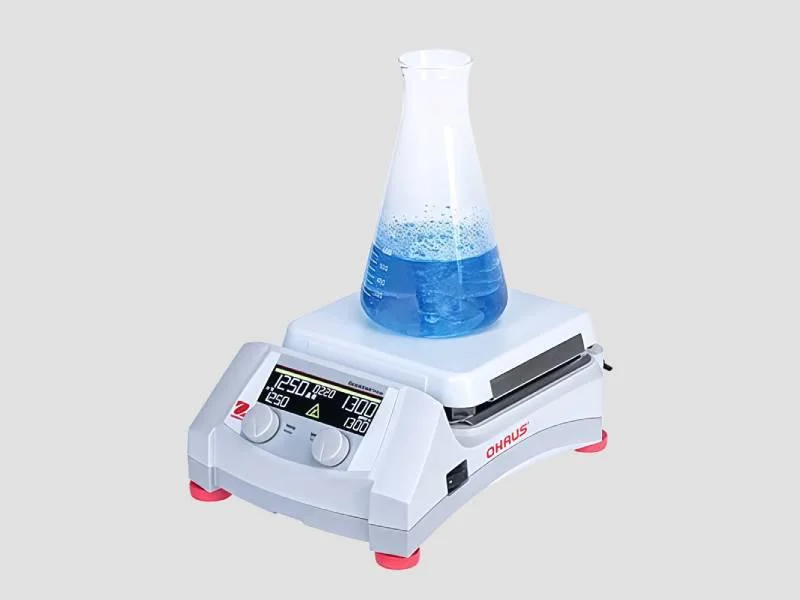
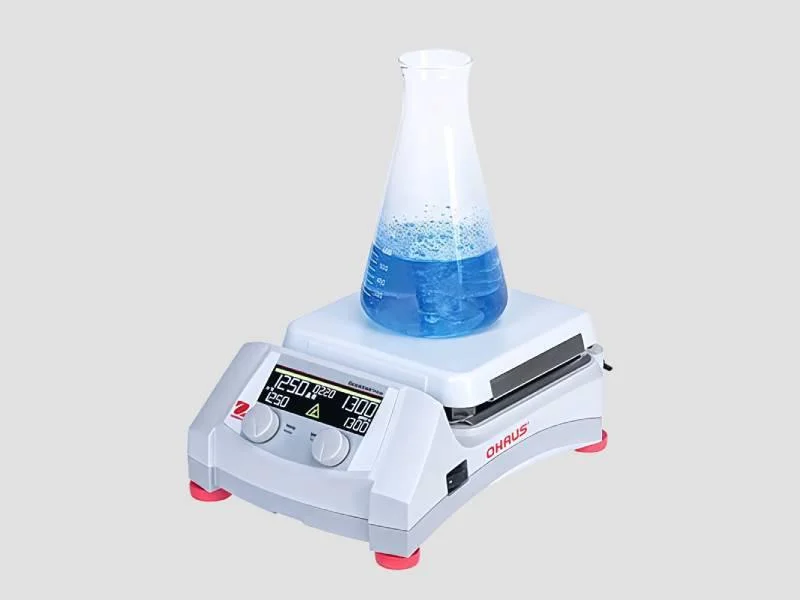
Laboratory equipment refers to the various tools and instruments used in laboratories to conduct experiments, analyze samples, and support scientific research. These tools can range from simple glassware like beakers and flasks to advanced instruments like spectrophotometers and chromatographs.
What are the different types of Laboratory Equipment?
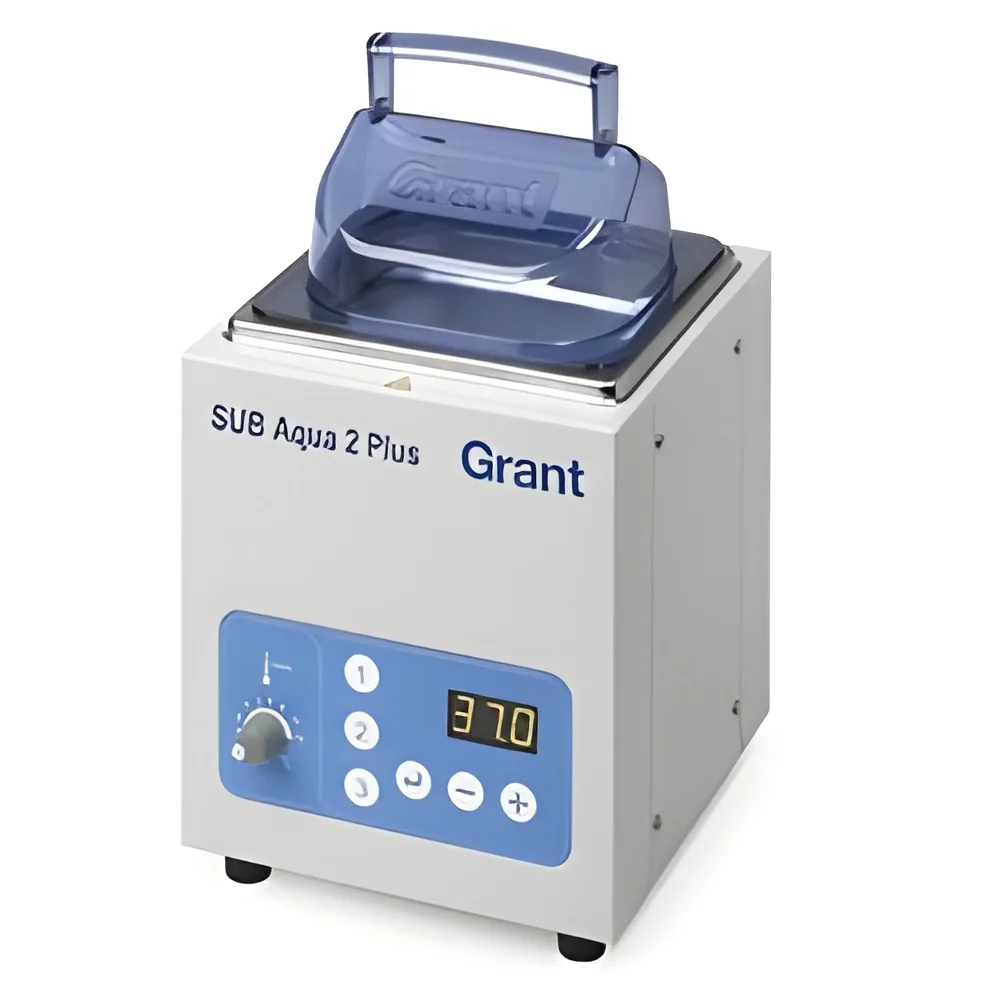
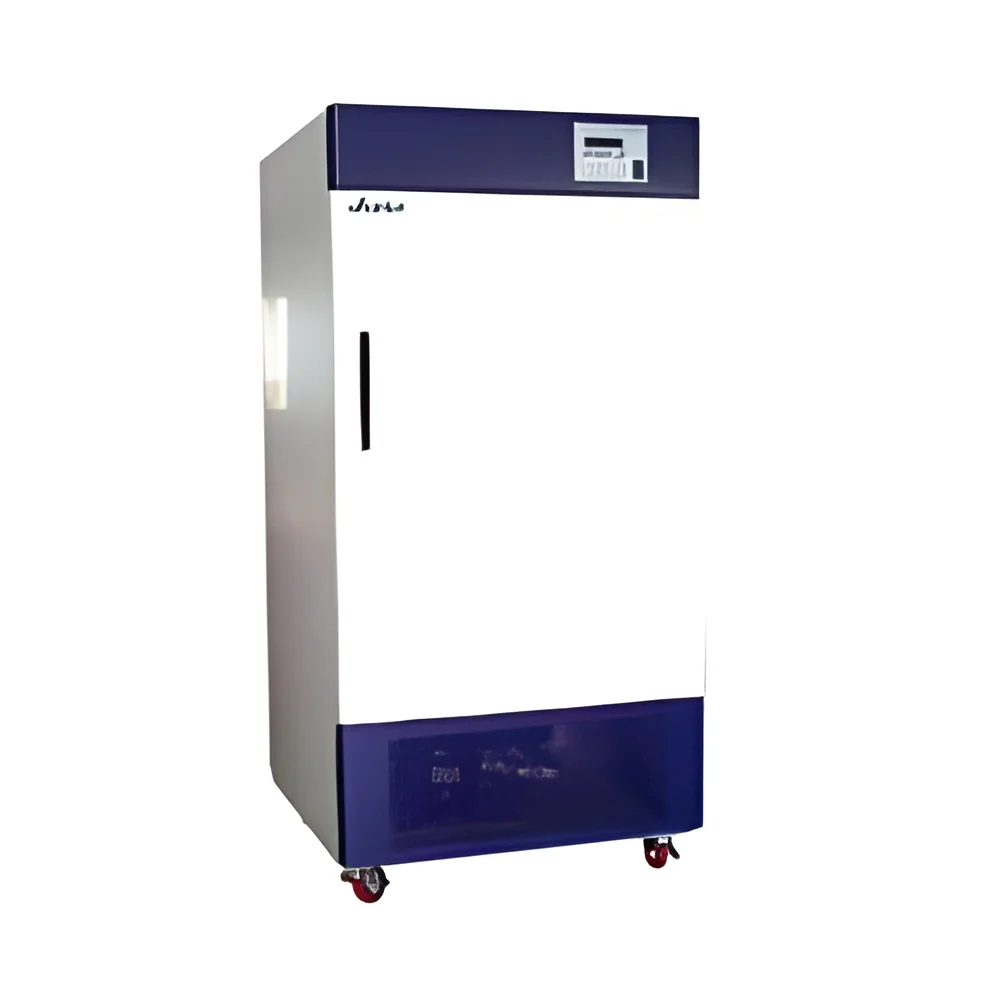
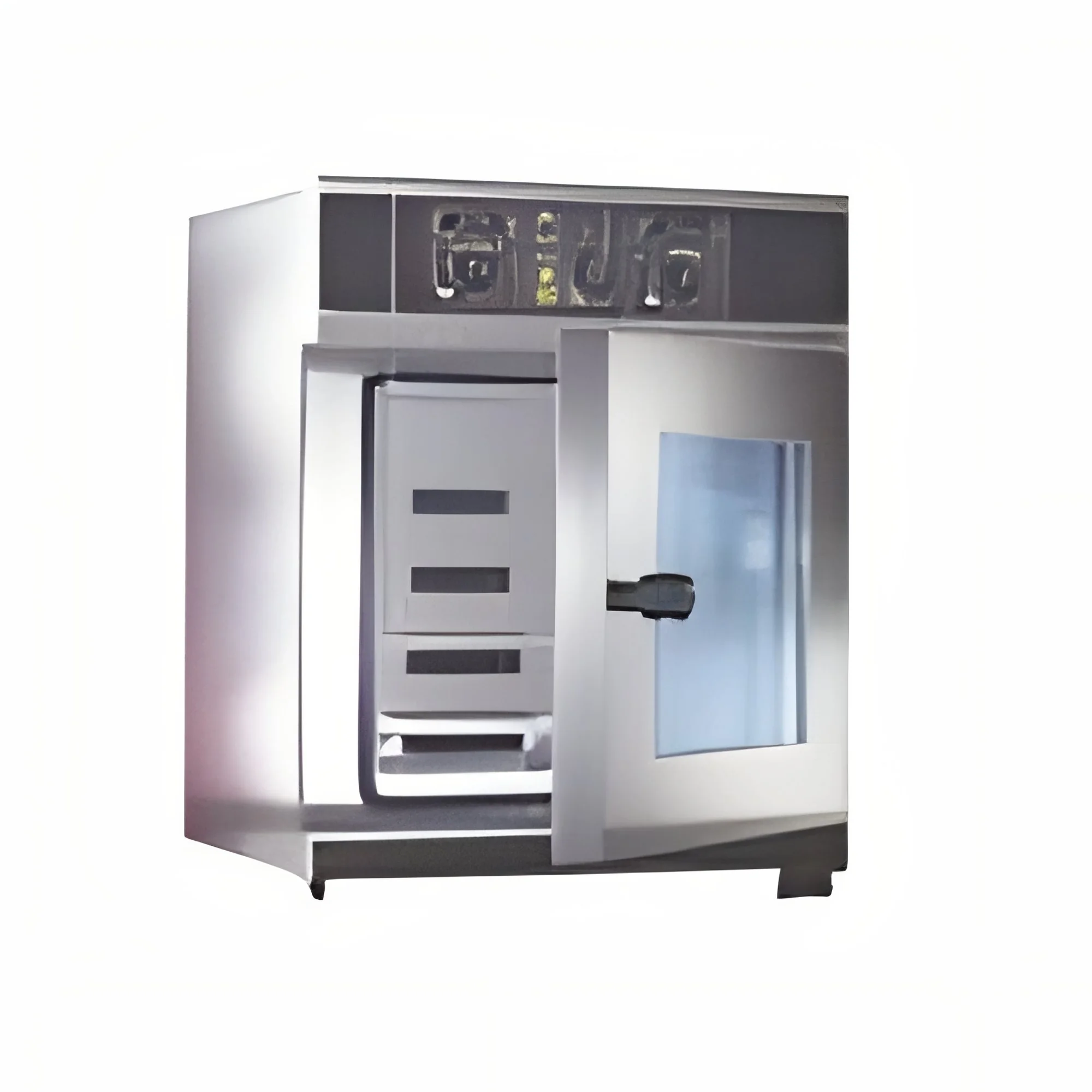
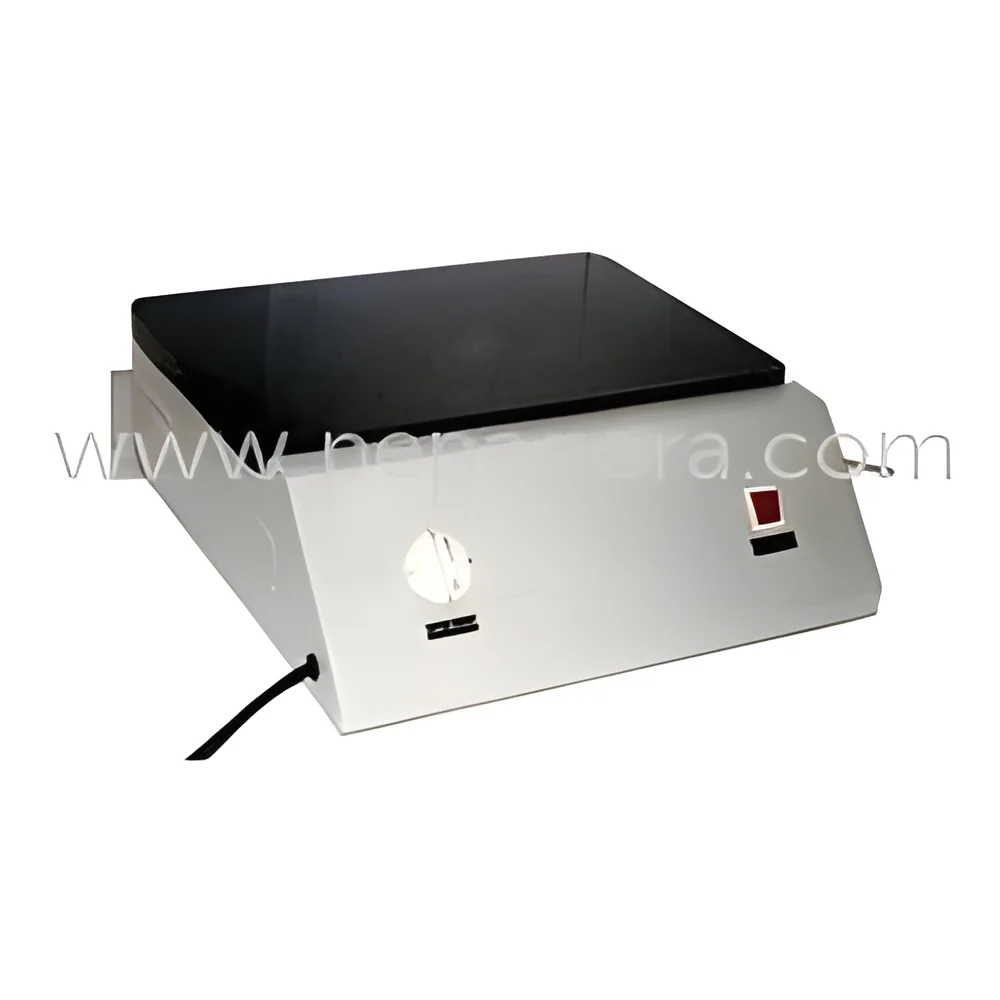
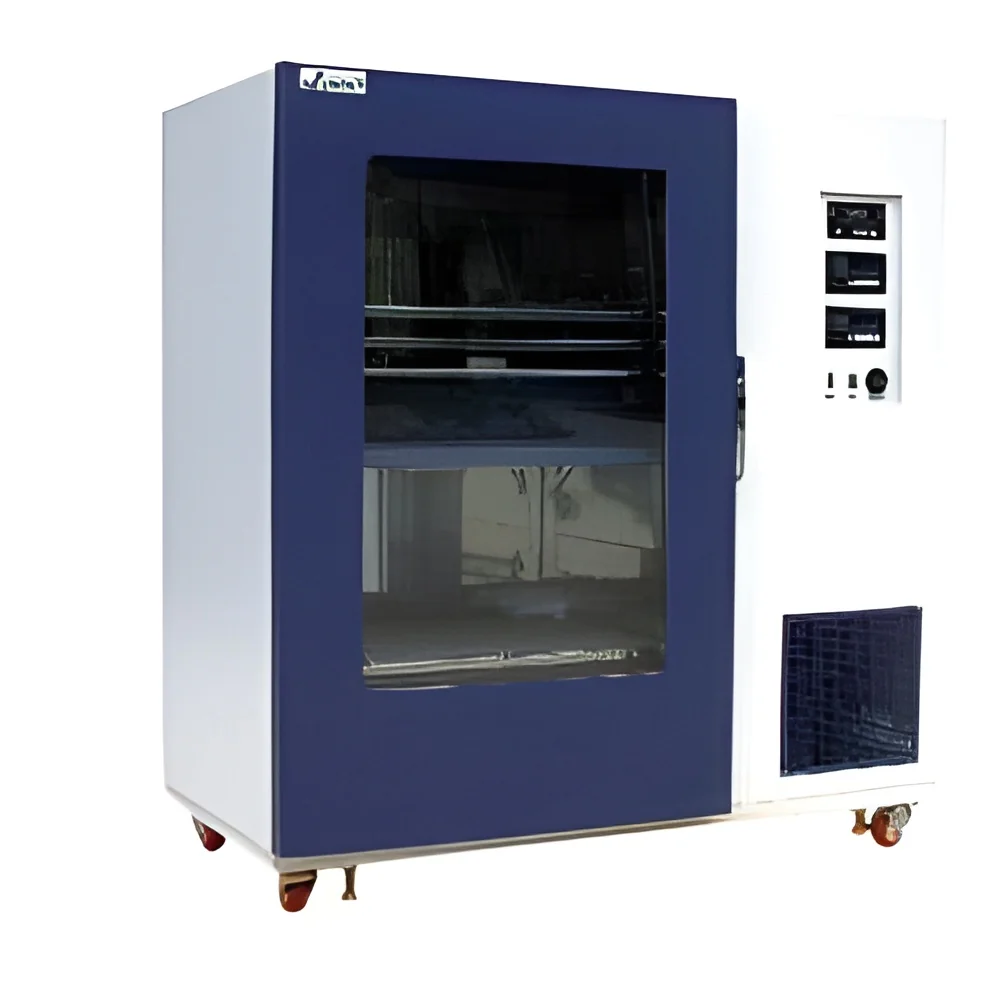
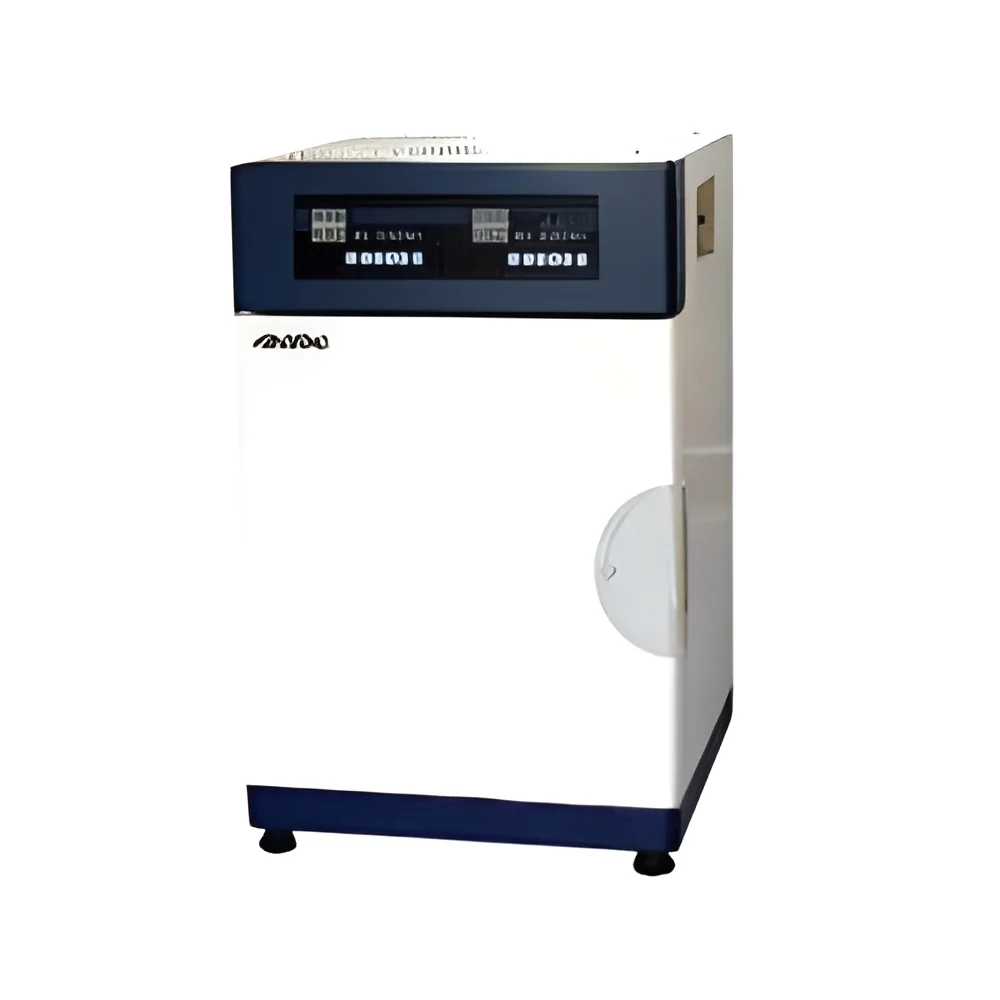
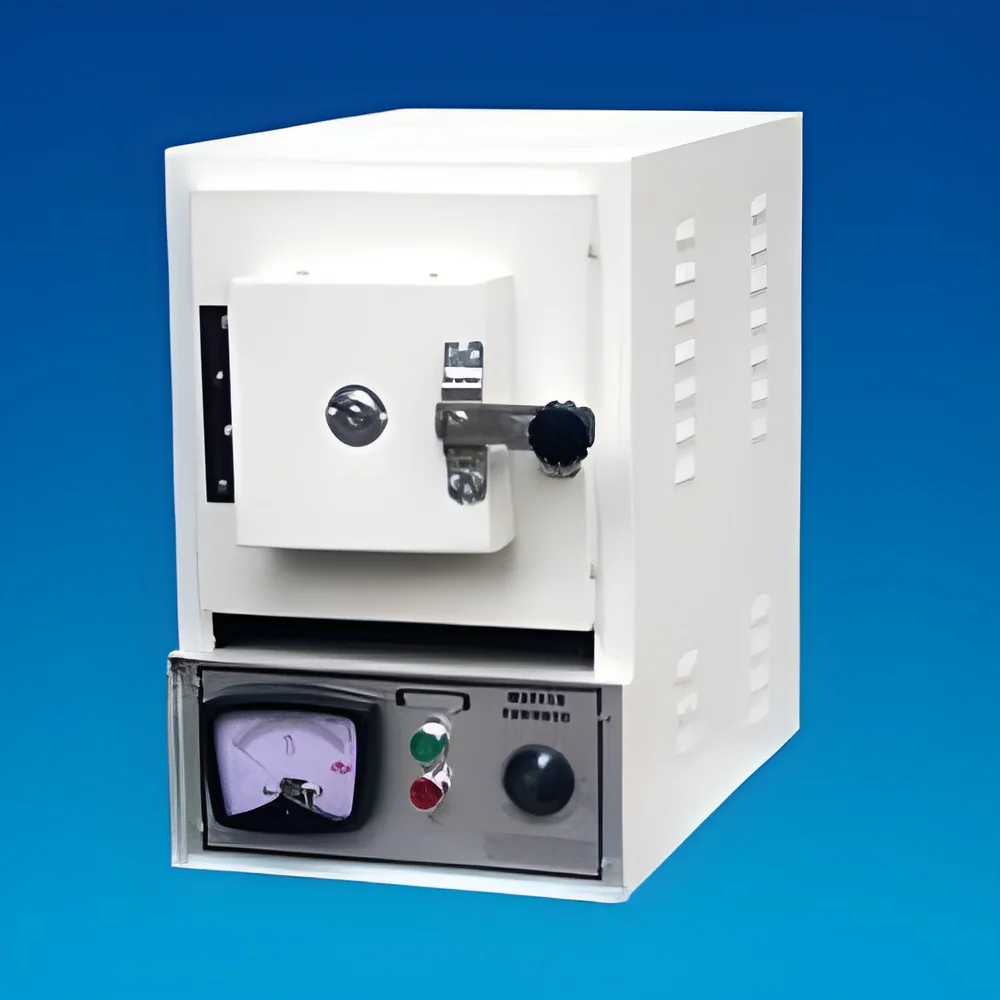
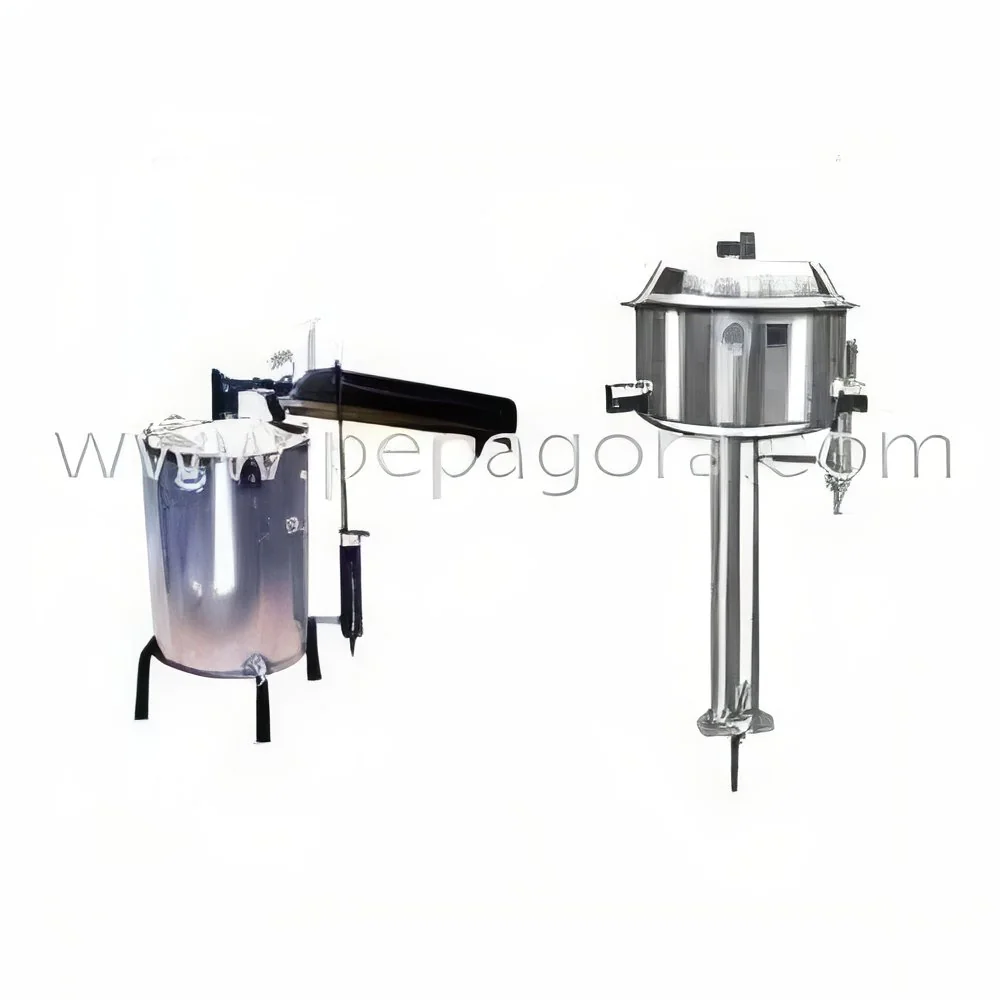
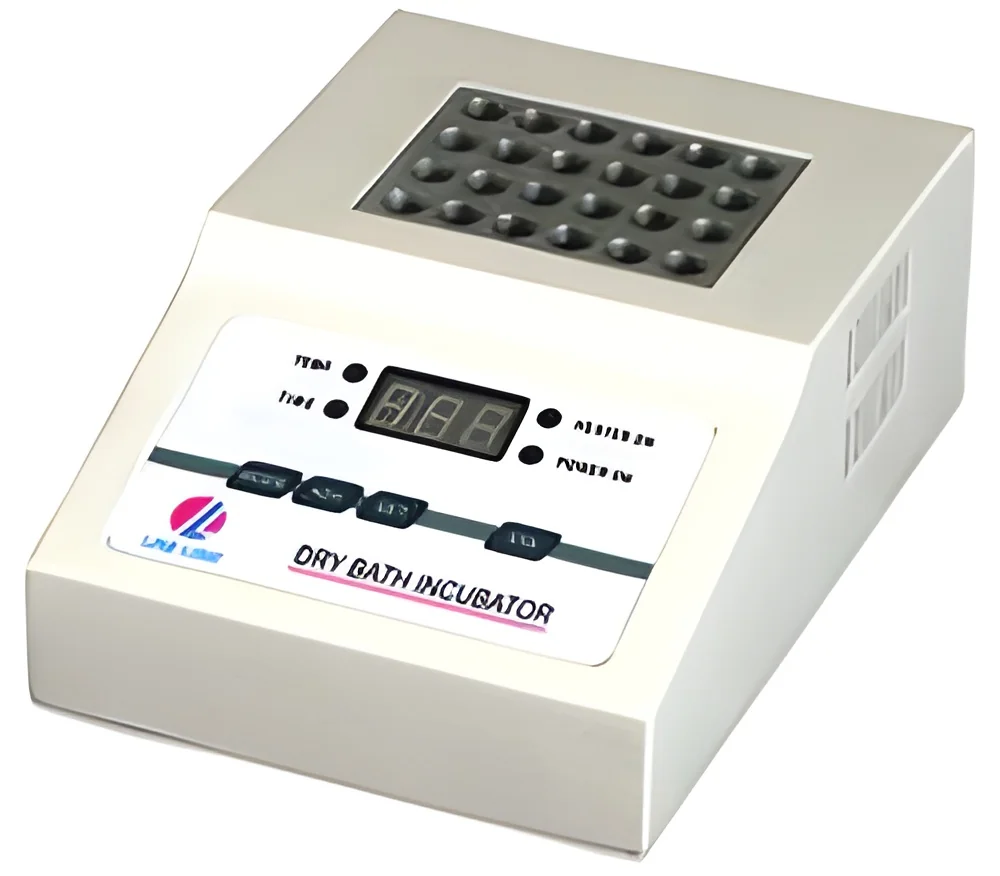
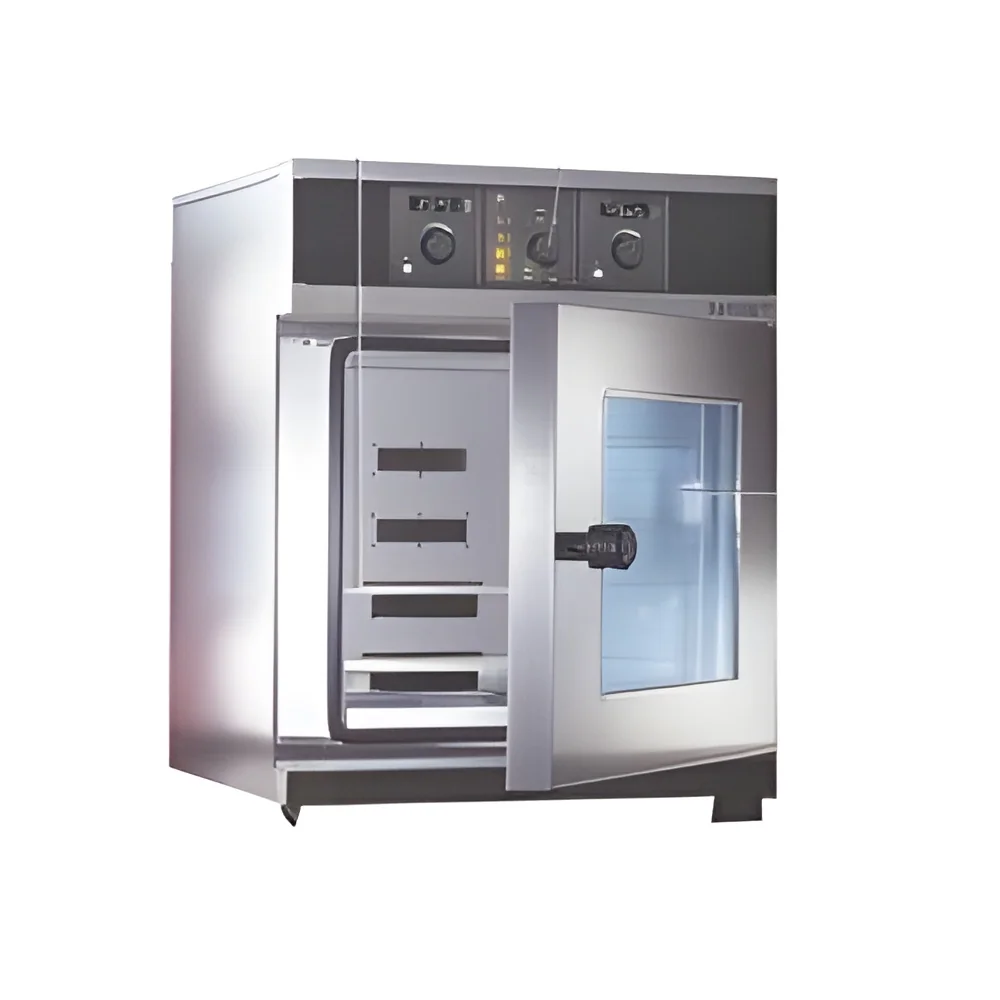
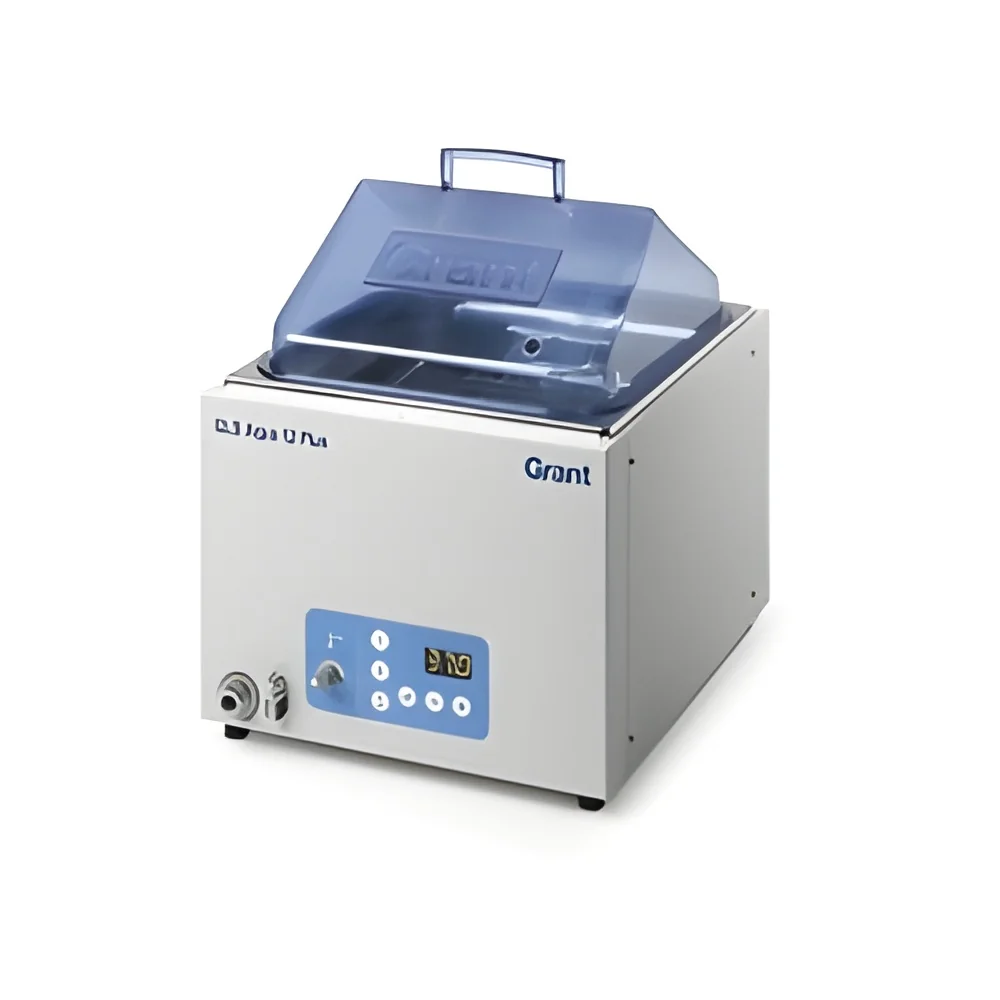
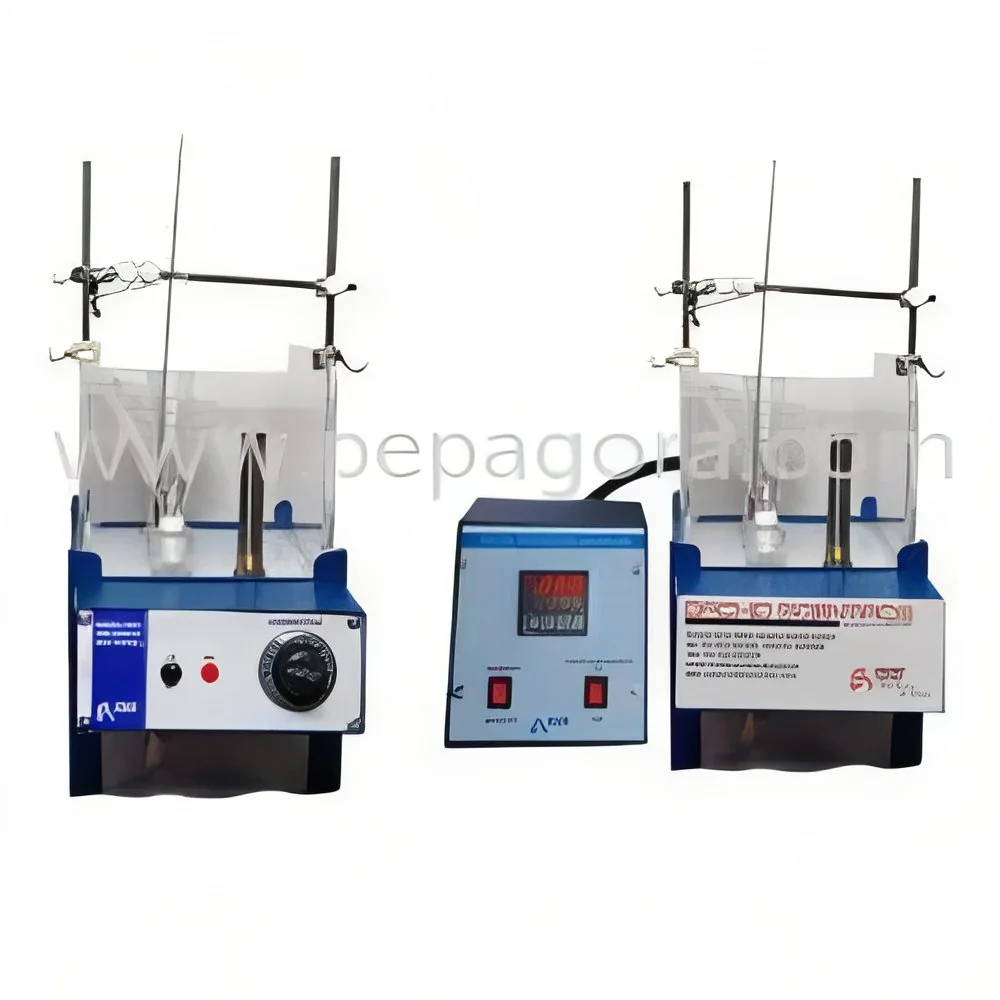
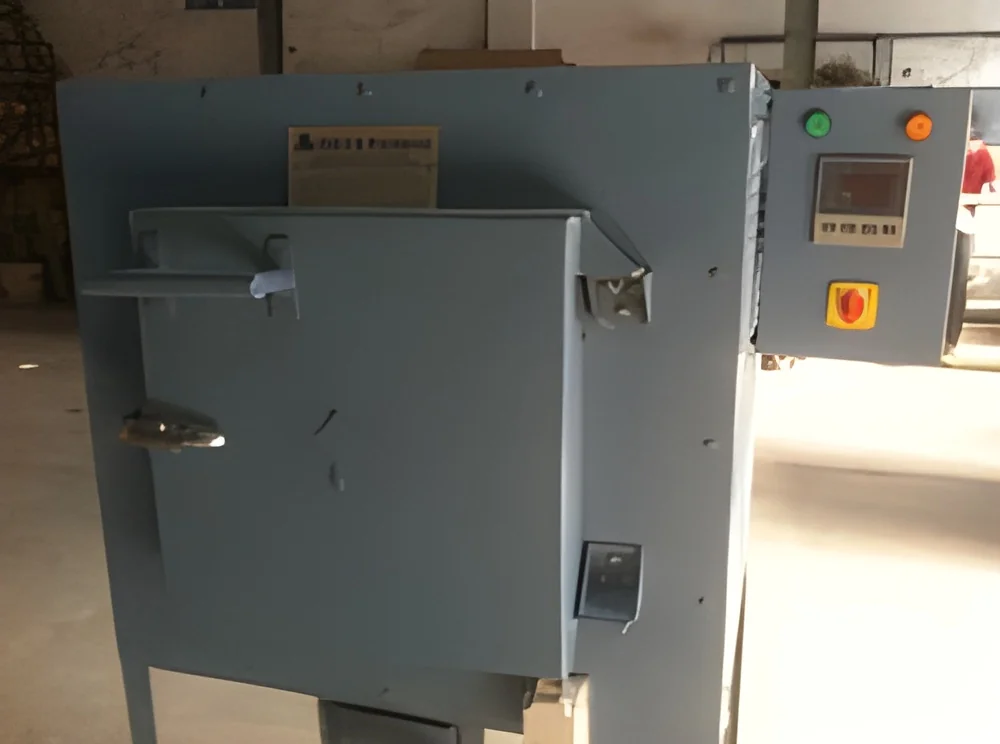
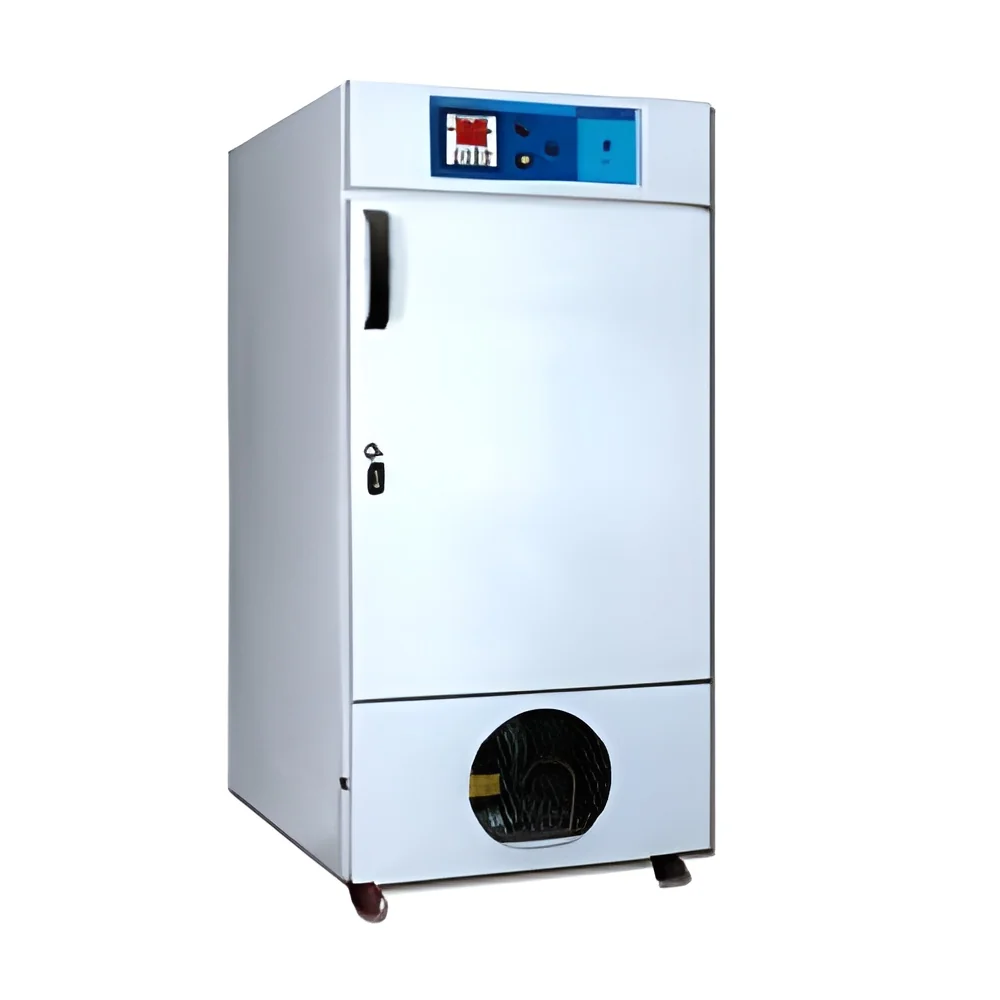
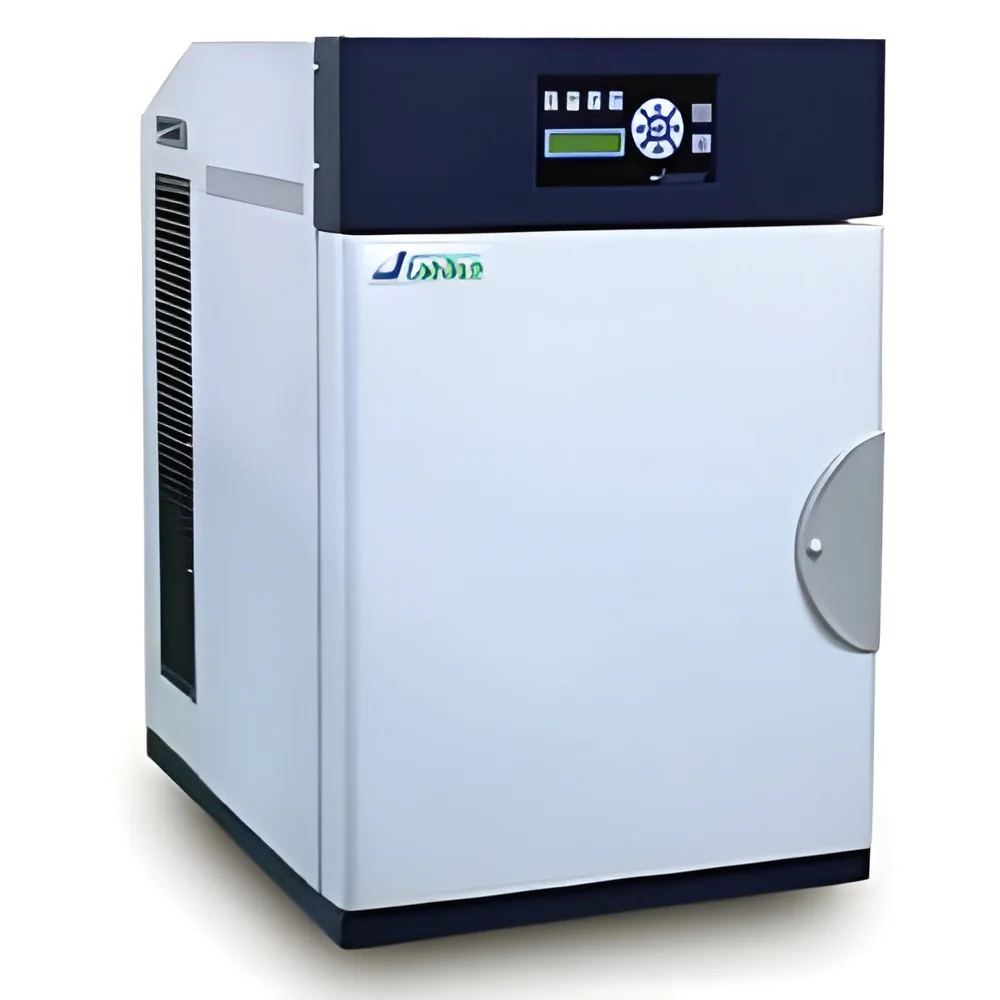
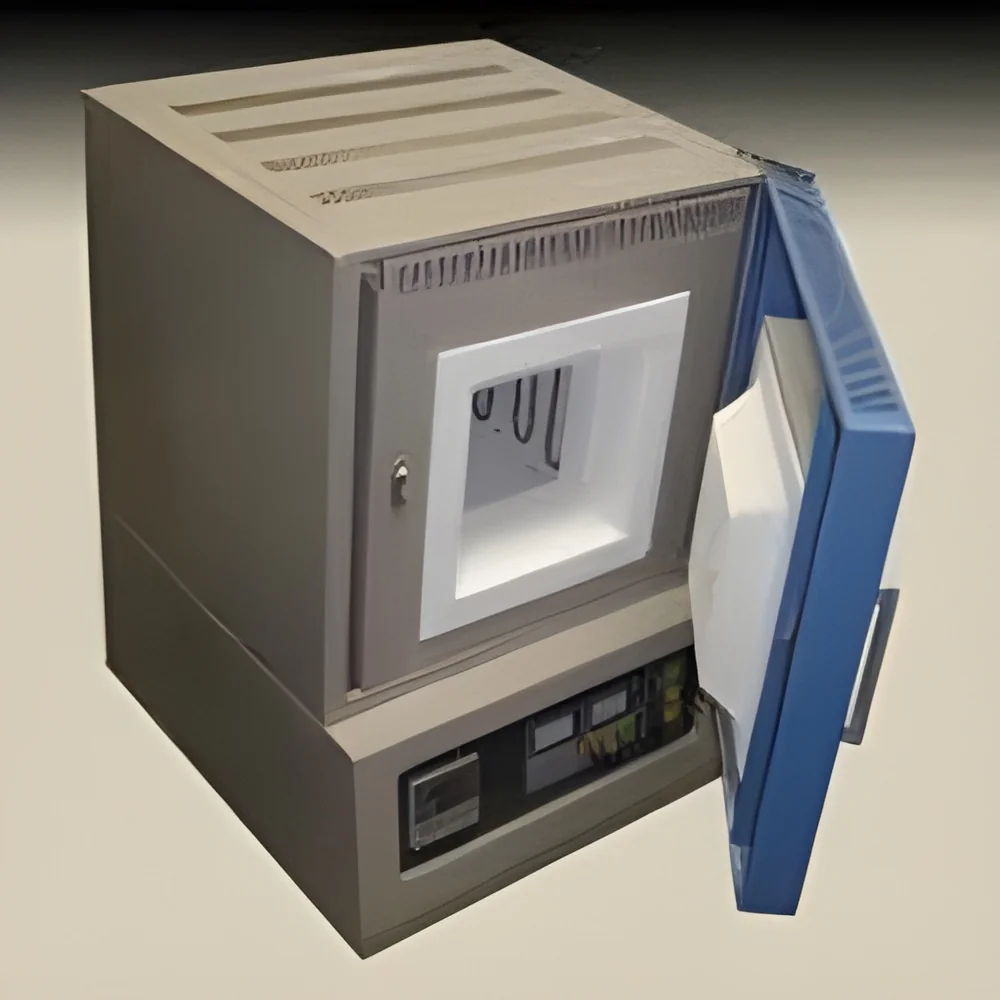
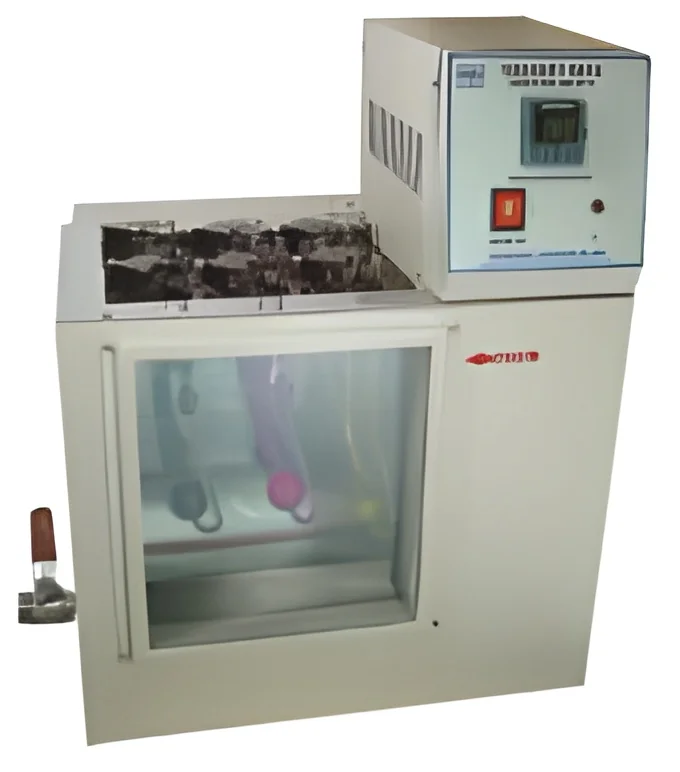
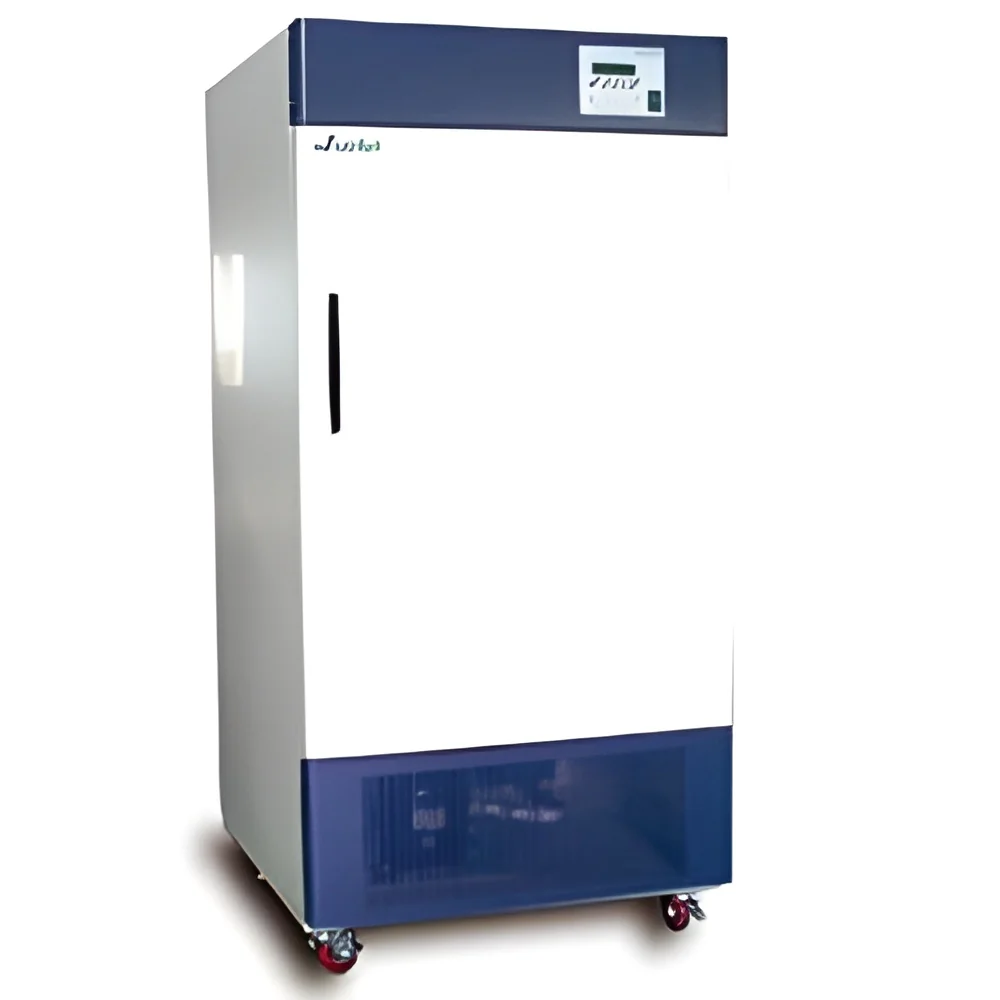
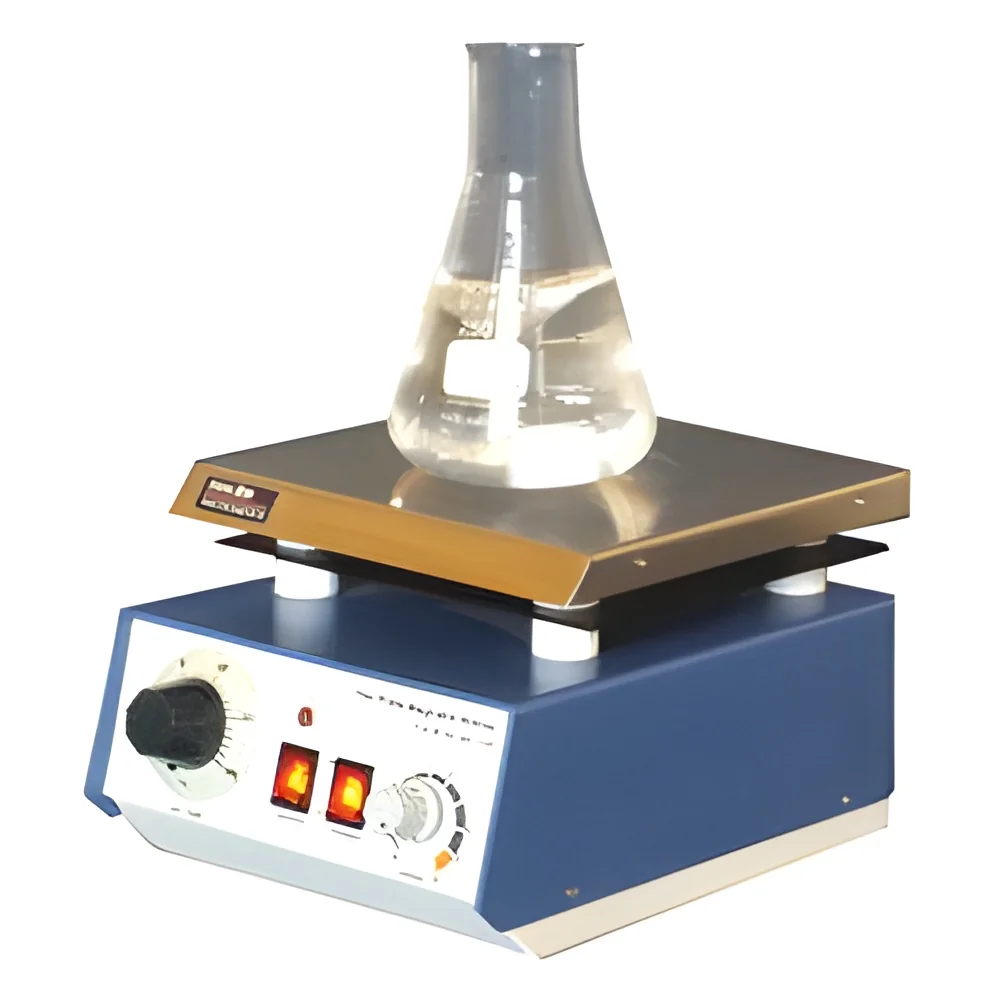
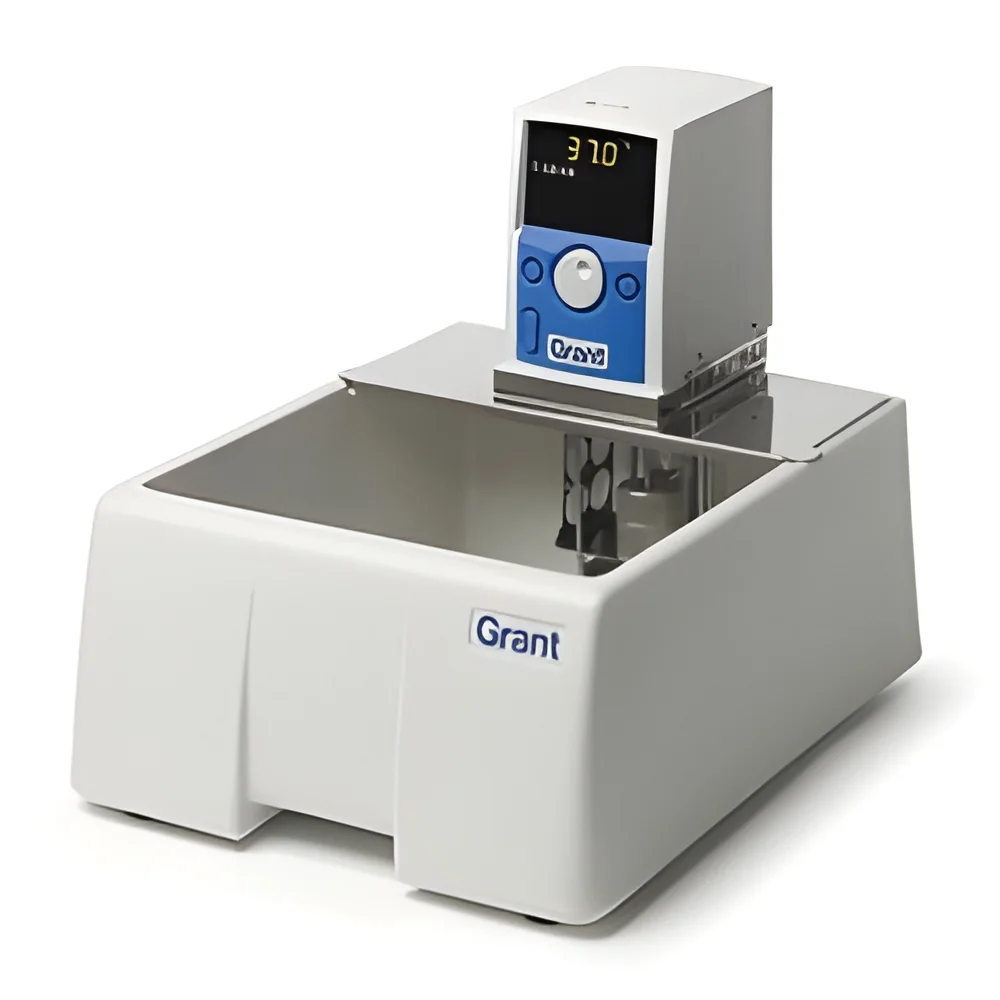
Laboratory equipment can be categorized into several types, including glassware, measuring instruments, heating devices, cooling equipment, and safety gear. Common examples include centrifuges, incubators, microscopes, and pipettes.
How do I choose the right Laboratory Equipment?
Choosing the right laboratory equipment depends on the specific requirements of your experiments and the nature of the materials being analyzed. Consider factors such as accuracy, capacity, and compatibility with your existing laboratory setup.
What are the standard specifications for Laboratory Equipment?
Standard specifications for laboratory equipment often include dimensions, weight capacity, material composition, and operational parameters such as temperature ranges and power requirements. It's essential to check these specifications to ensure the equipment meets your laboratory's needs.
What is the price range for Laboratory Equipment?
The price range for laboratory equipment can vary widely based on the type and complexity of the equipment. Basic items may start from a few hundred rupees, while advanced instruments can cost several lakhs.
What quality standards apply to Laboratory Equipment?
Laboratory equipment must adhere to various quality standards, including ISO certifications and compliance with safety regulations. These standards ensure that the equipment is reliable, accurate, and safe for use in laboratory settings.
Where can I find Laboratory Equipment suppliers in India?
You can find laboratory equipment suppliers in India through online marketplaces like Pepagora, industry trade shows, and directories. It is advisable to research and verify suppliers to ensure they provide quality products.
Can Laboratory Equipment be customized?
Yes, many laboratory equipment manufacturers offer customization options to meet specific requirements. Customization may include alterations in size, material, or additional features tailored to particular applications.
What is the typical minimum order quantity for Laboratory Equipment?
The typical minimum order quantity (MOQ) for laboratory equipment can vary by supplier and product type. Generally, MOQs can range from a single unit for more specialized equipment to larger quantities for common items.
What is the typical lead time for Laboratory Equipment?
The typical lead time for laboratory equipment can depend on the type of equipment and the supplier. Standard items may ship within a few days, while custom orders can take several weeks or even months to fulfill.
Why Businesses Trust Pepagora
Thousands of companies trust Pepagora to source smarter and sell faster
Expand Your Sales Globally

Source Smarter,Grow Faster
