IN
IN₹
Apparel & Fashion
Description
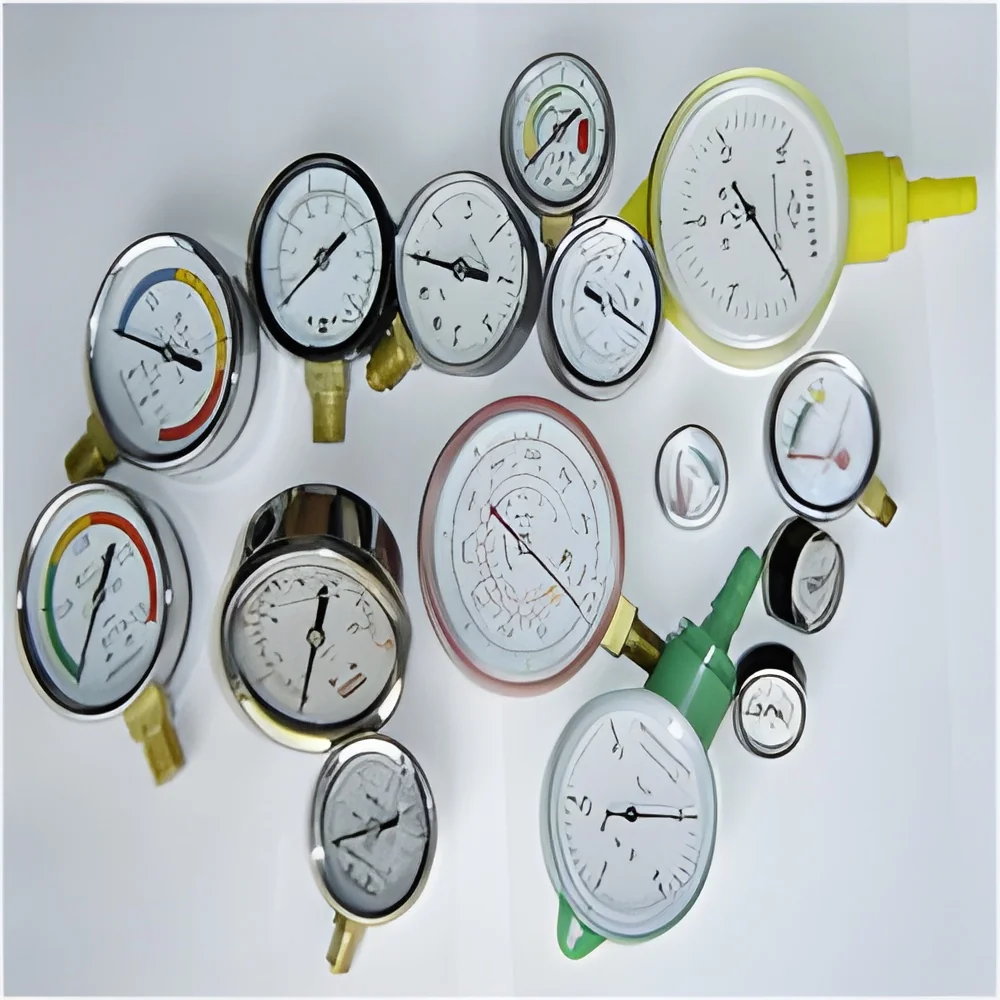
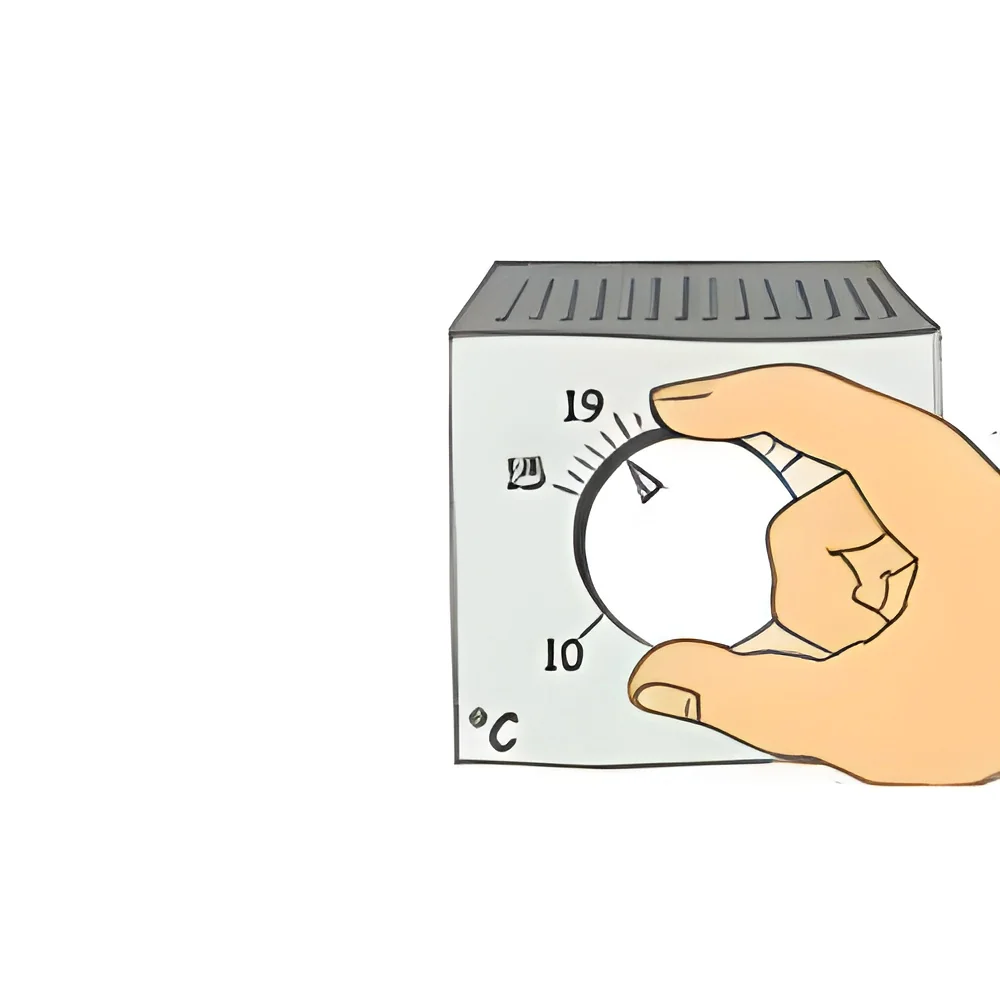
Industrial thermostat devices are critical components for maintaining precise temperature control in a wide array of systems. These instruments continuously monitor thermal conditions and activate heating or cooling mechanisms to keep equipment and processes within a specified, stable range. Designed for industrial-grade reliability, they feature durable construction to withstand challenging environments, from factory floors to climate-controlled labs. Their core function is to safeguard against the costly consequences of temperature deviations, ensuring consistent operation, protecting sensitive components, and supporting overall system efficiency and safety.

These devices find essential usage across multiple sectors where temperature stability is non-negotiable. In manufacturing, they are integral to process control, ensuring materials are heated or cooled correctly for quality production. The HVAC industry relies on them for efficient building climate management in commercial and i...
Industrial thermostat devices are critical components for maintaining precise temperature control in a wide array of systems. These instruments continuously monitor thermal conditions and activate heating or cooling mechanisms to keep equipment and processes within a specified, stable range. Designed for industrial-grade reliability, they feature durable construction to withstand challenging environments, from factory floors to climate-controlled labs. Their core function is to safeguard against the costly consequences of temperature deviations, ensuring consistent operation, protecting sensitive components, and supporting overall system efficiency and safety.

These devices find essential usage across multiple sectors where temperature stability is non-negotiable. In manufacturing, they are integral to process control, ensuring materials are heated or cooled correctly for quality production. The HVAC industry relies on them for efficient building climate management in commercial and industrial spaces. Laboratories utilize their precision for experiments and equipment that require exact thermal conditions. Furthermore, they are vital in food processing for safety compliance, in pharmaceuticals for storage integrity, and in healthcare for the reliable operation of diagnostic and treatment equipment.

The business value of these thermostats stems from their proven reliability and operational cost-effectiveness. By delivering precise control, they prevent equipment damage and production waste caused by temperature swings, directly reducing downtime and maintenance costs. Their accuracy contributes to significant energy savings by eliminating excessive heating or cooling cycles. The durable build ensures a long service life with minimal intervention, providing a strong return on investment. For businesses, this translates into enhanced process consistency, improved product quality, lower operational expenses, and robust protection for valuable capital equipment.

Key Features:
- High-precision temperature sensing and control for accurate regulation.
- Industrial-grade, durable construction designed for long-term reliability.
- Easy integration with existing control panels and system architectures.
- User-configurable setpoints and differentials for application-specific needs.
- Consistent performance with minimal maintenance requirements in demanding settings.

Benefits:
- Ensures process consistency and product quality through stable temperature maintenance.
- Protects valuable machinery and equipment from overheating or thermal damage.
- Reduces energy consumption and operational costs via efficient control cycles.
- Minimizes system downtime and maintenance needs through reliable operation.
- Offers straightforward installation and setup for quick deployment into existing systems.
Specifications
| Additional Information | |
|---|---|
| Country of Origin | India |
Application
Our industrial thermostat devices provide accurate and stable temperature regulation for critical processes and equipment. They are engineered to maintain setpoints consistently, preventing fluctuations that can compromise system integrity, product quality, and operational safety in demanding environments. This precise control is fundamental for efficiency and reliability across various technical applications.
These robust thermostats are built to integrate seamlessly into existing control systems within industrial facilities, commercial buildings, and specialized technical settings. Their design prioritizes straightforward installation and long-term, maintenance-free operation, making them a dependable component for managing thermal conditions where precision and uptime are paramount.
- Regulating temperatures in commercial and industrial HVAC systems for optimal climate control.
- Maintaining precise thermal conditions for manufacturing machinery and production lines.
- Ensuring stable temperatures for sensitive laboratory instruments and scientific processes.
- Controlling climate in food processing, storage, and pharmaceutical environments.
- Monitoring and managing temperatures in medical equipment and healthcare facility systems.
Trade Details
| Available Stock | In Stock |
| Sample Availability | No |
Payment Terms
| Payment Terms |
|
Company Profile
Abr Enviro Systems, Madhya Pradesh
 Madhya Pradesh, India
Madhya Pradesh, IndiaIndustrial Equipment & Machinery•Manufacturer•Distributor / Wholesaler•Importer / Exporter
Factory Details
Factory SizeBelow 1000 sqm
Annual Production Capacity0
Industrial Thermostat Devices for Precise Temperature Control
Industrial thermostat devices for precise temperature control in HVAC, manufacturing, and laboratory systems. Reliable and durable solutions for stable thermal regulation.
Min. Order Quantity: 1 unit
Shipping
Shipping fee and delivery date to be negotiated. Contact supplier now for more details.
Abr Enviro Systems
 Madhya Pradesh, India
Madhya Pradesh, IndiaIndustrial Equipment & MachineryManufacturer