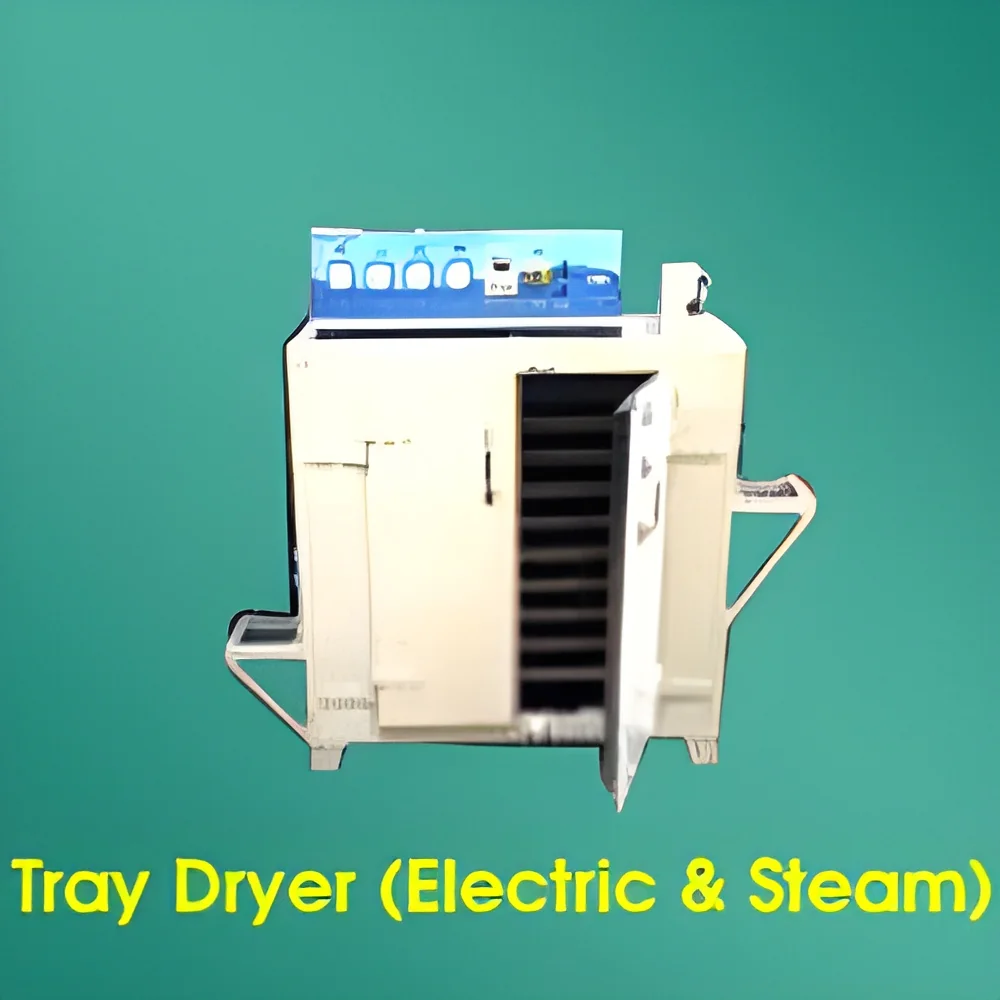
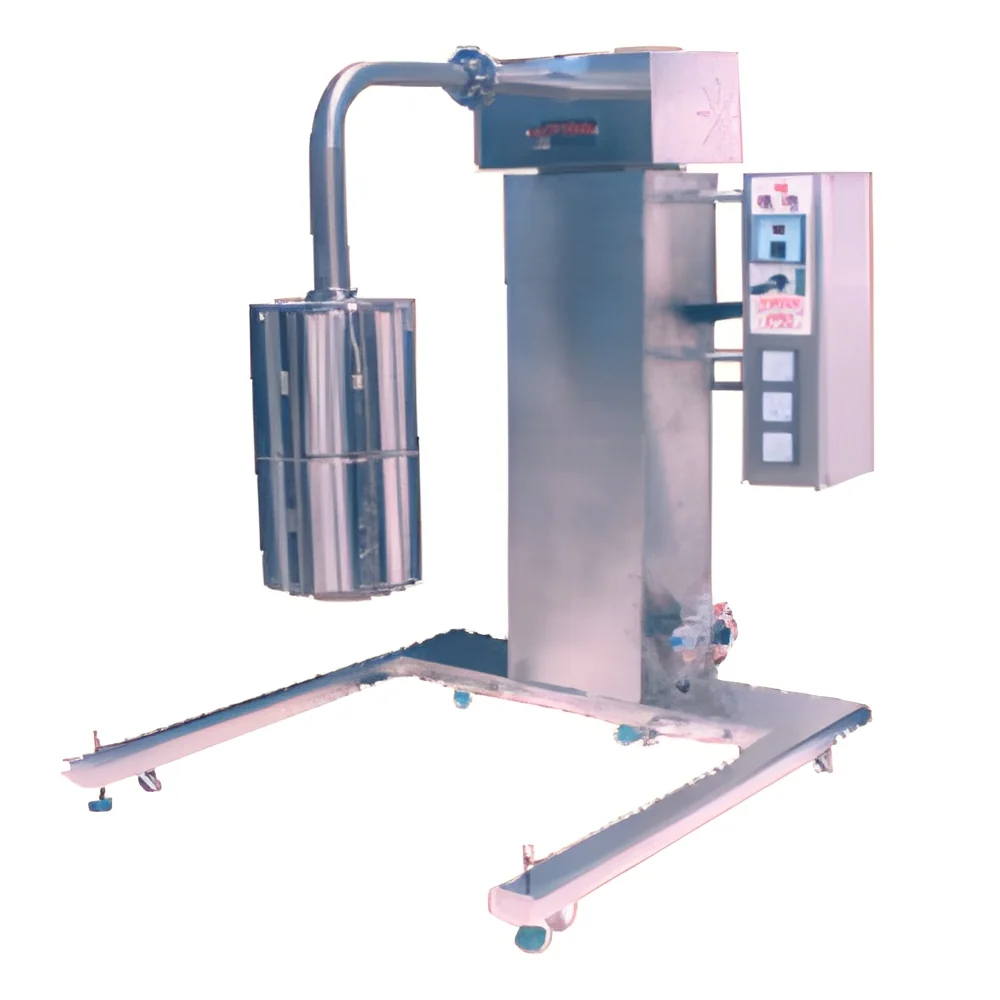
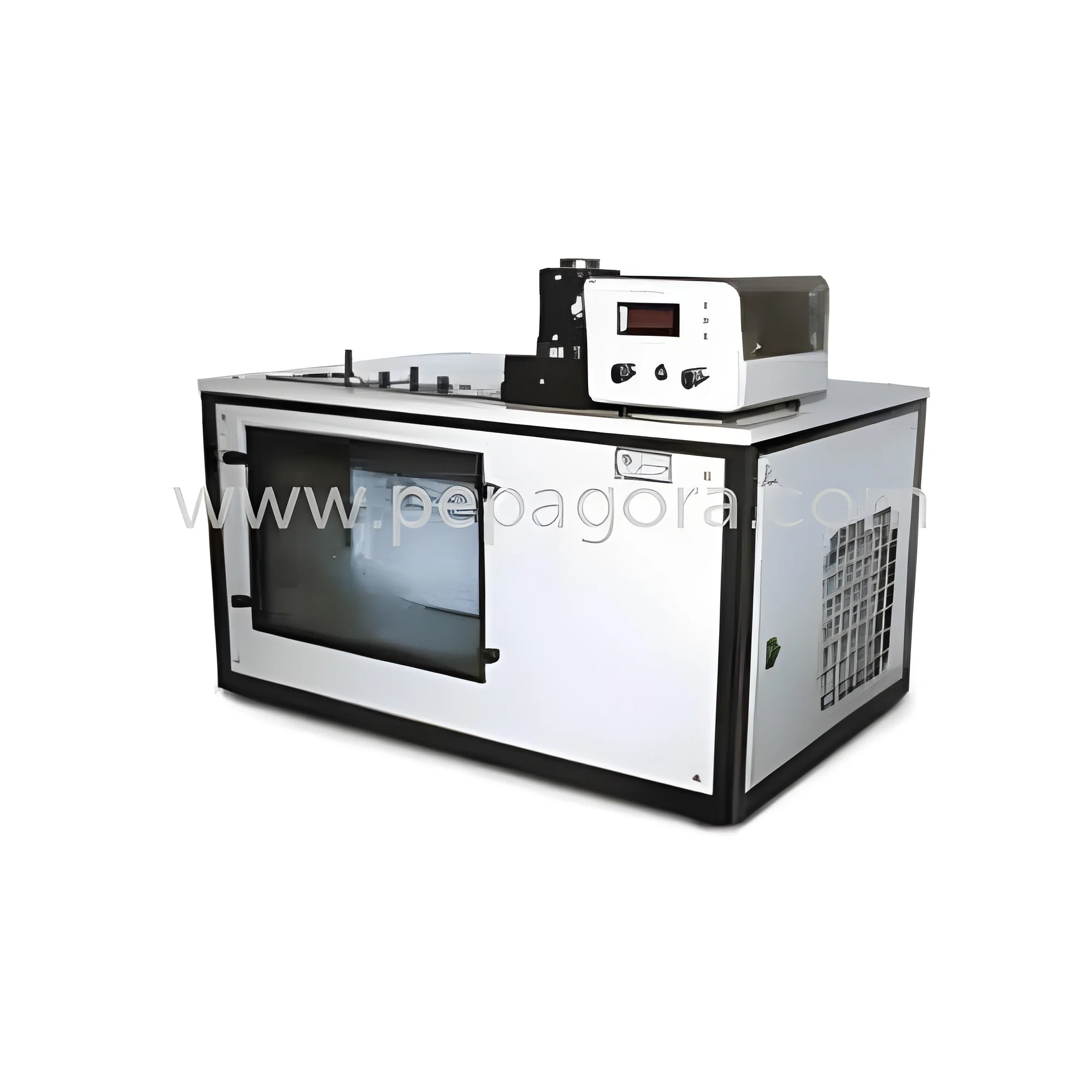
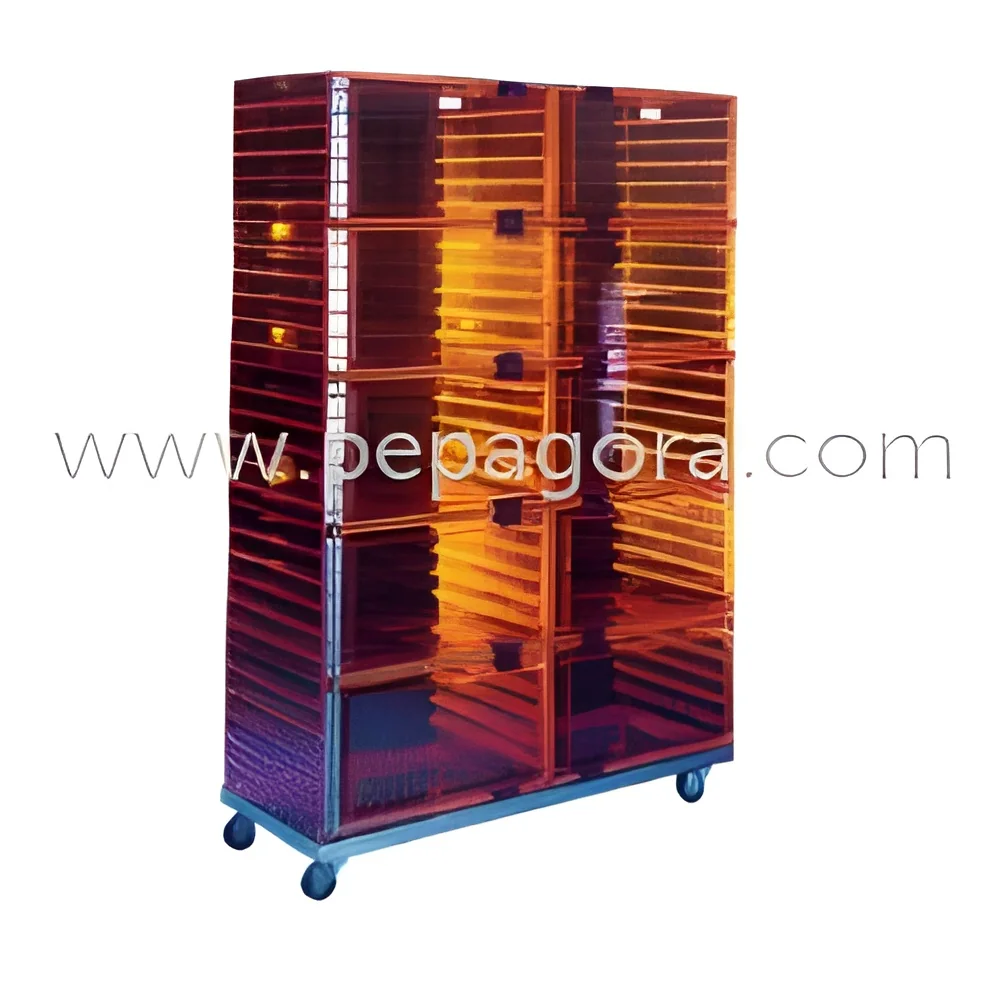
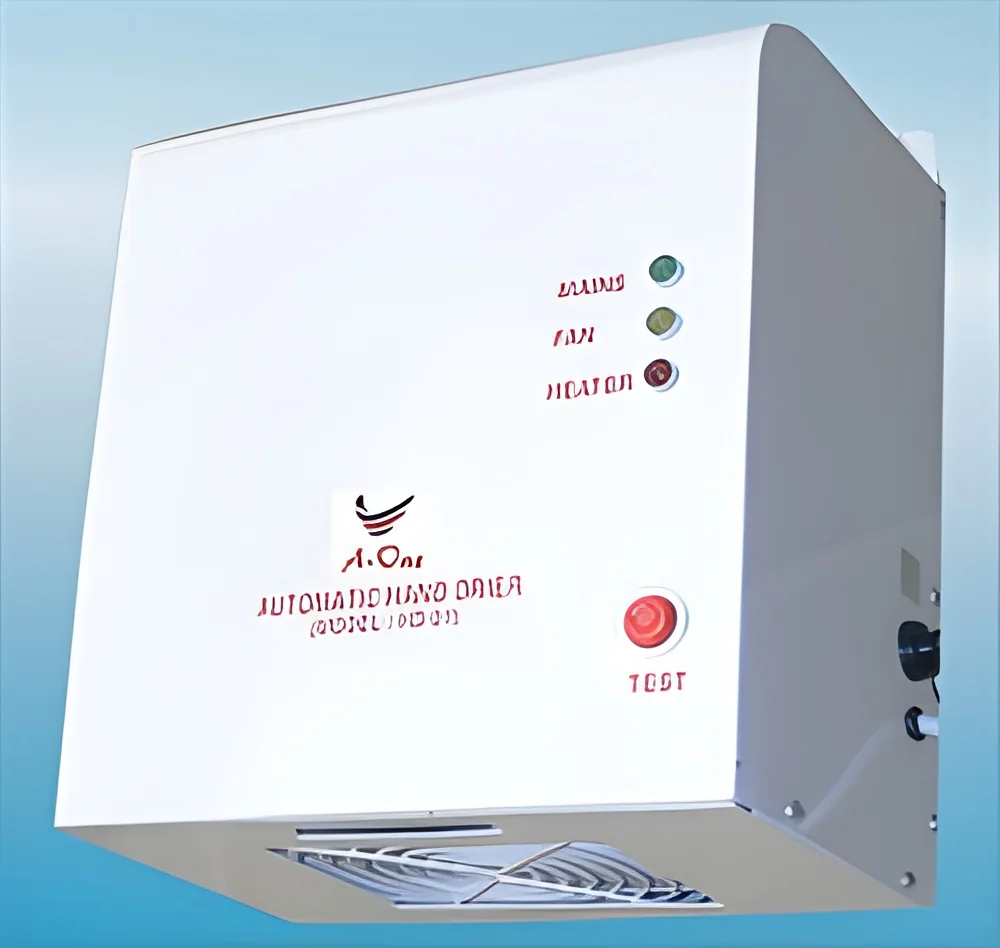
What are Lab Drying Equipment?
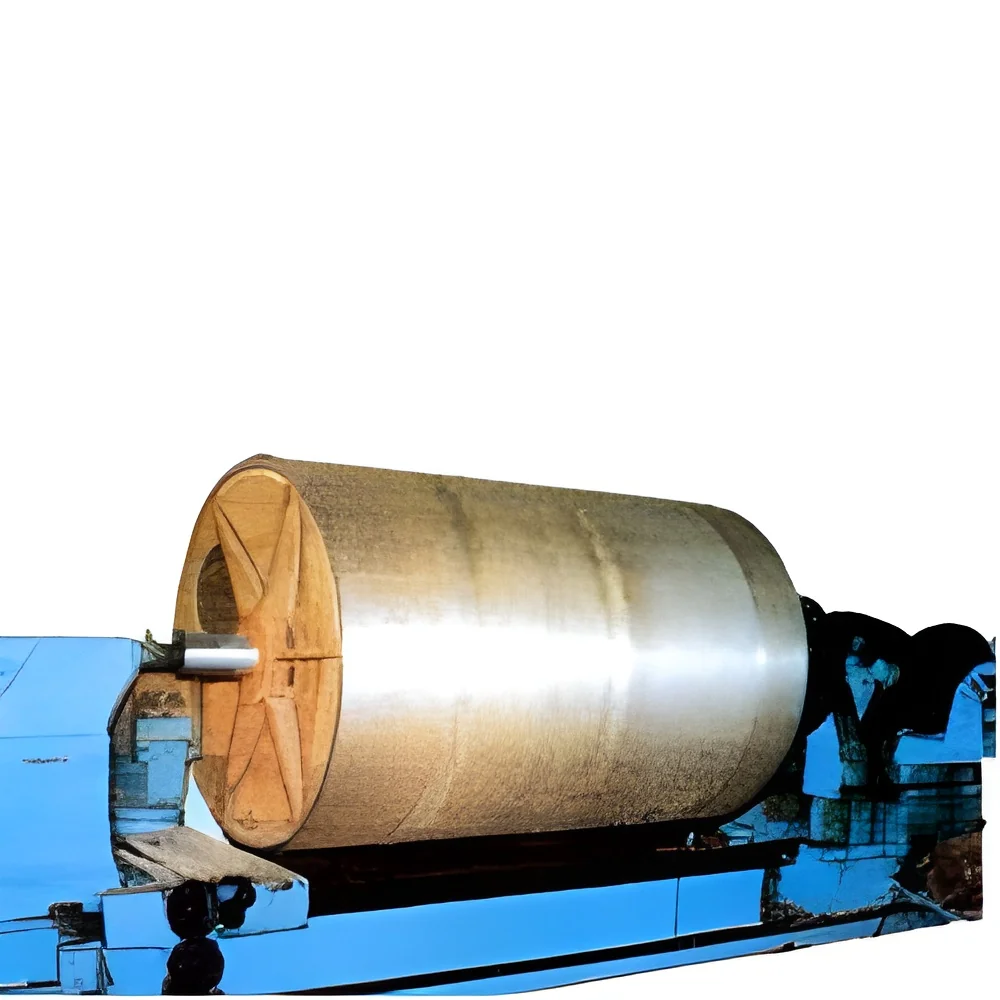
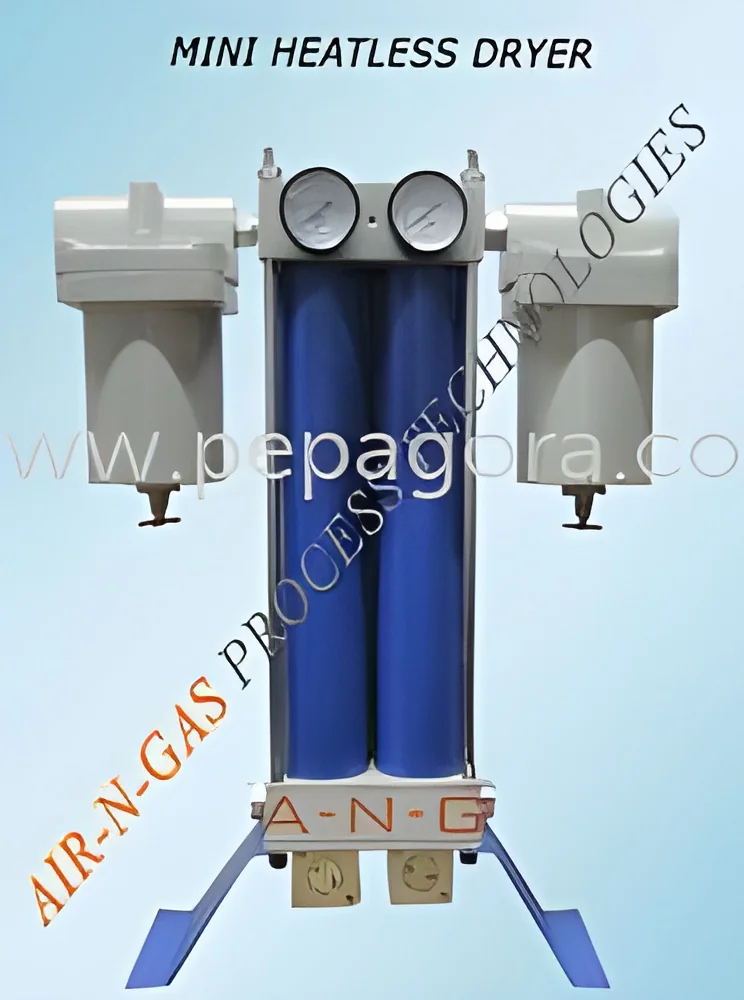
Lab drying equipment refers to specialized devices used to remove moisture from various materials or samples in laboratory settings. These devices play a crucial role in preparation processes for materials that require specific moisture content levels. They utilize various drying methods such as heat, vacuum, or desiccation to achieve efficient moisture removal. Lab drying equipment is essential in maintaining the integrity of samples and ensuring accurate results in experiments and analyses.
The primary applications of lab drying equipment are found across multiple sectors, including pharmaceuticals, food processing, chemical research, and material sciences. In these industries, moisture control is vital for product stability, quality, and shelf life. Businesses use this equipment to prepare samples for testing, enhance product formulations, or ensure compliance with industry standards. The relevance of lab drying equipment continues to grow as research and development require precise moisture management for successful outcomes.
As industries increasingly prioritize quality and efficiency, the market for lab drying equipment is expanding. Businesses are investing in advanced technology to streamline their processes. The need for reliable and accurate drying solutions is driving innovation in the design and functionality of these products.
Key Features and Specifications
Lab drying equipment is characterized by several features that enhance its efficiency and usability. Understanding these specifications can help buyers make informed choices.
Key specifications include:
1. Drying Method
- Common methods include convection, conduction, and vacuum drying.
- Each method offers specific advantages based on the material being dried.
2. Temperature Control
- Equipment often features adjustable temperature settings.
- This allows for precise control suited to different materials.
3. Humidity Control
- Some units offer integrated humidity control systems.
- This feature is crucial for sensitive materials that require low moisture environments.
4. Capacity
- Drying equipment comes in various capacities to accommodate different sample sizes.
- Buyers can choose from small benchtop units to larger industrial models.
5. Energy Efficiency
- Modern equipment is designed to consume less energy while maintaining performance.
- This factor is increasingly important for reducing operational costs.
6. Monitoring Features
- Advanced units may include digital displays or connectivity for remote monitoring.
- This allows for real-time tracking of drying conditions.
7. Safety Features
- Compliance with safety standards is essential for lab equipment.
- Look for features such as automatic shut-off and over-temperature protection.
8. Construction Materials
- Equipment may be made from stainless steel, glass, or other durable materials.
- The choice of materials impacts durability and ease of cleaning.
In summary, understanding the key features and specifications of lab drying equipment is essential for selecting the right model to meet specific industry needs.
Common Applications and Use Cases
Lab drying equipment is versatile and serves various industries effectively.
1. Pharmaceuticals: In the pharmaceutical industry, lab drying equipment is used to prepare active ingredients and formulations. Precise moisture control is vital to ensure the stability and efficacy of drugs.
2. Food Processing: In food production, drying equipment helps in removing moisture from ingredients, which is crucial for extending shelf life and maintaining quality. It is commonly used for drying fruits, vegetables, and herbs.
3. Chemical Research: Researchers in the chemical industry utilize drying equipment to prepare samples for analysis. Accurate moisture content is necessary for reliable test results and product formulation.
4. Environmental Testing: Lab drying equipment is essential for drying soil or water samples in environmental studies. This helps in determining the contamination levels and analyzing the physical and chemical properties of samples.
5. Material Sciences: In material science, drying is crucial for preparing composites and other materials. Proper drying improves the bonding and performance of the final product.
6. Textile Industry: The textile industry uses drying equipment to remove moisture from fabrics after dyeing or finishing processes. This step is critical to maintaining color quality and texture.
7. Electronics: In the electronics sector, moisture control in components is vital to prevent damage and ensure product reliability. Drying equipment helps in preparing sensitive materials used in electronics manufacturing.
Product Variants and Subcategories
Lab drying equipment comes in various forms to suit different applications and requirements.
Hot Air Ovens
Hot air ovens are commonly used for general drying purposes. They provide uniform heat distribution and are ideal for drying glassware, samples, and other laboratory items.
Vacuum Dryers
Vacuum dryers operate by removing air from the drying chamber. This method lowers the boiling point of moisture, making it suitable for drying heat-sensitive materials without damage.
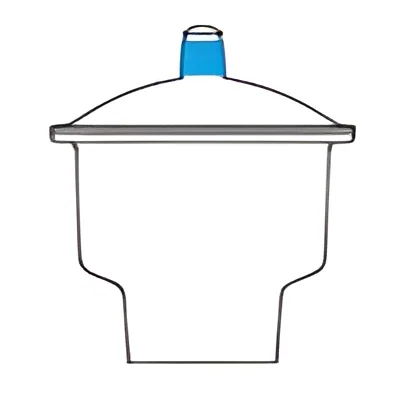
Desiccators
Desiccators are used for low-temperature drying and moisture control. They utilize desiccants to absorb moisture from samples, making them ideal for storing sensitive materials.
Rotary Evaporators
Rotary evaporators are specialized devices that efficiently remove solvents from samples. They are commonly used in chemical and pharmaceutical laboratories for concentrating solutions.
Benefits and Advantages
Lab drying equipment offers several advantages that enhance laboratory processes.
1. Improved Sample Integrity: Drying equipment ensures that samples maintain their intended properties by removing excess moisture, which can affect results.
2. Enhanced Product Quality: In industries like food and pharmaceuticals, precise moisture control directly correlates with product quality and shelf life.
3. Time Efficiency: Modern drying equipment reduces the time required to achieve desired moisture levels, increasing overall productivity in laboratory settings.
4. Versatility: With various drying methods and configurations, lab drying equipment can cater to a wide range of applications across different industries.
5. Energy Savings: Advanced models are designed for energy efficiency, helping organizations reduce operational costs while maintaining performance.
6. Safety Assurance: Many units comply with safety standards and include features that prevent overheating and ensure safe operation.
Buying Guide for B2B Buyers
When sourcing lab drying equipment, it is essential to consider various factors to ensure a suitable purchase.
1. Quality Assessment: Evaluate the quality of equipment through reviews and certifications. Look for products that meet industry standards and have a reputation for reliability.
2. Supplier Verification: Vet potential suppliers by checking their credentials and customer feedback. A verified supplier can provide assurance of quality and service.
3. Pricing and MOQ: Understand the pricing structures and minimum order quantities (MOQ) that suppliers offer. This information is vital for budgeting and inventory planning.
4. Delivery and Lead Times: Discuss delivery schedules and lead times with suppliers to ensure that the equipment can meet your operational timelines.
5. Compliance Requirements: Confirm that the equipment complies with relevant regulatory standards and certifications, such as CE marking. This is crucial for avoiding legal complications and ensuring safety.
Compliance and Certifications
Lab drying equipment must meet various compliance and certification standards to ensure safety and effectiveness.
Relevant quality standards such as ISO 9001 ensure that manufacturers maintain consistent quality in their production processes. These standards are essential for assuring buyers of the reliability and performance of the equipment.
In addition to quality standards, lab drying equipment may require industry certifications like CE. This certification indicates that products meet European Union safety, health, and environmental protection standards.
Equipment must also adhere to safety and testing requirements to ensure safe operation in laboratory settings. Compliance with these standards is crucial for preventing accidents and ensuring the safety of laboratory personnel.
Regional compliance considerations can vary significantly by location. Buyers should familiarize themselves with local regulations to ensure that their equipment meets all necessary legal and safety requirements.
Why Source Lab Drying Equipment from Pepagora?
Pepagora provides an efficient platform for sourcing lab drying equipment, offering several key advantages for B2B buyers.
Verified Supplier Network: Our network consists of verified suppliers who meet rigorous quality standards. This ensures that buyers receive reliable products and services.
Streamlined RFQ Process: Pepagora simplifies the request for quotation (RFQ) process, making it easy for buyers to compare options and select the best equipment for their needs.
Trade Assurance and Support: We offer trade assurance that protects buyers throughout the purchasing process. Our dedicated support team is available to assist with any inquiries or issues.
Regional Coverage: Pepagora has a strong presence in various regions, including India, the GCC, and Southeast Asia. This geographic reach allows us to connect buyers with suppliers that best meet their local requirements.
By choosing Pepagora, businesses can confidently source lab drying equipment tailored to their specific needs while benefiting from our extensive network and support services.

 IN
IN