
 IN
Kitchen Hood Fire Suppression Systems
4 products available
What are Kitchen Hood Fire Suppression Systems?
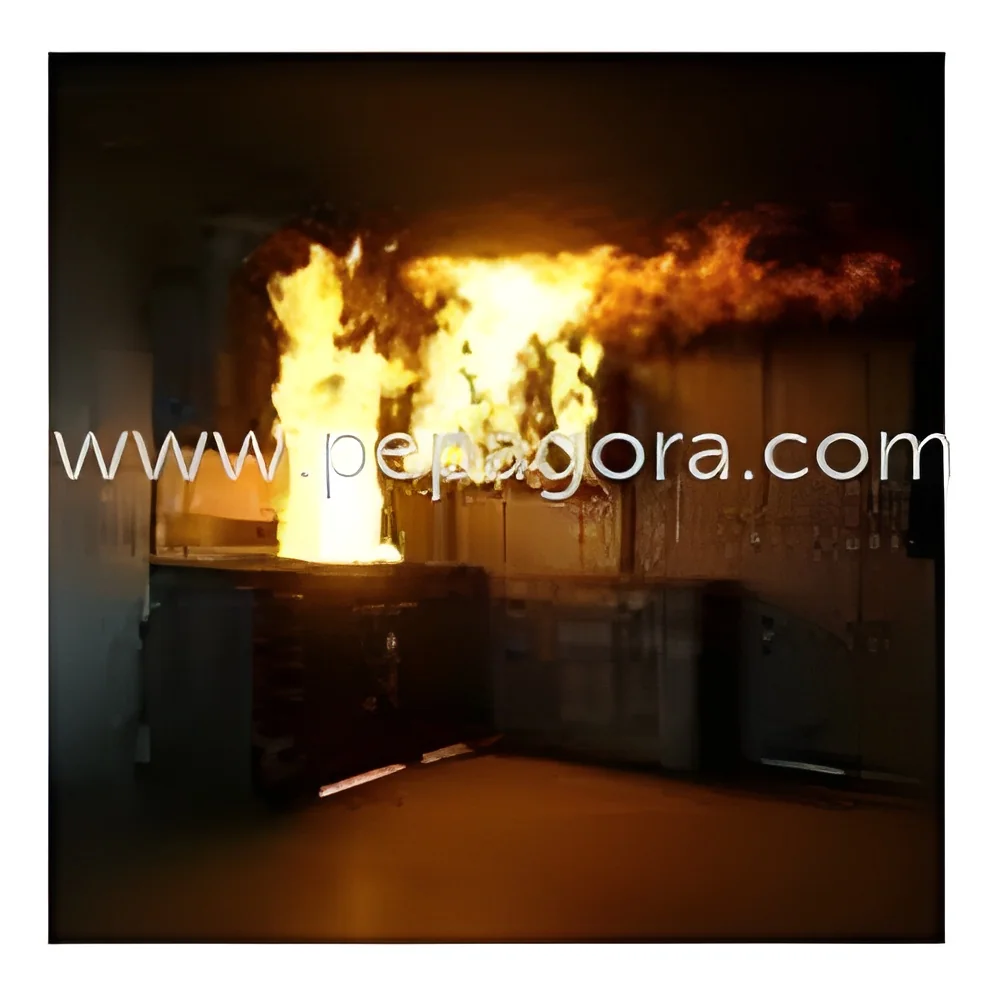
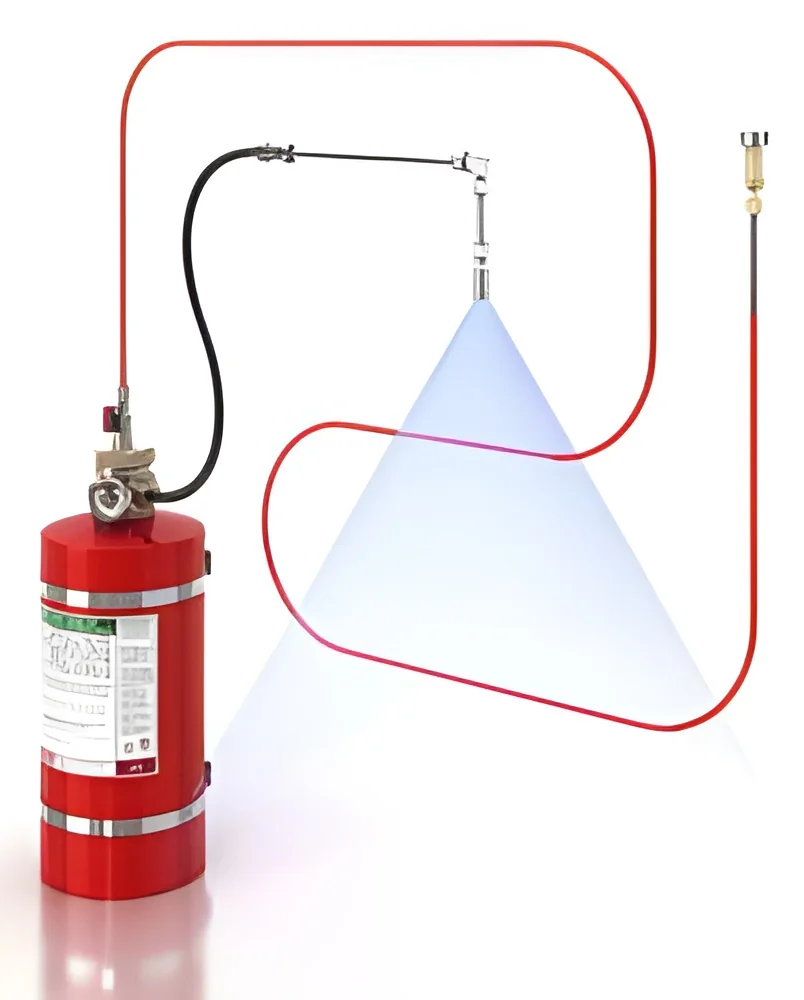
Kitchen Hood Fire Suppression Systems are specialized safety systems designed to prevent and control fire hazards in commercial kitchens. These systems work by detecting heat and flames, automatically releasing fire suppression agents to extinguish fires before they escalate. They are essential for protecting both life and property in environments where cooking equipment poses a significant fire risk.
These systems are primarily used in restaurants, cafeterias, catering facilities, and other food service establishments. Their installation is critical in areas where cooking equipment, such as fryers, grills, and stoves, operates continuously. By effectively managing fire hazards, these systems not only safeguard physical assets but also ensure compliance with local safety regulations and insurance requirements.
In the current market context, the demand for Kitchen Hood Fire Suppression Systems is driven by an increasing focus on safety standards and regulations in the food service industry. As businesses expand and new establishments open, the need for reliable fire suppression solutions becomes more pronounced, highlighting the importance of investing in these systems.
Key Features and Specifications
Kitchen Hood Fire Suppression Systems come with various features that enhance safety and efficiency. Understanding these specifications is crucial for selecting the right system for specific needs.
Key specifications include:
1. Detection Mechanism
- Utilizes heat and flame detection technology to identify potential fire threats.
- Fast response time to minimize damage and ensure safety.
2. Suppression Agents
- Employs wet chemical agents specifically designed for kitchen fires.
- Effective in extinguishing flames from cooking oils and fats.
3. Activation Method
- Can be activated automatically or manually depending on the model.
- Automatic systems provide immediate response without human intervention.
4. System Integration
- Easily integrates with kitchen exhaust systems for comprehensive protection.
- Allows for coordinated operation with smoke alarms and other safety devices.
5. Maintenance Requirements
- Requires regular inspections and maintenance to ensure functionality.
- Documentation of service history is essential for compliance.
6. Size and Coverage
- Available in various sizes to accommodate different kitchen layouts.
- Coverage area determines the number of units needed based on kitchen size.
7. Installation Type
- Can be installed as a standalone system or in conjunction with existing fire safety measures.
- Proper installation is critical for optimal performance.
In summary, these specifications ensure that Kitchen Hood Fire Suppression Systems are effective in mitigating fire risks in commercial kitchens.
Common Applications and Use Cases
Kitchen Hood Fire Suppression Systems are versatile and applicable across various industries. Their primary function is to enhance fire safety in environments where cooking takes place.
1. Restaurants: In high-traffic kitchens, these systems protect against grease fires and other cooking-related hazards, ensuring the safety of staff and patrons.
2. Catering Services: Mobile kitchens used for catering events benefit from portable suppression systems to manage fire risks effectively on-site.
3. Hospitals: Commercial kitchens within healthcare facilities utilize these systems to maintain safety standards while preparing meals for patients and staff.
4. Educational Institutions: Schools and universities with cafeterias rely on fire suppression systems to protect kitchen staff and students from fire dangers.
5. Food Processing Plants: These facilities integrate suppression systems to ensure safe operations during food production and manufacturing processes.
6. Hotels: Kitchen areas in hotels require robust fire suppression solutions to protect guests and maintain operational integrity.
7. Food Trucks: Mobile food vendors equip their kitchens with suppression systems to comply with safety regulations and protect their business.
Product Variants and Subcategories
Kitchen Hood Fire Suppression Systems come in several variants to meet diverse needs. Each variant offers unique features suited for different culinary environments.
Wet Chemical Systems
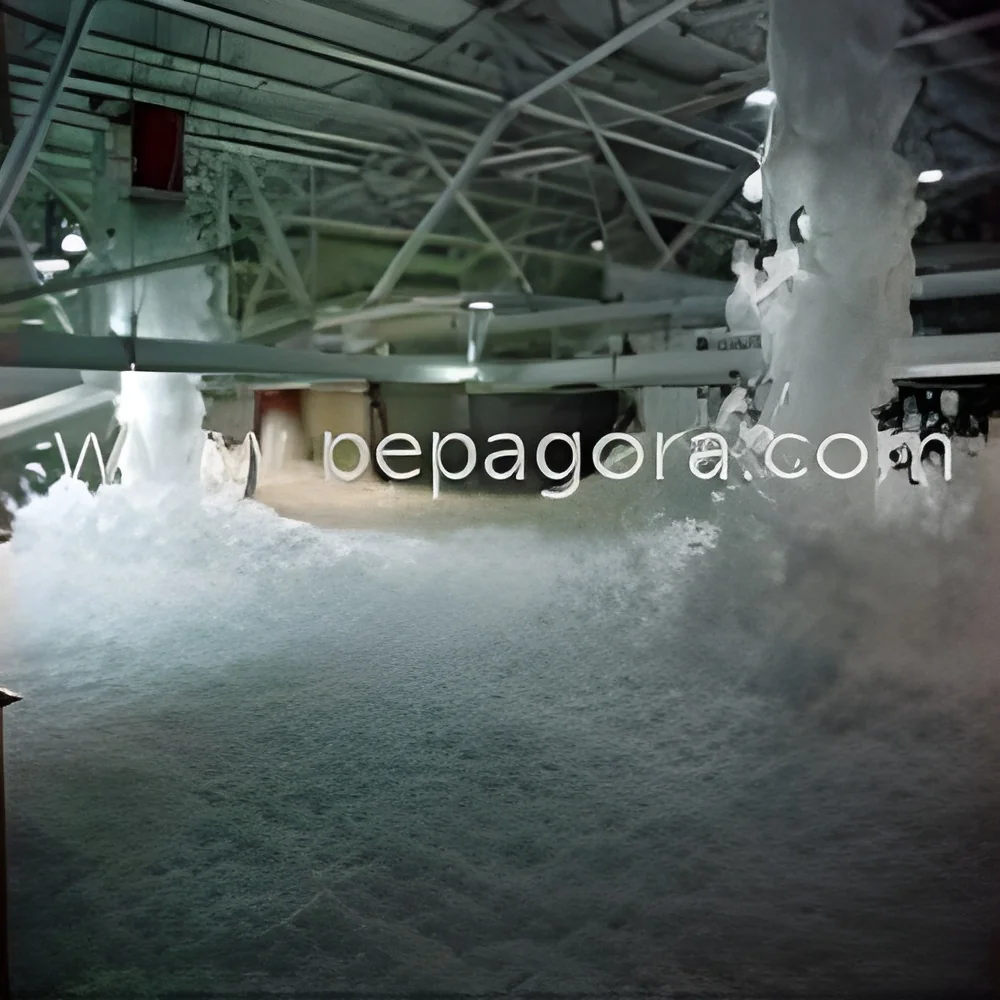
These are designed specifically for commercial kitchens using cooking oils and fats. They deploy a wet chemical agent that cools and smothers flames, making them ideal for high-risk cooking areas.
Pre-Engineered Systems
These systems are pre-designed for specific applications, simplifying installation and reducing costs. They are suitable for smaller kitchens requiring effective fire suppression without extensive modifications.
Custom Systems
For unique kitchen layouts or specialized equipment, custom fire suppression systems can be developed. These tailored solutions ensure comprehensive coverage and compliance with safety standards.
Benefits and Advantages
Investing in Kitchen Hood Fire Suppression Systems offers numerous benefits that enhance safety and operational efficiency.
1. Fire Prevention: These systems significantly reduce the risk of fire incidents, protecting lives and property.
2. Compliance Assurance: Installation of fire suppression systems helps businesses comply with local fire safety regulations and insurance requirements.
3. Quick Response: Automatic activation ensures fires are suppressed swiftly, minimizing damage and downtime.
4. Enhanced Safety: Provides peace of mind for kitchen staff and patrons, knowing that a reliable safety system is in place.
5. Insurance Benefits: Having a fire suppression system can lead to reduced insurance premiums, lowering overall operational costs.
6. Versatile Applications: Suitable for various cooking environments, these systems adapt to different needs, making them a valuable investment.
Buying Guide for B2B Buyers
When sourcing Kitchen Hood Fire Suppression Systems, it is essential to consider several factors to ensure optimal purchasing decisions.
1. Quality Assessment: Evaluate products based on durability and effectiveness. Look for systems that meet recognized safety standards and have a proven track record.
2. Supplier Verification: Research vendors to ensure they are reputable and have a history of providing reliable products. Consider reviews and testimonials from other businesses.
3. Pricing and MOQ: Compare prices among suppliers while being mindful of minimum order quantities. Ensuring cost-effectiveness is vital for budget management.
4. Delivery and Lead Times: Discuss logistics with suppliers to understand delivery timelines. This information is crucial for planning installations without disrupting operations.
5. Compliance Requirements: Ensure that the systems meet local and regional safety regulations, as well as any industry-specific compliance needs.
Compliance and Certifications
Kitchen Hood Fire Suppression Systems must adhere to various compliance and certification standards to ensure safety and reliability.
ISO 9001 is a quality management standard that guarantees the systems produced meet specific quality criteria. This certification assures buyers of the system's reliability and effectiveness.
The CE mark indicates compliance with European safety regulations, confirming that the systems meet required safety and environmental standards. This certification is essential for businesses operating in or exporting to European markets.
Safety and testing requirements involve rigorous evaluation to ensure the systems perform effectively under real-world conditions. Regular testing and certification help maintain high safety standards.
Regional compliance considerations may vary, requiring manufacturers and suppliers to be aware of local regulations. Understanding these requirements is crucial for businesses to avoid penalties and ensure safe operations.
Why Source Kitchen Hood Fire Suppression Systems from Pepagora?
Pepagora offers a trusted platform for sourcing Kitchen Hood Fire Suppression Systems with several key advantages for B2B buyers.
Verified Supplier Network: Pepagora connects buyers with a network of verified suppliers who have been vetted for quality and reliability. This ensures that businesses can find reputable sources for their fire suppression needs.
Streamlined RFQ Process: The platform features an efficient Request for Quotation (RFQ) process, allowing buyers to obtain competitive quotes from multiple suppliers quickly. This simplifies the sourcing process and helps businesses make informed decisions.
Trade Assurance and Support: Pepagora provides buyer protection through trade assurance, which safeguards transactions and ensures that buyers receive quality products as promised. The support team is available to assist with any inquiries or issues.
Regional Coverage: With a focus on India, the GCC, and Southeast Asia, Pepagora offers extensive geographic reach, ensuring that businesses in these regions have access to essential fire safety products tailored to their needs.
In summary, Pepagora is a valuable resource for businesses looking to invest in Kitchen Hood Fire Suppression Systems, providing a combination of quality, support, and competitive pricing.

 India
 India
Frequently Asked Questions
What are Kitchen Hood Fire Suppression Systems?
Kitchen Hood Fire Suppression Systems are specialized fire protection systems designed to extinguish fires that may occur in commercial kitchens. These systems are installed in kitchen hoods and are activated automatically in the event of a fire, utilizing a chemical agent to suppress flames quickly and effectively.
What are the different types of Kitchen Hood Fire Suppression Systems?
There are primarily two types of Kitchen Hood Fire Suppression Systems: wet chemical systems and dry chemical systems. Wet chemical systems are commonly used in grease-laden cooking environments, while dry chemical systems are suitable for various cooking media. Each type is tailored to specific kitchen applications and fire risks.
How do I choose the right Kitchen Hood Fire Suppression Systems?
To choose the right Kitchen Hood Fire Suppression System, consider the type of cooking equipment in use, the size of the kitchen, and the specific fire risks present. It's also important to consult with fire safety professionals or manufacturers to ensure compliance with local fire codes and standards.
What are the standard specifications for Kitchen Hood Fire Suppression Systems?
Standard specifications for Kitchen Hood Fire Suppression Systems include the type of extinguishing agent used, system activation method (manual or automatic), and the coverage area. Additionally, systems should comply with local regulations and standards such as NFPA 96 in the United States or relevant Indian safety codes.
What is the price range for Kitchen Hood Fire Suppression Systems?
The price range for Kitchen Hood Fire Suppression Systems can vary based on factors such as system type, size, and features. Generally, prices may range from INR 30,000 to INR 1,50,000 or more, depending on the complexity and requirements of the kitchen.
What quality standards apply to Kitchen Hood Fire Suppression Systems?
Kitchen Hood Fire Suppression Systems must adhere to quality standards set by organizations such as the National Fire Protection Association (NFPA) and Underwriters Laboratories (UL). In India, compliance with local fire safety regulations and certifications is also crucial for ensuring system reliability and safety.
Where can I find Kitchen Hood Fire Suppression Systems suppliers in India?
You can find Kitchen Hood Fire Suppression Systems suppliers in India through online B2B marketplaces like Pepagora.com, trade fairs, and industry-specific trade associations. Additionally, local fire safety equipment suppliers may also offer these systems.
Can Kitchen Hood Fire Suppression Systems be customized?
Yes, Kitchen Hood Fire Suppression Systems can often be customized to meet the specific needs of a kitchen or establishment. Customizations may include system size, discharge nozzles, and control panels based on the unique layout and cooking processes of the kitchen.
What is the typical minimum order quantity for Kitchen Hood Fire Suppression Systems?
The typical minimum order quantity (MOQ) for Kitchen Hood Fire Suppression Systems can vary by manufacturer but is often set at one complete system. Some suppliers may offer bulk purchase discounts, so it is advisable to inquire directly with suppliers regarding their MOQ policies.
What is the typical lead time for Kitchen Hood Fire Suppression Systems?
The typical lead time for Kitchen Hood Fire Suppression Systems can range from 2 to 6 weeks, depending on the supplier and the complexity of the system. It is advisable to confirm lead times with suppliers at the time of order to ensure timely delivery.
Why Businesses Trust Pepagora
Thousands of companies trust Pepagora to source smarter and sell faster
Expand Your Sales Globally

Source Smarter,Grow Faster
