
 IN
Keyboards & Mice
9 products available
What are Keyboards & Mice?
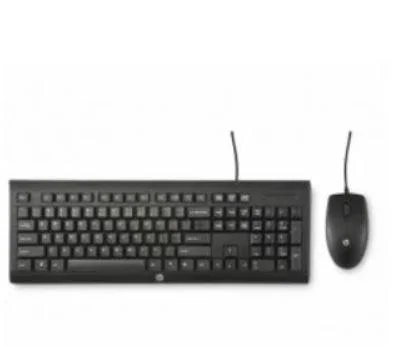
Keyboards and mice are essential input devices used to interact with computers and other digital systems. A keyboard allows users to input text and commands through a set of keys, while a mouse provides a tactile interface for navigating graphical user interfaces. Together, they form a critical part of the computing experience, facilitating efficient data entry, content creation, and overall user interaction.
In business applications, keyboards and mice are utilized in various environments, including offices, factories, and control rooms. They enable employees to perform tasks ranging from document editing to complex engineering simulations. The importance of these devices extends beyond simple user interaction; they enhance productivity, accuracy, and overall workflow efficiency. In the current market, the demand for high-performance keyboards and mice is growing, as businesses seek to improve operational effectiveness and employee satisfaction.
The relevance of keyboards and mice in various industries cannot be overstated. As digital transformation progresses, the need for reliable and ergonomic input devices becomes more pronounced. Companies are investing in advanced technology to ensure their workforce can operate effectively in an increasingly digital world. This trend highlights the importance of selecting the right keyboards and mice to meet specific business needs.
Key Features and Specifications
Keyboards and mice come with a variety of features and specifications that cater to different user requirements. Understanding these specifications is crucial for businesses looking to invest in these devices.
Key specifications include:
1. Key Switch Type
- Mechanical, membrane, or scissor switches
- Affects typing feel and durability
2. Connectivity
- Wired or wireless options
- Determines ease of use and mobility
3. DPI (Dots Per Inch)
- Sensitivity level of the mouse
- Common ranges include 400 to 4000 DPI for precision
4. Ergonomic Design
- Shape and layout for comfort
- Reduces strain during extended use
5. Backlighting
- LED lighting options for visibility
- Customizable colors and effects
6. Programmable Keys
- Custom key assignments for shortcuts
- Enhances productivity for specific tasks
7. Battery Life
- Duration of use for wireless devices
- Important for minimizing downtime
8. Compatibility
- Operating system support
- Ensures functionality across different platforms
In summary, selecting the right keyboards and mice involves evaluating these specifications to match business needs and user preferences.
Common Applications and Use Cases
Keyboards and mice serve various industries, providing tailored solutions to enhance productivity.
1. Information Technology: Used extensively for programming, software development, and system administration tasks, ensuring efficient code input and system navigation.
2. Finance: Essential for data entry, financial analysis, and trading, where speed and accuracy are crucial for decision-making.
3. Healthcare: Utilized in medical records management and patient data entry, enabling healthcare professionals to efficiently manage information.
4. Design and Creative Industries: Critical for graphic design, video editing, and other creative tasks, where precision and control are paramount.
5. Education: Facilitates learning and teaching, allowing students and educators to interact with digital resources and tools effectively.
6. Manufacturing: Employed in control systems and automation setups, where operators need precise input to monitor and manage processes.
7. Remote Work: Increasingly important in the era of remote working, providing essential tools for collaboration and communication.
Product Variants and Subcategories
Keyboards and mice are available in various configurations to meet diverse user needs.
Wireless Keyboards
These keyboards offer the convenience of wireless connectivity, reducing cable clutter and providing flexibility in positioning.
Gaming Mice
Designed for gamers, these mice feature advanced sensors, customizable buttons, and ergonomic designs to enhance gaming experiences.
Multimedia Keyboards
Equipped with dedicated media controls, these keyboards enable easy access to multimedia functions, making them ideal for entertainment and content creation.
Compact Keyboards
Space-saving designs that are perfect for smaller workspaces or mobile use, offering essential functionality without bulk.
Benefits and Advantages
Investing in quality keyboards and mice brings numerous advantages to businesses.
1. Enhanced Productivity: High-performance devices can significantly speed up tasks, leading to increased output and efficiency.
2. Comfort and Ergonomics: Ergonomic designs reduce physical strain, resulting in better employee well-being and fewer health-related issues.
3. Improved Accuracy: Precision devices minimize errors in input, which is critical in data-sensitive applications.
4. Customizability: Many modern keyboards and mice allow for customization, enabling users to tailor their devices to specific tasks or preferences.
5. Durability: Quality keyboards and mice are built to withstand heavy use, ultimately providing better value over time.
6. Better Connectivity: Advanced connectivity options ensure seamless integration with various devices, enhancing versatility.
Buying Guide for B2B Buyers
When sourcing keyboards and mice, businesses should consider several factors to ensure they make informed purchasing decisions.
1. Quality Assessment: Evaluate the build quality, materials used, and user reviews to ensure the devices meet performance expectations.
2. Supplier Verification: Vet potential suppliers by checking their credentials, reputation, and customer feedback to ensure reliability.
3. Pricing and MOQ: Understand the pricing structure and any minimum order quantities to align purchases with budget constraints.
4. Delivery and Lead Times: Assess logistics capabilities to determine how quickly suppliers can fulfill orders, which is crucial for project timelines.
5. Compliance Requirements: Ensure that the products meet relevant regulatory standards and industry certifications, which may vary by region.
Compliance and Certifications
In the manufacturing and distribution of keyboards and mice, adherence to quality standards is essential.
ISO 9001 is a widely recognized standard that ensures quality management principles are followed in production processes. This certification demonstrates a commitment to quality and customer satisfaction.
CE marking indicates compliance with European health, safety, and environmental protection standards. Products with this certification assure buyers that they meet essential requirements for sale in the European market.
Safety and testing requirements are critical to prevent product failures and ensure user safety. Manufacturers often perform extensive testing for durability, electrical safety, and usability.
Regional compliance considerations may apply depending on where the products are marketed. It is essential to be aware of specific regulations and certifications required in different regions to avoid potential legal issues.
Why Source Keyboards & Mice from Pepagora?
Pepagora provides a trusted platform for sourcing keyboards and mice, offering several key advantages for B2B buyers.
Verified Supplier Network: Pepagora ensures that all suppliers in its network are thoroughly vetted, which helps buyers find reliable partners for their procurement needs.
Streamlined RFQ Process: The platform simplifies the request for quotation process, allowing buyers to easily compare prices and specifications from multiple suppliers.
Trade Assurance and Support: With buyer protection protocols in place, Pepagora offers assurance that transactions are secure and that support is available for any issues that may arise.
Regional Coverage: Pepagora operates in key markets including India, the Gulf Cooperation Council, and Southeast Asia, providing extensive reach and options for businesses looking to source keyboards and mice efficiently.


 India


 India

 India


 India
Frequently Asked Questions
What are Keyboards & Mice?
Keyboards and mice are essential input devices used to interact with computers and other electronic devices. A keyboard allows users to input text and commands, while a mouse enables navigation and control of the on-screen cursor.
What are the different types of Keyboards & Mice?
There are various types of keyboards, including mechanical, membrane, and wireless models. Similarly, mice come in different forms, such as optical, laser, and trackball varieties, each designed for specific user preferences and functionalities.
How do I choose the right Keyboards & Mice?
Choosing the right keyboards and mice depends on factors such as ergonomics, usage type, and personal preferences. Consider aspects like key feel, connectivity options, and additional features like programmable buttons or backlighting.
What are the standard specifications for Keyboards & Mice?
Standard specifications for keyboards include key switch type, layout, and connectivity (wired or wireless). For mice, important specifications include DPI (dots per inch), sensor type, and button count, which influence performance and usability.
What is the price range for Keyboards & Mice?
The price range for keyboards and mice can vary significantly based on brand, features, and technology. Basic models may start around INR 500, while high-end gaming or ergonomic models can exceed INR 10,000.
What quality standards apply to Keyboards & Mice?
Keyboards and mice are often subject to quality standards such as ISO 9001, which ensures consistent quality management. Additionally, they may need to comply with safety standards for electronic devices to ensure user safety.
Where can I find Keyboards & Mice suppliers in India?
You can find keyboards and mice suppliers in India through B2B marketplaces like Pepagora, trade shows, and industry directories. It's advisable to research suppliers for their reputation and product offerings before making a purchase.
Can Keyboards & Mice be customized?
Yes, many suppliers offer customization options for keyboards and mice, including branding, color schemes, and specific features tailored to customer needs. Customization may involve additional costs and minimum order requirements.
What is the typical minimum order quantity for Keyboards & Mice?
The typical minimum order quantity (MOQ) for keyboards and mice can vary by supplier, but it generally ranges from 50 to 100 units. It is advisable to confirm the MOQ with the supplier before placing an order.
What is the typical lead time for Keyboards & Mice?
The typical lead time for keyboards and mice orders can range from 1 to 4 weeks, depending on factors such as supplier location, order size, and whether customization is required. Always check with the supplier for specific timelines.
Why Businesses Trust Pepagora
Thousands of companies trust Pepagora to source smarter and sell faster
Expand Your Sales Globally

Source Smarter,Grow Faster
