
 IN
Intumescent Sealants
1 products available
What are Intumescent Sealants?
Intumescent sealants are specialized materials designed to expand when exposed to heat. This expansion creates a barrier that helps prevent the spread of fire and smoke through gaps in construction elements such as walls, floors, and ceilings. These sealants are critical in maintaining the integrity of fire-rated assemblies and are an essential component in fire protection systems.
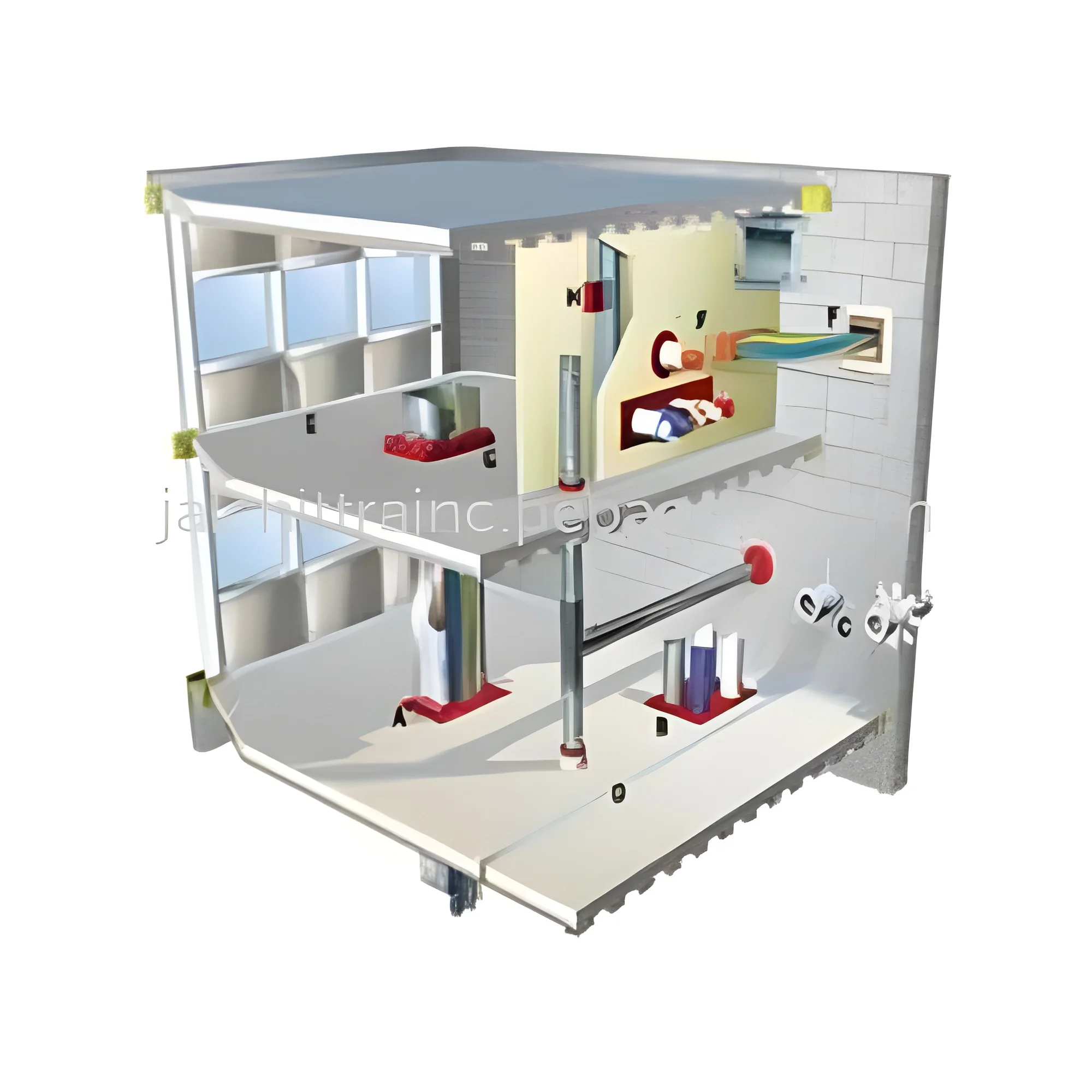
The primary applications of intumescent sealants include use in commercial and industrial buildings, residential properties, and infrastructure projects. They are commonly applied around electrical outlets, pipes, and joints where fire could penetrate. By effectively sealing these vulnerabilities, intumescent sealants contribute to life safety and property protection during fire incidents.
In the context of industry relevance, intumescent sealants play a significant role in meeting building codes and fire safety regulations. Their growing demand is driven by increasing awareness of fire safety standards, regulatory compliance, and the need for enhanced safety measures in construction.
Key Features and Specifications
Intumescent sealants offer various features that enhance their effectiveness in fire protection. Understanding these specifications is vital for selecting the right product for specific applications.
Key specifications include:
1. Expansion Rate
- This refers to the volume increase of the sealant when exposed to fire.
- Typical expansion rates can range from 5 to 20 times the original volume.
2. Temperature Resistance
- Intumescent sealants can withstand high temperatures before activation.
- Common temperature resistance ranges are from 200°C to 1000°C.
3. Adhesion Properties
- These sealants exhibit strong adhesion to various substrates, including concrete, metal, and wood.
- This ensures a reliable seal that remains intact during a fire.
4. Application Method
- Intumescent sealants can typically be applied using caulking guns or trowels.
- They can also be painted over after curing.
5. Curing Time
- The time it takes for the sealant to fully cure can vary from 24 hours to several days.
- Factors influencing cure time include humidity and temperature.
6. Fire Ratings
- Intumescent sealants are rated based on their performance in fire tests.
- Common ratings include up to 1, 2, or 3 hours of fire resistance.
7. Compliance Standards
- Many intumescent sealants meet international compliance standards, including CE certification.
- This is crucial for ensuring quality and safety.
In summary, selecting the right intumescent sealant requires understanding these key features and specifications to ensure optimal performance in fire protection.
Common Applications and Use Cases
Intumescent sealants are utilized across various industries to enhance fire safety and compliance.
1. Construction: In building construction, intumescent sealants are applied around penetrations in fire-rated walls and floors to prevent fire spread.
2. Electrical: In electrical installations, these sealants are used to seal gaps around cables and conduits, ensuring fire resistance in critical areas.
3. Oil and Gas: In oil and gas facilities, intumescent sealants protect vital infrastructure from fire hazards.
4. Transportation: In the transportation sector, these sealants are applied in tunnels and bridges to enhance the fire resistance of structural elements.
5. Manufacturing: In manufacturing plants, they are used to seal fire-rated partitions and equipment openings, maintaining fire safety standards.
6. Hospitality: In hotels and restaurants, intumescent sealants protect common areas and guest rooms from fire risks.
7. Healthcare: In healthcare facilities, these sealants ensure that fire safety regulations are met in patient care areas and service rooms.
Product Variants and Subcategories
Intumescent sealants come in various formulations to suit different applications and environments.
Water-Based Intumescent Sealants
These sealants offer ease of application and cleanup. They are ideal for indoor use and provide effective fire protection with low VOC emissions.
Solvent-Based Intumescent Sealants
These variants provide robust performance in harsh environments. They are suitable for outdoor applications and can withstand higher temperatures.
Acrylic Intumescent Sealants
These are flexible and paintable, making them suitable for use in aesthetic applications where appearance matters.
Silicone Intumescent Sealants
Silicone variants offer excellent adhesion and flexibility, making them ideal for moving joints and dynamic applications.
Benefits and Advantages
Using intumescent sealants provides numerous advantages that enhance fire safety and overall building performance.
1. Enhanced Fire Safety: Intumescent sealants significantly reduce the risk of fire spread, providing critical time for evacuation.
2. Compliance with Building Codes: Utilizing these sealants helps meet local and international fire safety regulations, ensuring legal compliance.
3. Versatility: They can be applied in various construction elements and materials, making them suitable for diverse applications.
4. Cost-Effectiveness: Investing in intumescent sealants can reduce potential fire damage costs and insurance premiums over time.
5. Ease of Application: Many variants are user-friendly, allowing for quick and efficient installation.
6. Long-Lasting Protection: Intumescent sealants maintain their effectiveness over time, providing ongoing fire protection as part of a building’s safety infrastructure.
Buying Guide for B2B Buyers
When sourcing intumescent sealants, several key factors should be considered to ensure quality and compliance.
1. Quality Assessment: Evaluate the quality of intumescent sealants based on certifications, test results, and manufacturer reputation. Look for products that meet relevant fire safety standards.
2. Supplier Verification: Vet potential suppliers by checking their history, customer reviews, and adherence to industry standards. A reliable supplier will provide consistent quality and support.
3. Pricing and MOQ: Consider the pricing structure and minimum order quantities. Balance the need for quality with budget constraints to achieve the best value.
4. Delivery and Lead Times: Assess the supplier's ability to meet delivery timelines and logistical requirements. Timeliness is crucial for project schedules.
5. Compliance Requirements: Ensure that the selected sealants comply with local fire safety regulations and international standards. This is essential for legal compliance and safety assurance.
Compliance and Certifications
Intumescent sealants are subject to various compliance and certification requirements that ensure their effectiveness and safety in fire protection.
Many intumescent sealants adhere to quality standards such as ISO 9001, which focuses on maintaining high levels of quality management. This certification is essential for ensuring consistent product quality.
Additionally, industry certifications like CE signify compliance with European safety standards, indicating that the product meets rigorous testing and performance criteria.
Safety and testing requirements include assessments for fire resistance, expansion properties, and adhesion characteristics. These tests validate the sealant's effectiveness in actual fire scenarios.
Regionally, compliance considerations may vary based on local building codes and safety regulations. It is vital for manufacturers and suppliers to stay updated on these requirements to ensure product legality and safety.
Why Source Intumescent Sealants from Pepagora?
Pepagora offers a trusted platform for sourcing intumescent sealants, providing several key advantages for B2B buyers.
Verified Supplier Network: Pepagora connects buyers with a network of verified suppliers who have been assessed for quality and reliability. This ensures that buyers receive high-quality products.
Streamlined RFQ Process: The platform simplifies the request for quotation (RFQ) process, allowing buyers to quickly compare offers from multiple suppliers, saving time and resources.
Trade Assurance and Support: Pepagora provides trade assurance measures that protect buyers' interests. This support includes dispute resolution and assurance of product quality.
Regional Coverage: With a strong presence in India, the GCC, and Southeast Asia, Pepagora offers geographic reach that facilitates sourcing from trusted suppliers across these regions. This ensures that buyers can access a wide range of products tailored to their specific needs.



Frequently Asked Questions
What are Intumescent Sealants?
Intumescent sealants are fire-resistant materials that expand when exposed to high temperatures. They are primarily used to seal gaps and openings in fire-rated walls, floors, and ceilings to prevent the spread of smoke and flames during a fire.
What are the different types of Intumescent Sealants?
There are several types of intumescent sealants, including acrylic-based, silicone-based, and hybrid formulations. Each type has specific properties and applications, such as flexibility, adhesion, and temperature resistance, catering to different fire safety requirements.
How do I choose the right Intumescent Sealants?
Choosing the right intumescent sealant involves considering factors such as the intended application, the materials being sealed, and fire resistance ratings. It is essential to consult with manufacturers or suppliers to ensure compliance with local building codes and fire safety regulations.
What are the standard specifications for Intumescent Sealants?
Standard specifications for intumescent sealants typically include fire resistance ratings, expansion characteristics, and adhesion properties. Additionally, they should meet relevant industry standards, such as those set by the National Fire Protection Association (NFPA) and Underwriters Laboratories (UL).
What is the price range for Intumescent Sealants?
The price range for intumescent sealants can vary widely based on factors such as type, brand, and quantity. Generally, prices can start from INR 200 per liter and can go up to INR 1500 or more for specialized formulations.
What quality standards apply to Intumescent Sealants?
Quality standards for intumescent sealants include compliance with fire safety regulations and certifications from recognized bodies such as ASTM and EN standards. These standards ensure that the sealants perform effectively in fire scenarios and provide the required protection.
Where can I find Intumescent Sealants suppliers in India?
You can find intumescent sealants suppliers in India through B2B marketplaces like Pepagora.com, industry trade shows, and directories. It's advisable to research and contact multiple suppliers to compare products and pricing.
Can Intumescent Sealants be customized?
Yes, many manufacturers offer customization options for intumescent sealants to meet specific project requirements. Customization can include variations in formulation, color, or packaging based on the needs of the client.
What is the typical minimum order quantity for Intumescent Sealants?
The typical minimum order quantity for intumescent sealants can vary by supplier, but it often ranges from 50 to 100 liters. It's important to check with individual suppliers for their specific MOQ requirements.
What is the typical lead time for Intumescent Sealants?
The typical lead time for intumescent sealants can range from a few days to several weeks, depending on the supplier and the order size. It's advisable to confirm lead times with suppliers before placing an order to ensure timely delivery.
Why Businesses Trust Pepagora
Thousands of companies trust Pepagora to source smarter and sell faster
Expand Your Sales Globally

Source Smarter,Grow Faster
