
 IN
Internal Storage Devices
13 products available
What are Internal Storage Devices?
Internal storage devices are essential components in computing systems, used to store data permanently or temporarily. These devices are installed within the computer or server chassis and come in various types, such as hard disk drives (HDDs), solid-state drives (SSDs), and hybrid drives. Their primary function is to hold operating systems, applications, and user data, making them critical for system performance and data accessibility.
In a business context, internal storage devices are utilized across multiple industries to manage and store significant amounts of information. This includes everything from sensitive financial records to large databases for customer relationship management. Companies rely on these devices to ensure quick access to data, enhance productivity, and maintain operational efficiency. The relevance of internal storage devices continues to grow, especially as data generation increases and the demand for storage solutions becomes more pronounced in sectors like finance, healthcare, and manufacturing.
Key Features and Specifications
Internal storage devices are designed with specific features and specifications that cater to various performance needs. These specifications help businesses determine the right product for their requirements.
Key specifications include:
1. Storage Capacity
- This specification indicates the total amount of data that can be stored.
- Typical ranges include 128GB to several terabytes.
2. Read/Write Speed
- This measures how quickly data can be read from or written to the device.
- SSDs generally offer faster speeds than traditional HDDs, with read speeds up to 5000 MB/s.
3. Form Factor
- This refers to the physical size and shape of the storage device.
- Common form factors include 2.5-inch and 3.5-inch drives for HDDs and M.2 or PCIe for SSDs.
4. Interface Type
- This specifies how the storage device connects to the computer.
- Popular interfaces include SATA, SAS, and NVMe.
5. Durability
- This aspect assesses the device's ability to withstand physical shocks and environmental factors.
- SSDs are generally more durable than HDDs due to the absence of moving parts.
6. Power Consumption
- This refers to the amount of power the device requires to operate.
- SSDs typically consume less power than HDDs, making them more energy-efficient.
7. Warranty Period
- This indicates the length of time the manufacturer guarantees the product against defects.
- Most internal storage devices come with warranties ranging from 3 to 5 years.
In summary, when selecting an internal storage device, it is crucial to consider these specifications to match the device's performance with business needs.
Common Applications and Use Cases
Internal storage devices find applications in various industries, each with unique requirements.
1. IT and Data Centers: Internal storage is essential for managing large volumes of data, enabling efficient data processing and retrieval.
2. Healthcare: Medical facilities utilize internal storage devices to store electronic health records, imaging data, and patient information securely.
3. Finance: Financial institutions require high-speed storage solutions to handle transactions, data analytics, and regulatory compliance securely.
4. Manufacturing: Internal storage is used in systems that monitor production processes and maintain inventory databases.
5. Retail: Retail businesses use internal storage to manage point-of-sale systems and customer data.
6. Education: Educational institutions rely on internal storage to support e-learning platforms and administrative data management.
7. Entertainment: The film and gaming industries use internal storage devices to store large media files and facilitate high-speed access for content delivery.
Product Variants and Subcategories
Internal storage devices come in various formats to meet different business needs.
HDDs (Hard Disk Drives)
HDDs are traditional storage devices that use spinning disks to read and write data. They offer high storage capacities at a lower cost, making them suitable for bulk data storage in enterprises.
SSDs (Solid State Drives)
SSDs use flash memory to store data, providing faster read and write speeds. They are ideal for applications requiring quick data access, such as operating systems and critical applications.
Hybrid Drives
Hybrid drives combine features of both HDDs and SSDs, offering a balance of speed and storage capacity. They are beneficial for businesses looking to enhance performance without significant investment.
Benefits and Advantages
Internal storage devices provide numerous benefits to businesses.
1. Speed: Internal storage devices, particularly SSDs, provide faster data access, leading to improved system performance.
2. Reliability: These devices have lower failure rates, especially SSDs, which enhances data integrity and reduces downtime.
3. Capacity: High-capacity options allow businesses to store vast amounts of data without frequent upgrades.
4. Energy Efficiency: Many modern internal storage devices are designed to consume less power, contributing to lower operational costs.
5. Security: Internal storage devices often include encryption features, safeguarding sensitive data from unauthorized access.
6. Scalability: Businesses can easily upgrade or expand their storage solutions as data needs grow.
Buying Guide for B2B Buyers
When sourcing internal storage devices, it is essential for buyers to consider several critical factors.
1. Quality Assessment: Evaluate the reliability and performance of storage devices based on manufacturer specifications and customer reviews. Look for products that meet industry standards.
2. Supplier Verification: Conduct thorough checks on suppliers to ensure they are reputable and provide quality products. This may include reviewing certifications and previous customer experiences.
3. Pricing and MOQ: Understand the pricing structure and minimum order quantities to ensure that the purchase aligns with budget constraints and business needs.
4. Delivery and Lead Times: Consider logistics, including how quickly the supplier can deliver the products and their ability to meet project timelines.
5. Compliance Requirements: Ensure that the internal storage devices comply with relevant industry regulations and standards to avoid potential legal issues.
Compliance and Certifications
Compliance and certifications play a vital role in the quality assurance of internal storage devices. Manufacturers often adhere to quality standards such as ISO 9001, which ensures consistent quality management systems. Additionally, industry certifications like CE indicate that products meet safety and environmental protection requirements.
Safety and testing requirements are crucial for ensuring that internal storage devices perform reliably under varying conditions. Vendors must also consider regional compliance, as different countries may have specific regulations regarding electronic devices. Understanding these compliance aspects helps businesses select reliable storage solutions that meet their operational needs.
Why Source Internal Storage Devices from Pepagora?
Pepagora is a trusted platform for sourcing internal storage devices, offering several advantages for businesses.
Verified Supplier Network: Pepagora ensures that all suppliers are thoroughly vetted, providing buyers with peace of mind regarding product quality and reliability.
Streamlined RFQ Process: The request for quotation (RFQ) process is simplified, allowing buyers to receive quotes from multiple suppliers quickly, facilitating better decision-making.
Trade Assurance and Support: Pepagora offers trade assurance, protecting buyers from potential risks associated with their purchases, while also providing dedicated support for any inquiries.
Regional Coverage: With a strong presence in India, the GCC region, and Southeast Asia, Pepagora connects businesses to a wide network of suppliers, ensuring access to a diverse range of internal storage solutions tailored to their needs.


 United Arab Emirates
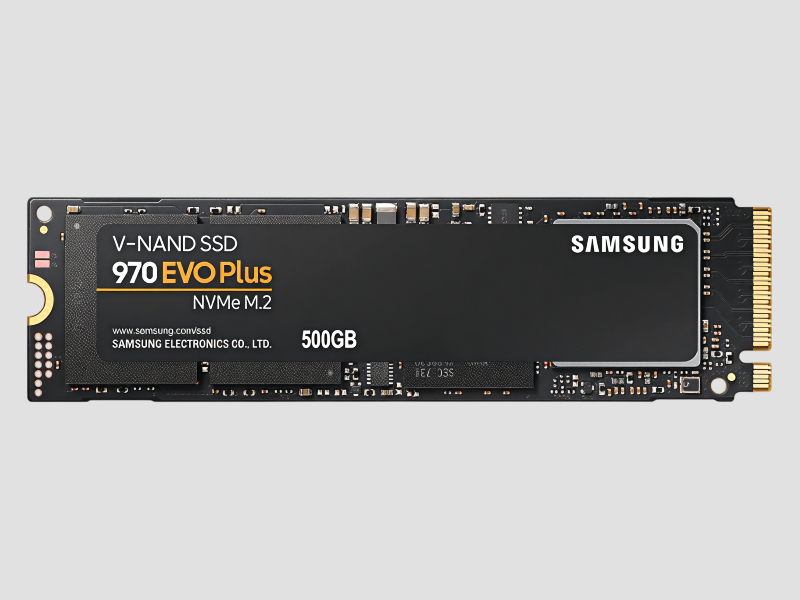
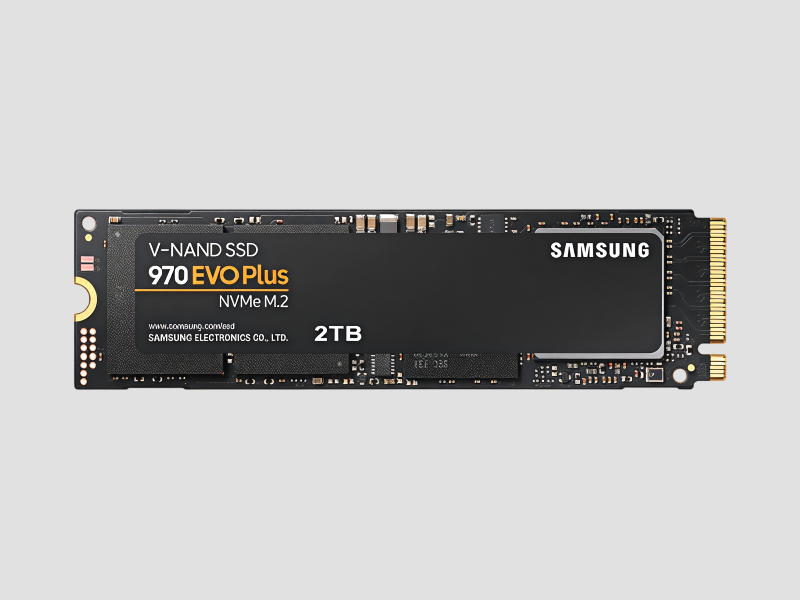
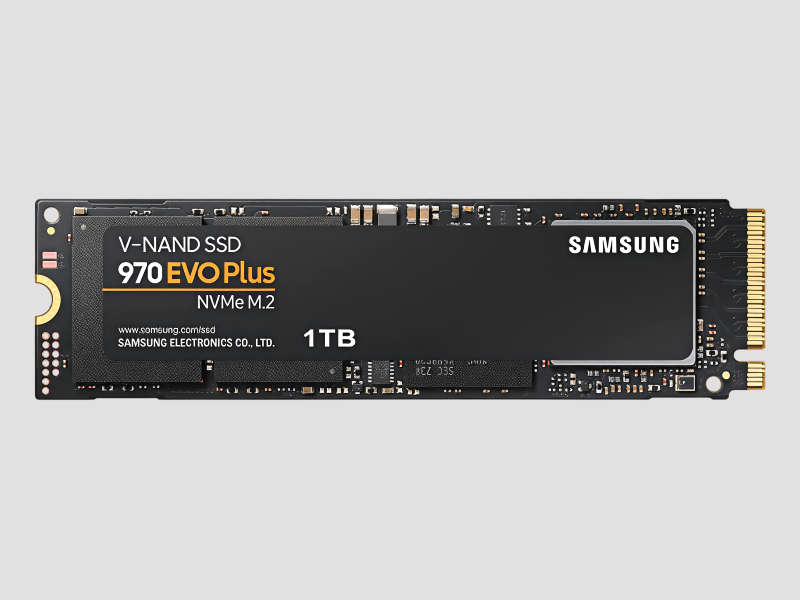
 India
 India

Frequently Asked Questions
What are Internal Storage Devices?
Internal Storage Devices are hardware components used in computers and other electronic devices to store data permanently. They include hard drives, solid-state drives, and hybrid drives, which are essential for the functioning of operating systems, applications, and personal files.
What are the different types of Internal Storage Devices?
The main types of Internal Storage Devices are Hard Disk Drives (HDDs), Solid State Drives (SSDs), and Hybrid Drives (SSHDs). HDDs use magnetic storage to read and write data, while SSDs use flash memory, providing faster data access speeds. Hybrid Drives combine features of both HDDs and SSDs.
How do I choose the right Internal Storage Devices?
To choose the right Internal Storage Device, consider factors such as storage capacity, speed, and budget. Assess your specific needs, like whether you prioritize speed (SSDs) or larger capacity at a lower cost (HDDs). Compatibility with your device's interface (SATA, NVMe) is also crucial.
What are the standard specifications for Internal Storage Devices?
Standard specifications for Internal Storage Devices include storage capacity (commonly ranging from 128GB to several terabytes), read/write speeds, form factor (2.5-inch, 3.5-inch for HDDs, or M.2 for SSDs), and interface type (SATA, PCIe). Additionally, durability and warranty period are important specifications to consider.
What is the price range for Internal Storage Devices?
The price range for Internal Storage Devices varies widely based on type and specifications. Generally, HDDs are less expensive, ranging from INR 2,000 to INR 10,000, while SSDs can range from INR 4,000 to INR 30,000 or more for high-capacity models. Prices may fluctuate based on market demand and technology advancements.
What quality standards apply to Internal Storage Devices?
Quality standards for Internal Storage Devices often include certifications like ISO 9001, which ensures consistent quality management systems. Additionally, manufacturers may comply with industry-specific standards such as RoHS for environmental safety and CE marking for compliance with European directives.
Where can I find Internal Storage Devices suppliers in India?
You can find Internal Storage Devices suppliers in India through B2B marketplaces, trade shows, and online directories. Websites like Pepagora.com provide a platform to connect with manufacturers and suppliers offering a variety of Internal Storage Devices suited to your needs.
Can Internal Storage Devices be customized?
Yes, Internal Storage Devices can be customized based on specific requirements such as storage capacity, speed, and form factor. Many manufacturers offer customization options to meet the unique needs of businesses or projects, but such services may come with minimum order quantities.
What is the typical minimum order quantity for Internal Storage Devices?
The typical minimum order quantity (MOQ) for Internal Storage Devices varies by supplier and product type. Generally, MOQs can range from 10 to 100 units, depending on the manufacturer and the level of customization required. It is advisable to check with individual suppliers for their specific MOQs.
What is the typical lead time for Internal Storage Devices?
The typical lead time for Internal Storage Devices can vary based on factors like supplier location, order size, and product availability. Generally, lead times can range from a few days to several weeks, especially for customized orders. It's important to discuss lead times with suppliers during the ordering process.
Why Businesses Trust Pepagora
Thousands of companies trust Pepagora to source smarter and sell faster
Expand Your Sales Globally

Source Smarter,Grow Faster
