What are Industrial Workstations?
Industrial workstations are specialized work surfaces designed to support various manufacturing, assembly, and production tasks. These workstations are built to endure rigorous industrial environments and provide ergonomic solutions for workers. They often include adjustable features and a range of accessories tailored to meet specific operational needs.
These workstations are primarily used in sectors such as manufacturing, warehousing, electronics assembly, and laboratories. Businesses utilize them to enhance productivity and improve workflow efficiency. The relevance of industrial workstations has grown in response to increasing automation and the need for organized work areas that facilitate complex tasks while ensuring worker safety and comfort. As industries evolve, the demand for customizable and versatile workstations continues to rise, driving innovation in design and functionality.
Key Features and Specifications
Industrial workstations come with a variety of key features designed to optimize performance and user experience. These features cater to different industry needs, ensuring that each workstation supports specific tasks effectively.
Key specifications include:
1. Ergonomic Design
- Adjustable height to accommodate various user preferences
- Designed to reduce strain and promote comfort during long working hours
2. Durable Materials
- Constructed using high-quality steel or composite materials
- Resistant to corrosion, impact, and heavy loads
3. Customizable Configurations
- Options for modular designs to adapt to changing workflows
- Ability to add accessories like shelves, drawers, and tool racks
4. Load Capacity
- Typically supports weights ranging from 300 to 1500 pounds
- Suitable for heavy machinery or tools
5. Surface Finish
- Available in different finishes such as laminate, stainless steel, or powder-coated
- Easy to clean and maintain
6. Integrated Power Supply
- Features power strips or outlets for tools and devices
- Helps keep work areas organized and efficient
7. Mobility Options
- Some workstations come with wheels for easy relocation
- Ideal for dynamic work environments
8. Compliance with Safety Standards
- Meets industry-specific safety regulations
- Ensures a secure working environment
In summary, industrial workstations are versatile solutions that combine ergonomic design with durability and customization, making them essential for modern industrial applications.
Common Applications and Use Cases
Industrial workstations serve a wide range of industries, each benefiting from tailored designs and features.
1. Manufacturing: In this sector, workstations are essential for assembly lines, providing workers with the tools and materials needed for efficient production.
2. Warehousing: Workstations are used for packing and sorting products, enhancing organization and facilitating quick shipping processes.
3. Electronics Assembly: These workstations often feature anti-static surfaces and integrated power supplies, ideal for assembling sensitive electronic components.
4. Laboratory Settings: In labs, workstations are designed for experiments and research, offering features like chemical-resistant surfaces and adjustable heights.
5. Automotive Industry: Workstations support tasks such as repair and assembly, equipped with tools and storage solutions specific to automotive needs.
6. Aerospace: In aerospace manufacturing, workstations facilitate precision assembly and inspection, adhering to strict safety and quality standards.
7. Healthcare: Workstations in healthcare settings are designed for efficiency and cleanliness, often used for medical equipment assembly and maintenance.
Product Variants and Subcategories
Industrial workstations come in various configurations to meet diverse operational needs.
Modular Workstations
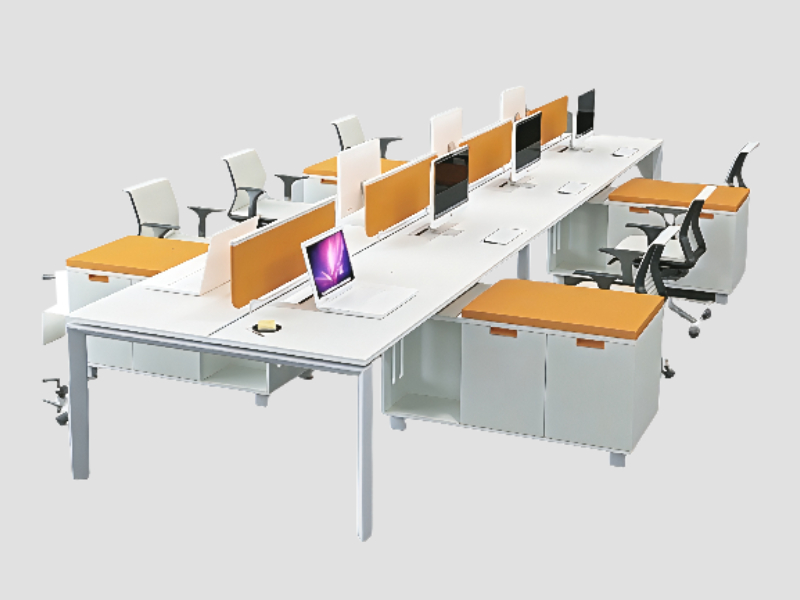
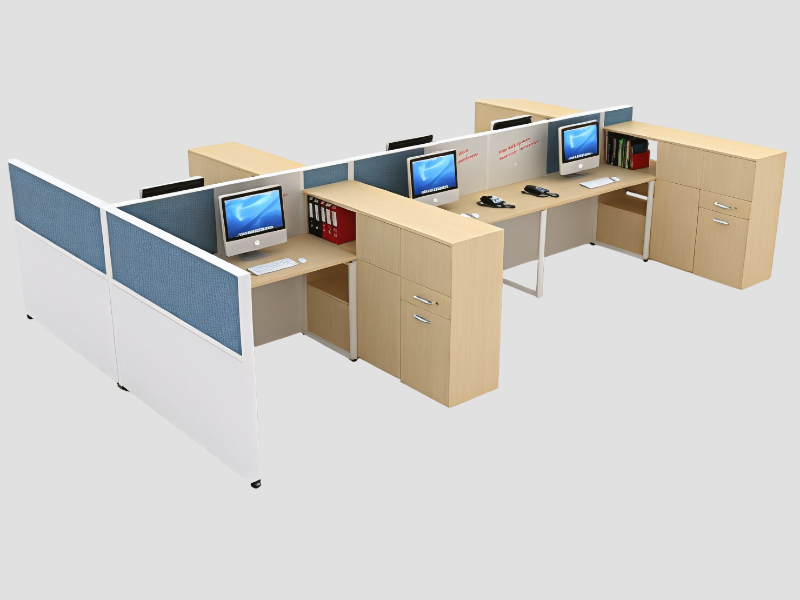
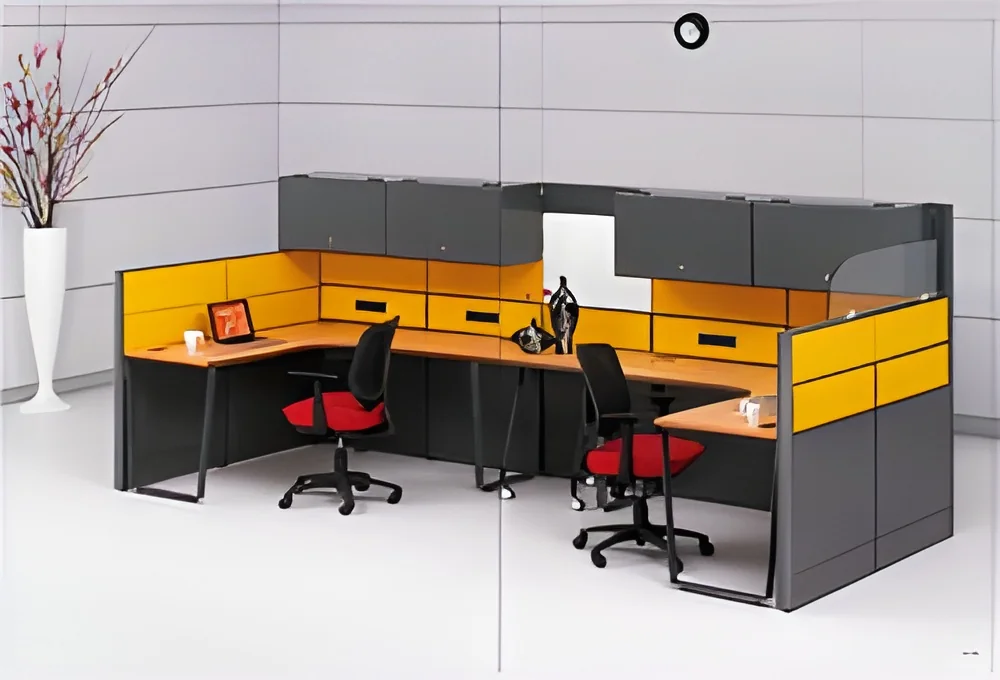
These are customizable units that can be adjusted to fit different tasks and spaces. They often include interchangeable components and accessories for enhanced flexibility.
Heavy-Duty Workstations
Designed to handle substantial weight and demanding conditions, these workstations are constructed with reinforced materials and additional support features for safety.
Mobile Workstations
Equipped with wheels, these workstations offer the advantage of mobility, allowing users to move them as needed around the workspace.
Ergonomic Workstations
Focused on user comfort, these workstations include adjustable height features and designs that promote proper posture during work.
Benefits and Advantages
Choosing industrial workstations provides numerous advantages for businesses.
1. Enhanced Productivity: Workstations are designed to optimize workflow, reducing task completion times and increasing overall efficiency.
2. Improved Ergonomics: By offering adjustable designs, these workstations help reduce worker fatigue and the risk of injury, promoting a healthier workplace.
3. Customization Options: Businesses can tailor workstations to fit their specific needs, enhancing functionality and user satisfaction.
4. Durability and Longevity: Constructed from high-quality materials, industrial workstations are built to withstand tough environments, ensuring a long lifespan.
5. Space Optimization: Many workstations are designed to maximize workspace efficiency, allowing for organized tool and material storage.
6. Compliance with Safety Standards: Workstations that meet safety regulations help ensure a secure working environment, reducing the risk of accidents.
Buying Guide for B2B Buyers
When sourcing industrial workstations, several factors must be considered to make informed purchasing decisions.
1. Quality Assessment: Evaluate the materials and construction of workstations to ensure they meet industry standards. Look for durability and reliability to withstand daily use.
2. Supplier Verification: Vet potential suppliers for their reputation, experience, and customer reviews. A reliable supplier is crucial for ongoing support and service.
3. Pricing and MOQ: Understand the pricing structure and minimum order quantities. Compare costs to ensure you receive value for your investment.
4. Delivery and Lead Times: Check the supplier’s delivery capabilities and lead times to ensure timely acquisition of workstations for operational needs.
5. Compliance Requirements: Ensure that the workstations meet relevant regulatory and safety standards, which can vary by industry and region.
Compliance and Certifications
Industrial workstations are subject to various compliance and certification requirements that ensure safety and quality.
Relevant quality standards include ISO 9001, which focuses on quality management systems. Compliance with such standards guarantees that workstations are manufactured to meet consistent quality levels.
Industry certifications, such as CE marking, indicate that the products comply with European safety standards. This certification is crucial for businesses operating within regulated markets.
Safety and testing requirements may include assessments for weight capacity, stability, and material safety, ensuring that workstations can handle the demands of their intended use.
Regional compliance considerations are essential, as different regions may have specific regulations that must be adhered to. Businesses must ensure that their workstations meet these local standards to avoid legal and operational issues.
Why Source Industrial Workstations from Pepagora?
Pepagora provides a trusted platform for sourcing industrial workstations, offering distinct advantages for businesses.
Verified Supplier Network: Pepagora connects buyers with a network of verified suppliers, ensuring that you can access reliable and high-quality products. This network is designed to facilitate trust and transparency in sourcing.
Streamlined RFQ Process: The request for quotation system at Pepagora simplifies the process of obtaining quotes from multiple suppliers. This efficiency allows buyers to compare options and make informed decisions quickly.
Trade Assurance and Support: Pepagora offers buyer protection through trade assurance, giving businesses peace of mind when purchasing industrial workstations. This support ensures that buyers can confidently invest in their operational needs.
Regional Coverage: With a focus on markets in India, the GCC, and Southeast Asia, Pepagora provides extensive geographic reach. This coverage allows businesses to source workstations that meet their local requirements while benefiting from competitive pricing and quality assurance.

 IN
IN

 India
India