
 IN
Industrial & Safety Uniform Stitching
21 products available
What are Industrial & Safety Uniform Stitching?
Industrial and safety uniform stitching refers to the specialized sewing techniques and materials used to create uniforms designed for various industries, particularly those that prioritize safety and durability. These uniforms are crafted to meet the specific needs of workers in challenging environments, ensuring not only comfort but also protection against potential hazards. The stitching process involves using high-quality fabrics and robust threads to ensure that the uniforms withstand wear and tear while providing a professional appearance.
The primary uses of industrial and safety uniform stitching can be found across sectors such as construction, manufacturing, healthcare, and logistics. In these fields, uniforms serve not only as a means of identification but also as protective gear. They are designed to comply with safety regulations, ensuring that employees are adequately protected from physical, chemical, and environmental risks. As the demand for workplace safety continues to grow, the relevance of industrial and safety uniform stitching becomes increasingly critical, reflecting market trends that prioritize worker safety and compliance with industry standards.
Key Features and Specifications
Industrial and safety uniform stitching is characterized by several important features and specifications that ensure the effectiveness and reliability of the uniforms produced. These specifications are essential for businesses looking to source high-quality uniforms that meet their operational needs.
Key specifications include:
1. Fabric Quality
- Ensures durability and comfort
- Often includes cotton blends, polyester, or specialized safety fabrics
2. Stitching Technique
- Reinforced stitching for enhanced durability
- Techniques such as double stitching or bar tacking for critical areas
3. Safety Compliance
- Adheres to relevant safety standards
- Ensures protection against specific industry hazards
4. Fit and Comfort
- Tailored designs for ease of movement
- Adjustable features for a customizable fit
5. Customization Options
- Ability to add logos or branding
- Variety of color options to match company branding
6. Size Range
- Available in a wide range of sizes to accommodate all employees
- Inclusive fit for diverse body types
7. Maintenance and Care
- Fabrics designed for easy cleaning and maintenance
- Stain-resistant properties for better longevity
8. Breathability
- Materials that allow for air circulation
- Moisture-wicking capabilities to keep workers comfortable
In summary, understanding these key features and specifications is essential for businesses looking to invest in industrial and safety uniforms that provide both functionality and compliance.
Common Applications and Use Cases
Industrial and safety uniform stitching serves a variety of industries, each with its unique requirements for worker safety and comfort.
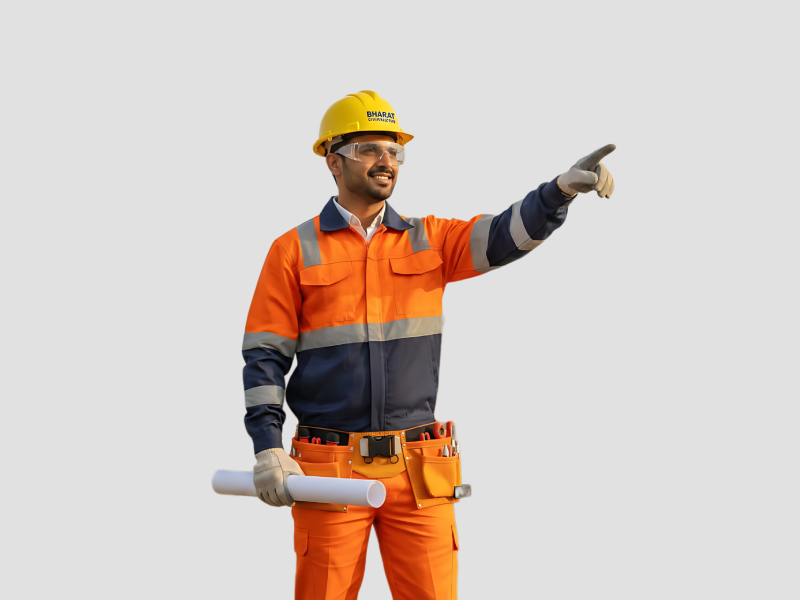
1. Construction: In this industry, uniforms are designed to protect workers from falling debris, sharp objects, and extreme weather conditions. High-visibility materials are often used to enhance safety on job sites.
2. Manufacturing: Uniforms in manufacturing environments are designed for durability and resistance to wear. They may include features such as flame-resistant fabrics for workers in hazardous settings.
3. Healthcare: In healthcare settings, uniforms must meet strict hygiene standards. Materials used are often easy to clean, and designs facilitate ease of movement for medical professionals.
4. Logistics: Workers in the logistics sector benefit from uniforms that offer both comfort and functionality. Features such as pockets for tools and equipment are common.
5. Food Processing: In food processing environments, uniforms must adhere to hygiene and safety regulations. This often includes the use of materials that are resistant to stains and easy to sanitize.
6. Hospitality: Uniforms for the hospitality industry focus on presentation and comfort. Stitching must accommodate a professional appearance while allowing for ease of movement.
7. Oil and Gas: Workers in this industry require uniforms that provide protection against chemical exposure and extreme conditions. Fabrics used are often specialized for safety compliance.
Product Variants and Subcategories
The diversity of industrial and safety uniform stitching allows for various product variants tailored to specific industry needs.
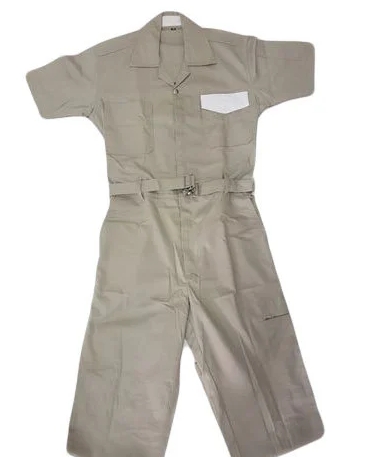
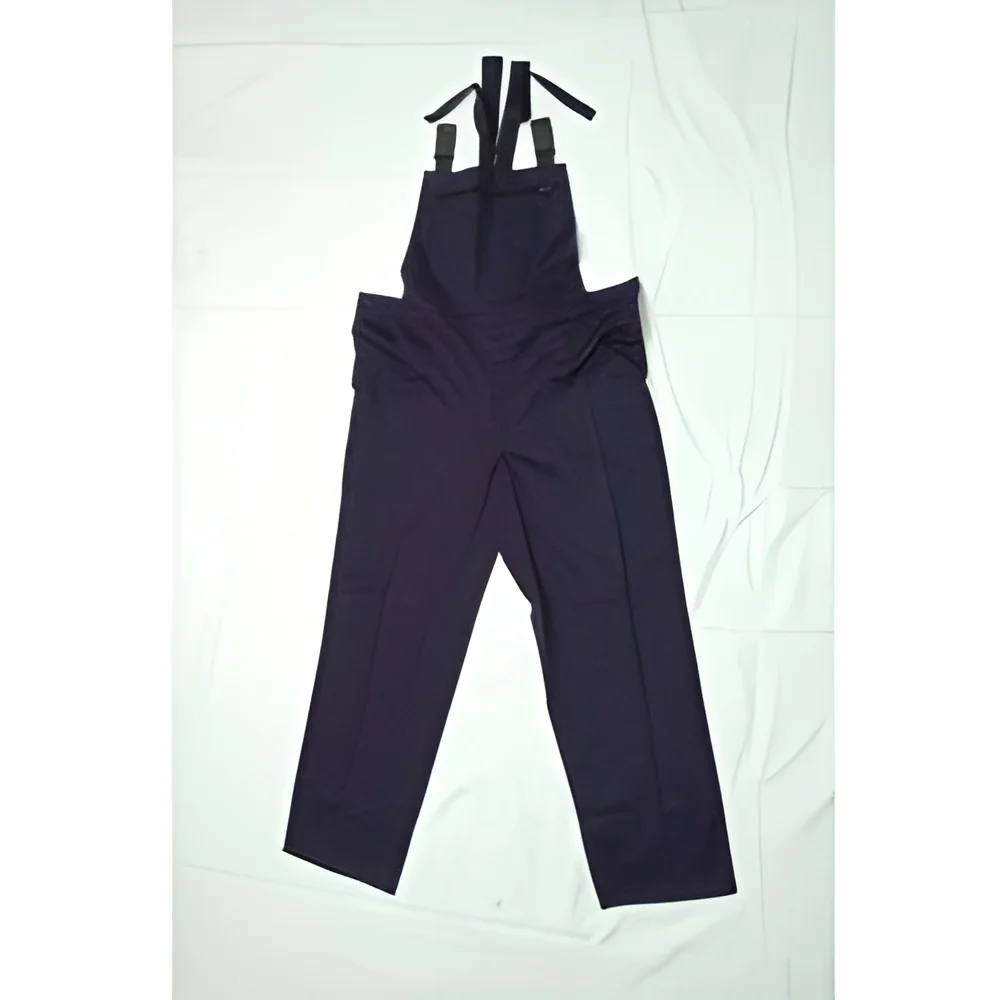
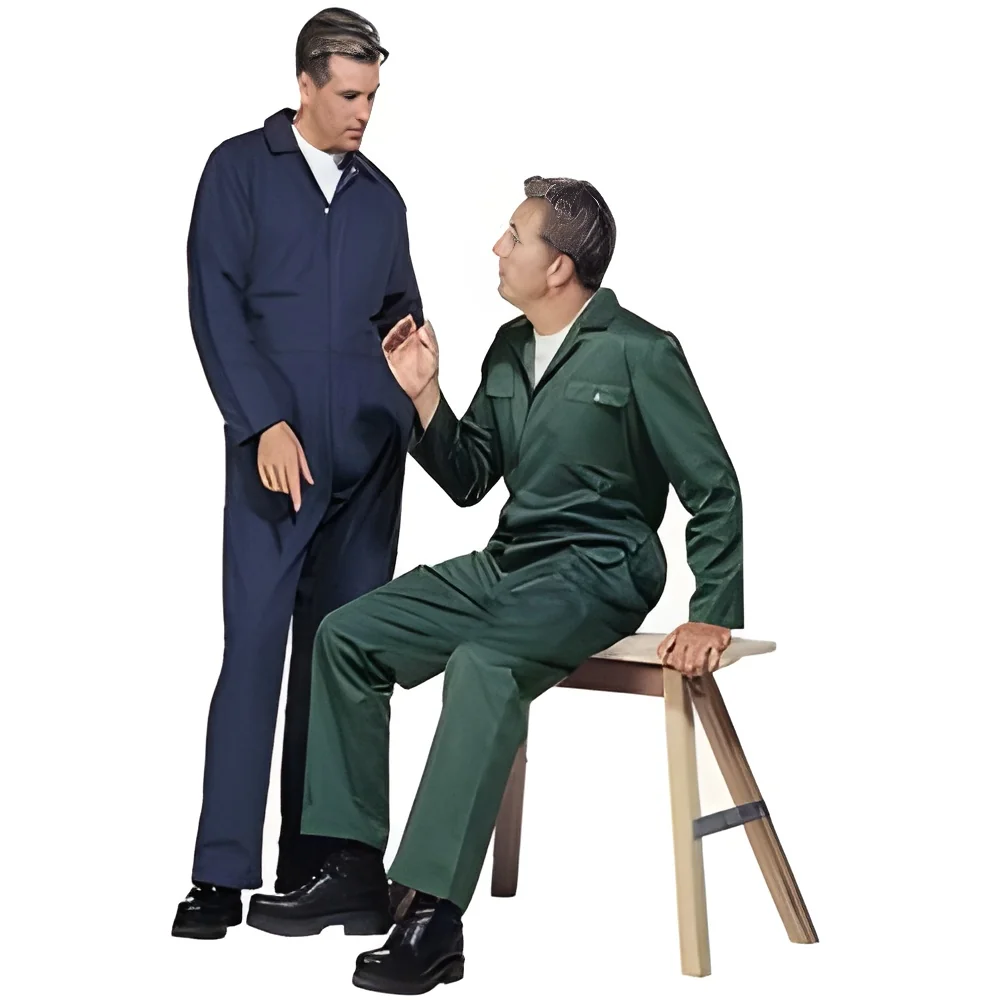
Safety Coveralls: These one-piece uniforms are designed to provide full-body protection. They often feature reinforced stitching and are made from flame-resistant materials, making them suitable for hazardous environments.
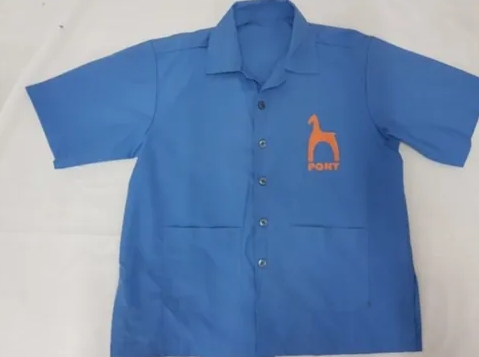
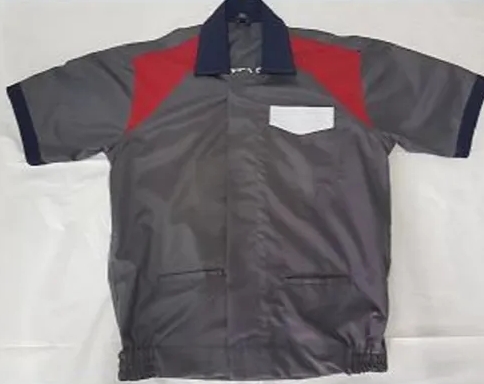
Work Shirts: These shirts are designed for comfort and durability, often featuring reinforced seams and pockets for tools. They can be customized with company logos for branding.
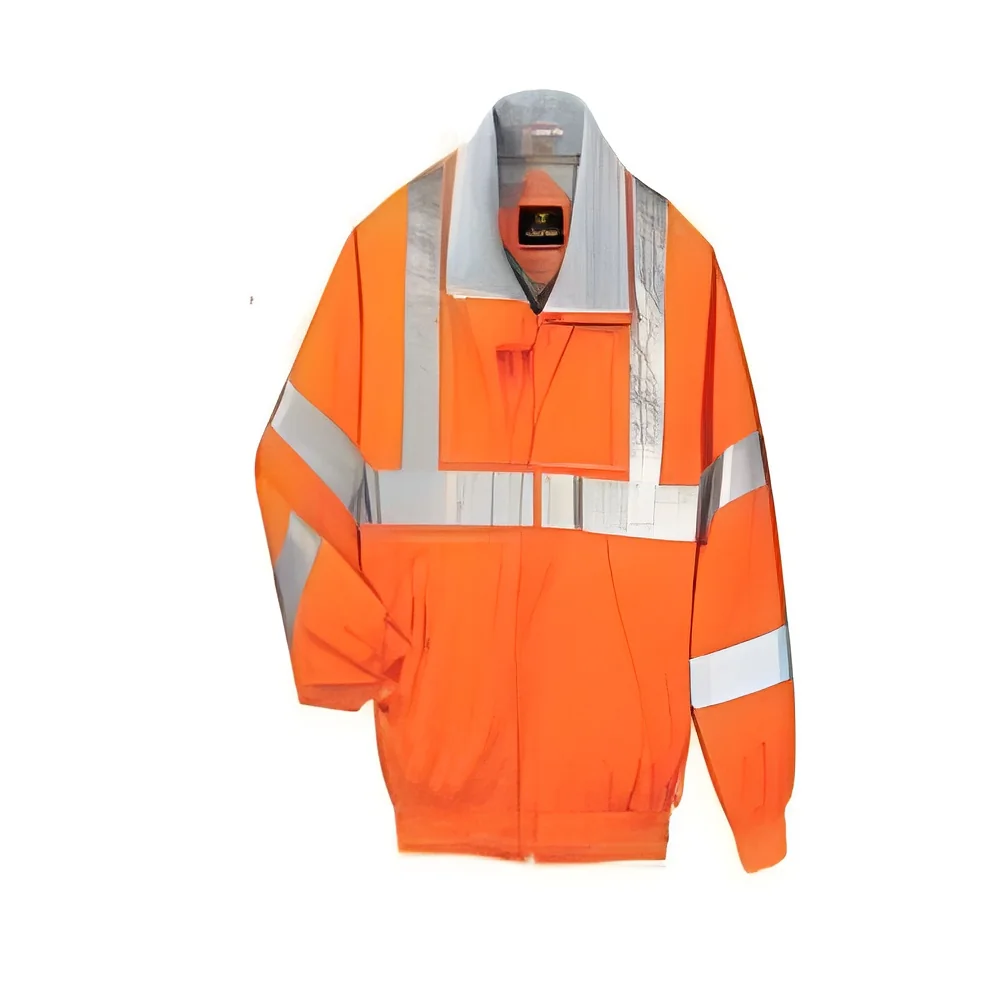
High-Visibility Vests: Essential for workers in construction and logistics, these vests are made from bright materials to increase visibility. They are often lightweight and breathable.
Safety Pants: Designed to provide protection while allowing for ease of movement, these pants may feature reinforced knees and pockets for tools.
Jackets: Safety jackets are designed for outdoor work environments, often including features such as waterproof materials and insulation for cold weather.
Benefits and Advantages
Investing in industrial and safety uniform stitching offers several advantages to businesses.
1. Enhanced Safety: High-quality uniforms protect workers from various hazards, reducing the risk of accidents and injuries in the workplace.
2. Improved Employee Morale: Wearing professional uniforms can boost employee confidence and morale, fostering a sense of team spirit and belonging.
3. Compliance Assurance: Sourcing uniforms that meet industry safety standards helps businesses comply with regulations, minimizing liabilities.
4. Brand Representation: Customized uniforms featuring company logos enhance brand visibility and promote a professional image.
5. Durability and Cost-Effectiveness: Investing in well-stitched uniforms reduces the need for frequent replacements, offering long-term cost savings.
6. Comfort and Functionality: Properly designed uniforms ensure that employees can perform their tasks effectively without being hindered by their clothing.
Buying Guide for B2B Buyers
When sourcing industrial and safety uniform stitching, businesses should consider several key factors to ensure they make informed purchasing decisions.
1. Quality Assessment: Evaluate the quality of the fabrics and stitching techniques used. Look for uniforms that are durable, comfortable, and meet safety standards.
2. Supplier Verification: Conduct thorough research to verify suppliers’ credentials and track records. Check for customer reviews and industry reputation.
3. Pricing and MOQ: Understand the pricing structure and minimum order quantities. Compare quotes from different suppliers to ensure competitive pricing.
4. Delivery and Lead Times: Consider logistics and inquire about delivery times. Ensure that suppliers can meet your timelines for orders.
5. Compliance Requirements: Familiarize yourself with relevant regulatory standards in your industry. Ensure that the uniforms sourced comply with these requirements.
Compliance and Certifications
Industrial and safety uniform stitching must adhere to various compliance standards to ensure safety and quality.
Relevant quality standards include ISO 9001, which focuses on effective quality management systems, ensuring that products meet customer and regulatory requirements. HACCP (Hazard Analysis Critical Control Point) is crucial for industries dealing with food safety, while GDP (Good Distribution Practices) ensures that products are consistently stored, transported, and handled according to quality standards.
Industry certifications, such as CE marking, indicate that the products meet European safety standards. This is particularly important for uniforms used in environments where safety is paramount.
Safety and testing requirements vary by industry. For example, uniforms used in construction may need to undergo rigorous testing for flame resistance or chemical exposure. Additionally, regional compliance considerations may differ, making it essential for businesses to be aware of local regulations governing worker safety.
Why Source Industrial & Safety Uniform Stitching from Pepagora?
Pepagora offers a trusted platform for sourcing industrial and safety uniform stitching, providing several key advantages that set it apart from competitors.
Verified Supplier Network: Pepagora has a comprehensive verification process for suppliers, ensuring that businesses can confidently source high-quality uniforms from reputable manufacturers.
Streamlined RFQ Process: The platform facilitates a streamlined request for quotation (RFQ) process, making it easier for buyers to obtain competitive pricing and detailed product information.
Trade Assurance and Support: Buyers benefit from trade assurance policies that protect their investments, ensuring that they receive the quality products promised by suppliers.
Regional Coverage: Pepagora has a wide geographic reach, serving markets in India, the Gulf Cooperation Council (GCC), and Southeast Asia. This extensive network allows businesses to access a diverse range of suppliers and products tailored to their specific needs.

 India
 India
 India
 India
 India
 India
 India
 India

 India

Frequently Asked Questions
What are Industrial & Safety Uniform Stitching?
Industrial & Safety Uniform Stitching refers to the process of tailoring uniforms specifically designed for various industrial sectors and safety applications. These uniforms are crafted to meet the functional requirements of the job while ensuring the safety and comfort of the wearer.
What are the different types of Industrial & Safety Uniform Stitching?
The different types of Industrial & Safety Uniform Stitching include workwear, protective clothing, high-visibility uniforms, and specialized gear for specific industries such as construction, manufacturing, and healthcare. Each type is designed with unique features to suit the particular needs of the work environment.
How do I choose the right Industrial & Safety Uniform Stitching?
To choose the right Industrial & Safety Uniform Stitching, consider the specific requirements of your industry, including safety standards, comfort, and durability. Additionally, evaluate the fabric types, design features, and sizes available to ensure they align with the needs of your workforce.
What are the standard specifications for Industrial & Safety Uniform Stitching?
Standard specifications for Industrial & Safety Uniform Stitching typically include material composition, flame resistance, breathability, and ergonomic design. Uniforms may also need to comply with industry-specific safety regulations and certifications.
What is the price range for Industrial & Safety Uniform Stitching?
The price range for Industrial & Safety Uniform Stitching can vary significantly based on factors such as material quality, customization options, and order volume. Generally, prices can start from a few hundred rupees to several thousand per uniform.
What quality standards apply to Industrial & Safety Uniform Stitching?
Quality standards for Industrial & Safety Uniform Stitching often include compliance with ISO certifications, safety standards set by regulatory bodies, and industry-specific guidelines. Adherence to these standards ensures that the uniforms provide adequate protection and durability.
Where can I find Industrial & Safety Uniform Stitching suppliers in India?
You can find Industrial & Safety Uniform Stitching suppliers in India through various online marketplaces, trade directories, and industry trade shows. Additionally, local manufacturers and wholesalers may also provide these products.
Can Industrial & Safety Uniform Stitching be customized?
Yes, Industrial & Safety Uniform Stitching can often be customized to meet specific requirements, such as branding, color schemes, and unique design features. It is advisable to discuss customization options with suppliers to ensure your needs are met.
What is the typical minimum order quantity for Industrial & Safety Uniform Stitching?
The typical minimum order quantity (MOQ) for Industrial & Safety Uniform Stitching can vary by supplier but often ranges from 50 to 100 pieces. It's important to confirm MOQs with suppliers before placing an order.
What is the typical lead time for Industrial & Safety Uniform Stitching?
The typical lead time for Industrial & Safety Uniform Stitching can range from 2 to 6 weeks, depending on factors such as order size, customization requirements, and supplier capabilities. It's advisable to check with suppliers for specific timelines.
Why Businesses Trust Pepagora
Thousands of companies trust Pepagora to source smarter and sell faster
Expand Your Sales Globally

Source Smarter,Grow Faster
