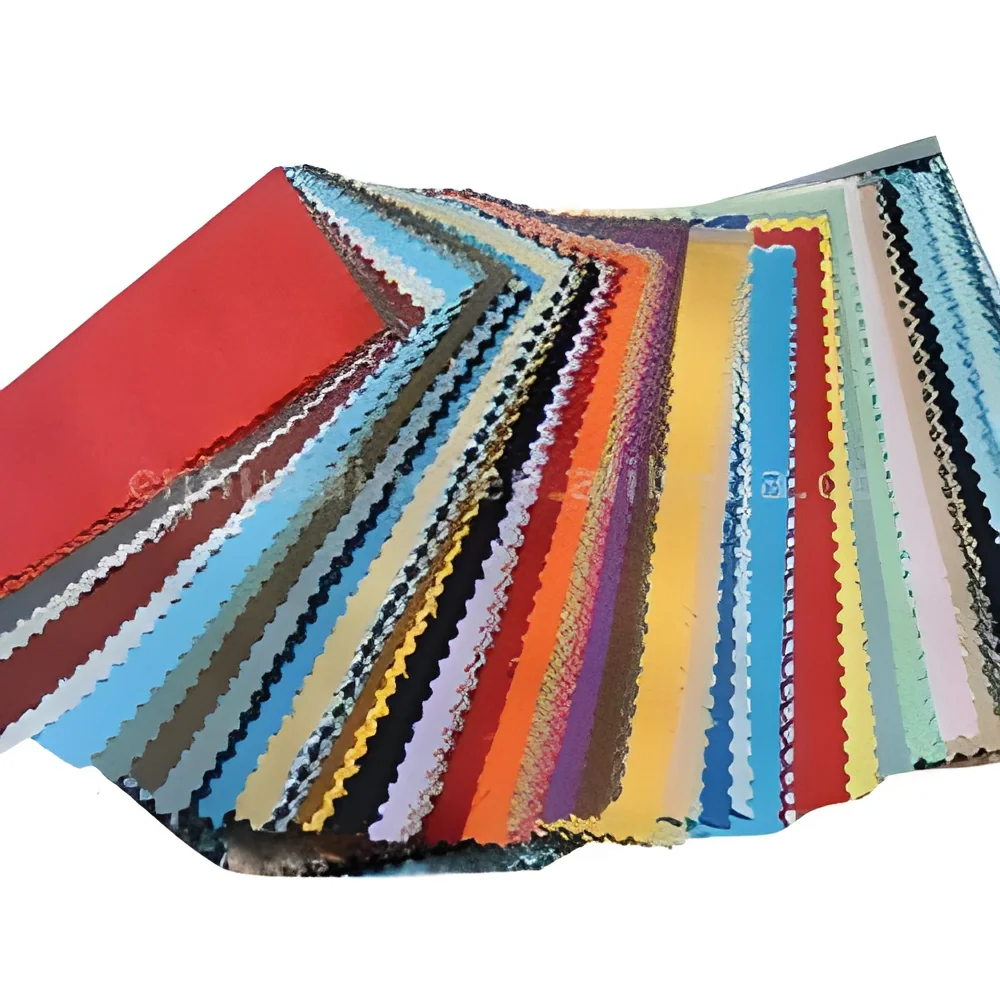
What are Women's Dress Tailoring?
Women's dress tailoring refers to the specialized craft of designing and creating dresses specifically for women. This process involves selecting fabrics, patterns, and styles that complement the female form, ensuring a fit that is both flattering and comfortable. Tailoring can range from simple alterations to intricate designs, utilizing techniques that enhance the garment's overall aesthetic and functionality.
The primary use of women's dress tailoring is in the fashion industry, where custom garments are created for various occasions such as business meetings, formal events, and casual outings. Tailors work closely with clients to understand their preferences, providing personalized services that result in unique, high-quality dresses. This sector is significant in the retail market, as tailored dresses often command higher prices due to their bespoke nature and superior fit.
In the current market context, women’s dress tailoring is increasingly relevant as consumers seek individualized clothing options. The rise of online tailoring services and customization platforms highlights a shift towards personalized fashion. As sustainability becomes a priority, tailored garments often use high-quality materials, reducing waste associated with mass production, making this industry a vital player in the fashion landscape.
Key Features and Specifications
Women's dress tailoring encompasses various features and specifications that are crucial for achieving desirable outcomes. These specifications ensure that each garment meets the highest standards of quality and fit.
Key specifications include:
1. Fabric Selection
- Tailors use a range of fabrics such as cotton, silk, and polyester, each chosen for its drape, durability, and comfort.
2. Pattern Making
- Tailors create patterns based on individual measurements, ensuring a precise fit that complements the wearer's body shape.
3. Stitching Techniques
- Various stitching methods are employed, including French seams and double stitching, which enhance durability and aesthetics.
4. Fit Customization
- Tailored dresses can be adjusted for different body types, including options for petite, tall, and plus sizes.
5. Design Elements
- Custom design features like darts, pleats, and linings are incorporated based on client preferences.
6. Alteration Services
- Tailoring includes alterations to existing garments, ensuring they fit perfectly according to the client's specifications.
7. Quality Control
- Rigorous quality checks are performed at multiple stages of the tailoring process to ensure the final product meets industry standards.
8. Delivery Options
- Tailors often provide flexible delivery options, including expedited services for urgent requests.
In summary, women's dress tailoring is characterized by its attention to detail and adherence to specific standards, ensuring high-quality garments that cater to individual needs.
Common Applications and Use Cases
Women's dress tailoring is applicable across a multitude of industries.
1. Fashion Retail: Many boutiques and designers offer tailored dresses to provide customers with unique, fashionable options that stand out in the market.
2. Bridal Industry: Custom tailoring is essential for wedding dresses, allowing brides to achieve their desired look and fit for their special day.
3. Corporate Sector: Tailored dresses are popular in the corporate world, providing professional attire that enhances the wearer's confidence and image.
4. Event Planning: Tailors often collaborate with event planners to create themed outfits for special occasions, ensuring a cohesive look for participants.
5. Theater and Film: Costume designers utilize tailored dresses to create specific character looks, ensuring authenticity and attention to detail.
6. Personal Styling: Personal stylists often recommend tailored dresses to clients seeking a polished and individualized wardrobe.
7. E-commerce: Online tailoring services cater to a global audience, offering customized dresses that can be ordered from the comfort of home.
Product Variants and Subcategories
The product diversity in women's dress tailoring allows for numerous options to meet varying consumer needs.
Custom Dresses
This variant includes bespoke dresses made to individual specifications, featuring unique designs and personalized fittings.
Formal Attire
Tailors create elegant formal dresses suitable for events such as galas, weddings, and corporate functions, often using luxurious fabrics.
Casual Wear
Tailored casual dresses are designed for everyday wear, focusing on comfort while maintaining a stylish appearance.
Seasonal Collections
Tailors often produce seasonal collections that reflect current fashion trends, ensuring that clients have access to the latest styles.
Benefits and Advantages
Women's dress tailoring offers numerous benefits that appeal to both consumers and businesses.
Key benefits include:
1. Personalized Fit: Tailored dresses are designed to fit the individual perfectly, enhancing comfort and confidence.
2. Unique Designs: Custom tailoring allows for creative expression, resulting in one-of-a-kind garments that reflect personal style.
3. High-Quality Materials: Tailors often use superior fabrics and craftsmanship, leading to durable and long-lasting clothing.
4. Enhanced Professional Image: Well-tailored dresses contribute to a polished and professional appearance, particularly in business settings.
5. Sustainability: Tailoring promotes a more sustainable approach to fashion by reducing waste associated with mass-produced clothing.
6. Flexibility: Tailoring services can accommodate various styles and preferences, providing clients with a wide range of options.
Buying Guide for B2B Buyers
When sourcing women's dress tailoring, it is essential for B2B buyers to consider various factors to ensure quality and satisfaction.
1. Quality Assessment: Buyers should evaluate the craftsmanship and materials used in the tailoring process. This may involve reviewing samples or previous work.
2. Supplier Verification: It is vital to vet suppliers thoroughly, checking references and certifications to ensure reliability and quality.
3. Pricing and MOQ: Understanding the pricing structure and minimum order quantities is crucial for budgeting and inventory management.
4. Delivery and Lead Times: Buyers should clarify delivery schedules and lead times to ensure timely receipt of products.
5. Compliance Requirements: Familiarity with relevant regulatory standards and compliance requirements is necessary to avoid potential legal issues.
Compliance and Certifications
Women's dress tailoring must adhere to various quality standards and certifications to ensure safety and excellence.
ISO 9001 is a widely recognized standard that outlines quality management systems, ensuring that tailors maintain high levels of quality control in their processes.
CE certification may also be applicable in certain regions, indicating that products meet European safety standards.
Safety and testing requirements are critical, particularly in the use of materials that may affect wearability and comfort.
Regional compliance considerations vary, so it is essential for tailors to be aware of specific regulations in their operating markets, ensuring compliance with local laws and standards.
Why Source Women's Dress Tailoring from Pepagora?
Pepagora provides a trusted platform for sourcing women's dress tailoring, offering several key advantages to B2B buyers.
Verified Supplier Network: Pepagora connects buyers with a network of verified suppliers, ensuring that each vendor meets stringent quality and reliability standards. This enhances buyer confidence in their sourcing decisions.
Streamlined RFQ Process: The request for quotation (RFQ) process on Pepagora is designed to be efficient and user-friendly. Buyers can easily submit their requirements and receive competitive quotes from multiple suppliers.
Trade Assurance and Support: Pepagora offers buyer protection through trade assurance policies, ensuring that transactions are secure and that buyers receive the quality they expect.
Regional Coverage: With a strong presence in India, the GCC, and Southeast Asia, Pepagora facilitates access to a wider market, enabling buyers to source tailored dresses from regions known for their craftsmanship and quality.
By choosing Pepagora, B2B buyers can leverage these advantages to enhance their procurement processes and ensure they receive high-quality women's dress tailoring.

 IN
IN