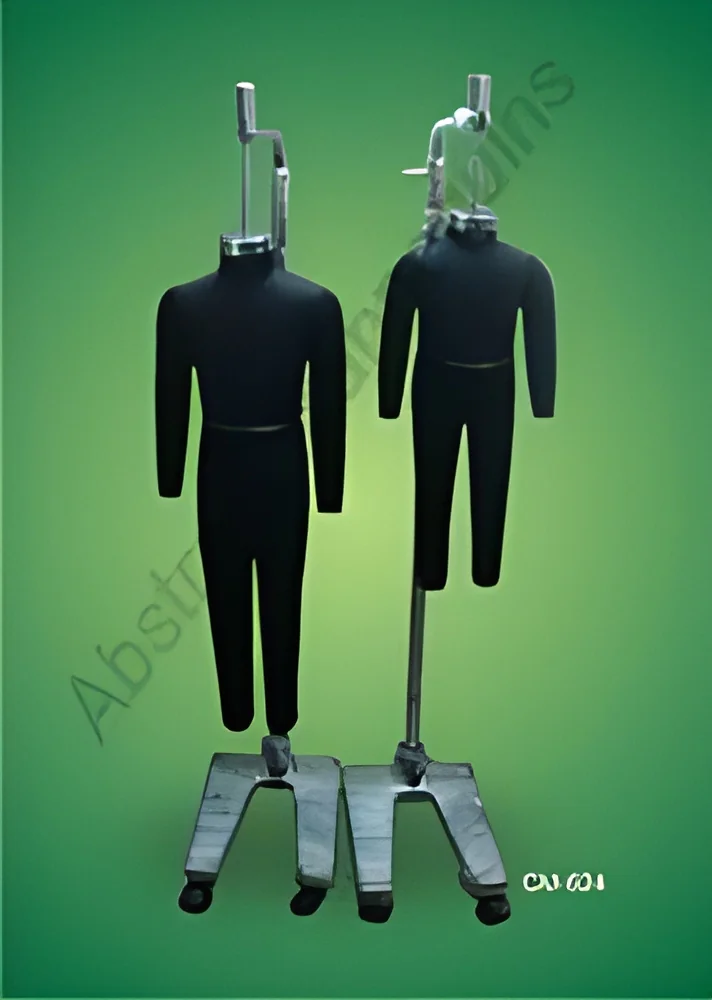
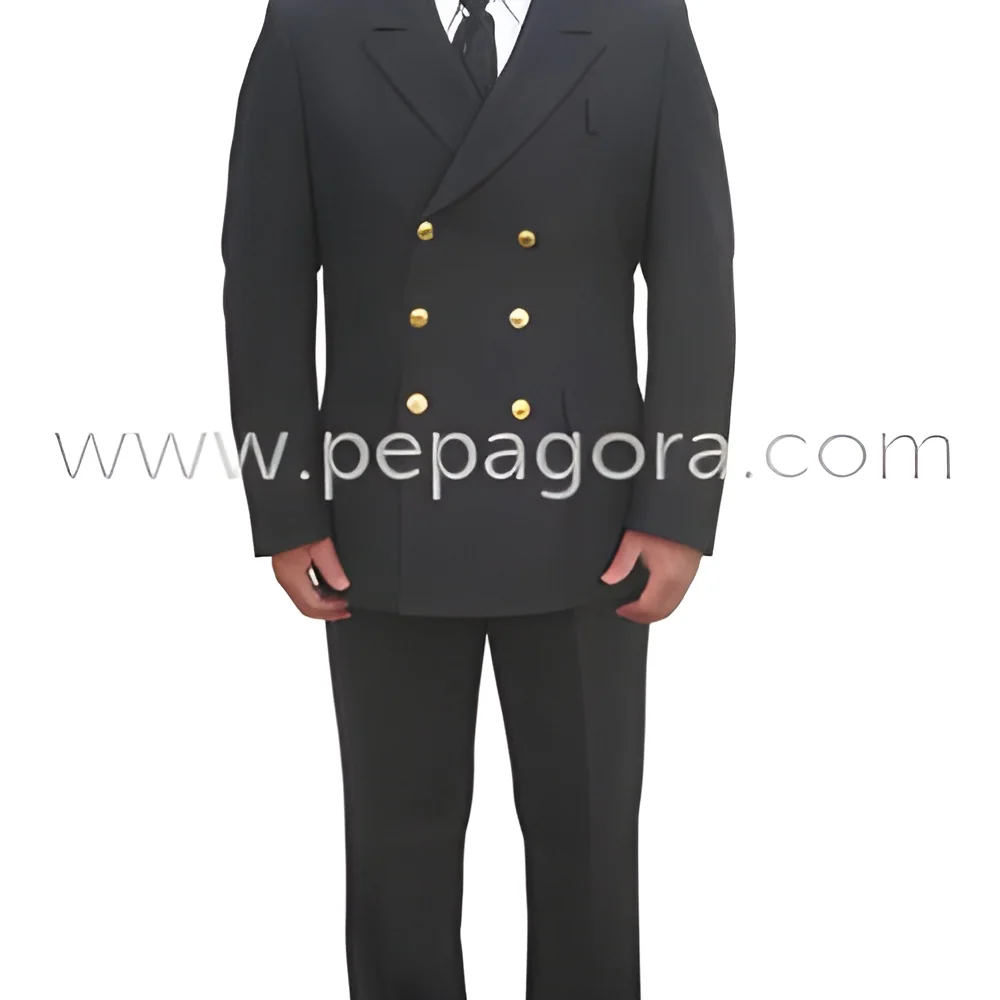
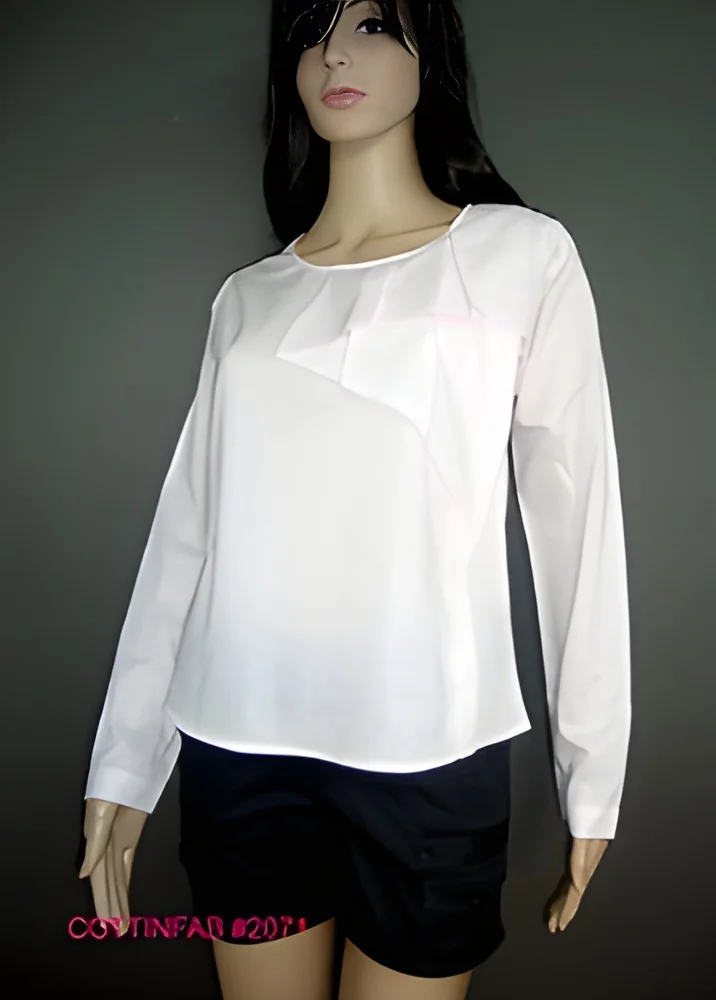
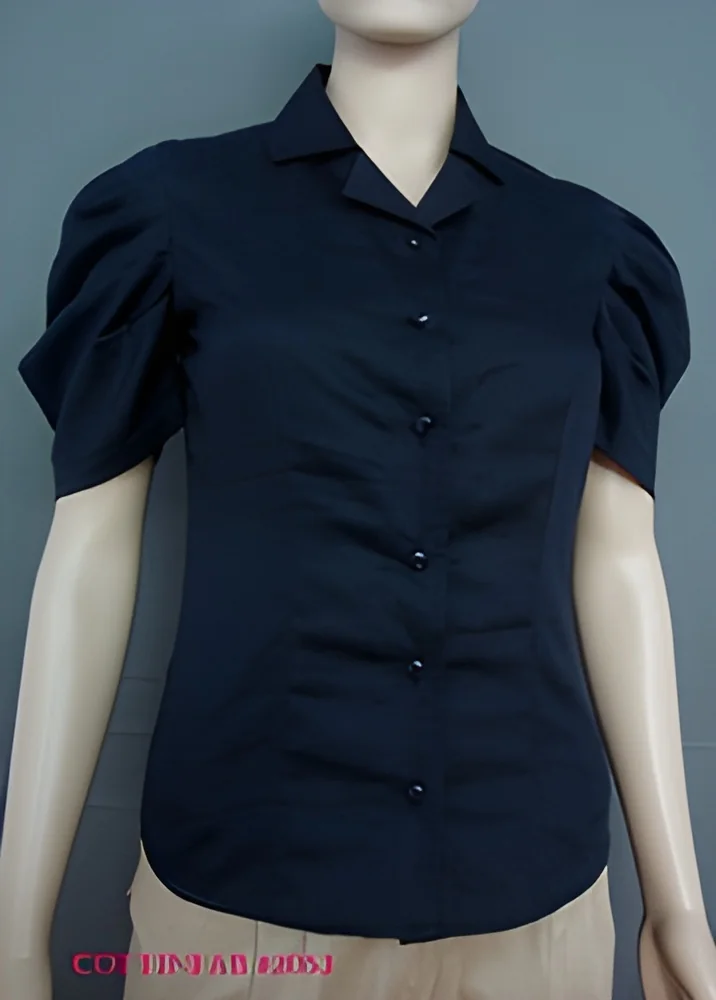
𝗪𝗵𝗮𝘁 𝗮𝗿𝗲 𝗧𝗮𝗶𝗹𝗼𝗿𝗶𝗻𝗴 & 𝗖𝘂𝘀𝘁𝗼𝗺 𝗦𝘁𝗶𝘁𝗰𝗵𝗶𝗻𝗴?
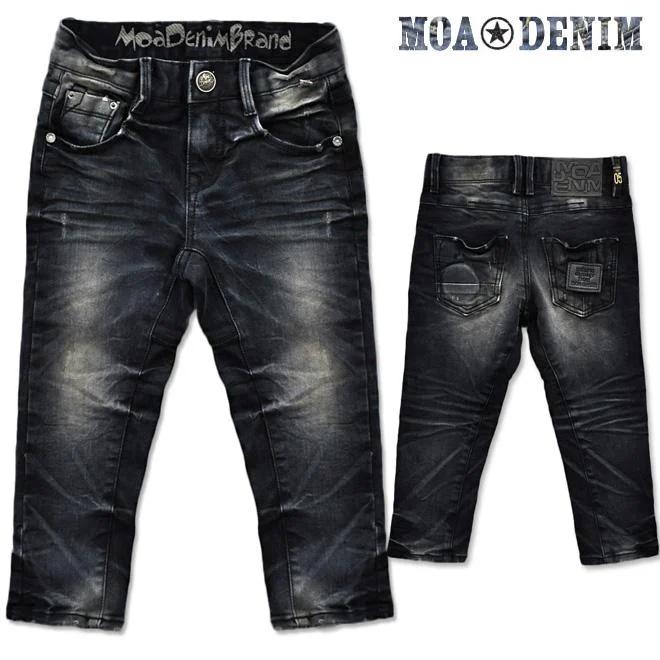
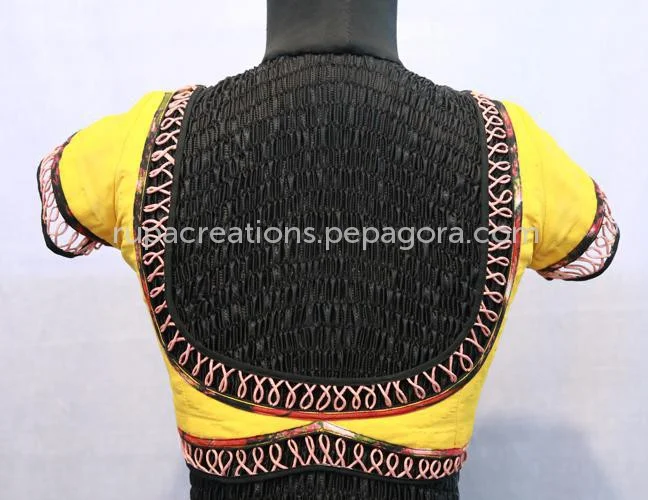
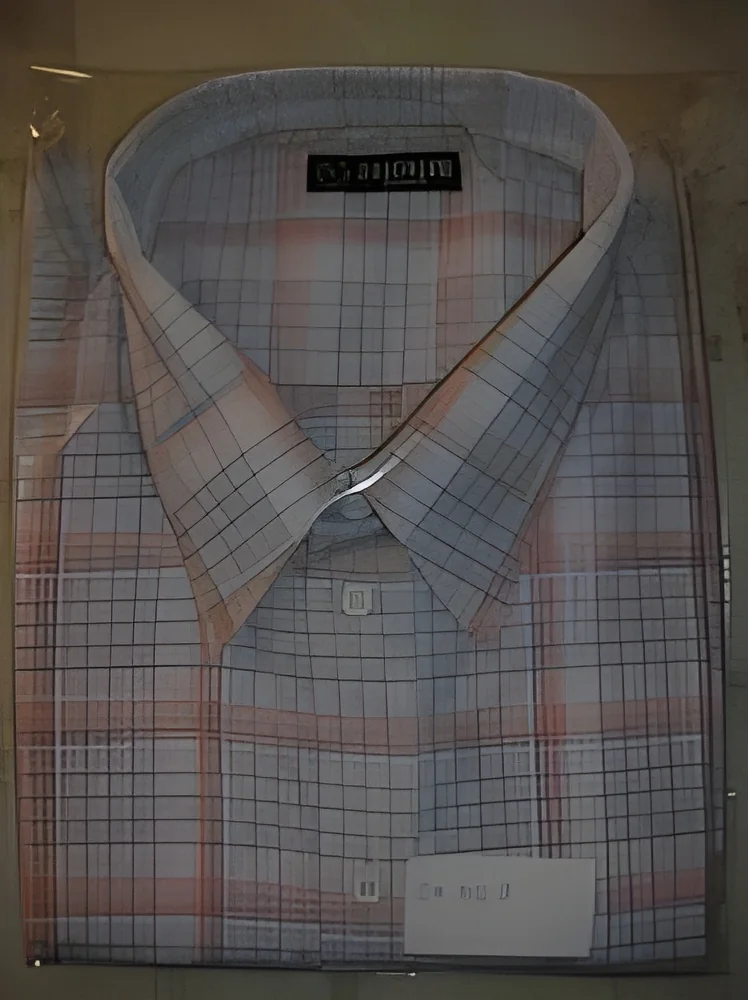
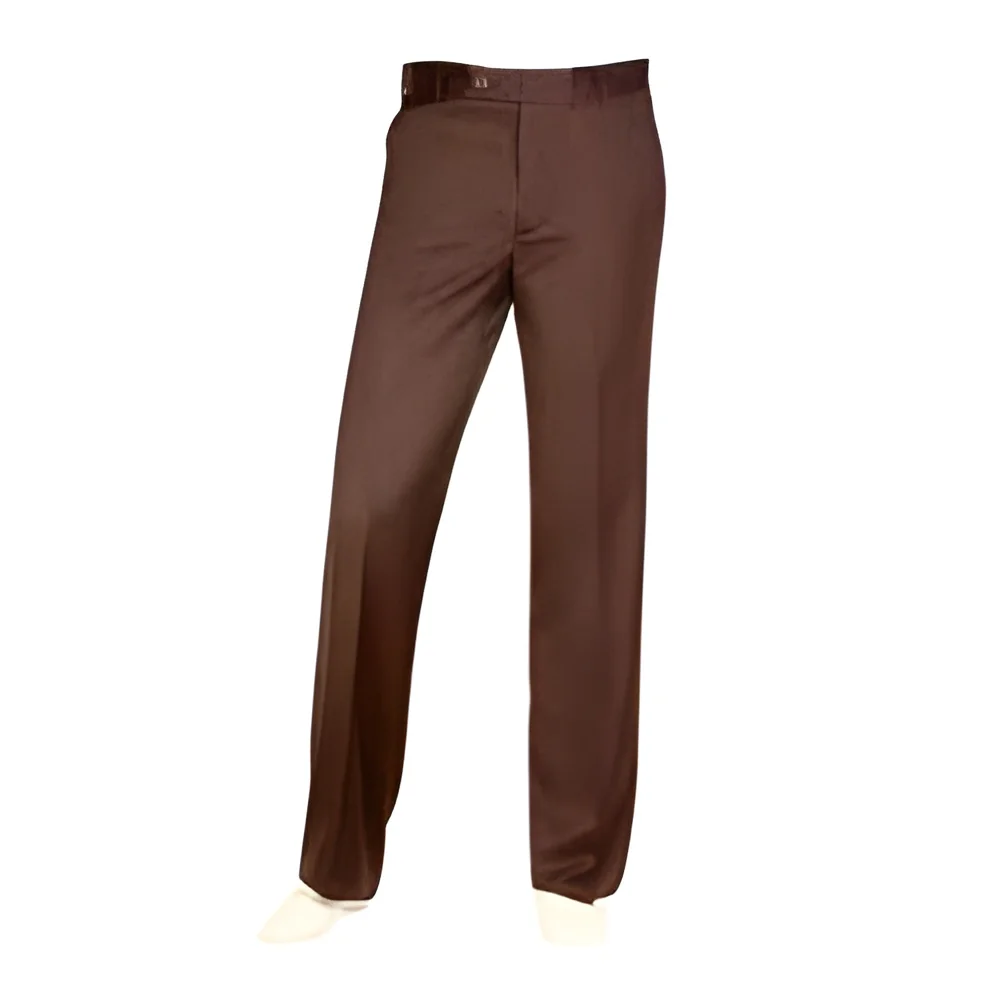
Tailoring and custom stitching refer to specialized garment construction processes that focus on creating bespoke clothing to meet the unique specifications of clients. Tailoring involves precise measurements and adjustments to ensure a perfect fit, while custom stitching encompasses the techniques used to assemble the garment, including fabric selection, stitching patterns, and finishing touches. This combination results in high-quality apparel tailored to individual preferences.
These practices are widely used across various sectors, including fashion, corporate, healthcare, and hospitality. Businesses often require tailored uniforms or branded apparel that reflects their identity and meets functional needs. Custom stitching allows for flexibility in design, accommodating specific requirements such as branding elements or functional features. As the demand for personalized products continues to rise, the tailoring and custom stitching market is becoming increasingly relevant within the broader apparel industry.
The industry context shows a growing emphasis on quality and personalization in garment production. With advancements in technology and consumer expectations for unique products, businesses are seeking reliable partners who can provide tailored solutions that enhance their brand image and meet specific operational needs.
𝗞𝗲𝘆 𝗙𝗲𝗮𝘁𝘂𝗿𝗲𝘀 𝗮𝗻𝗱 𝗦𝗽𝗲𝗰𝗶𝗳𝗶𝗰𝗮𝘁𝗶𝗼𝗻𝘀
Tailoring and custom stitching come with a range of features and specifications that make them suitable for various applications. Understanding these specifications is crucial for businesses looking to invest in high-quality custom apparel.
Key specifications include:
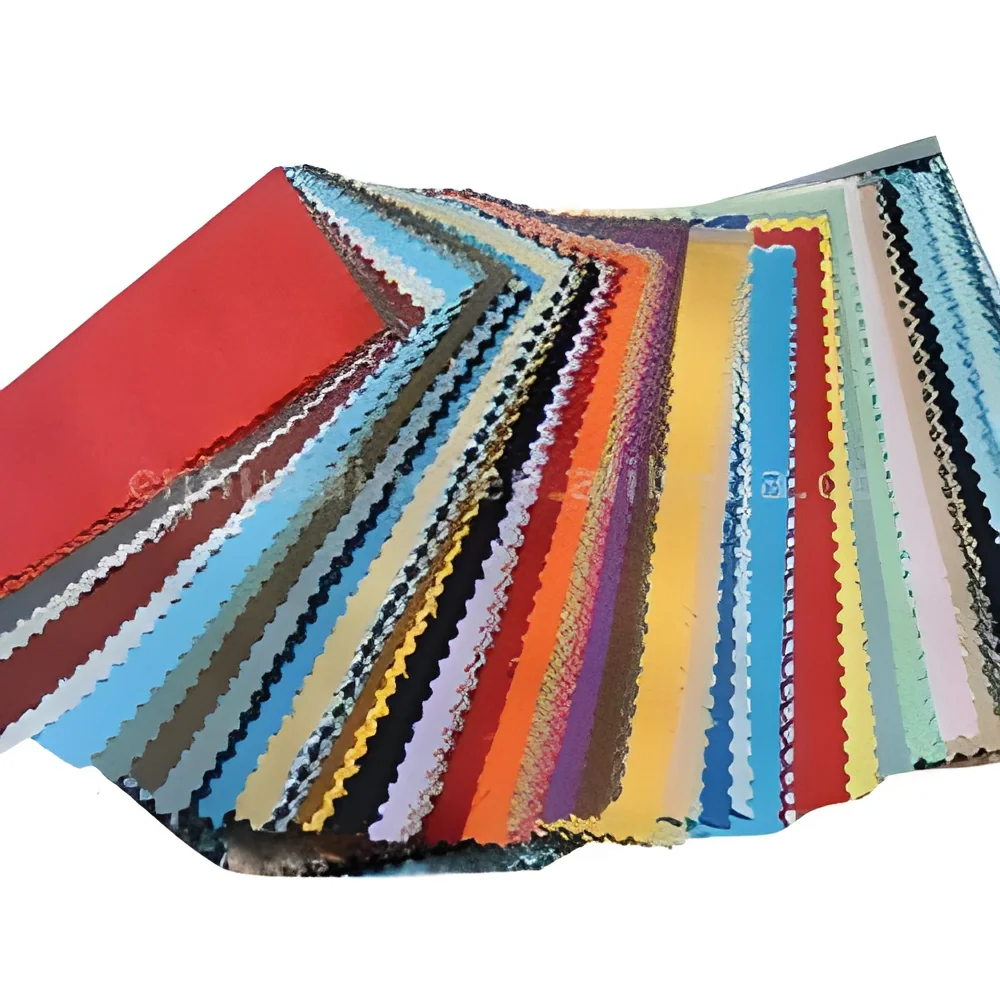
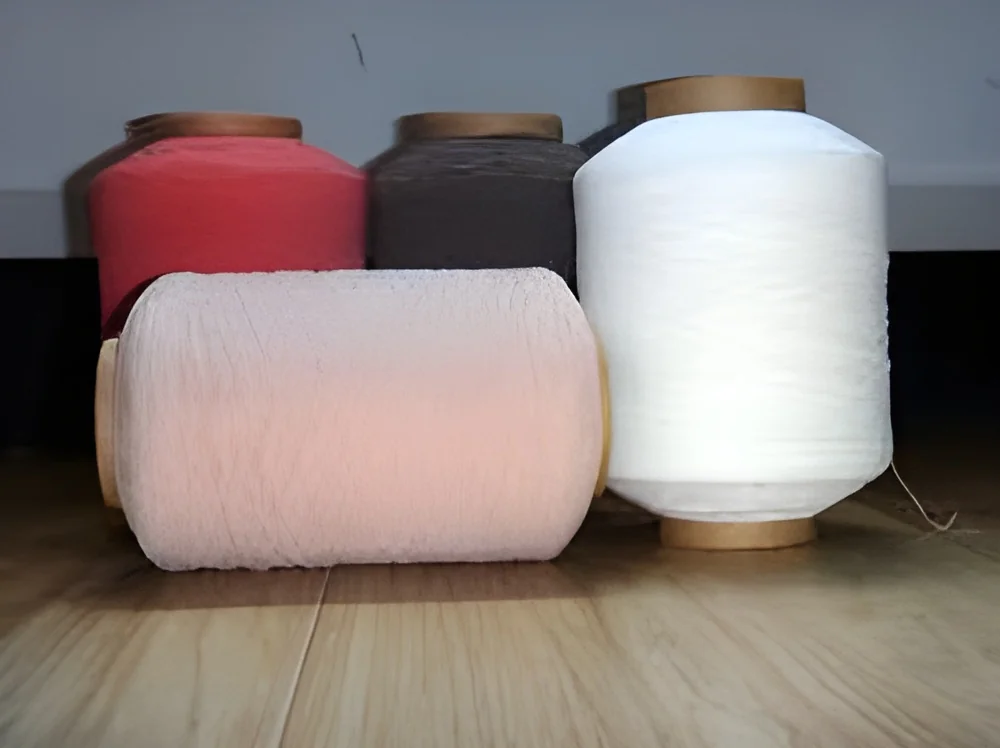
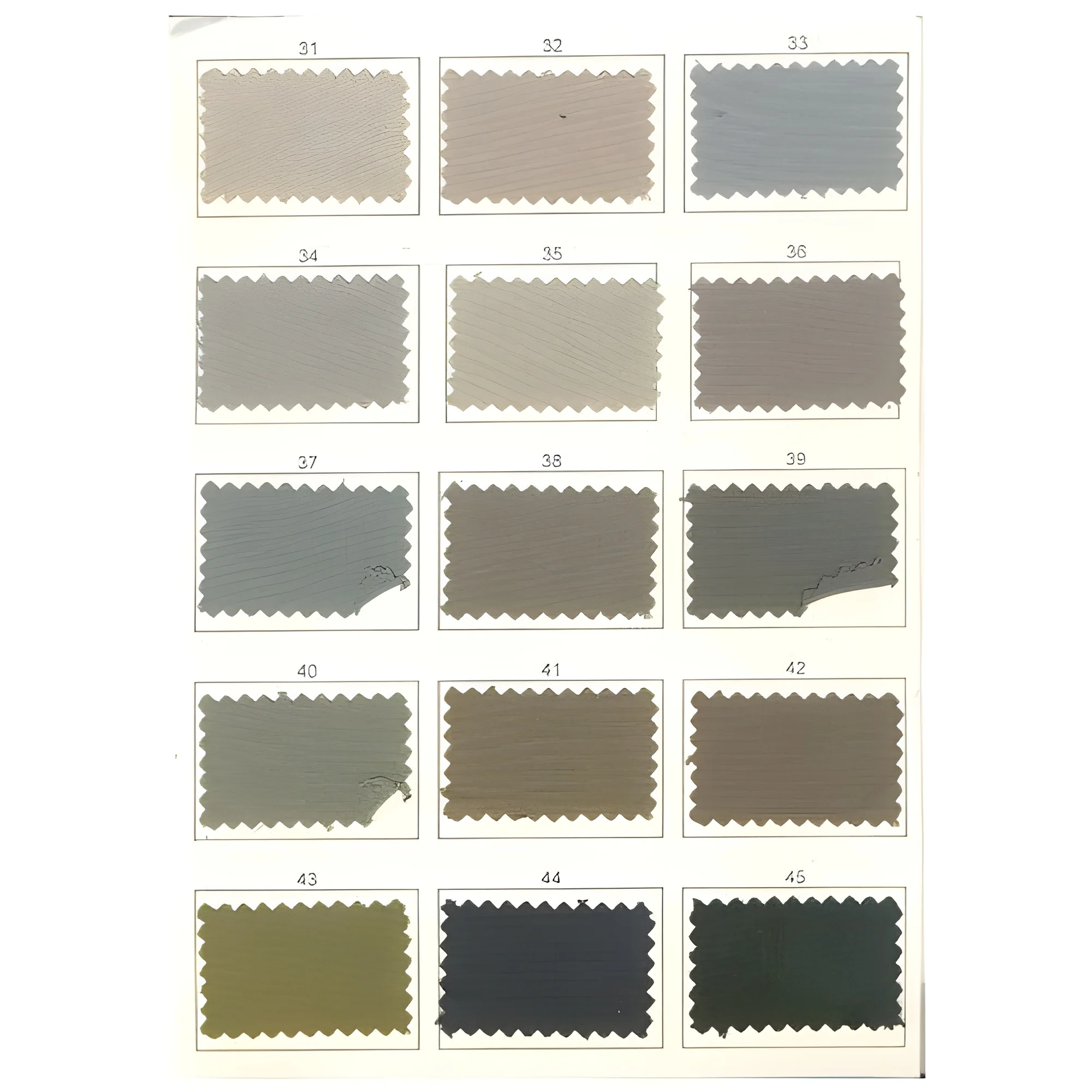
1. Fabric Variety
- Options may include cotton, polyester, wool, and blends.
- Each fabric type offers different durability and comfort levels.
2. Measurement Accuracy
- Precision in measurements ensures a perfect fit for the end user.
- Custom measurements can be taken for each individual.
3. Design Flexibility
- Tailored designs can incorporate unique elements based on client requests.
- Options for color, style, and branding are available.
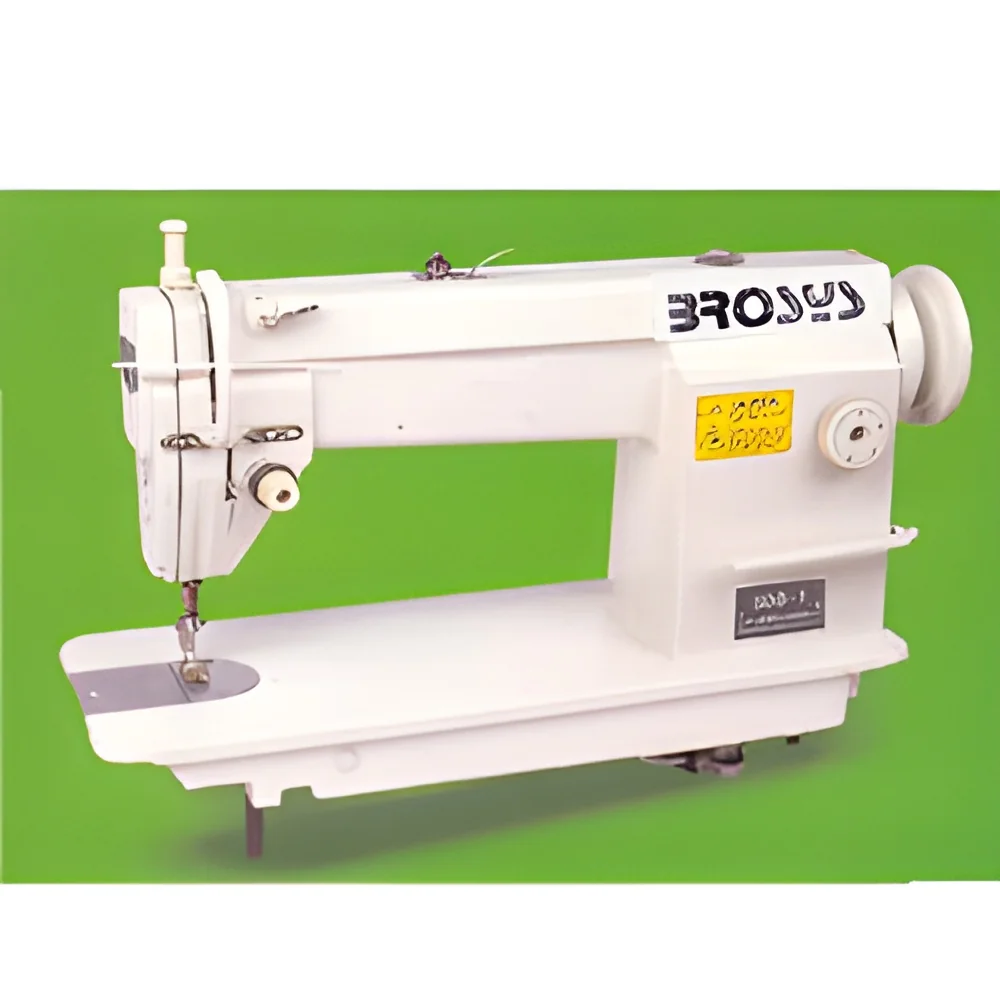
4. Stitching Techniques
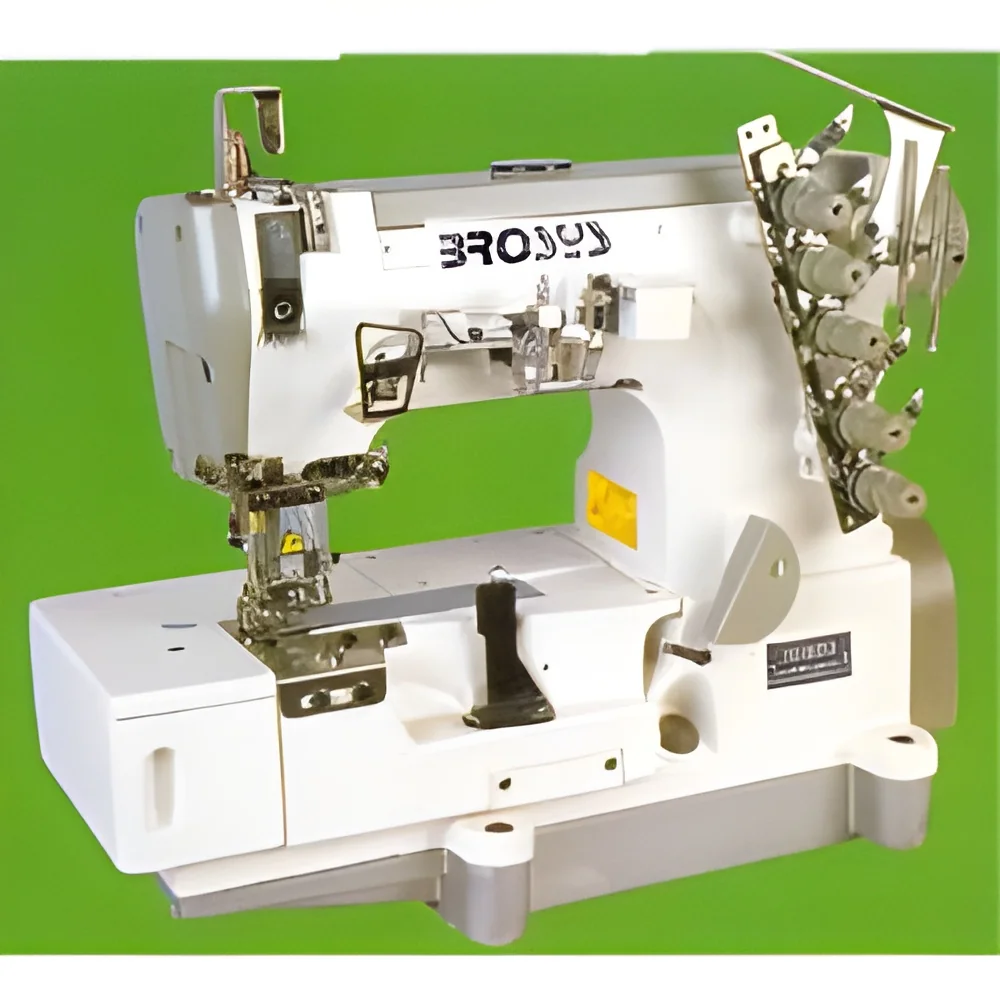
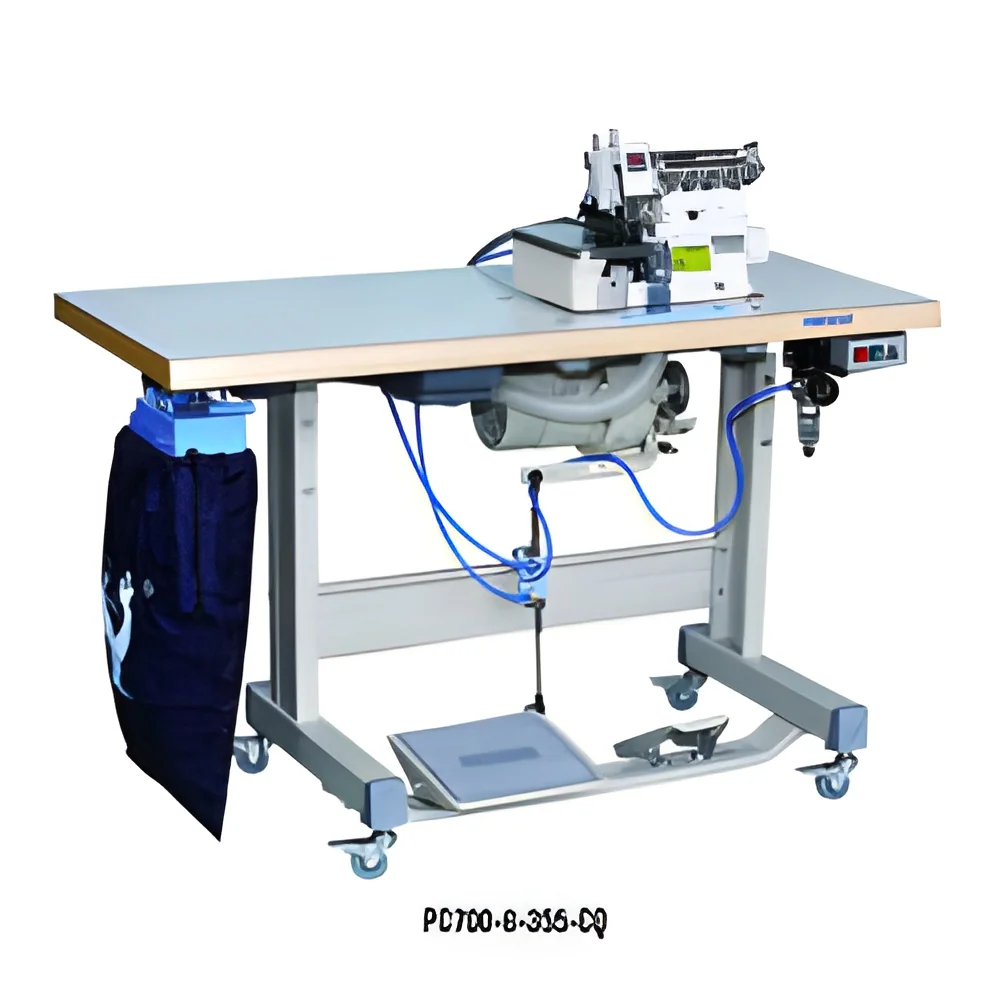
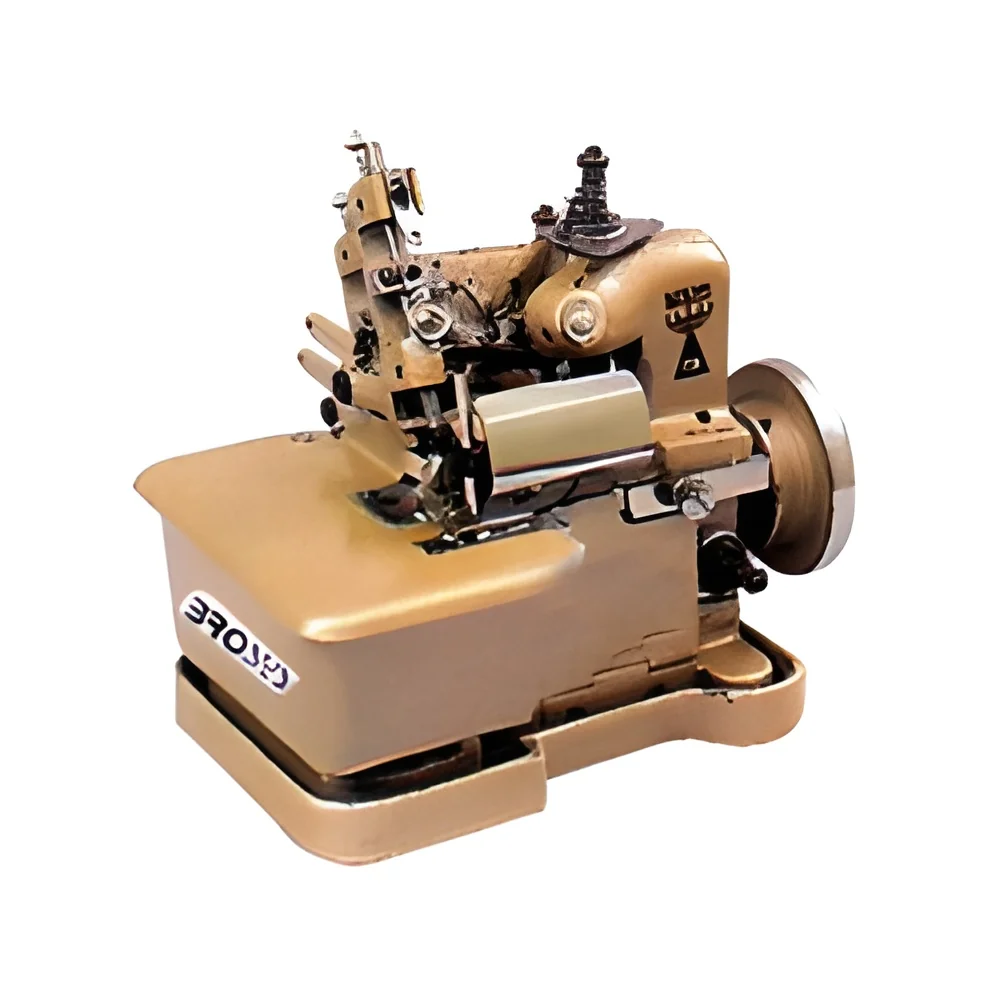
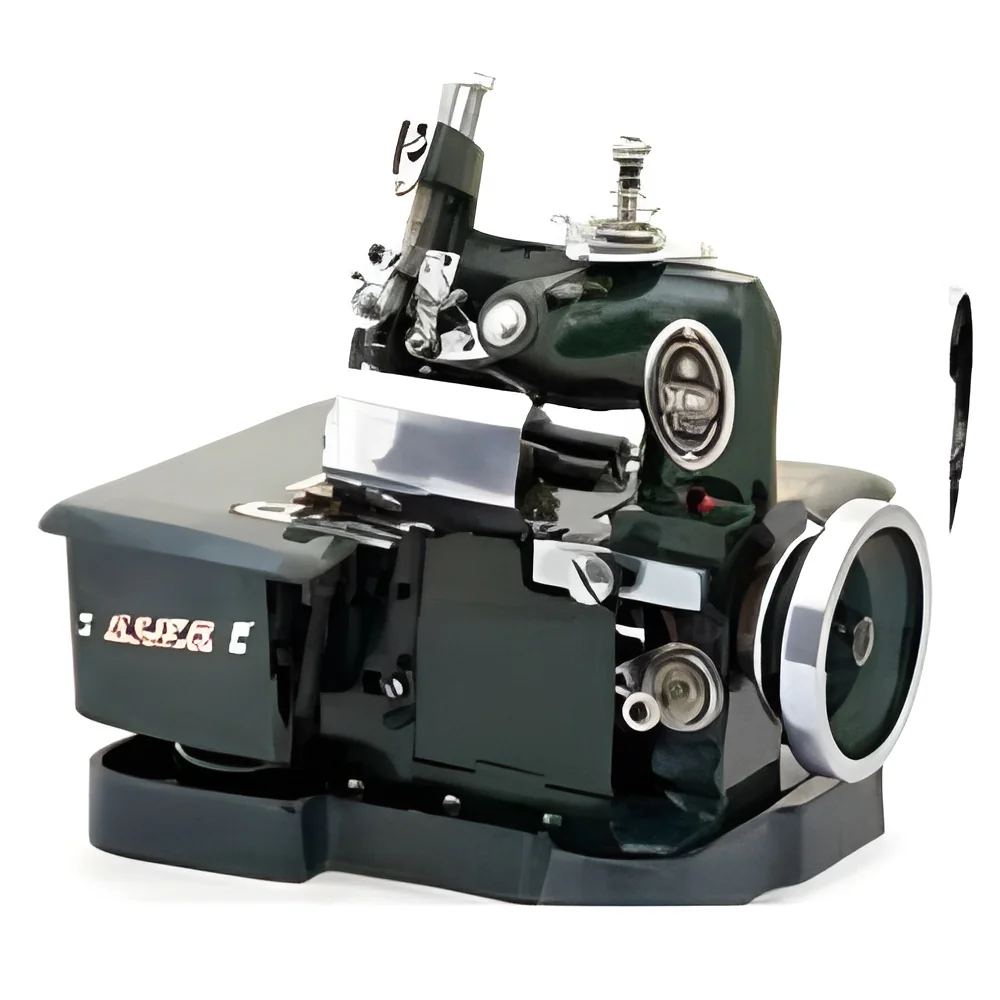
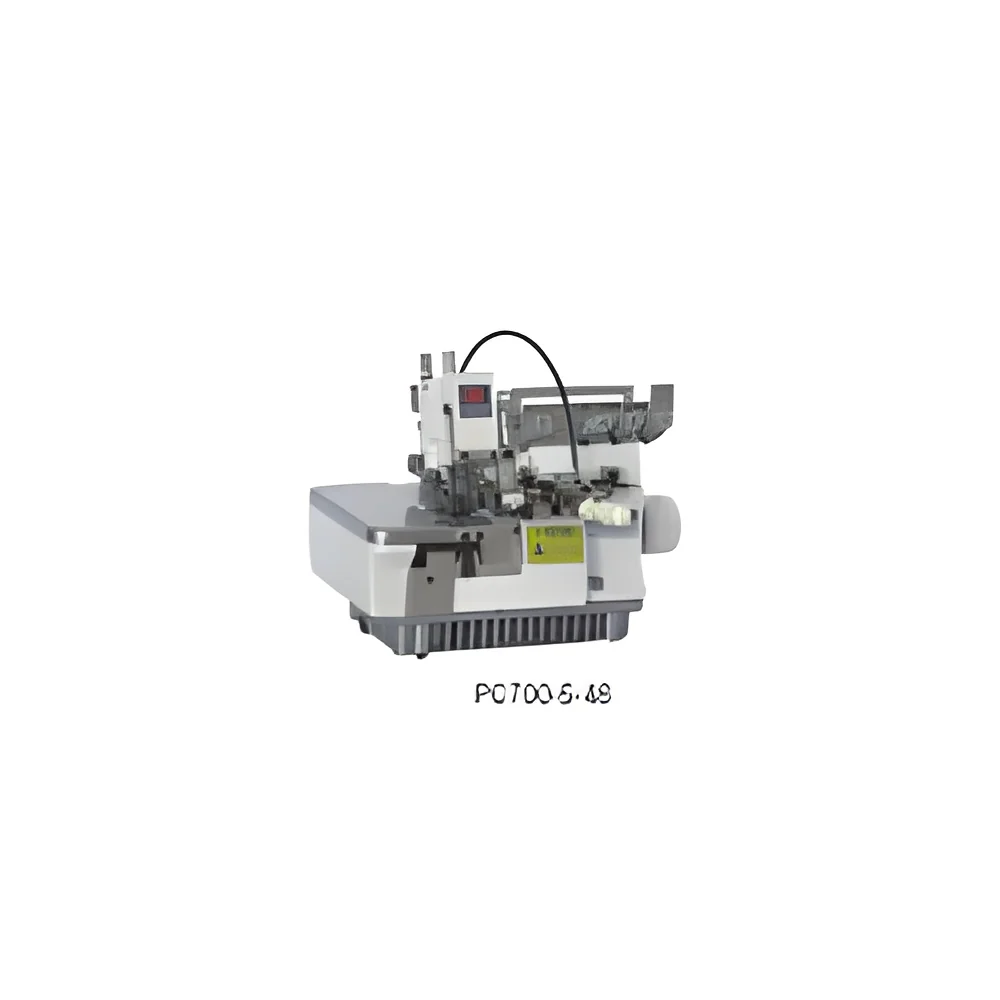
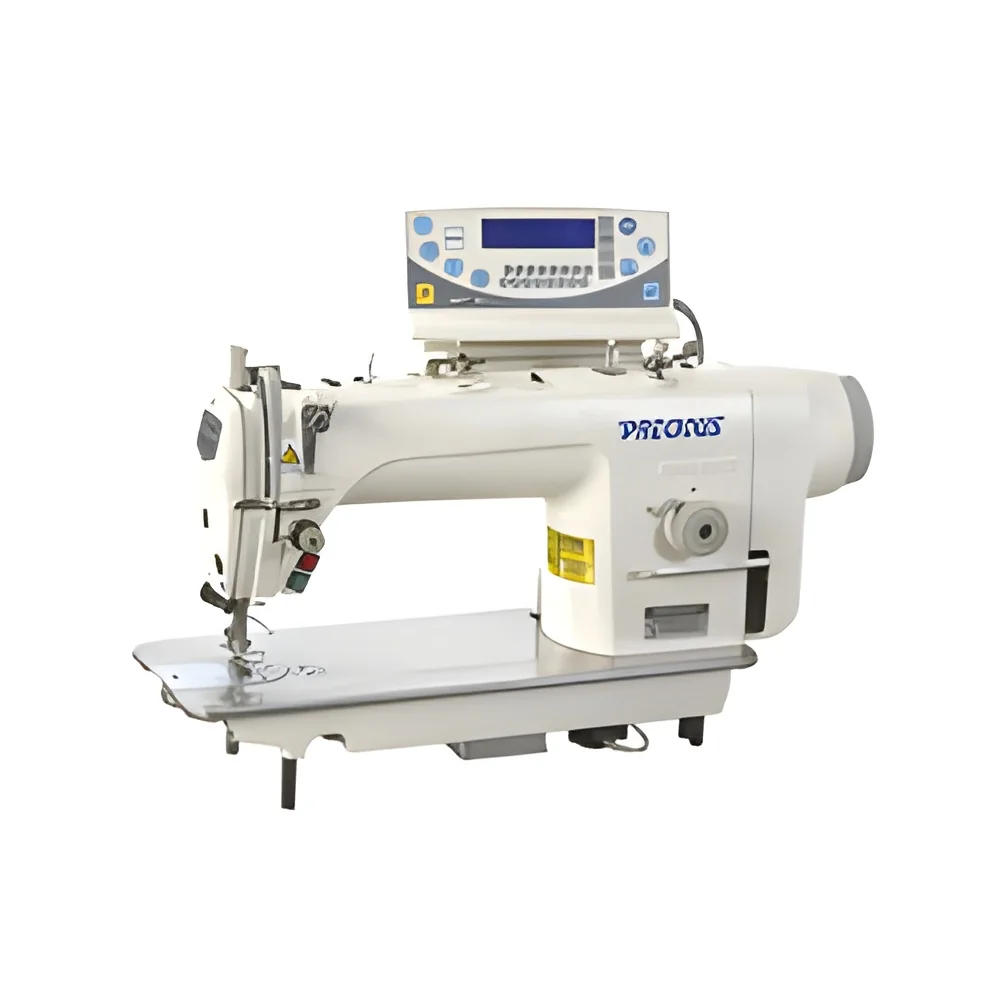
- Various stitching techniques can be employed, such as straight, zigzag, and overlock.
- The choice of technique affects durability and appearance.
5. Finishing Options
- Custom stitching can include various finishing options, such as hemming and button placement.
- These details contribute to the overall quality of the garment.
6. Quality Assurance
- Rigorous quality checks are performed to ensure adherence to standards.
- This includes inspections of stitching, fabric quality, and overall construction.
7. Lead Time
- Typical lead times for custom orders can vary based on complexity and volume.
- Planning is essential for timely delivery.
The diverse features and specifications of tailoring and custom stitching enable businesses to create high-quality garments that meet specific needs and standards.
𝗖𝗼𝗺𝗺𝗼𝗻 𝗔𝗽𝗽𝗹𝗶𝗰𝗮𝘁𝗶𝗼𝗻𝘀 𝗮𝗻𝗱 𝗨𝘀𝗲 𝗖𝗮𝘀𝗲𝘀
Tailoring and custom stitching serve a wide range of industries, providing tailored solutions that enhance professional appearances and meet operational requirements.
1. Fashion Industry: Custom stitching is prevalent in high-end fashion, where designers create unique pieces tailored to individual clients.
2. Corporate Sector: Businesses often require tailored uniforms that reflect their brand identity while ensuring comfort and functionality for employees.
3. Healthcare: Custom-tailored scrubs and medical uniforms provide healthcare professionals with a professional appearance while allowing for ease of movement.
4. Hospitality: Hotels and restaurants use tailored clothing for staff to promote a cohesive brand image and enhance customer experience.
5. Sports Teams: Custom stitching is utilized in creating jerseys and uniforms that conform to athletes' specifications, improving performance and comfort.
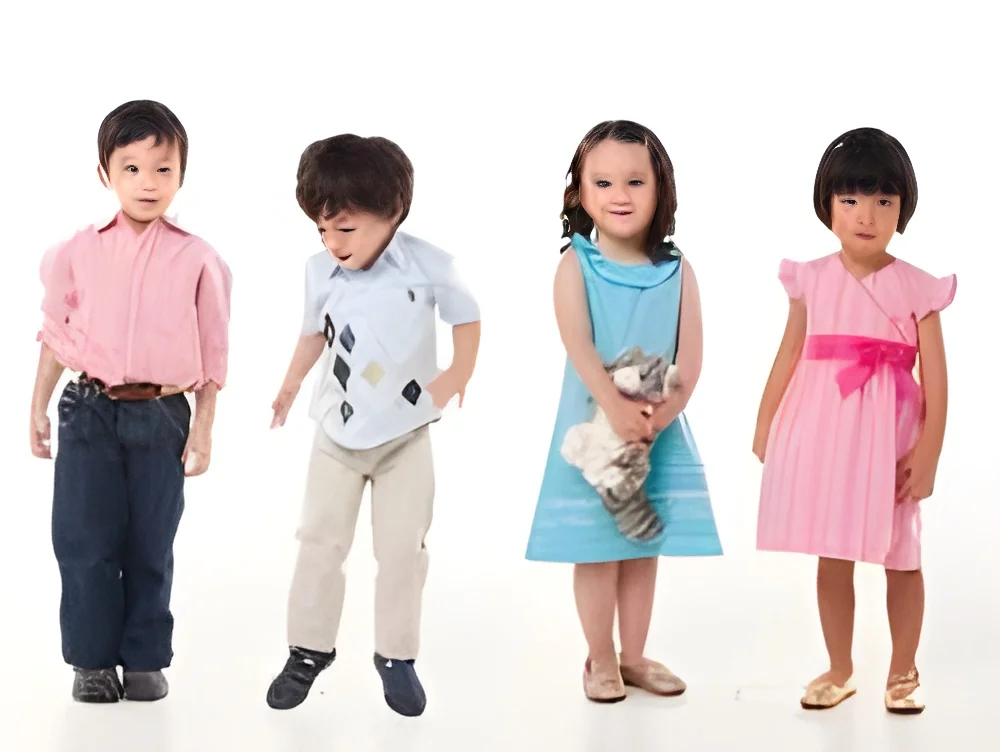
6. Educational Institutions: Schools and universities often require custom uniforms for students, ensuring consistency and professionalism.
7. Event Management: Tailored attire for event staff helps create a polished look that aligns with the event's branding and atmosphere.
𝗣𝗿𝗼𝗱𝘂𝗰𝘁 𝗩𝗮𝗿𝗶𝗮𝗻𝘁𝘀 𝗮𝗻𝗱 𝗦𝘂𝗯𝗰𝗮𝘁𝗲𝗴𝗼𝗿𝗶𝗲𝘀
The tailoring and custom stitching market offers a diverse range of product variants, catering to different needs and preferences.
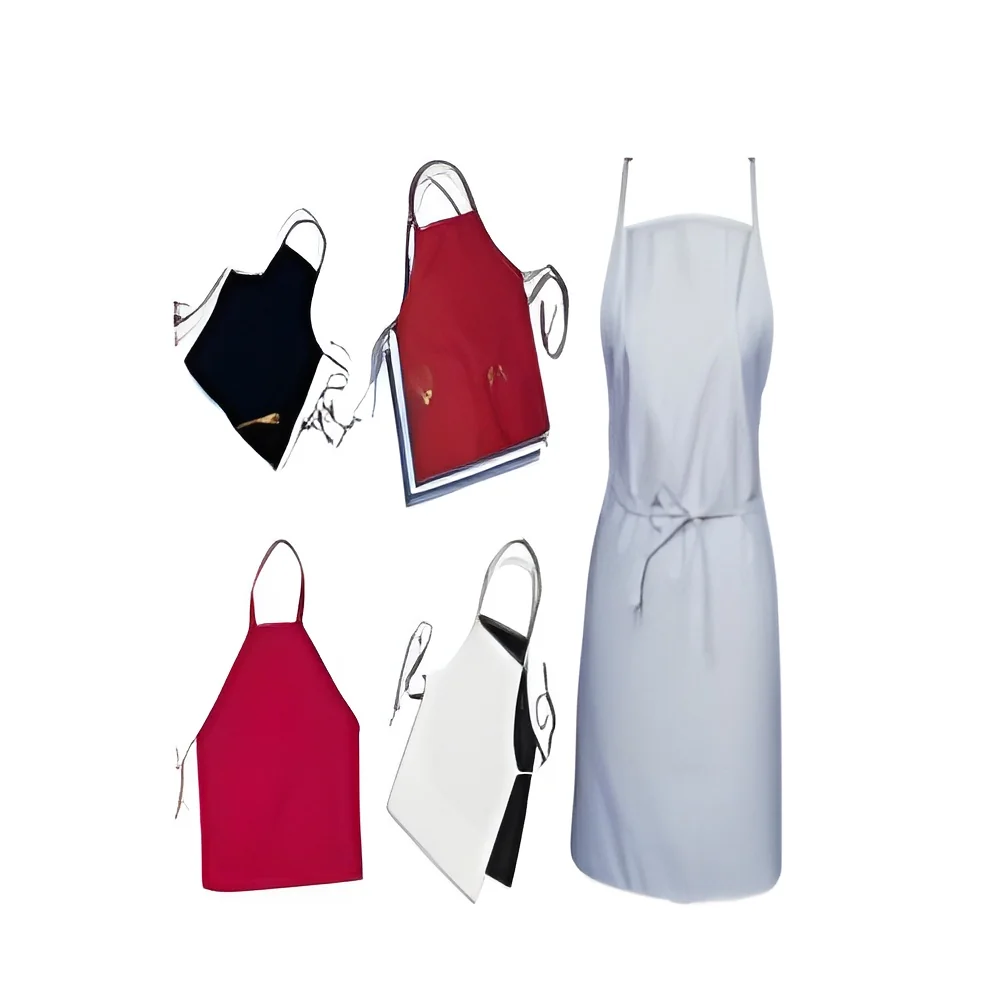
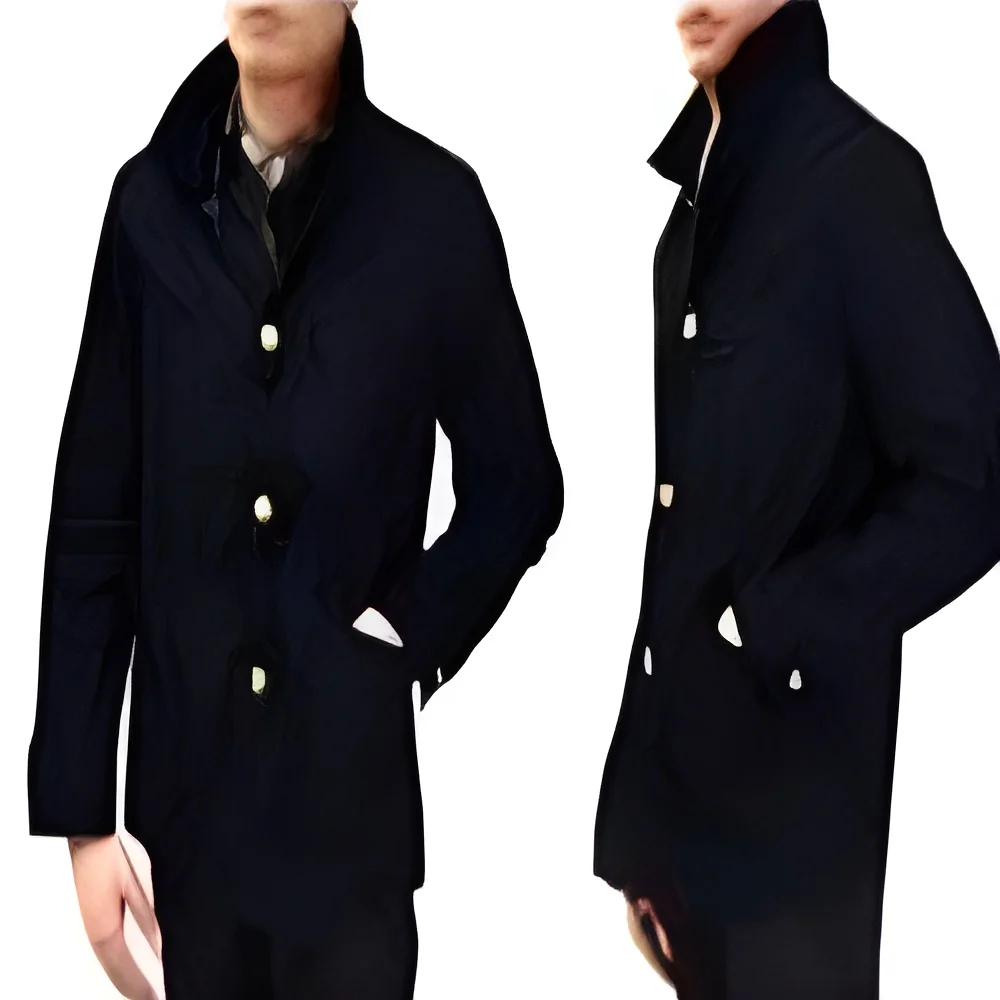
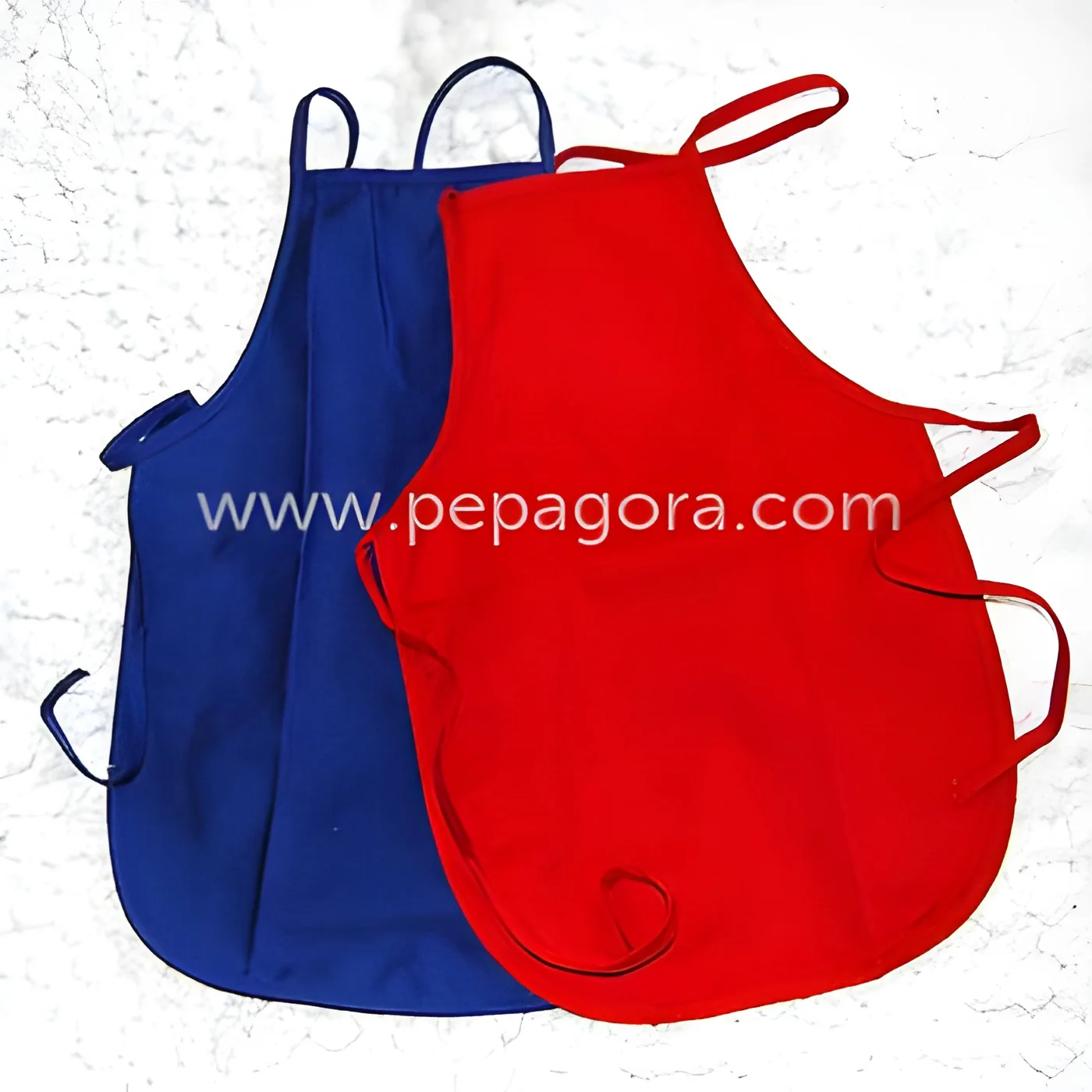
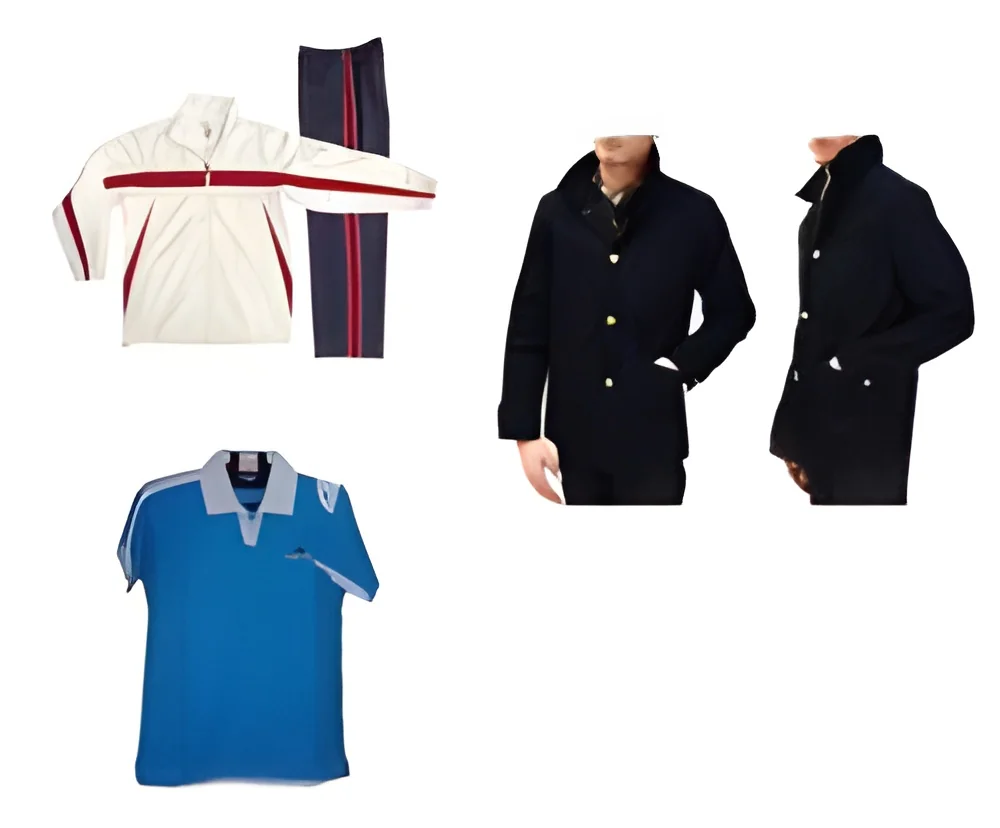
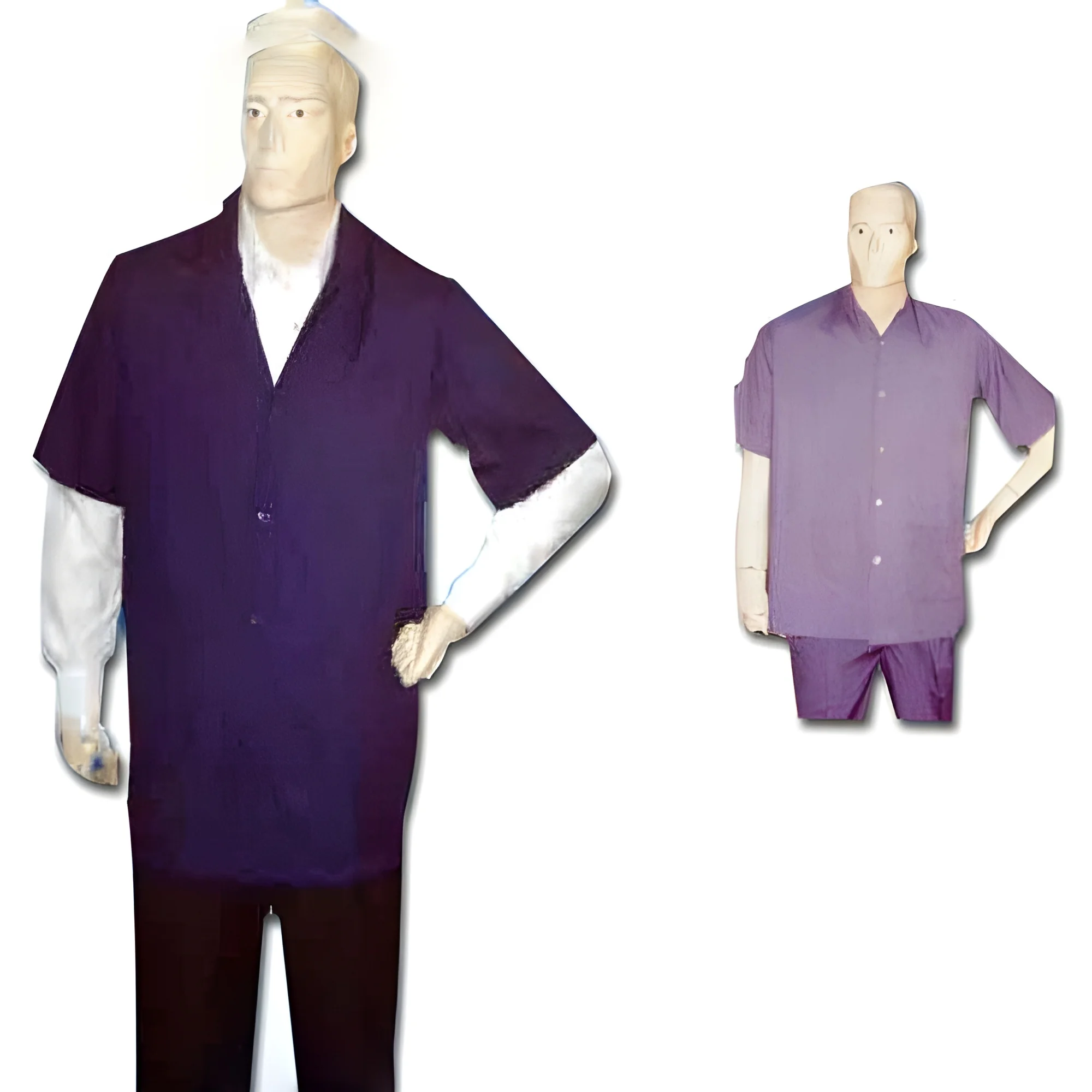
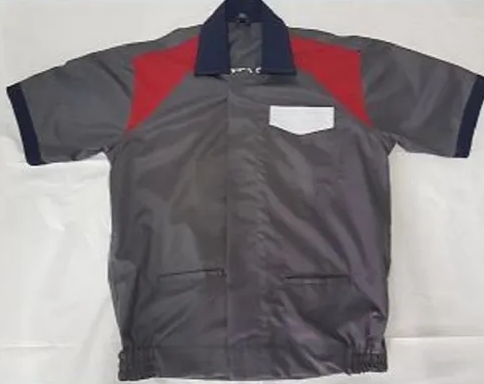
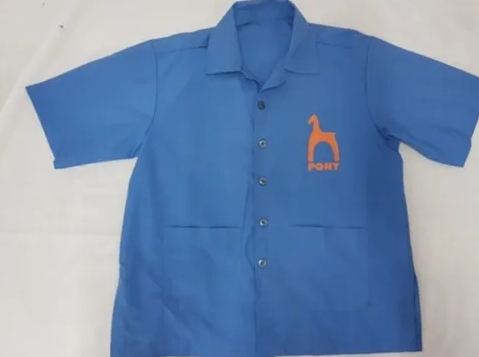
Corporate Uniforms: These are tailored to provide a professional appearance for employees in various sectors. They can be customized with logos and specific color schemes to align with company branding.
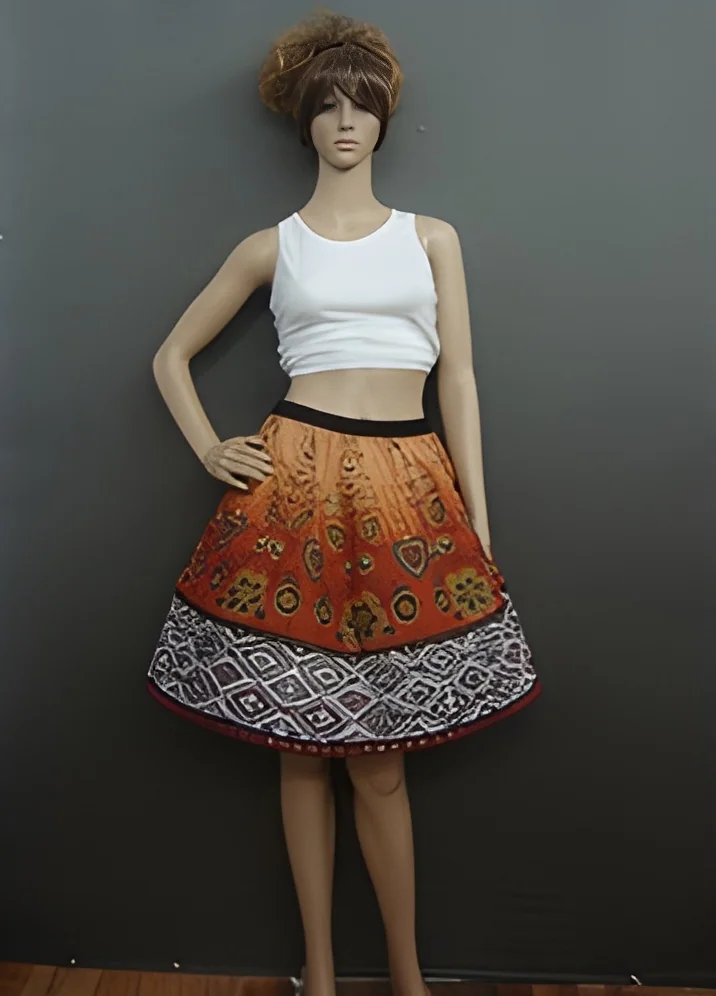
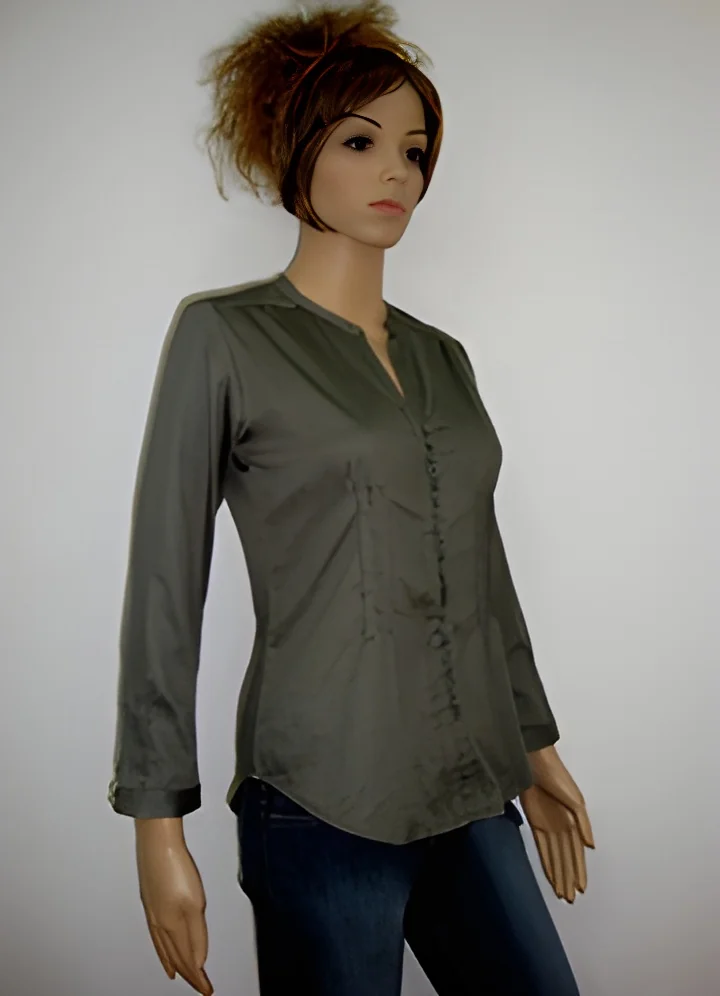
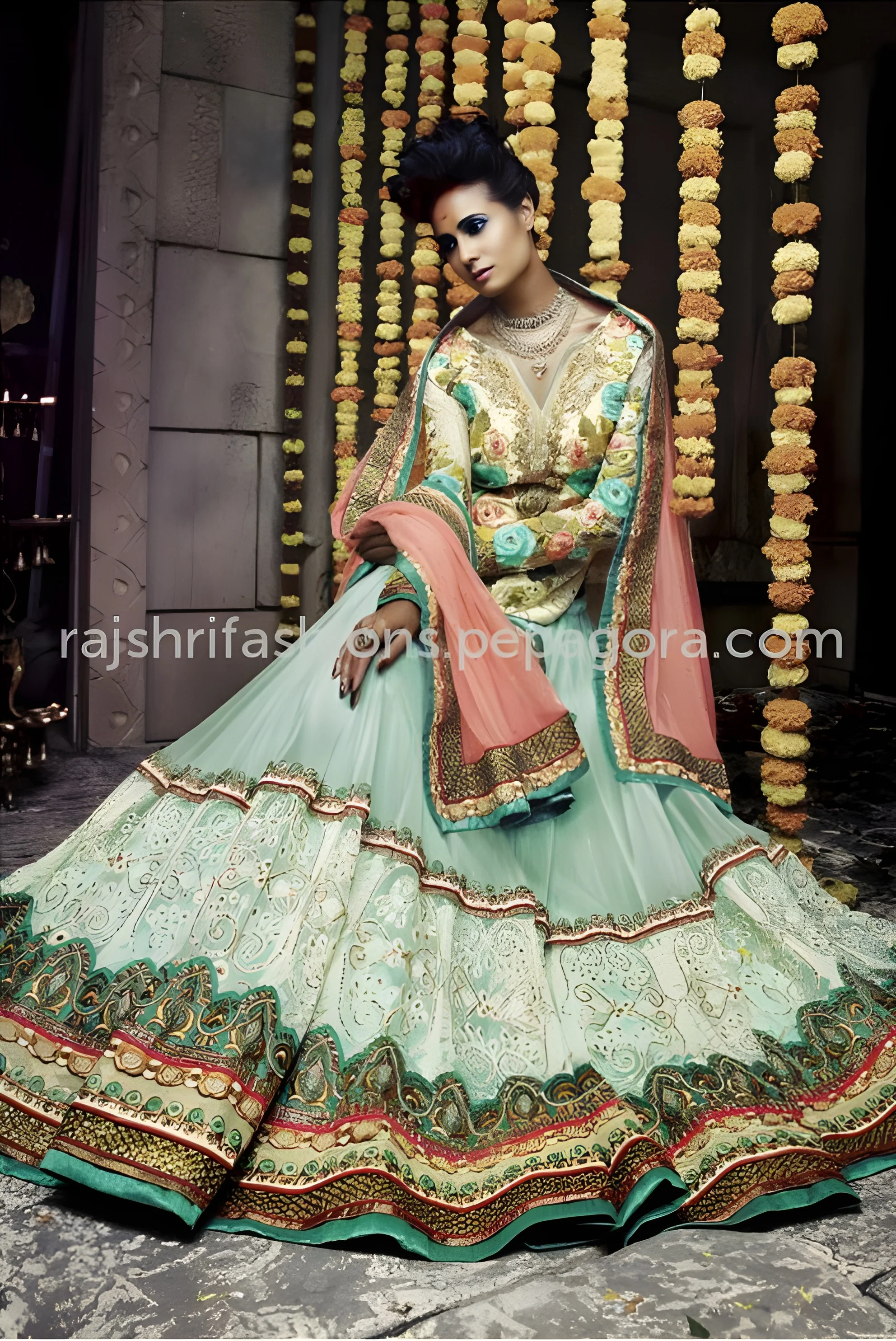
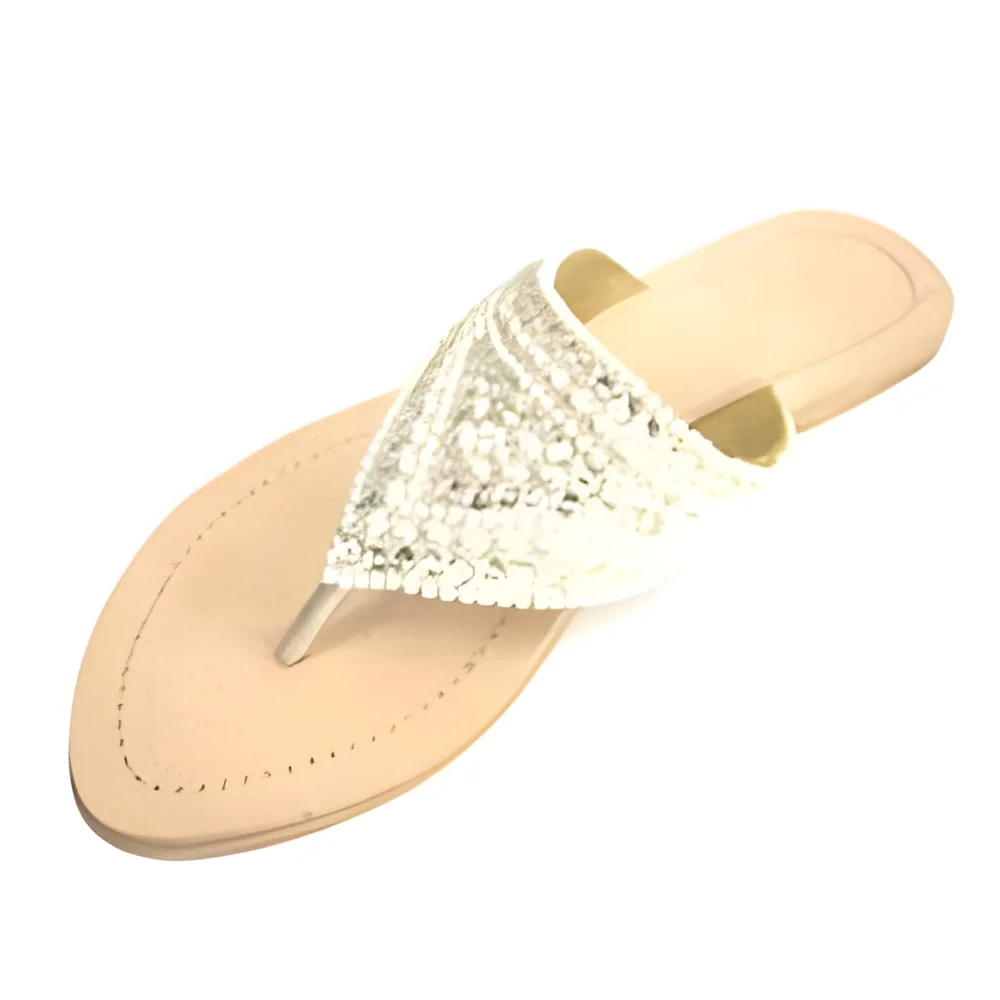
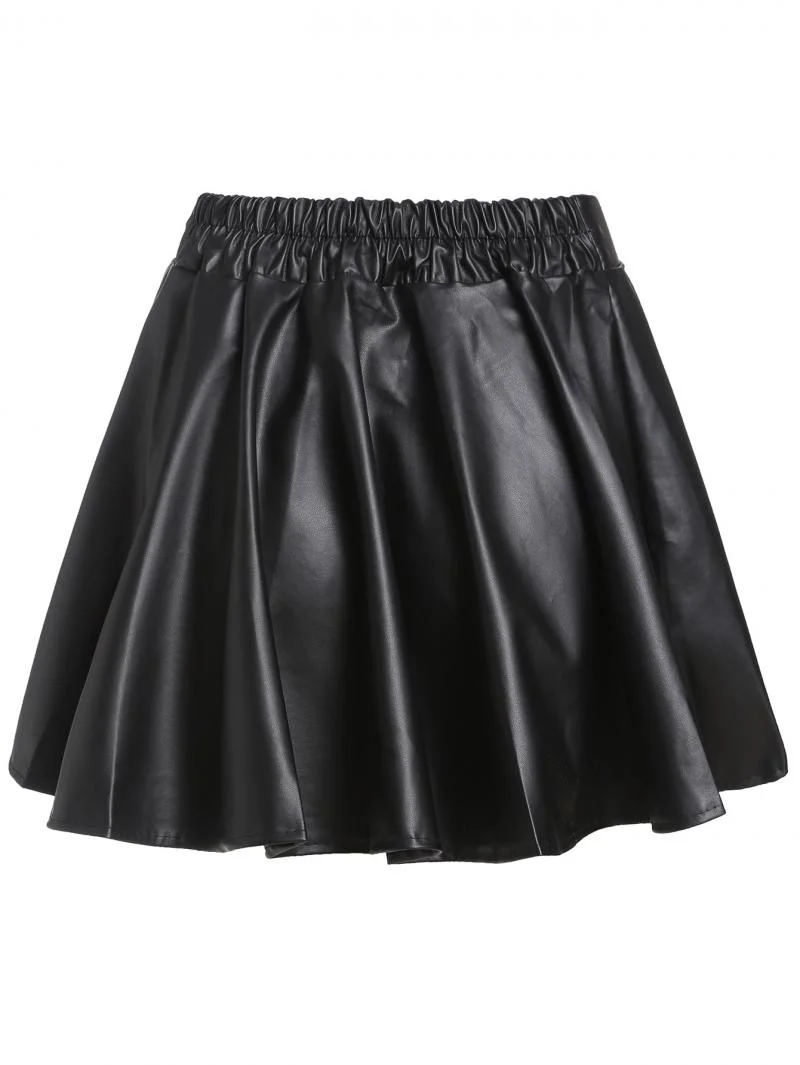
Fashion Apparel: This variant focuses on high-end, bespoke clothing designed for individual clients. It includes tailored suits, dresses, and other garments that reflect personal style.
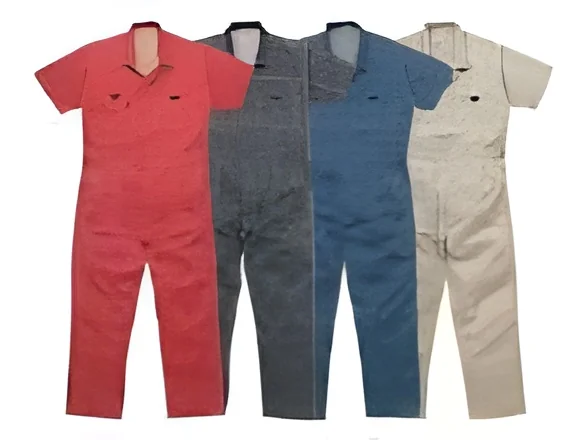
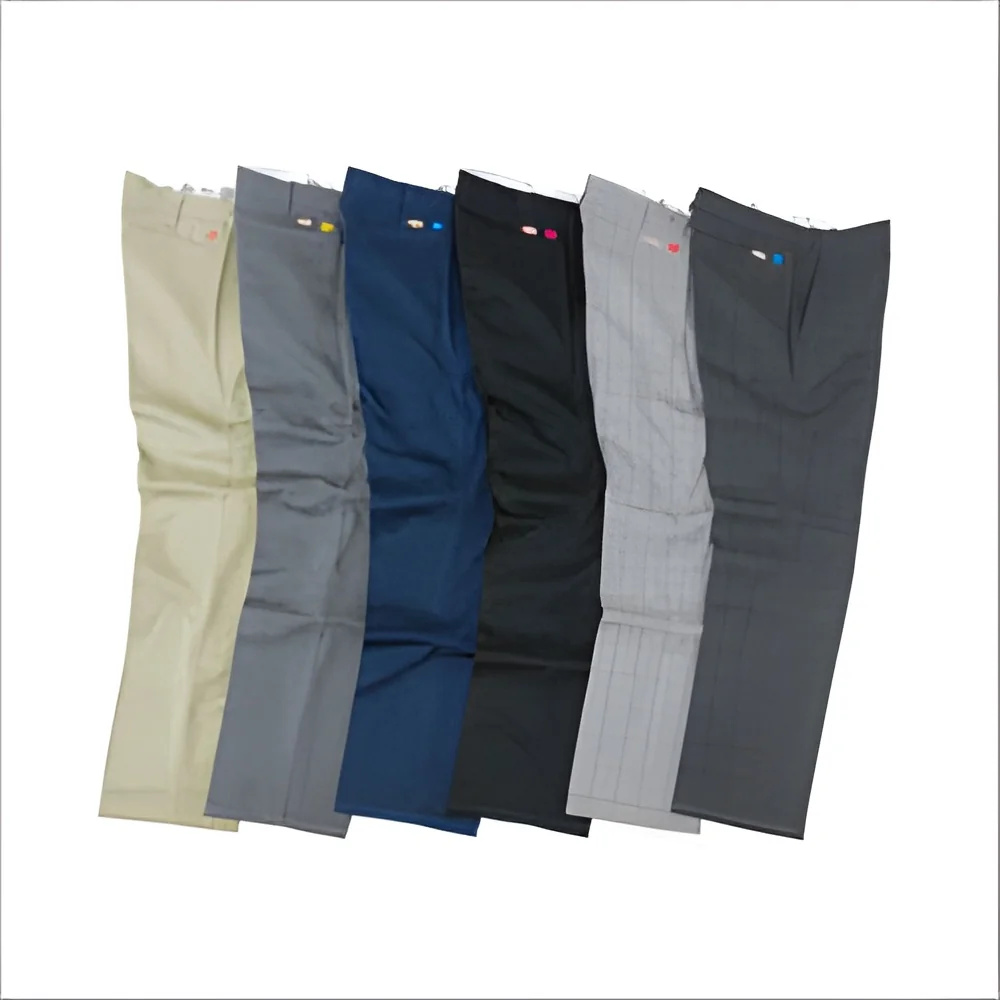
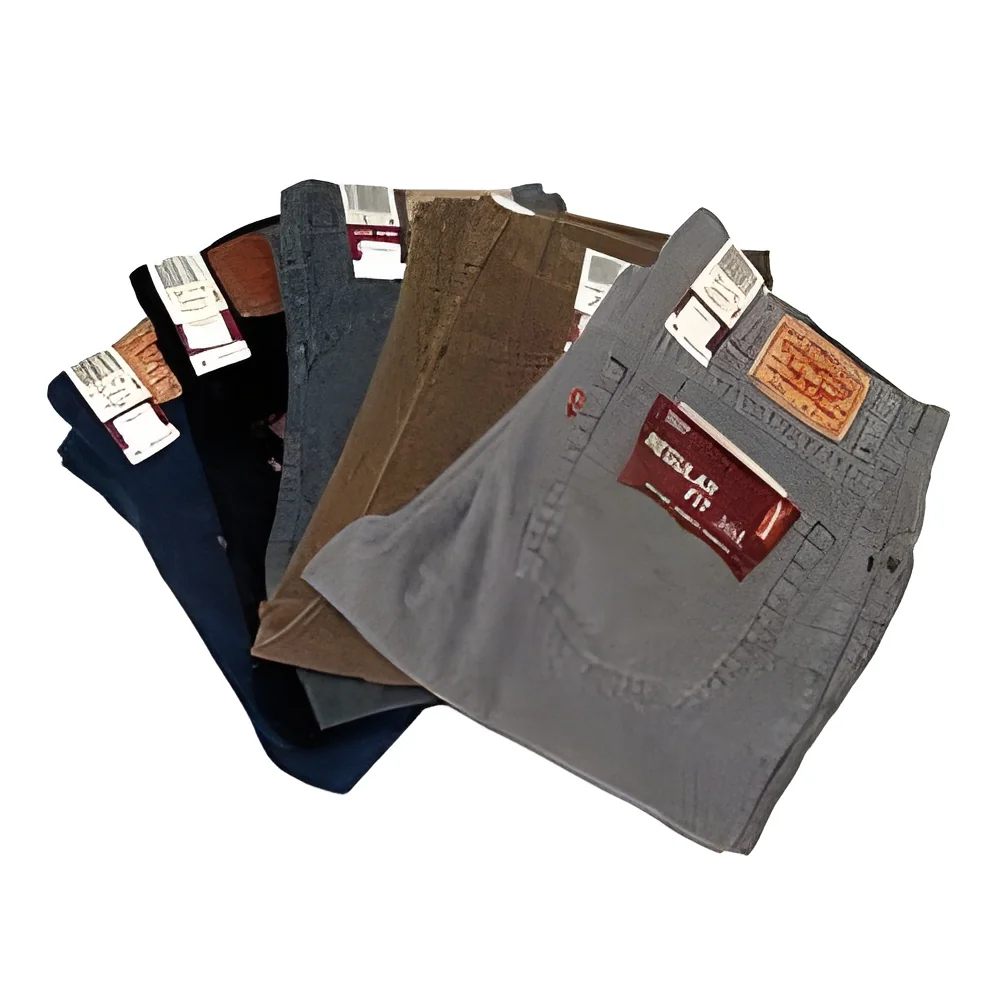
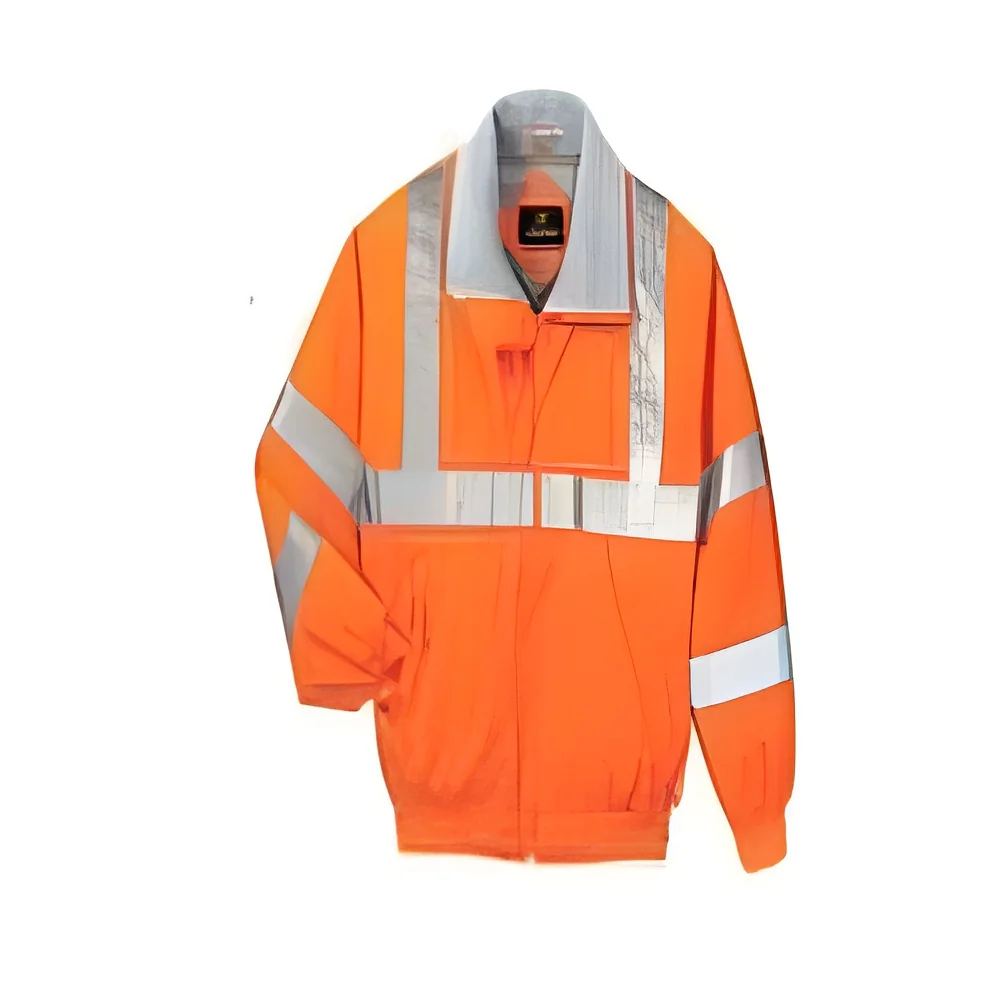
Workwear: This category includes durable garments designed for specific trades or industries, such as construction or manufacturing. These garments prioritize functionality without sacrificing style.
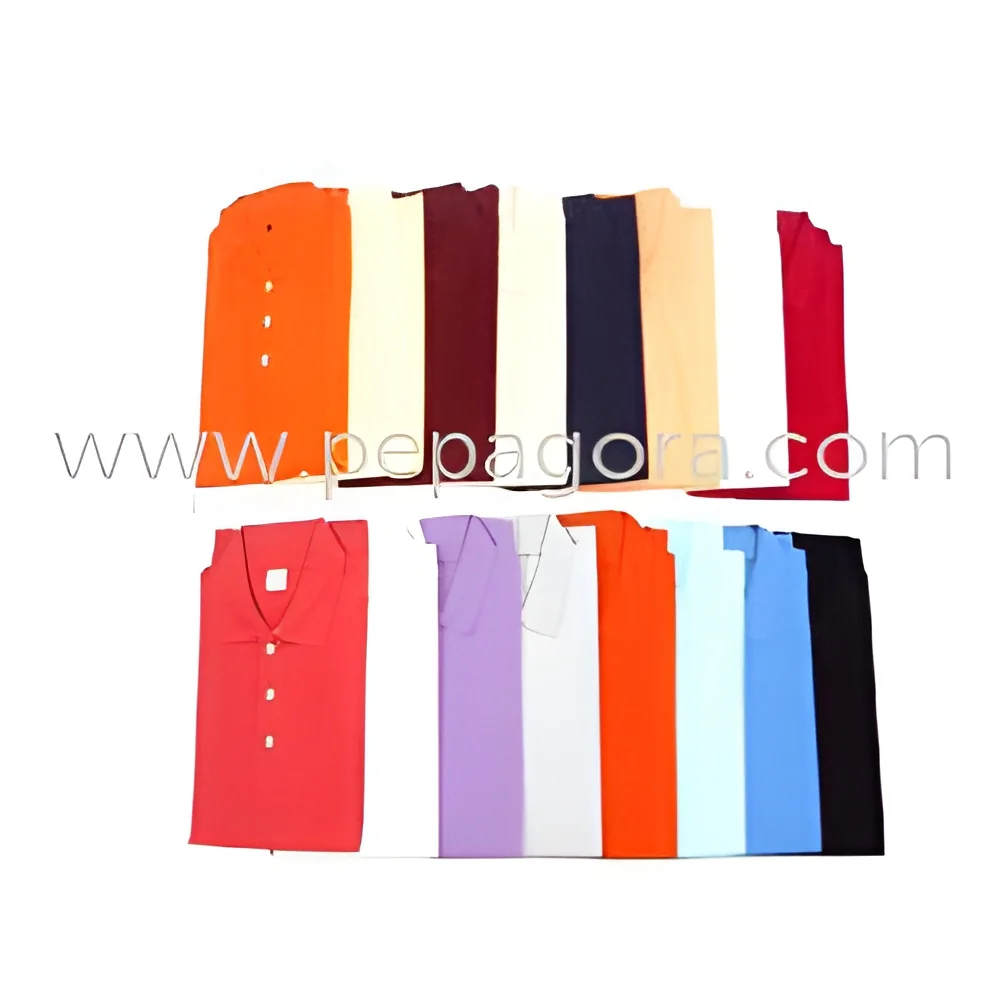
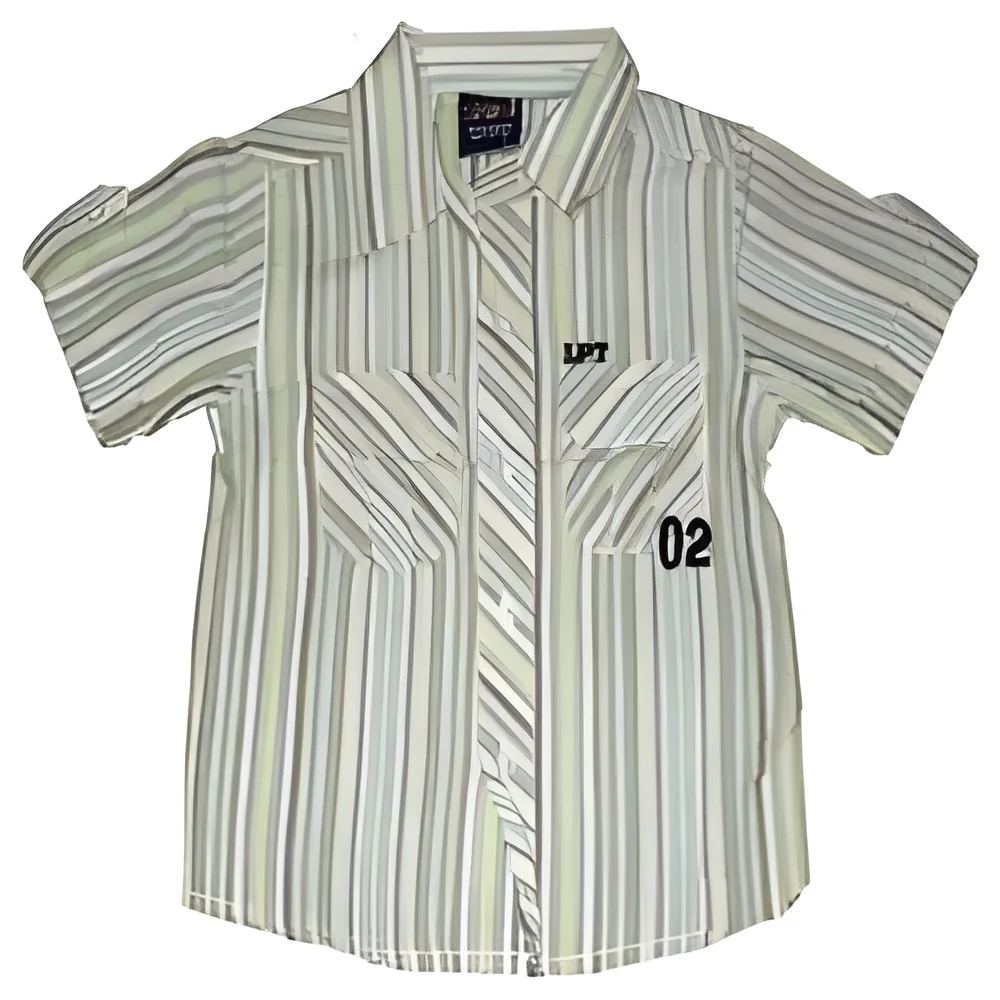
Promotional Clothing: Tailored apparel for promotional events can be designed to feature branding prominently. This includes items like embroidered shirts or jackets for marketing purposes.
𝗕𝗲𝗻𝗲𝗳𝗶𝘁𝘀 𝗮𝗻𝗱 𝗔𝗱𝘃𝗮𝗻𝘁𝗮𝗴𝗲𝘀
Investing in tailoring and custom stitching offers numerous benefits that can significantly enhance a business's operations and brand image.
Key benefits include:
1. Personalized Fit: Tailored garments provide an unmatched fit, enhancing comfort and appearance for the wearer.
2. Enhanced Brand Image: Custom stitching allows businesses to showcase their brand through unique designs and logos, leaving a lasting impression on clients and customers.
3. Quality Assurance: Tailored products typically adhere to higher quality standards, ensuring durability and longevity.
4. Increased Employee Satisfaction: Providing custom uniforms can boost morale among employees, contributing to a positive workplace culture.
5. Versatility: Tailoring and custom stitching can cater to a wide range of industries, making them suitable for various applications.
6. Cost-Effectiveness: While initial costs may be higher, the durability and quality of tailored garments can lead to long-term savings.
𝗕𝘂𝘆𝗶𝗻𝗴 𝗚𝘂𝗶𝗱𝗲 𝗳𝗼𝗿 𝗕𝟮𝗕 𝗕𝘂𝘆𝗲𝗿𝘀
When sourcing tailoring and custom stitching services, businesses should consider several critical factors to ensure they make informed purchasing decisions.
1. Quality Assessment: Evaluate fabric quality and stitching techniques used in the production process. High-quality materials lead to better durability and comfort.
2. Supplier Verification: Research potential suppliers to verify their reputation and expertise in tailoring. Reviews and testimonials can provide insights into their reliability.
3. Pricing and MOQ: Understand the pricing structure and any minimum order quantities (MOQ) required. Comparing quotes from different suppliers can help find the best deal.
4. Delivery and Lead Times: Discuss delivery timelines with suppliers to ensure they align with project schedules. Timely delivery is crucial for maintaining business operations.
5. Compliance Requirements: Ensure that suppliers adhere to any industry regulations and standards relevant to the garments being produced. Compliance is essential for quality assurance.
𝗖𝗼𝗺𝗽𝗹𝗶𝗮𝗻𝗰𝗲 𝗮𝗻𝗱 𝗖𝗲𝗿𝘁𝗶𝗳𝗶𝗰𝗮𝘁𝗶𝗼𝗻𝘀
Compliance with quality standards and certifications is vital in the tailoring and custom stitching industry.
Relevant quality standards include ISO 9001, which ensures that organizations meet customer and regulatory requirements consistently. This standard is crucial for maintaining high-quality production processes.
Certifications such as CE indicate that products meet European safety standards. This certification is important for businesses looking to enter or operate in European markets.
Safety and testing requirements must also be met, particularly in industries like healthcare and manufacturing, where garment safety can directly impact employee well-being.
Regional compliance considerations may vary depending on local regulations. It is essential for suppliers to be aware of and comply with these guidelines to avoid potential legal issues.
𝗪𝗵𝘆 𝗦𝗼𝘂𝗿𝗰𝗲 𝗧𝗮𝗶𝗹𝗼𝗿𝗶𝗻𝗴 & 𝗖𝘂𝘀𝘁𝗼𝗺 𝗦𝘁𝗶𝘁𝗰𝗵𝗶𝗻𝗴 𝗳𝗿𝗼𝗺 𝗣𝗲𝗽𝗮𝗴𝗼𝗿𝗮?
Pepagora provides a trusted platform for sourcing tailoring and custom stitching with several key advantages that streamline the purchasing process for businesses.
Verified Supplier Network: Pepagora boasts a network of verified suppliers, ensuring that businesses are connected with reputable manufacturers who meet stringent quality standards.
Streamlined RFQ Process: The platform offers an efficient request for quotation (RFQ) system, allowing buyers to easily compare pricing and services from multiple suppliers. This facilitates informed decision-making.
Trade Assurance and Support: Pepagora provides trade assurance, offering buyer protection and support throughout the purchasing process. This ensures a secure transaction and builds trust between buyers and suppliers.
Regional Coverage: With a strong presence in India, the GCC, and Southeast Asia, Pepagora offers extensive regional coverage. This geographic reach allows businesses to connect with local suppliers who understand market demands and delivery logistics.
By sourcing tailoring and custom stitching through Pepagora, businesses can ensure they receive high-quality products tailored to their specific needs while benefiting from a robust support system.

 IN
IN