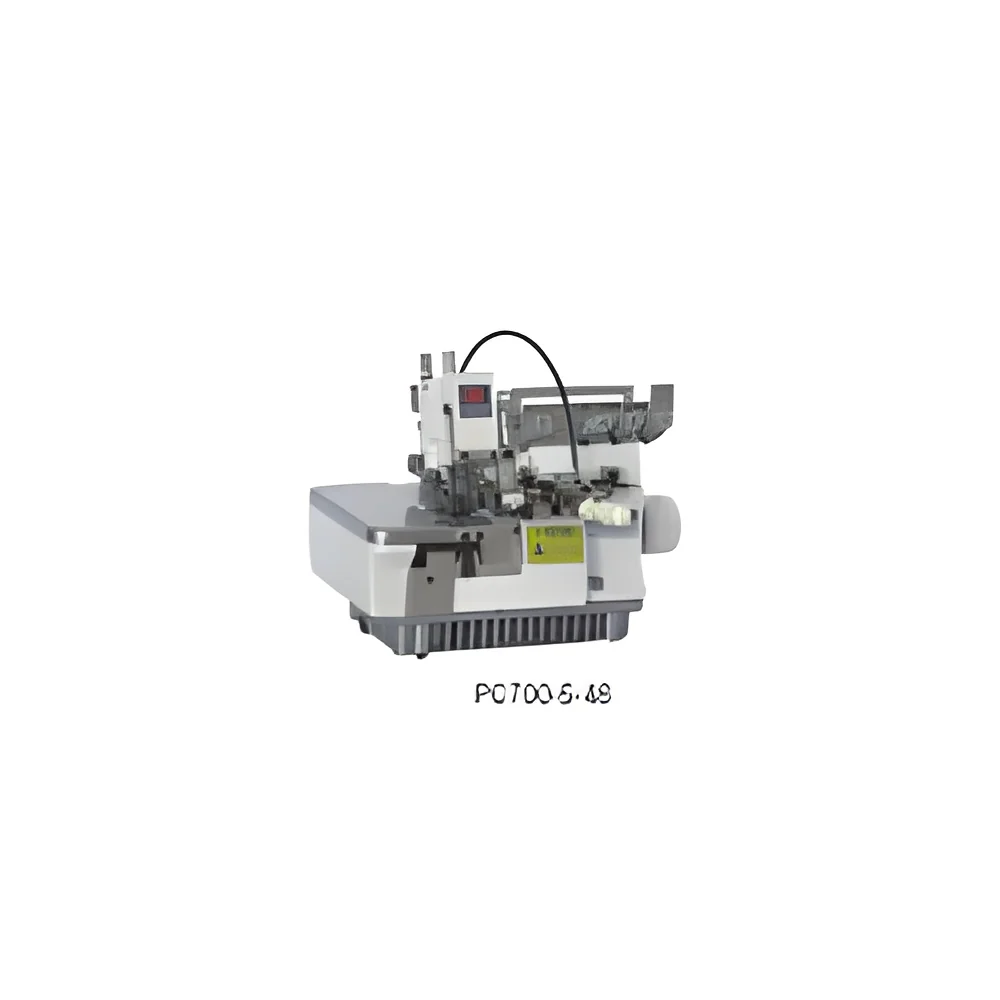
What are Bulk Stitching for Designers?
Bulk stitching for designers refers to the process of sewing multiple layers of fabric together in large quantities to create finished products efficiently. This method is crucial in the fashion and textile industry where rapid production and high-quality results are essential. Bulk stitching can encompass a variety of techniques tailored to specific fabric types and product designs, ensuring that the final output meets the desired standards of durability and aesthetics.
Primarily, bulk stitching is used in the production of garments, upholstery, and various textile products. Designers often rely on this method to maintain consistency across a high volume of items. This is particularly important in fast fashion and custom apparel where trends change rapidly and time to market is critical. By utilizing bulk stitching, businesses can streamline their production processes while ensuring that they deliver high-quality products to their customers.
In the current market context, bulk stitching plays a vital role in the competitive landscape of the fashion and design industries. As brands focus on sustainability and efficiency, adopting bulk stitching techniques allows for reduced waste and optimized resource use. This relevance not only supports the operational goals of businesses but also aligns with the growing consumer demand for environmentally conscious practices.
Key Features and Specifications
Bulk stitching for designers offers a range of features that enhance production efficiency and product quality. Understanding these specifications is essential for businesses when selecting the right solutions for their needs.
Key specifications include:
1. Stitch Types
- Various stitch types such as straight, zigzag, and overlock are available.
- Each type serves specific purposes depending on fabric and product requirements.
2. Thread Quality
- High tensile strength threads are used to ensure durability.
- Thread types may include polyester, nylon, or cotton blends.
3. Fabric Compatibility
- Suitable for a wide range of fabrics including cotton, polyester, and blends.
- Ability to handle different fabric thicknesses effectively.
4. Production Speed
- Capable of high-speed stitching to meet large order demands.
- Optimized for efficiency without compromising quality.
5. Machine Specifications
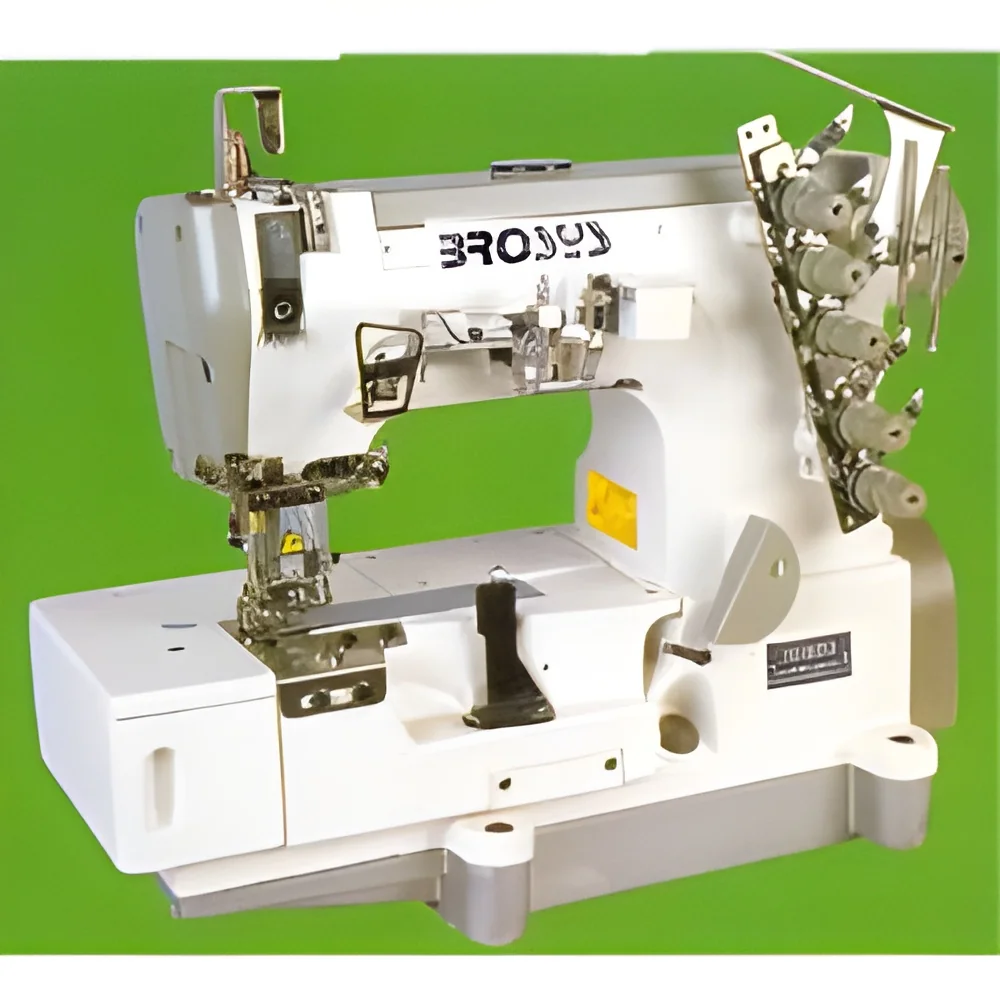
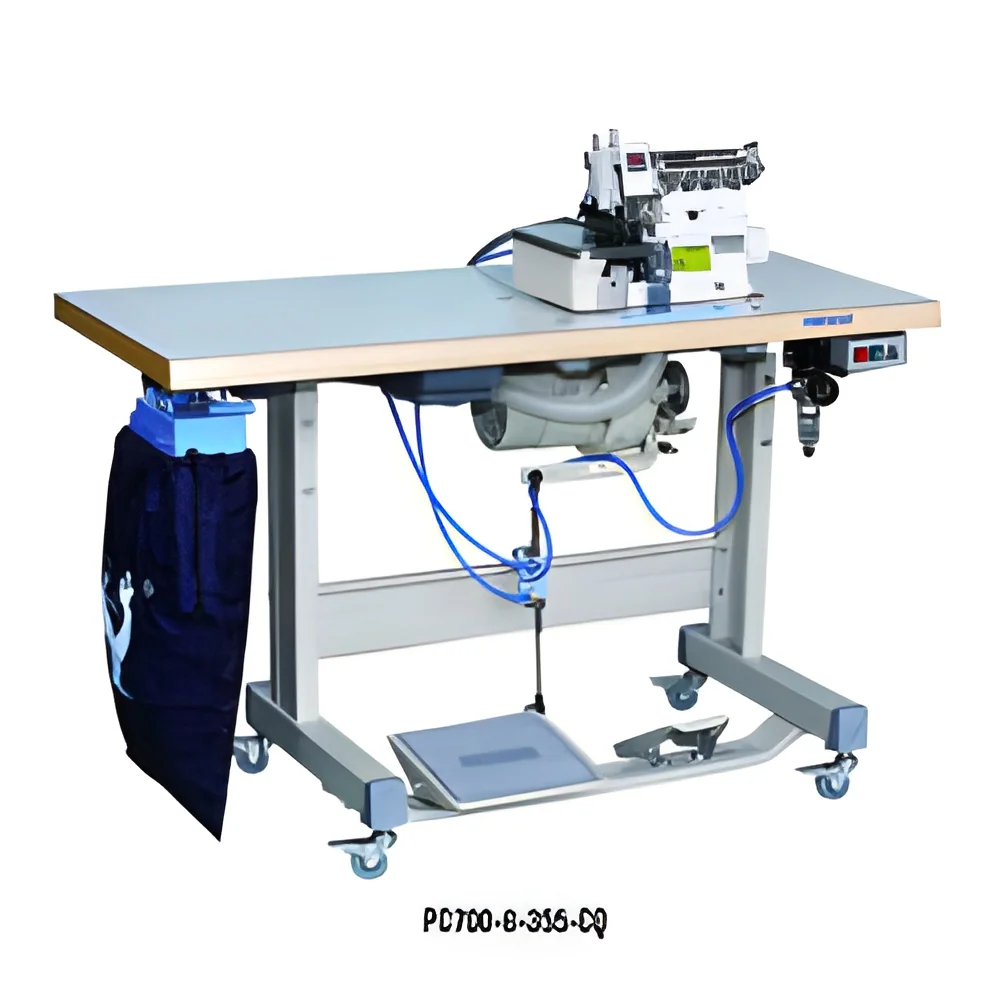
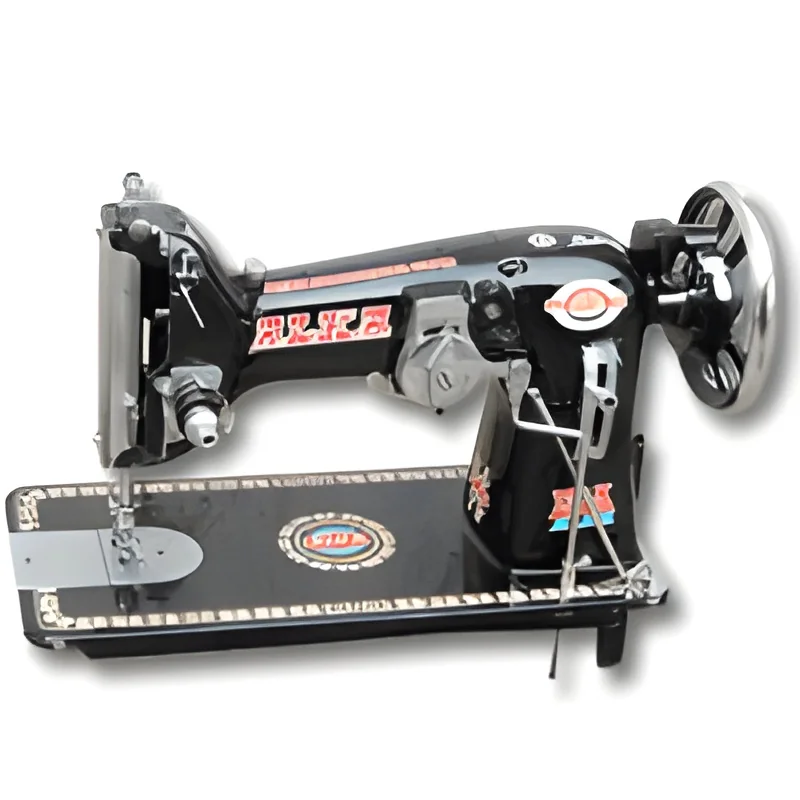
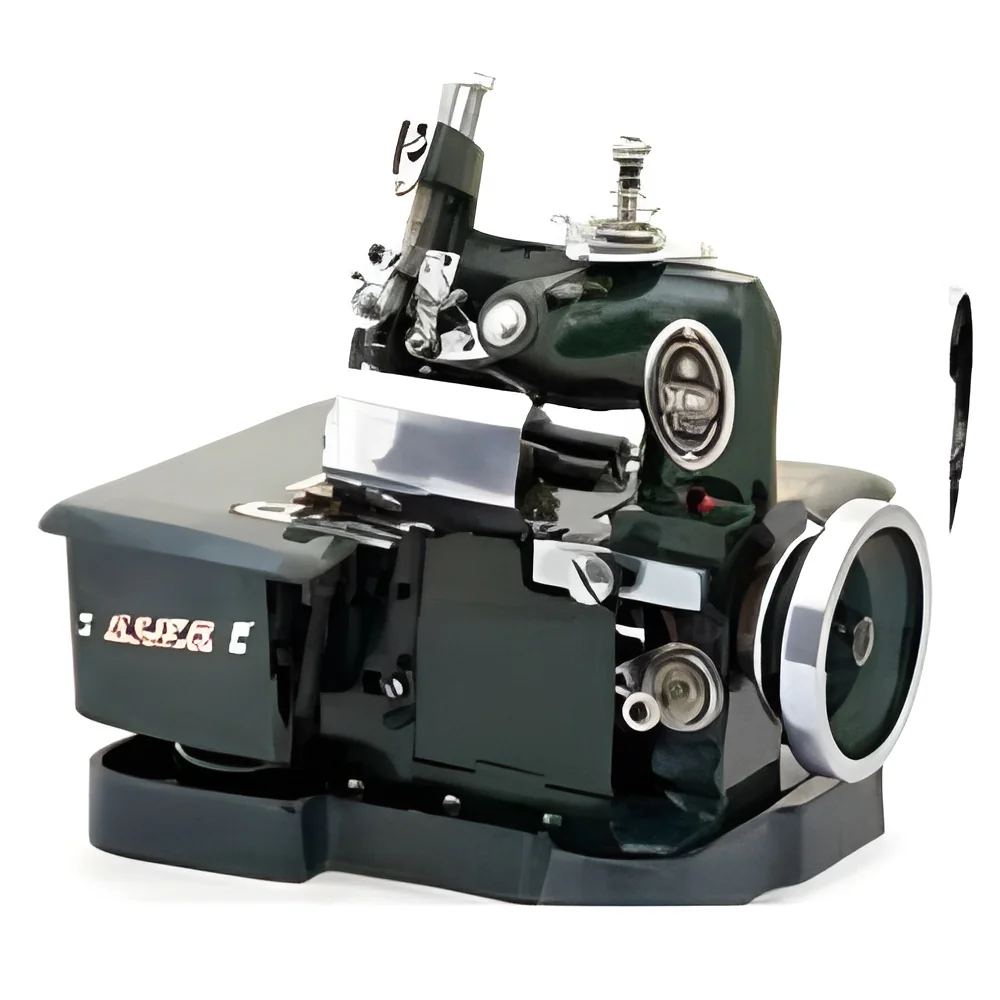
- Typically requires industrial sewing machines designed for bulk operations.
- Machines may include features such as automatic thread cutting and adjustable stitch lengths.
6. Customization Options
- Ability to customize stitching patterns and colors based on design needs.
- Flexible production runs to accommodate unique design specifications.
7. Quality Control Measures
- Incorporation of quality checkpoints during the stitching process.
- Ensures consistency and adherence to industry standards.
In summary, the key specifications of bulk stitching for designers provide essential insights into the capabilities and advantages of this production method, aiding businesses in making informed decisions.
Common Applications and Use Cases
Bulk stitching for designers finds extensive applications across various industries, making it a versatile solution for different manufacturing needs.
1. Fashion Industry: Bulk stitching is widely utilized in the fashion industry for producing ready-to-wear garments. It allows designers to create multiple pieces in a short timeframe while maintaining quality standards.
2. Upholstery: In the upholstery sector, bulk stitching is essential for crafting furniture covers and cushions. The durability and aesthetic appeal are enhanced through precise stitching techniques.
3. Home Textiles: This method is commonly used in home textiles, including bed linens, curtains, and tablecloths. Bulk stitching ensures that products are produced efficiently, catering to high consumer demand.
4. Sportswear: The sportswear industry benefits from bulk stitching by producing activewear that requires high-performance fabrics and stitching techniques to withstand rigorous use.
5. Automotive Textiles: In automotive manufacturing, bulk stitching is used for seat covers and interior linings. The resilience of the stitching ensures longevity and safety.
6. Medical Textiles: Bulk stitching is also applicable in the production of medical textiles, such as surgical gowns and drapes, where quality and compliance with safety standards are critical.
7. Promotional Products: Many promotional items, like tote bags and custom apparel, are produced using bulk stitching, allowing businesses to offer branded merchandise quickly.
Product Variants and Subcategories
While there are no specified subcategories for bulk stitching, the diversity of applications allows for various approaches within the same framework.
Standard Bulk Stitching
This variant encompasses the traditional approach to bulk stitching, focusing on efficiency and cost-effectiveness. It is ideal for large-scale production of basic garments and textile products.
Customized Bulk Stitching
This option allows designers to specify unique stitching patterns, colors, and fabric combinations. It is particularly beneficial for fashion designers looking to create distinct and personalized items.
Specialty Stitching
Specialty stitching includes techniques tailored for specific applications, such as reinforced stitching for heavy-duty items or decorative stitching for creative designs. This variant caters to niche markets with unique requirements.
Benefits and Advantages
Choosing bulk stitching for designers brings several advantages that enhance productivity and product quality.
Key benefits include:
1. Increased Efficiency: Bulk stitching allows for rapid production, enabling businesses to meet tight deadlines and high order volumes effectively.
2. Cost-Effective: By producing large quantities at once, businesses can reduce labor and material costs per unit, improving overall profitability.
3. Consistent Quality: The use of industrial machines and standardized processes ensures that each product meets the same high-quality standards.
4. Flexibility: Bulk stitching can be adapted to various designs and fabric types, allowing businesses to respond quickly to market trends.
5. Enhanced Durability: High-quality stitching techniques contribute to the overall durability of products, reducing returns and increasing customer satisfaction.
6. Shorter Lead Times: The efficiency of bulk stitching results in shorter lead times, enabling faster delivery to customers and better inventory management.
Buying Guide for B2B Buyers
When sourcing bulk stitching for designers, it is essential to consider several key factors to ensure the best outcomes.
1. Quality Assessment: Evaluate the quality of stitching and materials used. Look for suppliers who offer samples and adhere to industry standards for durability and performance.
2. Supplier Verification: Vet potential suppliers by checking their reputation, customer reviews, and past projects to ensure reliability and consistency in delivery.
3. Pricing and MOQ: Understand the pricing structure and minimum order quantities. Negotiate terms that align with your budget and production needs.
4. Delivery and Lead Times: Inquire about the supplier's logistics capabilities and lead times to ensure timely delivery that aligns with your production schedule.
5. Compliance Requirements: Ensure that the products meet necessary regulatory and safety standards relevant to your industry. This may include certifications like CE and UL.
Compliance and Certifications
Compliance with industry standards is crucial when selecting bulk stitching for designers. Relevant quality standards such as ISO 9001 help ensure consistent quality management in the production process. Adhering to these standards ensures that the products are manufactured with a focus on quality, safety, and efficiency.
Certifications, such as CE and UL, indicate that the products have passed rigorous safety and performance tests. These certifications are essential for industries where safety is paramount, such as medical textiles and automotive applications.
Furthermore, businesses must consider regional compliance requirements, which may vary by country or industry. Understanding these regulations helps businesses avoid potential legal issues and ensures that products can be marketed globally without complications.
Why Source Bulk Stitching for Designers from Pepagora?
Pepagora provides a trusted platform for sourcing bulk stitching for designers, offering several key advantages that benefit B2B buyers.
Verified Supplier Network: Pepagora connects businesses with a network of verified suppliers, ensuring that buyers can source high-quality bulk stitching solutions with confidence. This network is built on transparency and reliability, fostering trust between buyers and suppliers.
Streamlined RFQ Process: The platform offers a streamlined request for quotation (RFQ) process, allowing buyers to quickly gather multiple quotes from different suppliers. This system simplifies decision-making and helps businesses find the best value for their needs.
Trade Assurance and Support: Pepagora prioritizes buyer protection through trade assurance policies. This support provides peace of mind for businesses, knowing that their transactions are secure and that they have recourse in case of disputes.
Regional Coverage: With a strong presence in India, the GCC, and Southeast Asia, Pepagora offers regional coverage that enables businesses to tap into diverse markets. This extensive reach facilitates efficient sourcing and helps businesses expand their operational footprint.

 IN
IN