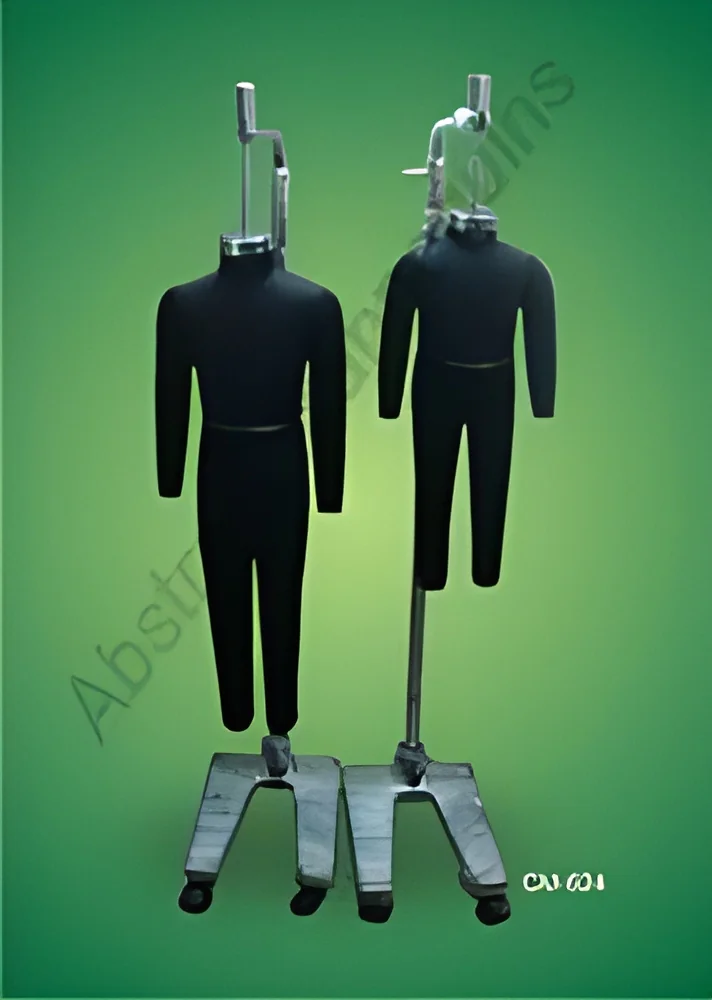
What are Made-to-Measure Tailoring?
Made-to-Measure Tailoring refers to a bespoke clothing service where garments are customized to fit the specific measurements and preferences of an individual. This process typically involves taking detailed body measurements and choosing fabric, style, and design elements to create a unique piece of clothing. The result is a tailored garment that offers superior fit and comfort compared to off-the-rack options.
This service is primarily used in professional and formal settings where appearance is crucial. Industries such as corporate, hospitality, and event management often require tailored clothing for their employees. In addition, many individuals seek made-to-measure options for personal events such as weddings or formal gatherings. The market for made-to-measure tailoring is growing as consumers increasingly value personalization and quality in their clothing choices.
In today's competitive business environment, made-to-measure tailoring is particularly relevant. Companies recognize that well-fitted clothing can enhance employee professionalism and brand image. The rise of e-commerce has also made it easier for consumers to access tailored clothing, broadening the market for these services.
Key Features and Specifications
Made-to-Measure Tailoring offers numerous features that cater to individual needs. Understanding these specifications is essential for businesses considering this service.
Key specifications include:
1. Custom Fit
- Garments are tailored to the precise measurements of the wearer.
- Ensures maximum comfort and mobility.
2. Fabric Selection
- A range of high-quality fabrics can be chosen based on personal preference.
- Options often include wool, cotton, linen, and blends.
3. Design Customization
- Clients can select design elements such as lapels, cuffs, and pockets.
- Allows for a personalized aesthetic that reflects individual style.
4. Construction Quality
- Tailored garments are typically constructed with higher craftsmanship standards.
- Results in durability and a polished appearance.
5. Style Variations
- Various styles are available to suit different occasions, from business attire to formal wear.
- Flexibility in design accommodates diverse customer needs.
6. Fittings and Adjustments
- Multiple fittings are often provided to ensure the best possible fit.
- Adjustments can be made throughout the process.
7. Order Lead Time
- The time required to complete a tailored garment can vary based on complexity.
- Typically ranges from a few weeks to several months.
In summary, made-to-measure tailoring combines customization, quality, and craftsmanship to create garments that meet the specific needs of clients.
Common Applications and Use Cases
Made-to-Measure Tailoring serves a wide array of industries, each with unique applications.
1. Corporate: Many businesses opt for tailored suits for their employees to enhance professionalism and brand image. Custom fits ensure that staff present themselves well in client-facing roles.
2. Hospitality: Hotels and restaurants often provide tailored uniforms for their staff, ensuring a cohesive and polished appearance that aligns with their brand identity.
3. Event Management: Organizers of corporate events frequently employ tailored clothing for their teams to maintain a formal and uniform look, enhancing the overall guest experience.
4. Fashion Retail: Retailers may offer made-to-measure services to attract customers seeking personalized clothing options, differentiating themselves in a competitive market.
5. Personal Events: Individuals often seek tailored garments for weddings, galas, and other significant occasions, ensuring they look their best on special days.
6. Performing Arts: Actors and performers may require custom-fit costumes that accommodate movement while ensuring a striking visual presentation on stage.
7. Sports Teams: Some teams utilize made-to-measure tailoring for uniforms that promote team spirit and provide comfortable fits for athletes.
Product Variants and Subcategories
Made-to-Measure Tailoring encompasses a diverse range of products tailored to meet various needs.
Formal Suits
These are designed for business and formal occasions, offering custom fits and high-quality fabrics. Clients can choose from various styles, lapels, and finishes.
Casual Wear
This variant includes tailored shirts, trousers, and jackets suitable for informal settings. Clients can select fabrics and styles that align with their lifestyle.
Uniforms
Custom uniforms can be designed for various industries, ensuring that employees represent their brand while enjoying comfort and style.
Wedding Attire
Tailored wedding suits and dresses are crafted for couples seeking unique, personalized outfits for their special day.
Benefits and Advantages
Investing in Made-to-Measure Tailoring offers several key advantages.
1. Superior Fit: Tailored garments provide a fit that off-the-rack clothing often cannot match, enhancing comfort and appearance.
2. Personalization: Clients can customize every aspect of their garments, from fabric to design, ensuring a unique product that reflects their style.
3. Quality Craftsmanship: Made-to-measure tailoring typically involves higher construction standards, resulting in durable and aesthetically pleasing garments.
4. Enhanced Professionalism: Well-fitted clothing can boost confidence and professionalism for employees in client-facing roles.
5. Increased Satisfaction: Customers are often more satisfied with tailored clothing due to the personalized experience and the final product that meets their expectations.
6. Long-Term Investment: While the initial cost may be higher, tailored garments can last longer and provide better value over time compared to cheaper alternatives.
Buying Guide for B2B Buyers
When sourcing Made-to-Measure Tailoring, several factors should be considered to ensure the best outcomes.
1. Quality Assessment: Evaluate the quality of materials and craftsmanship. Look for samples or previous work from the supplier to gauge standards.
2. Supplier Verification: Conduct thorough vetting of potential suppliers. Check references and read reviews to ensure reliability and quality.
3. Pricing and MOQ: Be aware of pricing structures and minimum order quantities. Ensure that the costs align with your budget and volume needs.
4. Delivery and Lead Times: Discuss lead times with suppliers to avoid delays. Understand how long it will take to receive your orders after placement.
5. Compliance Requirements: Ensure that potential suppliers meet regional regulatory standards and certifications. This can include quality management standards like ISO 9001 or safety certifications.
Compliance and Certifications
Compliance and certifications are critical in ensuring the quality and safety of Made-to-Measure Tailoring.
Relevant quality standards include ISO 9001, which focuses on quality management systems to ensure consistent quality in products and services. This certification indicates that a supplier adheres to international quality standards, enhancing trust in their offerings.
Industry certifications such as CE mark compliance signify that products meet European safety, health, and environmental protection standards. This is particularly important for garments intended for specific industries or regions.
Safety and testing requirements are essential for ensuring that materials used in tailoring meet industry safety standards. This includes checking for harmful substances and ensuring proper labeling.
Regional compliance considerations may vary based on location. Buyers should ensure suppliers are familiar with local regulations and can meet all necessary compliance requirements.
Why Source Made-to-Measure Tailoring from Pepagora?
Pepagora offers a reliable platform for sourcing Made-to-Measure Tailoring, providing several advantages to B2B buyers.
Verified Supplier Network: Pepagora maintains a network of verified suppliers committed to quality and reliability. This ensures that buyers can access reputable sources for their tailored garment needs.
Streamlined RFQ Process: The request for quotation process on Pepagora is designed to be efficient, allowing buyers to quickly obtain quotes from multiple suppliers. This simplifies the sourcing process and saves time.
Trade Assurance and Support: Pepagora provides buyer protection through trade assurance, ensuring that transactions are secure and that buyers receive what they expect. In addition, customer support is available to assist with any inquiries or issues.
Regional Coverage: The platform has extensive geographic reach, catering to buyers in India, the GCC, and Southeast Asia. This broad coverage allows businesses to connect with suppliers in their region, facilitating easier communication and logistics.

 IN
IN