What are Ethnic Wear Stitching (Saree, Salwar, Lehenga)?
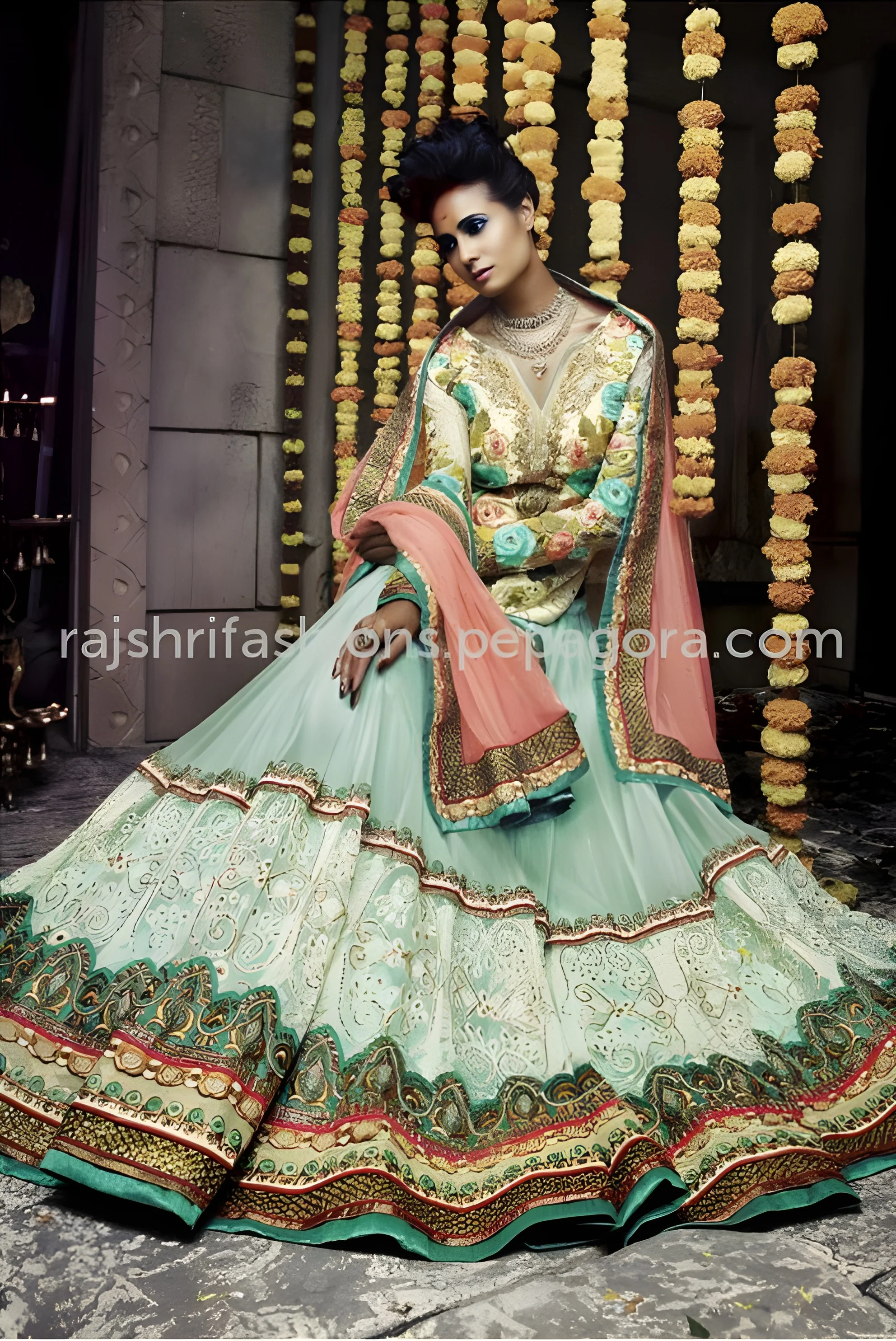
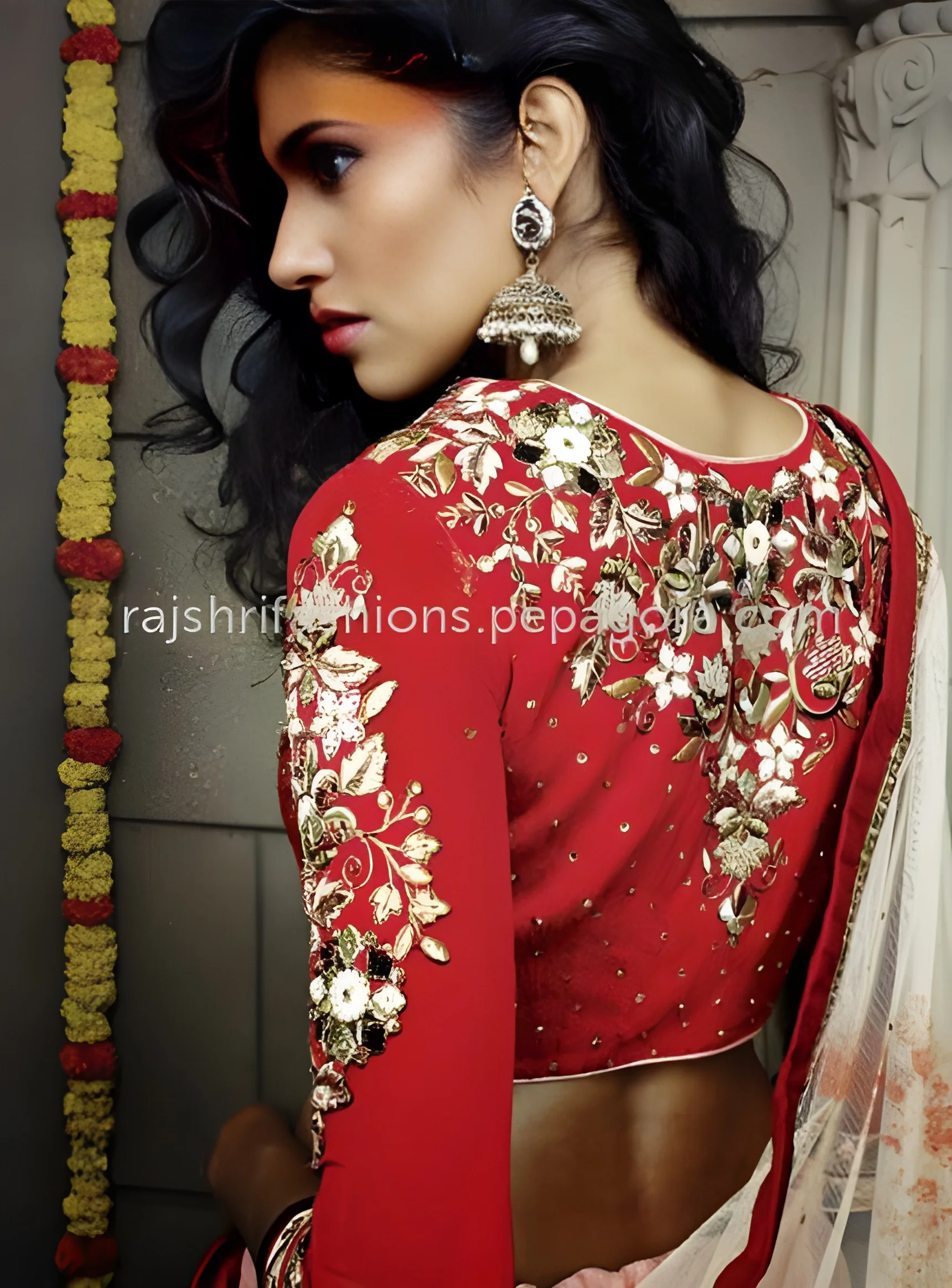
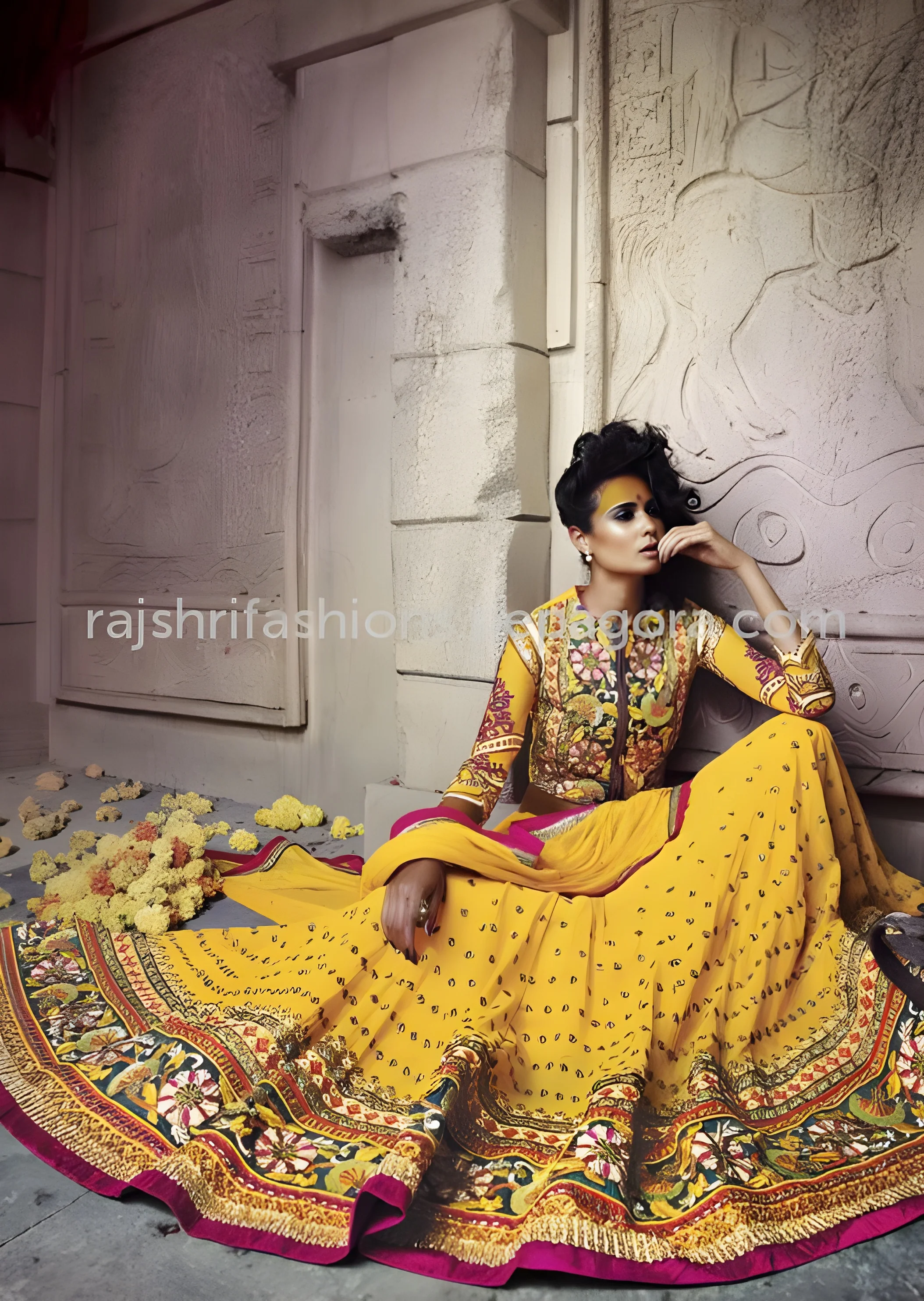
Ethnic wear stitching refers to the tailoring and finishing processes involved in creating traditional garments such as sarees, salwars, and lehengas. These garments are integral to South Asian culture and are often worn during festivals, weddings, and other significant occasions. The process of stitching includes selecting fabrics, crafting unique designs, and ensuring a perfect fit, which together contribute to the overall aesthetics and functionality of the garment.
The primary uses of ethnic wear stitching are found in the fashion and textile industries, catering to a wide array of customers from individual consumers to large retail businesses. Tailoring these garments allows for customization according to specific measurements, styles, and preferences, making them popular choices for special events. Ethnic wear also has a growing market presence internationally, where it appeals to diverse consumer bases looking for unique and culturally rich clothing options.
As a relevant aspect of the fashion industry, ethnic wear stitching is experiencing a resurgence thanks to globalization and the increasing interest in traditional attire among younger generations. This has led to a thriving market that combines traditional techniques with modern design, appealing to both local and international buyers.
๐๐ฒ๐ ๐๐ฒ๐ฎ๐๐๐ฟ๐ฒ๐ ๐ฎ๐ป๐ฑ ๐ฆ๐ฝ๐ฒ๐ฐ๐ถ๐ณ๐ถ๐ฐ๐ฎ๐๐ถ๐ผ๐ป๐
Ethnic wear stitching encompasses various features that enhance the quality and appeal of garments. Understanding these specifications is crucial for businesses seeking to procure high-quality products.
Key specifications include:
1. Fabric Quality
- High-quality fabrics such as silk, cotton, and chiffon are commonly used.
- Fabric weight typically ranges from 100 to 500 grams per meter.
2. Stitching Techniques
- Various stitching techniques are employed, including hand embroidery and machine stitching.
- Hand-stitched garments often feature intricate designs and detailing.
3. Customization Options
- Garments can be customized in terms of size, color, and design.
- Bespoke options are available for individual clients or bulk orders.
4. Design Complexity
- Designs can range from simple to highly intricate patterns.
- Traditional motifs may be incorporated based on regional styles.
5. Fit and Comfort
- Tailoring ensures a comfortable fit, which is essential for user experience.
- Adjustments can be made for ease of movement.
6. Durability
- Quality stitching contributes to the garment's longevity.
- Fabrics are selected for their ability to withstand wear and tear.
7. Seasonal Adaptability
- Ethnic wear can be designed for various seasons, considering factors like breathability.
- Lighter fabrics are preferred for summer, while heavier materials are suitable for winter.
8. Compliance with Fashion Trends
- Designs often reflect current fashion trends while maintaining traditional elements.
- The ability to adapt to changing styles is vital for market relevance.
In summary, the key features and specifications of ethnic wear stitching emphasize quality, customization, and adaptability, making these garments suitable for various occasions and consumer preferences.
๐๐ผ๐บ๐บ๐ผ๐ป ๐๐ฝ๐ฝ๐น๐ถ๐ฐ๐ฎ๐๐ถ๐ผ๐ป๐ ๐ฎ๐ป๐ฑ ๐จ๐๐ฒ ๐๐ฎ๐๐ฒ๐
Ethnic wear stitching finds applications across multiple industries, catering to diverse needs and preferences.
1. Fashion Retail: Many clothing retailers offer ethnic wear collections, utilizing tailored stitching to provide unique and appealing garments to customers.
2. Event Planning: Wedding planners and event organizers often require custom ethnic wear for their clients, highlighting the significance of these garments in cultural celebrations.
3. E-commerce: Online fashion platforms frequently feature ethnic wear, where tailored options enhance the shopping experience for consumers looking for specific designs and fits.
4. Costume Design: The film and theater industries utilize ethnic wear stitching for character costumes, ensuring authenticity in portrayal.
5. Cultural Exhibitions: Ethnic garments are often showcased at cultural events, highlighting traditional craftsmanship and attracting interest from a global audience.
6. Boutiques: Independent boutiques often focus on custom ethnic wear, allowing them to offer exclusive designs and personalized service to their clientele.
7. Export Markets: Many businesses specialize in exporting ethnic wear, capitalizing on international demand for traditional attire.
๐ฃ๐ฟ๐ผ๐ฑ๐๐ฐ๐ ๐ฉ๐ฎ๐ฟ๐ถ๐ฎ๐ป๐๐ ๐ฎ๐ป๐ฑ ๐ฆ๐๐ฏ๐ฐ๐ฎ๐๐ฒ๐ด๐ผ๐ฟ๐ถ๐ฒ๐
Ethnic wear stitching encompasses a diverse range of products tailored to meet various consumer preferences.
Sarees
Sarees are versatile garments that can be styled in numerous ways. They are available in various fabrics, colors, and designs, catering to different occasions from casual wear to formal events.
Salwars
Salwars provide a comfortable yet stylish option for traditional wear. They are often paired with kameez and dupattas, making them suitable for both daily wear and festive occasions.
Lehengas
Lehengas are popular choices for weddings and celebrations, known for their intricate designs and rich fabrics. They offer a glamorous look, often embellished with embroidery and sequins.
๐๐ฒ๐ป๐ฒ๐ณ๐ถ๐๐ ๐ฎ๐ป๐ฑ ๐๐ฑ๐๐ฎ๐ป๐๐ฎ๐ด๐ฒ๐
Ethnic wear stitching offers several significant advantages for businesses and consumers alike.
1. Customization: Tailoring provides options for unique designs, ensuring garments meet individual tastes and preferences.
2. Quality Craftsmanship: Skilled artisans ensure high-quality stitching, enhancing durability and aesthetic appeal.
3. Cultural Significance: These garments reflect rich cultural heritage, making them meaningful choices for consumers.
4. Versatile Use: Ethnic wear can be worn for various occasions, from casual gatherings to formal events, making them a valuable addition to any wardrobe.
5. Competitive Pricing: Businesses can source ethnic wear at various price points, allowing for flexibility in purchasing according to budget.
6. Market Demand: Increasing interest in ethnic wear globally presents opportunities for businesses to tap into a growing market.
๐๐๐๐ถ๐ป๐ด ๐๐๐ถ๐ฑ๐ฒ ๐ณ๐ผ๐ฟ ๐๐ฎ๐ ๐๐๐๐ฒ๐ฟ๐
When sourcing ethnic wear stitching, businesses should consider several important factors to ensure quality and suitability for their needs.
1. Quality Assessment: Evaluate the quality of fabrics and stitching techniques to ensure durability and aesthetic appeal.
2. Supplier Verification: It is essential to vet suppliers for their reputation and reliability to ensure a consistent product supply.
3. Pricing and MOQ: Consider the cost per unit and minimum order quantities, as these factors can impact overall procurement strategies.
4. Delivery and Lead Times: Assess the supplierโs ability to meet delivery timelines, which is crucial for timely inventory management.
5. Compliance Requirements: Ensure that the products meet any relevant industry standards or regulations to avoid compliance issues.
๐๐ผ๐บ๐ฝ๐น๐ถ๐ฎ๐ป๐ฐ๐ฒ ๐ฎ๐ป๐ฑ ๐๐ฒ๐ฟ๐๐ถ๐ณ๐ถ๐ฐ๐ฎ๐๐ถ๐ผ๐ป๐
Ethnic wear stitching is subject to various compliance and certification standards that ensure product quality and safety.
Key quality standards include ISO 9001, which focuses on quality management systems. Compliance with such standards assures businesses of consistent product quality.
Industry certifications like CE indicate that the products meet European safety, health, and environmental protection standards. This certification is especially important for businesses looking to enter international markets.
Safety and testing requirements are crucial to ensure that fabrics used in ethnic wear are free from harmful substances, ensuring consumer safety.
Regional compliance considerations may vary, so businesses must be aware of local regulations regarding textiles and clothing to ensure all products meet necessary legal requirements.
Why Source Ethnic Wear Stitching (Saree, Salwar, Lehenga) from Pepagora?
Pepagora provides a trusted platform for sourcing ethnic wear stitching with several key advantages.
Verified Supplier Network: Pepagora connects buyers with a network of verified suppliers, ensuring quality and reliability. This helps businesses find reputable sources for their ethnic wear needs.
Streamlined RFQ Process: The platform offers an efficient Request for Quotation process, allowing businesses to easily compare pricing and services from multiple suppliers. This facilitates informed decision-making.
Trade Assurance and Support: Buyers benefit from trade assurance programs that protect their purchases, providing peace of mind and support throughout the sourcing process.
Regional Coverage: Pepagoraโs geographic reach extends across India, the GCC, and Southeast Asia, making it easier for businesses to tap into diverse markets and find suitable suppliers for ethnic wear stitching.