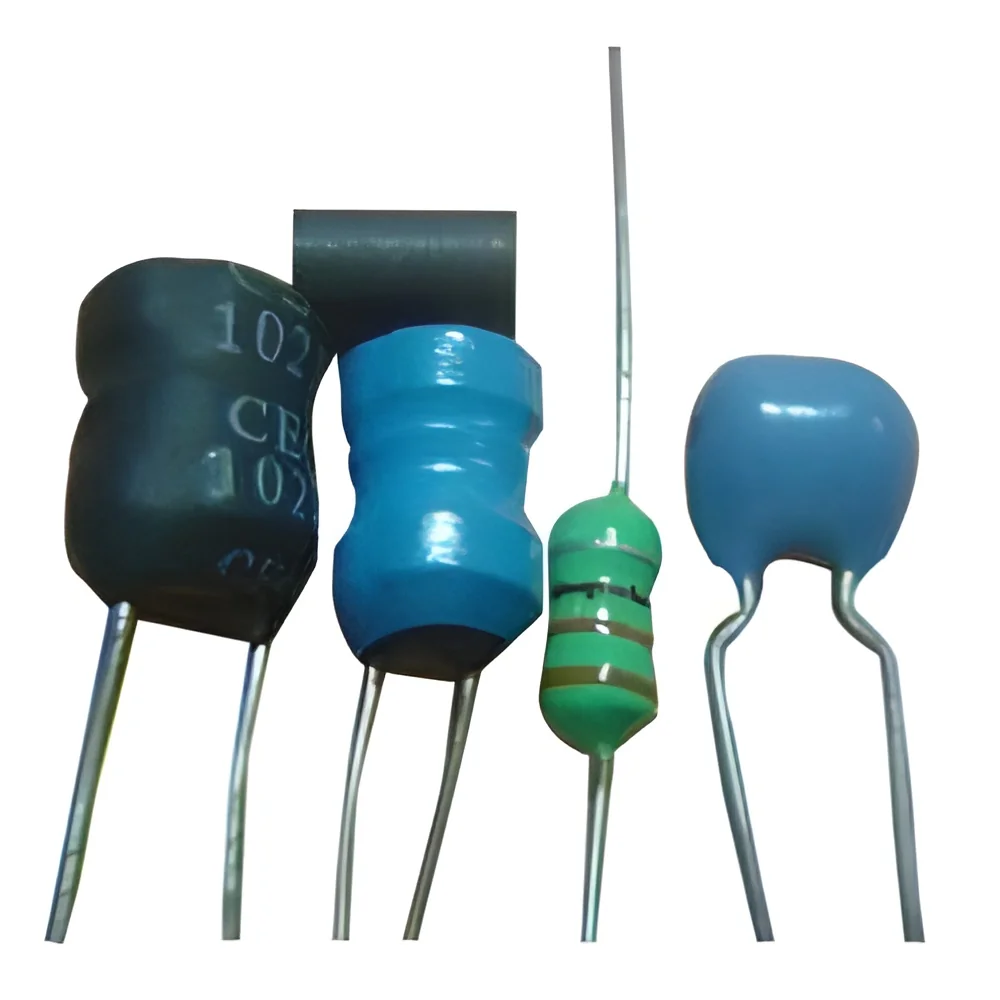
Key Features and Specifications
Inductors come with various features and specifications that are essential to their function and performance. Understanding these specifications helps B2B buyers select the right components for their applications.
Key specifications include:
1. Inductance Value
- This specification indicates the ability of the inductor to store energy in the magnetic field.
- Typical ranges vary from microhenries (µH) to henries (H) based on the application.
2. DC Resistance
- This specification measures the resistance of the inductor to direct current.
- Lower DC resistance is preferred to minimize energy loss.
3. Current Rating
- This specification defines the maximum current the inductor can handle.
- It is usually provided in amperes (A) and varies by inductor size and type.
4. Quality Factor (Q)
- The quality factor indicates the efficiency of the inductor.
- A higher Q value means lower energy loss and better performance.
5. Saturation Current
- This specification indicates the maximum current at which the inductor maintains its inductance value.
- Exceeding this current can lead to magnetic saturation and performance degradation.
6. Temperature Range
- This specification defines the operating temperature limits for the inductor.
- It is vital for ensuring reliable performance in various environments.
7. Core Material
- The core material affects the inductor's performance, including its inductance and saturation characteristics.
- Common materials include ferrite and iron.
8. Packaging Type
- Inductors come in various packaging styles, including through-hole and surface mount.
- The choice depends on the application and space constraints.
Inductors are designed with these specifications to meet the diverse needs of various applications, ensuring optimal performance and reliability.
Common Applications and Use Cases
Inductors find applications across multiple industries, each utilizing their unique properties for specific functions.
1. Telecommunications: Inductors are used in RF circuits for filtering signals and improving transmission quality. They help maintain signal integrity in communication devices.
2. Automotive: In automotive electronics, inductors play a vital role in power management systems, such as voltage regulation and noise filtering in electric vehicles.
3. Consumer Electronics: Inductors are integral to audio equipment, where they help in signal processing and power supply stabilization, enhancing sound quality.
4. Industrial Automation: Inductors are employed in motor drives and control systems to ensure efficient power delivery and reduce electromagnetic interference.
5. Renewable Energy: In solar inverters and wind turbine systems, inductors help manage energy conversion and storage, contributing to overall efficiency.
6. Medical Devices: In medical equipment, inductors are used for signal conditioning and power regulation, ensuring reliable operation in critical applications.
7. Computing: Inductors are essential in power supply circuits for computers, where they help regulate voltage and current for stable performance.
Product Variants and Subcategories
Inductors are available in various forms, catering to specific application needs and performance characteristics.
Fixed Inductors: These inductors have a set inductance value and are commonly used in applications where stability and reliability are essential. They are ideal for filtering and energy storage.
Variable Inductors: Variable inductors allow users to adjust the inductance value as needed. They are often used in tuning applications, such as in radios and other communication devices, where flexibility is crucial.
Ferrite Core Inductors: These inductors utilize ferrite materials for the core, providing high inductance values and excellent performance in high-frequency applications.
Inductor Coils: Typically used in inductive heating applications, these coils are designed to generate magnetic fields for heating conductive materials.
Benefits and Advantages
Inductors offer several key benefits that make them essential components in electronic circuits.
1. Energy Storage: Inductors can store energy in a magnetic field, allowing for efficient energy transfer and management in power circuits.
2. Signal Filtering: They effectively filter out unwanted frequencies, ensuring that only the desired signals pass through, which enhances overall system performance.
3. Current Regulation: Inductors help regulate current flow, providing stability in power supply systems and preventing voltage spikes.
4. Versatility: With fixed and variable types available, inductors can be tailored for a wide range of applications, from consumer electronics to industrial machinery.
5. Durability: High-quality inductors are built to withstand harsh operating conditions, ensuring long service life and reliability.
6. Compact Design: Many inductors are designed to be compact, allowing for space-saving solutions in modern electronics.
Buying Guide for B2B Buyers
When sourcing Inductors (Fixed, Variable), it is essential to consider several factors to ensure the right choice for your application.
1. Quality Assessment: Evaluate the quality of inductors based on manufacturer reputation and product reviews. Look for components that meet industry standards for reliability and performance.
2. Supplier Verification: Vet potential suppliers by checking certifications, customer feedback, and their track record. A reliable supplier can provide consistent quality and support.
3. Pricing and MOQ: Understand pricing structures and minimum order quantities (MOQ) from suppliers. Compare costs while considering the quality and specifications required for your applications.
4. Delivery and Lead Times: Discuss logistics with suppliers to ensure timely delivery of components. Lead times can vary, so plan accordingly to avoid disruptions.
5. Compliance Requirements: Ensure that the inductors meet relevant industry regulations and standards, such as CE certification, to avoid compliance issues in your applications.
Compliance and Certifications
Inductors must adhere to stringent quality standards and certifications to ensure safety and performance in various applications.
ISO 9001 is a widely recognized standard that outlines quality management systems. Compliance with this standard ensures that manufacturers maintain quality throughout the production process.
CE certification indicates that the inductors meet European safety, health, and environmental protection standards. This certification is vital for products sold in European markets.
Safety and testing requirements also play a crucial role in the manufacturing of inductors. They must undergo rigorous testing to ensure they can withstand operational stresses and meet performance expectations.
Additionally, regional compliance considerations may vary, requiring manufacturers to be aware of local regulations governing electronic components in different markets.
Why Source Inductors (Fixed, Variable) from Pepagora?
Pepagora provides a trusted platform for sourcing Inductors (Fixed, Variable), offering several key advantages that cater to B2B buyers.
Verified Supplier Network: Pepagora has built a network of verified suppliers, ensuring that buyers can find reputable manufacturers and distributors who offer high-quality inductors.
Streamlined RFQ Process: The platform simplifies the request for quotation (RFQ) process, making it easy for buyers to compare prices and specifications from multiple suppliers effortlessly.
Trade Assurance and Support: Pepagora offers trade assurance and buyer protection, ensuring that transactions are secure and that buyers receive support throughout the purchasing process.
Regional Coverage: With a strong presence in India, the GCC, and Southeast Asia, Pepagora connects buyers with suppliers across these regions, facilitating efficient sourcing and distribution of inductors.

 IN
IN

 India
India