
 IN
Indoor Skating Equipment
5 products available
What are Indoor Skating Equipment?
Indoor skating equipment encompasses a range of products specifically designed for skating activities conducted in enclosed spaces. This category includes items such as skateboards, roller skates, inline skates, and synthetic skating surfaces. These products are engineered to provide optimal performance, safety, and a smooth skating experience for users of all ages.
The primary uses of indoor skating equipment include recreational activities, competitive sports, and fitness programs. Skating rinks, gyms, and community centers often utilize this equipment to offer skating as a fun and engaging way to promote physical fitness. Additionally, businesses may use these products for events, parties, and team-building activities, making them versatile assets in various commercial settings.
In recent years, the indoor skating market has gained traction, driven by rising interest in skating as a sport and recreational activity. Businesses are increasingly investing in quality indoor skating equipment to meet the growing demand, positioning themselves to attract customers looking for fun and engaging experiences. This sector's relevance is underscored by its alignment with health and wellness trends, as skating is an excellent way to promote an active lifestyle.
Key Features and Specifications
Indoor skating equipment is characterized by several key features and specifications that enhance its functionality and performance. Understanding these specifications is crucial for businesses looking to invest in quality equipment.
Key specifications include:
1. Material Composition
- Typically made from durable materials such as high-grade plastics, aluminum, and rubber
- Ensures longevity and resistance to wear and tear
2. Weight Capacity
- Standard weight limits generally range from 200 to 300 pounds
- Allows for a variety of users to safely enjoy the equipment
3. Wheel Type
- Options include soft wheels for indoor use and harder wheels for outdoor activities
- Affects grip, speed, and overall performance
4. Brake System
- Includes different brake types such as toe stops and heel brakes
- Provides safety features for user control
5. Size Variability
- Available in multiple sizes to accommodate different foot sizes and skating styles
- Customization options may be available
6. Safety Features
- Includes padded liners and secure buckling systems
- Designed to minimize injury during use
7. Maintenance Requirements
- Regular upkeep may involve wheel replacement and cleaning
- Important for ensuring optimal performance and safety
In summary, familiarizing oneself with the key features and specifications of indoor skating equipment is essential for making informed purchasing decisions.
Common Applications and Use Cases
Indoor skating equipment serves a variety of industries beyond recreational skating.
1. Recreation Centers: Facilities often use this equipment to provide community-based skating programs, encouraging fitness and social interaction among participants.
2. Sports Facilities: Many sports complexes incorporate skating equipment for training purposes, particularly for athletes in sports like roller hockey and figure skating.
3. Schools: Educational institutions may introduce skating programs to promote physical education, enhancing students' motor skills and coordination.
4. Event Planning: Companies in the event planning sector utilize indoor skating equipment for themed parties and corporate events, providing a unique entertainment option.
5. Fitness Studios: Gyms and fitness studios may offer skating classes as part of their wellness programs, targeting those interested in alternative workout methods.
6. Retail: Specialty stores may stock indoor skating equipment as part of their product lineup, catering to a growing customer base interested in skating as a lifestyle choice.
Product Variants and Subcategories
Indoor skating equipment is available in various forms, catering to different preferences and uses.
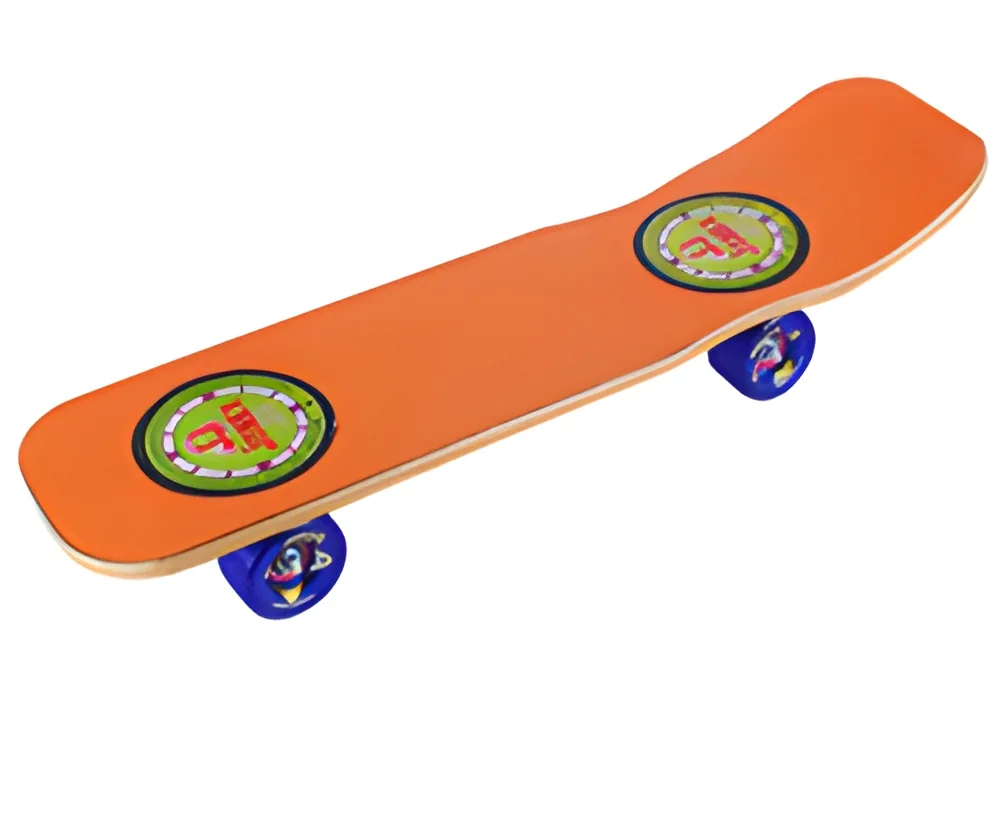
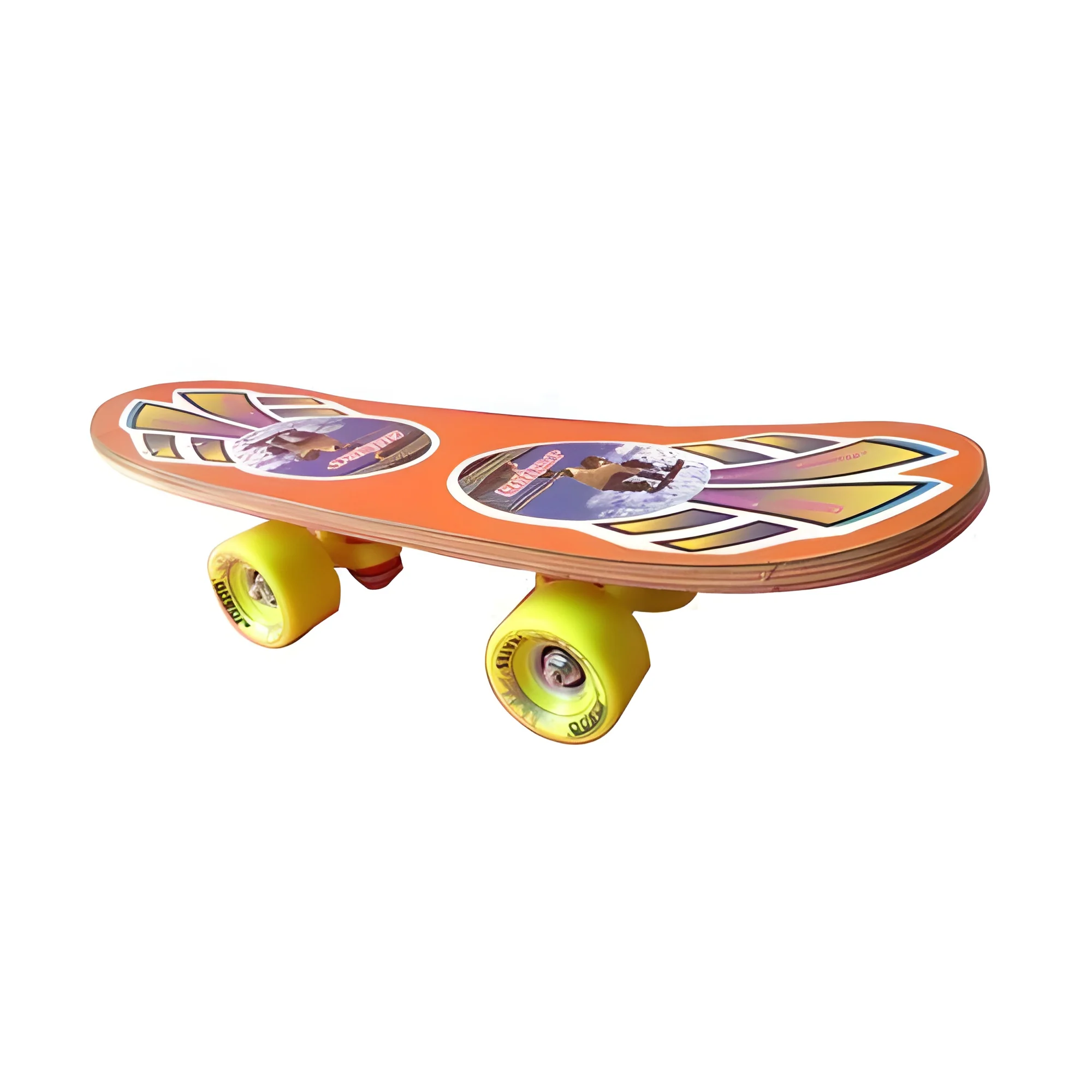
Skateboards
Skateboards are designed for tricks and stunts, featuring a sturdy deck and durable wheels. They are popular among enthusiasts and are often used in skate parks or urban settings.
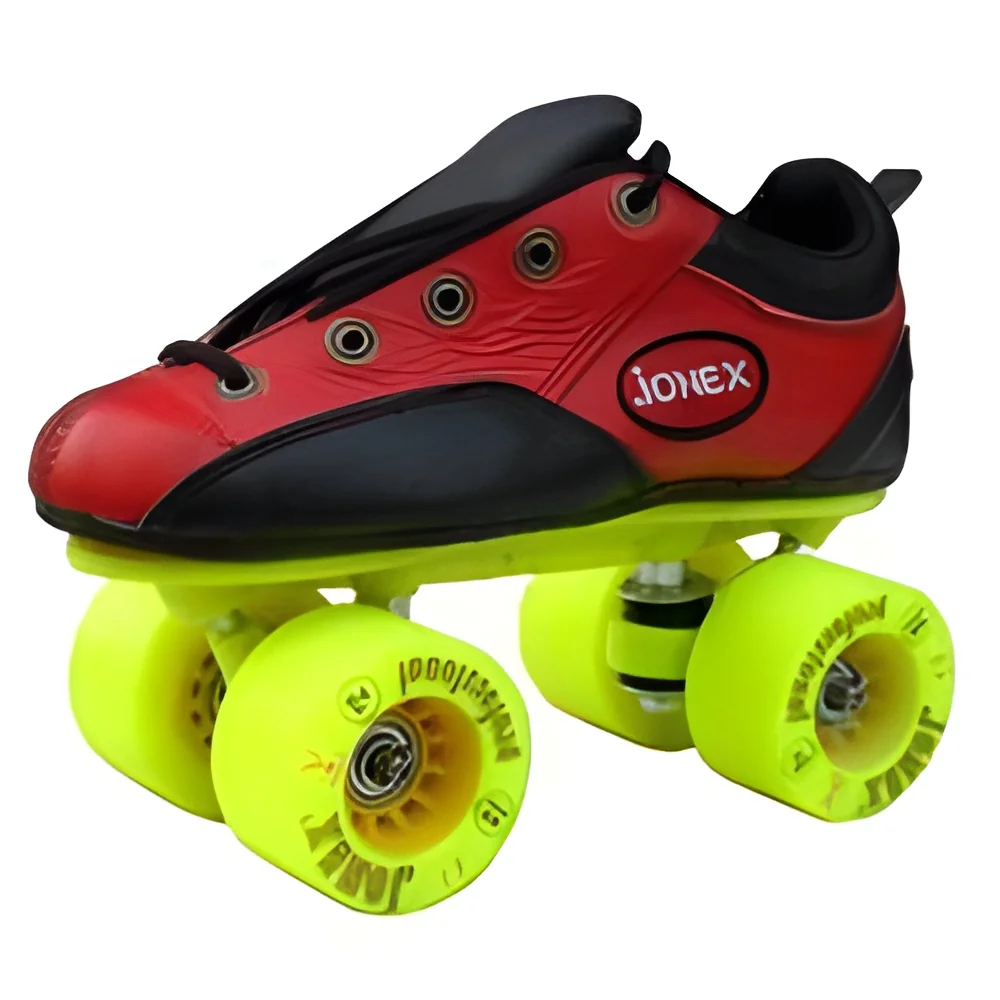
Roller Skates
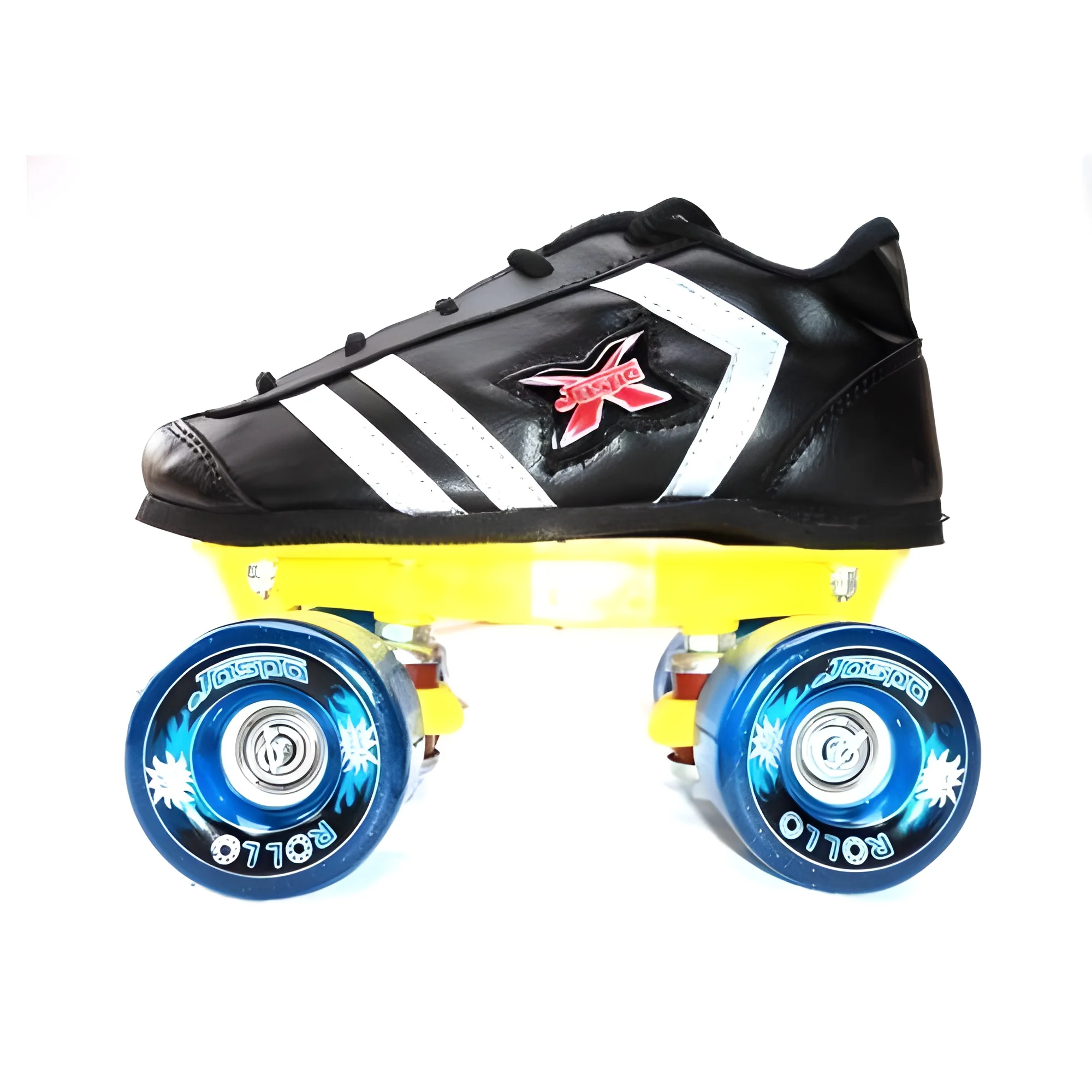
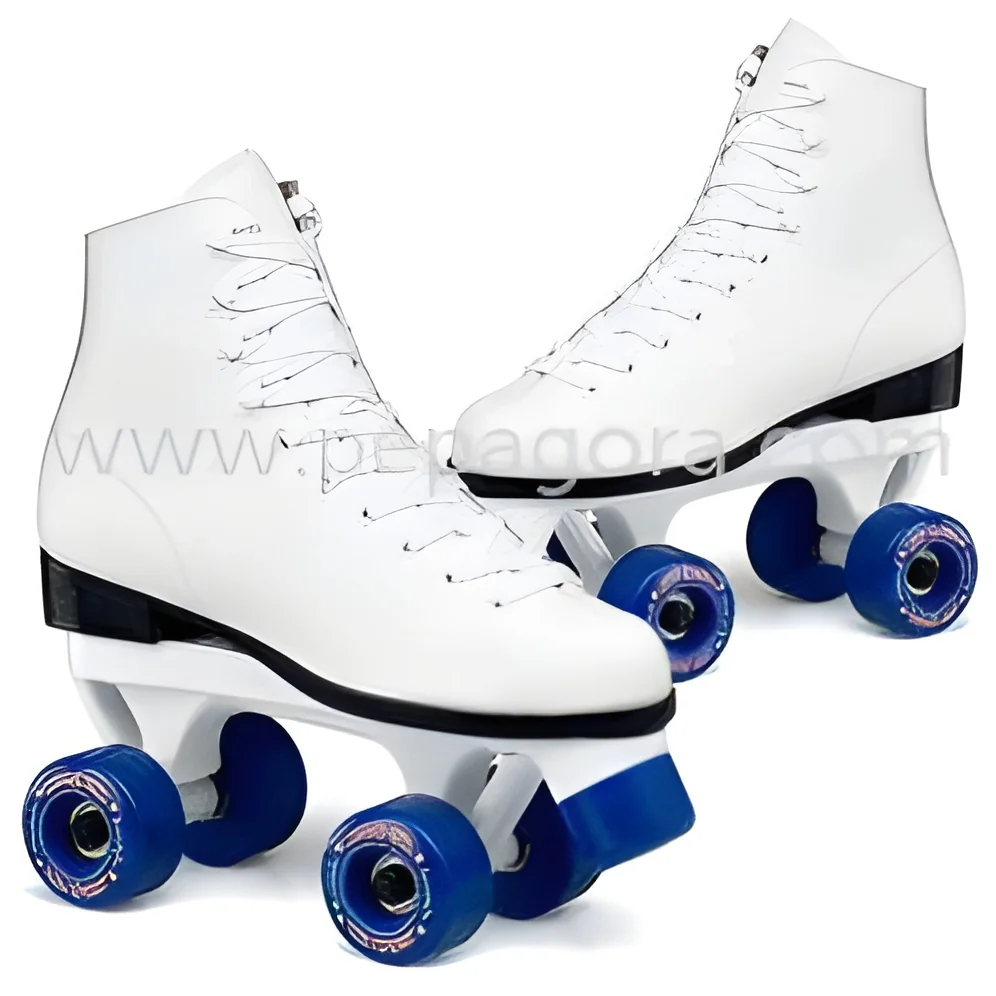
Roller skates are ideal for recreational use, offering a classic skating experience. With options for both quad and inline styles, they provide versatility for casual skaters.
Inline Skates
Inline skates feature a single line of wheels, allowing for greater speed and maneuverability. They are commonly used for fitness skating and competitive sports.
Benefits and Advantages
Indoor skating equipment offers numerous advantages for both users and businesses.
Key benefits include:
1. Health and Fitness: Skating is an excellent cardiovascular exercise, helping users improve their overall fitness levels.
2. Social Interaction: Skating facilities foster community engagement, providing a space for socializing and building relationships among participants.
3. Versatility: Indoor skating equipment can be used for various activities, from leisure skating to competitive sports, appealing to a wide audience.
4. Skill Development: Skating helps enhance coordination, balance, and agility, making it an ideal activity for skill development.
5. Cost-Effectiveness: Investing in indoor skating equipment can lead to long-term savings by attracting return customers and hosting events.
6. Customization Potential: Many suppliers offer customizable options, enabling businesses to tailor equipment to specific branding or user needs.
Buying Guide for B2B Buyers
When sourcing indoor skating equipment, it is essential to consider several factors to ensure a successful purchase.
1. Quality Assessment: Evaluate the durability and material quality of the equipment. Look for products that meet industry standards and have positive reviews from previous users.
2. Supplier Verification: Conduct thorough research to verify potential suppliers. Check for certifications, customer testimonials, and their reputation in the market.
3. Pricing and MOQ: Understand the pricing structure and minimum order quantities. This will help in budgeting and ensuring that you meet supplier requirements.
4. Delivery and Lead Times: Consider logistics, including shipping methods and expected delivery timelines. Clear communication with suppliers can help avoid delays.
5. Compliance Requirements: Familiarize yourself with any regulatory standards that apply to indoor skating equipment in your region. This may include safety and quality certifications.
Compliance and Certifications
Indoor skating equipment must adhere to various compliance and certification standards to ensure safety and quality. Relevant quality standards such as ISO 9001 and CE certification are crucial for manufacturers. These certifications indicate that products meet international safety and quality benchmarks.
Additionally, safety testing requirements must be met to ensure that the equipment is safe for public use. This may involve rigorous testing for durability, weight capacity, and user safety features.
Businesses should also be aware of regional compliance considerations, as regulations may vary by location. Adhering to these requirements is vital for maintaining a good reputation and ensuring customer safety.
Why Source Indoor Skating Equipment from Pepagora?
Pepagora serves as a reliable platform for sourcing indoor skating equipment, offering numerous advantages for B2B buyers.
Verified Supplier Network: Pepagora connects buyers with a network of verified suppliers, ensuring that all products meet industry standards. This reduces the risk of dealing with untrustworthy vendors.
Streamlined RFQ Process: The request for quotation process is user-friendly, allowing buyers to easily compare prices and specifications from multiple suppliers. This helps in making informed purchasing decisions.
Trade Assurance and Support: Pepagora provides trade assurance, offering buyer protection throughout the purchasing process. This includes support in case of disputes or issues with orders.
Regional Coverage: With a strong presence in India, the GCC, and Southeast Asia, Pepagora offers comprehensive geographic coverage. This ensures that businesses can find suitable suppliers in their region, facilitating easier logistics and communication.

 India
 India
Frequently Asked Questions
What are Indoor Skating Equipment?
Indoor Skating Equipment refers to the various tools and gear used for skating activities that take place indoors. This includes items such as roller skates, skateboards, protective gear, and skating rinks designed for indoor use.
What are the different types of Indoor Skating Equipment?
The different types of Indoor Skating Equipment include roller skates, inline skates, skateboards, protective gear like helmets and pads, and rink surfaces. Each type serves specific purposes and caters to various skating styles and preferences.
How do I choose the right Indoor Skating Equipment?
Choosing the right Indoor Skating Equipment involves considering your skill level, type of skating you intend to do, and personal comfort. It's also important to look for equipment that meets safety standards and fits well to ensure an enjoyable skating experience.
What are the standard specifications for Indoor Skating Equipment?
Standard specifications for Indoor Skating Equipment can vary by type, but generally include factors like size, weight capacity, material quality, and safety features. For example, roller skates may have specifications regarding wheel hardness and boot material.
What is the price range for Indoor Skating Equipment?
The price range for Indoor Skating Equipment can vary widely based on the type and quality of the equipment. Typically, you can expect to pay anywhere from a few thousand rupees for basic equipment to several tens of thousands for professional-grade gear.
What quality standards apply to Indoor Skating Equipment?
Quality standards for Indoor Skating Equipment typically include compliance with safety regulations and durability requirements. Equipment should meet the guidelines set by recognized organizations to ensure it is safe and reliable for users.
Where can I find Indoor Skating Equipment suppliers in India?
You can find Indoor Skating Equipment suppliers in India through various B2B marketplaces, trade fairs, and online directories. Websites like Pepagora.com can help you connect with reputable manufacturers and suppliers across the country.
Can Indoor Skating Equipment be customized?
Yes, many manufacturers offer customization options for Indoor Skating Equipment. This can include personalized designs, specific sizes, and tailored features to meet individual or business requirements.
What is the typical minimum order quantity for Indoor Skating Equipment?
The typical minimum order quantity (MOQ) for Indoor Skating Equipment can vary by supplier and product type. Generally, MOQs range from 10 to 100 units, depending on the manufacturer and customization options.
What is the typical lead time for Indoor Skating Equipment?
The typical lead time for Indoor Skating Equipment can vary based on the supplier and whether the items are customized. Generally, you can expect lead times to range from 2 to 6 weeks after placing an order.
Why Businesses Trust Pepagora
Thousands of companies trust Pepagora to source smarter and sell faster
Expand Your Sales Globally

Source Smarter,Grow Faster
