What are Imitation Gold Jewelry Manufacturers?
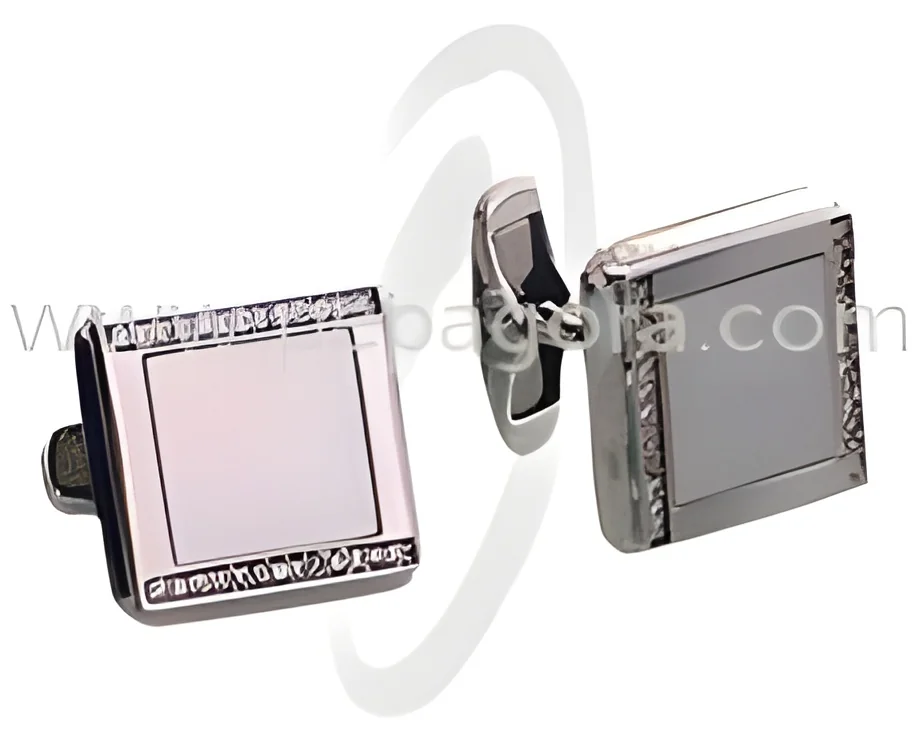
Imitation gold jewelry manufacturers specialize in producing jewelry items that mimic the appearance of real gold without using actual gold. These manufacturers utilize various materials, such as alloys and coatings, to create pieces that are visually appealing and affordable. The production process often involves intricate designs and craftsmanship to ensure that the final products resemble genuine gold jewelry closely.
These manufacturers cater to a wide range of clients, including retailers, wholesalers, and fashion designers who seek cost-effective alternatives to traditional gold jewelry. The primary applications of imitation gold jewelry extend to fashion accessories, promotional gifts, and even costume jewelry for theatrical productions. The market has grown significantly due to the increasing demand for affordable yet stylish jewelry options, particularly among younger consumers.
In the current industry landscape, imitation gold jewelry plays a crucial role in meeting consumer needs while offering a sustainable alternative to mined gold. The market context is influenced by economic factors, changing fashion trends, and consumer preferences for affordable luxury items. This relevance positions imitation gold jewelry manufacturers as key players in the broader jewelry sector.
Key Features and Specifications
Imitation gold jewelry is characterized by various features that differentiate it from genuine gold jewelry. These specifications are critical for buyers seeking quality and durability in their purchases.
Key specifications include:
1. Material Composition
- Common materials include brass, stainless steel, and other metal alloys.
- Coatings may consist of gold plating or vacuum plating.
2. Design Versatility
- Manufacturers offer a wide range of styles, from classic to contemporary.
- Custom design options are often available to meet specific client needs.
3. Durability
- Resistance to tarnishing and scratching is a common feature.
- Products may come with a warranty to ensure longevity.
4. Weight
- Imitation gold pieces are typically lighter than genuine gold items.
- Weight variations can indicate different quality levels.
5. Color Fidelity
- The color of the gold plating can vary, influencing the overall appearance.
- High-quality plating can closely resemble the hue of real gold.
6. Safety Standards
- Compliance with safety standards to ensure skin safety.
- Testing for nickel content is common to prevent allergic reactions.
7. Price Range
- Products are generally more affordable than real gold jewelry.
- Pricing structures may vary based on design complexity and materials used.
8. Minimum Order Quantity (MOQ)
- MOQs can differ by manufacturer, often ranging from small to bulk orders.
- Understanding MOQ is essential for businesses looking to stock inventory.
In summary, the features and specifications of imitation gold jewelry are designed to provide buyers with a balance of aesthetics, affordability, and durability.
Common Applications and Use Cases
Imitation gold jewelry serves a variety of industries and applications, making it a versatile choice for different consumers.
1. Retail Fashion: Retailers use imitation gold jewelry to appeal to budget-conscious consumers seeking trendy accessories. These pieces offer stylish options without the high price tag.
2. Event Planning: Wedding planners and event coordinators often utilize imitation gold jewelry for decoration and as part of themed events. These items enhance the visual appeal while remaining cost-effective.
3. Costume Design: Theatrical productions frequently incorporate imitation gold jewelry into costumes, allowing for elaborate designs without the need for expensive materials.
4. Gift Giving: Many individuals choose imitation gold jewelry as gifts for special occasions, such as birthdays and anniversaries, providing a luxurious appearance at an affordable price.
5. Promotional Merchandise: Businesses use imitation gold jewelry as promotional items, such as awards or giveaways, to create a lasting impression without significant expenditure.
6. Online Retail: E-commerce platforms benefit from selling imitation gold jewelry, catering to a global audience that seeks affordable fashion options.
7. Accessories for Fashion Shows: Fashion designers utilize imitation gold jewelry in runway shows to create visually striking outfits that capture attention without high costs.
Product Variants and Subcategories
Imitation gold jewelry is diverse, with various product variants that cater to different tastes and occasions.
Necklaces
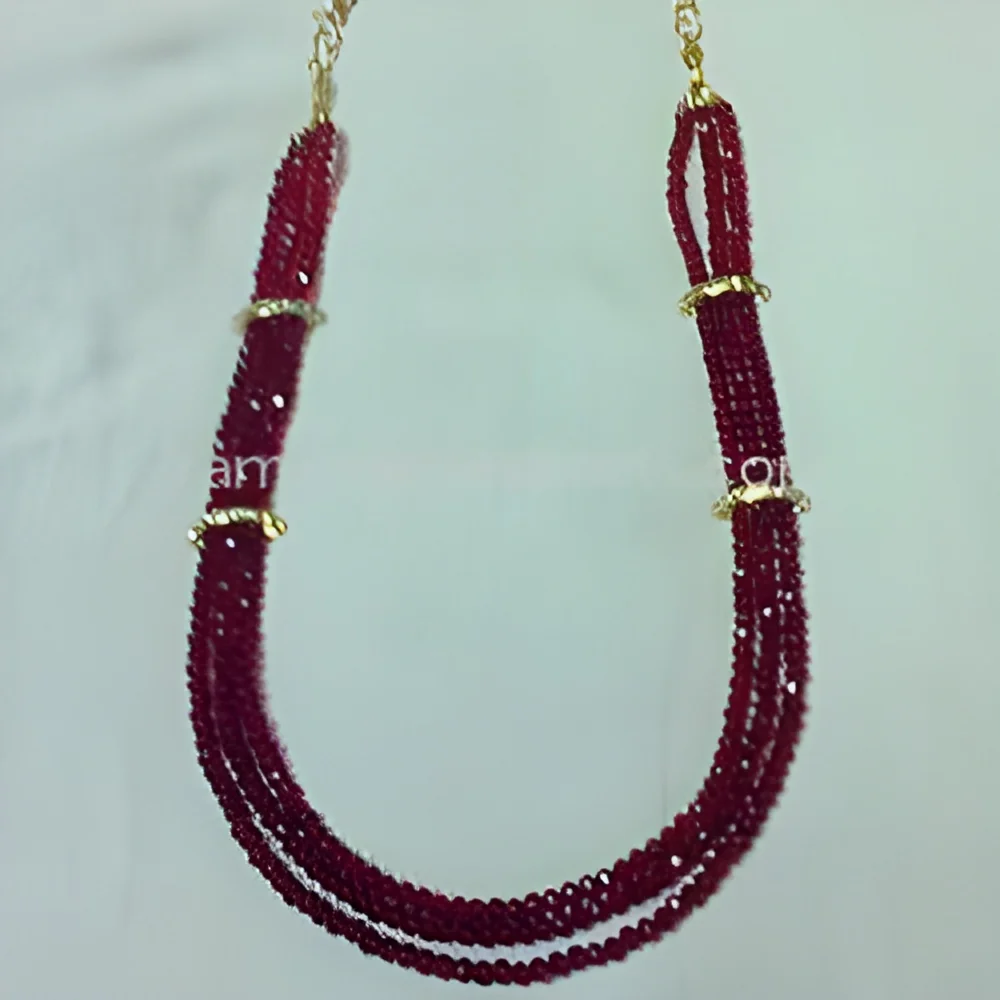
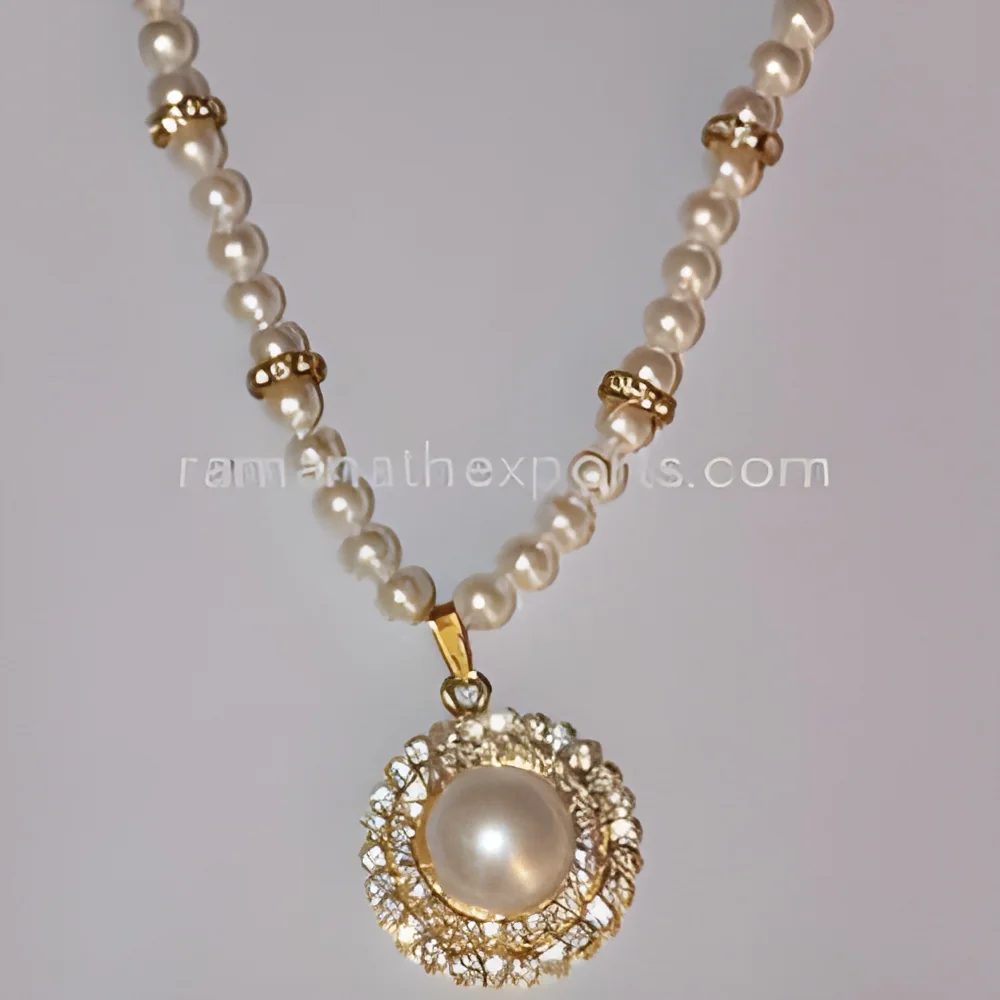
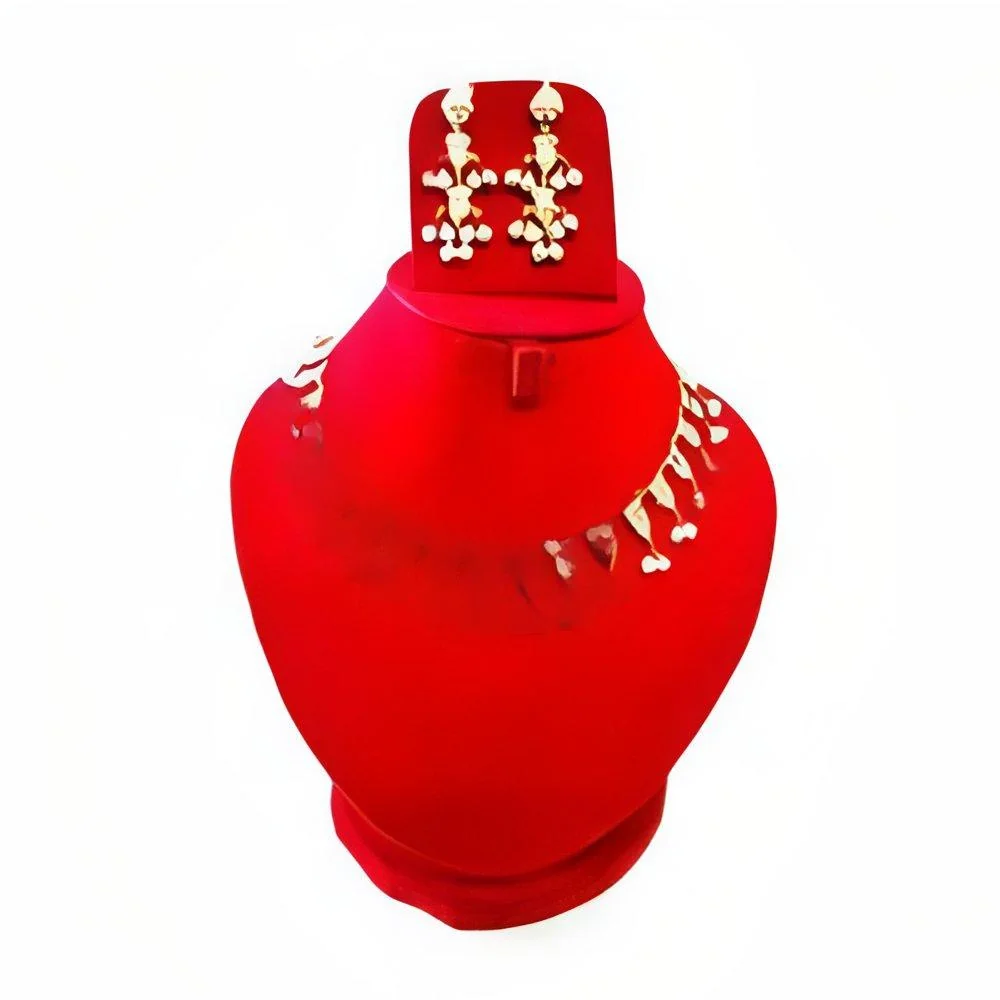
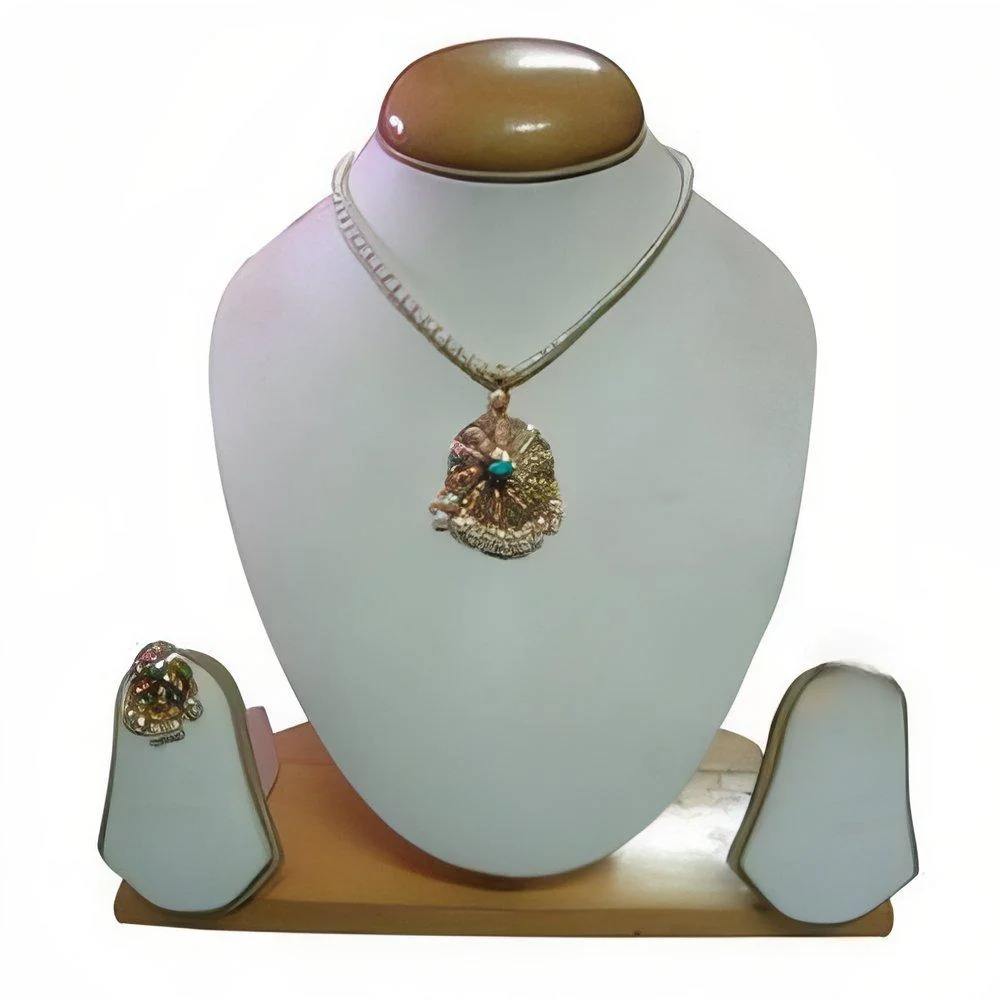
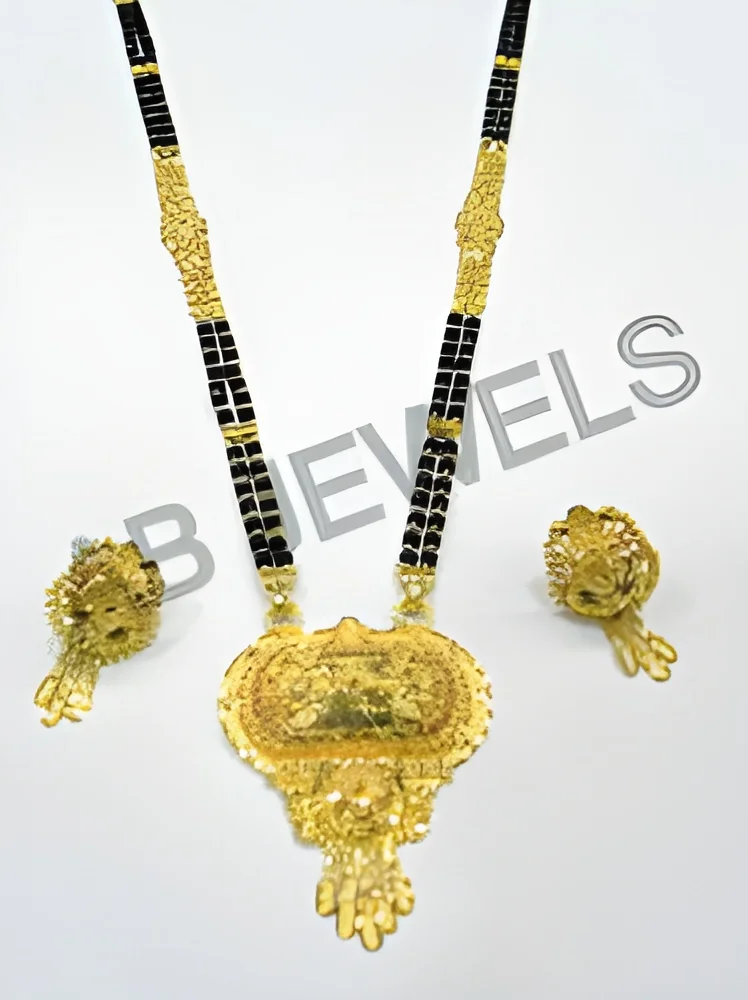
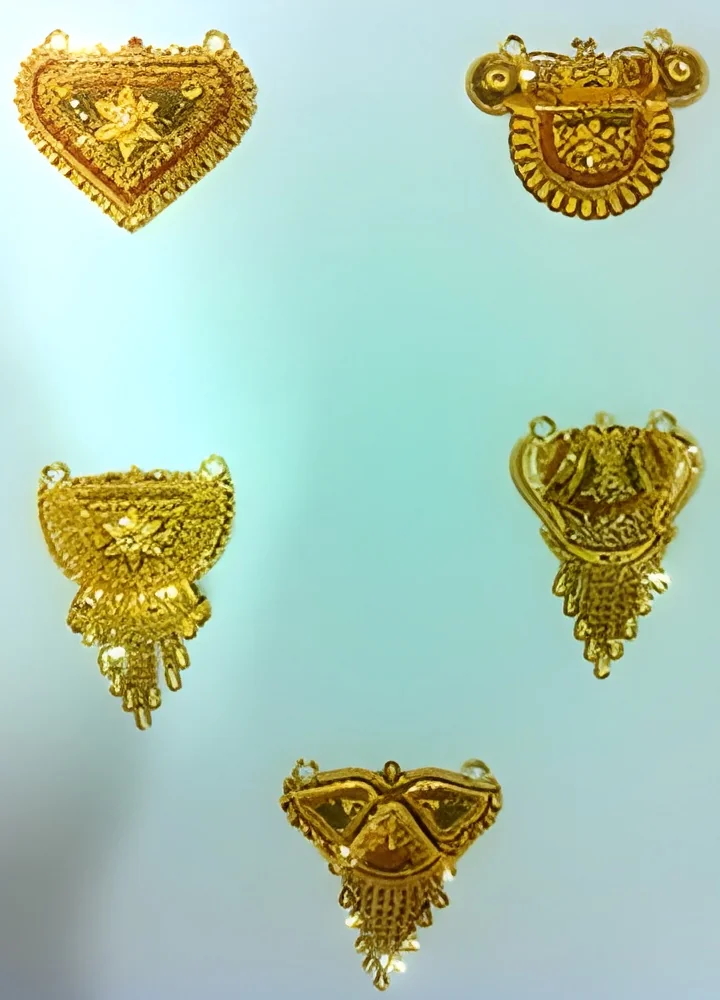
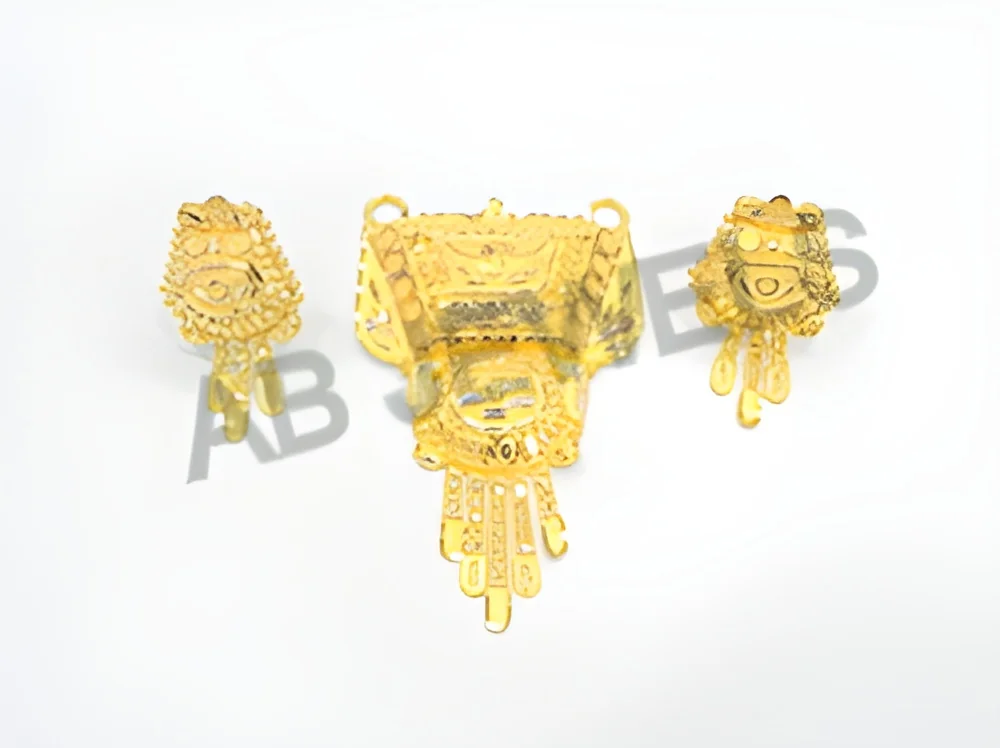
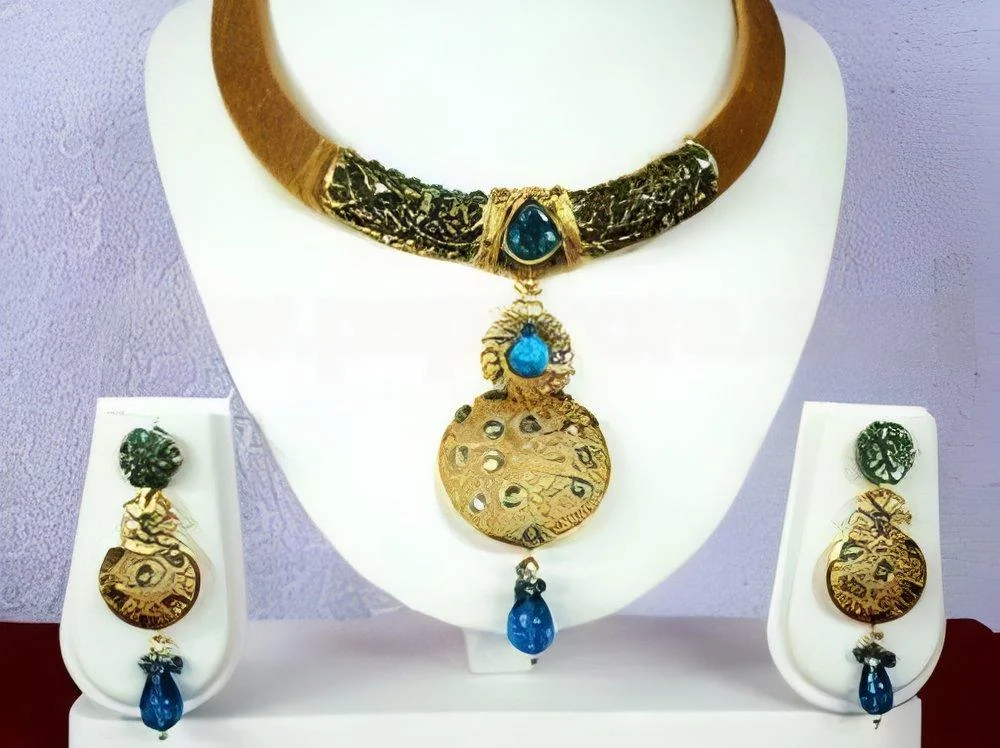
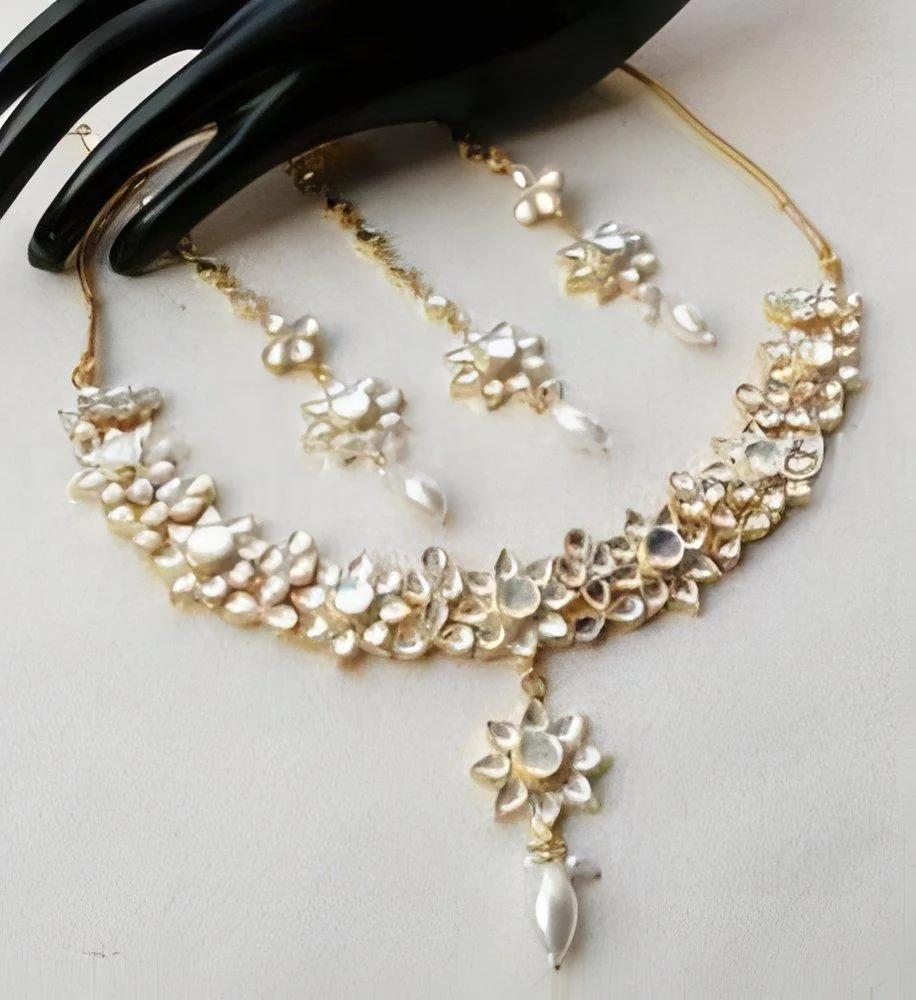
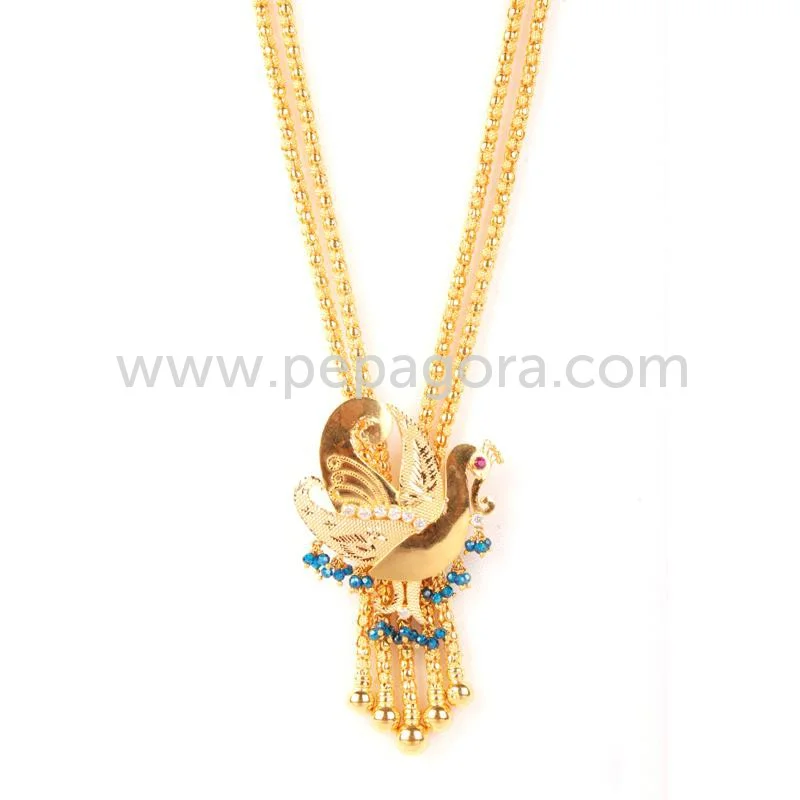
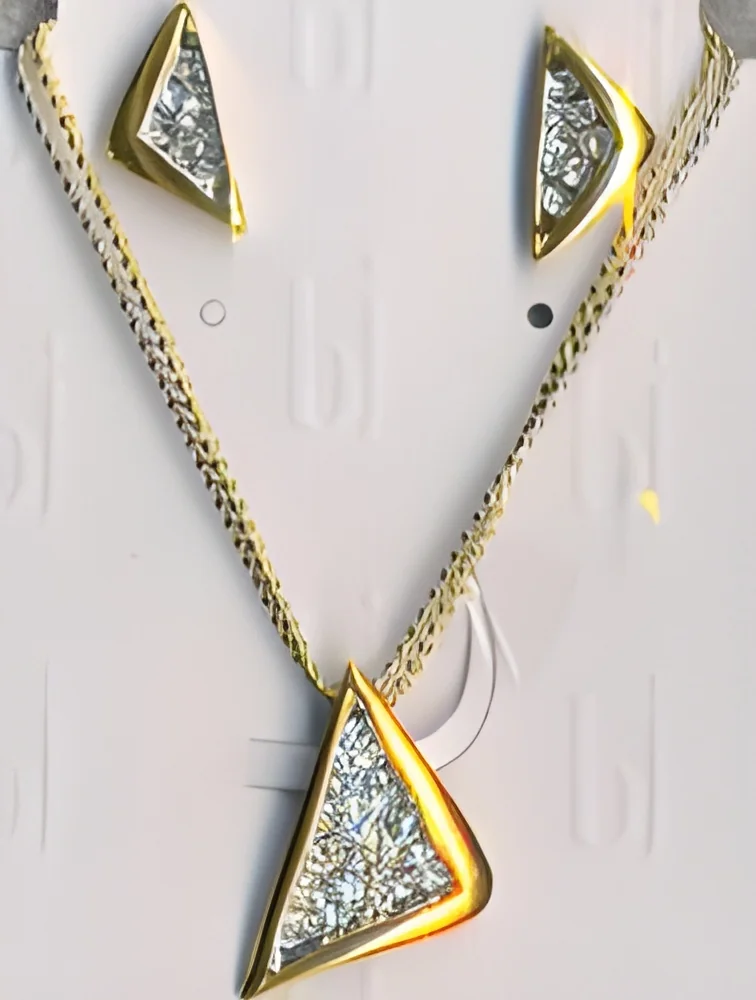
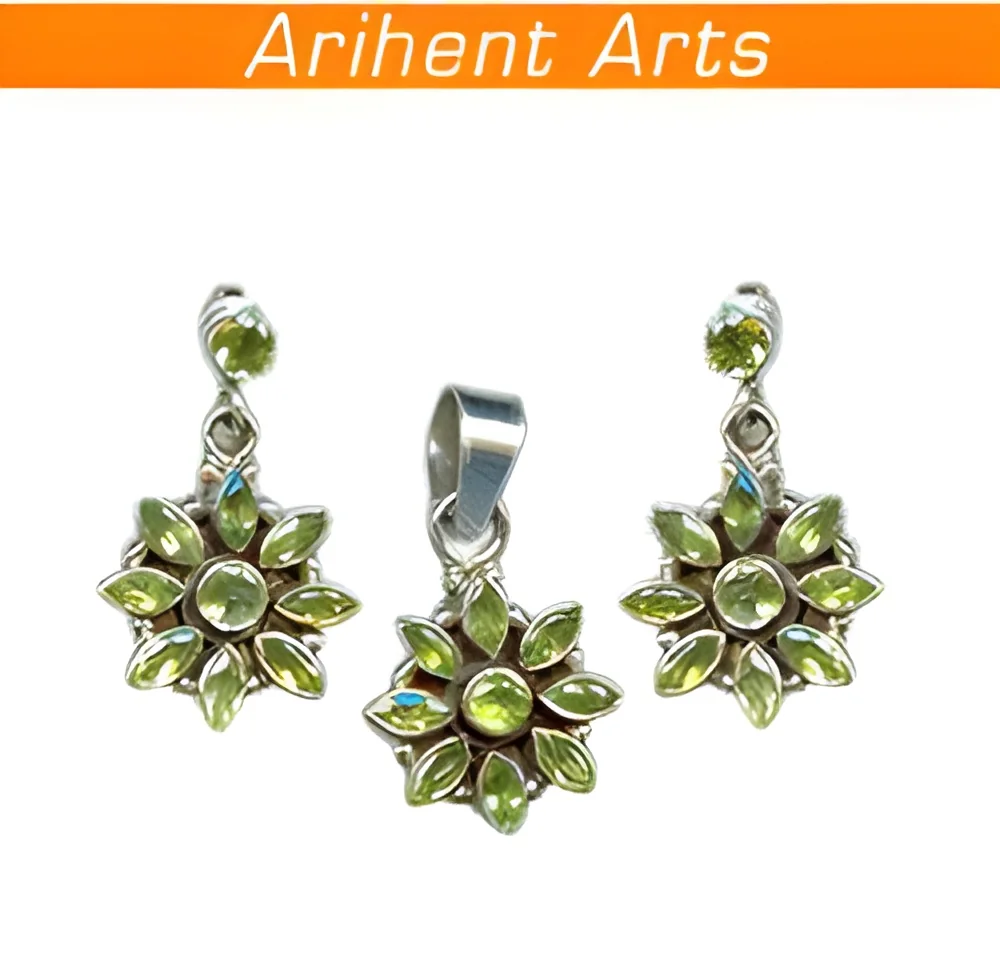
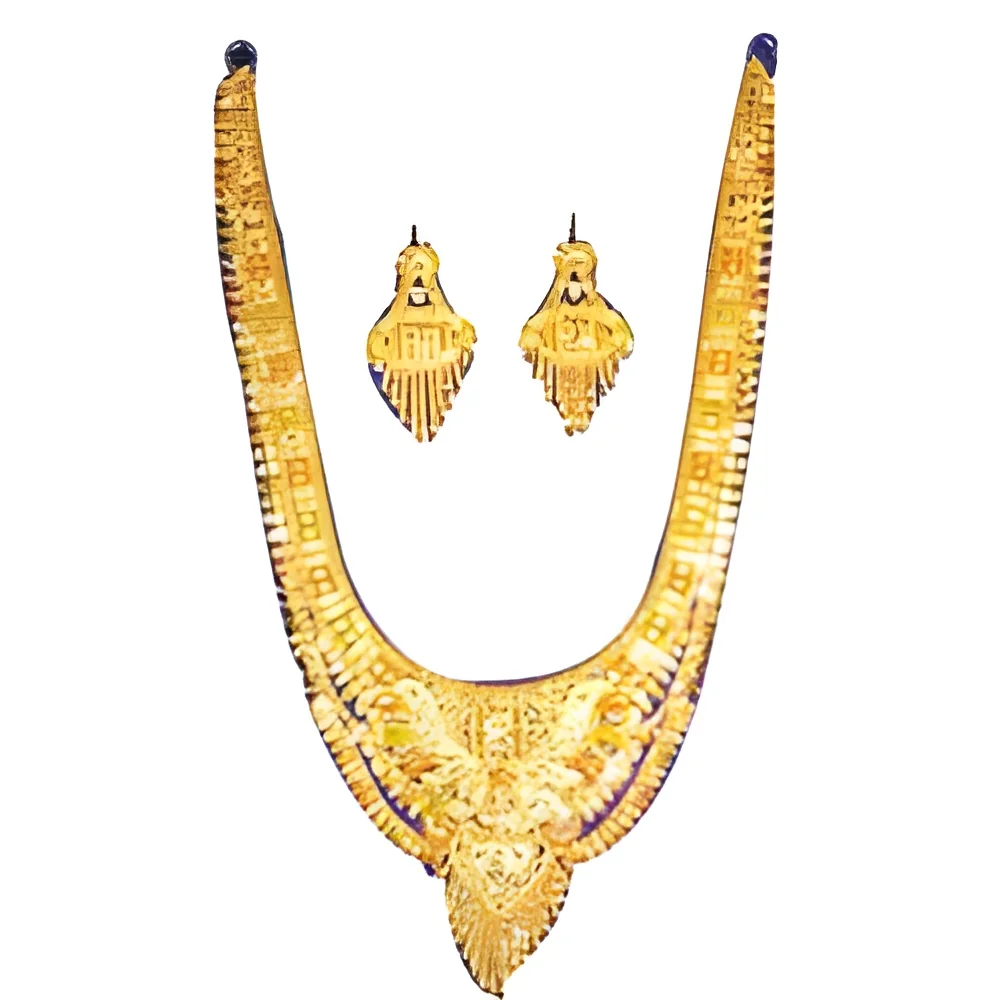
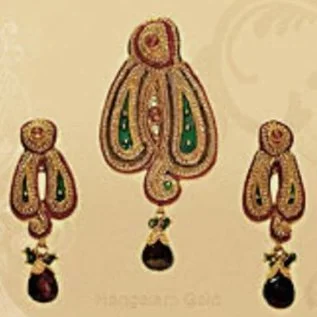
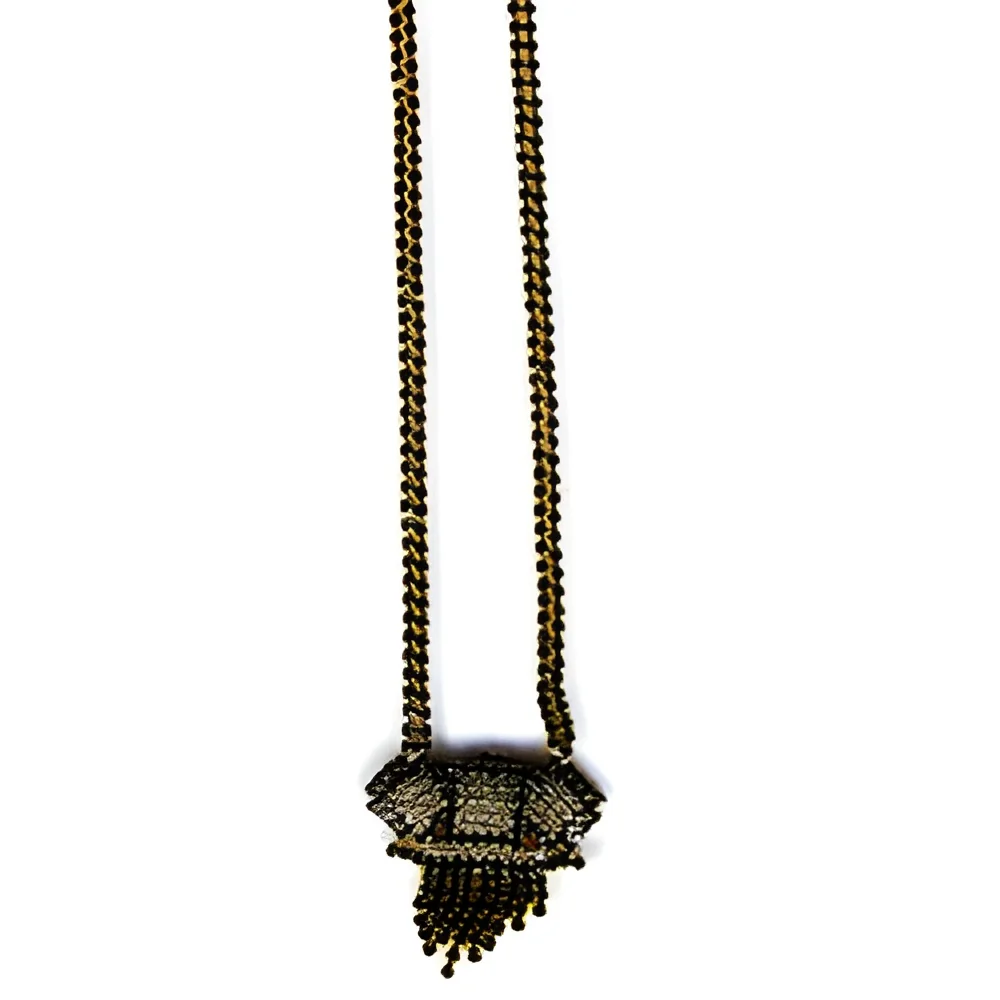
Necklaces are available in numerous styles, including chains, pendants, and statement pieces. They can be adorned with faux gemstones or intricate designs, making them suitable for everyday wear or special events.
Earrings
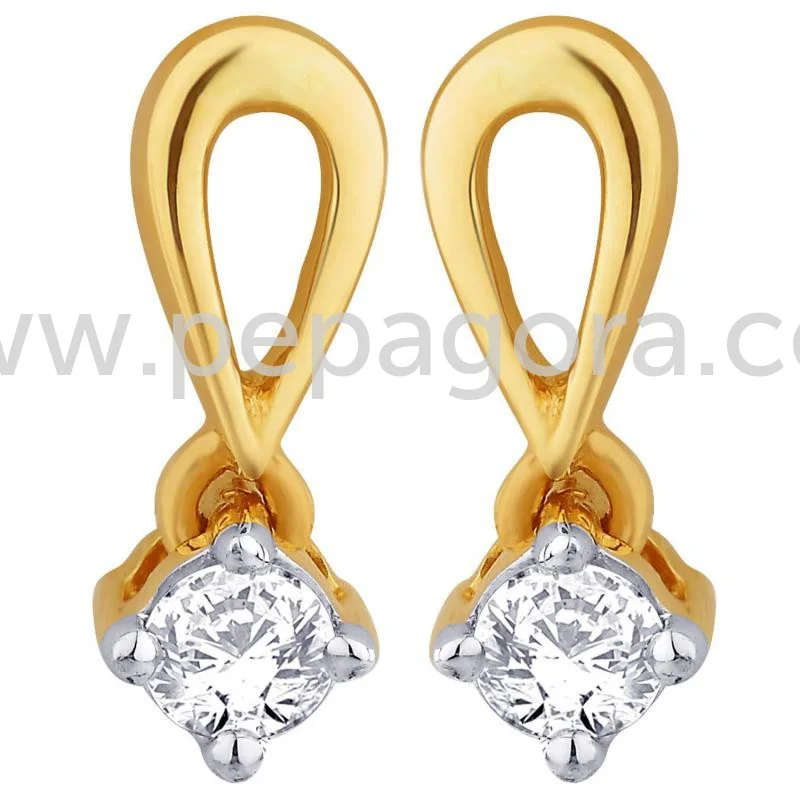
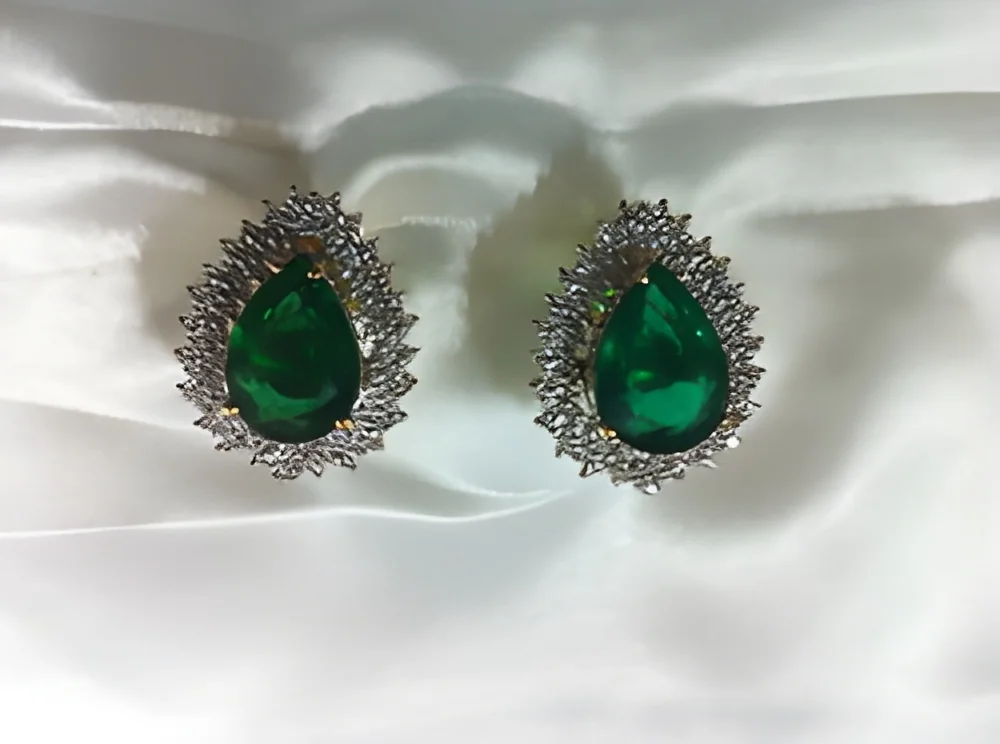
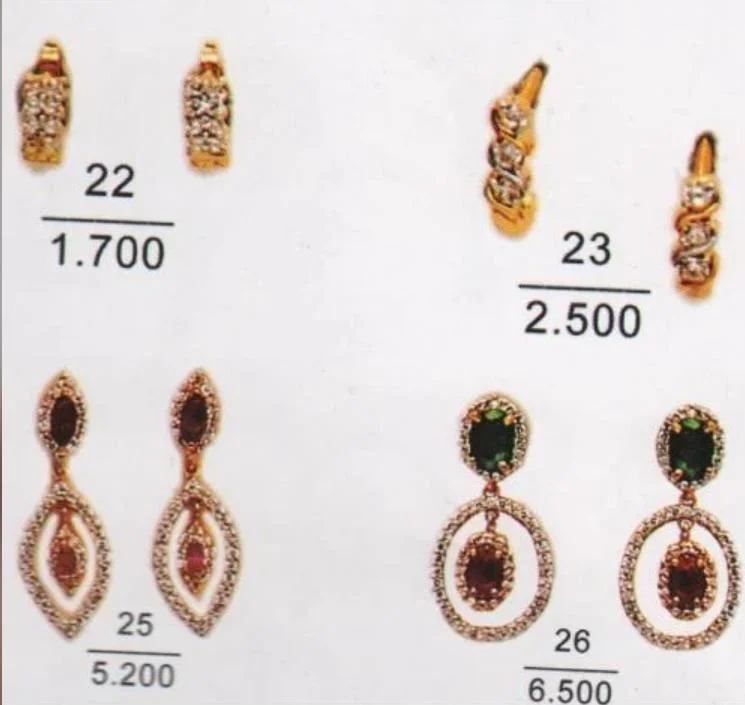
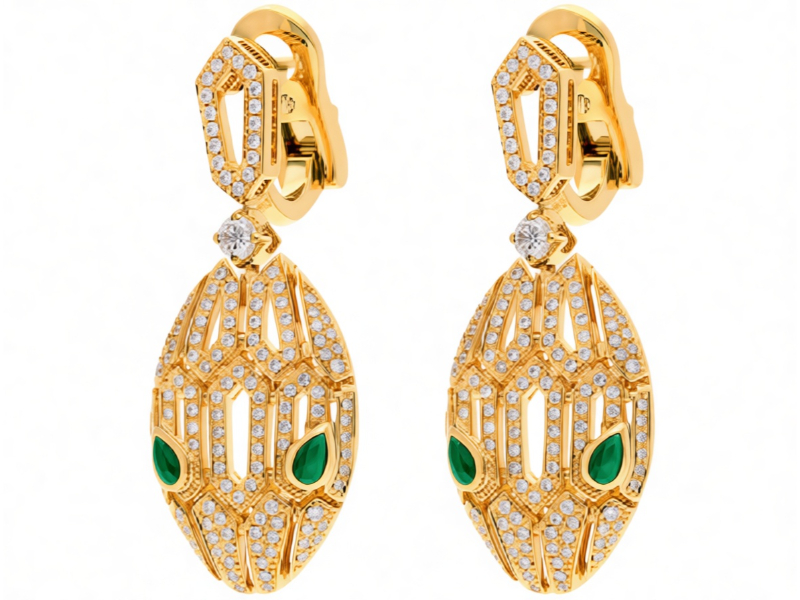
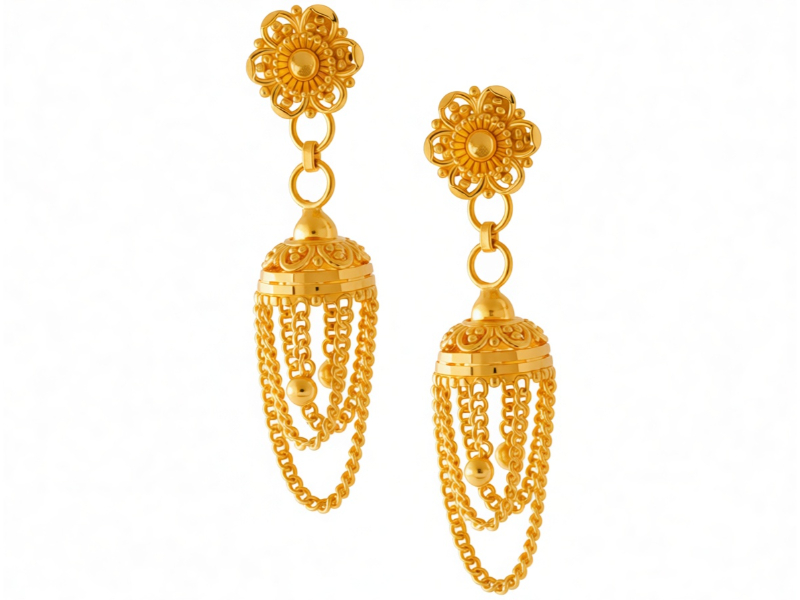
These come in various forms, such as studs, hoops, and dangles. Imitation gold earrings allow consumers to experiment with bold styles without the fear of high costs associated with real gold.
Bracelets
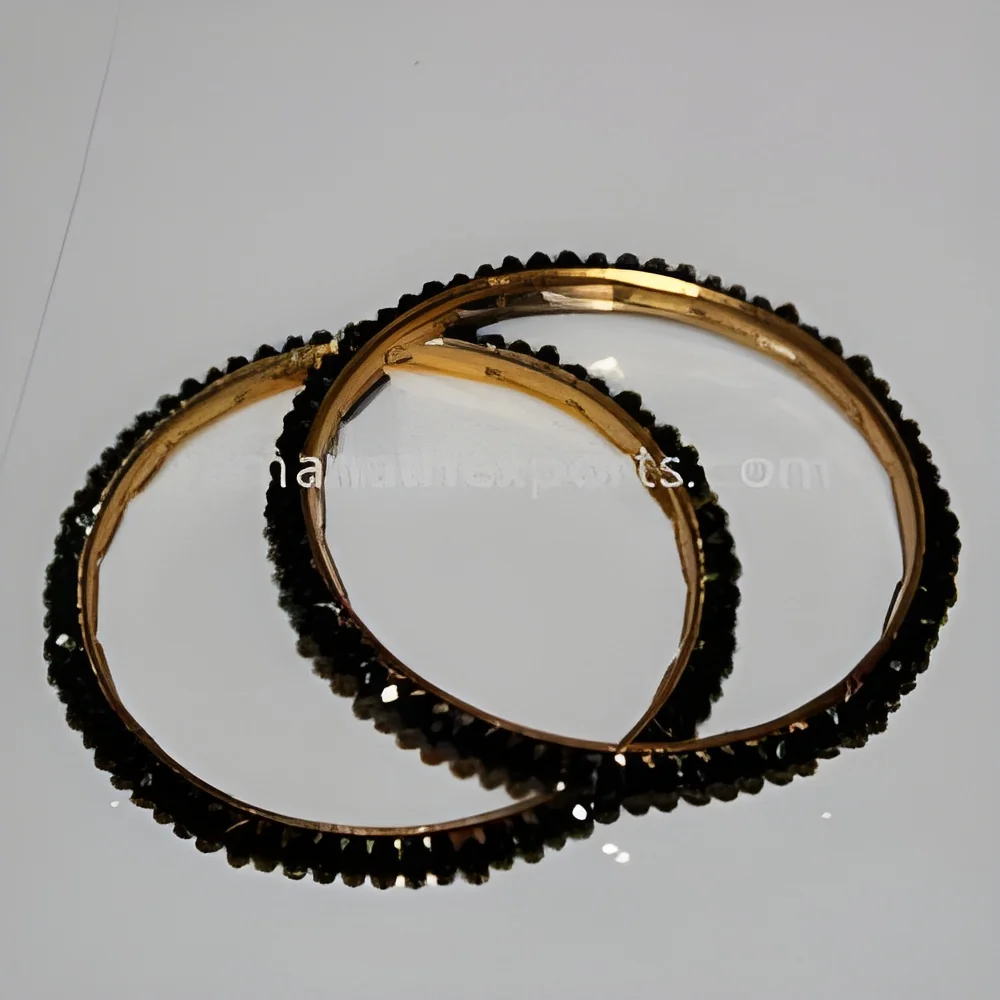
Available as bangles, cuffs, or charm bracelets, imitation gold bracelets can be layered for a trendy look. They often include customizable elements for personal expression.
Rings
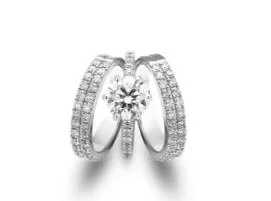
Imitation gold rings are popular for fashion and occasion wear. They can feature elaborate designs or simple bands, catering to both casual and formal preferences.
Anklets
Imitation gold anklets are trendy accessories, especially in summer. They provide an elegant touch to casual outfits and are often adorned with charms or beads.
Benefits and Advantages
Choosing imitation gold jewelry offers numerous advantages to consumers and businesses alike.
Key benefits include:
1. Cost-Effectiveness: Imitation gold jewelry allows consumers to enjoy the look of gold without the high price tag, making it accessible to a wider audience.
2. Style Variety: The extensive range of designs available means that consumers can find pieces to match any outfit or occasion, enhancing personal style.
3. Lightweight Alternatives: Imitation gold is often lighter than real gold, making it comfortable for all-day wear without the heaviness associated with genuine gold pieces.
4. Low Maintenance: These pieces require less care than real gold, as they are more resistant to tarnishing and damage, simplifying the ownership experience.
5. Hypoallergenic Options: Many imitation gold items are produced with materials that are less likely to cause allergic reactions, making them suitable for sensitive skin.
6. Trend Adaptability: Imitation gold jewelry can quickly adapt to changing fashion trends, allowing consumers to stay stylish without significant investment.
Buying Guide for B2B Buyers
When sourcing imitation gold jewelry manufacturers, it is essential to consider several factors to make informed decisions.
1. Quality Assessment: Evaluate the quality of materials and craftsmanship. Look for manufacturers that provide samples or detailed descriptions of their products.
2. Supplier Verification: Conduct thorough research to ensure that suppliers are reputable. Check references, reviews, and any certifications they may hold.
3. Pricing and MOQ: Compare pricing structures and minimum order quantities across different manufacturers. This helps in budgeting and managing inventory effectively.
4. Delivery and Lead Times: Inquire about shipping options and lead times to avoid delays in receiving products. A reliable manufacturer should provide clear timelines.
5. Compliance Requirements: Ensure that the manufacturers comply with relevant regulations and safety standards. This may include certifications for materials used.
Compliance and Certifications
Imitation gold jewelry manufacturers must adhere to various quality standards and certifications to ensure product safety and reliability.
Relevant quality standards include ISO 9001, which focuses on quality management systems, ensuring consistent quality in production processes. Additionally, adherence to HACCP and GDP principles may apply to manufacturers who handle materials that require safe processing.
Industry certifications, such as CE marking, indicate compliance with European safety standards. This certification assures buyers that the products meet specific health and safety requirements.
Safety and testing requirements are crucial for preventing allergic reactions and ensuring that the jewelry is safe for consumer use. Manufacturers may conduct tests for nickel content and other potentially harmful substances.
Finally, regional compliance considerations can vary, requiring manufacturers to be aware of local regulations regarding jewelry production and sales. This ensures that all products are compliant with the laws of the markets they serve.
Why Source Imitation Gold Jewelry Manufacturers from Pepagora?
Pepagora provides a trusted platform for sourcing imitation gold jewelry manufacturers, offering several key advantages.
Verified Supplier Network: Pepagora has a robust system for verifying suppliers, ensuring that buyers connect with reputable manufacturers. This reduces the risk associated with sourcing products.
Streamlined RFQ Process: The platform simplifies the request for quotation (RFQ) process, allowing buyers to receive competitive quotes from multiple suppliers efficiently. This saves time and enhances decision-making.
Trade Assurance and Support: Pepagora offers trade assurance to protect buyers during transactions, providing peace of mind when sourcing products. This support extends to resolving disputes and ensuring satisfaction.
Regional Coverage: With a focus on markets in India, the GCC, and Southeast Asia, Pepagora connects buyers with manufacturers across these regions. This geographic reach enables businesses to tap into diverse supply chains and product offerings.

 IN
IN



 India
India