𝗞𝗲𝘆 𝗙𝗲𝗮𝘁𝘂𝗿𝗲𝘀 𝗮𝗻𝗱 𝗦𝗽𝗲𝗰𝗶𝗳𝗶𝗰𝗮𝘁𝗶𝗼𝗻𝘀
Jewelry manufacturers in the costume and fashion segment focus on a range of features and specifications that cater to the needs of retailers and consumers alike. These specifications help businesses identify the right manufacturers for their requirements.
Key specifications include:
1. Material Composition
- Costume jewelry is typically made from non-precious materials such as base metals, plastic, and glass.
- Variations in material can affect durability and appearance.
2. Design Customization Options
- Many manufacturers offer the possibility to create unique designs tailored to specific market segments.
- Customization may include color, size, and style variations.
3. Production Capacity
- Manufacturers vary in their ability to handle large orders versus smaller, boutique requests.
- Understanding capacity is essential for timely delivery.
4. Quality Control Procedures
- Standard practices in quality assurance are critical to ensure the final products meet client expectations.
- Regular testing and inspection processes should be in place.
5. Lead Times
- Turnaround times can vary based on order size and complexity.
- Clear communication of lead times is vital for planning.
6. Compliance with Safety Standards
- Jewelry must adhere to safety regulations to prevent allergic reactions and ensure consumer safety.
- Compliance with industry standards is essential for market acceptance.
7. Packaging Options
- Many manufacturers provide various packaging solutions that enhance product presentation and branding.
- Quality packaging can significantly impact consumer perception.
8. Pricing Structure
- Understanding pricing models, including minimum order quantities and bulk discounts, is crucial for budget planning.
- Transparent pricing can build trust between manufacturers and buyers.
In summary, the specifications of costume and fashion jewelry manufacturing are essential for B2B buyers to consider when selecting suppliers. Key features such as material composition, design options, and quality control play a significant role in the overall success of jewelry products in the market.
𝗖𝗼𝗺𝗺𝗼𝗻 𝗔𝗽𝗽𝗹𝗶𝗰𝗮𝘁𝗶𝗼𝗻𝘀 𝗮𝗻𝗱 𝗨𝘀𝗲 𝗖𝗮𝘀𝗲𝘀
Jewelry manufacturers specializing in costume and fashion jewelry serve a diverse range of industries and applications.
1. Retail Sector: Retailers utilize costume jewelry to enhance their product offerings and capitalize on trends. These items often attract shoppers looking for affordable fashion accessories.
2. E-commerce Platforms: Online stores frequently source costume jewelry to provide customers with a wide selection of trendy items. Fast shipping and attractive visuals are critical for success in this space.
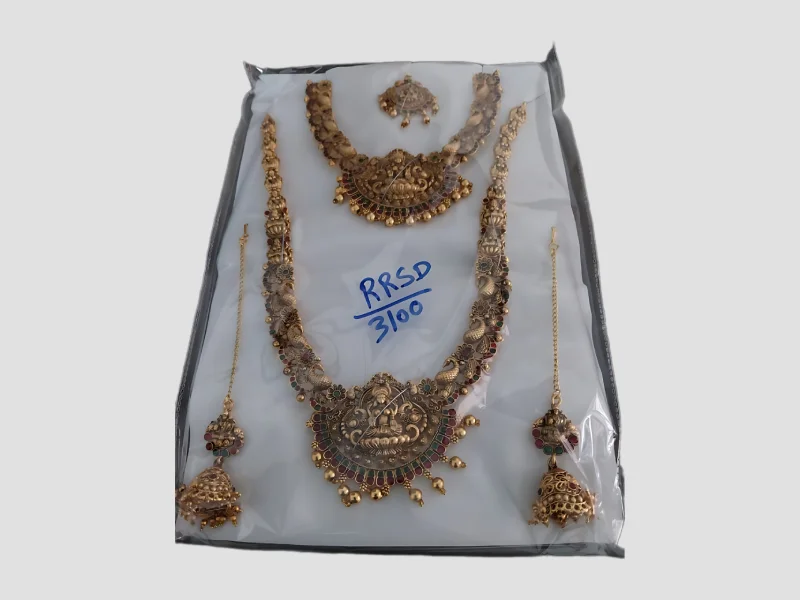
3. Event Planning: Costume jewelry is commonly used in the wedding and event planning sectors to create coordinated looks for brides, bridesmaids, and guests. Custom designs can be tailored for specific themes.
4. Fashion Brands: Clothing brands often collaborate with jewelry manufacturers to launch accessory lines that complement their apparel collections, enhancing brand cohesion.
5. Gift Shops: Jewelry items serve as popular gift choices, making them essential for gift shops looking to diversify their merchandise.
6. Costume Design: The film and theater industries often require costume jewelry for character outfits, necessitating collaboration with manufacturers for unique designs.
7. Subscription Boxes: Many subscription box services include costume jewelry as part of their offerings, providing customers with trendy accessories on a regular basis.
𝗣𝗿𝗼𝗱𝘂𝗰𝘁 𝗩𝗮𝗿𝗶𝗮𝗻𝘁𝘀 𝗮𝗻𝗱 𝗦𝘂𝗯𝗰𝗮𝘁𝗲𝗴𝗼𝗿𝗶𝗲𝘀
The costume and fashion jewelry market is diverse, offering a wide range of product variants to meet various consumer preferences.
Necklaces
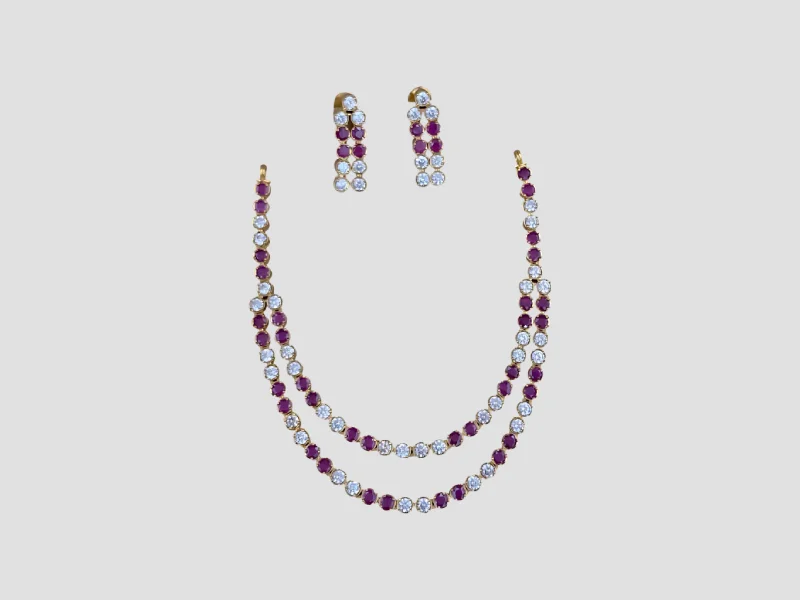
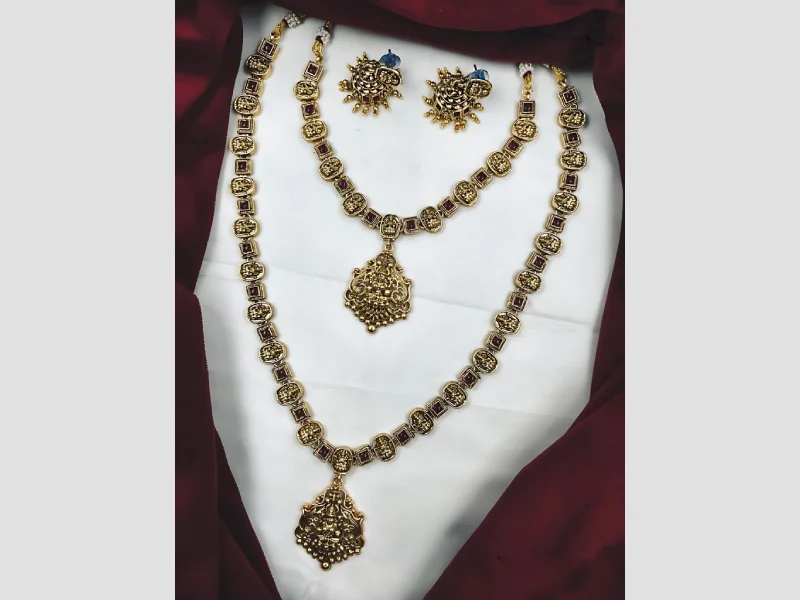
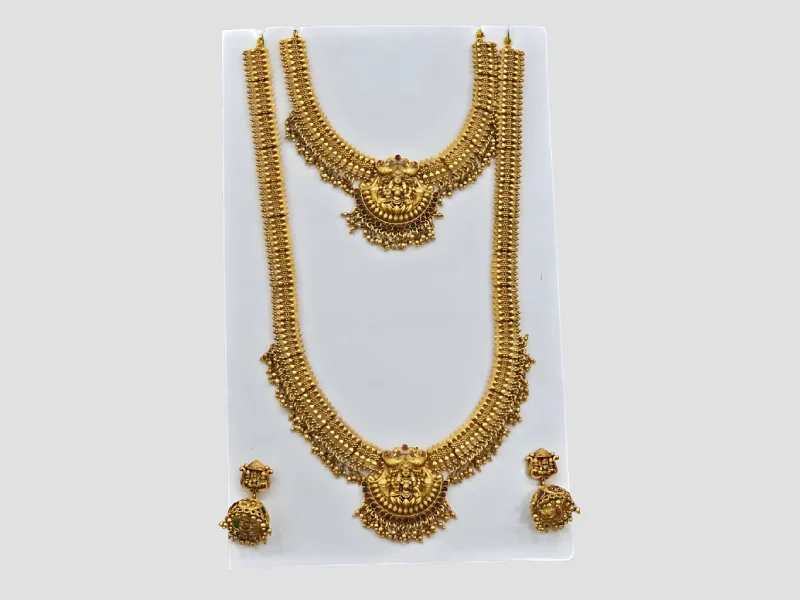
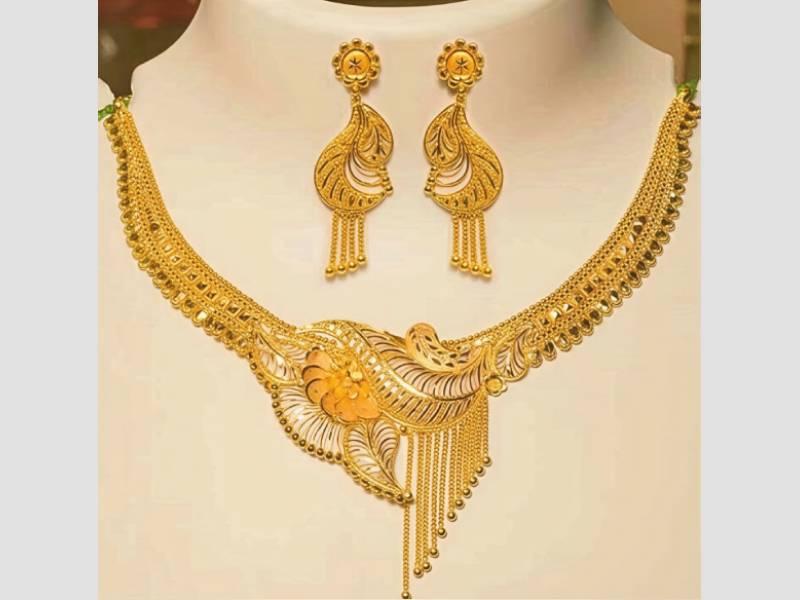
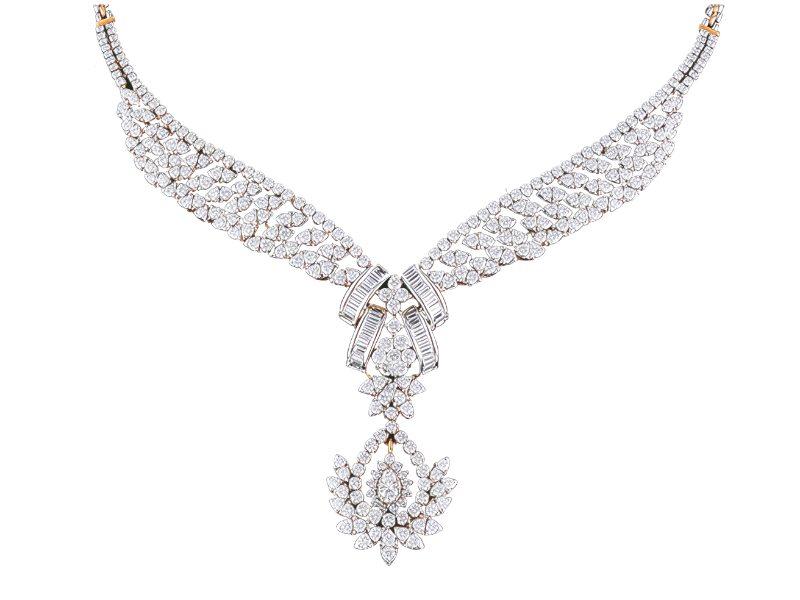
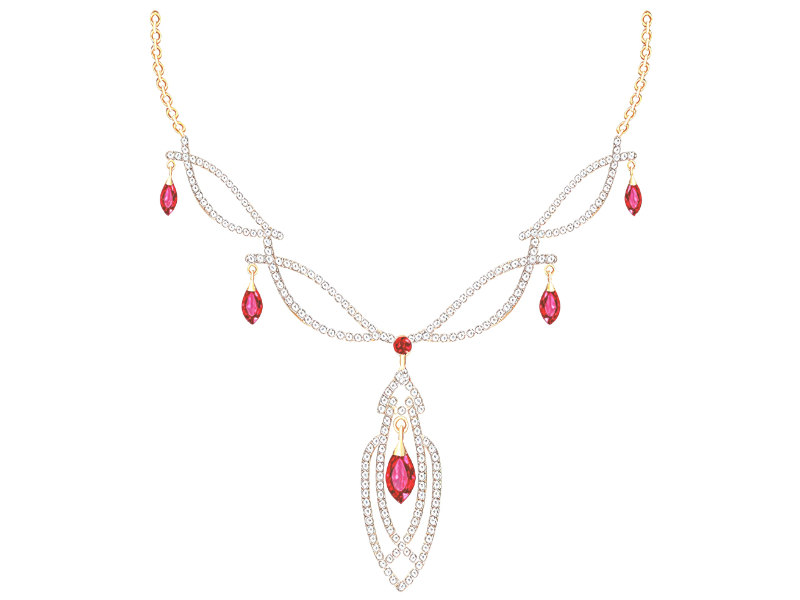
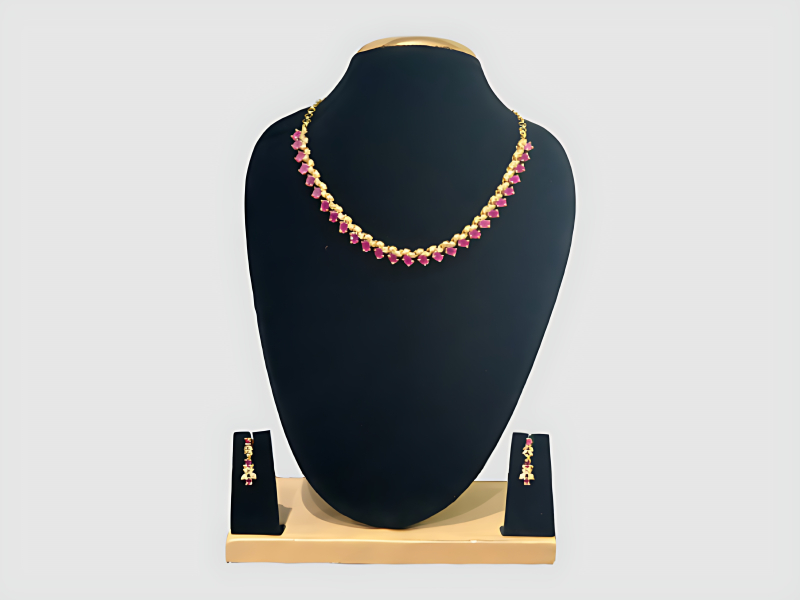
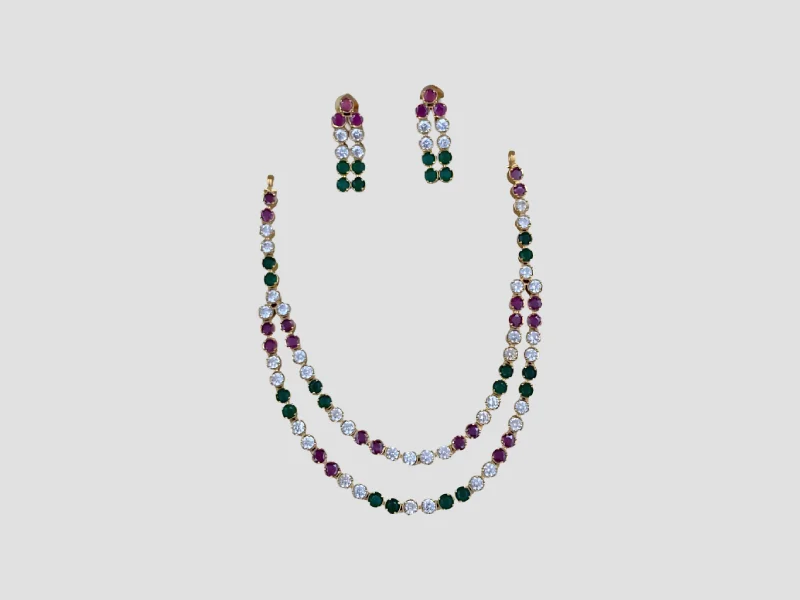
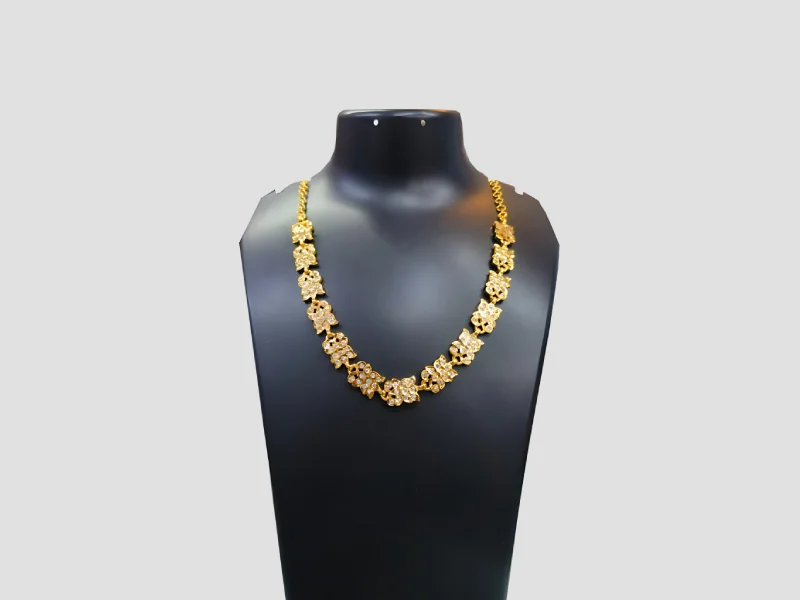
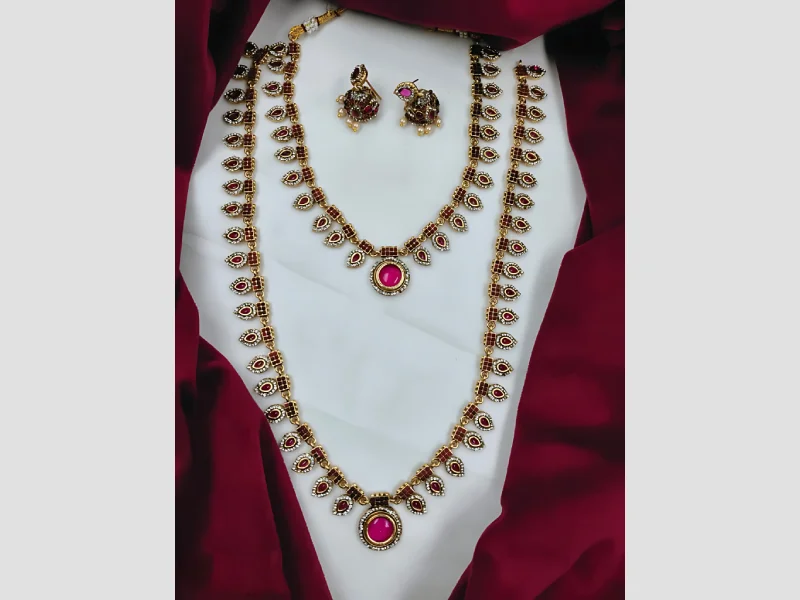
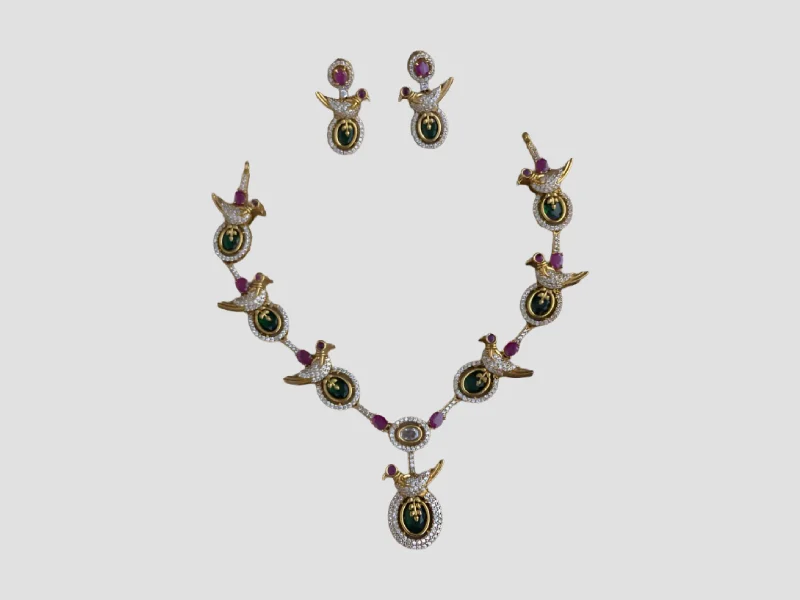
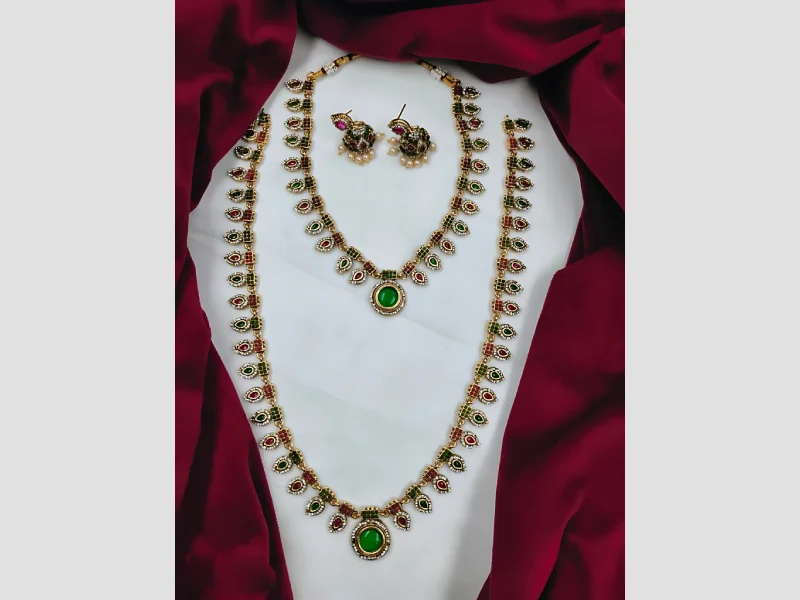
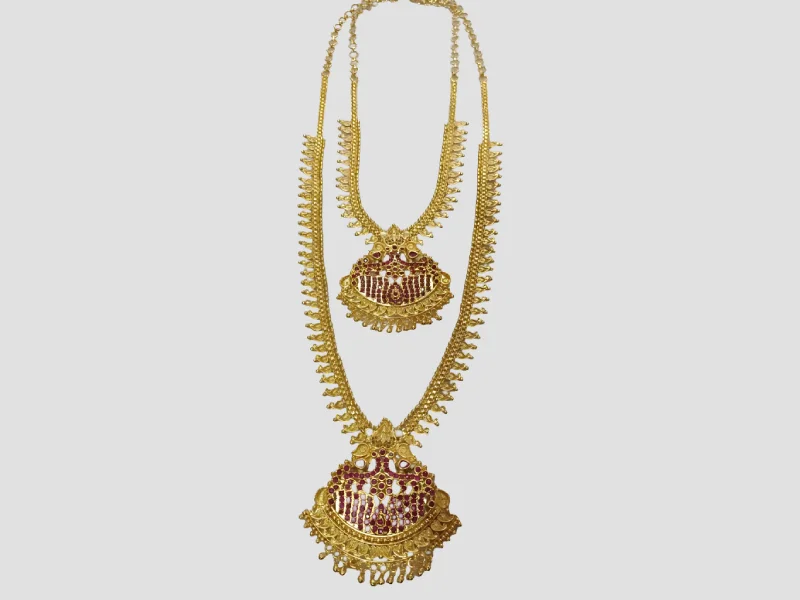
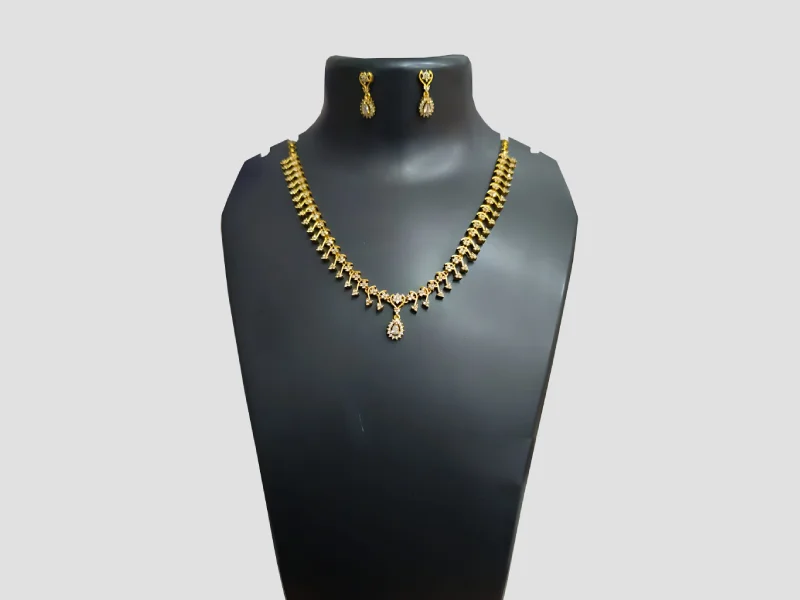
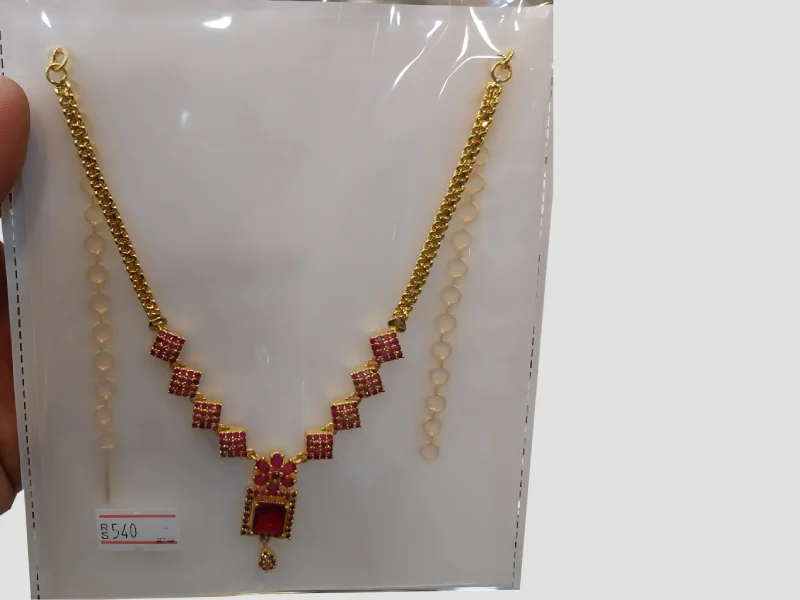
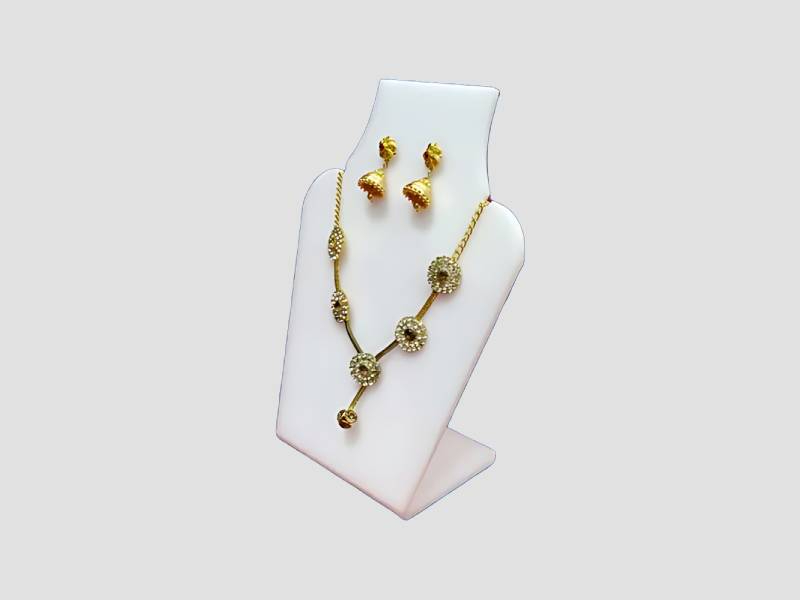
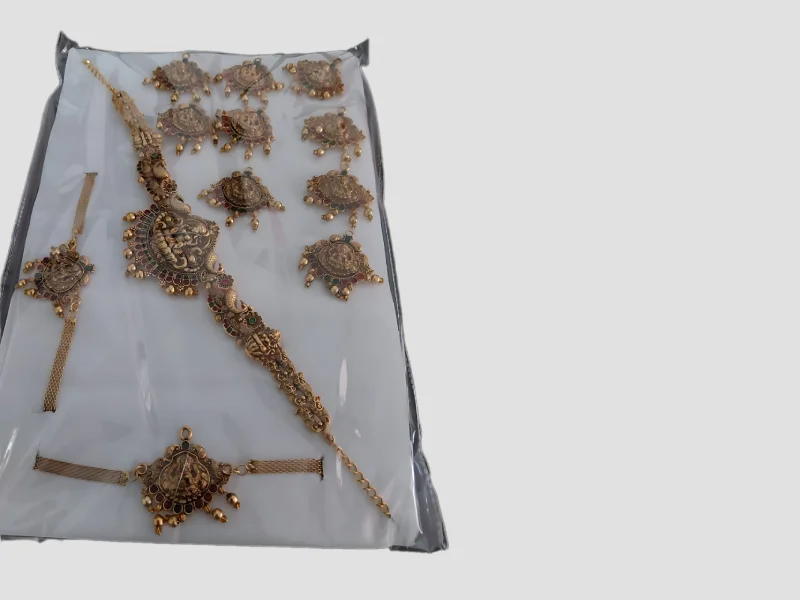
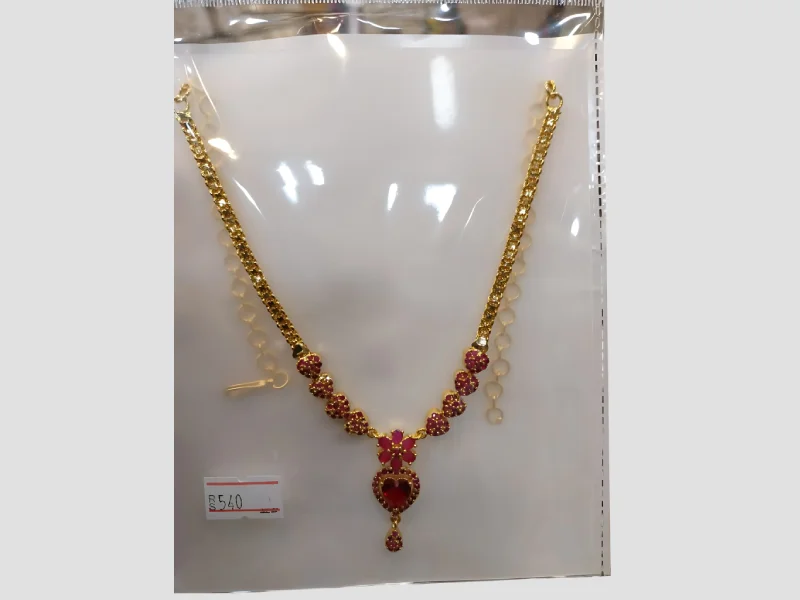
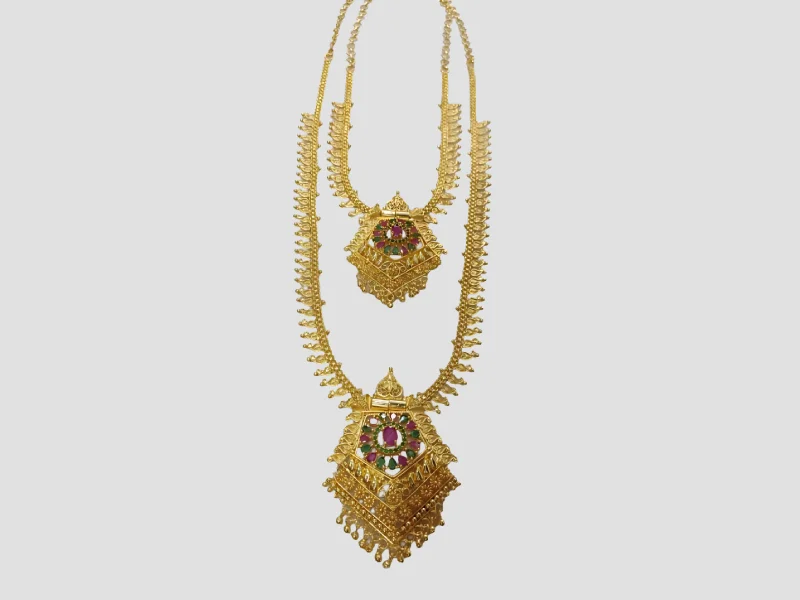
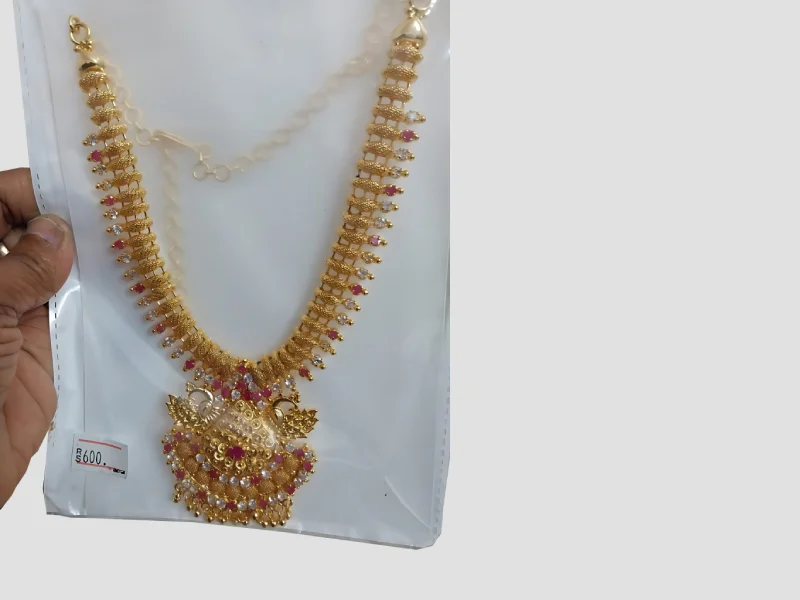
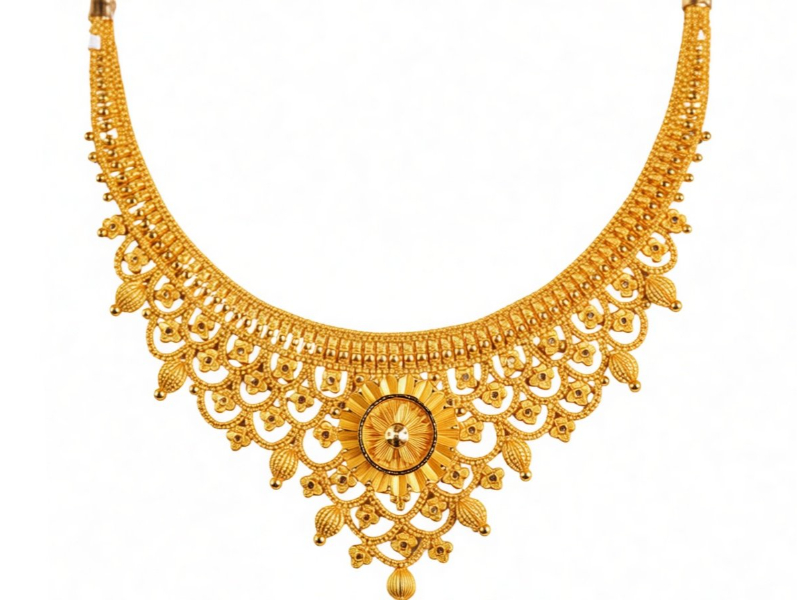
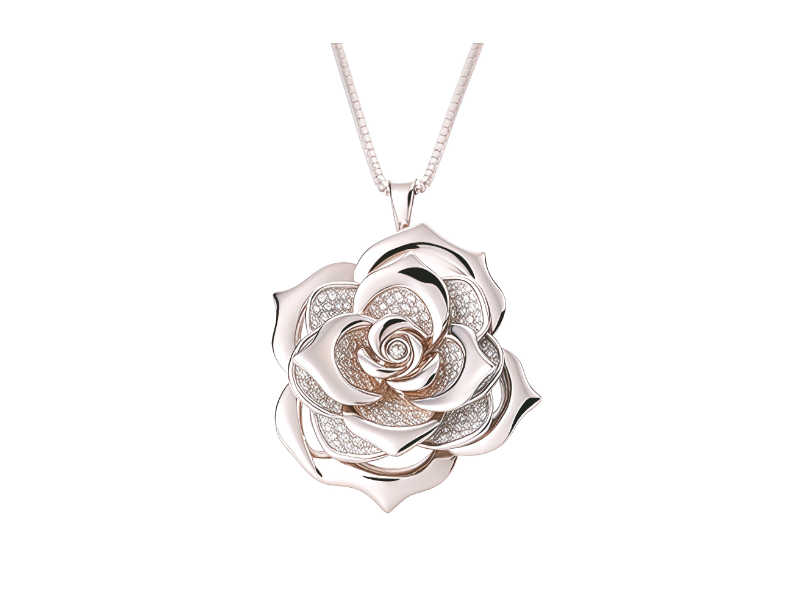
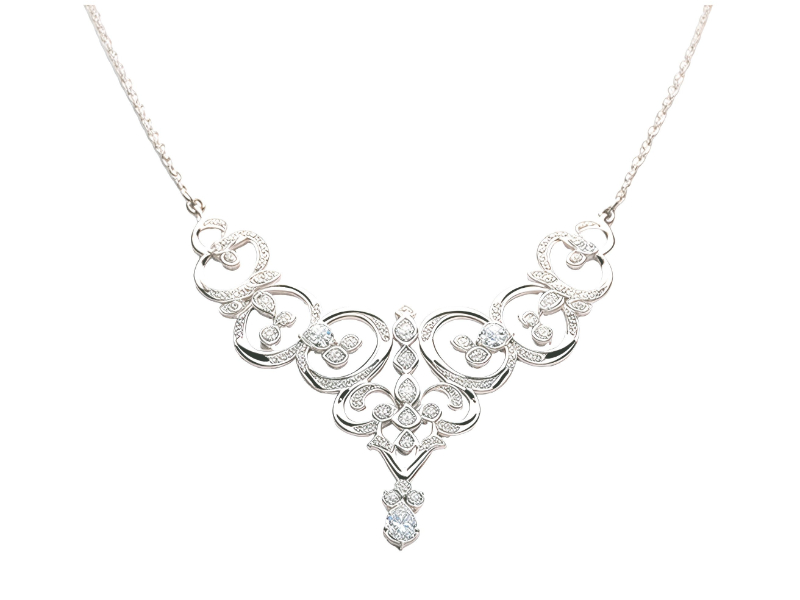
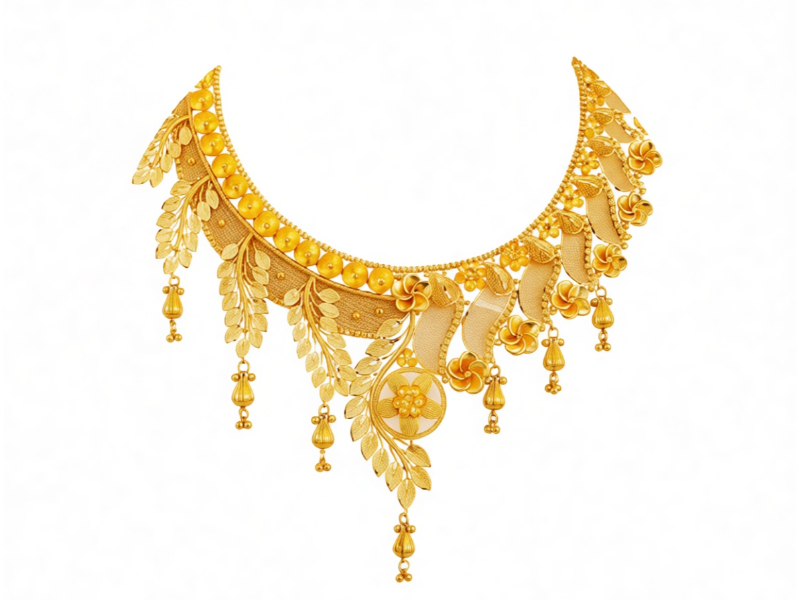
Necklaces are a staple in costume jewelry, available in numerous styles such as chokers, pendants, and statement pieces. They can be designed using various materials and often feature vibrant colors and intricate designs.
Earrings
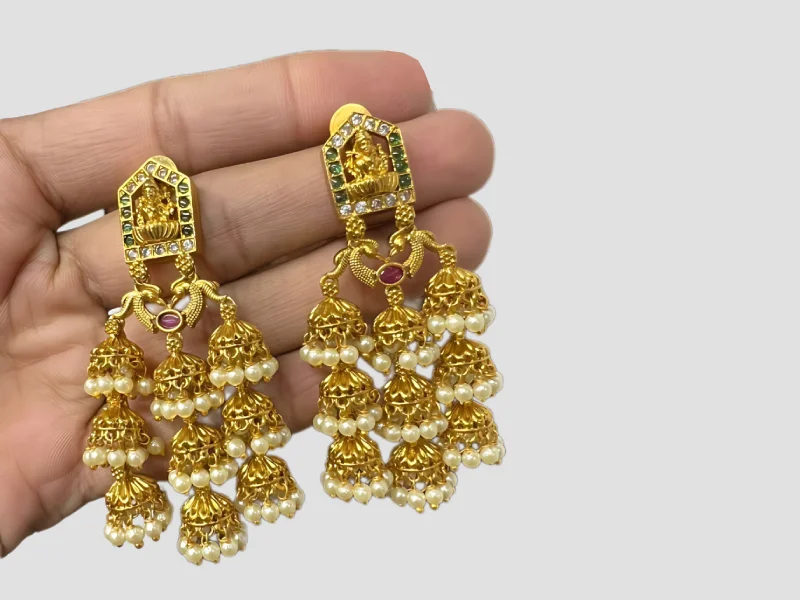
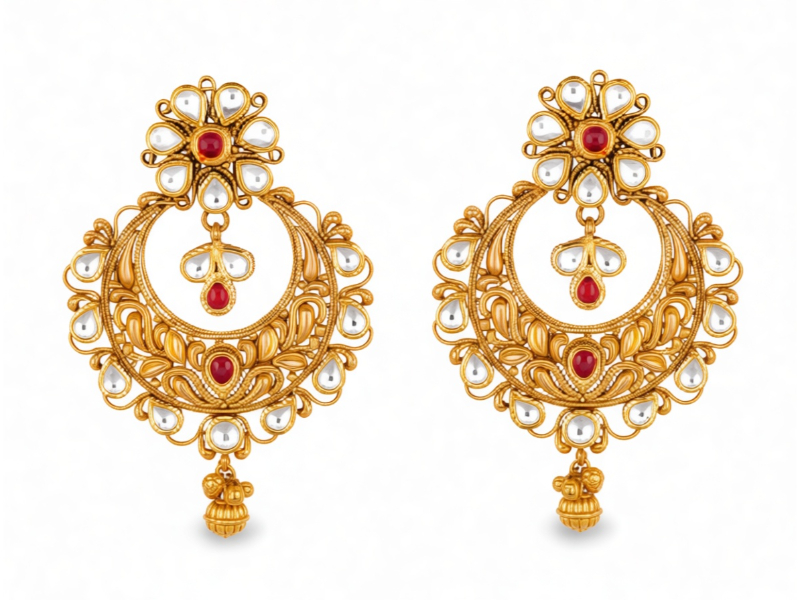
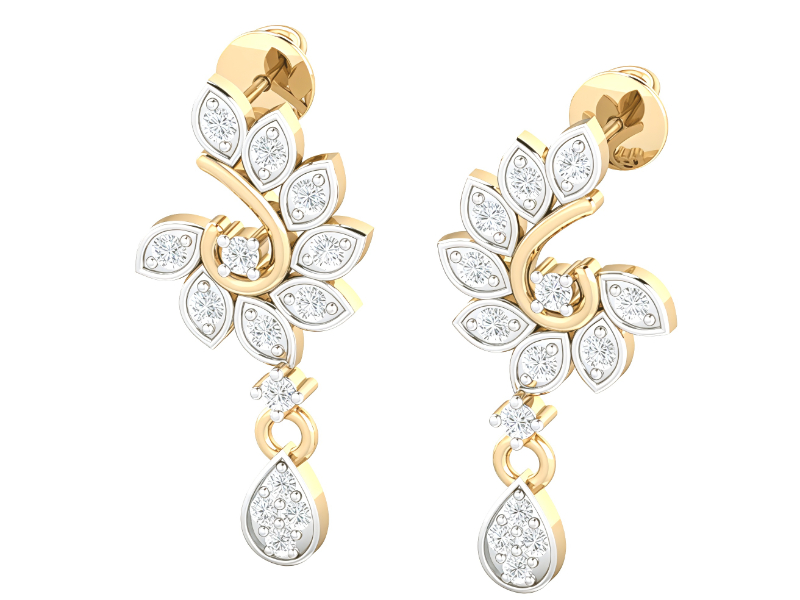
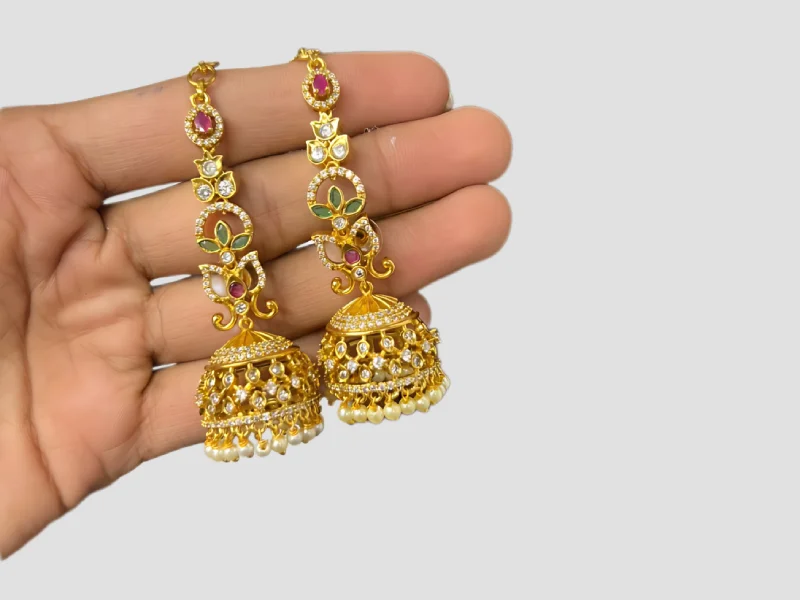
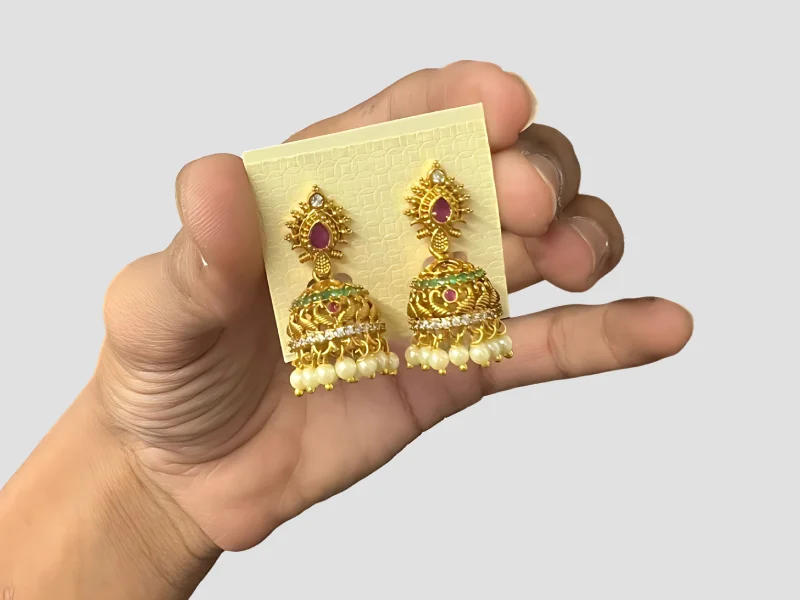
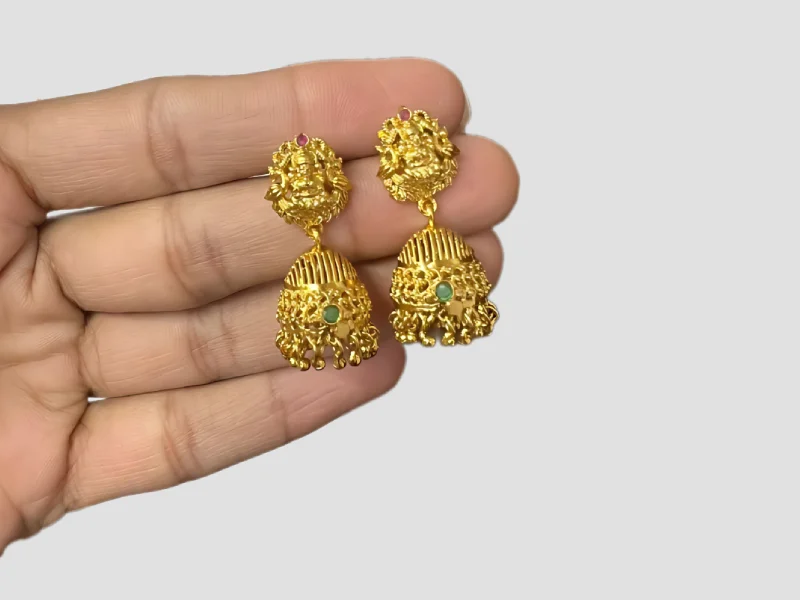
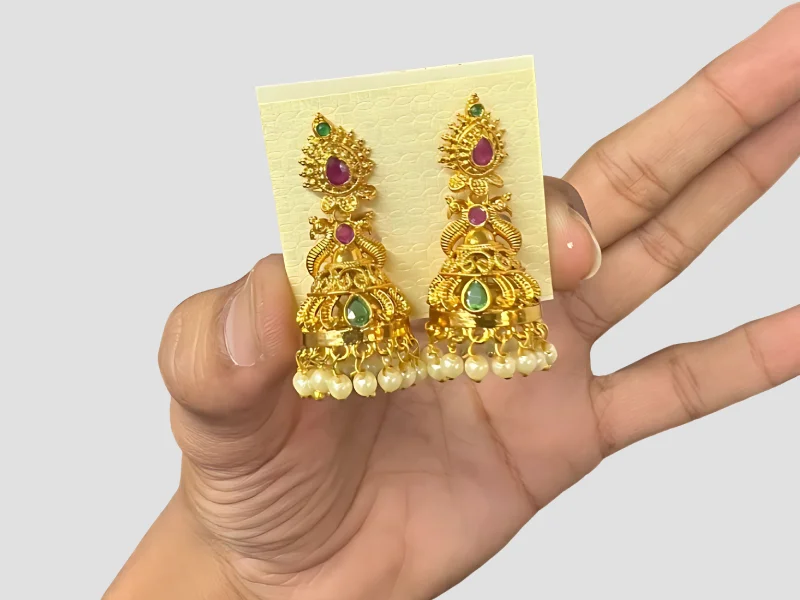
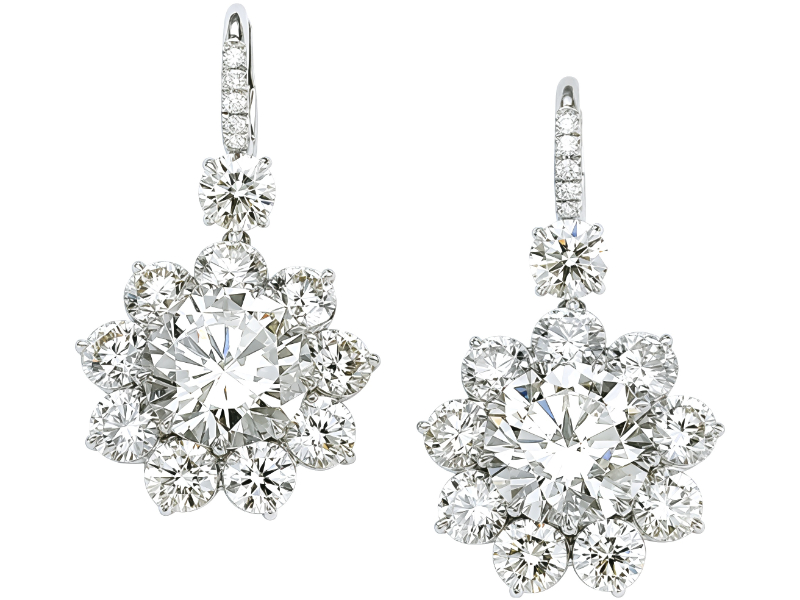
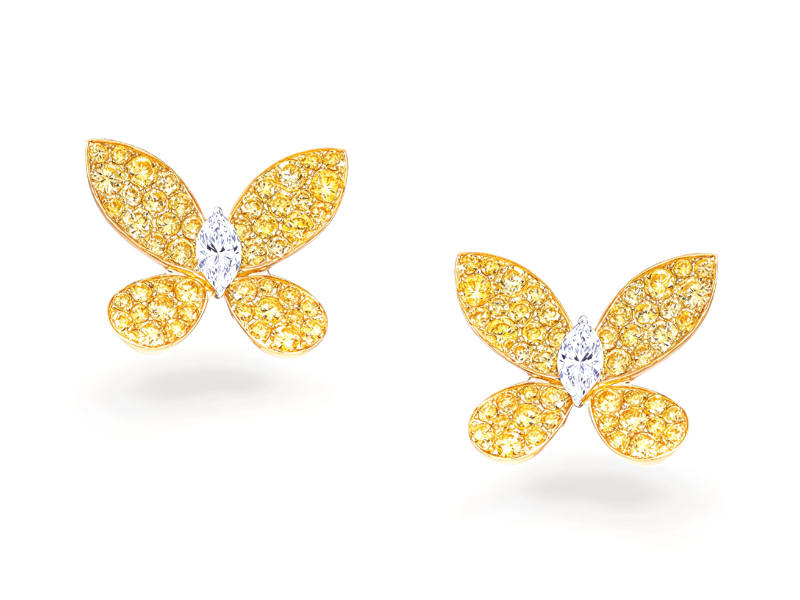
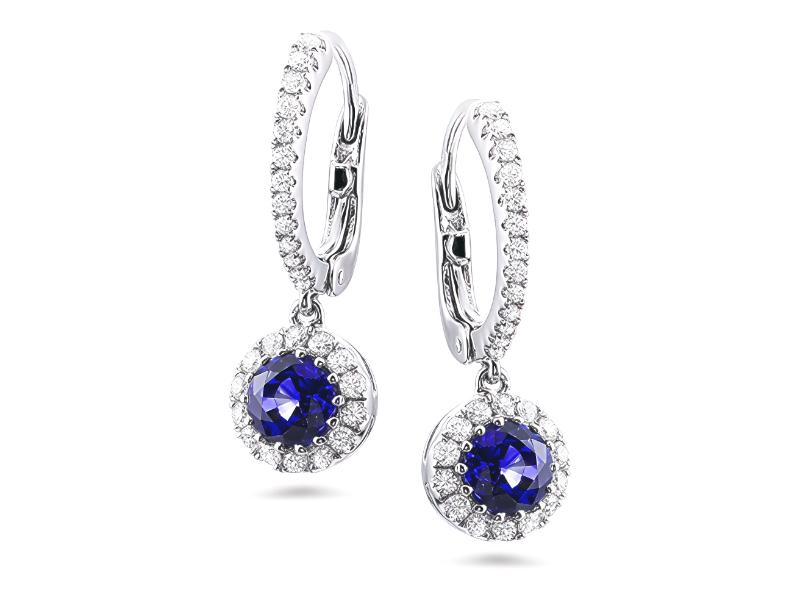
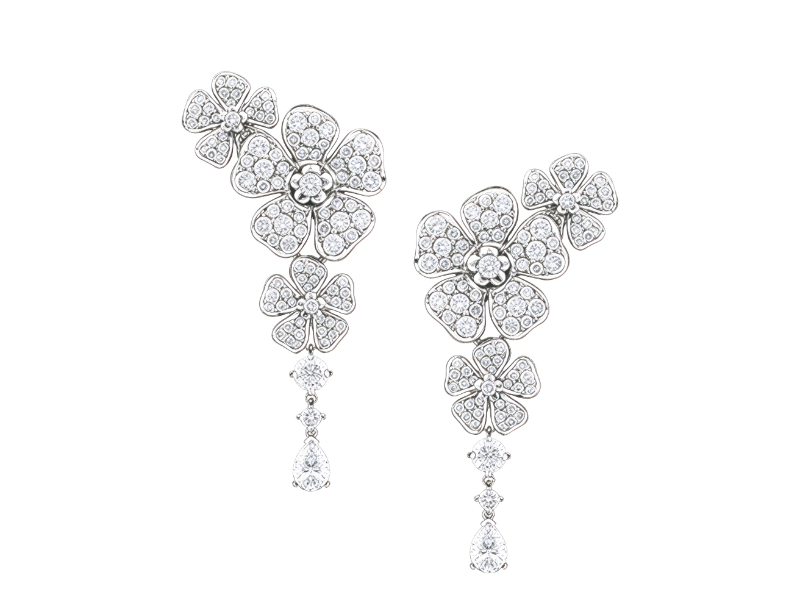
Earrings come in multiple forms, including studs, hoops, and dangling styles. This variety allows manufacturers to cater to different tastes and occasions, from casual wear to formal events.
Bracelets
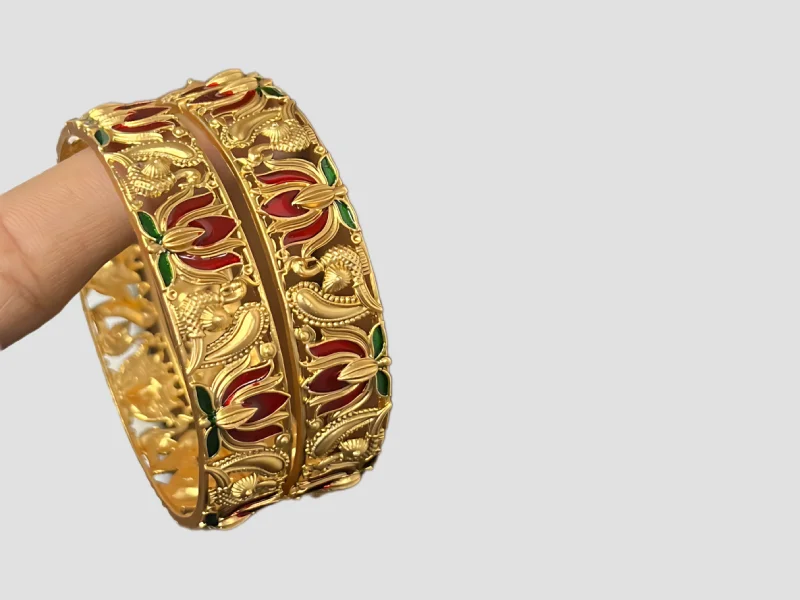
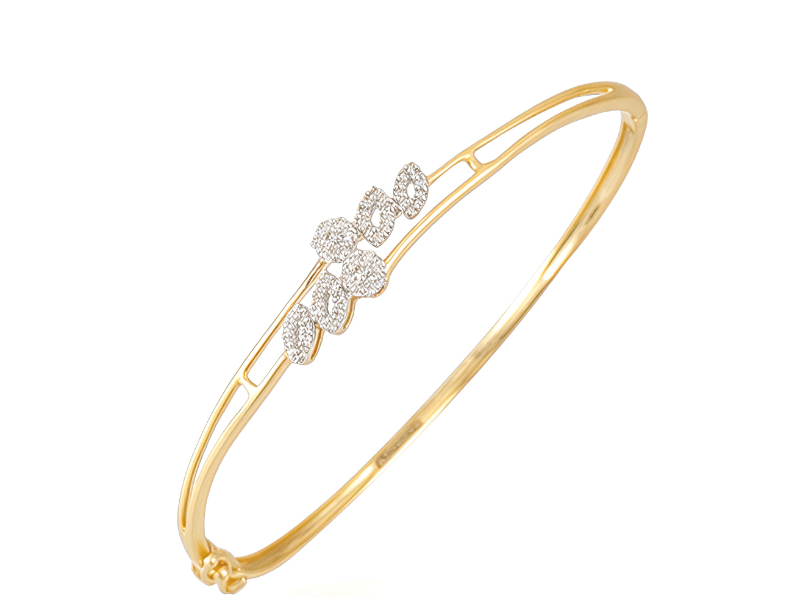
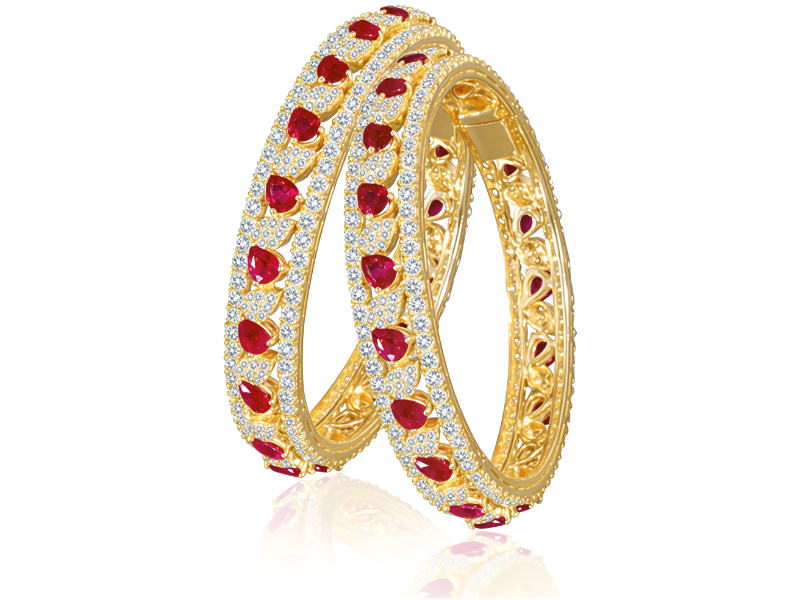
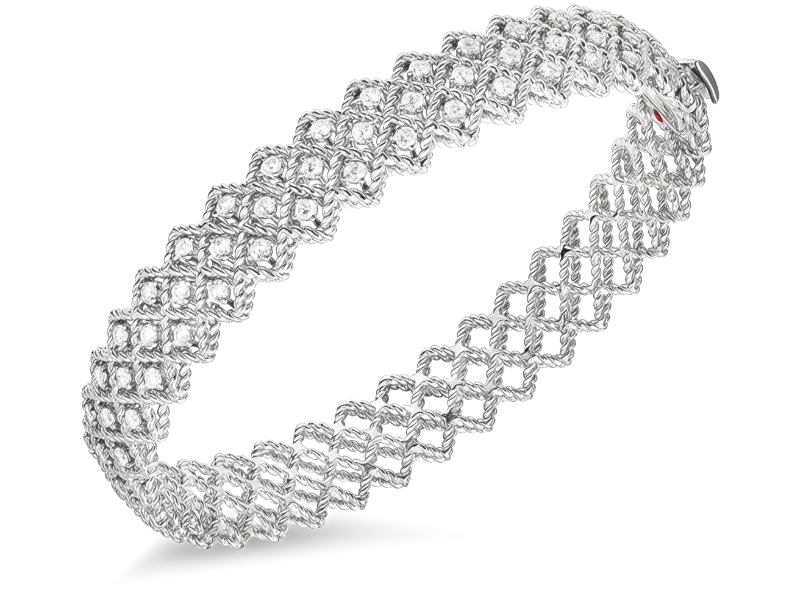
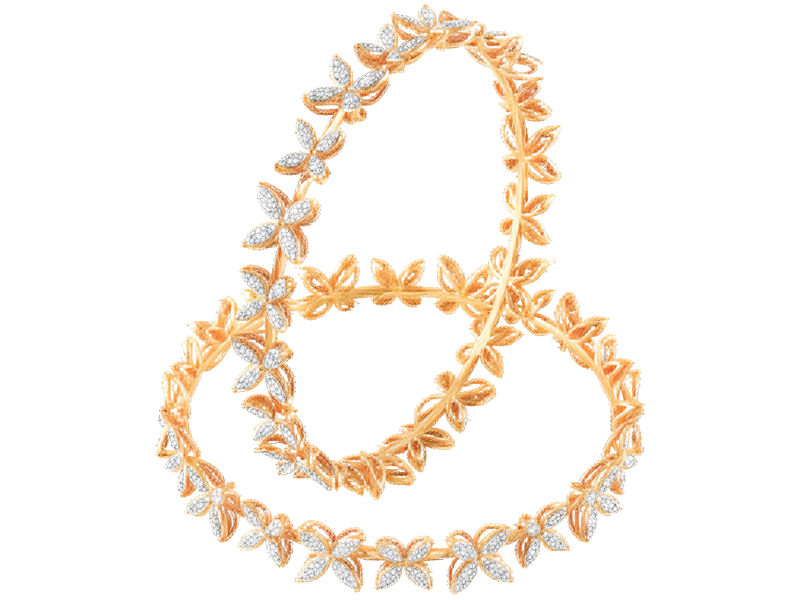
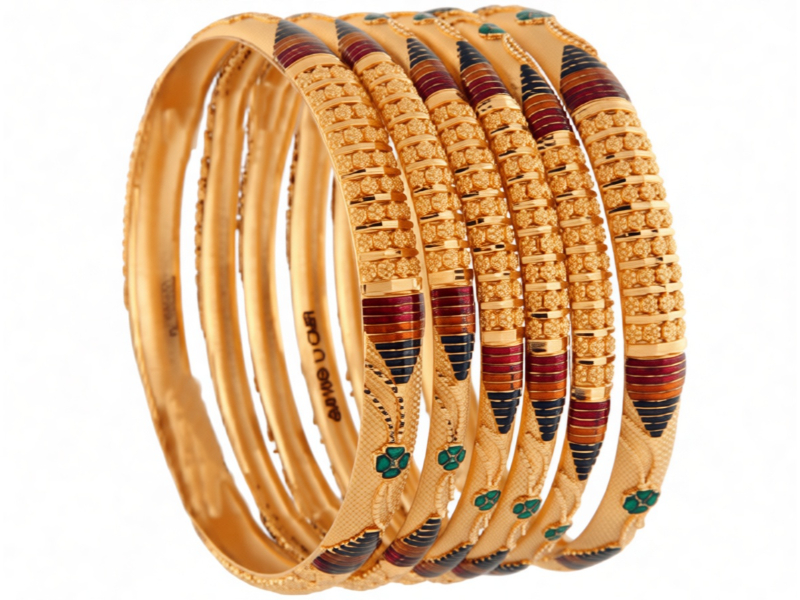
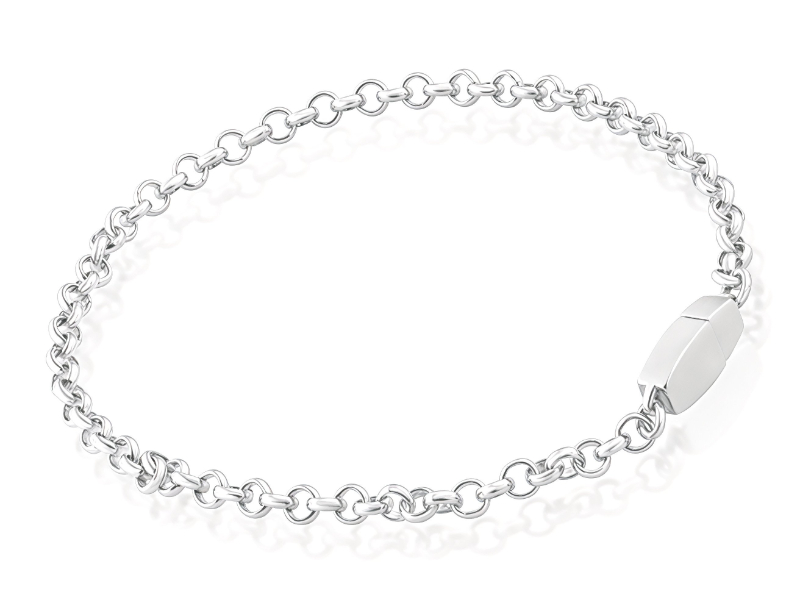
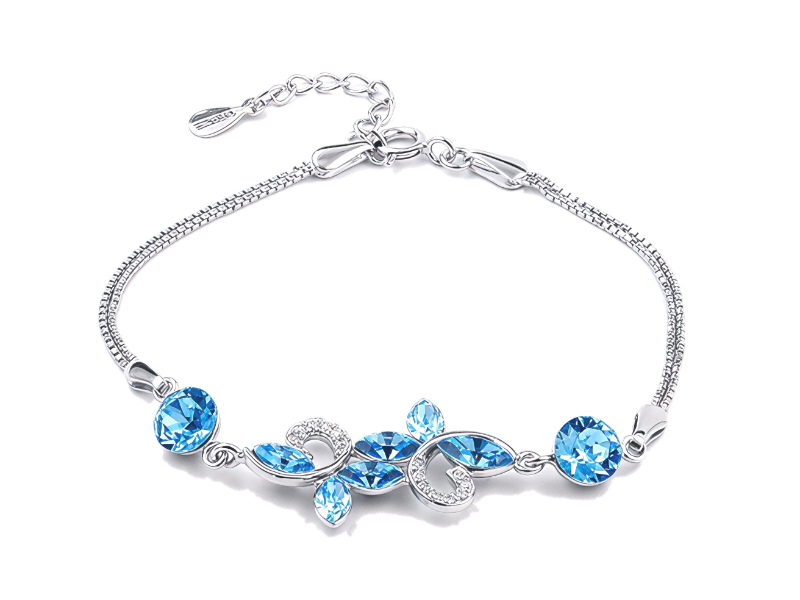
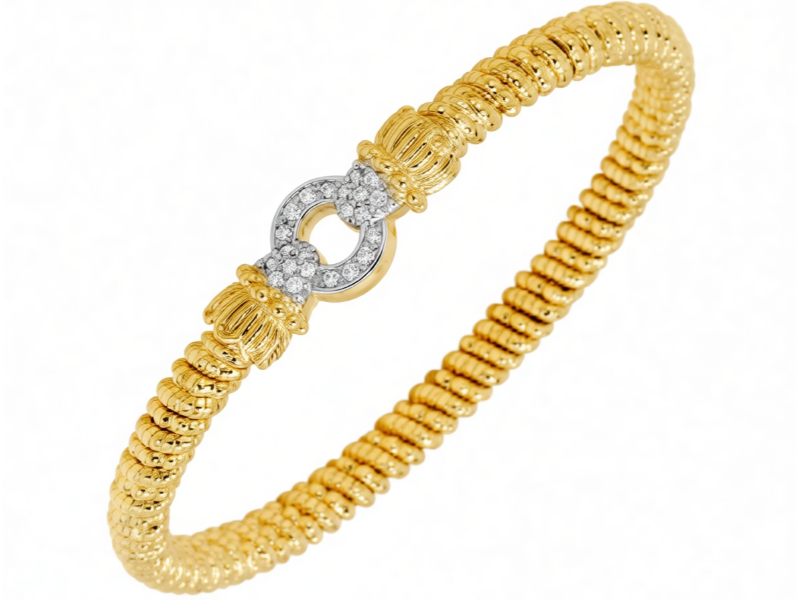
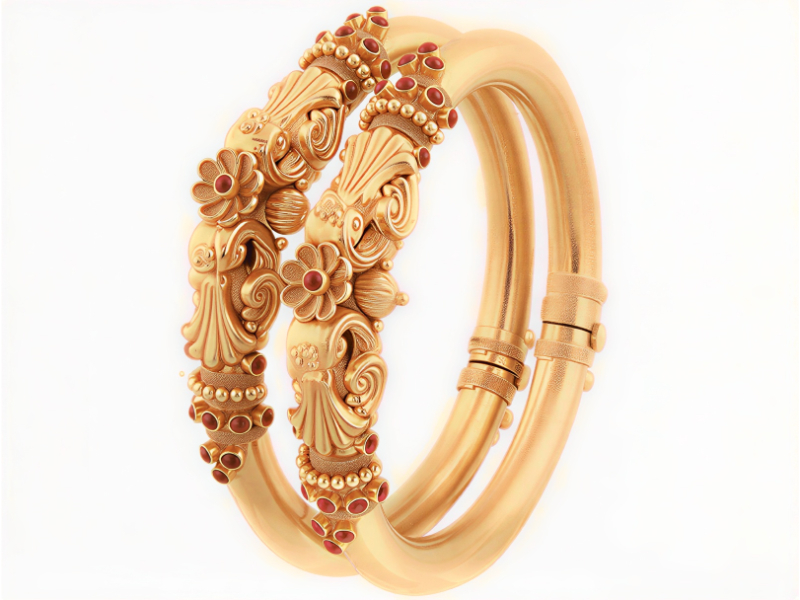
Bracelets are another popular category, offering styles ranging from bangles to charm bracelets. Manufacturers can provide customizable options to allow consumers to express their personal style.
Rings
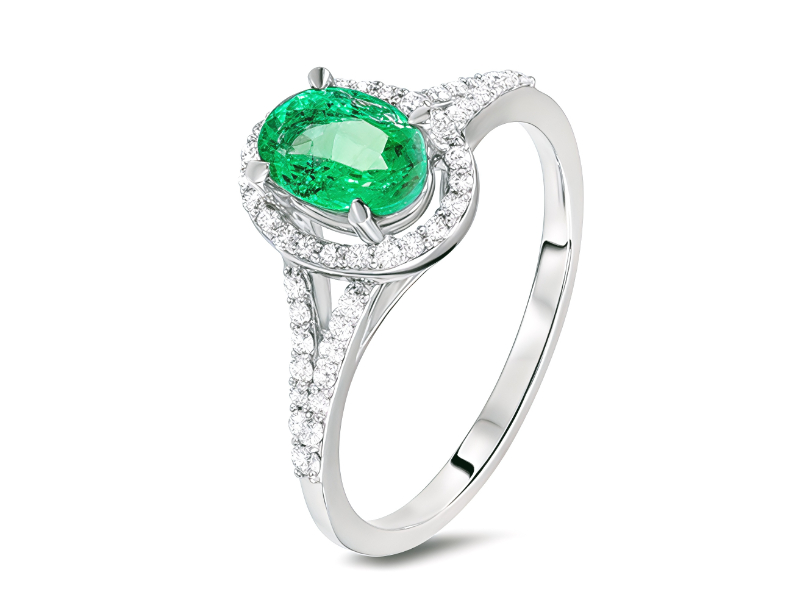
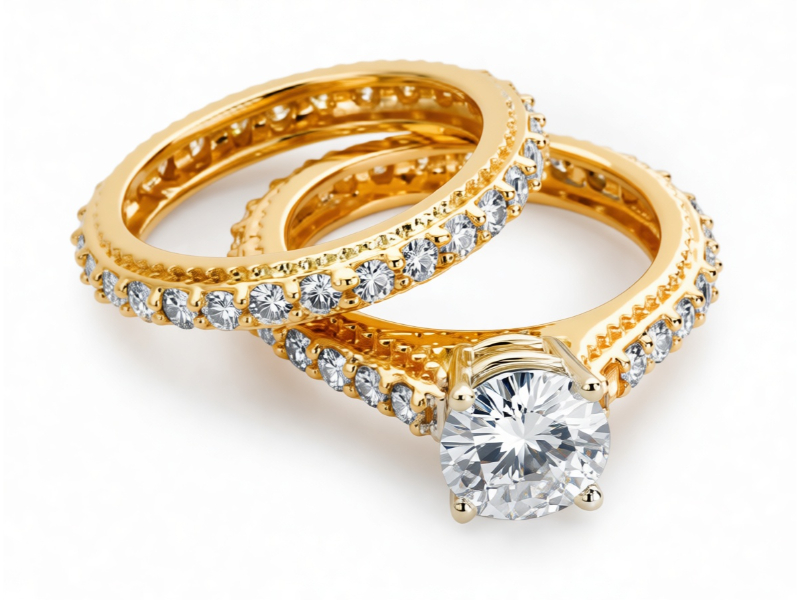
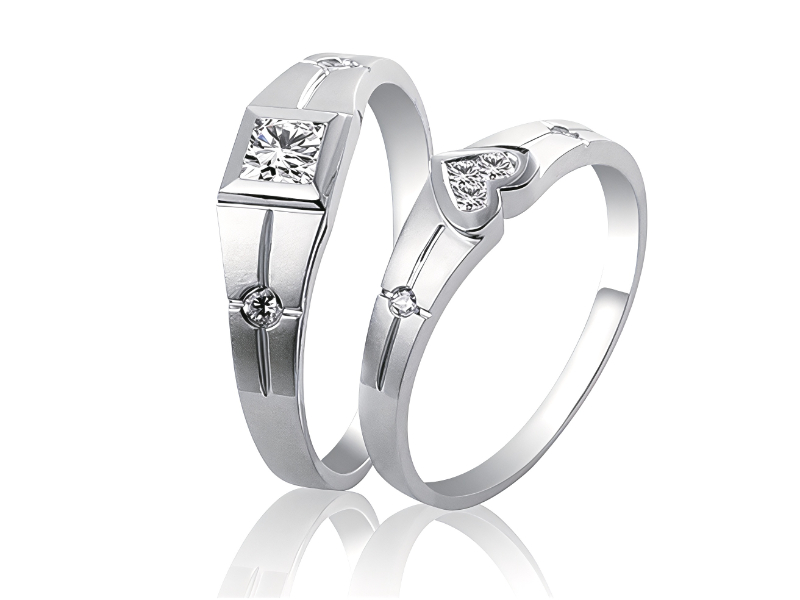
Costume rings can vary from simple bands to elaborate statement rings. The flexibility in design and material allows for endless creativity and appeal to diverse customer bases.
Brooches
Brooches offer unique design opportunities and can be used to enhance outfits or serve as fashion statements. They are often inspired by seasonal trends or cultural motifs.
𝗕𝗲𝗻𝗲𝗳𝗶𝘁𝘀 𝗮𝗻𝗱 𝗔𝗱𝘃𝗮𝗻𝘁𝗮𝗴𝗲𝘀
Choosing to work with jewelry manufacturers specializing in costume and fashion jewelry offers several advantages.
1. Cost-Effectiveness: Manufacturers provide affordable options compared to fine jewelry, enabling businesses to offer competitive prices to consumers.
2. Trend Adaptability: Jewelry manufacturers are skilled at quickly adapting designs to reflect current fashion trends, ensuring that businesses can keep their inventory fresh.
3. Customization Opportunities: Many manufacturers offer customization, allowing brands to differentiate their products and cater to specific market needs.
4. Accessibility: Costume jewelry appeals to a broad audience due to its affordability, making it easier for businesses to attract diverse customer segments.
5. Lightweight and Comfortable: Costume jewelry is often designed to be lightweight, enhancing comfort for the wearer without sacrificing style.
6. Lower Risk for Retailers: The affordability of costume jewelry means retailers can take more risks with their inventory selections without significant financial impact.
𝗕𝘂𝘆𝗶𝗻𝗴 𝗚𝘂𝗶𝗱𝗲 𝗳𝗼𝗿 𝗕𝟮𝗕 𝗕𝘂𝘆𝗲𝗿𝘀
When sourcing jewelry manufacturers specializing in costume and fashion jewelry, B2B buyers should consider several key factors to ensure successful partnerships.
1. Quality Assessment: Buyers should evaluate the quality of materials and craftsmanship. Requesting samples can help determine if the manufacturer meets required standards.
2. Supplier Verification: It is essential to conduct thorough background checks on potential suppliers, including reviews, ratings, and references from previous clients.
3. Pricing and MOQ: Understanding the pricing structure and minimum order quantities is crucial for budget planning and inventory management.
4. Delivery and Lead Times: Buyers should inquire about expected delivery times and ensure they align with their business needs to avoid disruptions.
5. Compliance Requirements: Familiarizing oneself with regional regulations and safety standards is vital for ensuring products meet market requirements.
𝗖𝗼𝗺𝗽𝗹𝗶𝗮𝗻𝗰𝗲 𝗮𝗻𝗱 𝗖𝗲𝗿𝘁𝗶𝗳𝗶𝗰𝗮𝘁𝗶𝗼𝗻𝘀
In the jewelry manufacturing industry, compliance with relevant standards and certifications is critical to ensure quality and safety.
Quality standards such as ISO 9001 ensure that manufacturers maintain consistent quality management systems. This certification helps businesses guarantee that the products they source meet international quality benchmarks.
Additionally, industry certifications like CE signify that products comply with European health, safety, and environmental protection standards. This certification can enhance marketability in regions where such compliance is required.
Safety and testing requirements are essential, particularly for costume jewelry made from materials that may cause allergic reactions. Manufacturers must adhere to regulations that ensure product safety and consumer protection.
Regional compliance considerations are also important, as different countries may have specific requirements for jewelry products. Buyers should verify that manufacturers are aware of and compliant with these regulations to avoid potential issues.
Why Source Jewelry Manufacturers (Costume/Fashion) from Pepagora?
Pepagora serves as a trusted platform for sourcing jewelry manufacturers specializing in costume and fashion jewelry, providing several key advantages for businesses.
The verified supplier network ensures that buyers can connect with reputable manufacturers who have been thoroughly vetted. This reduces the risks associated with sourcing and builds confidence in product quality.
The streamlined RFQ process simplifies the quotation system, enabling buyers to request quotes efficiently. This user-friendly approach allows for quicker decision-making, ultimately enhancing the sourcing experience.
Trade assurance and support are integral to the Pepagora platform. This feature provides buyers with protection throughout the sourcing process, ensuring that they receive what they expect.
Regional coverage extends across key markets, including India, GCC, and Southeast Asia. This geographic reach allows buyers to tap into diverse manufacturing capabilities and access a wide range of products tailored to their specific needs.

 IN
IN