What are Jewelry Packaging Suppliers?
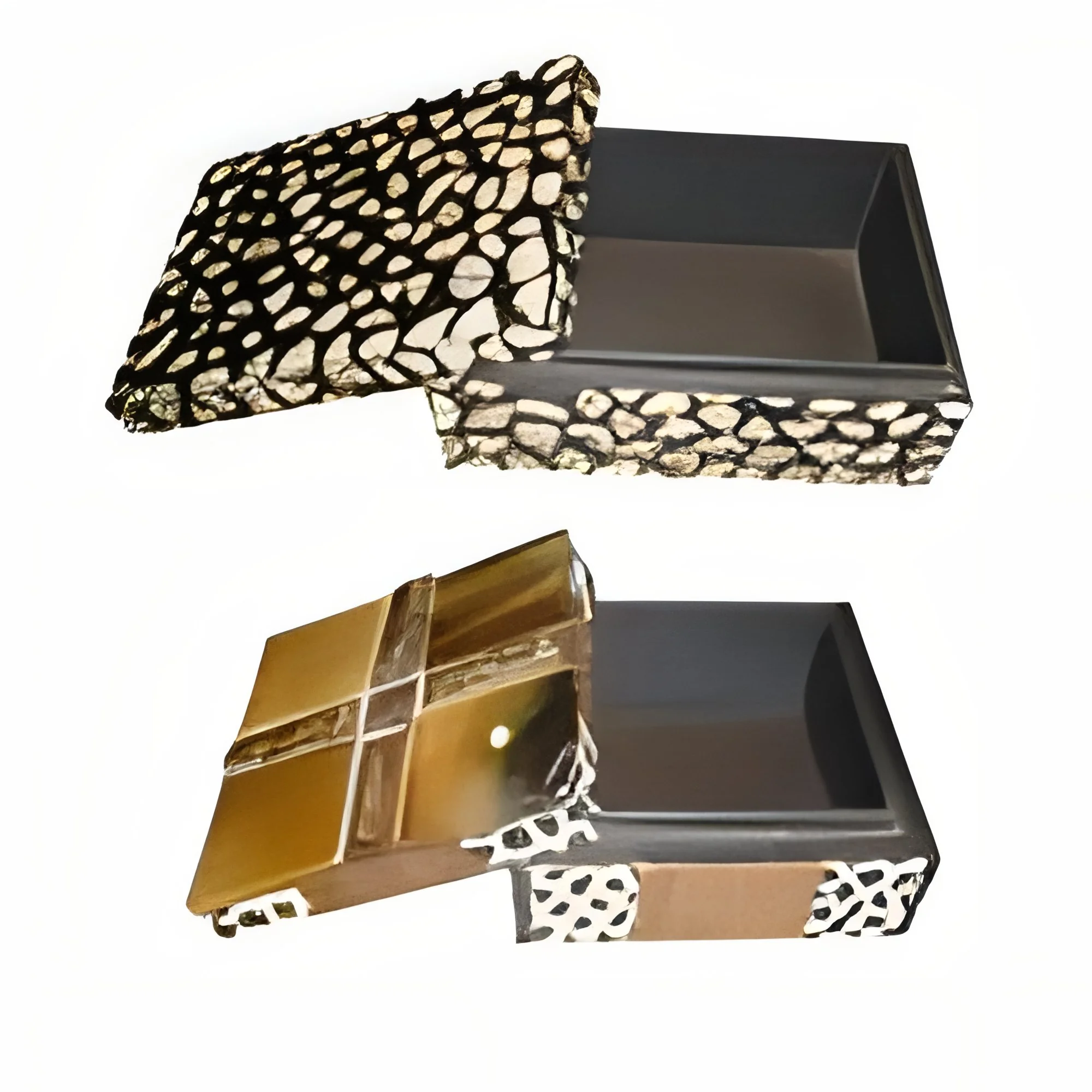
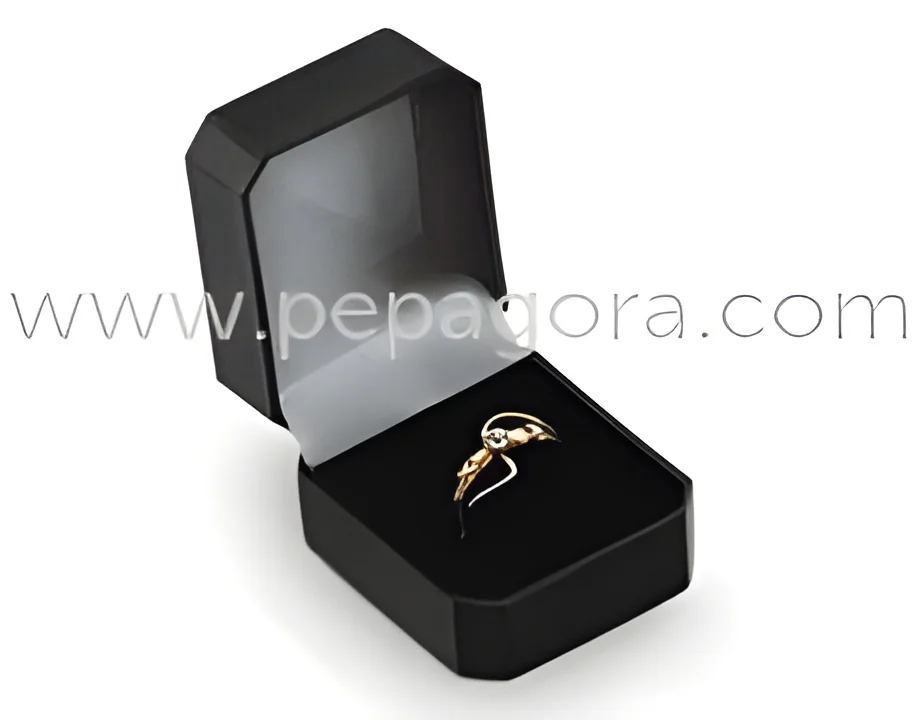
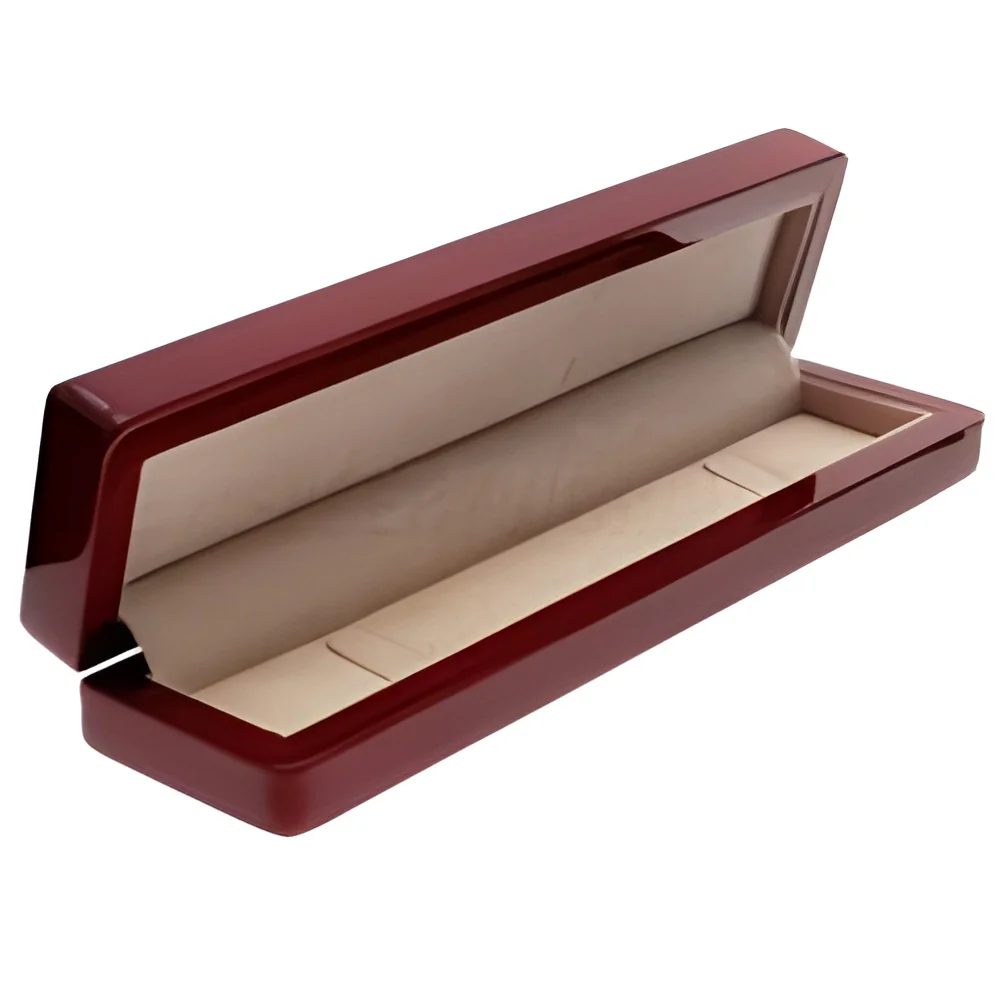
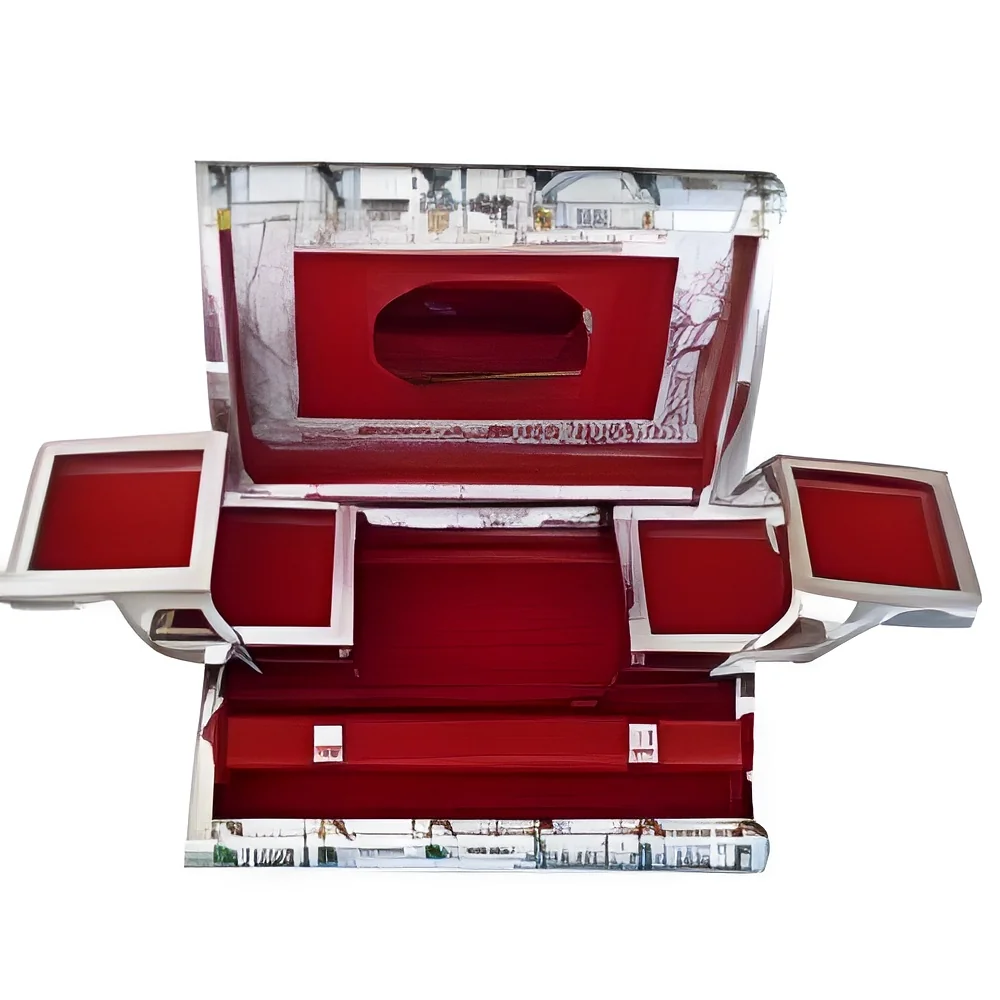
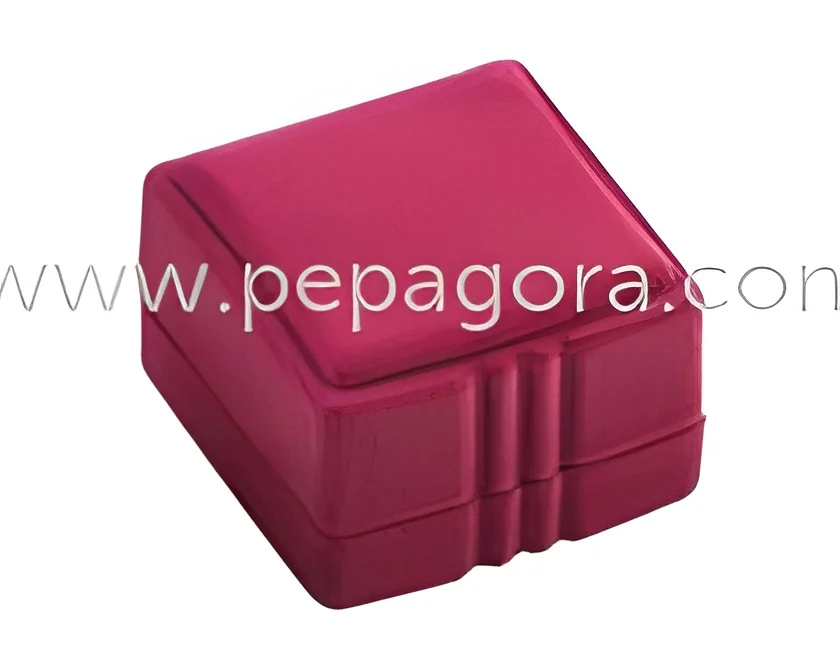
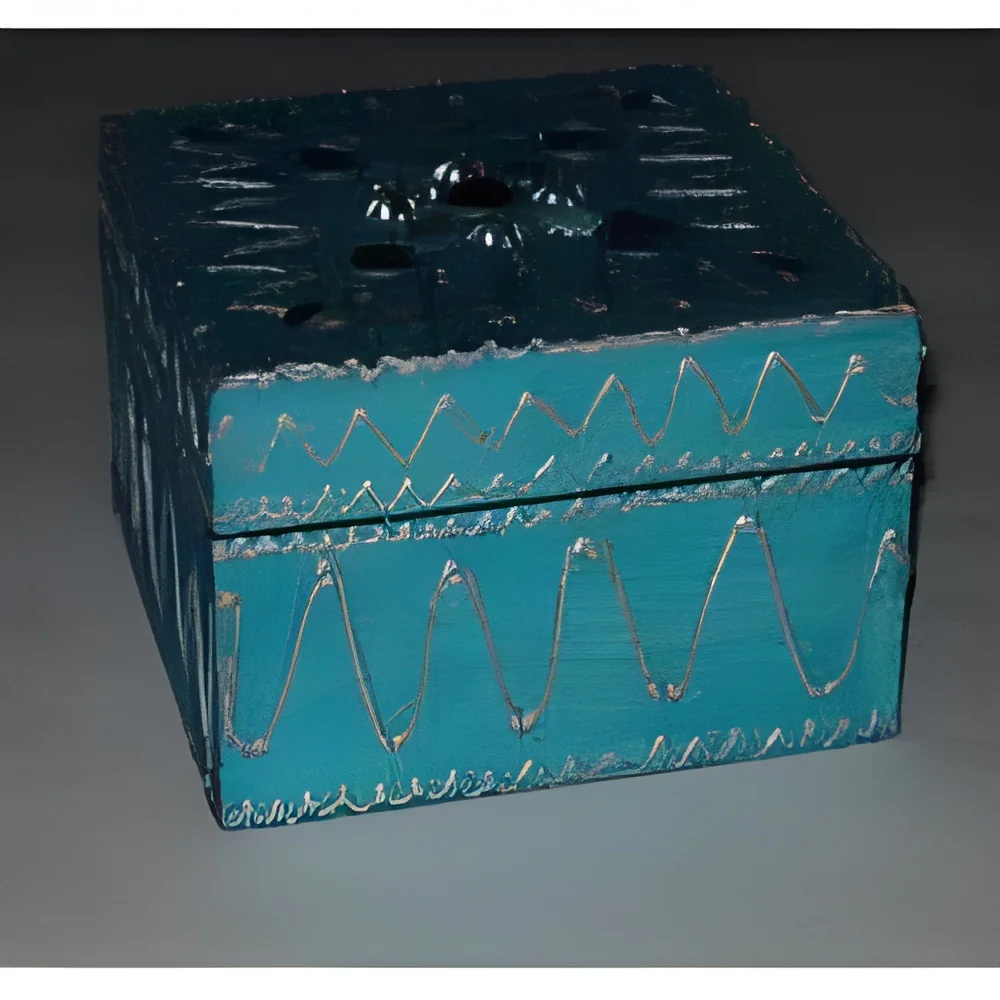
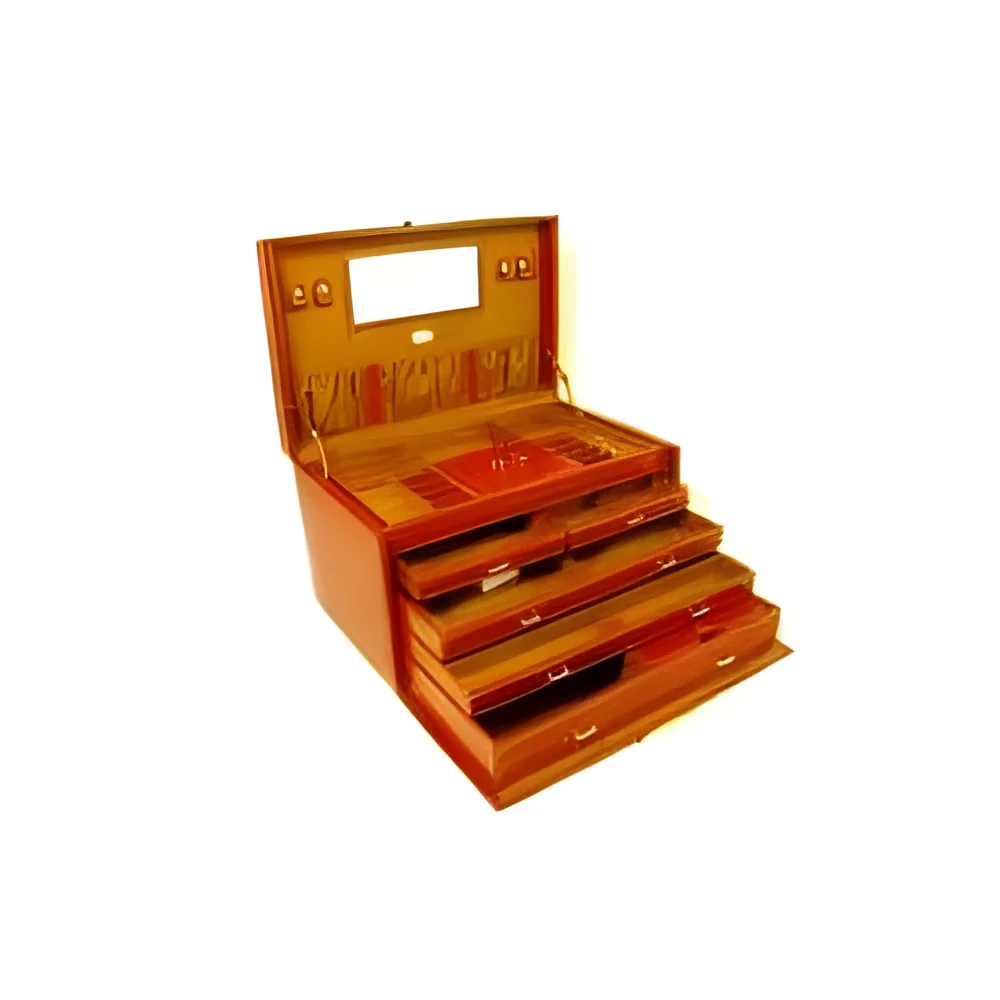
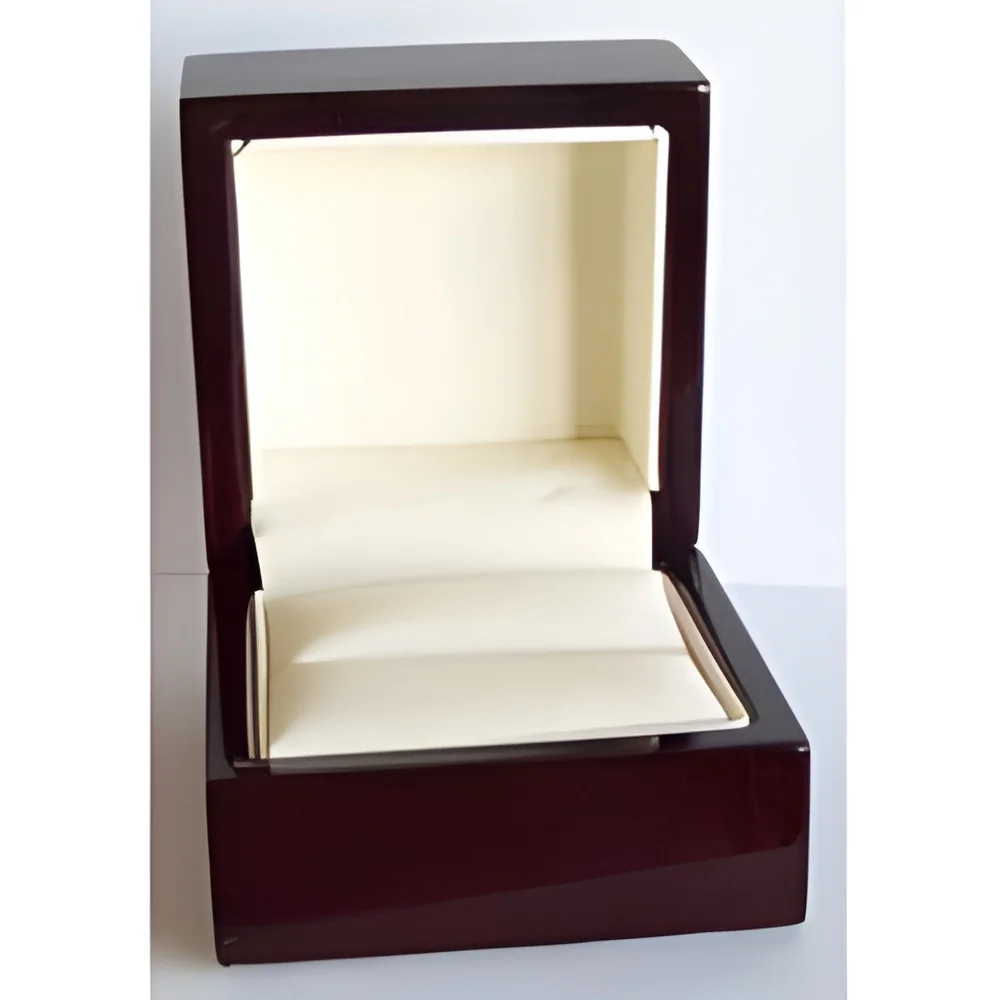
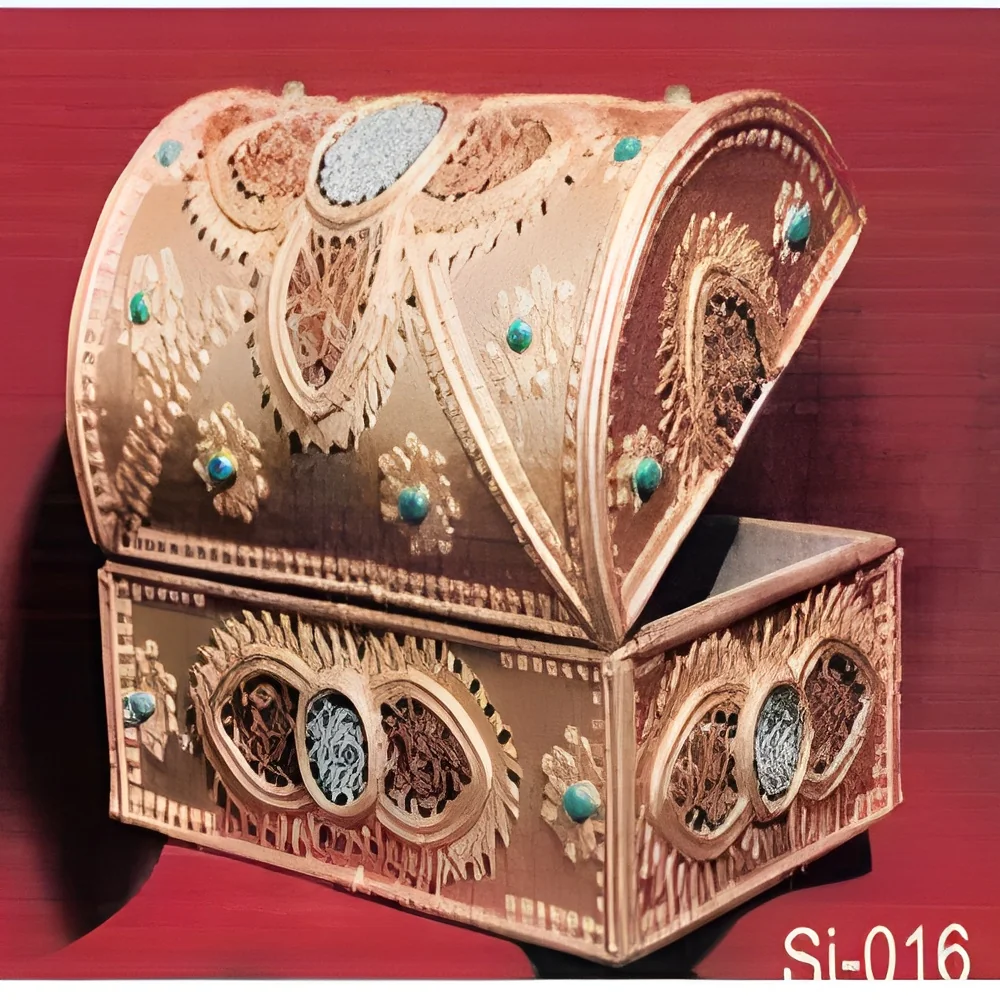
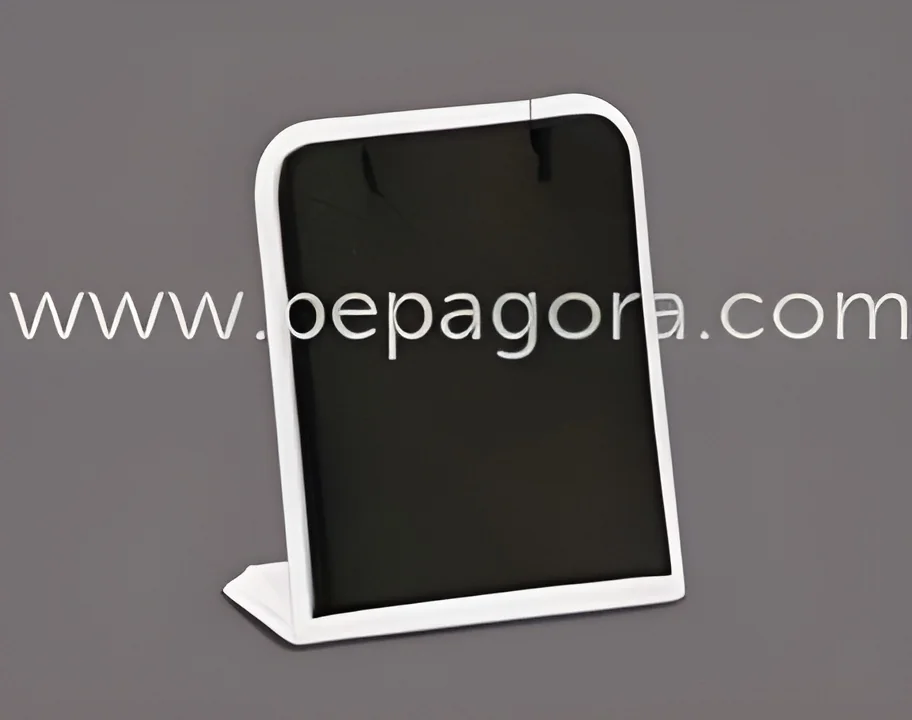
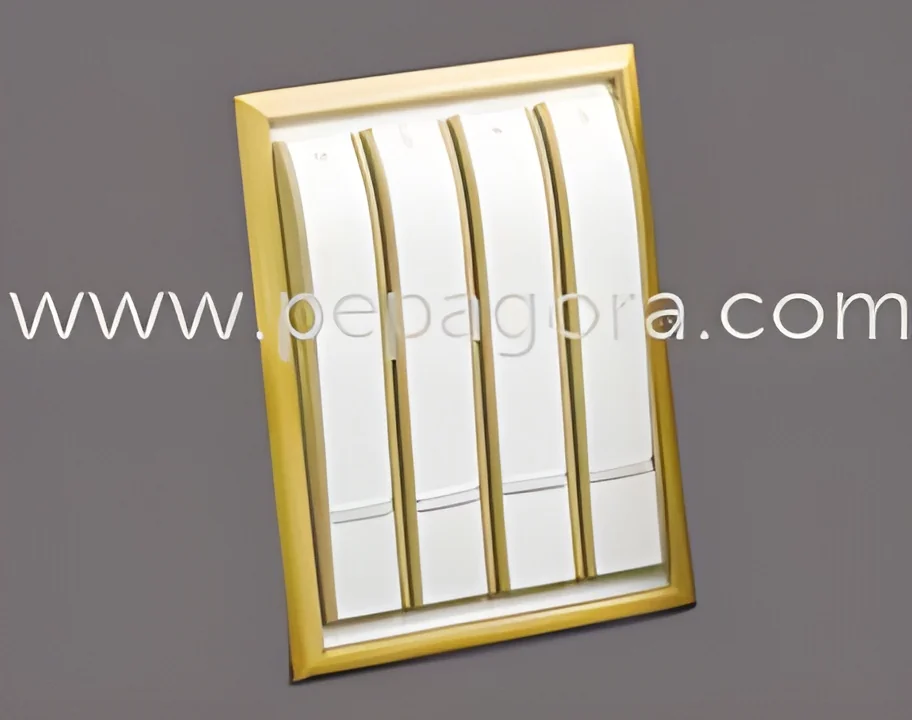
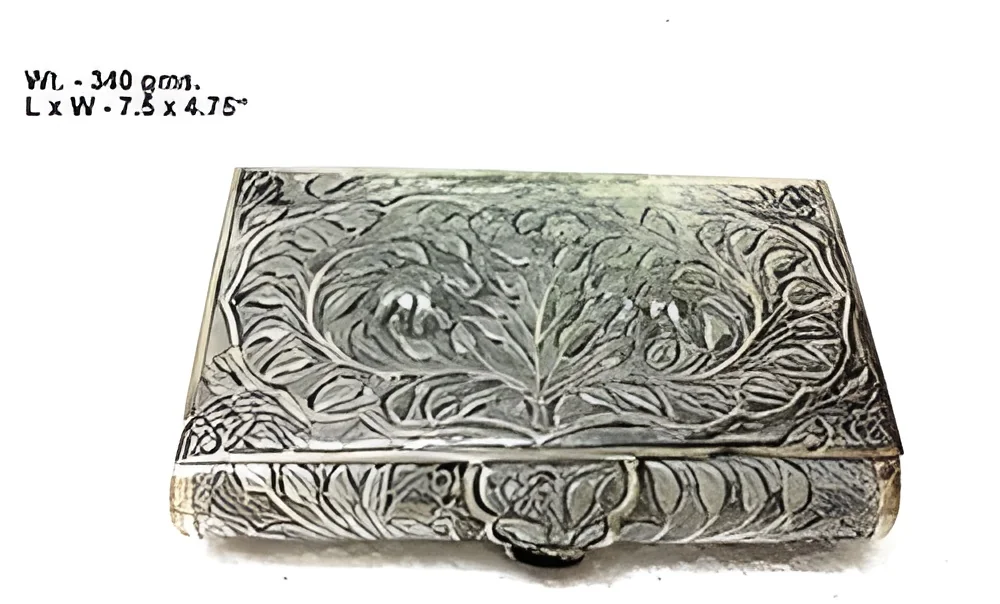
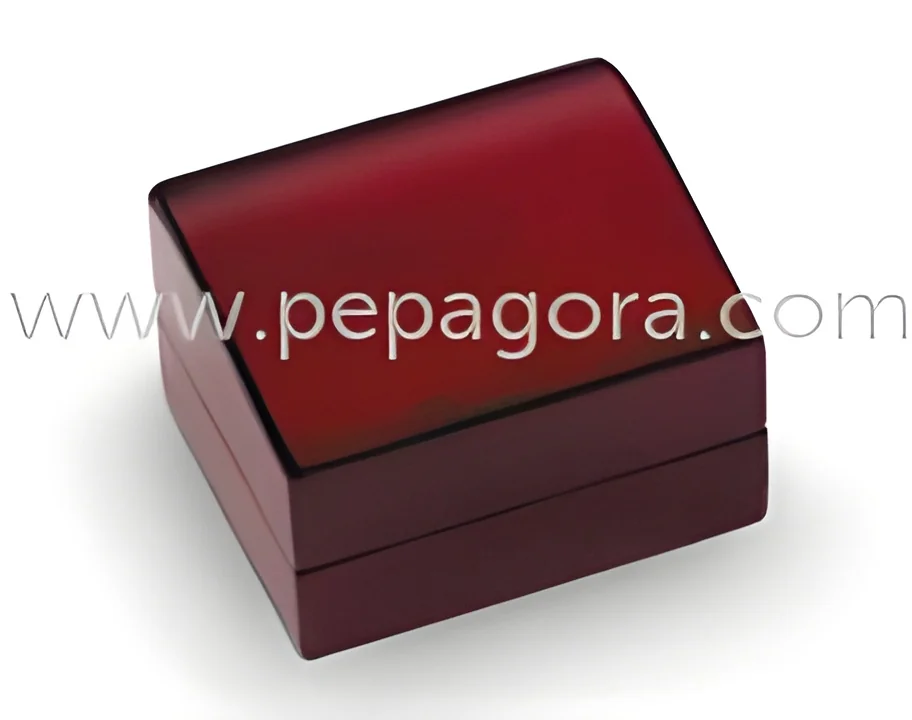
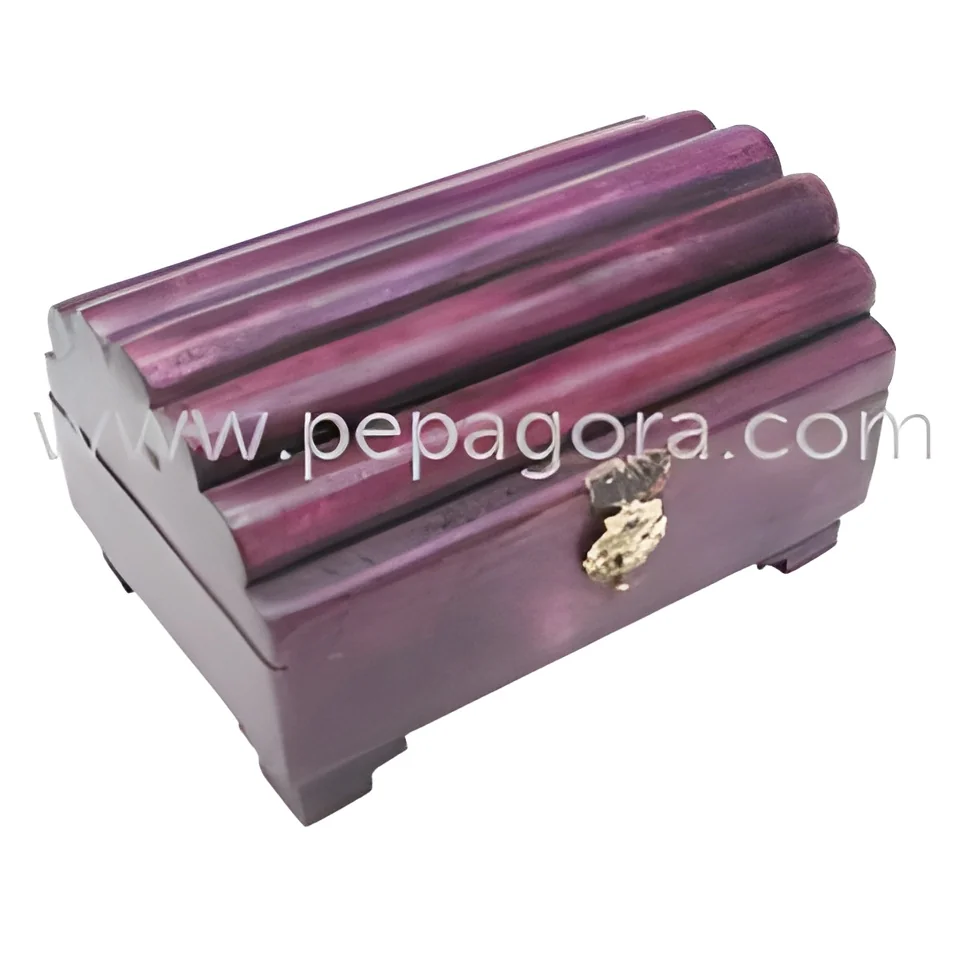
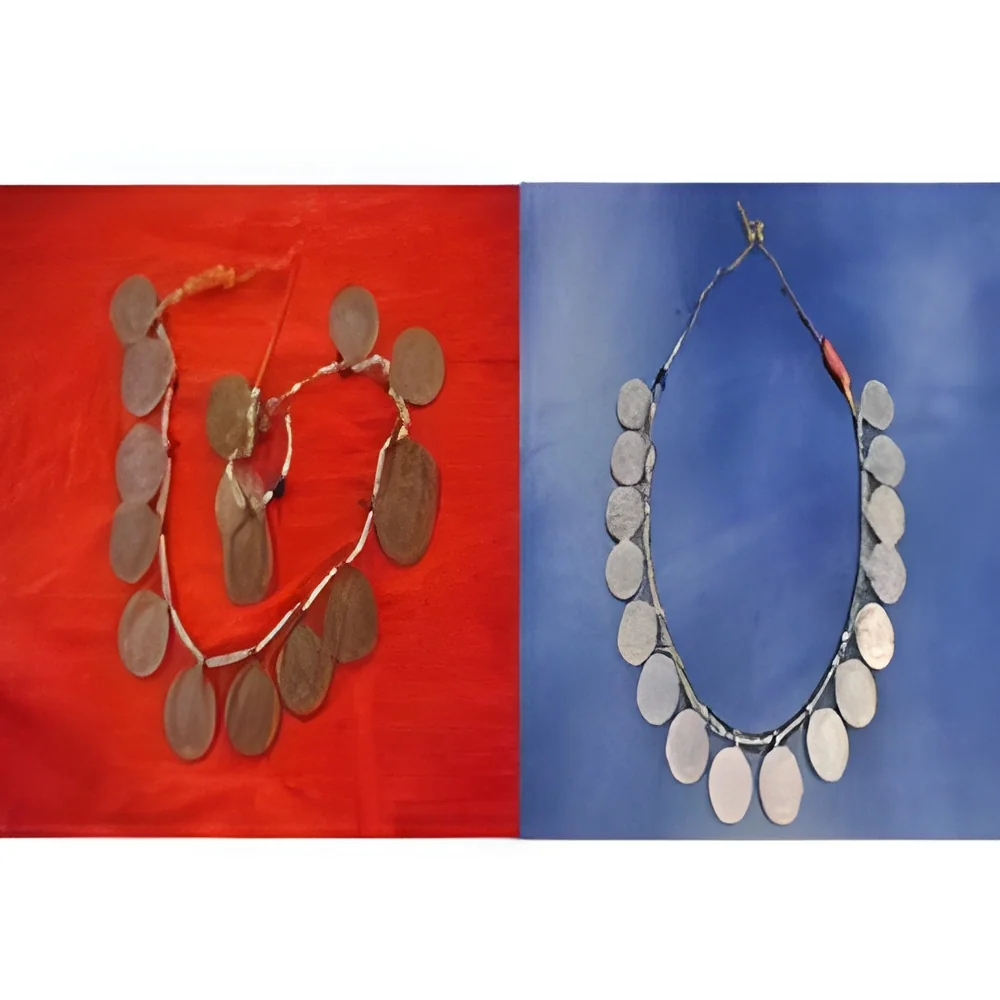
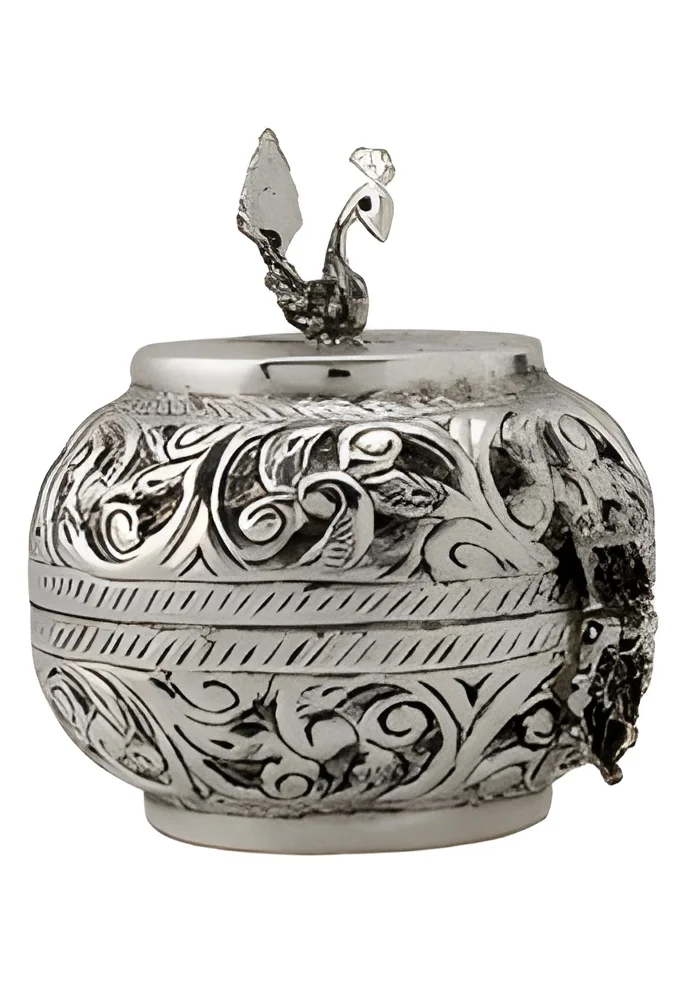
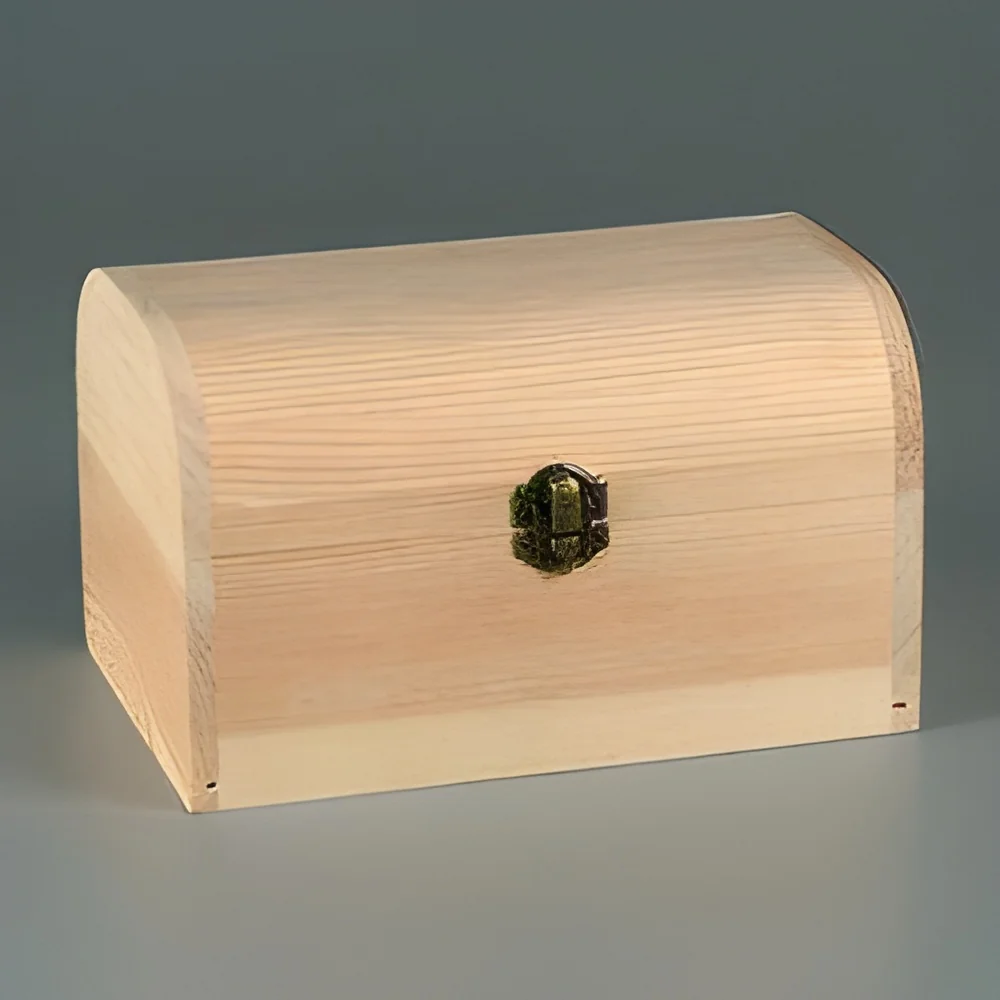
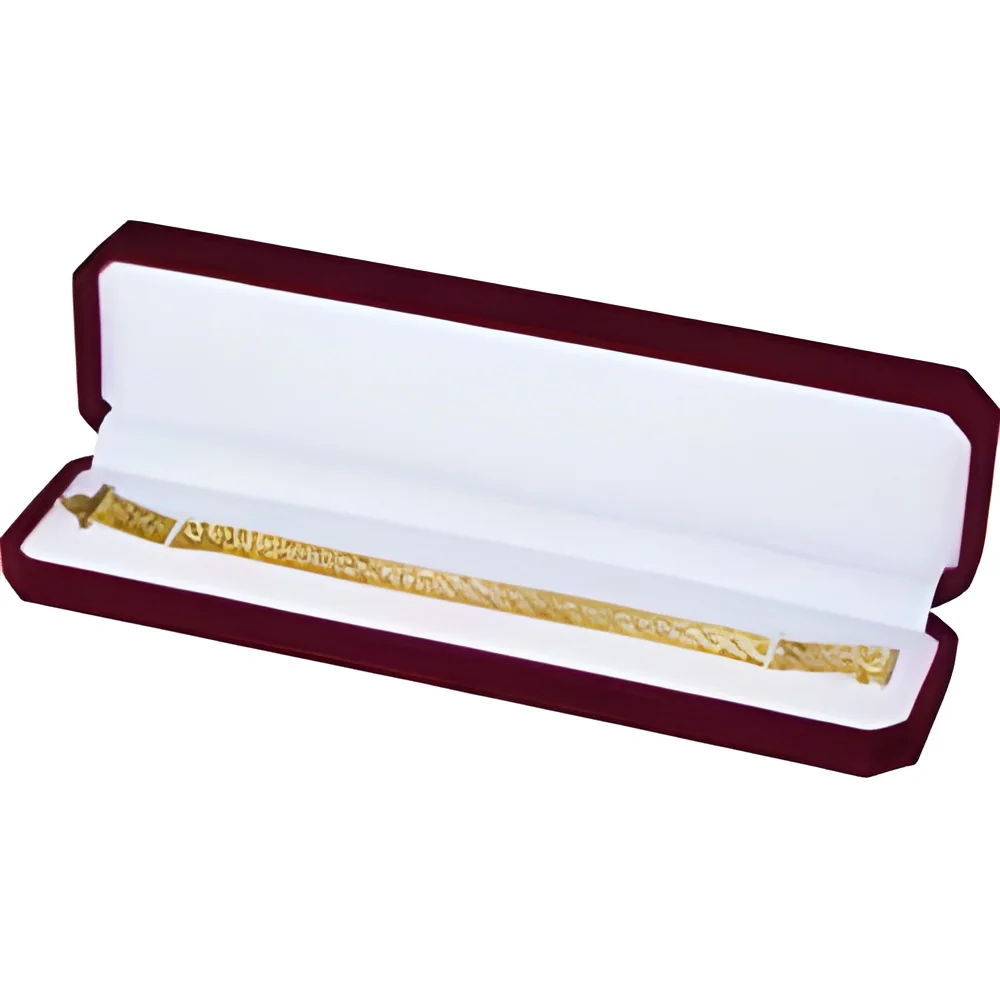
Jewelry packaging suppliers provide specialized materials and solutions to protect and present jewelry items for retail and wholesale markets. These suppliers offer a range of packaging options, including boxes, pouches, bags, and displays, designed to enhance the visual appeal of jewelry while ensuring its safe storage and transportation. The products vary in materials, colors, and styles, catering to different types of jewelry such as rings, necklaces, bracelets, and earrings.
The primary applications of jewelry packaging are found in the retail sector, where the presentation of products significantly influences customer purchasing decisions. Packaging not only serves as a protective barrier against damage but also plays a crucial role in branding and marketing efforts. Well-designed packaging can communicate the value of the jewelry inside and enhance the overall customer experience. The jewelry industry relies heavily on these suppliers for both functional and aesthetic needs.
In the context of the jewelry market, the demand for quality packaging has grown as consumers increasingly seek unique and luxurious experiences. With the rise of e-commerce, the need for effective packaging solutions that can withstand shipping and handling has become more pronounced. Jewelry packaging suppliers play a vital role in supporting businesses by offering innovative packaging solutions that align with market trends and consumer preferences.
Key Features and Specifications
Jewelry packaging suppliers offer a variety of features and specifications to meet the diverse needs of their clients. The specifications can vary based on the type of packaging, materials used, and intended purpose. Below are some key features to consider when evaluating jewelry packaging options.
Key specifications include:
1. Material Quality
- Common materials include cardboard, plastic, velvet, and leather.
- These materials offer varying levels of durability and aesthetic appeal.
2. Customization Options
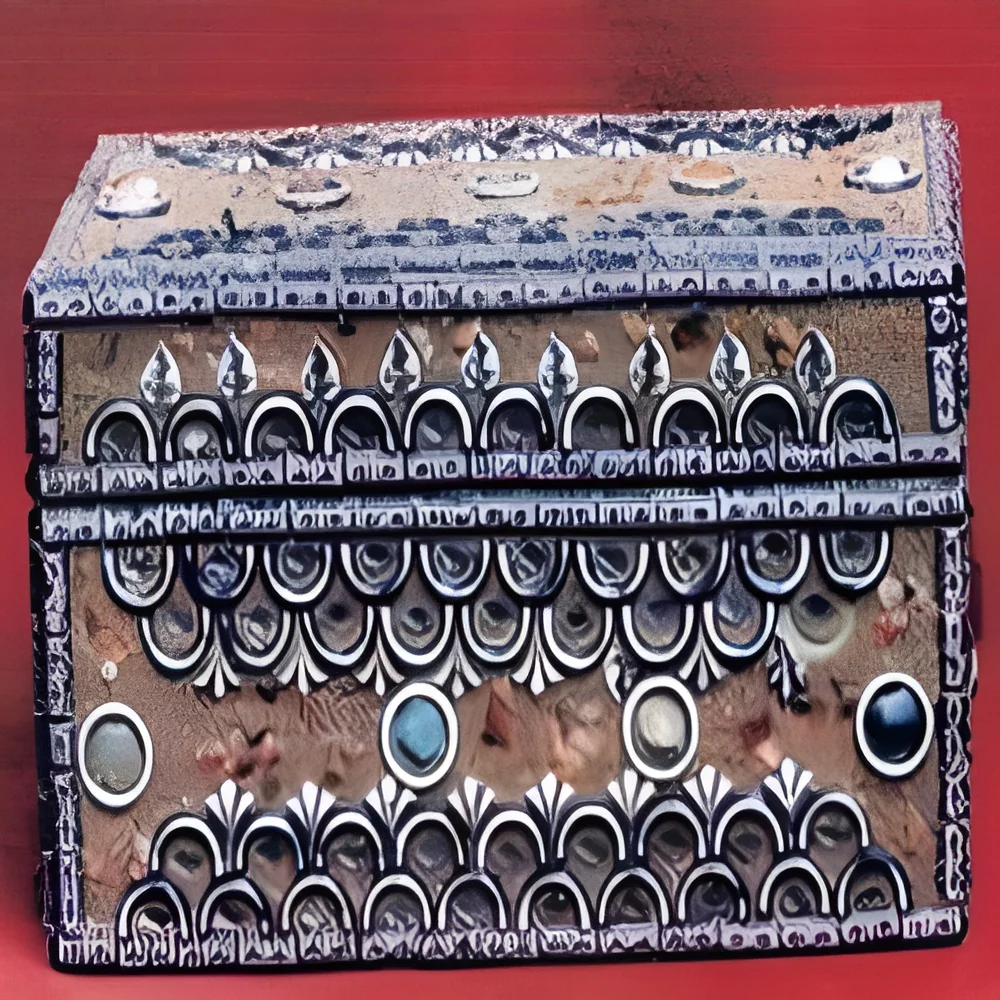
- Many suppliers provide options for custom designs, colors, and branding.
- Customization can include logos, special finishes, and sizes.
3. Size Variability
- Packaging is available in various sizes to accommodate different types of jewelry.
- Sizes can range from small pouches for earrings to large boxes for necklaces.
4. Eco-Friendliness
- Suppliers may offer sustainable packaging options made from recycled materials.
- Eco-friendly packaging appeals to environmentally conscious consumers.
5. Security Features
- Some packaging includes tamper-proof seals or locking mechanisms.
- These features help ensure the integrity of the jewelry during transport.
6. Presentation Design
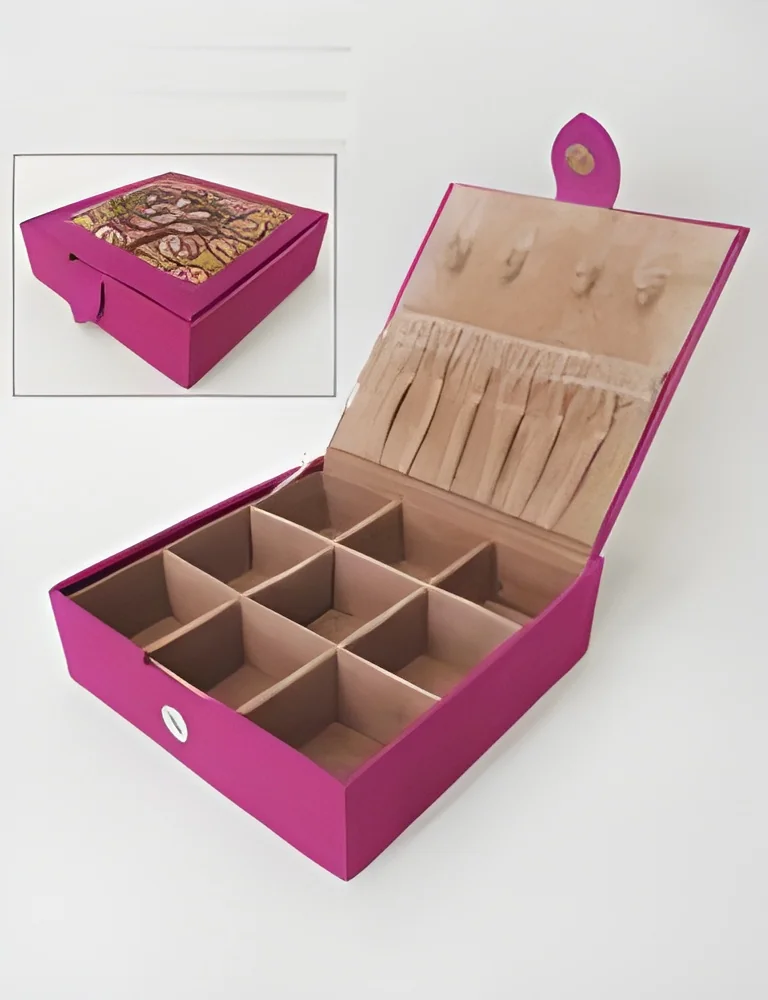
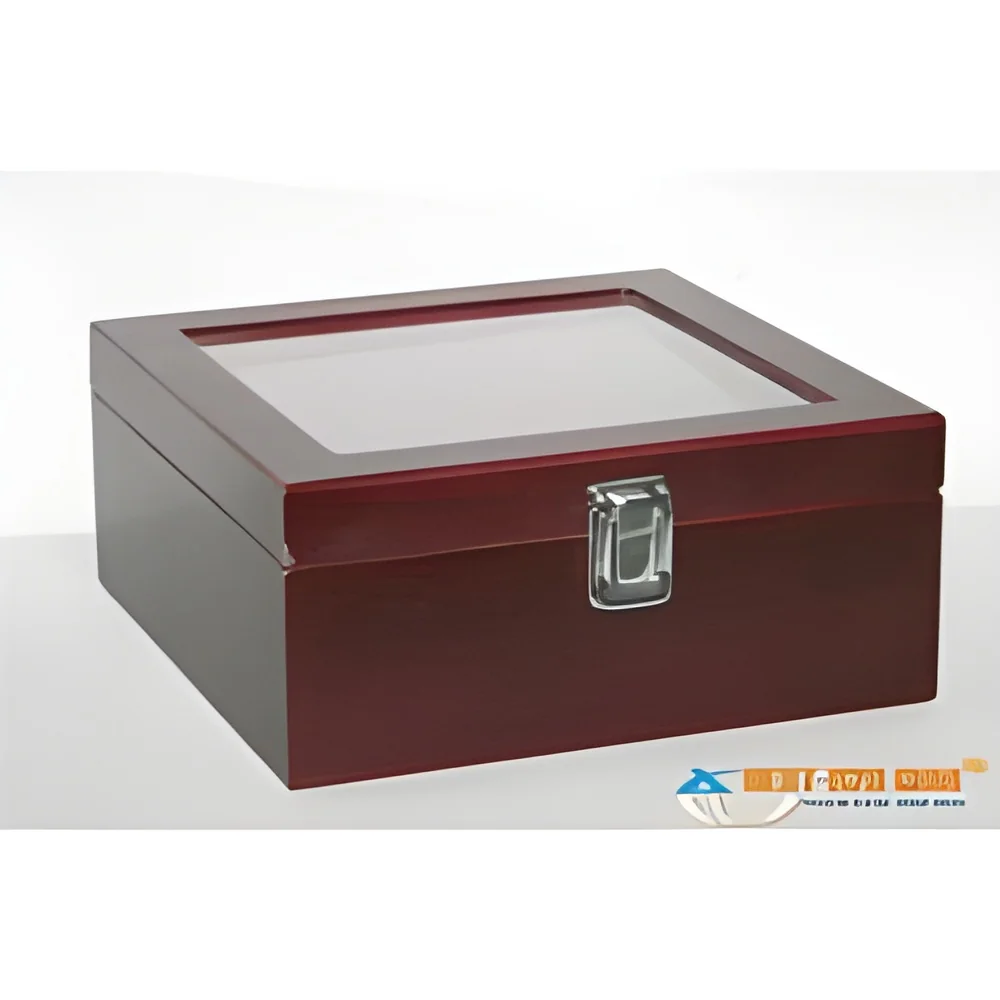
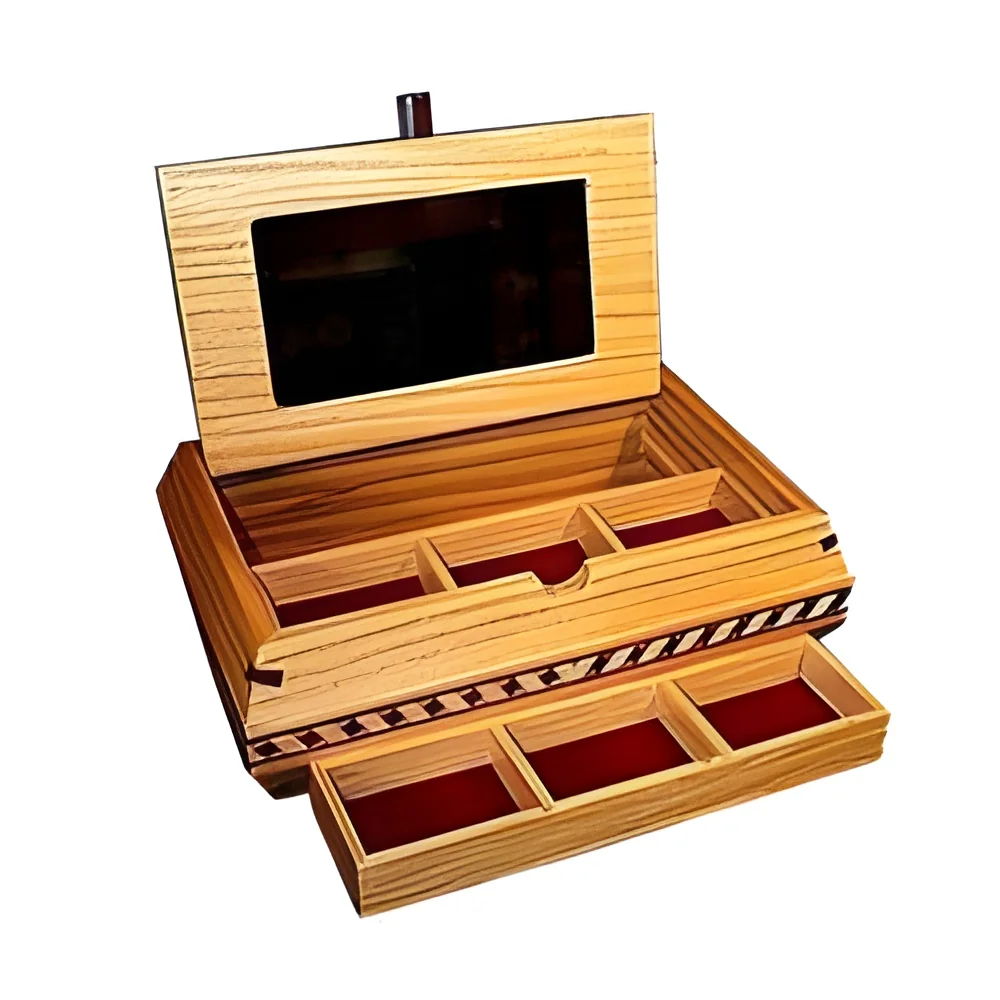
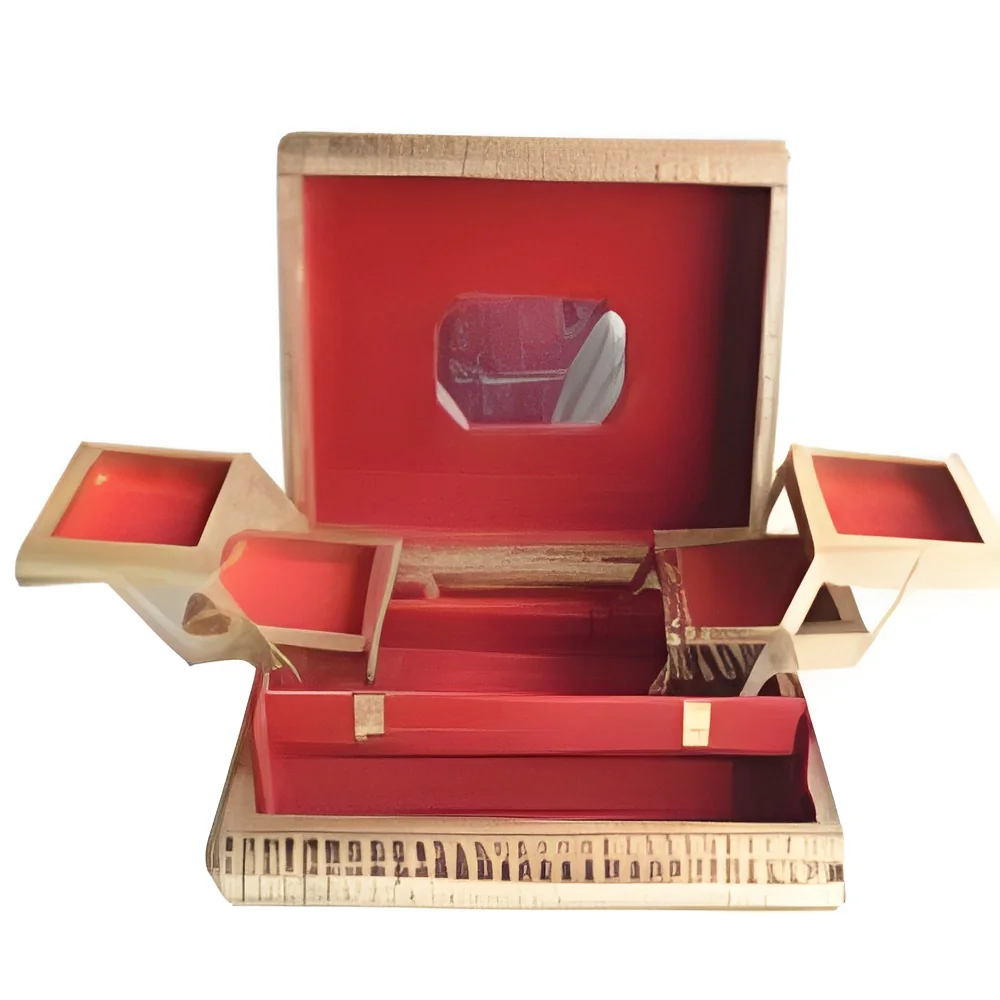
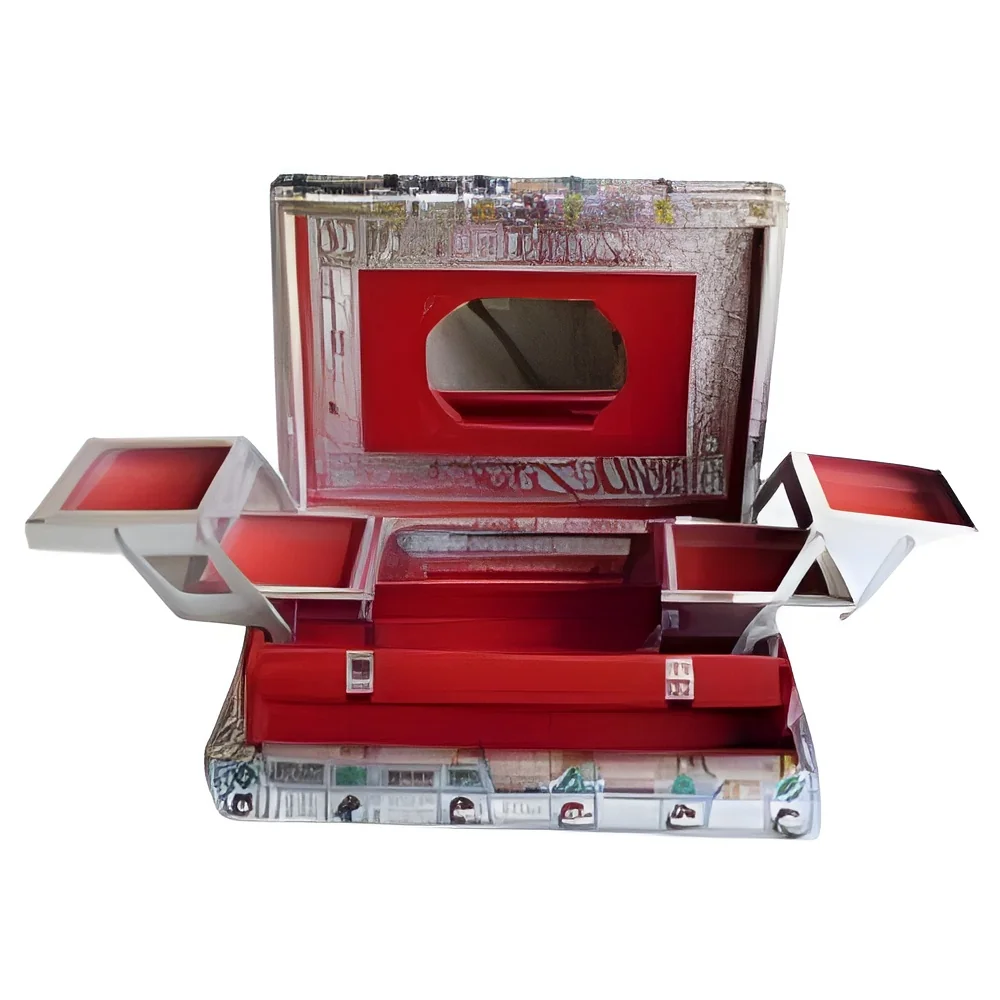
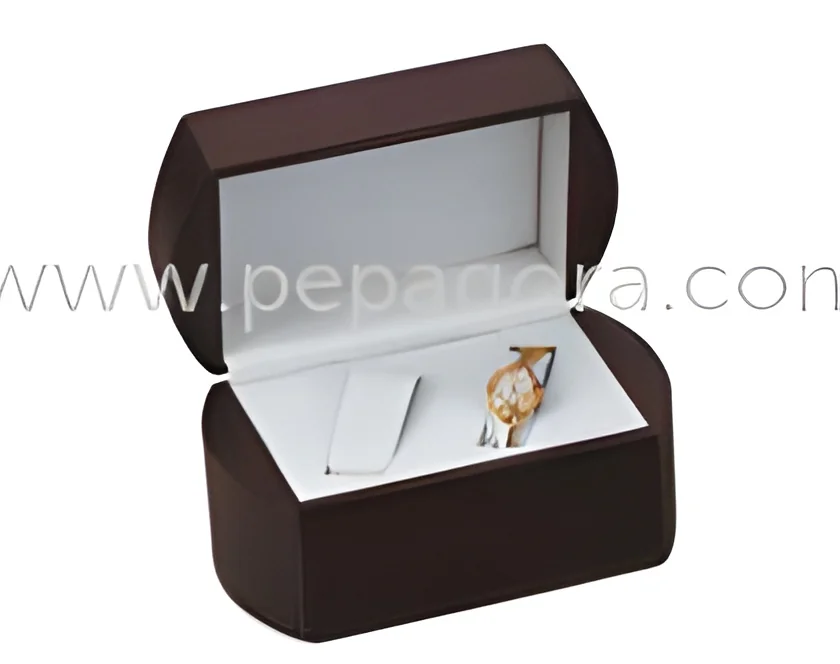
- Packaging design can include windows, inserts, or compartments for better display.
- Aesthetic appeal is critical for capturing customer interest.
7. Cost Efficiency
- Pricing structures can vary based on materials, customization, and order volume.
- Bulk purchasing options may provide cost savings for businesses.
8. Lead Time
- Suppliers should provide clear timelines for production and delivery.
- Understanding lead times is crucial for inventory management.
In summary, when choosing jewelry packaging, consider the material quality, customization options, and security features to ensure that the packaging aligns with your brand and product needs.
Common Applications and Use Cases
Jewelry packaging serves various industries beyond just retail jewelry outlets. Its versatility allows it to be utilized in multiple contexts, including:
1. Retail Jewelry Stores: Jewelry packaging is essential for displaying and selling products in physical stores. The packaging enhances the customer experience and promotes brand recognition.
2. E-commerce Businesses: Online jewelry retailers rely on durable packaging to protect items during shipping. Effective packaging helps reduce returns and enhances customer satisfaction.
3. Gift Shops: Jewelry packaging is widely used in gift shops where jewelry is often given as gifts. Attractive packaging can elevate the perceived value of items.
4. Wholesale Distributors: Distributors require bulk packaging solutions that maintain product integrity during transportation to retail locations. Efficient packaging facilitates easier handling.
5. Custom Jewelry Makers: Artisans and custom jewelry makers often need unique packaging that reflects their brand's identity. Tailored packaging solutions can enhance the perceived value of handmade items.
6. Trade Shows and Exhibitions: Jewelry packaging is crucial for showcasing products at trade shows. Eye-catching packaging can draw attention and attract potential buyers.
7. Luxury Brands: High-end jewelry brands require premium packaging materials that convey luxury and exclusivity. The right packaging can significantly influence consumer perception.
Product Variants and Subcategories
Jewelry packaging encompasses a wide range of variants, each designed to meet specific needs and preferences. Understanding these variants helps businesses make informed decisions.
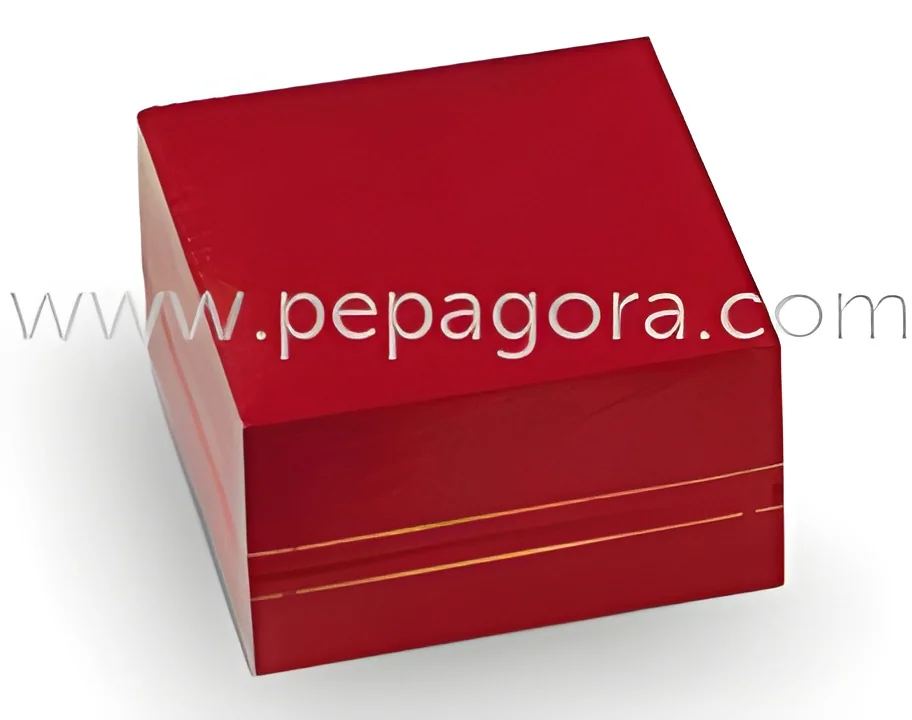
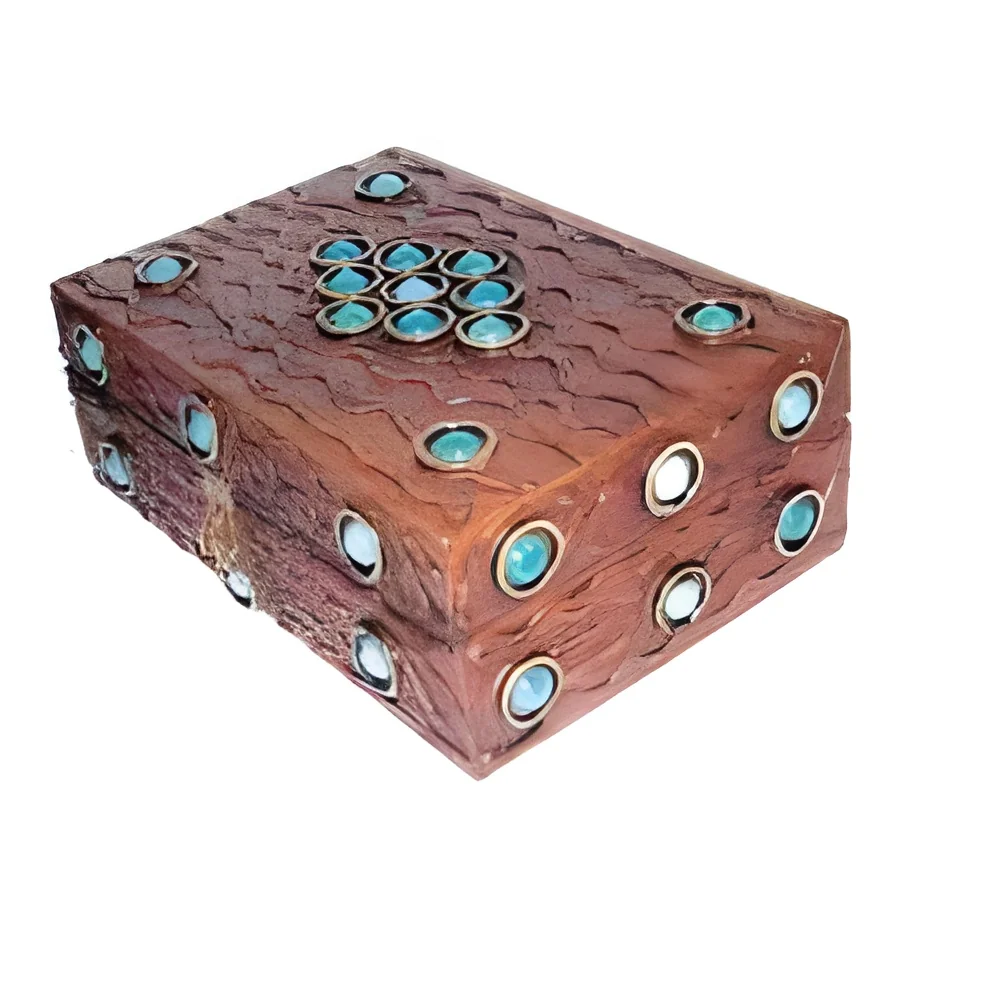
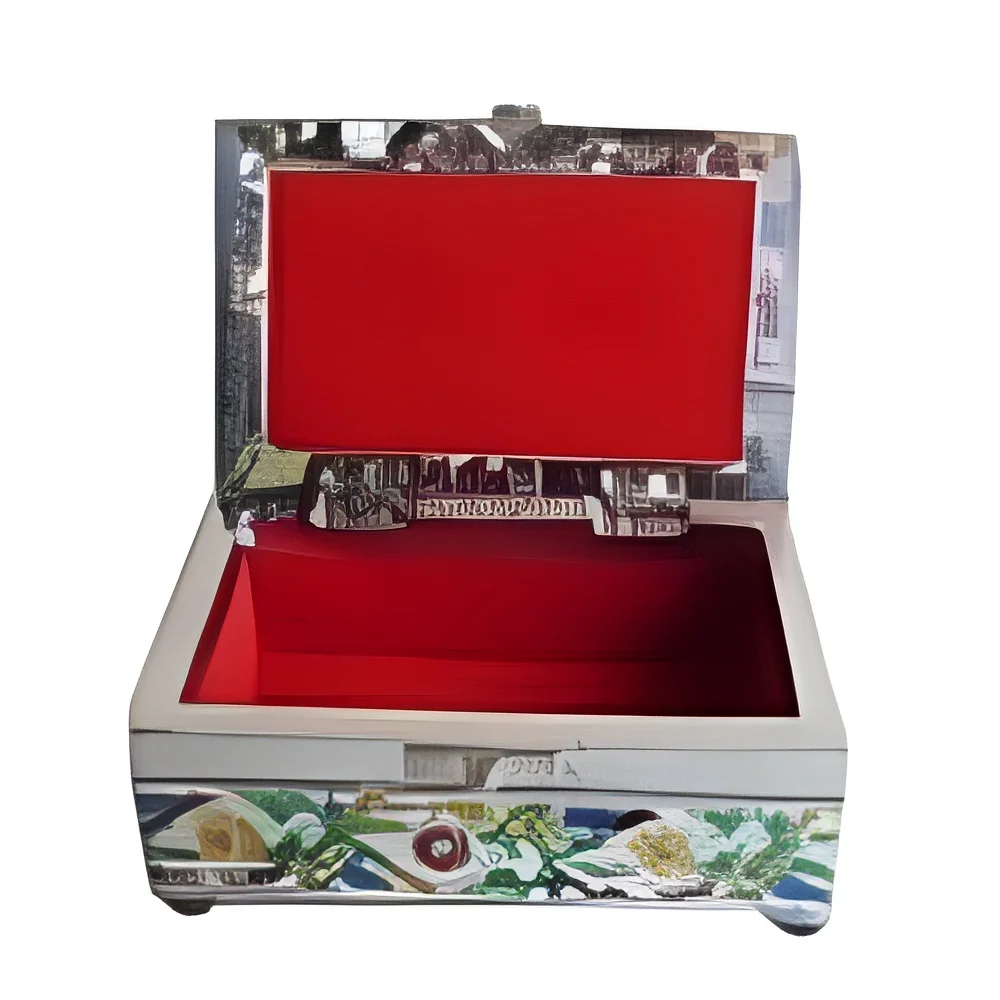
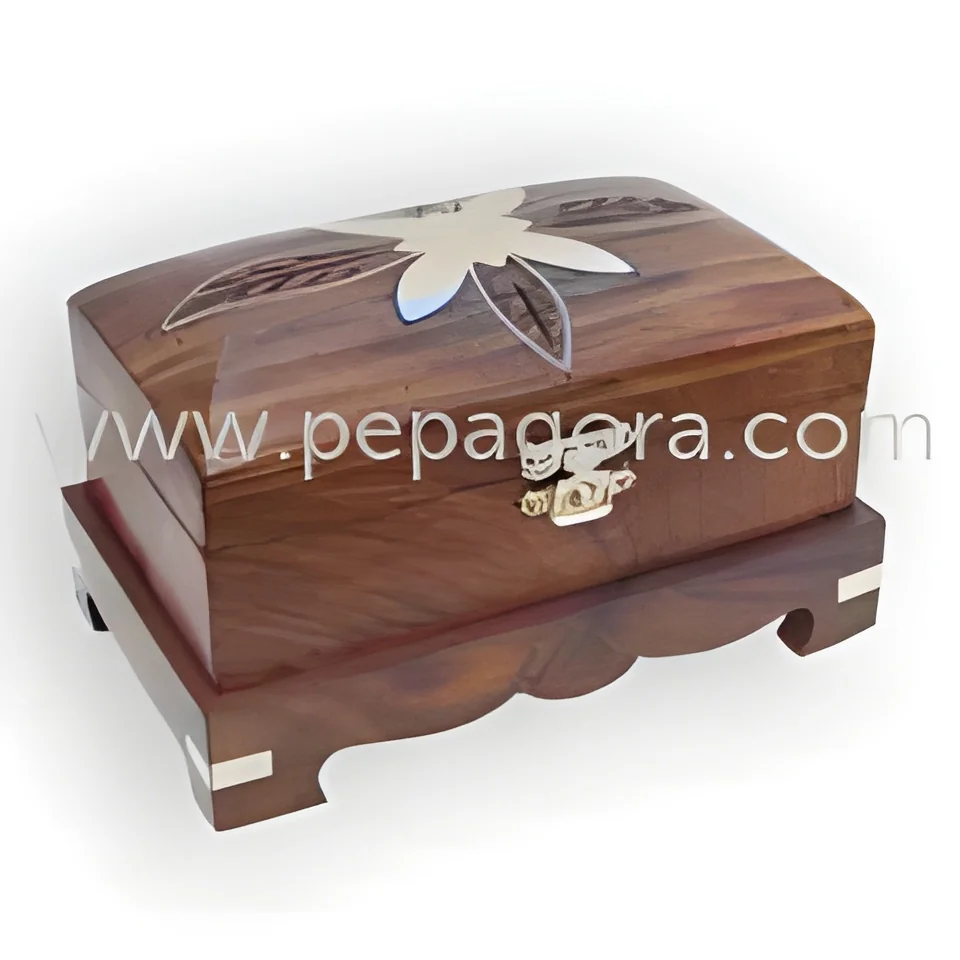
Gift Boxes
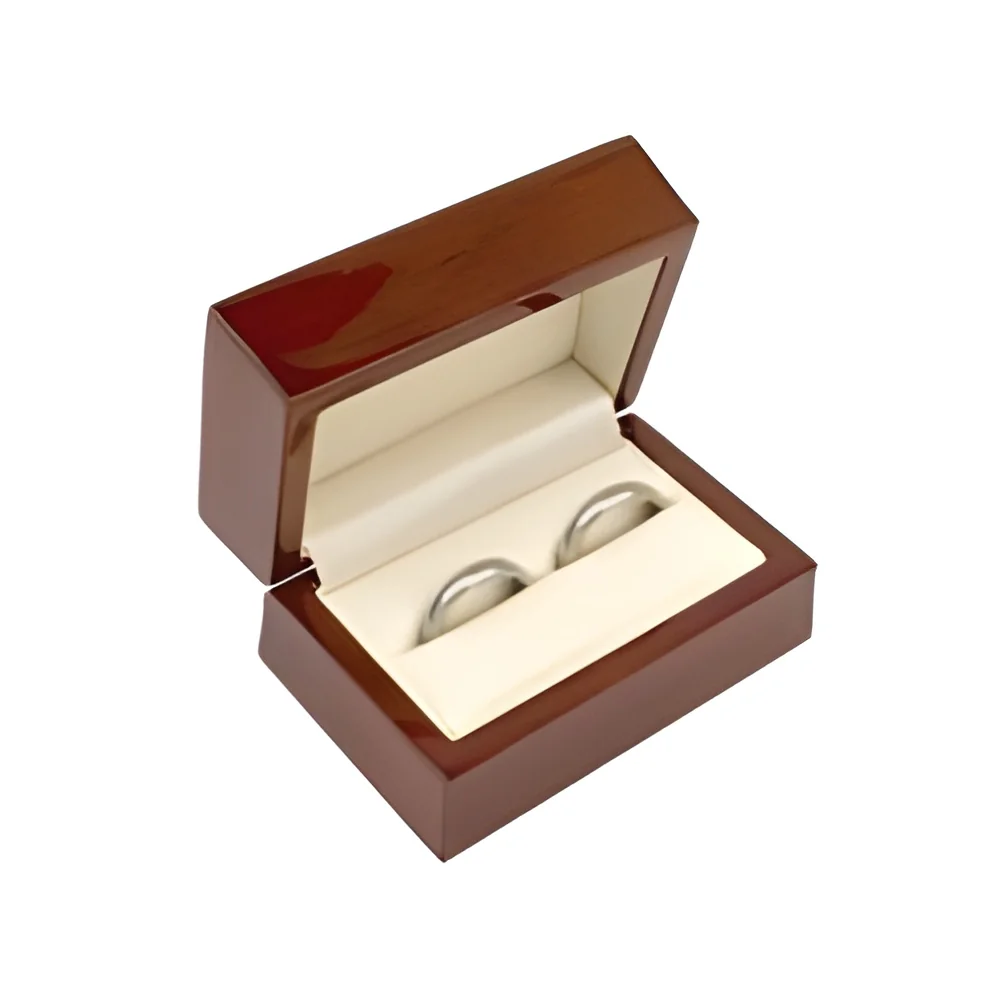
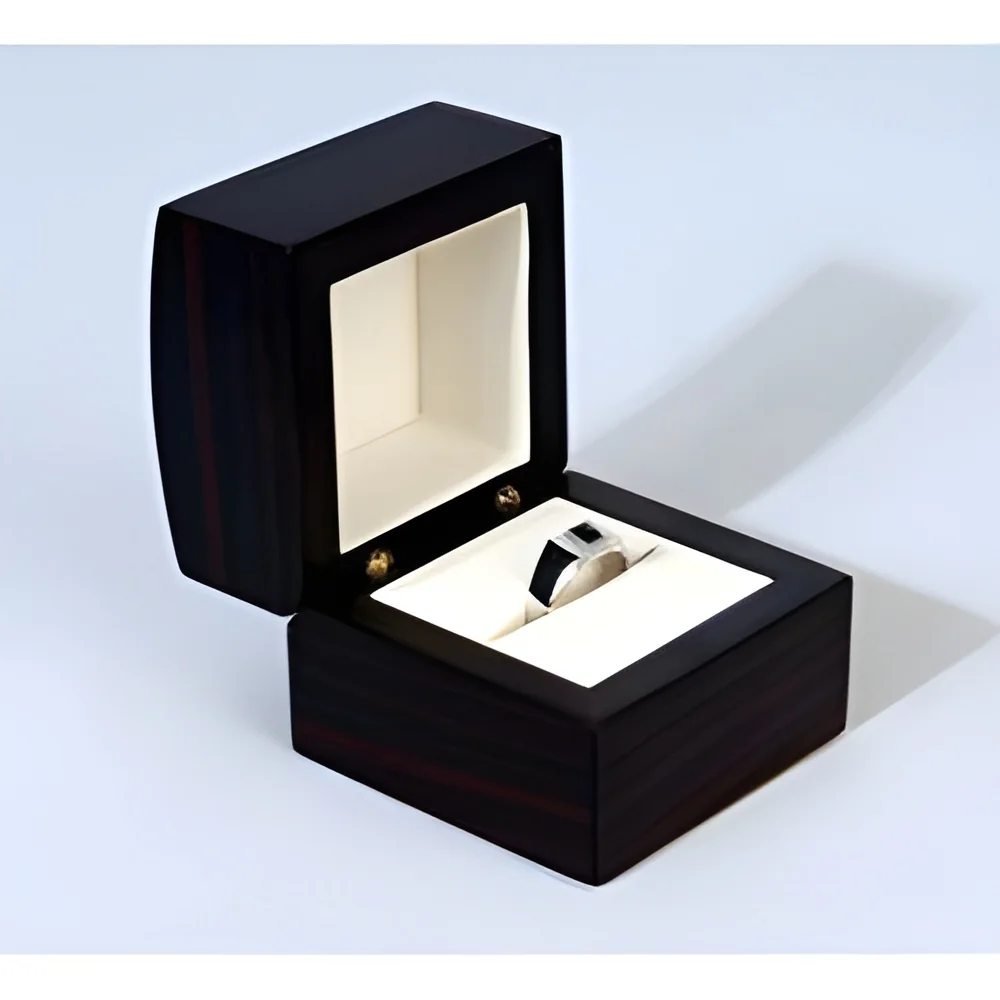
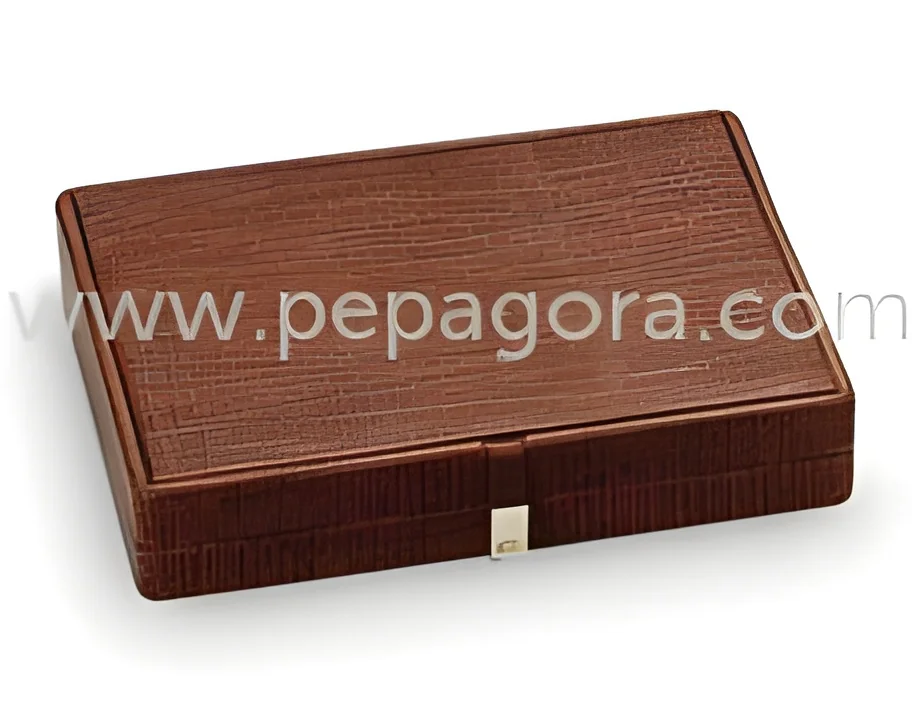
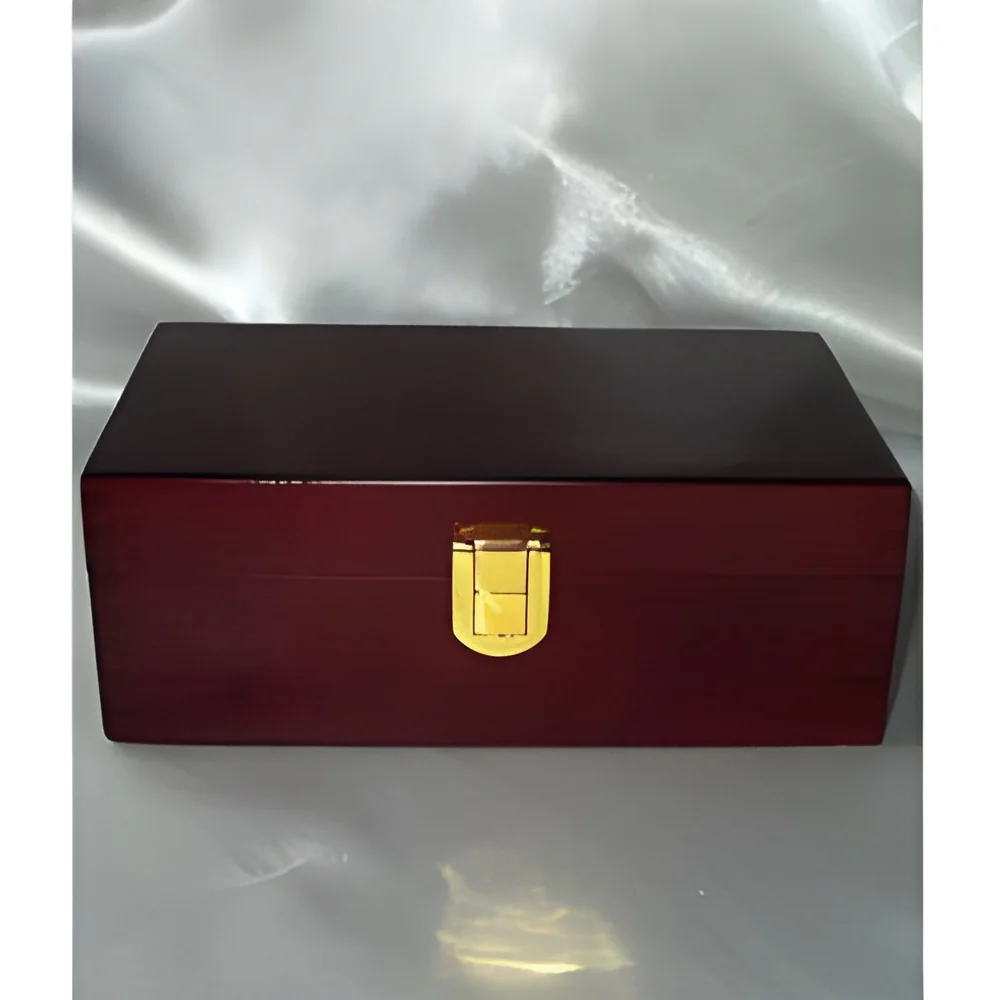
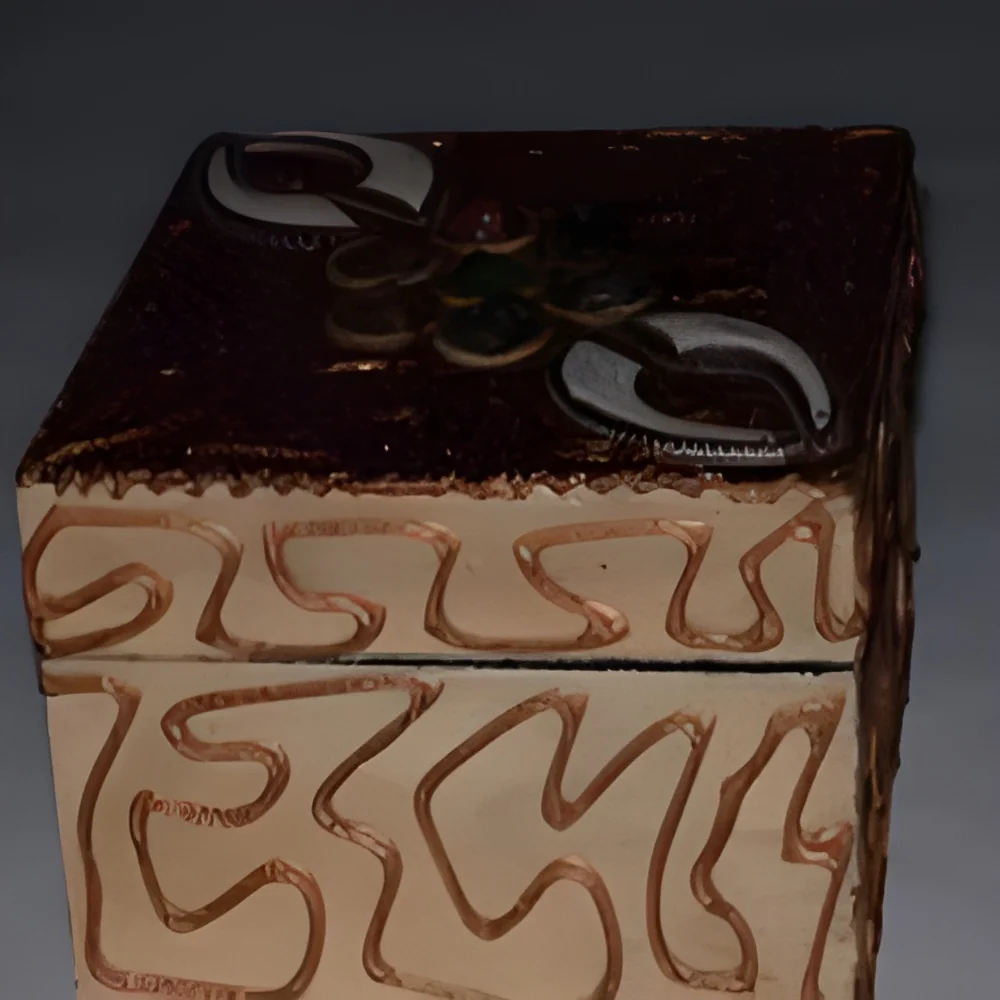
Gift boxes are designed for presenting jewelry pieces as gifts. They often come with decorative elements and can be customized to match the occasion.
Pouches
Pouches are soft, flexible packaging options commonly used for individual pieces of jewelry. Made from materials such as velvet or satin, they provide an elegant way to store items.
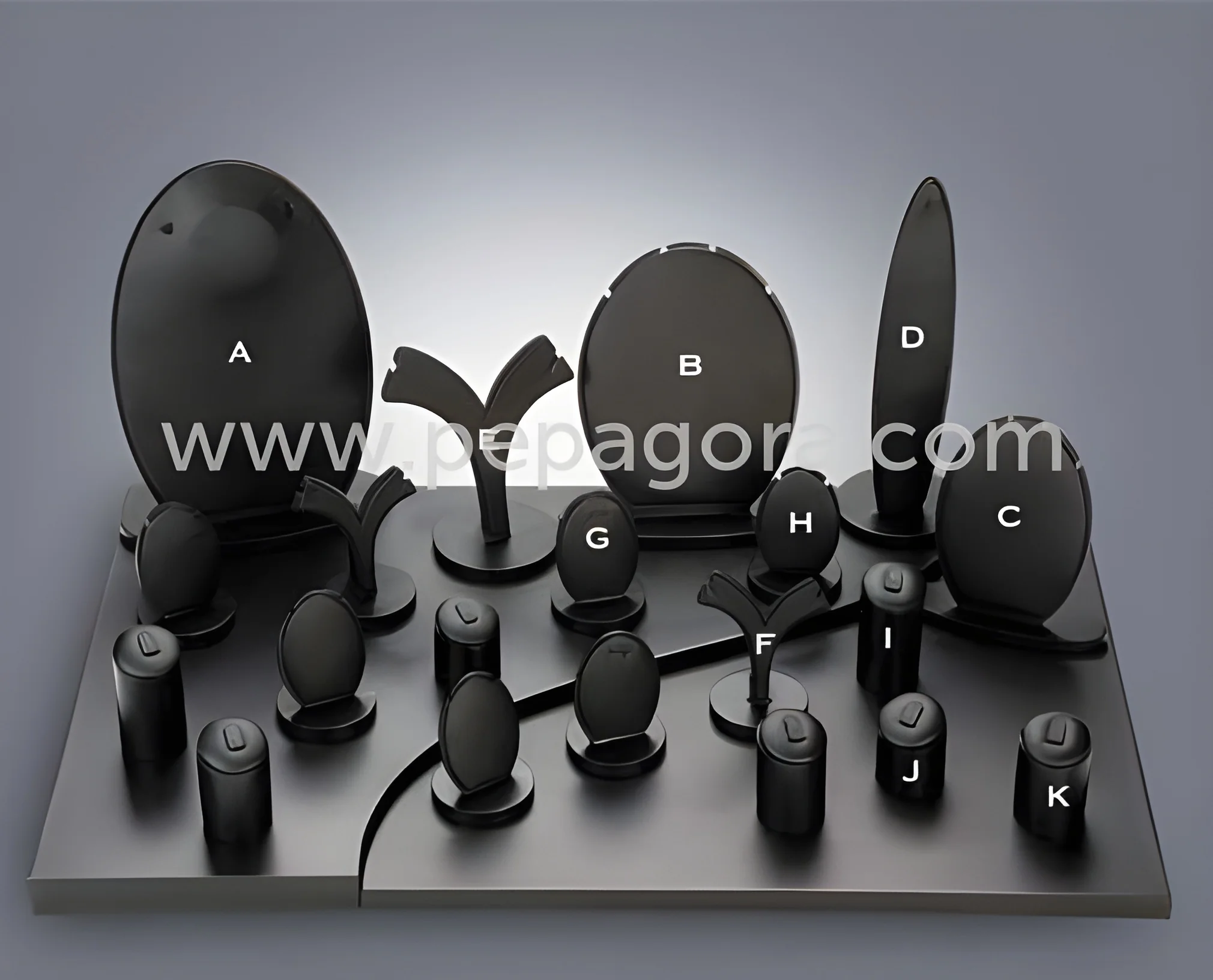
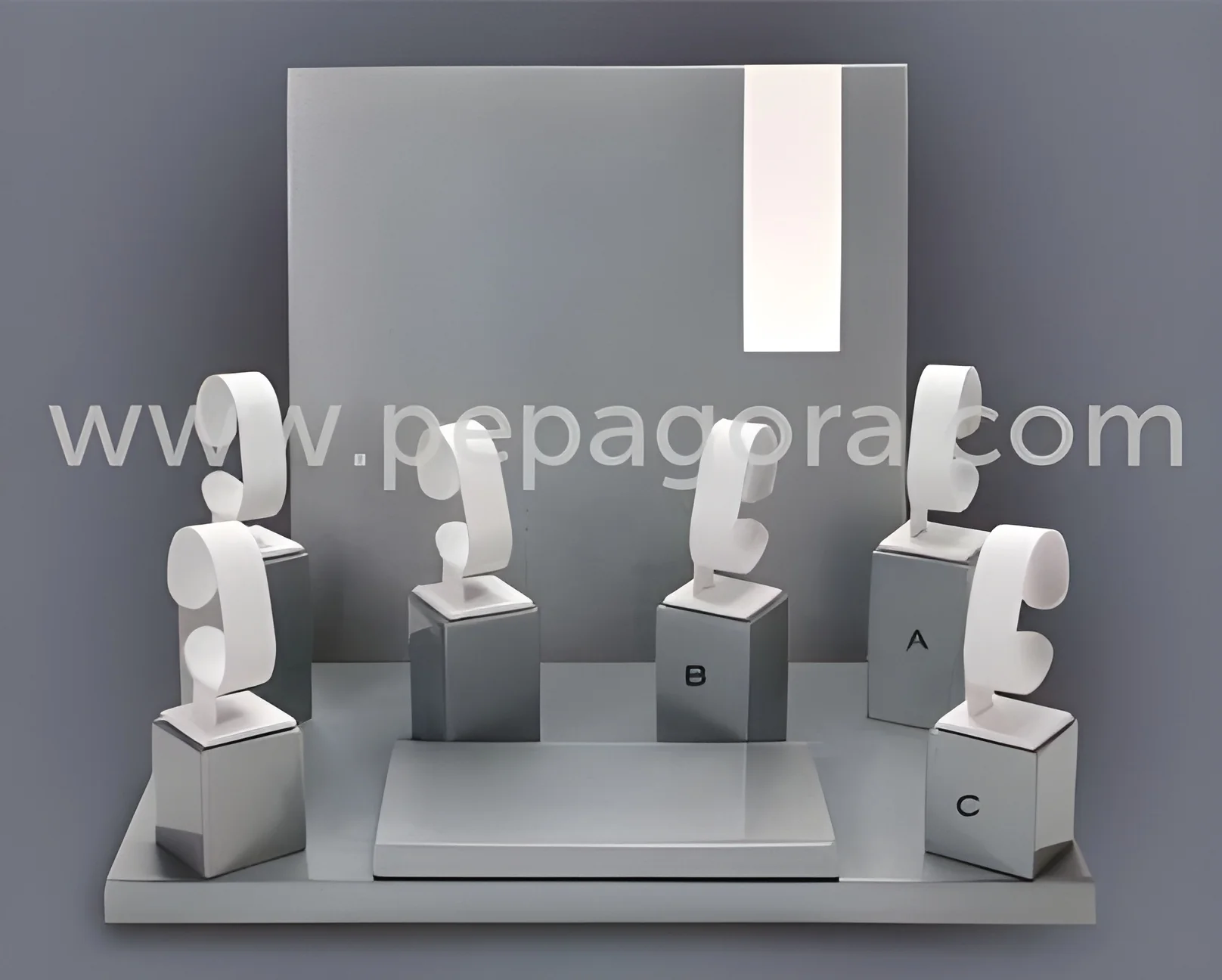
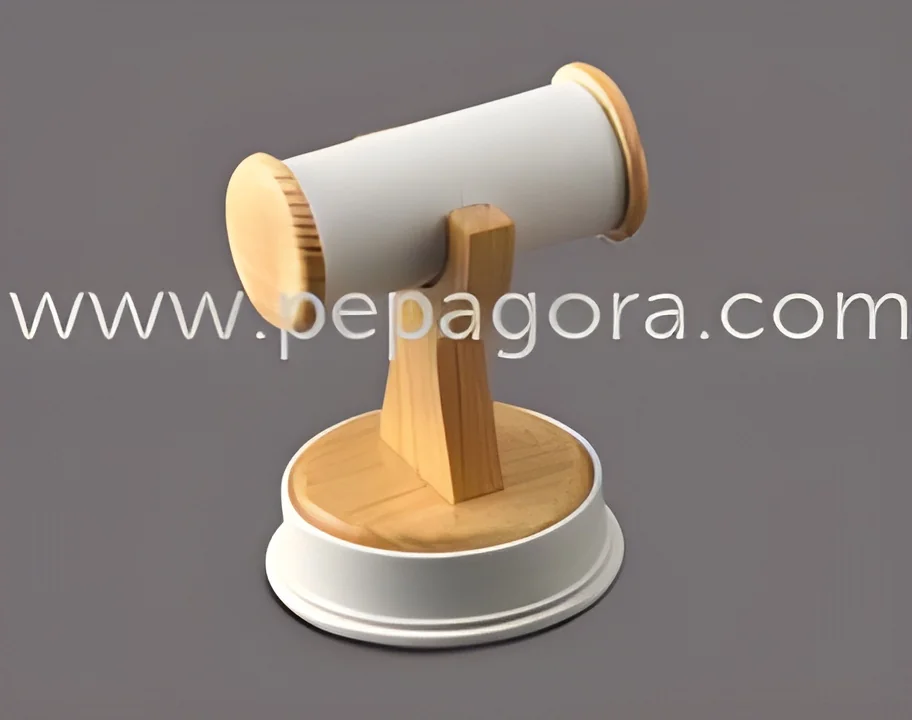
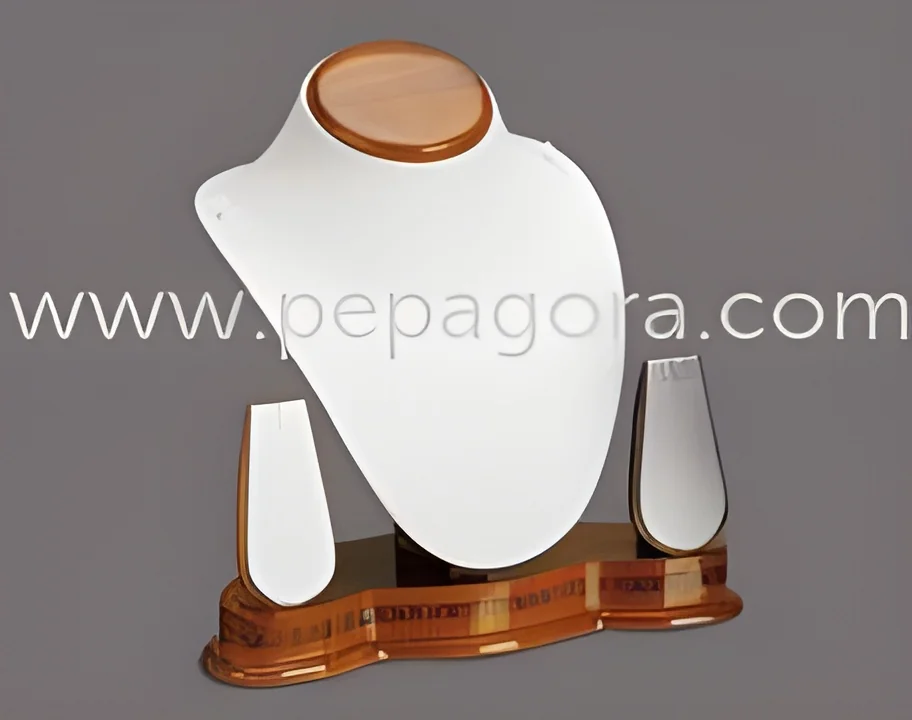
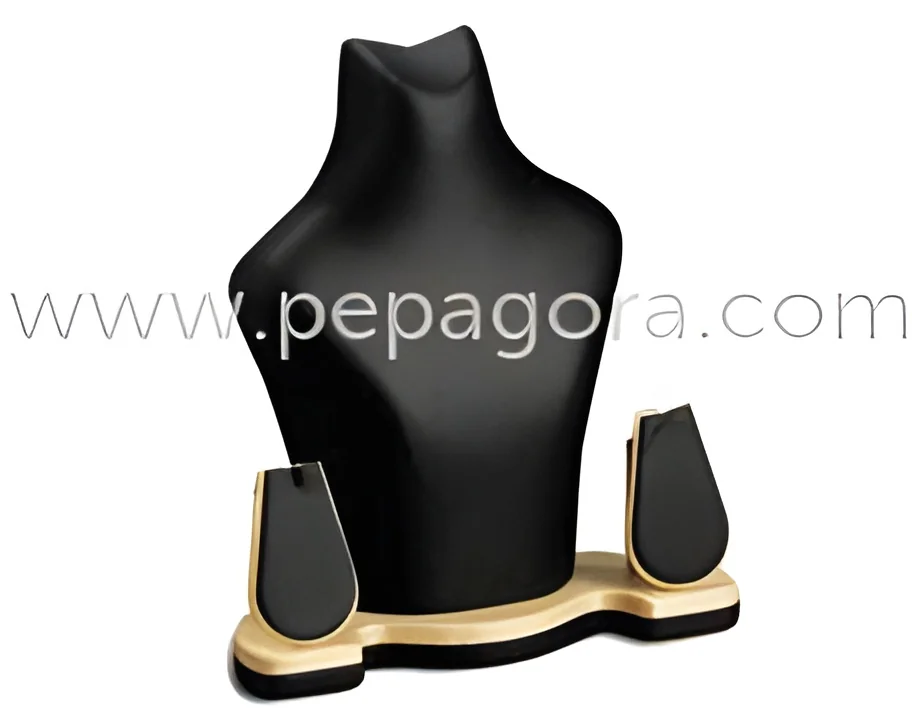
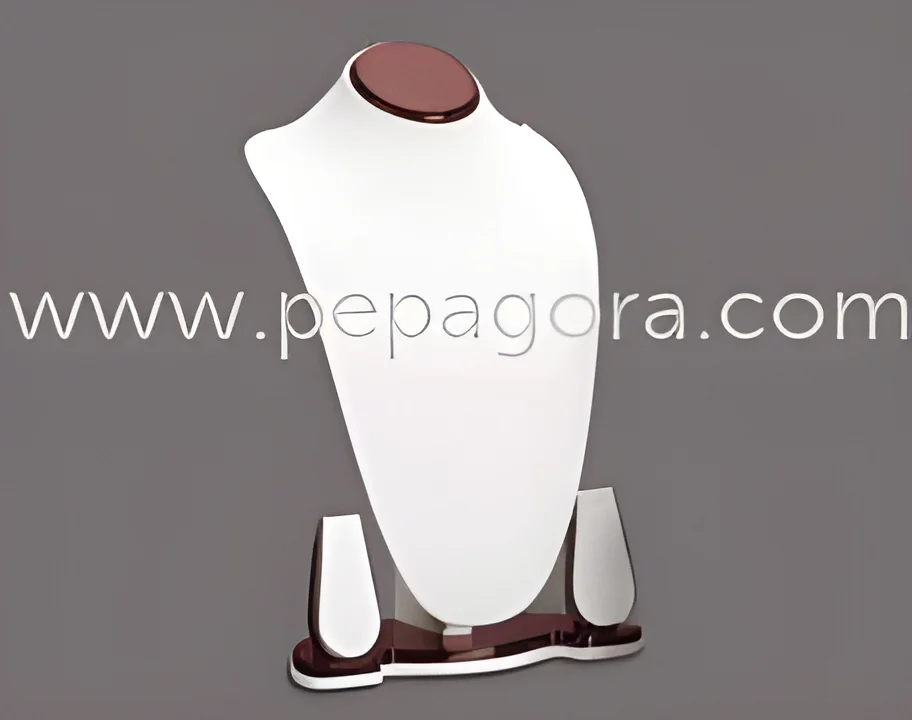
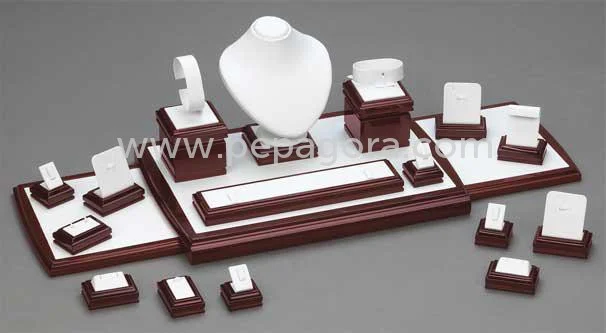
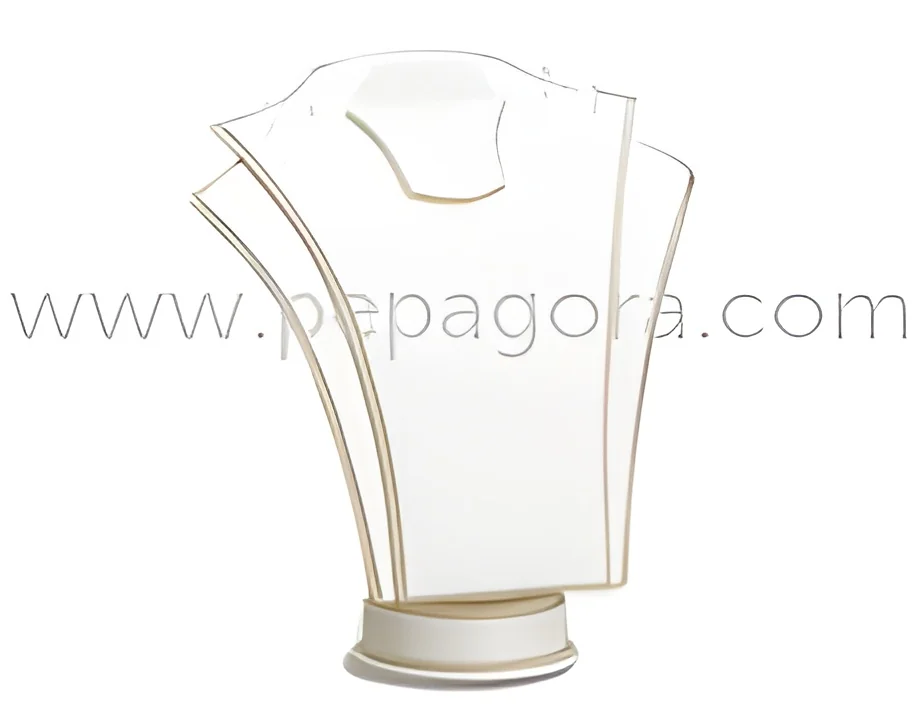
Display Cases
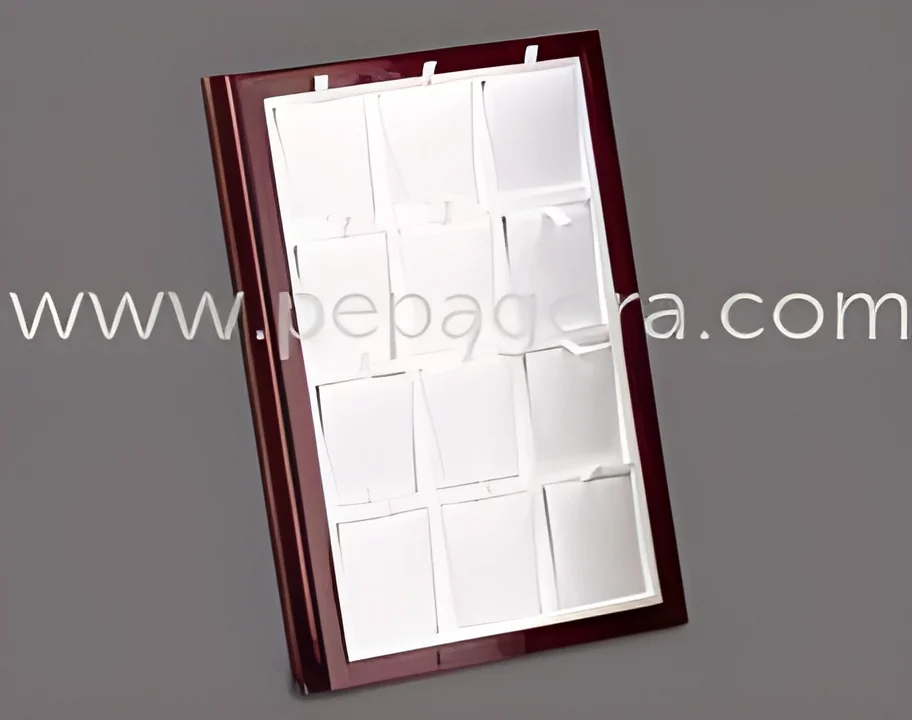
Display cases are ideal for showcasing jewelry in retail environments. They are designed with clear fronts to allow customers to see the products while keeping them secure.
Bags
Jewelry bags are lightweight and portable, making them suitable for events or temporary storage. They can be made from various materials, including paper or fabric.
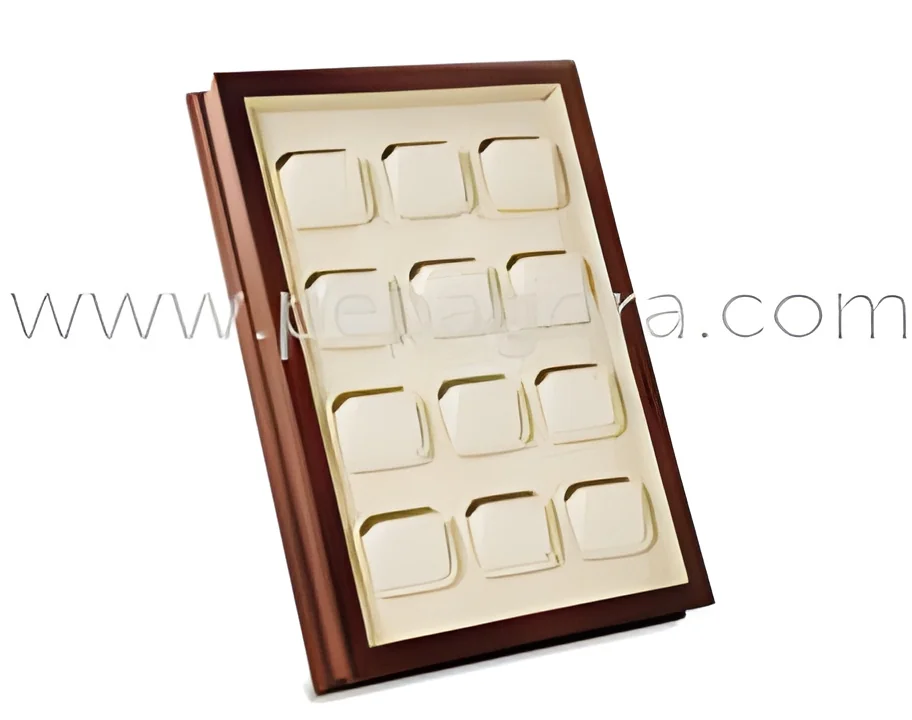
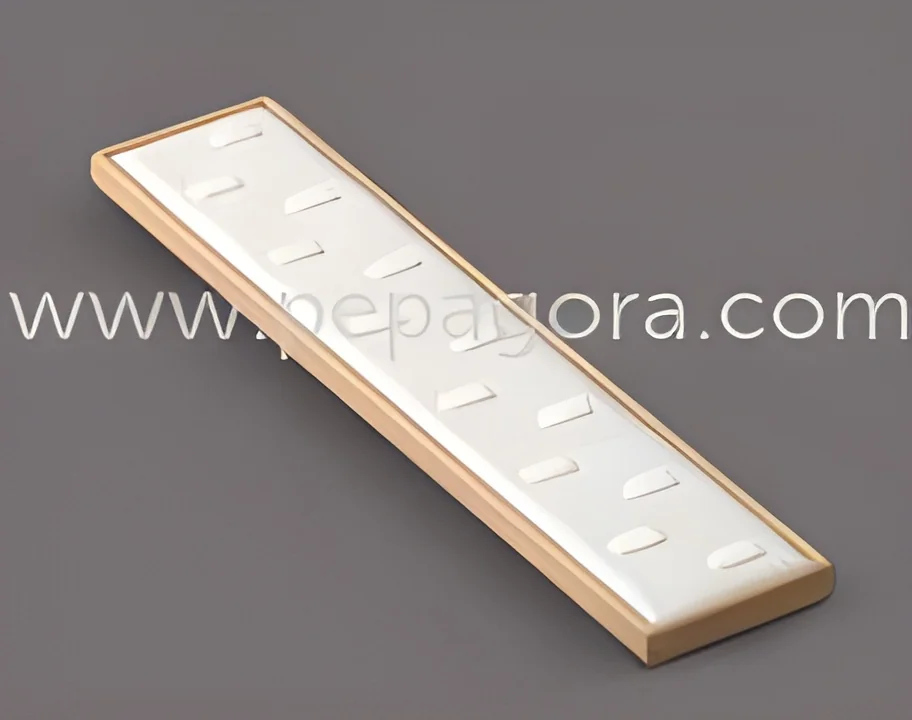
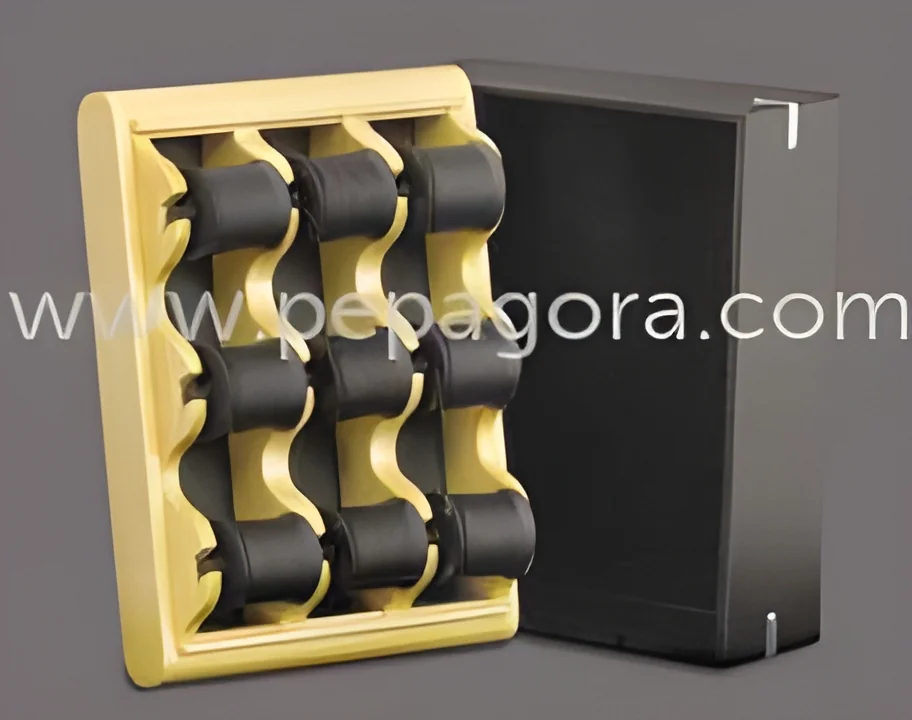
Packaging Inserts
Inserts are used to secure jewelry within boxes or cases. They help prevent movement during transport, ensuring that items arrive in perfect condition.
Benefits and Advantages
Choosing the right jewelry packaging suppliers offers several advantages that can enhance your business operations.
Key benefits include:
1. Improved Brand Image: High-quality packaging reflects positively on your brand and can enhance customer perception.
2. Customer Satisfaction: Attractive and secure packaging improves the overall customer experience, leading to repeat business.
3. Protection During Shipping: Quality packaging reduces the risk of damage during transport, minimizing returns and losses.
4. Customization Opportunities: Many suppliers offer customizable options, allowing businesses to tailor packaging to specific branding needs.
5. Cost Savings: Bulk purchasing and efficient packaging solutions can lead to reduced overall costs for businesses.
6. Regulatory Compliance: Reputable suppliers are knowledgeable about compliance and can help ensure that packaging meets necessary regulations.
Buying Guide for B2B Buyers
When sourcing jewelry packaging suppliers, it is essential to consider several key factors to ensure that you make the right choice.
1. Quality Assessment: Evaluate the quality of materials and construction. Look for samples to verify that the packaging can withstand handling and transport.
2. Supplier Verification: Research suppliers to ensure they have a good reputation and positive feedback from previous clients. Check for industry certifications.
3. Pricing and MOQ: Understand pricing structures and minimum order quantities. Compare quotes from multiple suppliers to find the best deal.
4. Delivery and Lead Times: Inquire about production and delivery times. Timely delivery is crucial for maintaining inventory levels and customer satisfaction.
5. Compliance Requirements: Ensure that the supplier complies with industry standards and regulations. This is particularly important for international shipping.
Compliance and Certifications
Jewelry packaging suppliers must adhere to various quality standards and certifications to maintain their credibility in the market.
Relevant quality standards include ISO 9001, which ensures that suppliers meet international quality management principles. Adherence to these standards guarantees consistent quality in products and services.
Industry certifications, such as CE, indicate compliance with safety and performance requirements. These certifications reassure buyers that the packaging materials are safe for use and meet regulatory standards.
Safety and testing requirements are also important. Suppliers should conduct tests to ensure that their packaging can withstand environmental factors and protect the contents adequately.
Regional compliance considerations vary based on location. Suppliers must be aware of specific regulations that apply to the regions they serve, particularly for international shipping.
Why Source Jewelry Packaging Suppliers from Pepagora?
Pepagora provides a trusted platform for sourcing jewelry packaging suppliers, offering several key advantages that benefit businesses.
Verified Supplier Network: Pepagora has a rigorous vetting process for suppliers, ensuring that all listed vendors are reputable and reliable. This helps businesses find trustworthy partners for their packaging needs.
Streamlined RFQ Process: The request for quotation (RFQ) system simplifies the procurement process. Buyers can easily compare offers from multiple suppliers, making it easier to select the best option.
Trade Assurance and Support: Pepagora offers trade assurance, which protects buyers against potential issues with orders. This support builds confidence in the purchasing process.
Regional Coverage: With a wide reach across India, the GCC, and Southeast Asia, Pepagora connects buyers with suppliers in various regions, facilitating easier sourcing and logistics.
By leveraging the resources and network provided by Pepagora, businesses can enhance their sourcing experience and find the right jewelry packaging suppliers to meet their needs.

 IN
IN