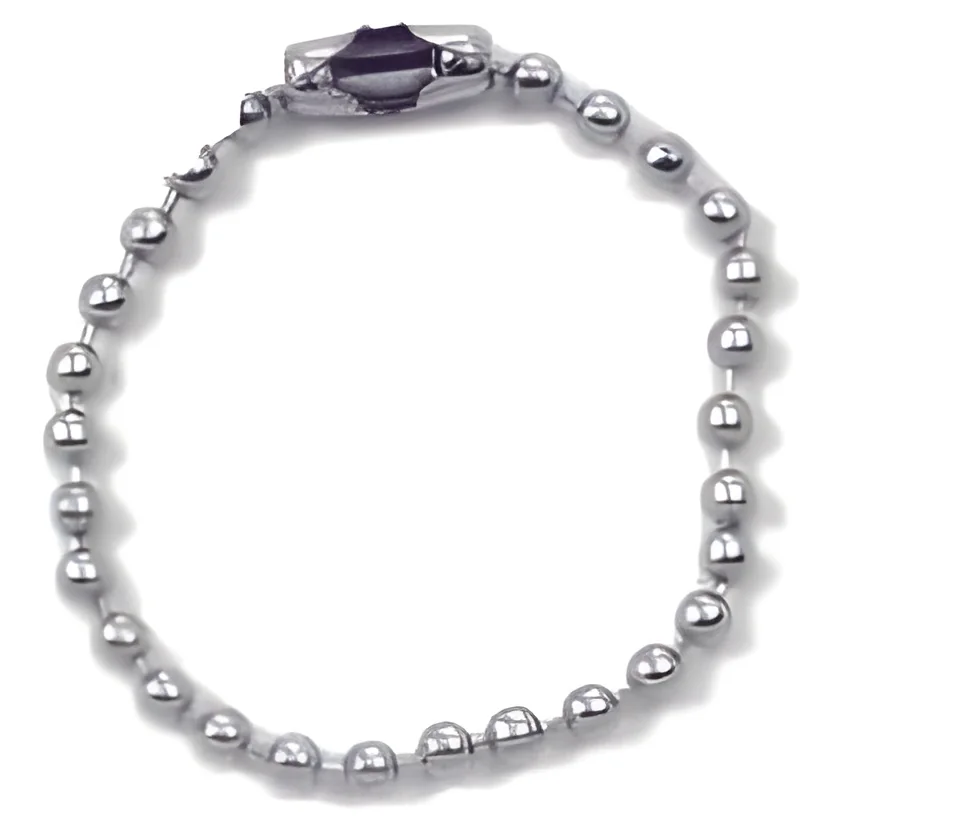
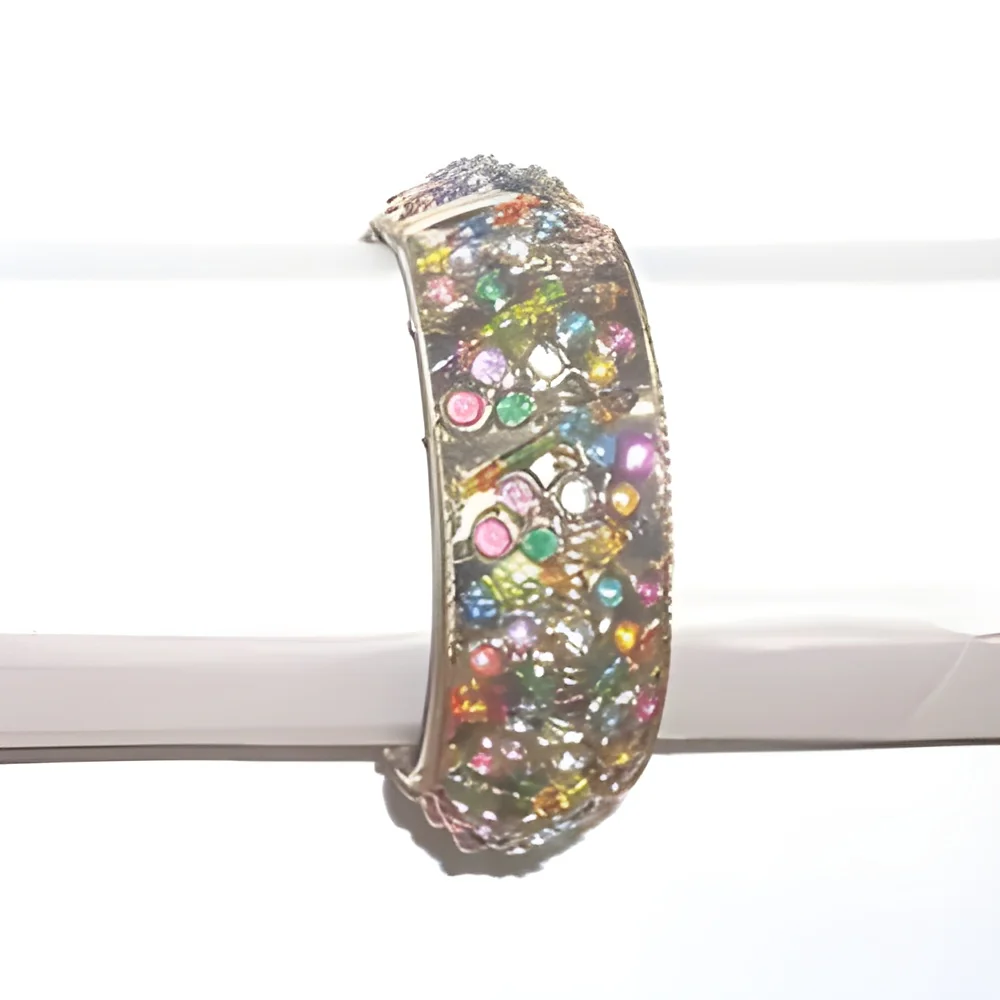
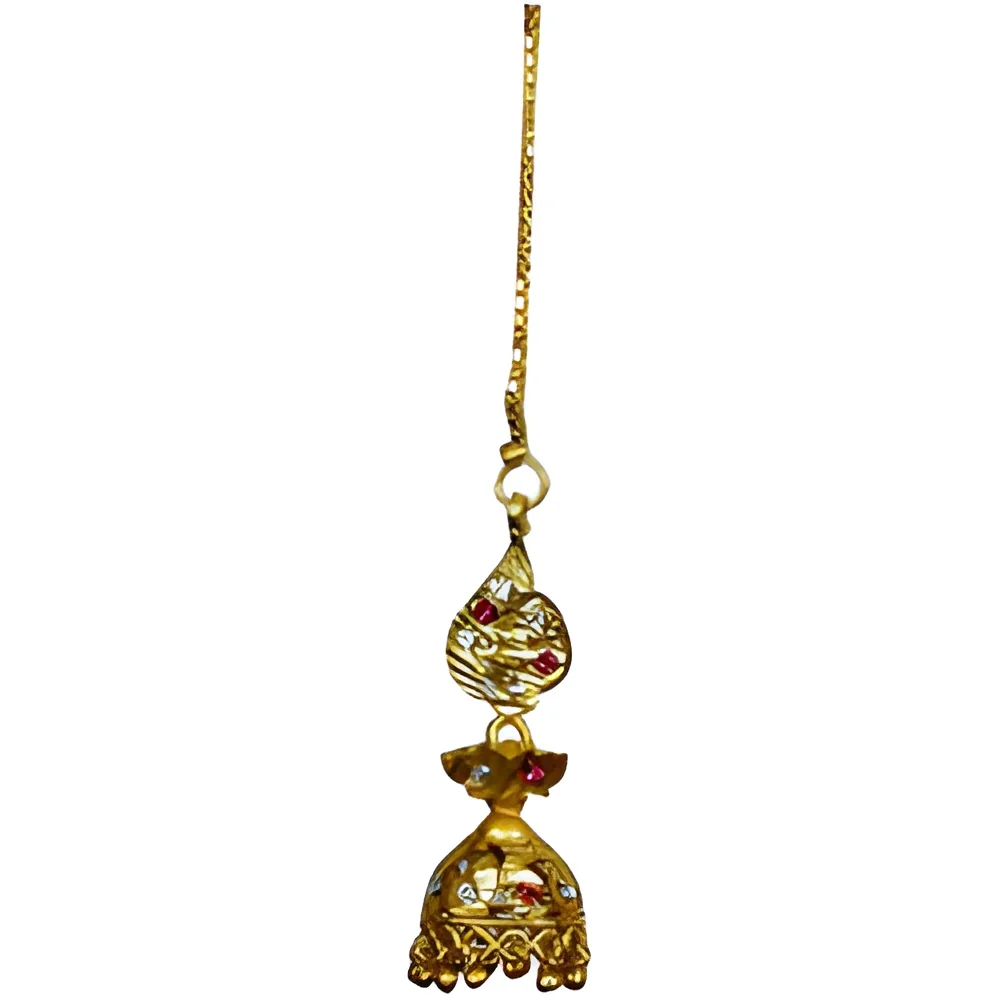
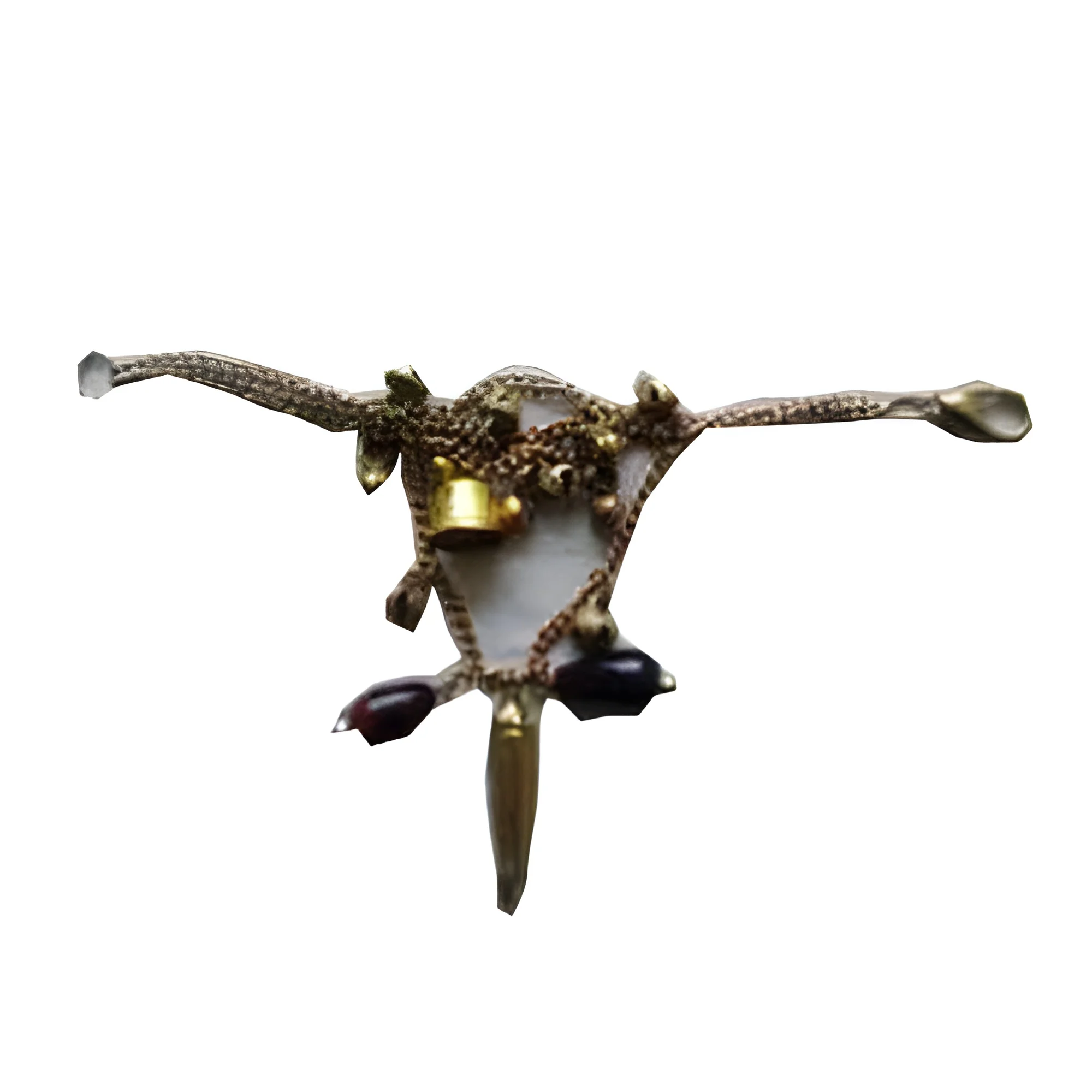
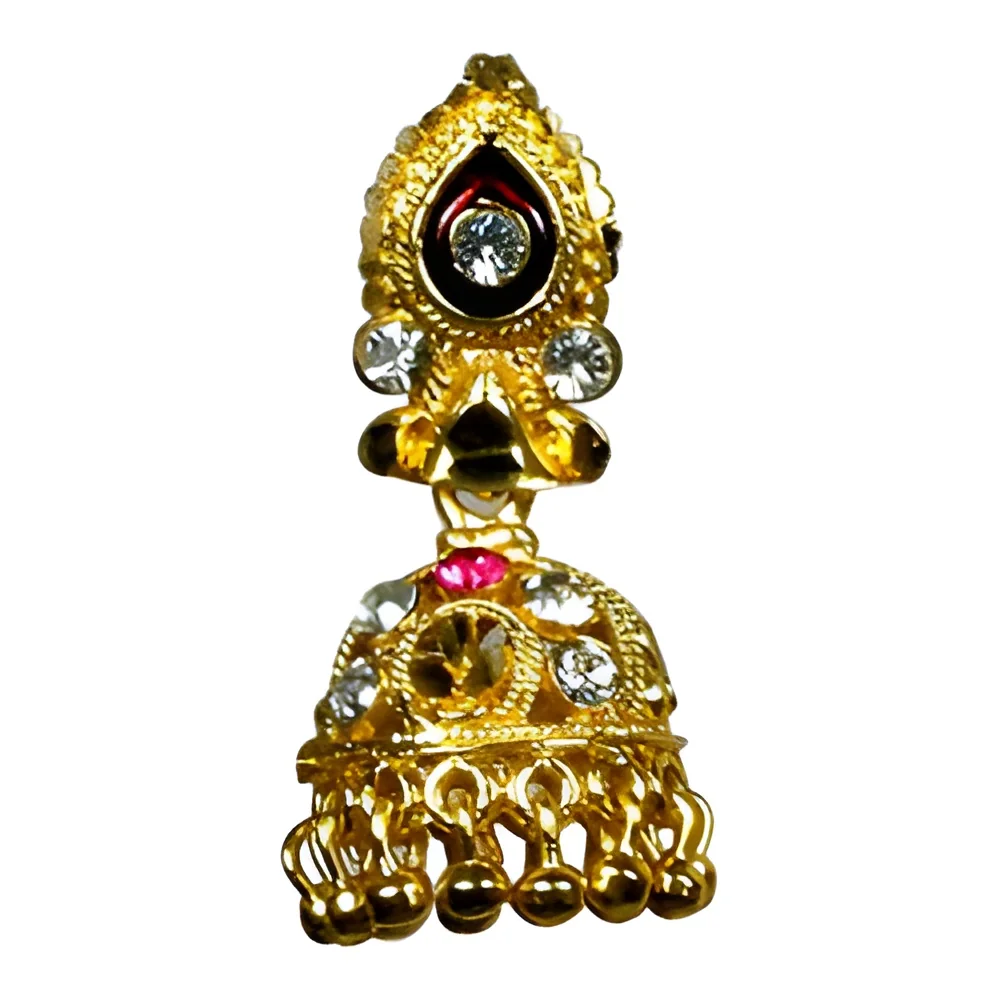
What are Ethnic Fashion Jewelry Producers?
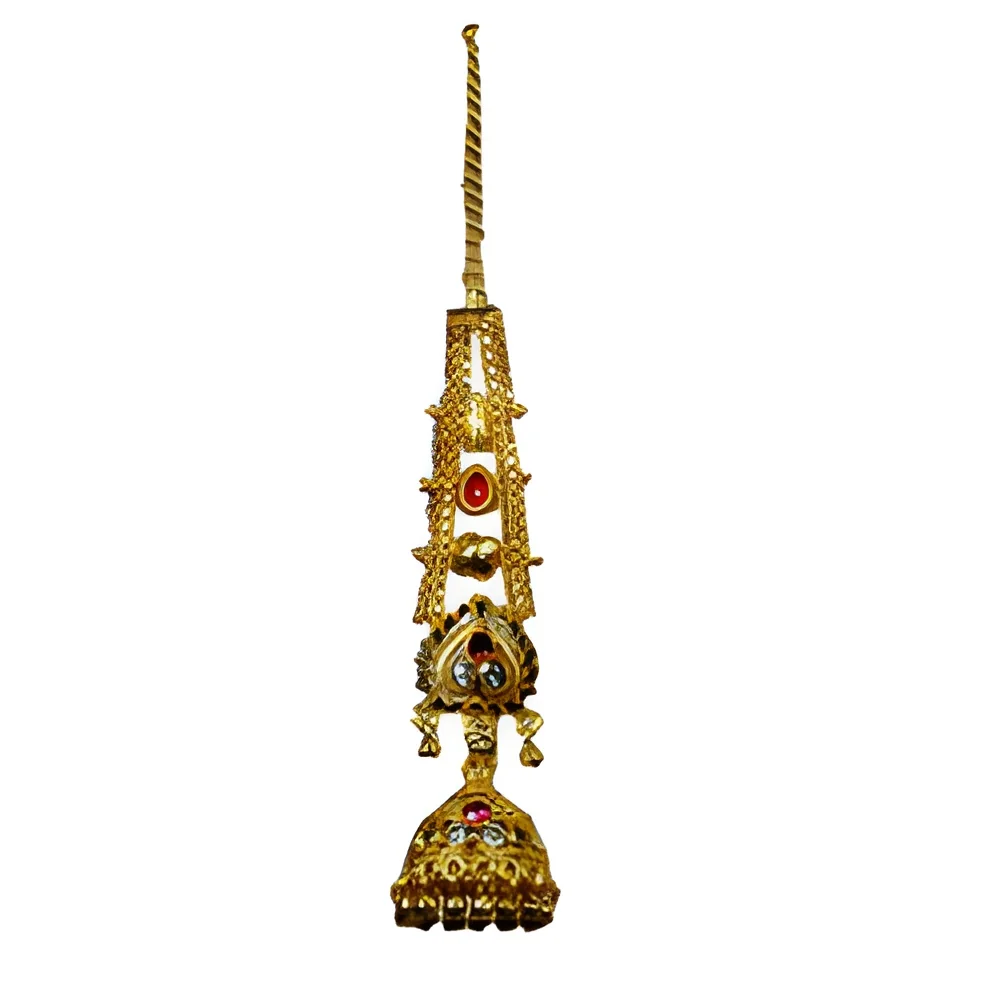
Ethnic fashion jewelry producers are manufacturers and designers specializing in the creation of jewelry that reflects the cultural heritage and traditional designs of specific ethnic groups. These producers often use a variety of materials, techniques, and styles that are unique to the cultures they represent. The jewelry can include items such as necklaces, bracelets, earrings, and rings that are designed to showcase the craftsmanship and artistry of different communities.
The primary uses of ethnic fashion jewelry include personal adornment, cultural representation, and as gifts for special occasions. Businesses in retail, fashion, and cultural markets often source these products to meet the growing demand for unique and culturally significant items. The market for ethnic fashion jewelry is expanding as consumers increasingly seek authentic and diverse styles that resonate with their personal identities and values.
The relevance of ethnic fashion jewelry producers in the industry lies in their ability to offer distinctive products that stand out in a crowded market. The rise in global awareness of cultural diversity and appreciation has led to increased demand for these unique jewelry pieces. Furthermore, the growing trend of sustainable and ethically sourced products aligns well with the practices of many ethnic jewelry producers, enhancing their market appeal.
Key Features and Specifications
Ethnic fashion jewelry producers offer a range of unique features that distinguish their products in the marketplace. These specifications can vary widely based on the cultural context and materials used.
Key specifications include:
1. Material Composition
- Common materials include metals, beads, gemstones, and natural fibers.
- Each material contributes to the aesthetic and durability of the jewelry.
2. Design Techniques
- Techniques such as handcrafting, engraving, and beadwork are prevalent.
- These methods reflect traditional craftsmanship and cultural significance.
3. Customization Options
- Many producers offer customization to cater to individual preferences.
- Options may include personalized engravings or bespoke designs.
4. Ethical Sourcing
- Producers often emphasize sustainable practices in sourcing materials.
- This includes fair labor practices and environmentally friendly processes.
5. Cultural Significance
- Each piece often carries a story or meaning related to its culture.
- Consumers are increasingly interested in the cultural narratives behind their jewelry.
6. Size and Weight Variability
- Jewelry sizes can range from delicate to statement pieces.
- Weight varies based on materials and design, impacting comfort and wearability.
In summary, ethnic fashion jewelry producers combine traditional craftsmanship with contemporary design, offering unique pieces that appeal to a diverse audience.
Common Applications and Use Cases
Ethnic fashion jewelry serves various industries, providing unique products for different market segments.
1. Retail: Retailers often stock ethnic jewelry to attract customers seeking unique and culturally significant accessories. These items enhance store collections and cater to diverse consumer preferences.
2. Fashion Industry: Designers incorporate ethnic jewelry into their collections, using it as a statement piece to complement modern attire. This enhances the cultural narrative within fashion.
3. Event Planning: Ethnic jewelry is popular for weddings, cultural festivals, and other celebrations, where it plays a key role in traditional attire and ceremonies.
4. Gift Shops: Many gift shops offer ethnic jewelry as unique gift options, appealing to customers looking for meaningful presents.
5. Online Marketplaces: E-commerce platforms feature ethnic jewelry, reaching a global audience eager for unique and culturally rich products.
6. Art Galleries: Some galleries showcase ethnic jewelry as art, emphasizing its craftsmanship and cultural significance, attracting collectors and art enthusiasts.
Product Variants and Subcategories
Ethnic fashion jewelry encompasses a diverse range of products, each with its own unique characteristics.
Necklaces
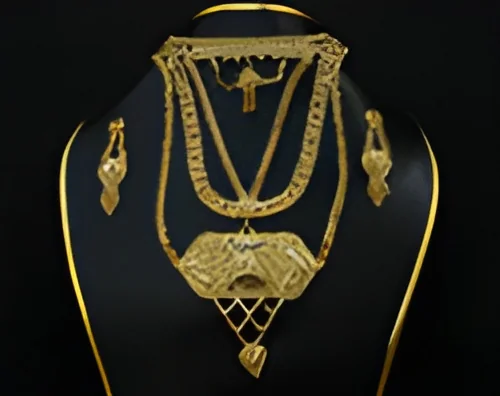
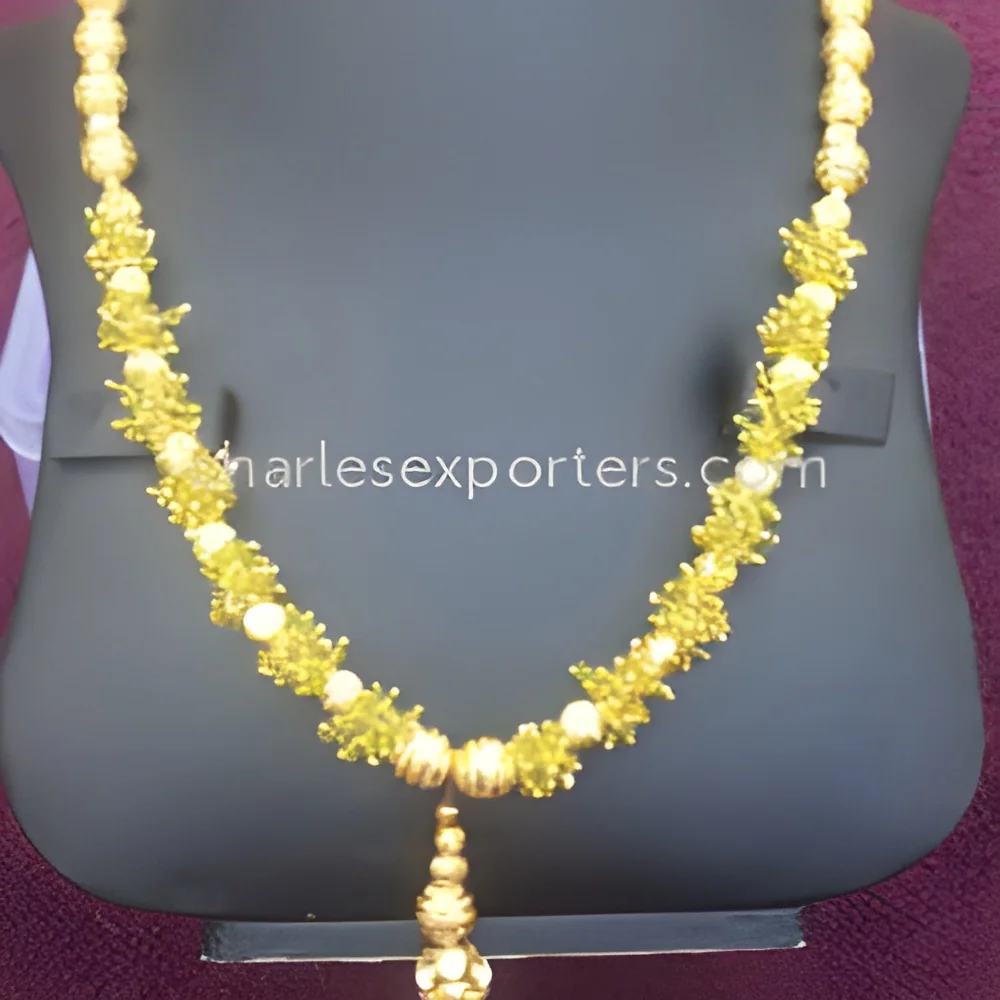
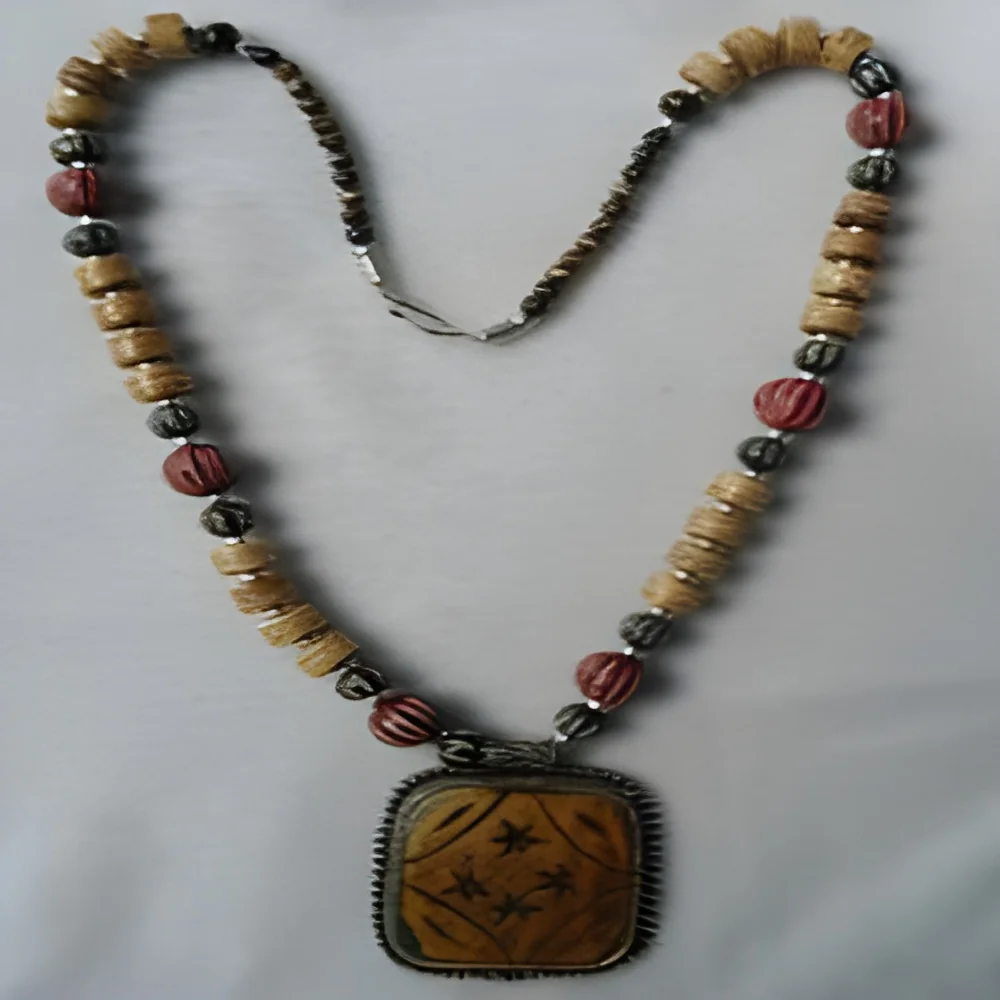
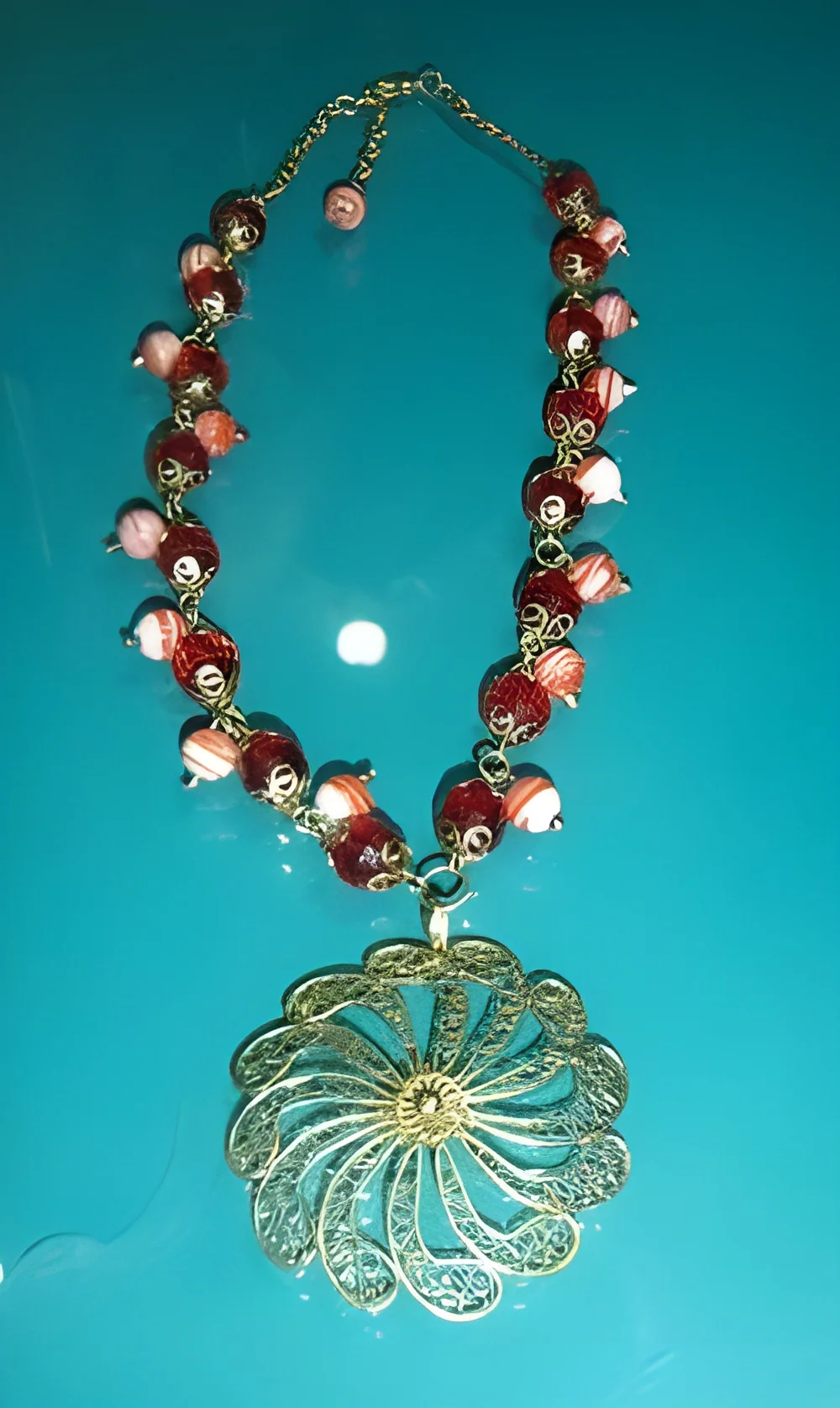
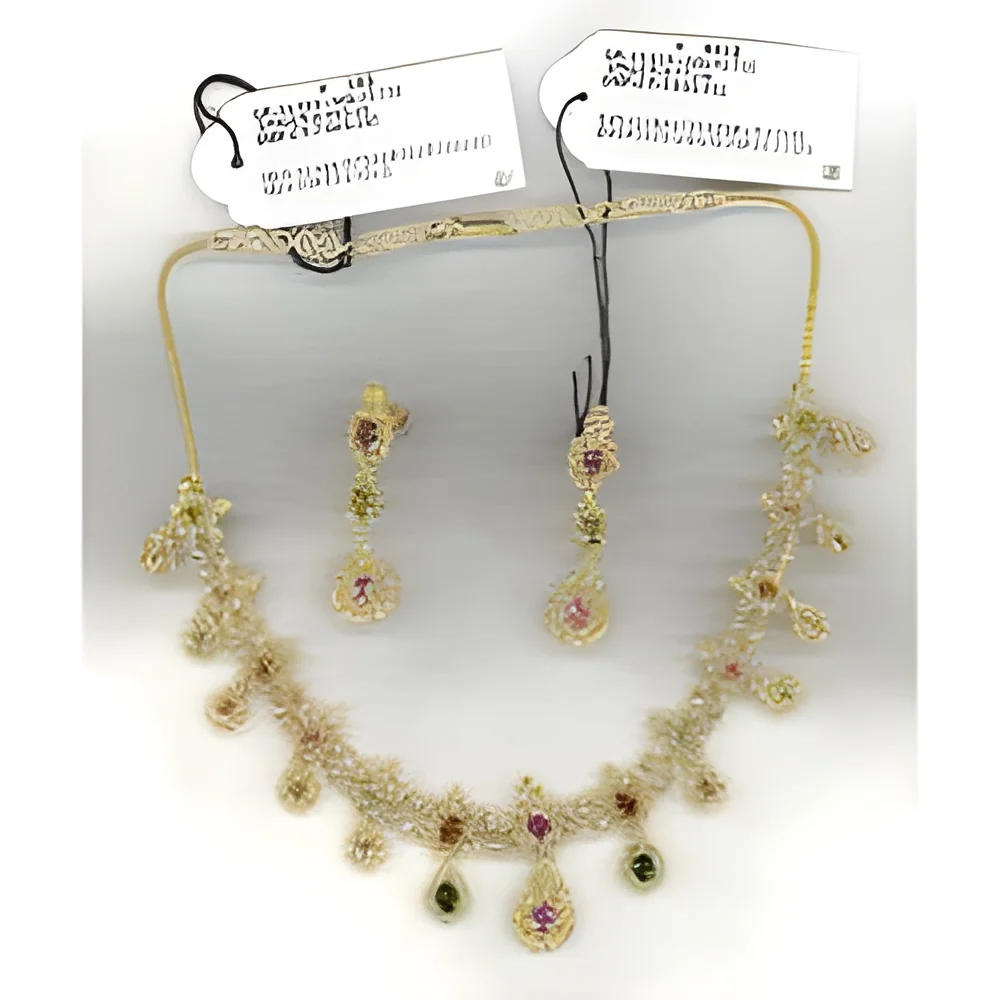
These pieces often feature intricate designs and a variety of materials. They can range from simple beaded strands to elaborate statement pieces that incorporate gemstones and metals.
Bracelets
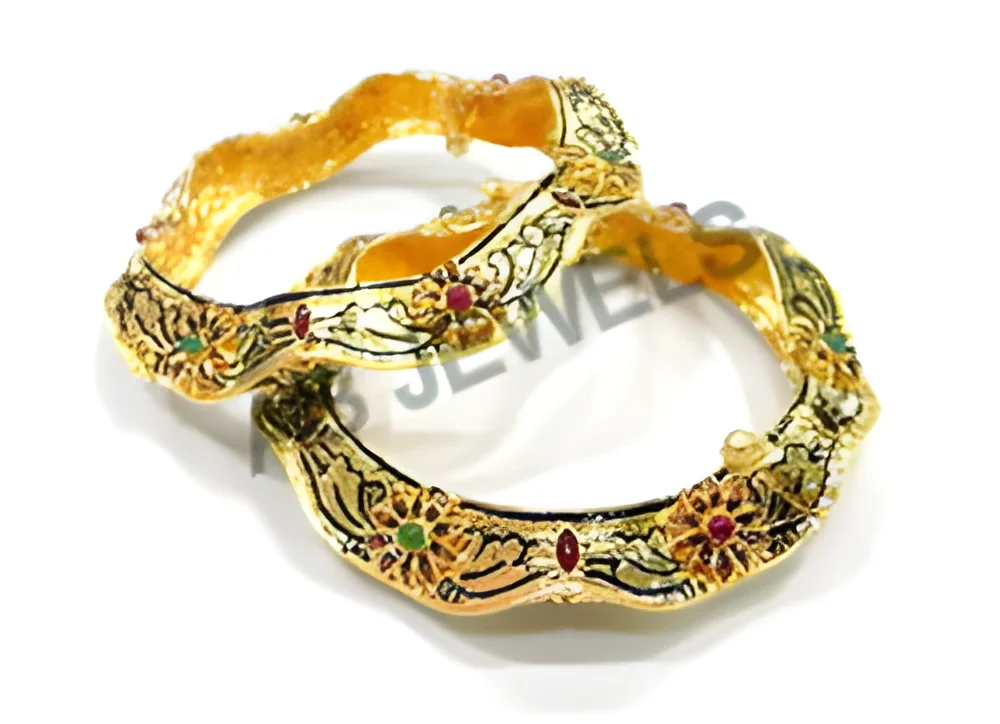
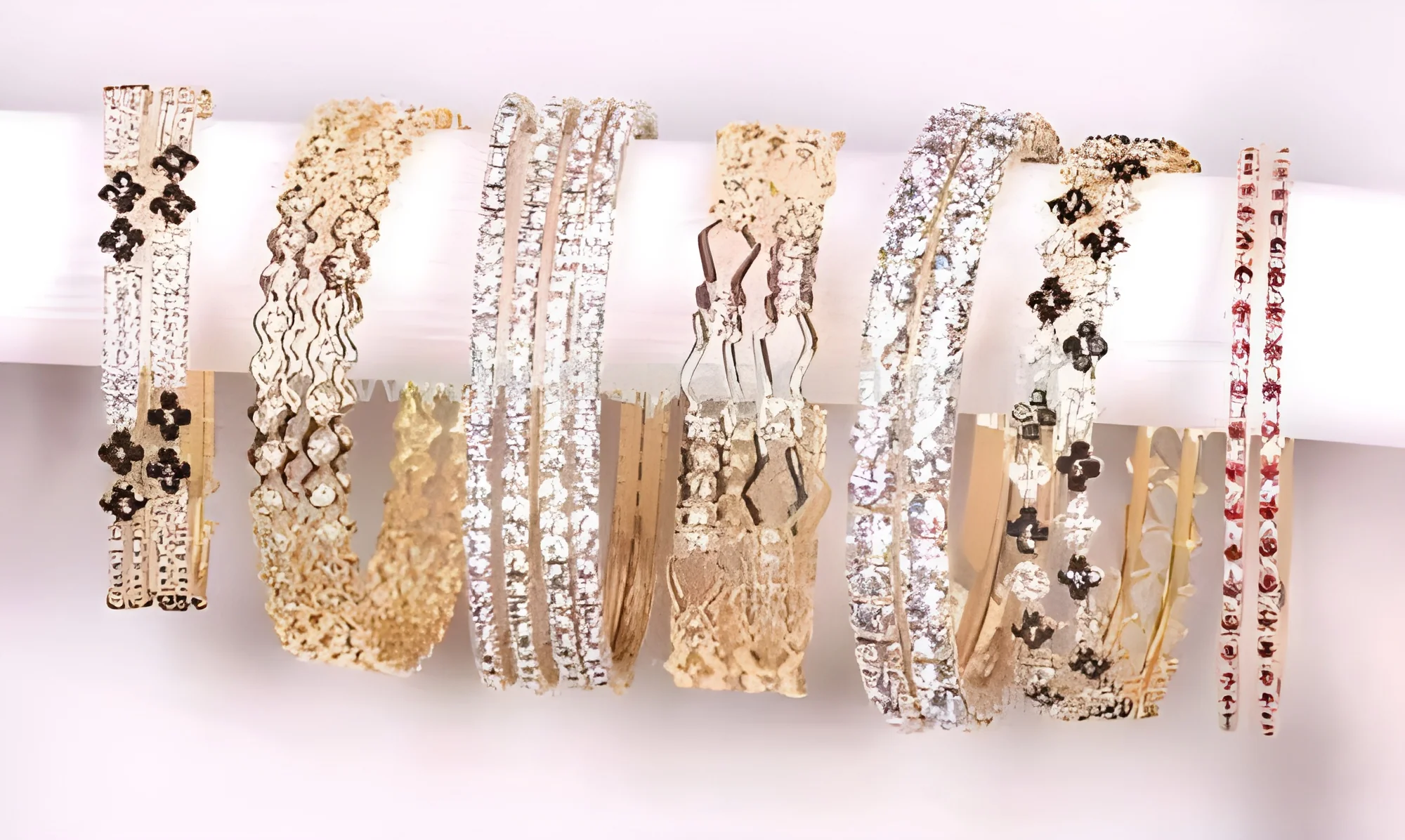
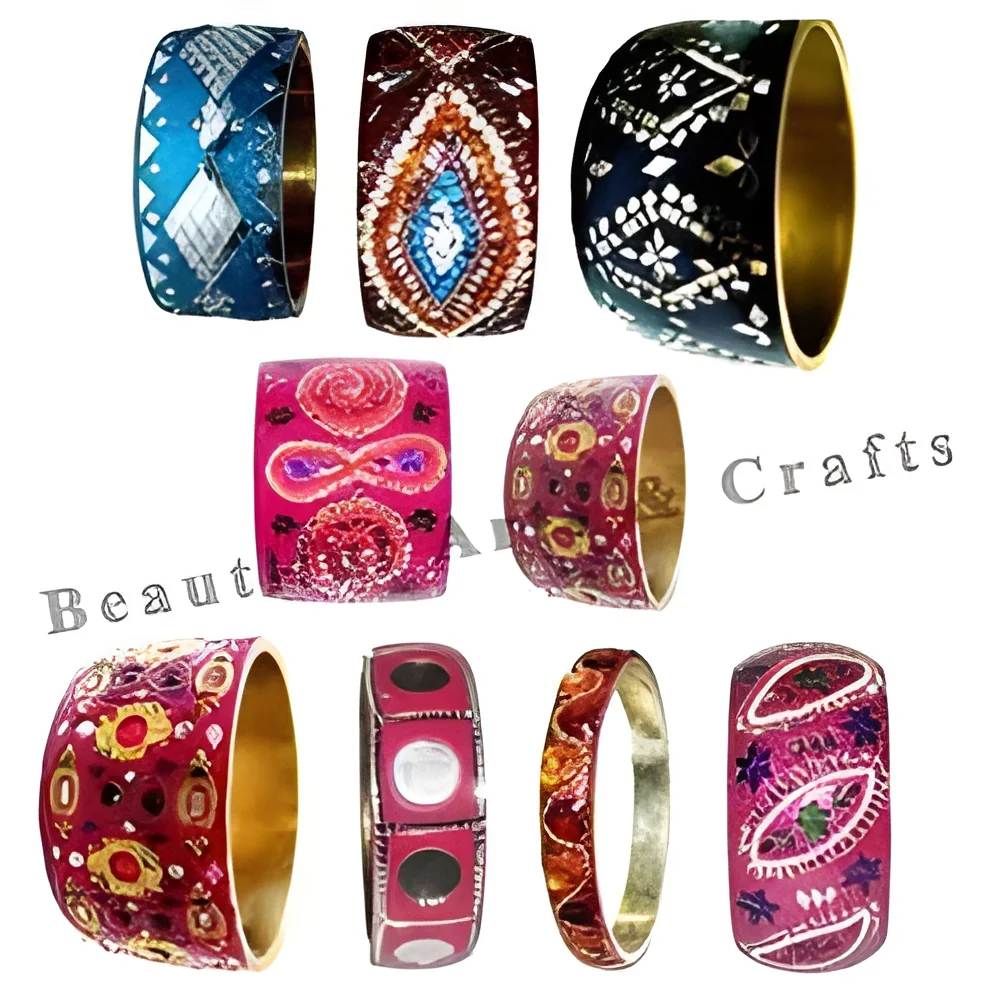
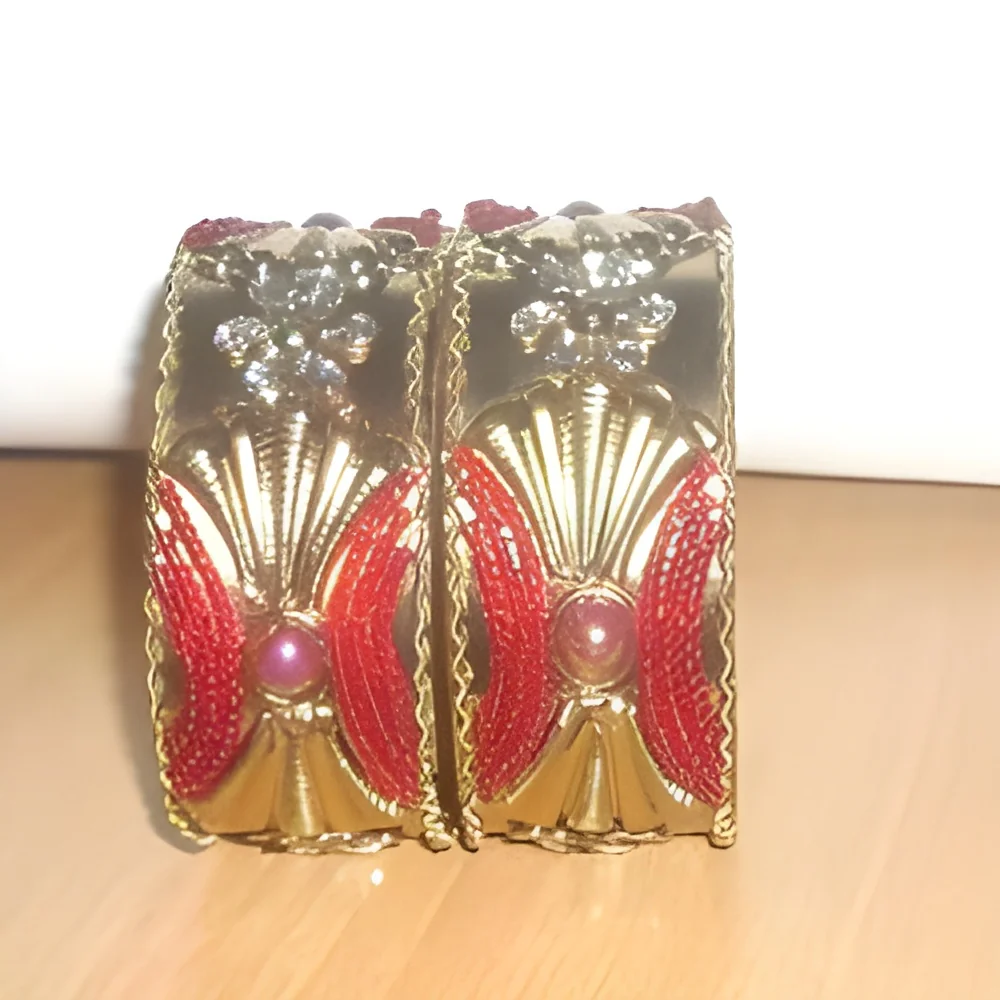
Bracelets can vary widely in style, from delicate bangles to chunky cuff designs. They often reflect traditional motifs and are popular for both casual and formal settings.
Earrings
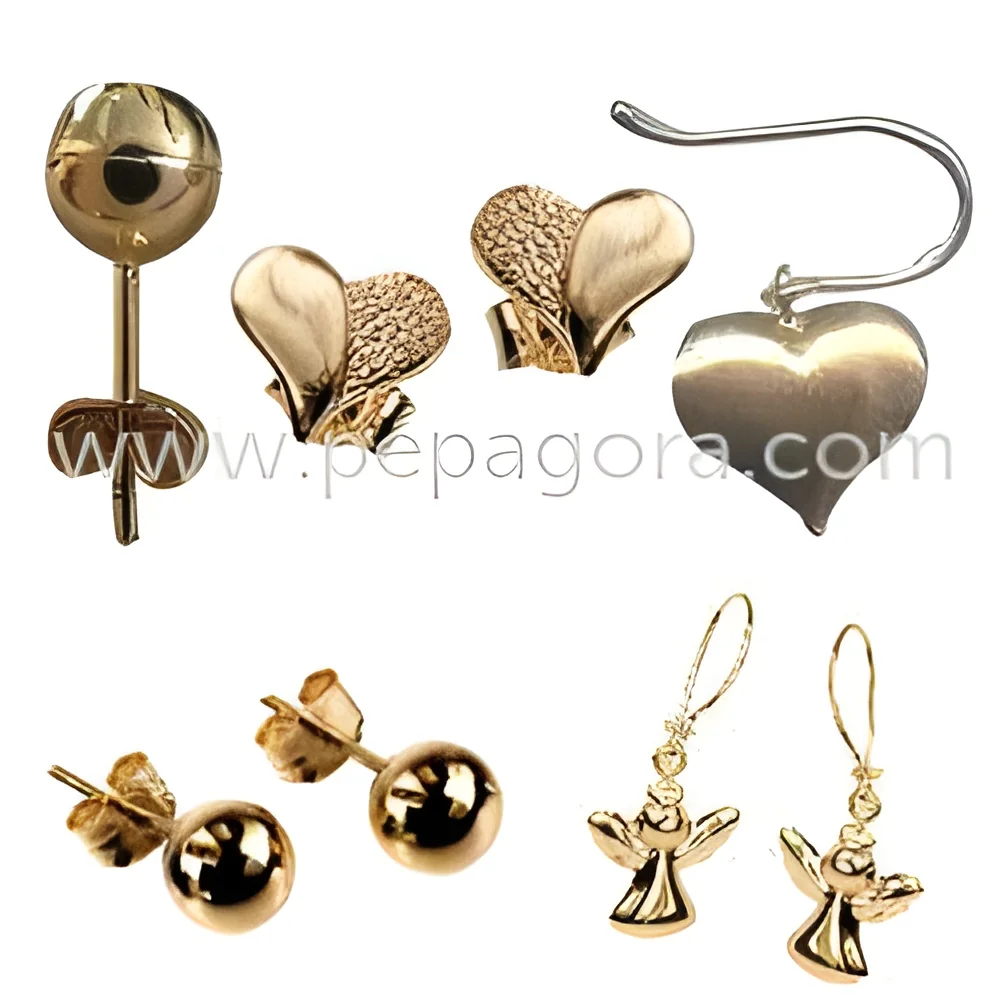
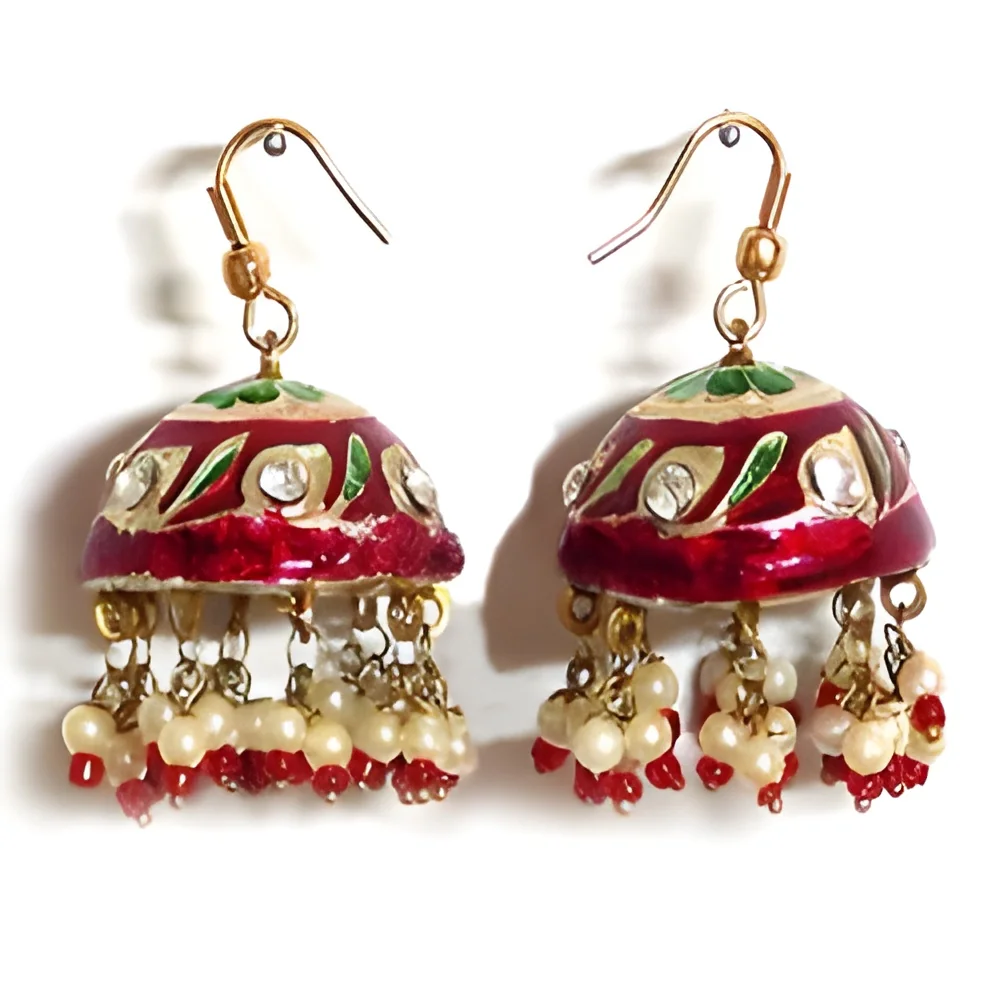
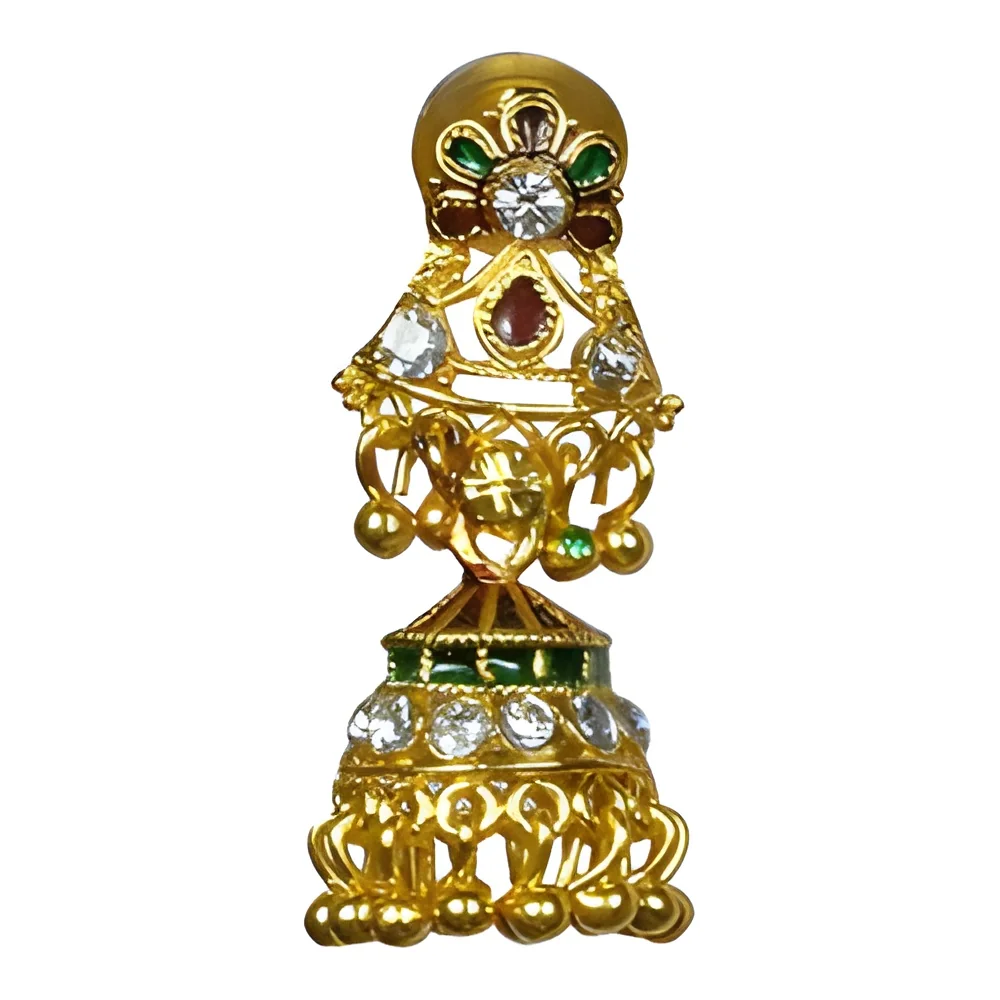
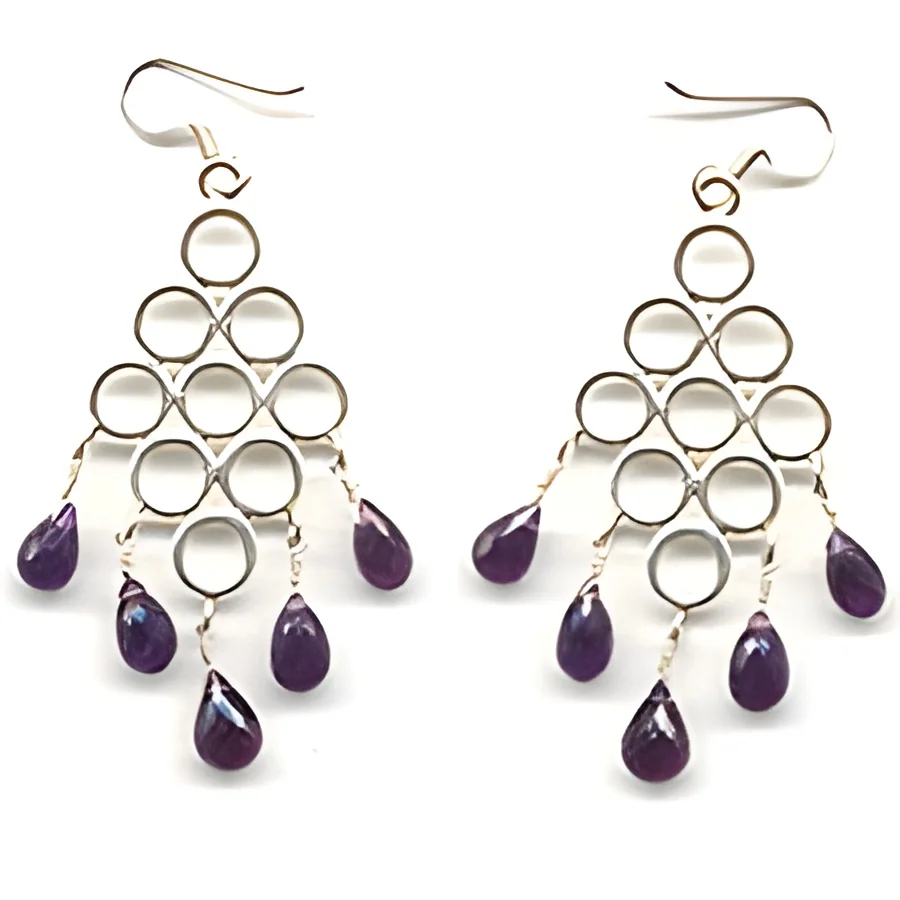
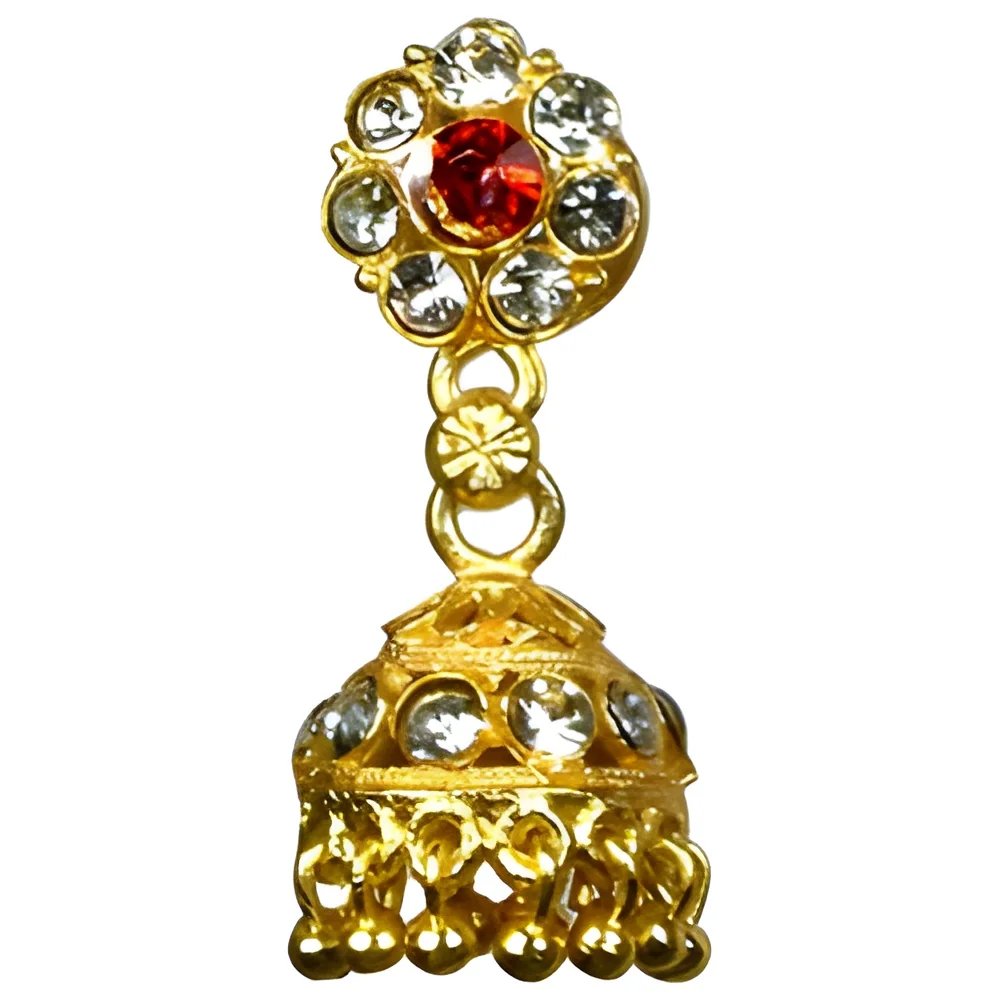
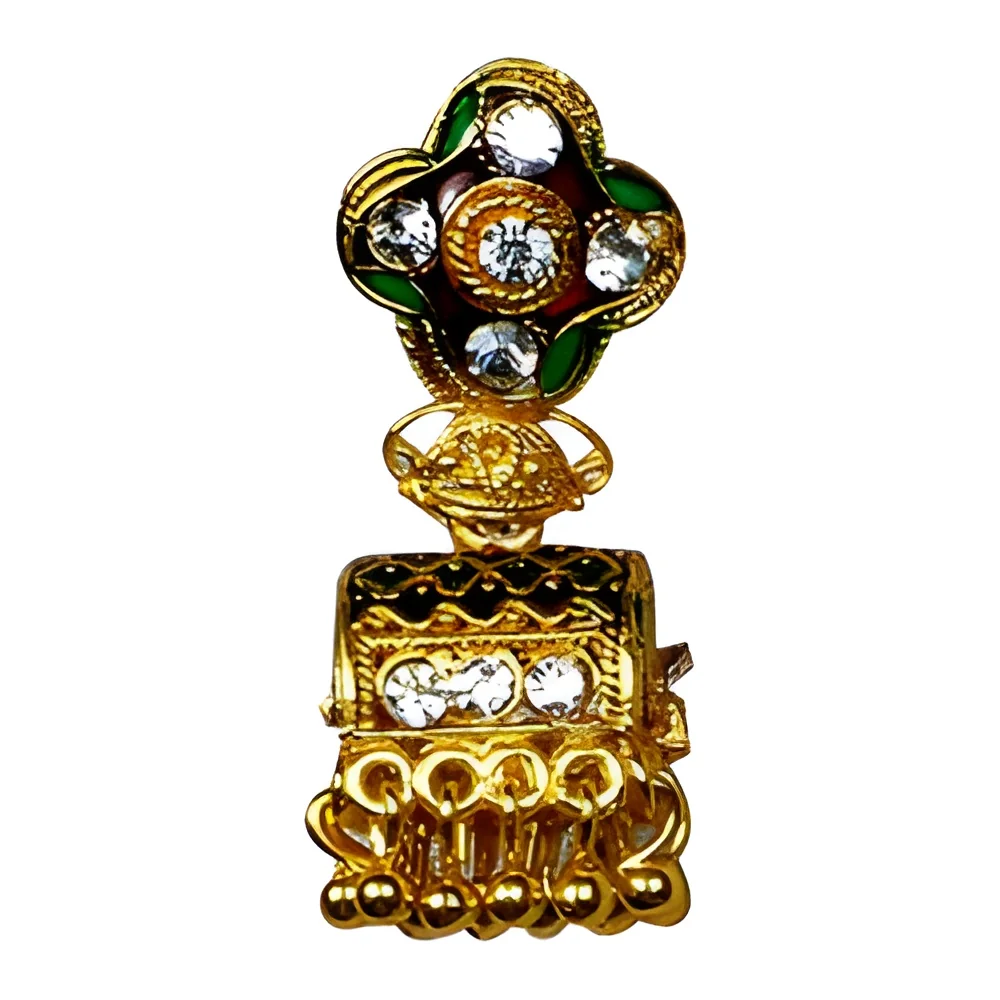
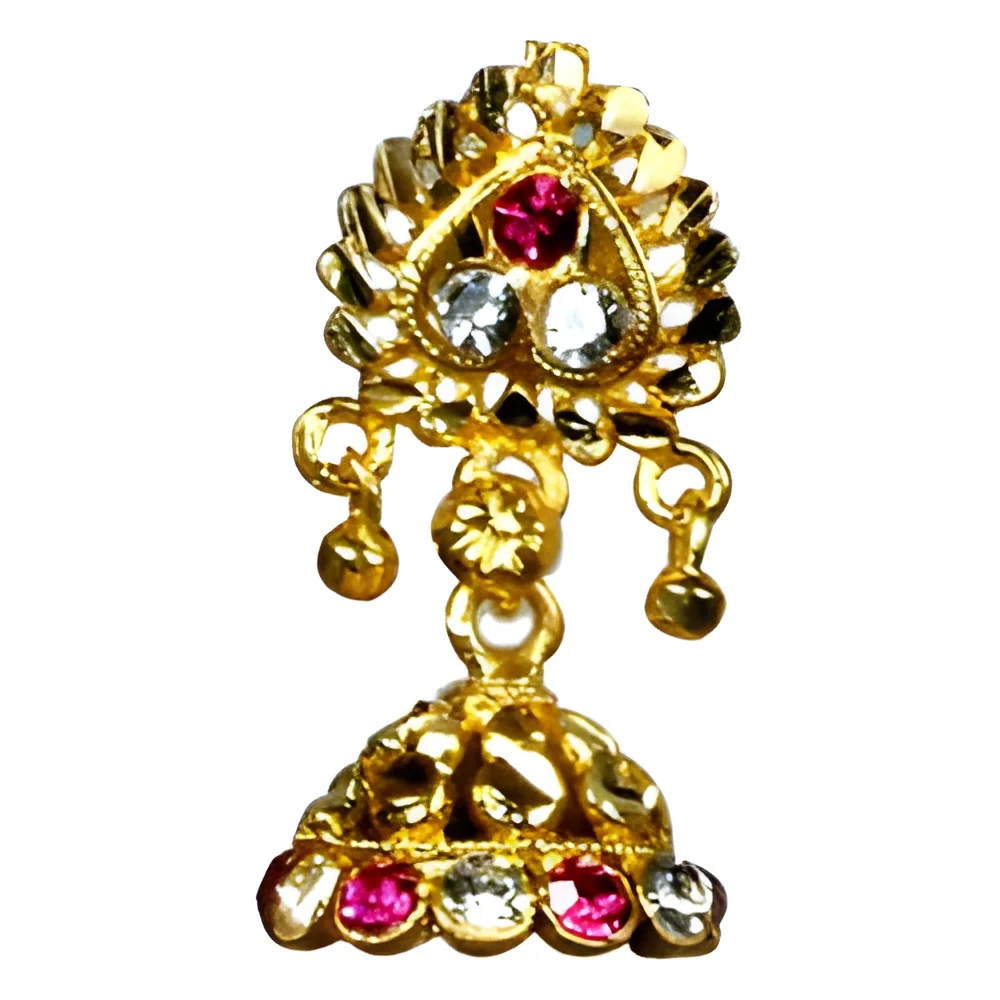
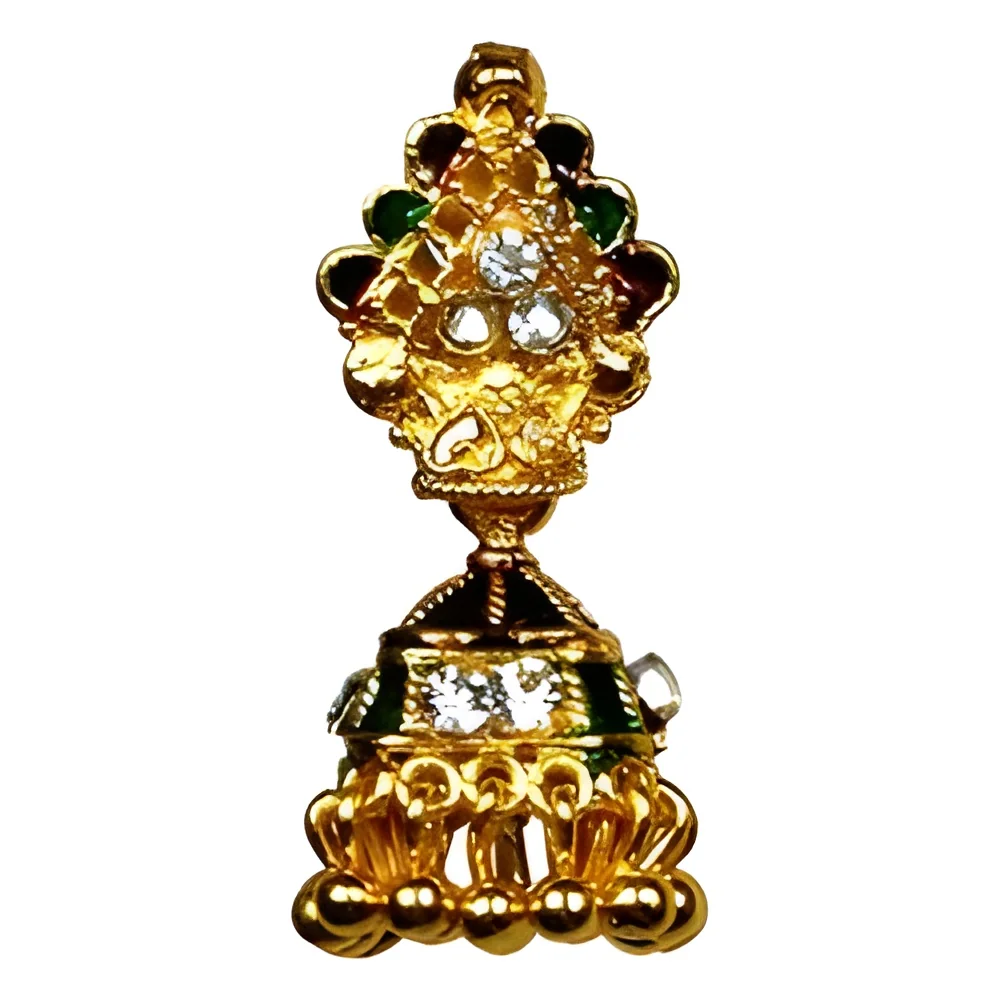
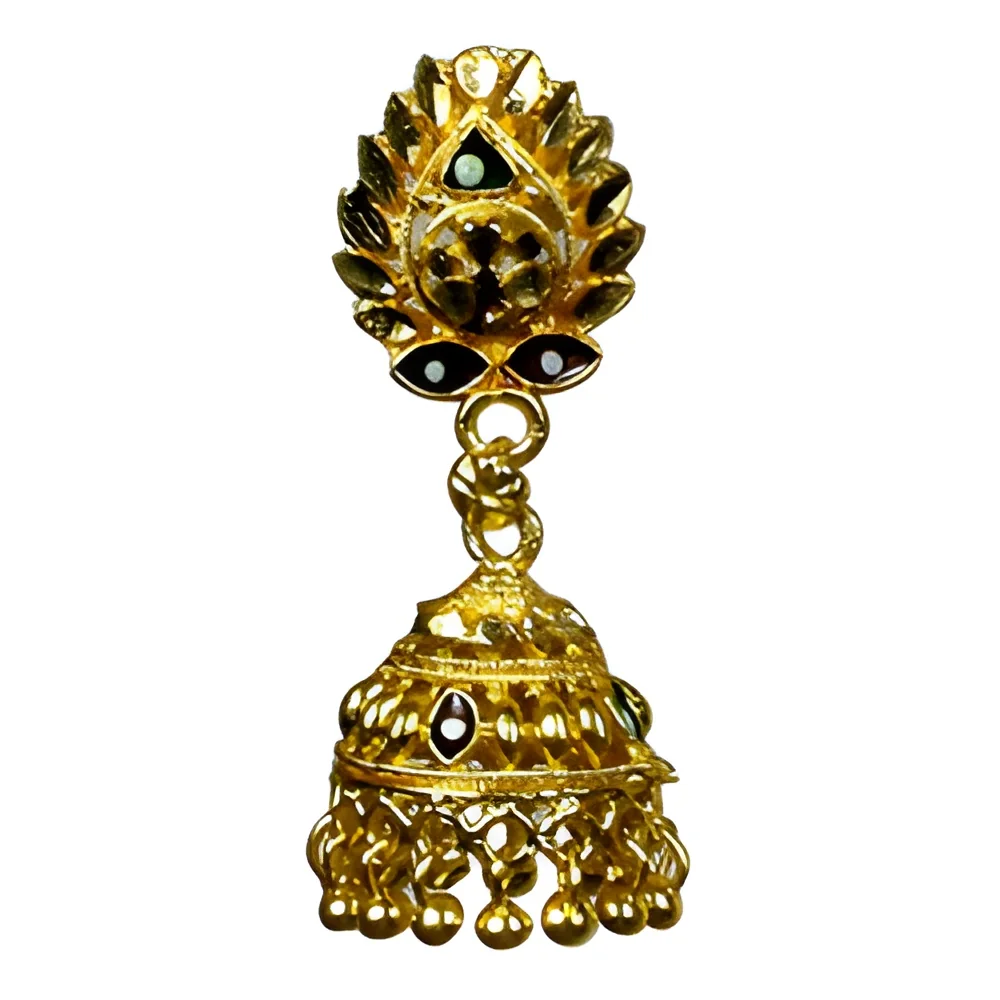
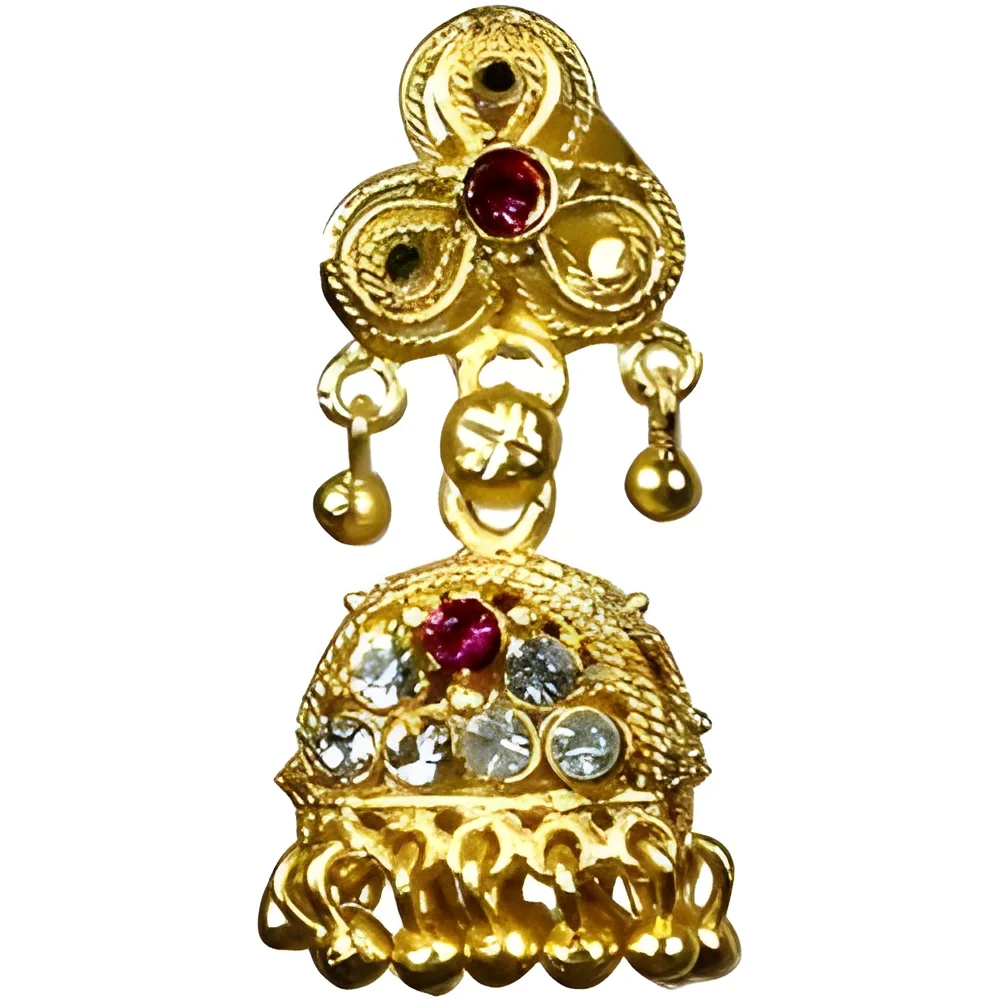
Earrings may include dangling, stud, or hoop designs. Many designs showcase local craftsmanship and cultural symbols, making them popular among consumers.
Rings
Rings are often designed with cultural symbols and may include detailed engravings. They can be worn as fashion statements or as part of traditional attire.
Benefits and Advantages
Choosing to source ethnic fashion jewelry provides several advantages for businesses.
1. Unique Offerings: Ethnic jewelry offers distinct styles that can differentiate retailers from competitors, attracting a diverse customer base.
2. Cultural Appeal: These pieces resonate with consumers seeking cultural representation, enhancing brand loyalty and customer engagement.
3. Sustainability: Many ethnic jewelry producers prioritize sustainable practices, appealing to environmentally conscious consumers.
4. Customization Potential: The option for customized pieces allows businesses to cater to specific customer preferences, enhancing the shopping experience.
5. Quality Craftsmanship: Ethnic jewelry is often handcrafted using traditional techniques, ensuring high-quality products that stand out in the market.
Buying Guide for B2B Buyers
When sourcing ethnic fashion jewelry producers, it is essential to consider several key factors to ensure quality and reliability.
1. Quality Assessment: Evaluate the craftsmanship and materials used in the jewelry. Look for producers with a track record of high-quality products, as this will reflect on your brand.
2. Supplier Verification: Vet suppliers through reviews, references, and certifications. A verified supplier network helps ensure reliability and reduces risks associated with procurement.
3. Pricing and MOQ: Understand the pricing structure and minimum order quantities (MOQ) required. This helps in budgeting and ensuring that you can meet demand without overcommitting.
4. Delivery and Lead Times: Consider logistics and delivery schedules. Timely delivery is crucial for maintaining inventory levels and meeting customer expectations.
5. Compliance Requirements: Be aware of any regulatory standards that apply to ethnic jewelry. Ensuring compliance helps avoid legal issues and enhances your brand's reputation.
Compliance and Certifications
Ethnic fashion jewelry producers are often subject to various compliance standards and certifications to ensure product quality and safety. Relevant quality standards include ISO 9001, which focuses on quality management systems, ensuring that producers maintain high standards throughout their manufacturing processes.
In addition to ISO certifications, producers may also obtain CE certification, indicating that their products meet European health, safety, and environmental protection standards. This certification is particularly important when exporting products to European markets.
Safety and testing requirements for materials used in jewelry are essential to ensure that they do not pose health risks to consumers. Producers should adhere to safety regulations that govern the use of metals and other materials.
Regional compliance considerations are also vital, as different markets may have specific regulations regarding the sale and importation of jewelry. Understanding these requirements helps producers and buyers navigate the complexities of international trade.
Why Source Ethnic Fashion Jewelry Producers from Pepagora?
Pepagora provides a trusted platform for sourcing ethnic fashion jewelry producers, offering several key advantages that enhance the buying experience.
Verified Supplier Network: Pepagora ensures that all suppliers are thoroughly vetted, providing buyers with confidence in the reliability and quality of the products they source. This verification process minimizes the risks associated with procurement.
Streamlined RFQ Process: The request for quotation (RFQ) system on Pepagora simplifies the sourcing process, allowing buyers to quickly compare offers from multiple suppliers. This efficiency helps businesses make informed purchasing decisions.
Trade Assurance and Support: Pepagora offers buyer protection through trade assurance, ensuring that transactions are secure and that any issues can be addressed promptly. This support fosters trust and encourages long-term relationships between buyers and suppliers.
Regional Coverage: With a broad geographic reach encompassing India, the GCC, and Southeast Asia, Pepagora connects buyers with a diverse range of ethnic fashion jewelry producers. This extensive network allows businesses to access unique products that meet their specific needs while benefiting from regional expertise.

 IN
IN