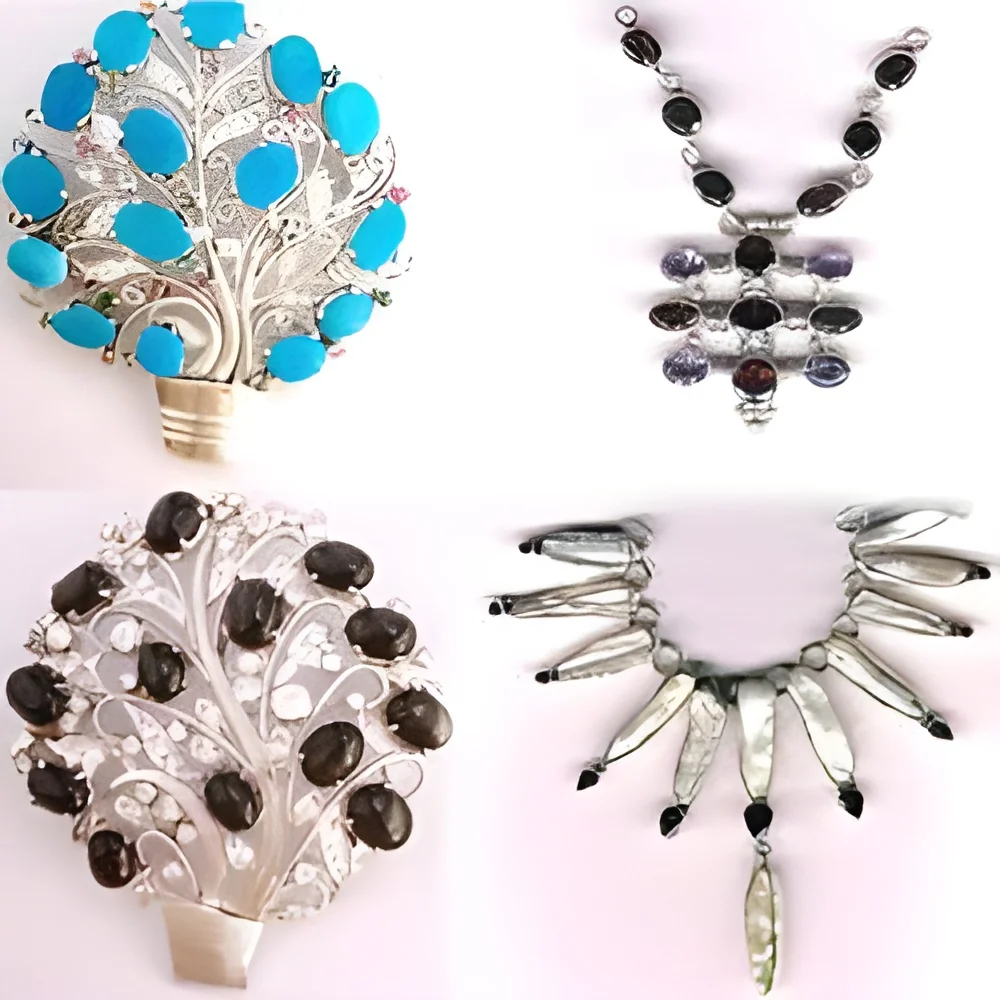
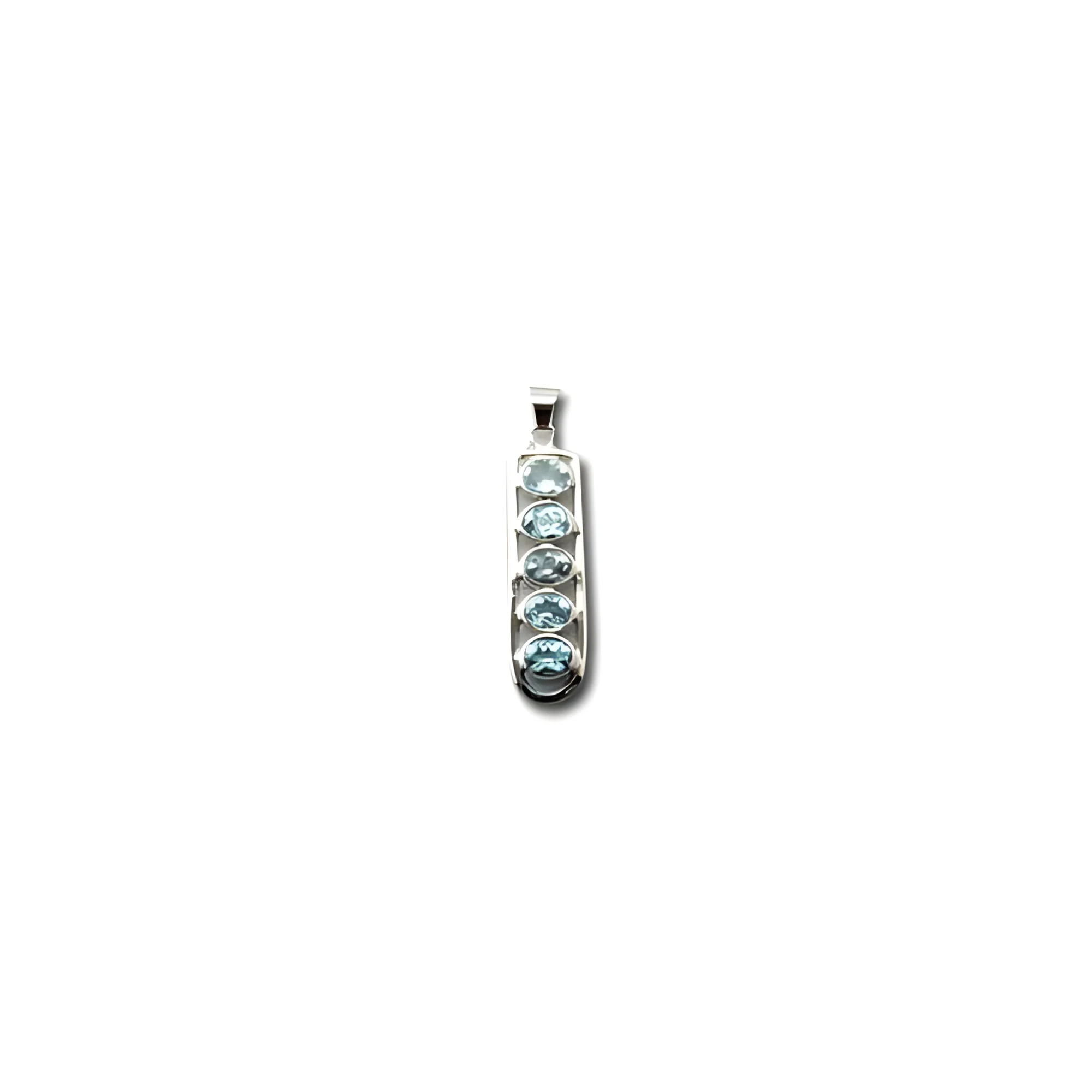
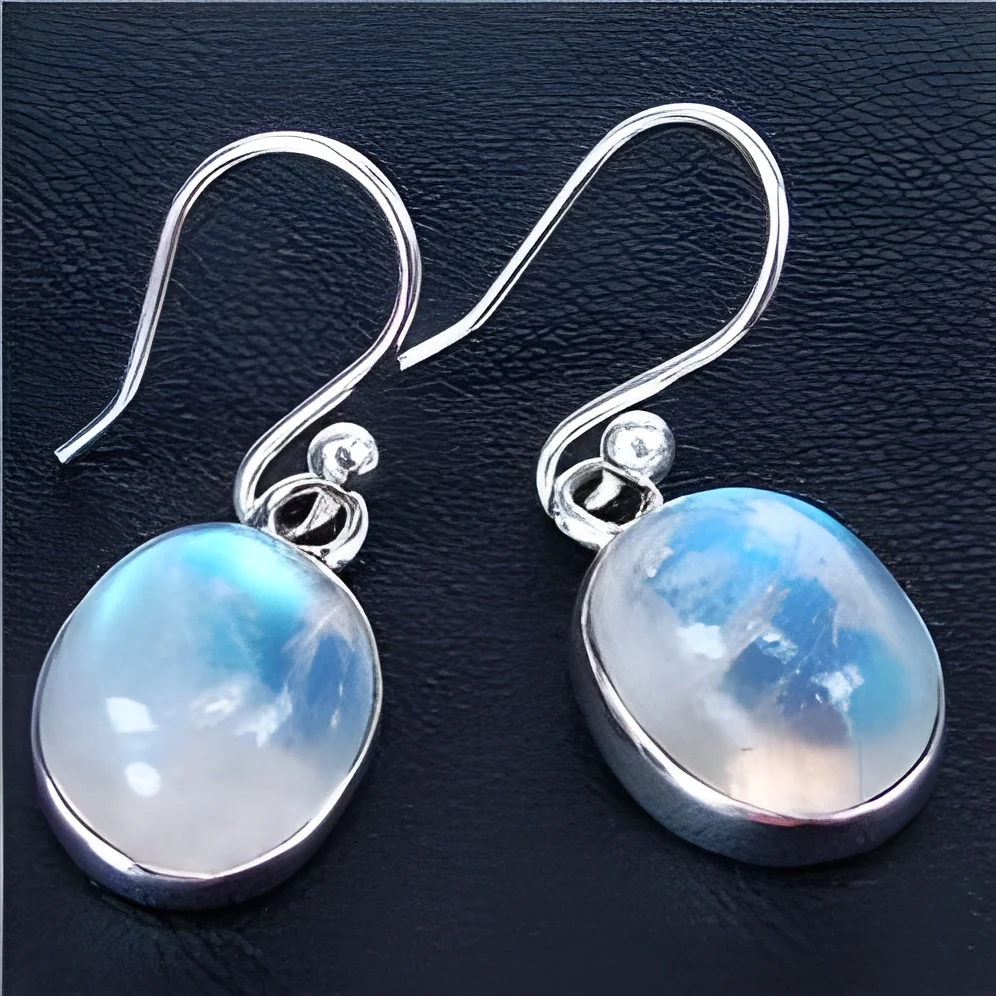
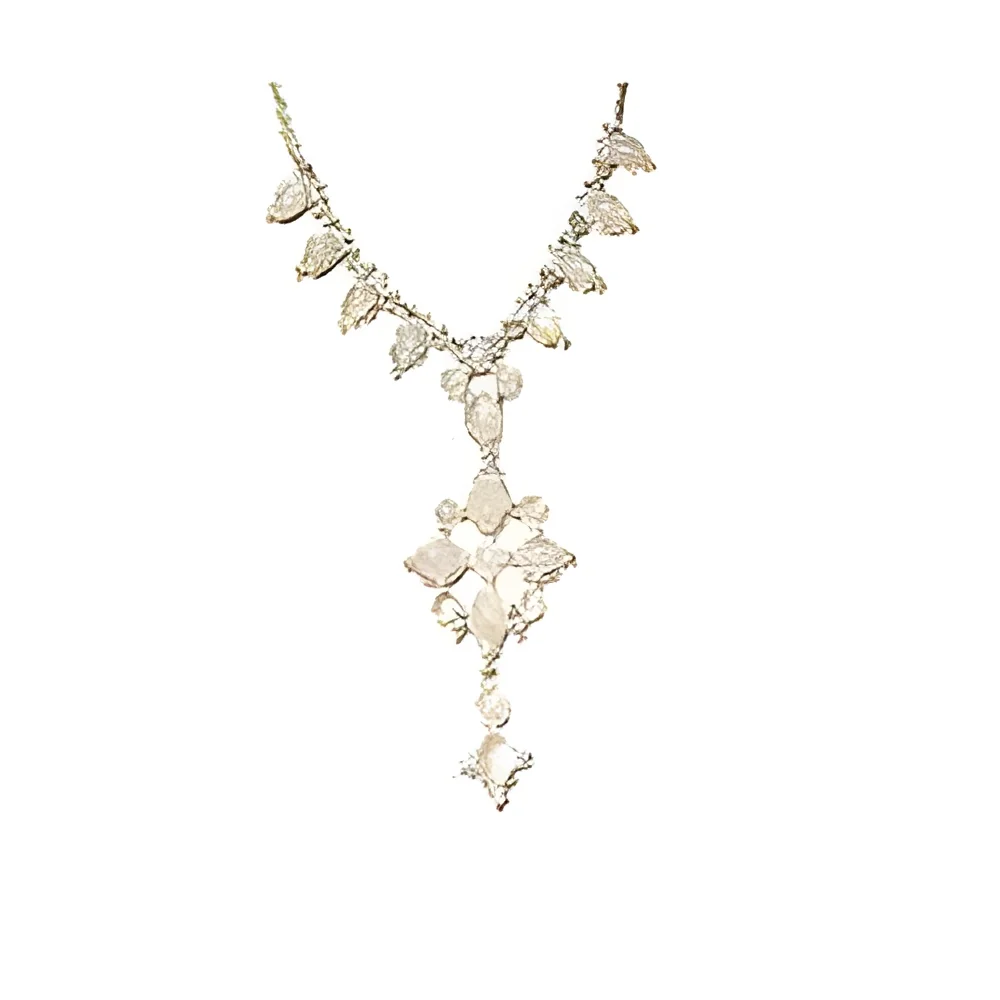
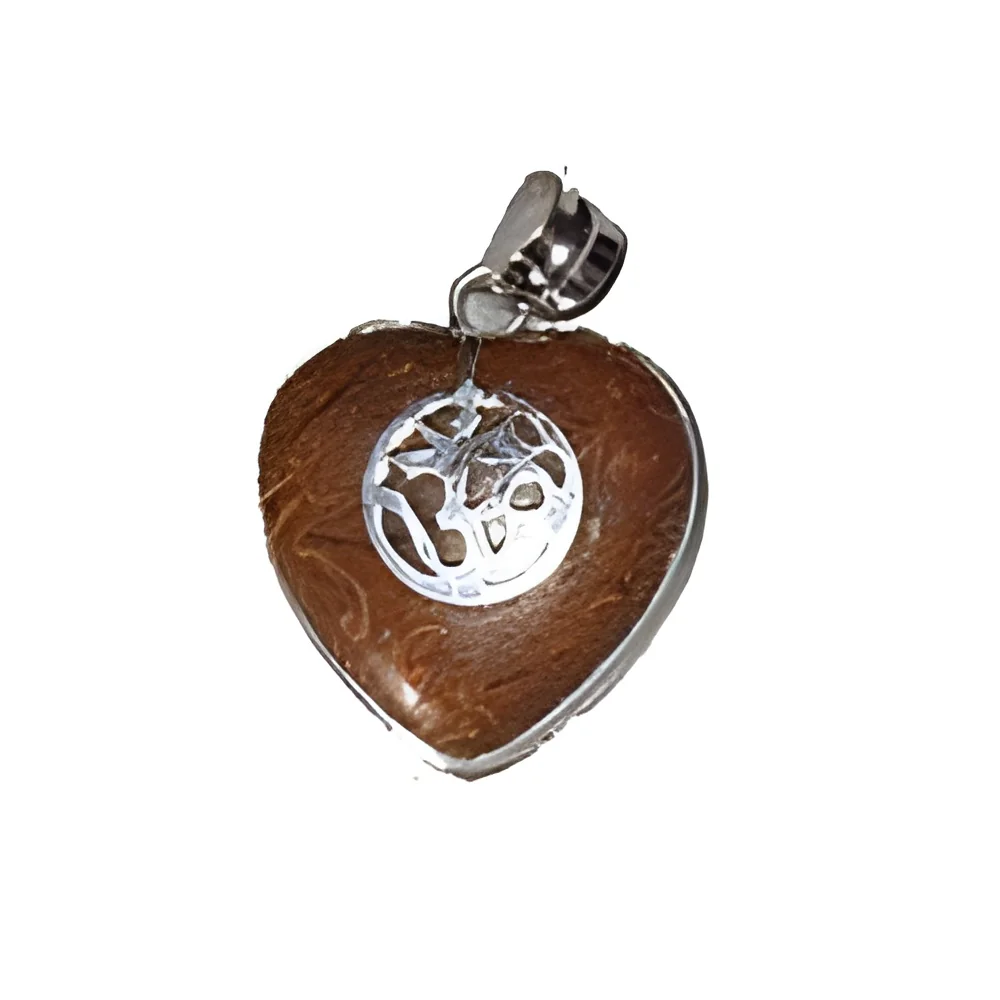
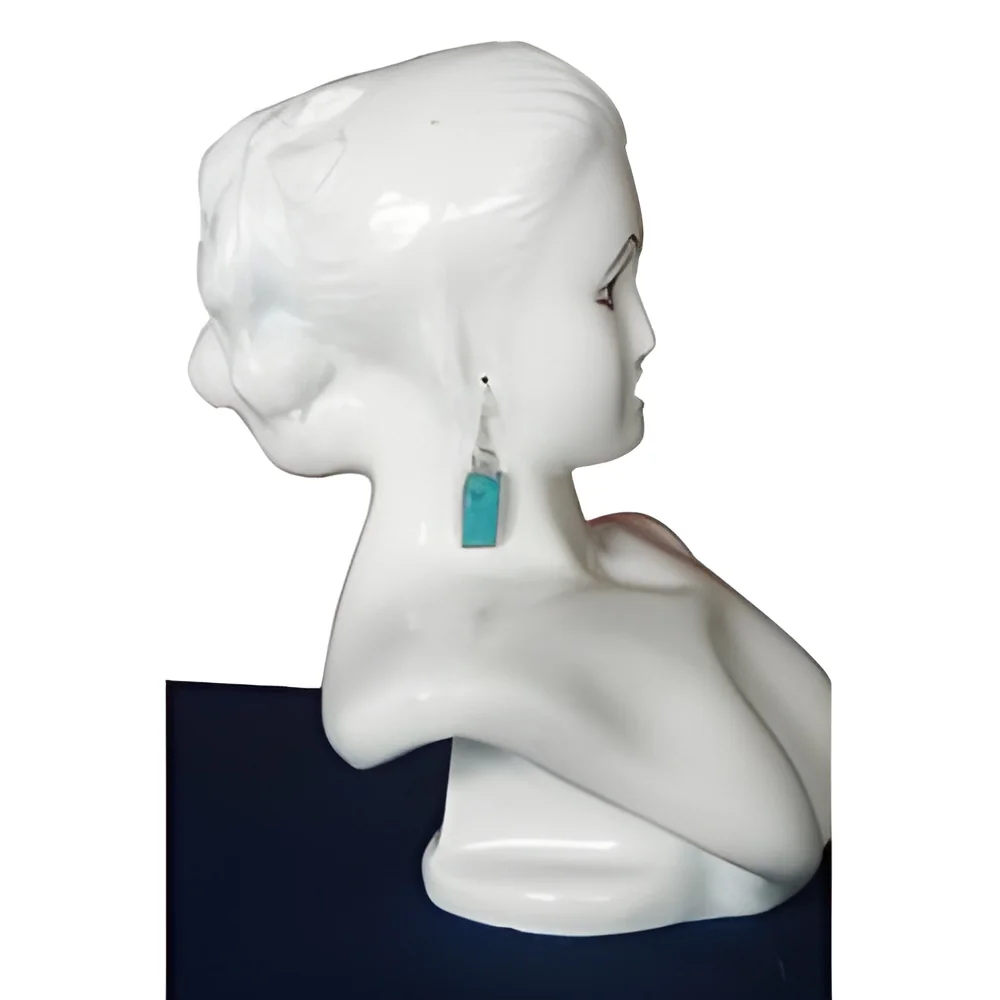
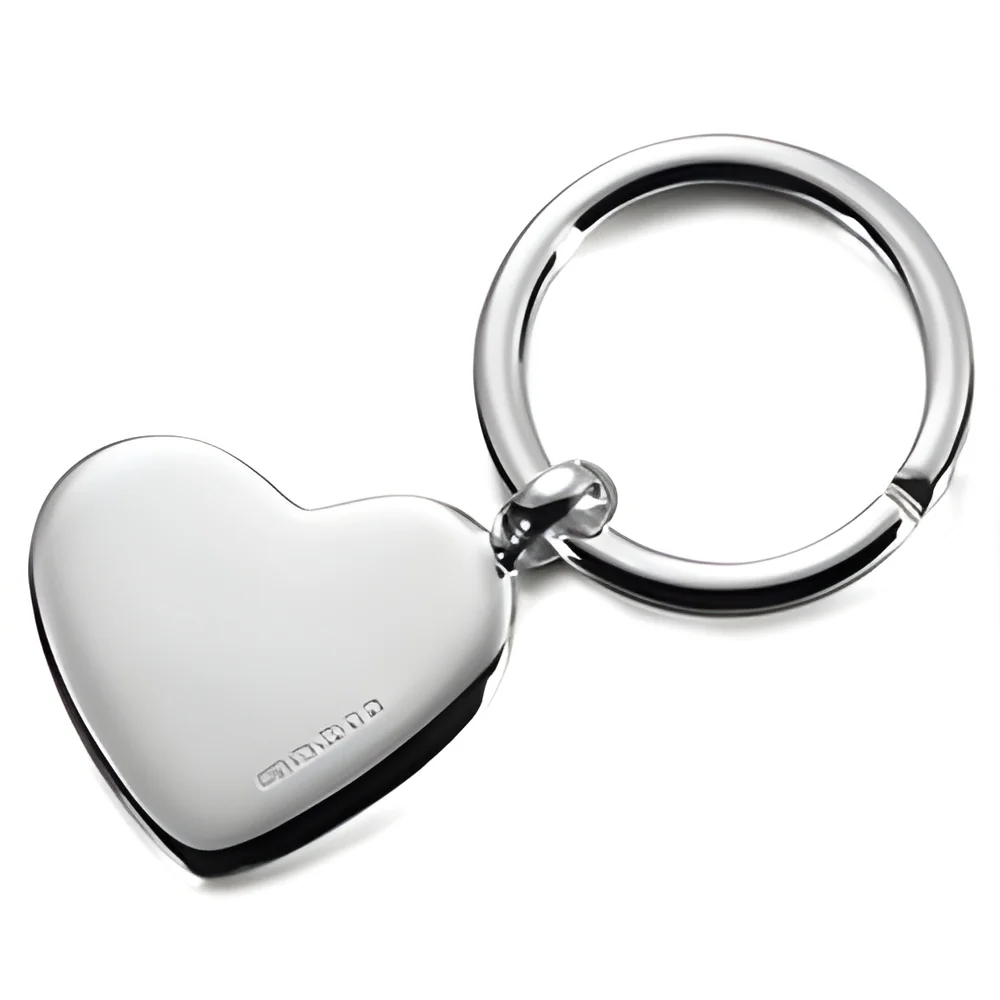
What are Silver Plated Jewelry Manufacturers?
Silver plated jewelry manufacturers specialize in creating various jewelry items that are coated with a thin layer of silver over a base metal. This process enhances the aesthetic appeal of the jewelry while keeping production costs lower than solid silver pieces. The manufacturers employ techniques such as electroplating to achieve a durable finish that closely resembles sterling silver, making it a popular choice among consumers looking for stylish yet affordable accessories.
These manufacturers serve a wide range of businesses, from small jewelry boutiques to large retail chains. Their products are often used in fashion, gifting, and promotional items. The versatility of silver plated jewelry allows it to fit into various market segments, catering to diverse consumer preferences and trends. As the demand for cost-effective yet attractive jewelry continues to grow, silver plated jewelry manufacturers play a critical role in meeting these market needs.
In the context of the jewelry industry, silver plated jewelry represents a significant segment due to its affordability and wide appeal. With increasing consumer interest in fashion jewelry and accessories, manufacturers are adapting to trends through innovative designs and enhanced quality. This industry is also supported by a growing e-commerce market, where online retailers are expanding their offerings of silver plated items.
Key Features and Specifications
Silver plated jewelry is characterized by specific features and specifications that define its quality and suitability for various applications. Understanding these specifications is crucial for businesses looking to source quality products.
Key specifications include:
1. Material Composition
- Typically consists of a base metal such as brass or copper coated with a layer of silver.
- The thickness of the silver layer varies, usually between 0.5 to 5 microns.
2. Plating Process
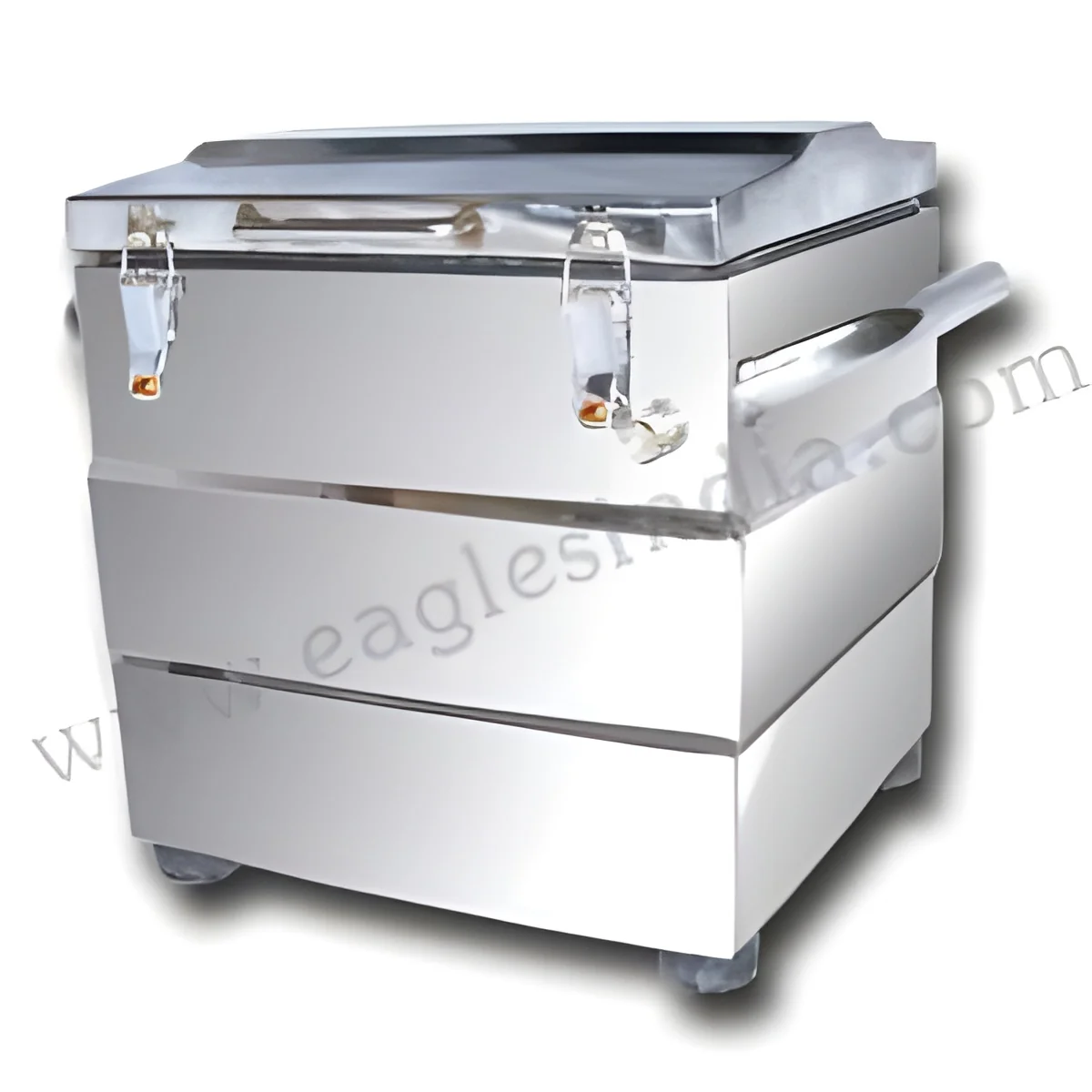
- Commonly involves electroplating techniques that ensure a uniform silver coating.
- Adherence to industry standards for plating quality is essential.
3. Durability and Wear Resistance
- Designed to withstand regular use while maintaining appearance.
- Certain coatings may offer enhanced resistance to tarnishing.
4. Design Variety
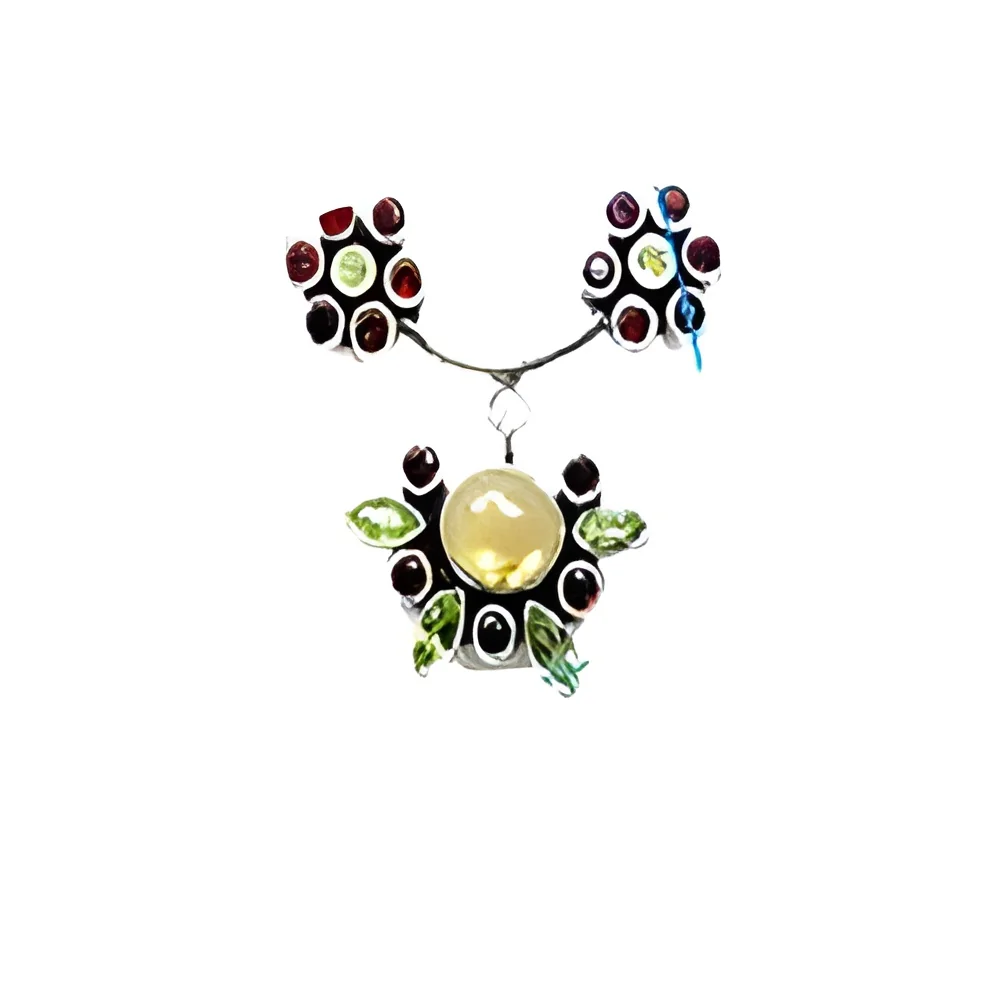
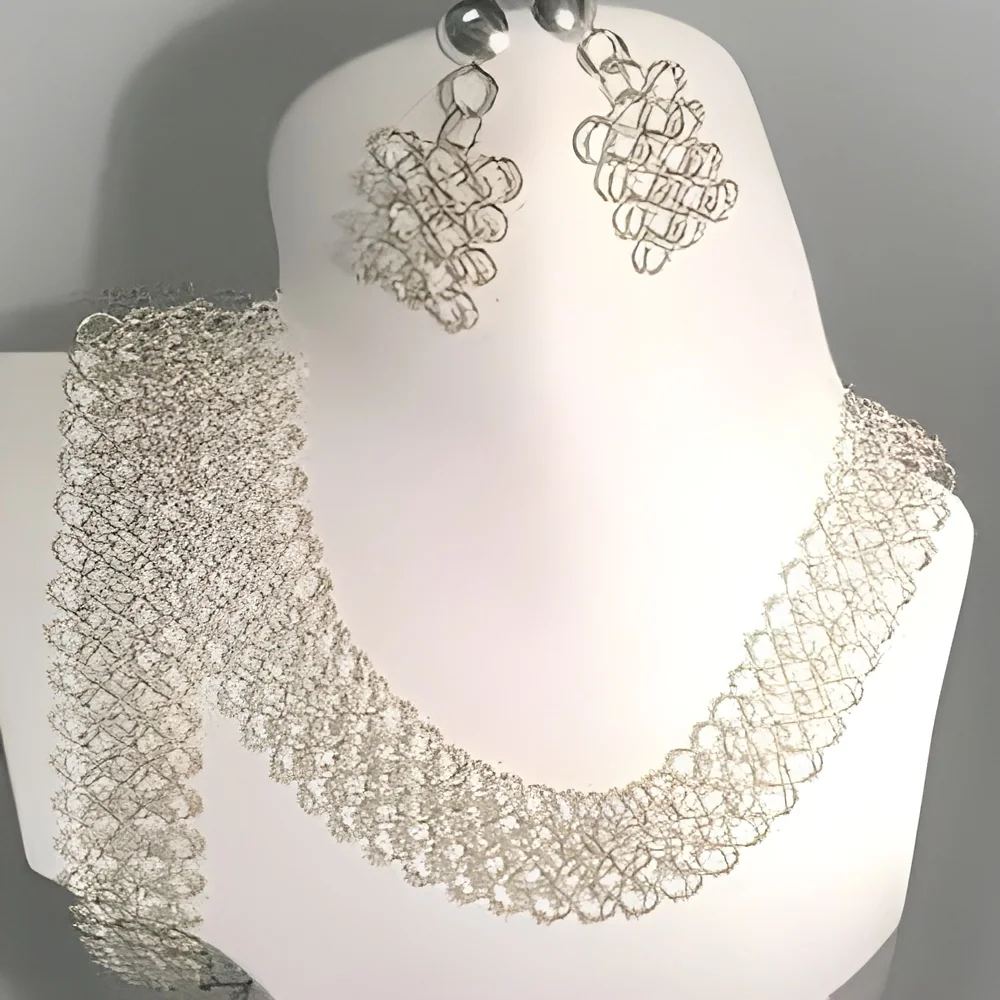
- Available in various styles, including necklaces, bracelets, earrings, and rings.
- Custom designs can be created to meet specific customer preferences.
5. Finish Options
- May come in polished, matte, or antique finishes to cater to different aesthetic preferences.
- Finishing techniques affect the overall look and feel of the jewelry.
6. Sizing Standards
- Available in standard sizes or can be customized for specific designs.
- Important for ensuring proper fit in rings and bracelets.
7. Packaging and Presentation
- Often packaged in branded boxes or pouches for retail display.
- Packaging can enhance the perceived value of the jewelry.
In summary, the key features and specifications of silver plated jewelry are essential for manufacturers and buyers to consider. These elements not only impact the quality and appeal of the jewelry but also its marketability.
Common Applications and Use Cases
Silver plated jewelry is widely utilized across various industries due to its affordability and aesthetic appeal.
1. Fashion Retail: Many fashion retailers use silver plated jewelry as part of their accessory lines to offer customers stylish options without high costs.
2. Gift Shops: Silver plated items are frequently sold in gift shops, particularly during holidays and special occasions, as attractive gift options.
3. Promotional Products: Companies often use silver plated jewelry as promotional items, providing branded pieces that can be gifted to clients or employees.
4. Wedding and Event Planning: Silver plated jewelry is popular in the wedding industry, often used for bridesmaids' gifts or as part of bridal accessories.
5. Craft and DIY Markets: Crafters and hobbyists utilize silver plated components in their projects, such as custom jewelry making.
6. Online Retail: E-commerce platforms feature a wide array of silver plated jewelry, catering to a global audience seeking trendy accessories.
7. Boutique Stores: Small boutiques often focus on unique or artisanal silver plated pieces that appeal to niche markets.
Product Variants and Subcategories
Silver plated jewelry comes in a variety of forms, each catering to different market needs and consumer preferences.
Necklaces
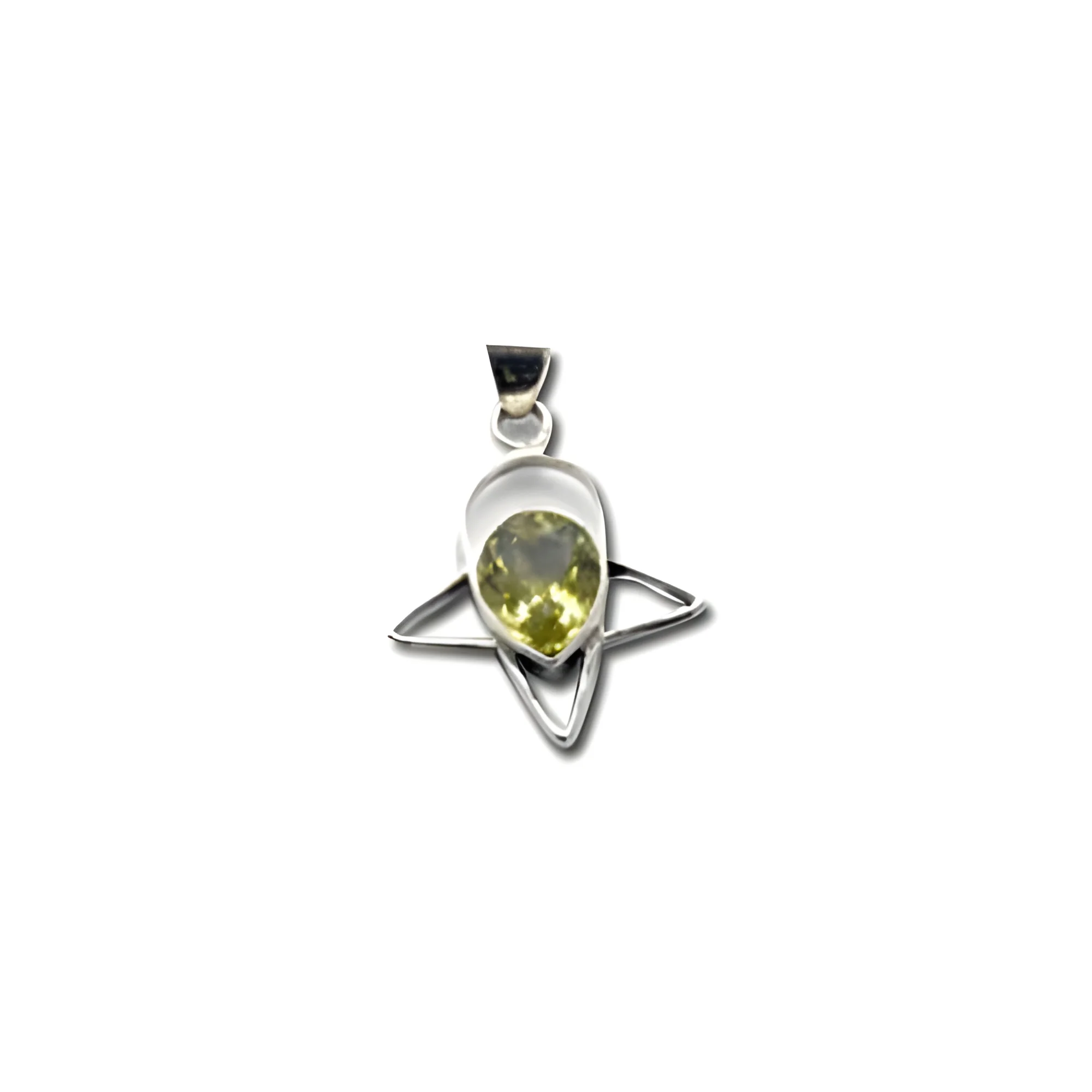
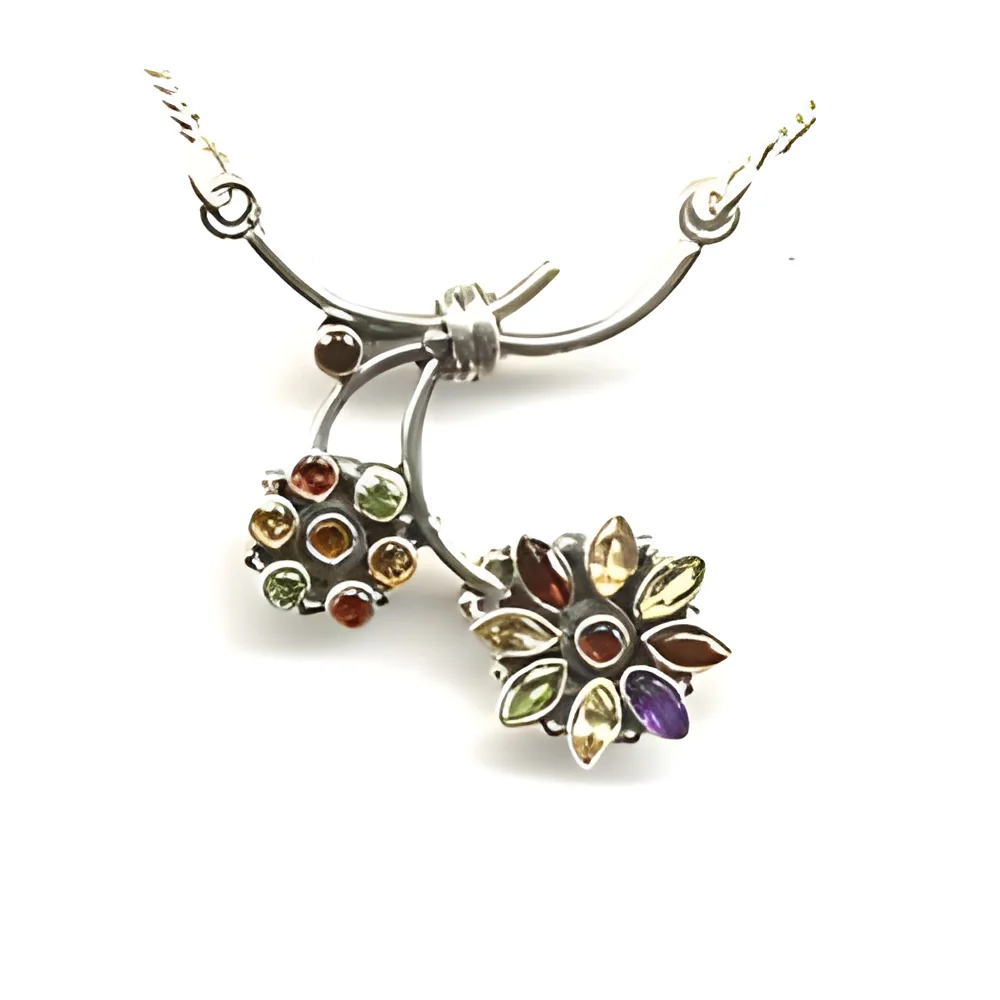
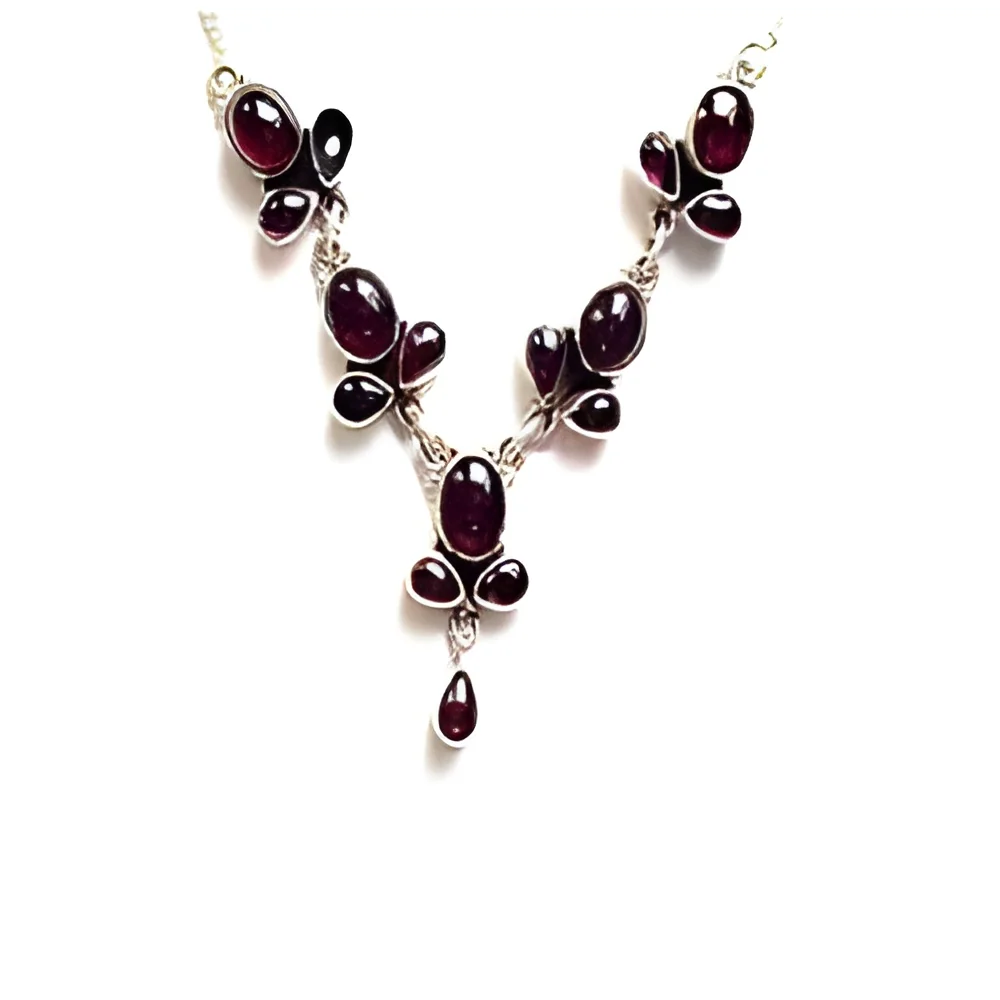
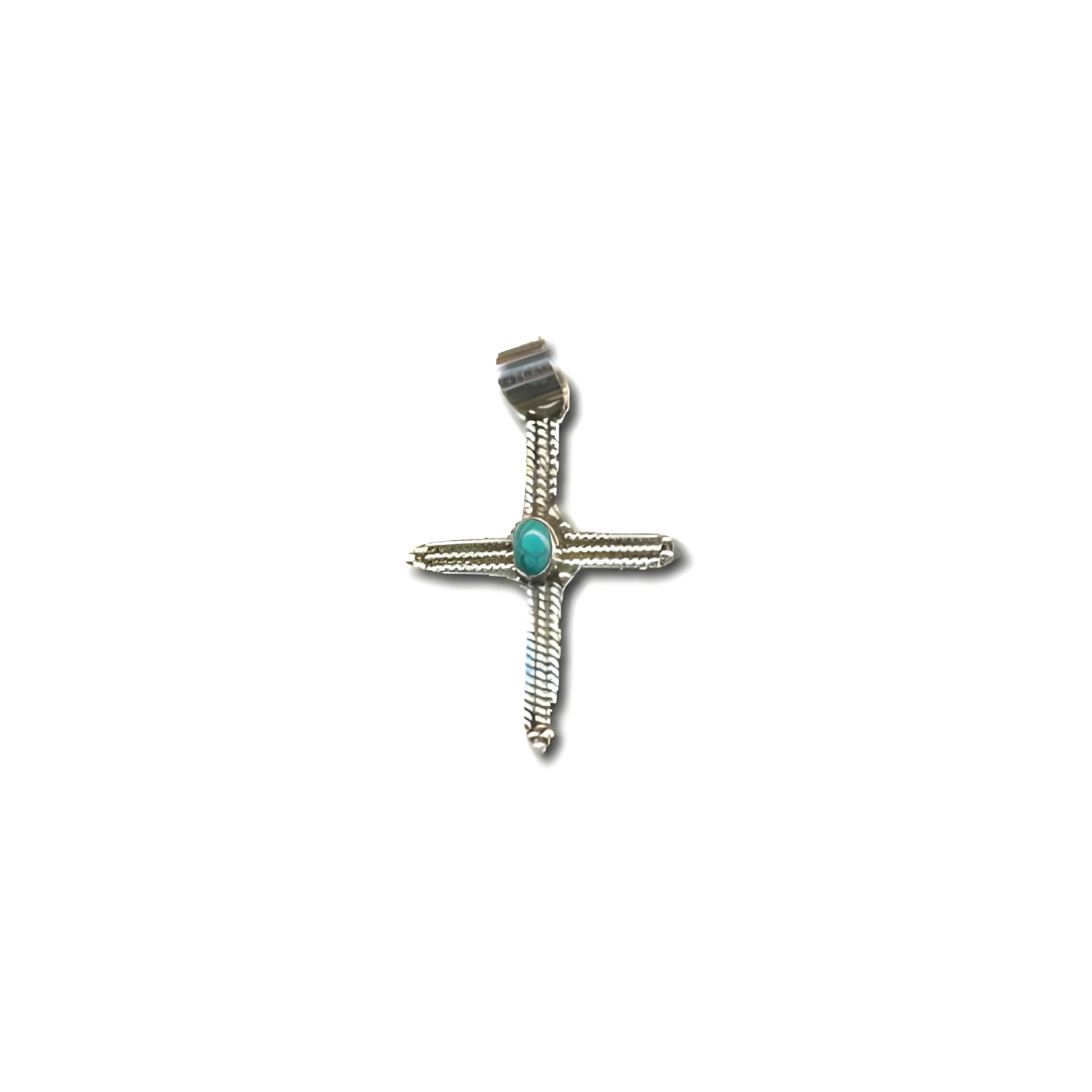
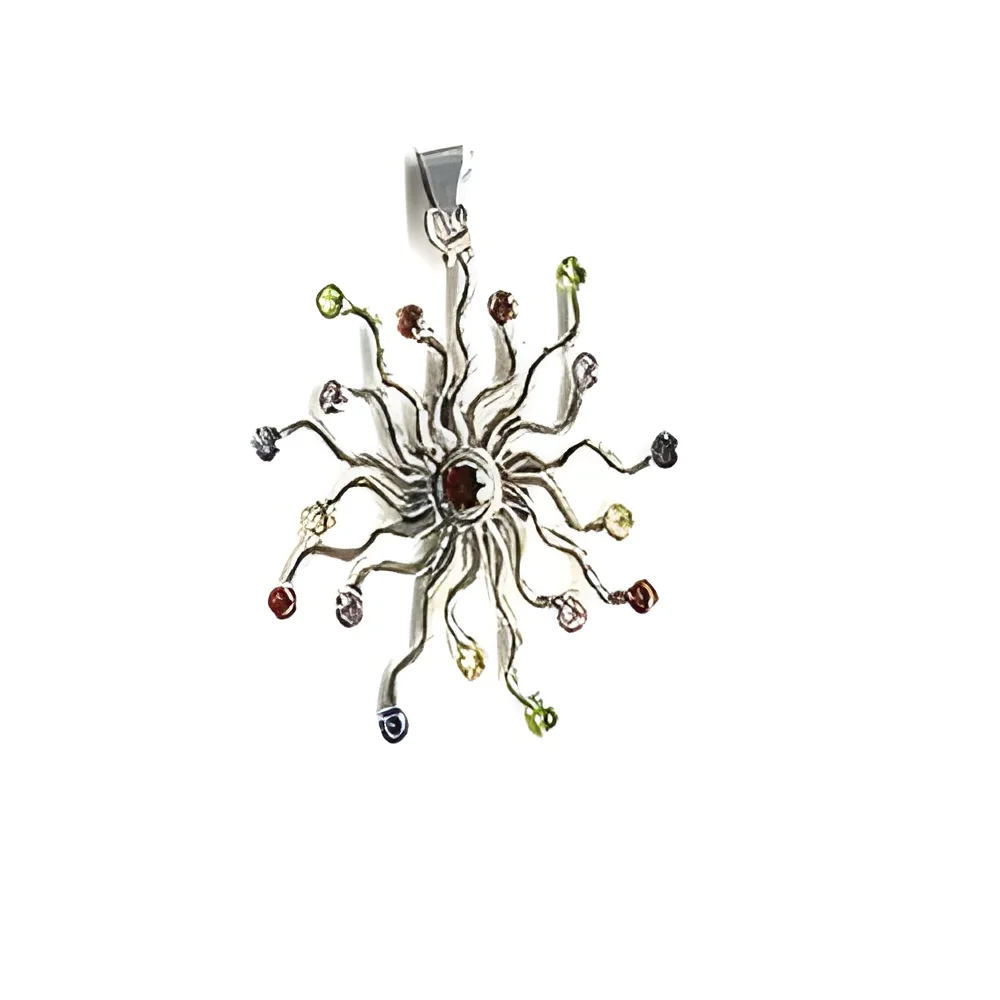
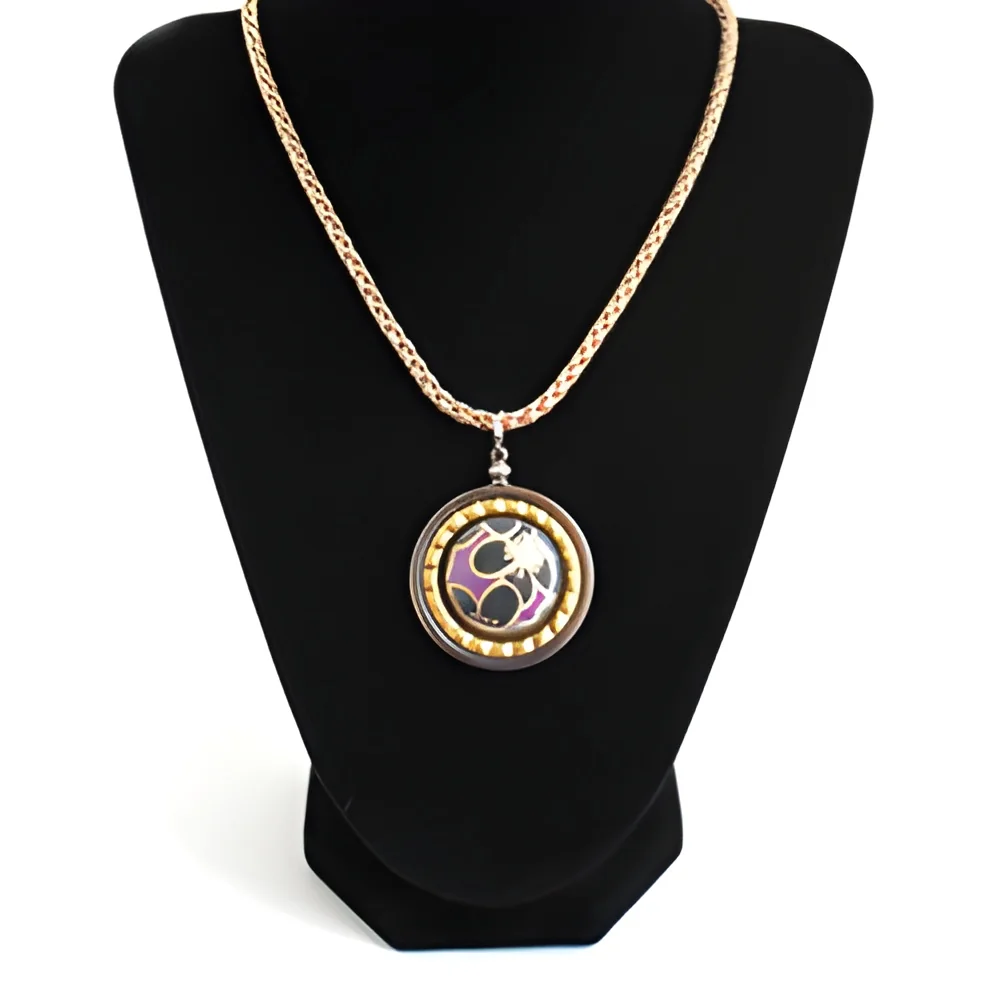
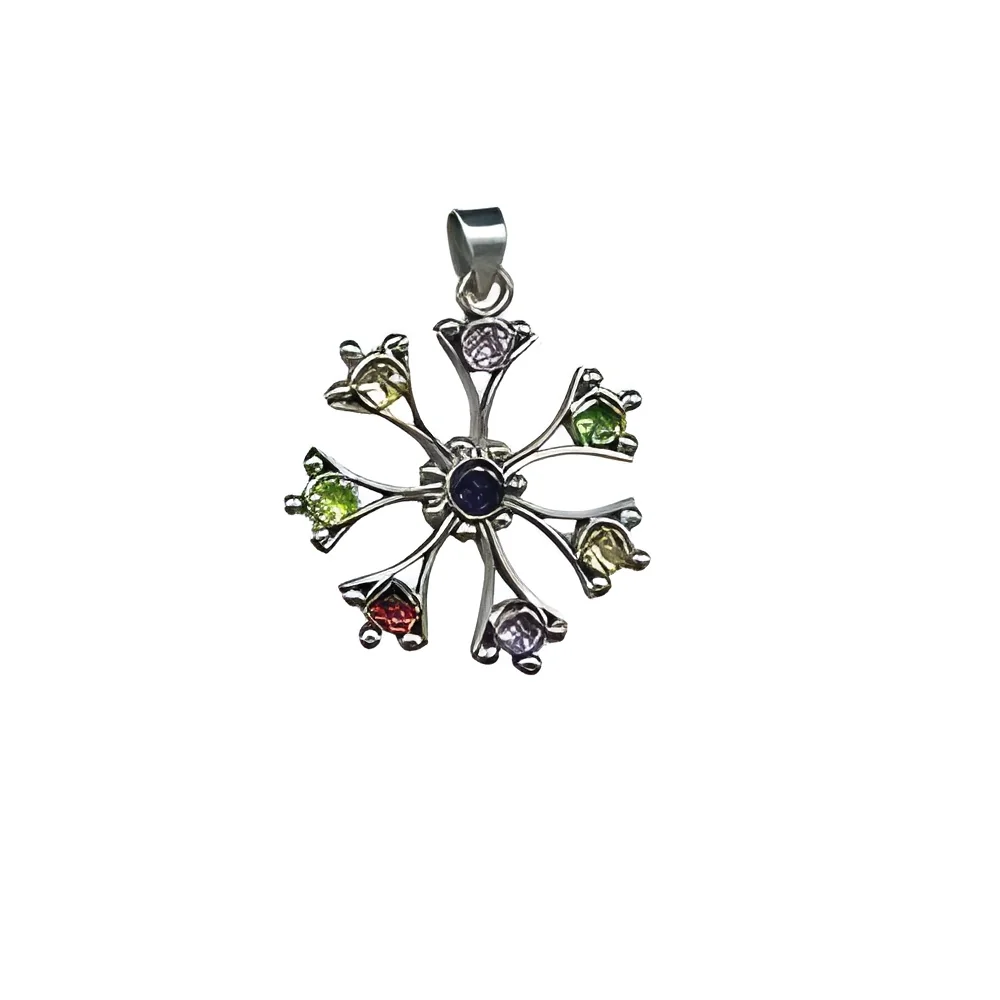
These vary in length and design, from simple chains to elaborate statement pieces. Necklaces can be adorned with gemstones or pendants, making them suitable for various occasions.
Bracelets
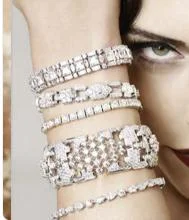
Available in styles such as bangles, cuffs, or charm bracelets. Their versatility allows them to be worn casually or formally, appealing to a broad audience.
Earrings
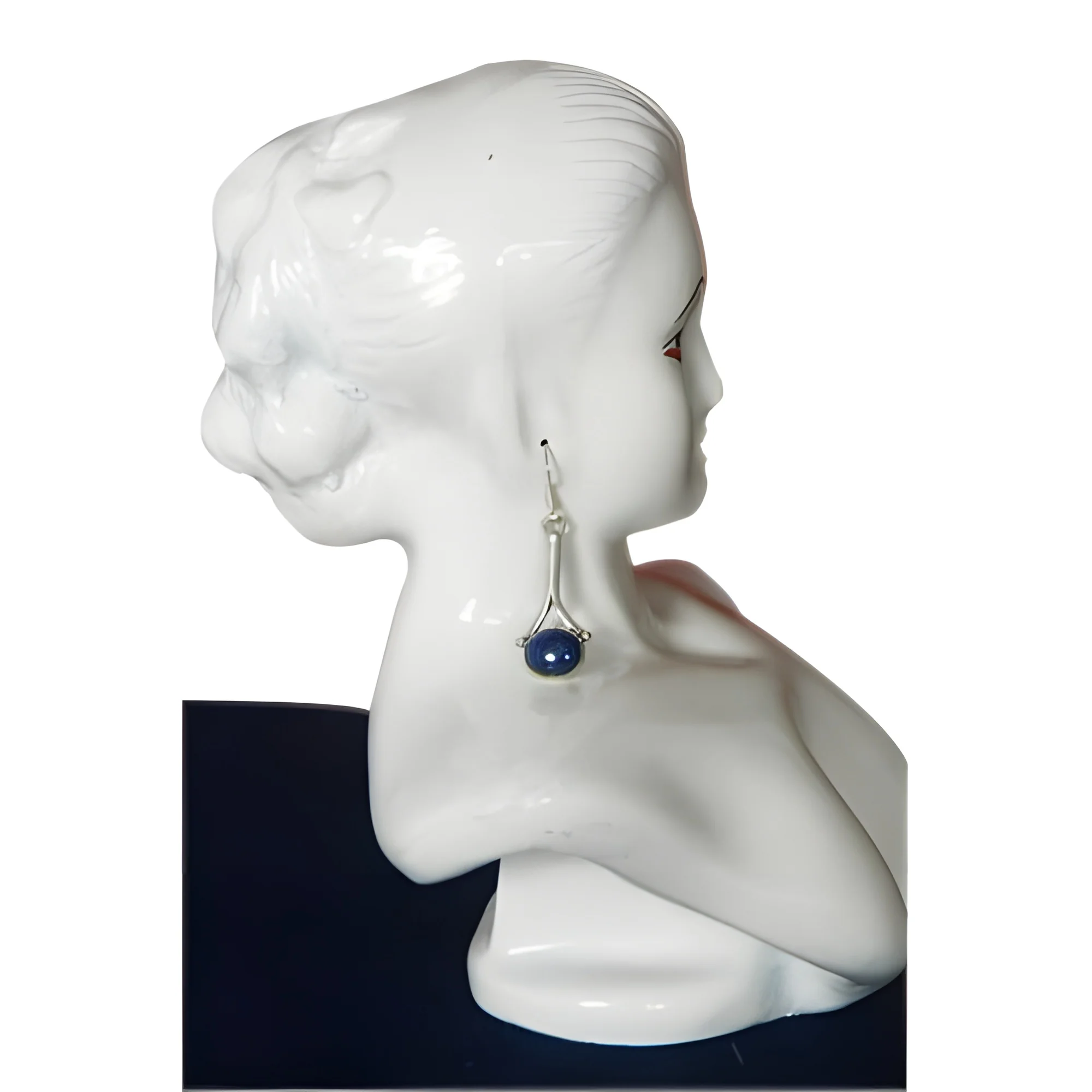
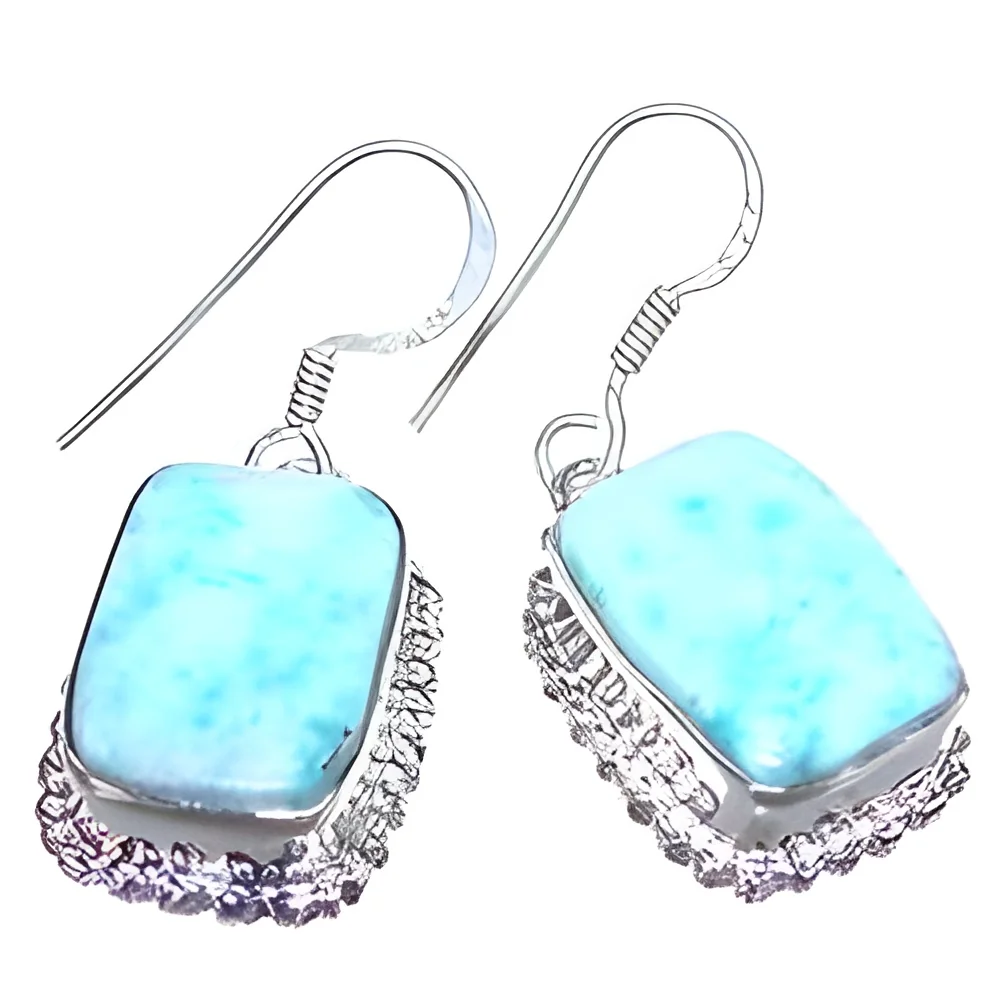
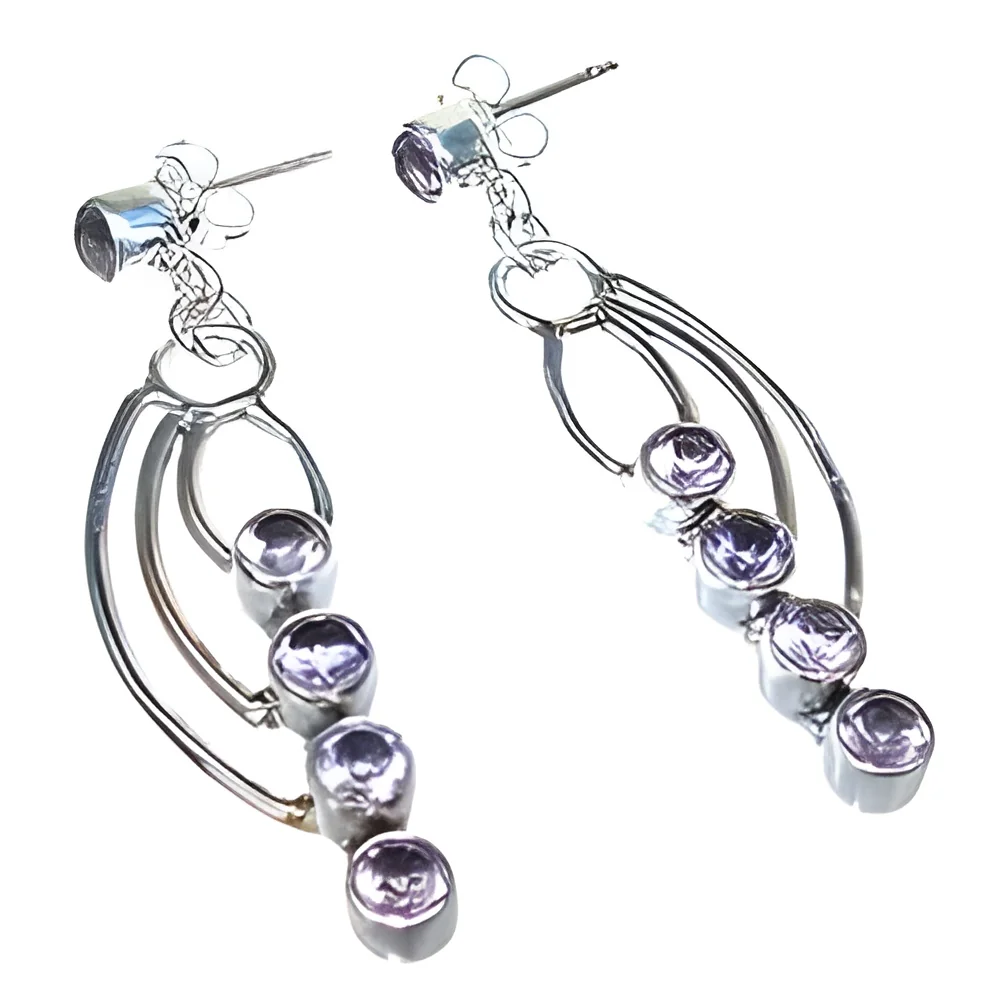
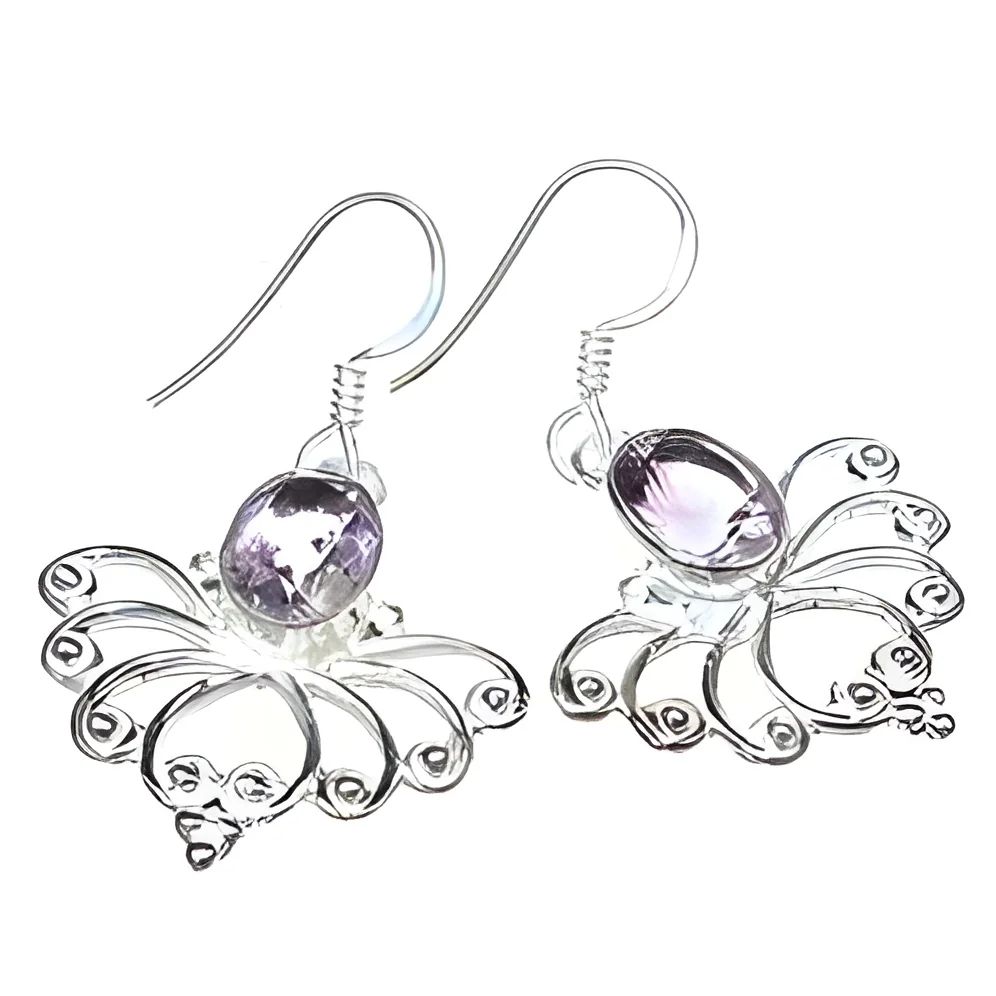
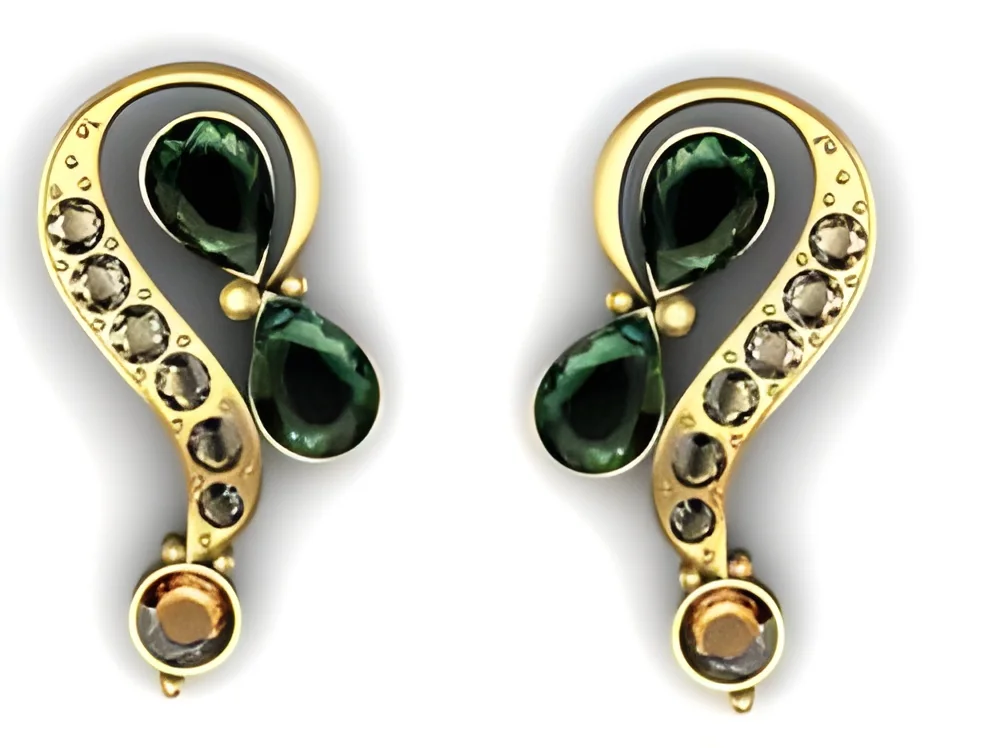
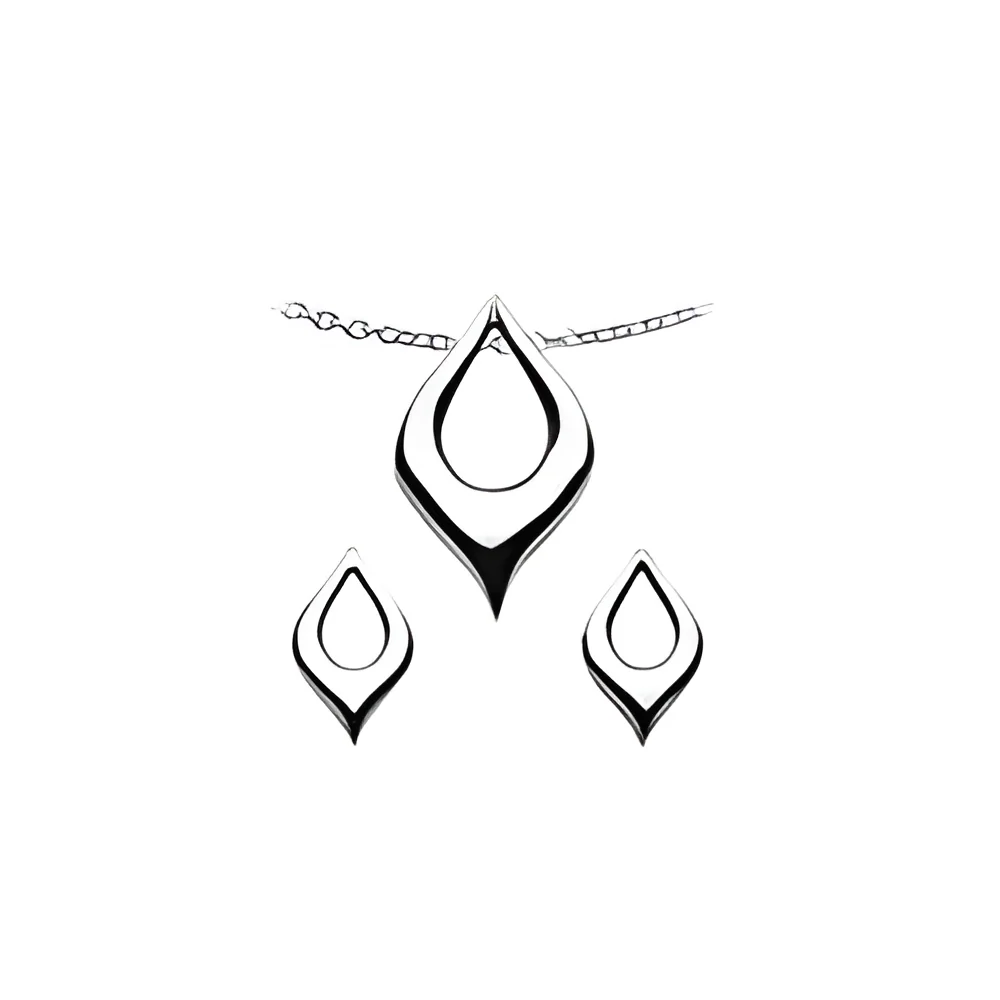
From studs to dangles, silver plated earrings provide a range of options for consumers. They can be designed for everyday wear or special events.
Rings
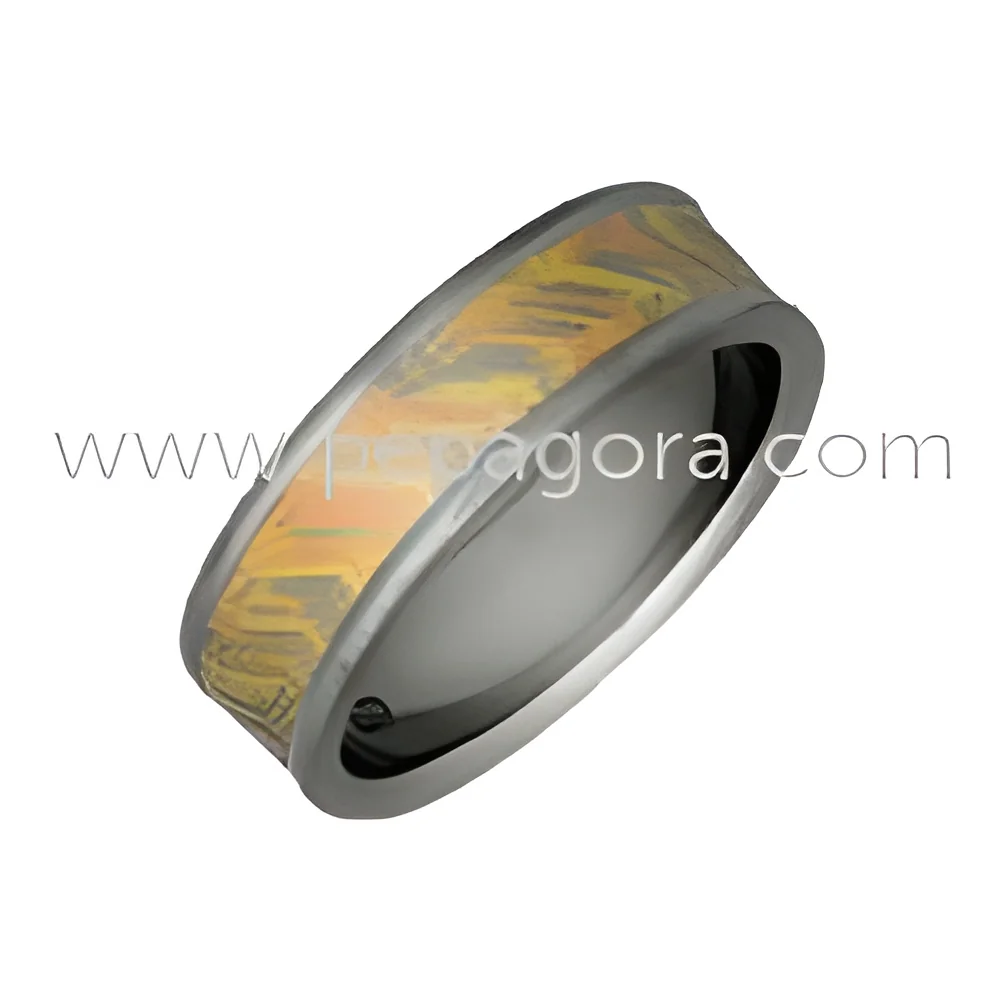
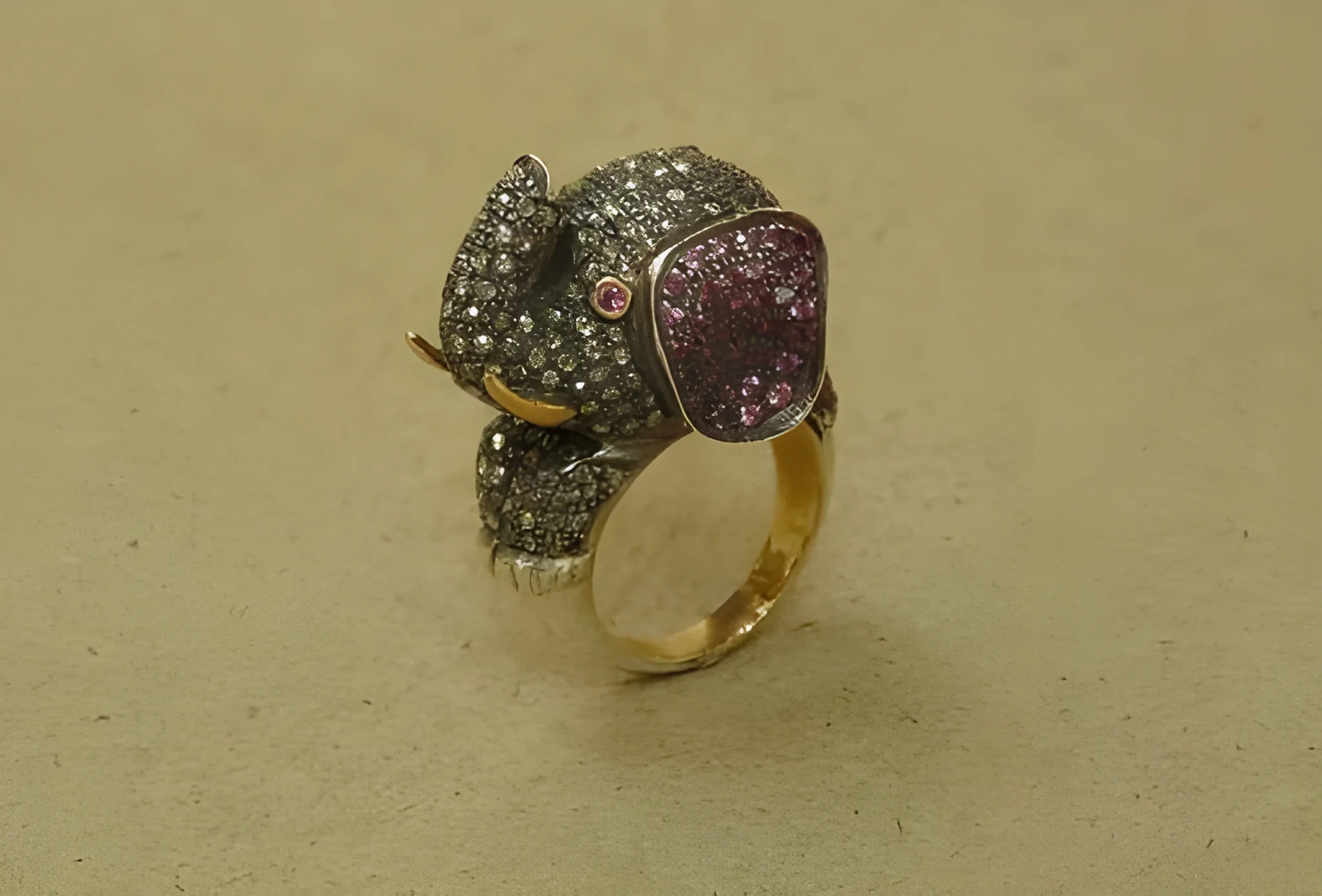
These can range from delicate bands to bold statement rings. Customization options often include engravings or the addition of stones.
Benefits and Advantages
Sourcing from silver plated jewelry manufacturers offers several advantages for businesses.
Key benefits include:
1. Cost-Effectiveness: Silver plated jewelry is significantly more affordable than solid silver, allowing businesses to offer attractive pricing to consumers.
2. Design Versatility: Manufacturers can create a wide range of designs to meet various consumer tastes and market trends.
3. Lightweight: Silver plated jewelry is typically lighter than solid silver, making it comfortable for long wear.
4. Aesthetic Appeal: The shiny finish of silver plated items provides a luxurious look, attracting customers seeking fashionable accessories.
5. Easy Maintenance: Generally, silver plated jewelry requires less maintenance than solid silver, making it more appealing to busy consumers.
6. Accessibility: A broader range of consumers can afford silver plated jewelry, expanding market reach for retailers.
Buying Guide for B2B Buyers
When sourcing silver plated jewelry manufacturers, buyers should consider several key factors to ensure quality and reliability.
1. Quality Assessment: Look for manufacturers that adhere to quality standards and provide samples for evaluation. Assess the thickness of the silver plating and overall craftsmanship.
2. Supplier Verification: Vet suppliers through background checks and reviews. Look for manufacturers with a history of positive customer feedback and compliance with industry standards.
3. Pricing and MOQ: Understand the pricing structure and minimum order quantities (MOQ) offered by suppliers. This information is crucial for budgeting and inventory planning.
4. Delivery and Lead Times: Clarify logistics, including lead times for production and shipping. Timely delivery is essential for maintaining inventory levels.
5. Compliance Requirements: Ensure that the manufacturers meet relevant compliance and safety standards. This may include certifications such as CE and adherence to local regulations.
Compliance and Certifications
Compliance is critical in the jewelry manufacturing industry, particularly for silver plated products. Manufacturers need to adhere to various quality standards to ensure their products meet consumer safety and quality expectations.
Relevant quality standards include ISO 9001, which focuses on quality management systems, ensuring that manufacturers maintain consistent quality throughout their processes. Additionally, adherence to HACCP principles is important for manufacturers that may incorporate any food-related applications in their products.
Industry certifications such as CE signify compliance with European safety and health regulations, providing assurance to buyers that the products have been tested and deemed safe for use. Manufacturers must also follow safety and testing requirements to ensure their products do not contain harmful substances.
Regional compliance considerations are essential, as different regions may have specific regulations governing jewelry materials and safety. Manufacturers must stay informed about these regulations to ensure their products are compliant across various markets.
Why Source Silver Plated Jewelry Manufacturers from Pepagora?
Pepagora provides a trusted platform for sourcing silver plated jewelry manufacturers, offering several key advantages that enhance the buying experience.
Verified Supplier Network: Pepagora ensures that all listed suppliers are thoroughly vetted, providing buyers with confidence in their sourcing decisions. The verification process includes checks on quality, reliability, and industry reputation.
Streamlined RFQ Process: The Request for Quotation (RFQ) system simplifies the procurement process, allowing buyers to receive competitive quotations from multiple manufacturers in one place. This efficiency helps businesses find the best deals without extensive searching.
Trade Assurance and Support: Pepagora offers trade assurance to protect buyers throughout the transaction process. This includes support for any issues that may arise during sourcing, ensuring a smooth experience.
Regional Coverage: With a strong presence in regions such as India, the GCC, and Southeast Asia, Pepagora connects buyers with local manufacturers. This regional reach allows for easier communication and logistics, enhancing the overall sourcing experience.

 IN
IN