What are Private Label Jewelry Manufacturers?
Private label jewelry manufacturers are companies that produce jewelry on behalf of other businesses, allowing them to sell the products under their own brand name. These manufacturers handle the entire production process, from design and material sourcing to manufacturing and packaging. This arrangement enables retailers to offer unique products without the need to invest in their own production facilities or expertise.
The primary use of private label jewelry manufacturing is for businesses looking to expand their product offerings without the associated costs of creating a new line from scratch. Retailers, boutiques, and online platforms can leverage private label solutions to create customized jewelry that aligns with their brand identity. This approach is particularly beneficial for businesses aiming to differentiate themselves in a competitive market.
In the context of the jewelry industry, private label manufacturing is increasingly relevant due to the growing demand for personalized and unique products. As consumer preferences shift toward individuality, retailers are turning to private label manufacturers to provide exclusive designs that cater to niche markets. The market is expanding, giving rise to both small-scale artisans and larger manufacturing firms that can meet diverse customer needs.
Key Features and Specifications
Private label jewelry manufacturers offer a range of features and specifications that cater to the unique requirements of their clients. Understanding these specifications is crucial for businesses looking to partner with the right manufacturer.
Key specifications include:
1. Design Flexibility
- Ability to customize designs based on brand aesthetics
- Options for unique shapes, sizes, and styles
2. Material Options
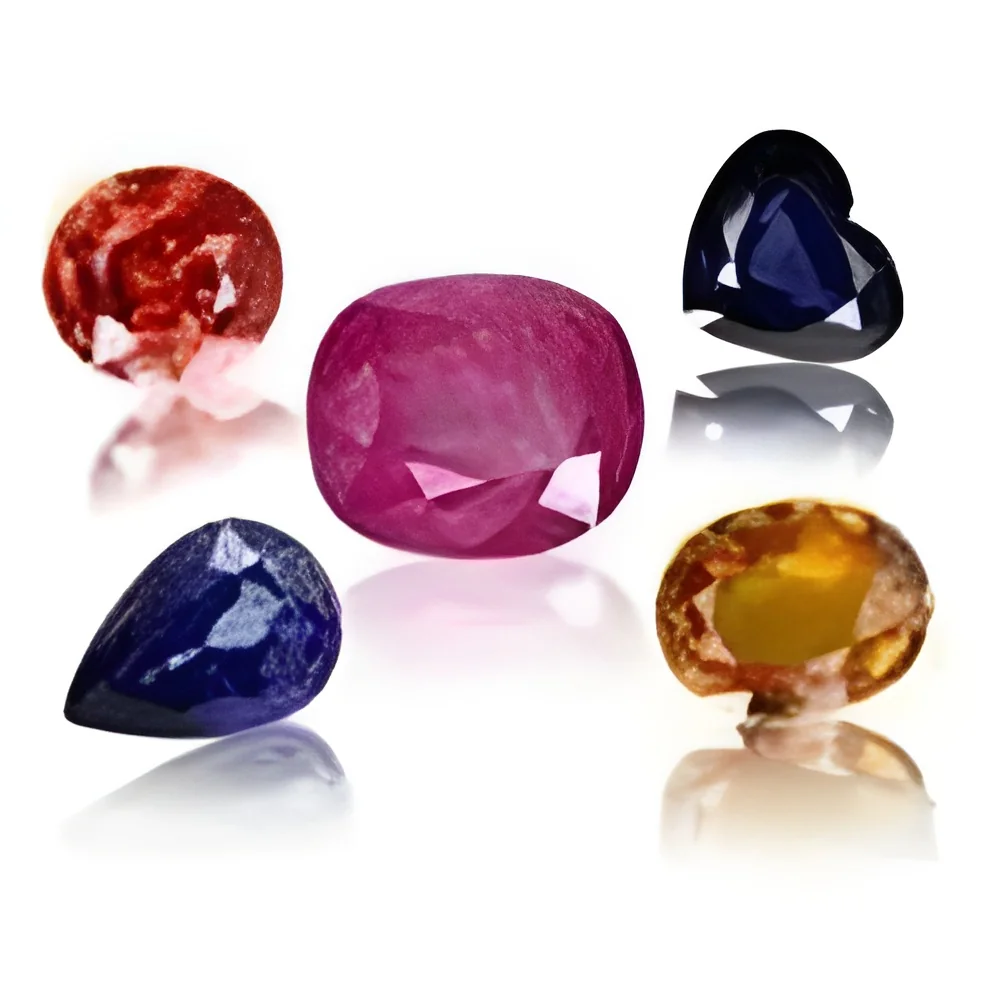
- Availability of various materials such as gold, silver, and gemstones
- Sourcing from ethical and sustainable suppliers
3. Production Capacity
- Capability to handle small to large order volumes
- Efficient processes to meet tight deadlines
4. Quality Assurance
- Adherence to quality control standards throughout the production process
- Regular inspections and testing of materials
5. Packaging Solutions
- Variety of packaging options tailored to branding needs
- Eco-friendly packaging choices available
6. Lead Times
- Typical turnaround times for production and delivery
- Flexibility to accommodate urgent orders
7. Pricing Structures
- Competitive pricing based on order volume and material choices
- Options for wholesale pricing
In summary, these specifications enable businesses to select a private label jewelry manufacturer that aligns with their operational needs and brand goals.
Common Applications and Use Cases
Private label jewelry manufacturers cater to a variety of industries, providing tailored solutions for each sector.
1. Retail Fashion: Many clothing retailers offer jewelry as part of their product lines, leveraging private label manufacturers to create complementary accessories that enhance their brand.
2. E-commerce: Online marketplaces utilize private label jewelry to provide exclusive products that attract customers looking for unique items, enhancing their competitive edge.
3. Gift Shops: Private label jewelry is often a popular choice for gift shops, where owners seek unique pieces that can be marketed as custom gifts for special occasions.
4. Corporate Gifting: Businesses often use private label jewelry for corporate gifts, allowing them to present a branded product that reflects their identity and values.
5. Special Events: Event planners may collaborate with manufacturers to create custom jewelry for weddings, anniversaries, or other celebrations, ensuring a unique experience for their clients.
6. Artisans and Craftsmen: Many artisans utilize private label manufacturers to produce their designs at scale, helping them reach a larger audience without sacrificing quality.
7. Non-Profit Organizations: Charitable organizations may partner with private label manufacturers to create jewelry as part of fundraising initiatives, offering unique products that promote their cause.
Product Variants and Subcategories
Private label jewelry manufacturers offer diverse product variants to meet varying market demands.
Classic Jewelry
This variant includes timeless designs such as stud earrings, simple necklaces, and bracelets. They appeal to customers looking for elegant pieces that can be worn on any occasion.
Fashion Jewelry
Fashion jewelry consists of trendy, statement pieces that align with contemporary styles. This variant often changes seasonally, allowing retailers to keep their offerings fresh and engaging.
Customized Jewelry
Many manufacturers provide options for personalized jewelry, where customers can select materials, engravings, and designs to create one-of-a-kind pieces that resonate with their individual style.
Benefits and Advantages
Partnering with private label jewelry manufacturers presents numerous benefits for businesses.
Key benefits include:
1. Brand Differentiation: Retailers can create unique jewelry lines that set them apart from competitors, enhancing brand identity.
2. Cost Efficiency: By outsourcing production, businesses can reduce overhead costs related to manufacturing and labor.
3. Quality Control: Many manufacturers adhere to strict quality standards, ensuring that the final products meet the required specifications.
4. Speed to Market: Private label solutions often come with quicker turnaround times, allowing businesses to launch new products rapidly.
5. Flexibility: Manufacturers can scale production to meet changing market demands, accommodating both small and large orders.
6. Access to Expertise: Retailers benefit from the knowledge and experience of manufacturers, gaining access to trends, materials, and production techniques that enhance their product lines.
Buying Guide for B2B Buyers
When sourcing private label jewelry manufacturers, several key factors should be considered to ensure a successful partnership.
1. Quality Assessment: Evaluating the quality of materials and craftsmanship is crucial. Potential buyers should request samples to assess the production standards and ensure they align with their brand's expectations.
2. Supplier Verification: It is essential to vet suppliers thoroughly. This includes checking references, reviewing past work, and confirming their reputation in the industry to ensure reliability.
3. Pricing and MOQ: Understanding the pricing structure and minimum order quantities (MOQ) is vital. Buyers should compare multiple manufacturers to find the best balance between cost and quality.
4. Delivery and Lead Times: Timely delivery is critical for maintaining inventory levels and meeting customer demand. Buyers should inquire about lead times and the manufacturer's ability to accommodate urgent requests.
5. Compliance Requirements: Ensuring that the manufacturer meets necessary regulatory and compliance standards is essential. This includes safety certifications and environmental regulations relevant to the region.
Compliance and Certifications
Private label jewelry manufacturers must adhere to relevant quality standards and certifications to ensure the safety and reliability of their products.
ISO 9001 is a widely recognized standard that outlines requirements for quality management systems. Manufacturers certified under this standard demonstrate their commitment to continuous improvement and customer satisfaction.
CE certification is another important aspect, particularly for manufacturers exporting to Europe. This certification indicates compliance with safety and health regulations, ensuring that products meet European Union standards.
In addition to these certifications, manufacturers must also meet safety and testing requirements to ensure that their jewelry is free from harmful substances and safe for consumers.
Regional compliance considerations may vary, and manufacturers should be well-versed in the regulations of the markets they serve. This ensures that all products not only comply with industry standards but also meet local laws regarding the sale of jewelry.
Why Source Private Label Jewelry Manufacturers from Pepagora?
Pepagora provides a trusted platform for sourcing private label jewelry manufacturers, offering several key advantages for businesses.
Verified Supplier Network: Pepagora has established a robust network of verified suppliers, ensuring that businesses can connect with reputable manufacturers who meet quality and compliance standards. This network helps mitigate risks associated with sourcing.
Streamlined RFQ Process: The platform features a streamlined Request for Quotation (RFQ) process, allowing buyers to easily compare multiple manufacturers and receive tailored quotes. This efficiency saves time and simplifies decision-making.
Trade Assurance and Support: Pepagora offers trade assurance, providing buyers with protection during transactions. This support ensures that businesses can invest confidently in their partnerships with manufacturers.
Regional Coverage: With a strong presence in regions such as India, the GCC, and Southeast Asia, Pepagora connects buyers with manufacturers who understand the local market dynamics. This geographic reach enhances the ability to source quality products that resonate with target audiences.

 IN
IN