
 IN
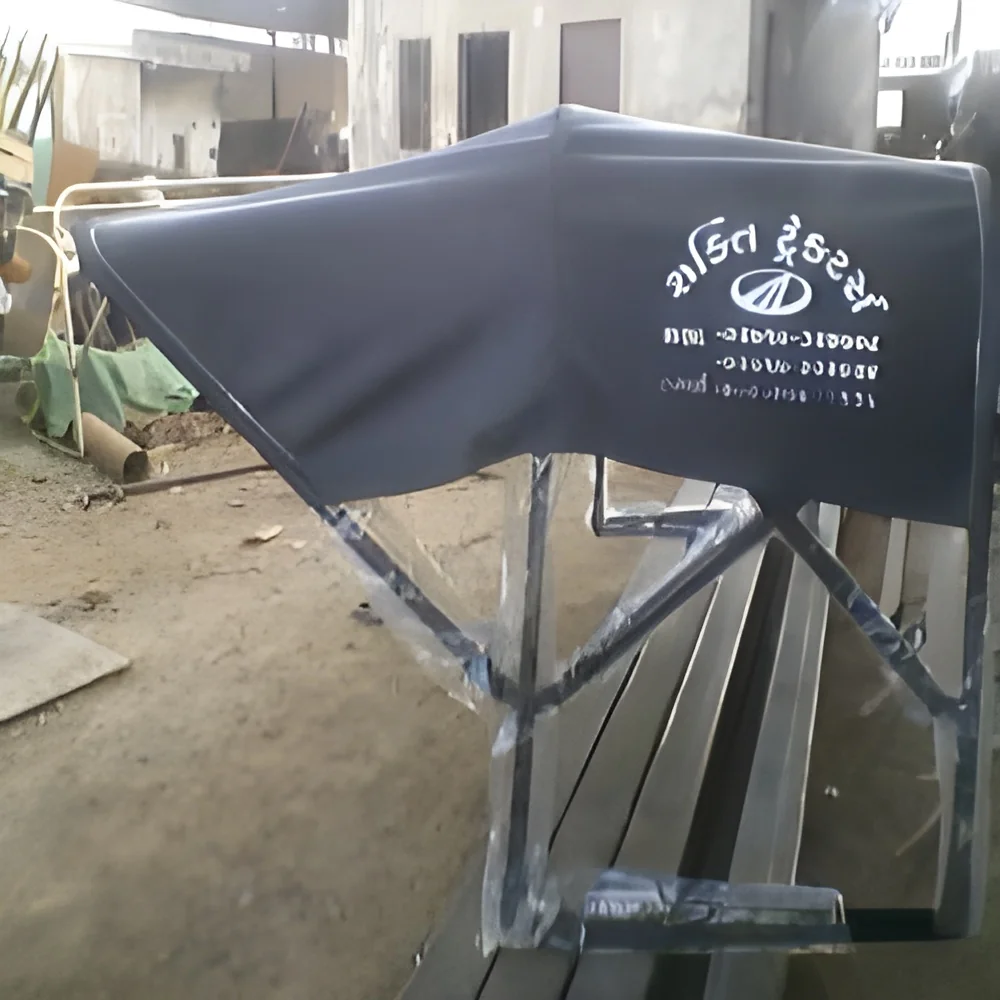
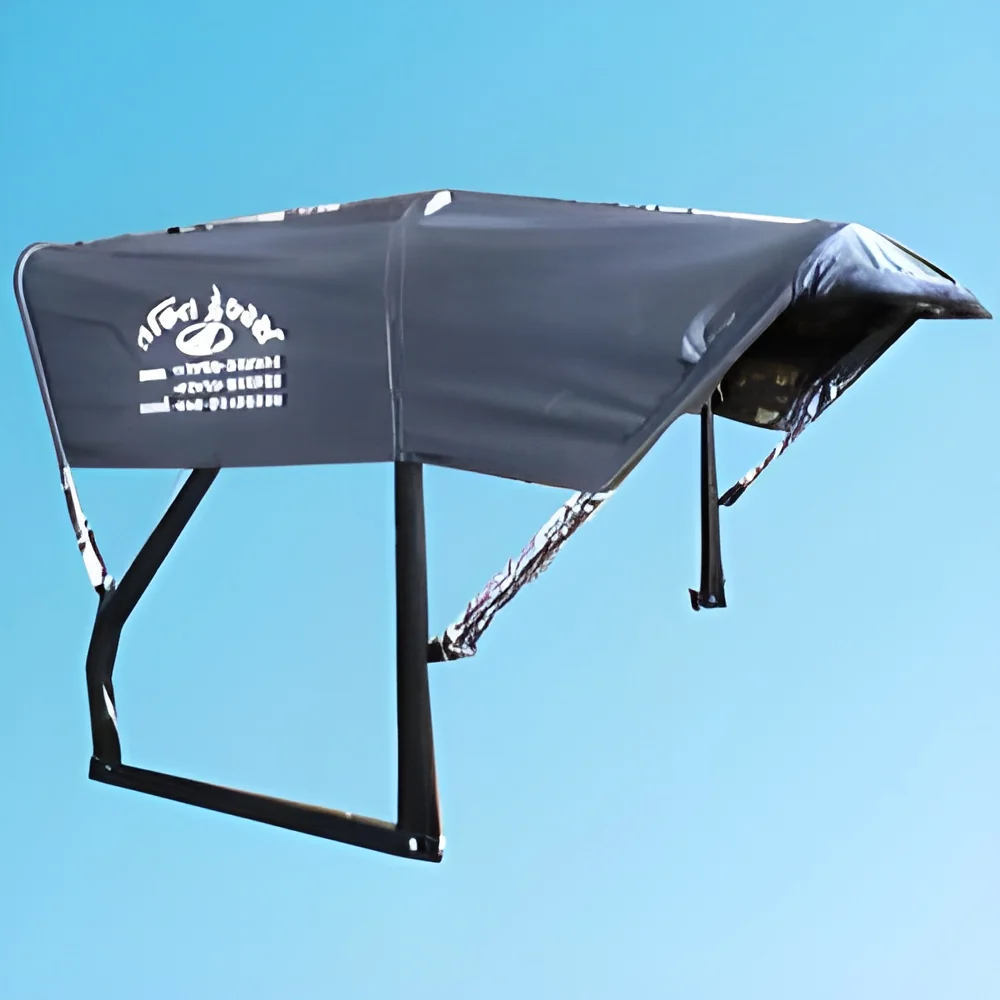
Hoods & Bonnet Panels
9 products available
What are Hoods & Bonnet Panels?
Hoods and bonnet panels are essential components in various industrial applications, primarily designed to cover and protect equipment and machinery. These panels serve as barriers against contaminants, environmental factors, and mechanical damage. Made from durable materials, they are engineered to withstand harsh conditions while providing aesthetic appeal and functionality.
The primary uses of hoods and bonnet panels include their application in manufacturing plants, automotive industries, and food processing facilities. In manufacturing, they help reduce noise pollution and protect workers from hazardous materials. In the automotive sector, these parts are vital for vehicle design and functionality, ensuring safety and efficiency. Additionally, in food processing, they contribute to maintaining hygiene standards by preventing contamination.
The relevance of hoods and bonnet panels spans multiple industries, reflecting their versatile nature. With growing demands for safety and environmental compliance, these products are increasingly being integrated into new technologies and processes. As industries evolve, the market for high-quality hoods and bonnet panels is expected to expand, driven by innovation and regulatory requirements.
Key Features and Specifications
Hoods and bonnet panels are characterized by several key features that enhance their usability and effectiveness. Understanding these specifications is crucial for selecting the right product for specific applications.
Key specifications include:
1. Material Composition
- Common materials include stainless steel, aluminum, and fiberglass.
- Each material offers distinct advantages regarding weight, durability, and resistance to corrosion.
2. Dimensional Variability
- Available in various sizes to accommodate different machinery and equipment.
- Custom dimensions can often be provided based on client specifications.
3. Surface Finish Options
- Options include polished, powder-coated, or painted finishes.
- These finishes help improve aesthetics and protect against wear and tear.
4. Weight Capacity
- Panels are designed to support various weights depending on their application.
- Specifications can range from lightweight for easy handling to heavier-duty options for robust machinery.
5. Customization Capabilities
- Many manufacturers offer customization for specific industry needs.
- This may include tailored designs or additional features such as ventilation or insulation.
6. Fire Resistance
- Certain panels are designed to be fire retardant, providing added safety in high-risk environments.
- Compliance with industry fire standards is crucial.
7. Noise Reduction Properties
- Some hoods are engineered to minimize noise levels, enhancing workplace comfort.
- This is particularly important in manufacturing and industrial settings.
8. Compliance Standards
- Panels may adhere to specific industry standards such as CE certification.
- Ensuring compliance is vital for regulatory acceptance.
The specifications of hoods and bonnet panels ensure they meet the diverse needs of various industries while adhering to safety and performance standards.
Common Applications and Use Cases
Hoods and bonnet panels find extensive applications across multiple industries, each with unique requirements and standards.
1. Automotive: In the automotive industry, hoods play a critical role in vehicle design, protecting engine components and enhancing aerodynamics.
2. Food Processing: In food manufacturing, bonnet panels are utilized to maintain hygiene by preventing airborne contaminants from entering production areas.
3. Manufacturing: Hoods are often used in manufacturing plants to shield machinery from debris and reduce noise levels for a safer work environment.
4. HVAC: In heating, ventilation, and air conditioning systems, hoods help direct airflow and protect internal components from dust and other pollutants.
5. Chemical Processing: Hoods in this sector are essential for containing hazardous materials and protecting workers from exposure.
6. Pharmaceuticals: In pharmaceutical production, bonnet panels are vital for maintaining sterile environments and preventing contamination.
7. Electronics: Hoods are utilized in electronics manufacturing to protect sensitive components from dust and moisture.
Product Variants and Subcategories
Hoods and bonnet panels are available in a variety of designs and configurations to suit different applications and preferences.
Standard Hood Panels
These panels are commonly used in automotive and industrial applications. They are designed for durability and ease of installation, offering essential protection for machinery and engine components.
Ventilated Bonnet Panels
These panels include built-in ventilation features to allow for airflow, making them ideal for applications where heat management is critical, such as in automotive engines or electrical enclosures.
Custom Fabricated Panels
Many suppliers offer custom solutions tailored to specific industry requirements. These panels can be designed in unique shapes and sizes to fit specialized machinery or equipment.
Benefits and Advantages
Choosing the right hoods and bonnet panels provides numerous benefits to businesses across various sectors.
1. Enhanced Protection: Hoods and bonnet panels safeguard machinery from environmental elements and physical damage, extending equipment life.
2. Improved Safety: By containing hazardous materials and reducing noise, these panels contribute to a safer workplace for employees.
3. Aesthetic Appeal: Hoods with attractive finishes can enhance the overall appearance of machinery and vehicles, adding value to the product.
4. Compliance Assurance: Sourcing panels that meet industry standards ensures regulatory compliance, reducing the risk of fines or shutdowns.
5. Custom Solutions: The ability to customize panels allows businesses to meet specific operational needs effectively.
6. Cost-Effectiveness: Investing in high-quality hoods and bonnet panels can lower maintenance costs by providing better protection and durability.
Buying Guide for B2B Buyers
When sourcing hoods and bonnet panels, it is essential for buyers to consider several critical factors to ensure they make informed decisions.
1. Quality Assessment: Evaluate the quality of materials and manufacturing processes. Look for certifications that indicate compliance with industry standards.
2. Supplier Verification: Conduct thorough research on potential suppliers. Check their reputation, experience, and previous client reviews to ensure reliability.
3. Pricing and MOQ: Analyze pricing structures while considering the minimum order quantity. Ensure that you are getting the best value for your investment.
4. Delivery and Lead Times: Understand the logistics involved in sourcing. Confirm delivery timelines and ensure they align with project schedules.
5. Compliance Requirements: Ensure that the products meet all necessary regulatory standards. This includes certifications like CE and adherence to safety guidelines.
Compliance and Certifications
Hoods and bonnet panels are subject to various quality standards and certifications that ensure their reliability and safety. Compliance with ISO 9001 is crucial, indicating that the manufacturing process meets international quality management standards.
Additionally, CE certification is essential for products sold in the European market, demonstrating that they meet safety, health, and environmental protection standards.
Safety and testing requirements are also critical, especially in industries dealing with hazardous materials. Panels must undergo rigorous testing to ensure they can withstand specific conditions and protect both the equipment and personnel.
Regional compliance considerations may vary, so it is essential for manufacturers and suppliers to be aware of local regulations regarding safety and environmental standards.
Why Source Hoods & Bonnet Panels from Pepagora?
Pepagora offers a trusted platform for sourcing high-quality hoods and bonnet panels with several advantages tailored for B2B buyers.
Verified Supplier Network: Pepagora has established a comprehensive network of verified suppliers, ensuring that buyers have access to reputable manufacturers. This helps mitigate risks associated with sourcing.
Streamlined RFQ Process: The platform features a simplified request for quotation process, allowing buyers to easily obtain competitive pricing and specifications from multiple suppliers. This efficiency saves time and resources.
Trade Assurance and Support: Pepagora provides trade assurance, protecting buyers from potential issues during transactions. Their support team is also available to assist with any queries or concerns.
Regional Coverage: With a presence in India, GCC, and Southeast Asia, Pepagora ensures that buyers can access hoods and bonnet panels suited for their specific regional needs, backed by local suppliers who understand the market dynamics.


 India
 India
 India

Frequently Asked Questions
What are Hoods & Bonnet Panels?
Hoods & Bonnet Panels are essential components of a vehicle's exterior, designed to cover the engine compartment. They provide protection to the engine and other components while also contributing to the vehicle's overall aesthetic.
What are the different types of Hoods & Bonnet Panels?
Different types of Hoods & Bonnet Panels include standard hoods, scoop hoods, and vented hoods. Each type serves specific purposes such as enhancing engine cooling or improving aerodynamics.
How do I choose the right Hoods & Bonnet Panels?
To choose the right Hoods & Bonnet Panels, consider factors such as the vehicle make and model, material type, and desired features. It's also important to review the quality and fitment to ensure compatibility with your vehicle.
What are the standard specifications for Hoods & Bonnet Panels?
Standard specifications for Hoods & Bonnet Panels typically include dimensions, weight, and material composition. Common materials used are steel, aluminum, and composite materials, each contributing to the panel's durability and performance.
What is the price range for Hoods & Bonnet Panels?
The price range for Hoods & Bonnet Panels can vary significantly based on the material, design, and manufacturer. Generally, prices can range from a few thousand to several tens of thousands of Indian Rupees.
What quality standards apply to Hoods & Bonnet Panels?
Quality standards for Hoods & Bonnet Panels include adherence to automotive industry regulations and certifications such as ISO and QS. These standards ensure the panels meet safety, durability, and performance criteria.
Where can I find Hoods & Bonnet Panels suppliers in India?
You can find Hoods & Bonnet Panels suppliers in India through B2B marketplaces like Pepagora.com, automotive parts distributors, and local manufacturers. It's advisable to compare multiple suppliers for quality and pricing.
Can Hoods & Bonnet Panels be customized?
Yes, Hoods & Bonnet Panels can be customized based on specific requirements such as size, design, and material. Many manufacturers offer customization options to meet the unique needs of their clients.
What is the typical minimum order quantity for Hoods & Bonnet Panels?
The typical minimum order quantity (MOQ) for Hoods & Bonnet Panels can vary among suppliers but usually ranges from 10 to 50 units. It's best to confirm the MOQ with the specific supplier you are considering.
What is the typical lead time for Hoods & Bonnet Panels?
The typical lead time for Hoods & Bonnet Panels can range from 2 to 8 weeks, depending on the supplier and whether the panels are custom-made. Factors such as order volume and production schedules can also affect delivery times.
Why Businesses Trust Pepagora
Thousands of companies trust Pepagora to source smarter and sell faster
Expand Your Sales Globally

Source Smarter,Grow Faster
