
 IN
Home Automation Controllers
2 products available
What are Home Automation Controllers?
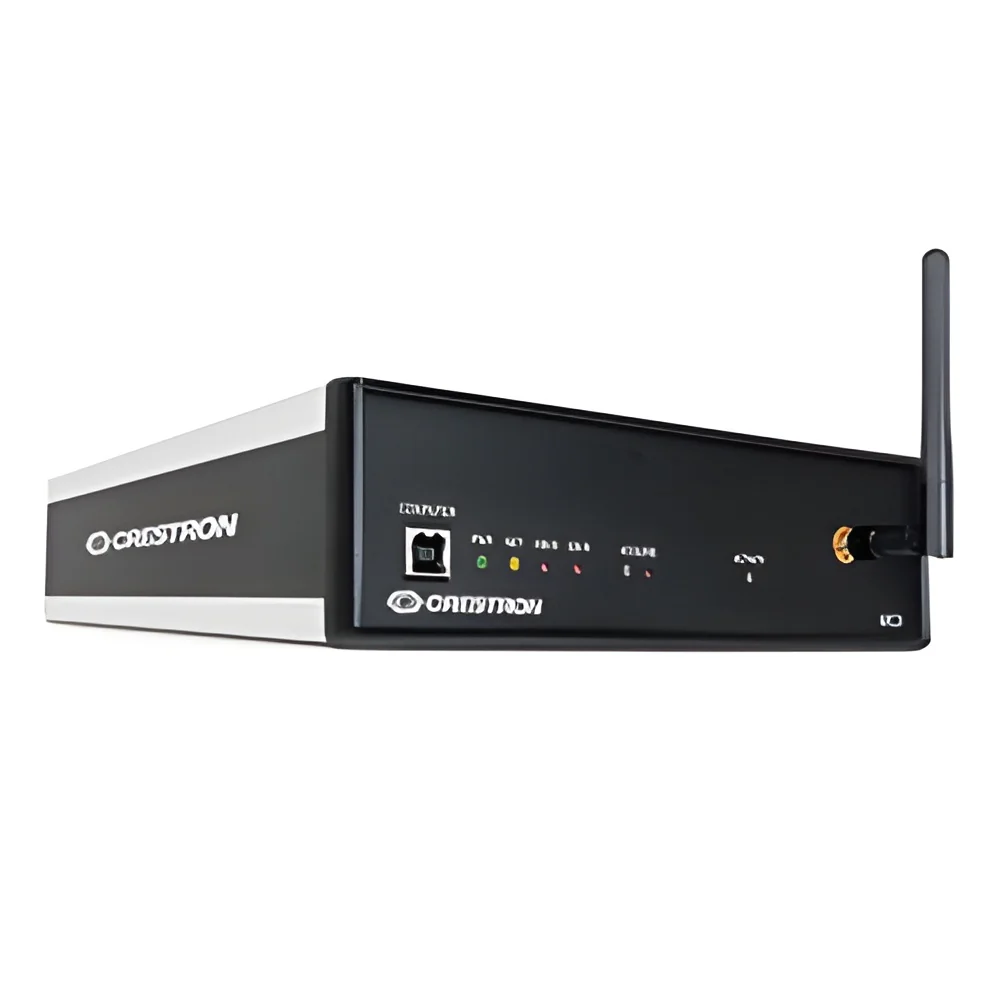
Home Automation Controllers are centralized devices that allow users to manage and automate various home systems and appliances. These controllers serve as the brain of a home automation system, enabling seamless communication between different devices such as lighting, security systems, HVAC units, and entertainment systems. By integrating these components, Home Automation Controllers enhance convenience, energy efficiency, and security for residential and commercial environments.
The primary uses of Home Automation Controllers include managing energy consumption, enhancing security through automated alerts, and providing remote access and control via smartphones or tablets. Businesses in sectors like real estate, hospitality, and facility management utilize these controllers to create smart environments that improve user experiences and operational efficiency. As the demand for smart technology grows, the market for Home Automation Controllers is expanding, with increasing innovations and features being introduced to meet consumer needs.
Key Features and Specifications
Home Automation Controllers come equipped with a variety of features and specifications that cater to diverse user requirements. These specifications ensure compatibility with multiple devices while providing robust performance for efficient management.
Key specifications include:
1. Connectivity Options
- Support for wireless protocols like Wi-Fi, Zigbee, and Z-Wave
- Allows integration with a wide range of smart devices
2. User Interface
- Intuitive mobile app or web-based interface
- Enables easy monitoring and control of connected devices
3. Compatibility
- Works with various brands and types of home automation devices
- Ensures flexibility in system design and expansion
4. Automation Capabilities
- Allows scheduling and programming of routines for devices
- Facilitates energy-saving modes and security alerts
5. Security Features
- Encryption for network communication
- Support for secure access control and monitoring
6. Energy Monitoring
- Tracks energy consumption of connected devices
- Provides insights to optimize energy usage
7. Voice Control Integration
- Compatible with voice assistants like Amazon Alexa and Google Assistant
- Offers hands-free control of devices
8. Firmware Updates
- Regular updates to enhance functionality and security
- Ensures long-term support and improvements
In summary, these specifications contribute to the versatility and efficiency of Home Automation Controllers, making them essential components of modern smart homes and businesses.
Common Applications and Use Cases
Home Automation Controllers find relevance across multiple industries, enhancing operational efficiency and user experience.
1. Residential Homes: Homeowners use controllers to manage lighting, security, and HVAC systems, providing convenience and energy savings.
2. Hospitality: Hotels and resorts implement these controllers to automate room settings, manage energy consumption, and enhance guest experiences.
3. Commercial Buildings: Offices utilize controllers for efficient lighting and HVAC management, improving employee comfort and reducing operational costs.
4. Retail Stores: Retailers employ automation to control lighting and security systems, creating a safer shopping environment while optimizing energy use.
5. Healthcare Facilities: Hospitals and clinics use automation to manage lighting and security, ensuring patient safety and comfort.
6. Educational Institutions: Schools and universities integrate controllers to manage energy use in classrooms and common areas for cost efficiency.
7. Industrial Facilities: Factories leverage automation to monitor equipment and control environmental factors, enhancing operational productivity.
Product Variants and Subcategories
Home Automation Controllers come in various designs and functionalities to meet diverse user needs.
Smart Hub
This variant serves as a central point for connecting multiple devices, supporting various protocols and providing a user-friendly interface for seamless control.
Wi-Fi Enabled Controller
Designed for easy installation, this variant connects directly to the internet, allowing remote access and control from anywhere via mobile devices.
Zigbee-Compatible Controller
Focused on energy efficiency, this variant connects Zigbee-enabled devices, providing robust automation features while minimizing energy consumption.
Voice-Controlled Hub
This variant integrates with popular voice assistants, enabling users to control their home systems through voice commands for enhanced convenience.
Benefits and Advantages
Home Automation Controllers offer numerous benefits that enhance user experience and operational efficiency.
1. Increased Convenience: Users can control multiple devices through a single interface, simplifying management.
2. Enhanced Security: Automation allows for real-time monitoring and alerts, ensuring safety while users are away.
3. Energy Efficiency: Smart scheduling and monitoring features help reduce energy consumption, leading to cost savings.
4. Customization Options: Users can tailor automation settings to fit their lifestyle or business needs, ensuring optimal performance.
5. Remote Access: Homeowners and business managers can control systems from anywhere, providing flexibility and peace of mind.
6. Scalability: As new devices are developed, users can easily integrate them into their existing systems, future-proofing their investments.
Buying Guide for B2B Buyers
When sourcing Home Automation Controllers, it is essential for B2B buyers to consider several critical factors to ensure they make informed decisions.
1. Quality Assessment: Evaluate the quality of the controllers based on user reviews, performance metrics, and brand reputation. High-quality components ensure reliability and longevity.
2. Supplier Verification: Conduct thorough research on suppliers to confirm their credentials and track record. This includes checking for references, certifications, and customer testimonials.
3. Pricing and MOQ: Understand the cost structure and minimum order quantities. Compare prices across different suppliers while considering the features offered to find the best value.
4. Delivery and Lead Times: Discuss logistics and timelines with suppliers. Ensure they can meet your delivery requirements to avoid disruptions in operations.
5. Compliance Requirements: Investigate any regulatory standards that may apply to Home Automation Controllers in your industry. Compliance with safety and quality standards is crucial for operational integrity.
Compliance and Certifications
Home Automation Controllers must adhere to various compliance and certification standards to ensure product quality and safety. Commonly recognized standards include ISO 9001, which focuses on quality management systems, ensuring consistent quality in manufacturing processes. Additionally, CE certification indicates that products meet EU safety, health, and environmental protection requirements.
Safety and testing requirements are critical, as they ensure that the devices operate reliably under various conditions. Compliance considerations may vary by region, necessitating a thorough understanding of local regulations and standards to ensure that products are suitable for market entry.
Why Source Home Automation Controllers from Pepagora?
Pepagora provides a trusted platform for sourcing Home Automation Controllers, featuring several key advantages for buyers.
Verified Supplier Network: Pepagora ensures that all suppliers undergo a rigorous verification process. This guarantees access to reliable manufacturers and distributors, reducing the risk of substandard products.
Streamlined RFQ Process: The platform simplifies the request for quotation process, enabling buyers to efficiently compare offers from multiple suppliers. This transparency helps in making informed purchasing decisions.
Trade Assurance and Support: Pepagora offers trade assurance services that protect buyers against potential issues such as product quality or delivery delays. This support fosters confidence in sourcing decisions.
Regional Coverage: With a strong presence in India, the GCC, and Southeast Asia, Pepagora connects buyers with local suppliers, facilitating easier access to Home Automation Controllers tailored to specific market needs.

 India
Frequently Asked Questions
What are Home Automation Controllers?
Home Automation Controllers are devices that enable users to manage and automate various functions within a smart home environment. They serve as the central hub for connecting and controlling smart devices, such as lights, thermostats, security systems, and appliances.
What are the different types of Home Automation Controllers?
There are several types of Home Automation Controllers, including centralized controllers, which manage multiple devices from a single point, and distributed controllers, which operate independently across different devices. Additionally, some controllers are designed to be app-based, while others may include physical interfaces or voice control capabilities.
How do I choose the right Home Automation Controllers?
When selecting Home Automation Controllers, consider factors such as compatibility with existing devices, ease of use, and the range of features offered. It's also important to assess the scalability of the system and whether it can accommodate future expansions in your home automation setup.
What are the standard specifications for Home Automation Controllers?
Standard specifications for Home Automation Controllers typically include connectivity options such as Wi-Fi, Zigbee, or Z-Wave, processing power, memory capacity, and support for various protocols. Additionally, some controllers may offer features like remote access, mobile app integration, and compatibility with voice assistants.
What is the price range for Home Automation Controllers?
The price range for Home Automation Controllers can vary widely depending on the brand, features, and specifications. On average, prices can range from around INR 5,000 to INR 30,000 or more for advanced models with extensive capabilities.
What quality standards apply to Home Automation Controllers?
Home Automation Controllers are generally subject to quality standards such as ISO certification and compliance with safety regulations like CE or FCC. These standards ensure that the products are reliable, safe to use, and meet the performance expectations set by manufacturers.
Where can I find Home Automation Controllers suppliers in India?
You can find Home Automation Controllers suppliers in India through various online B2B marketplaces, trade shows, and industry directories. Websites like Pepagora.com offer a platform to connect with reputable manufacturers and suppliers in the home automation sector.
Can Home Automation Controllers be customized?
Yes, many suppliers offer customization options for Home Automation Controllers to meet specific user requirements. Customization may include features like tailored software interfaces, specific connectivity options, or unique design elements.
What is the typical minimum order quantity for Home Automation Controllers?
The typical minimum order quantity (MOQ) for Home Automation Controllers can vary by manufacturer but is often set between 50 to 100 units. It's advisable to check with specific suppliers for their MOQ policies.
What is the typical lead time for Home Automation Controllers?
The typical lead time for Home Automation Controllers can range from a few weeks to several months, depending on factors such as the manufacturer’s production capacity and whether the order involves customization. Always confirm lead times with suppliers before placing an order.
Why Businesses Trust Pepagora
Thousands of companies trust Pepagora to source smarter and sell faster
Expand Your Sales Globally

Source Smarter,Grow Faster
