
 IN
Hinges & Latches
3 products available
What are Hinges & Latches?
Hinges and latches are mechanical devices that play a crucial role in enabling movement and securing doors, gates, and other access points. Hinges allow for the pivoting motion of a door or panel, permitting it to open and close smoothly. Latches, on the other hand, are fastening devices used to hold doors or gates in a closed position, providing security and stability. Together, these components are essential for various applications across multiple industries.
The primary uses of hinges and latches are found in construction, manufacturing, automotive, and furniture sectors. They are integral to installations such as doors, cabinets, and equipment access points. Businesses rely on these components for functionality, safety, and convenience. In the context of the industrial market, the demand for high-quality hinges and latches is significant as they contribute to overall product durability and performance.
Industries are increasingly focused on the quality and reliability of these products, as they form the backbone of many operational processes. The market for hinges and latches continues to evolve, driven by innovation and a growing emphasis on compliance and safety standards. As businesses seek to enhance their products and services, the importance of sourcing the right hinges and latches cannot be overstated.
Key Features and Specifications
Hinges and latches come with various features and specifications that cater to specific applications. Understanding these specifications is vital for selecting the right products for your needs.
Key specifications include:
1. Material Composition
- Typically made from steel, stainless steel, aluminum, or plastic
- Each material offers different levels of strength, corrosion resistance, and weight
2. Load Capacity
- Varies based on the design and material
- Can support weights ranging from light-duty (up to 50 lbs) to heavy-duty (up to several hundred lbs)
3. Size and Dimensions
- Available in various sizes to fit different applications
- Common dimensions include hinge widths and lengths, as well as latch sizes
4. Finish Options
- Common finishes include powder coating, anodizing, and galvanization
- These finishes provide aesthetic appeal and protect against environmental factors
5. Operating Angle
- Hinges generally allow for a 90 to 180-degree opening range
- Specific designs may offer more specialized angles for unique applications
6. Security Features
- Some latches include locking mechanisms for added security
- Features may include deadbolts or key-operated systems
7. Environmental Resistance
- Certain hinges and latches are designed for outdoor use with enhanced weather resistance
- Materials may feature UV protection or rust-proof coatings
8. Compliance Standards
- Many products adhere to industry standards, such as CE certification
- Compliance ensures quality and safety in manufacturing
In summary, hinges and latches are characterized by a variety of specifications that determine their suitability for different applications. Understanding these features helps businesses make informed purchasing decisions.
Common Applications and Use Cases
Hinges and latches serve various industries, each with specific applications that highlight their versatility and importance.
1. Construction: Hinges and latches are commonly used in building doors and gates, ensuring secure and functional access points. They are crucial for both residential and commercial projects.
2. Manufacturing: In manufacturing plants, these components secure equipment access doors and panels, allowing for maintenance while ensuring safety during operations.
3. Automotive: Hinges and latches are integral to vehicle doors, hoods, and trunks, providing secure closures and enabling smooth operation.
4. Furniture: In the furniture industry, hinges and latches are used in cabinets, desks, and other pieces to enhance functionality and aesthetics.
5. Aerospace: Specialized hinges and latches are essential in aircraft for securing compartments and ensuring safety during flight.
6. Marine: In marine applications, corrosion-resistant hinges and latches are used for boat hatches and doors, ensuring reliability in harsh environments.
7. Electrical: These components are utilized in electrical enclosures, providing secure access while protecting sensitive equipment.
Product Variants and Subcategories
Hinges and latches come in various types to meet specific needs across different applications.
Continuous Hinges
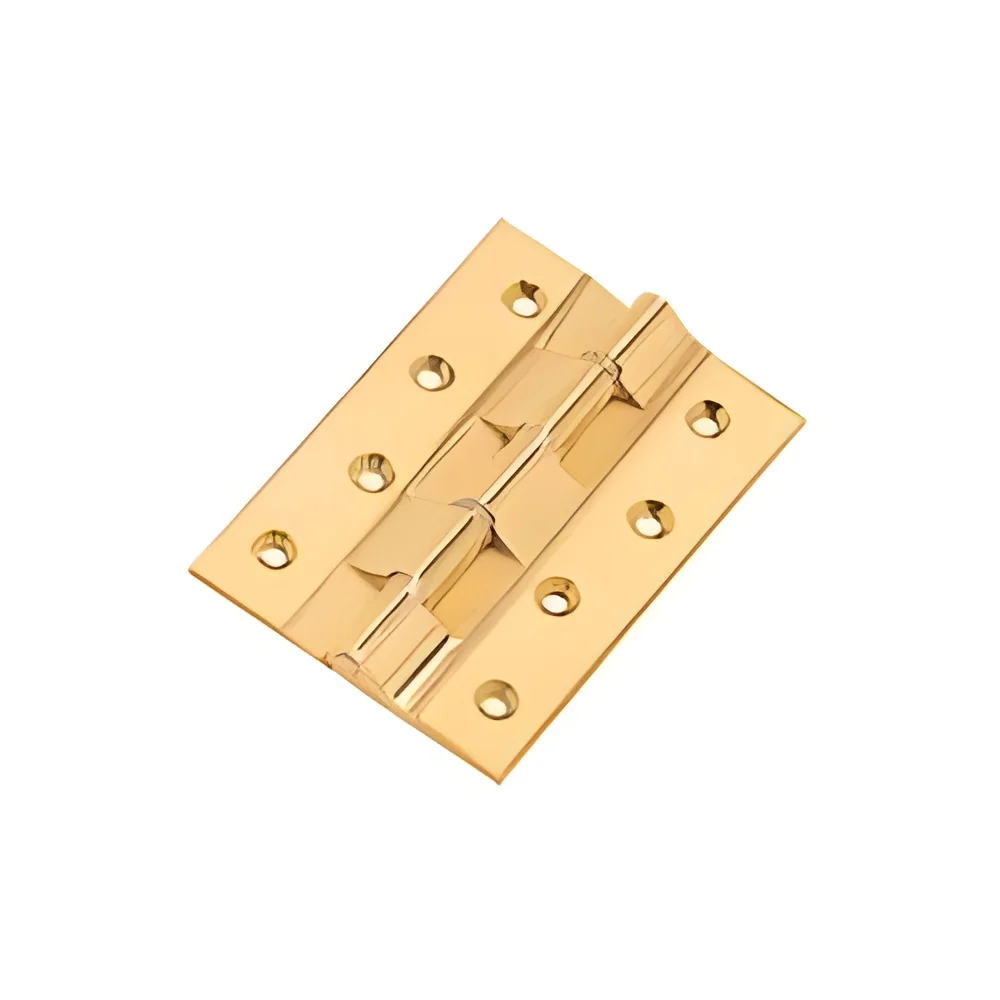
Also known as piano hinges, these provide a long, continuous pivot point along the entire length of the door. They are ideal for heavy doors and applications requiring even weight distribution.
Self-Closing Hinges
These hinges automatically close the door after it is opened, commonly used in applications where security and convenience are paramount, such as in commercial kitchens.
Adjustable Hinges
These allow for adjustments after installation, making it easier to align doors and panels. They are often used in cabinetry and furniture where precise alignment is necessary.
Slide Bolts
A type of latch that slides into a catch to secure doors or gates. They are used in both residential and commercial settings for added security.
Spring Latches
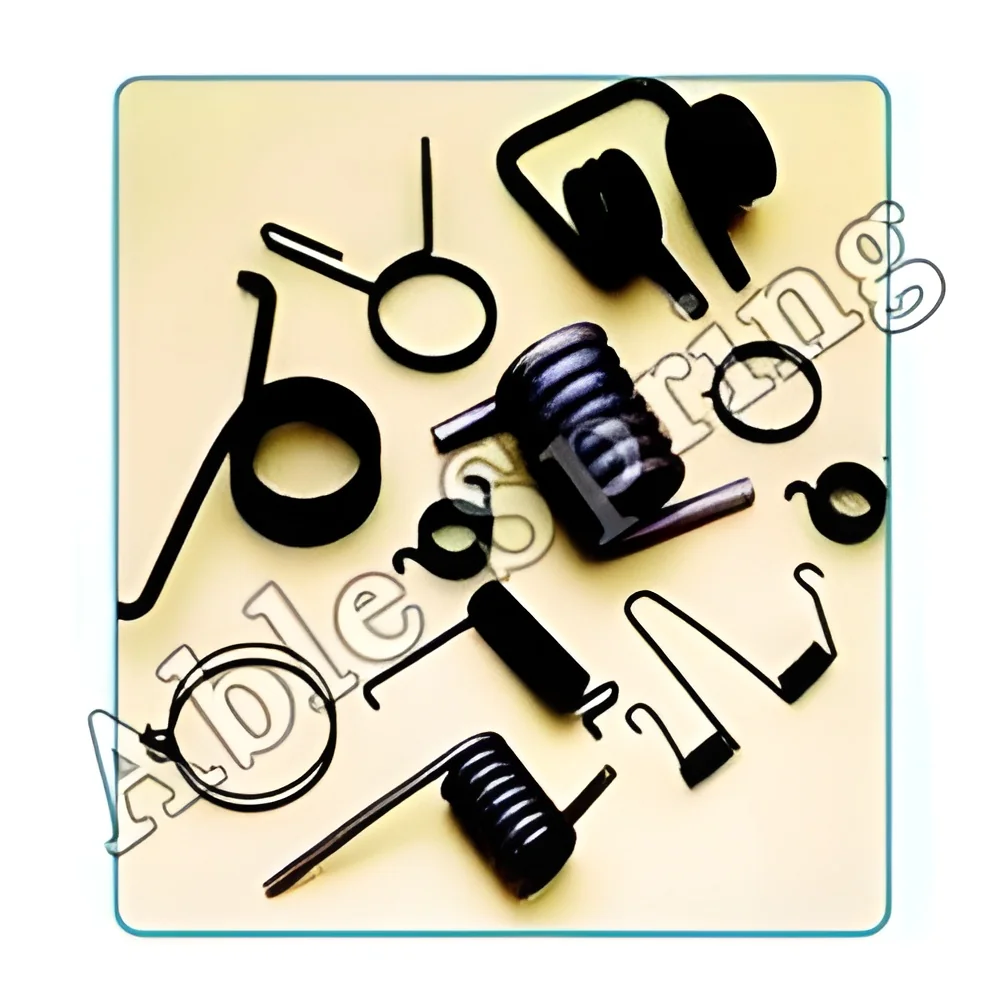
These latches use a spring mechanism to hold doors closed and are easy to operate. They are commonly found in lightweight applications, such as cabinets and storage units.
Benefits and Advantages
Investing in high-quality hinges and latches offers several key benefits that enhance operational efficiency and security.
1. Durability: Quality hinges and latches are engineered to withstand wear and tear, ensuring longevity and reducing the need for frequent replacements.
2. Enhanced Security: Reliable latches provide an added layer of security, protecting assets and ensuring safe access to restricted areas.
3. Improved Functionality: Well-designed hinges facilitate smooth operation, making it easier to open and close doors or panels.
4. Cost-Effectiveness: Investing in durable products reduces maintenance costs over time, making them a wise choice for businesses.
5. Versatility: A wide range of designs and materials allows for customization, ensuring that businesses can find the right fit for their specific applications.
6. Compliance Assurance: Sourcing hinges and latches that meet industry standards ensures that products are safe and reliable, fostering trust with customers.
Buying Guide for B2B Buyers
When sourcing hinges and latches, buyers should consider several important factors to ensure they make the right choice for their business needs.
1. Quality Assessment: Evaluate the material composition and construction quality to ensure durability and performance in intended applications.
2. Supplier Verification: Vet suppliers to confirm their reputation, reliability, and compliance with industry standards, ensuring a trustworthy partnership.
3. Pricing and MOQ: Determine the cost of products and the minimum order quantities to ensure budget alignment and inventory management.
4. Delivery and Lead Times: Assess logistics capabilities and lead times to ensure timely delivery and avoid disruptions in operations.
5. Compliance Requirements: Understand any regulatory or compliance needs specific to your industry, ensuring that sourced products meet necessary standards.
Compliance and Certifications
Compliance and certifications play a significant role in the reliability and safety of hinges and latches. Products often adhere to relevant quality standards, such as ISO 9001, which ensures consistent quality management practices. Additionally, certifications like CE indicate that products meet European safety standards, enhancing their marketability.
Safety and testing requirements are crucial, particularly in industries like construction and manufacturing, where failures can lead to significant risks. Compliance with local and international regulations ensures that products are safe for use and align with industry best practices.
Regional compliance considerations may vary, and businesses should stay informed of the specific regulations applicable to their geographic area. This diligence helps mitigate risks and enhances product credibility in the market.
Why Source Hinges & Latches from Pepagora?
Pepagora provides a trusted platform for sourcing hinges and latches, offering several key advantages that benefit B2B buyers.
Verified Supplier Network: Pepagora ensures that all suppliers are thoroughly vetted, providing businesses with peace of mind regarding product quality and supplier reliability. This network connects buyers with reputable manufacturers, streamlining the sourcing process.
Streamlined RFQ Process: The platform features an efficient Request for Quotation (RFQ) system, allowing buyers to receive competitive quotes quickly. This streamlined approach saves time and resources, enabling businesses to focus on their core operations.
Trade Assurance and Support: Pepagora offers buyer protection through trade assurance programs, ensuring that transactions are secure and that buyers receive the products as promised. This commitment to support fosters trust within the sourcing process.
Regional Coverage: With a strong presence in India, the GCC, and Southeast Asia, Pepagora has extensive geographic reach, facilitating connections with suppliers across key markets. This coverage ensures that buyers can access a diverse range of products tailored to their needs.

 India
 India
 India
Frequently Asked Questions
What are Hinges & Latches?
Hinges and latches are mechanical devices used to connect two objects, typically allowing for the controlled movement of one relative to the other. Hinges are designed for rotation, while latches provide a locking mechanism to secure the objects in place.
What are the different types of Hinges & Latches?
There are several types of hinges, including butt hinges, continuous hinges, and piano hinges. Latches come in various forms such as sliding latches, barrel bolts, and padlocks, each serving specific functions based on security and accessibility requirements.
How do I choose the right Hinges & Latches?
Selecting the right hinges and latches involves considering factors such as the weight and size of the door or gate, the material compatibility, and the intended use. Additionally, assessing the environment where they will be installed can influence your choice based on durability and corrosion resistance.
What are the standard specifications for Hinges & Latches?
Standard specifications for hinges and latches include dimensions, load capacity, material type, and finish. Manufacturers often provide detailed specifications that adhere to industry standards to ensure compatibility and performance.
What is the price range for Hinges & Latches?
The price range for hinges and latches can vary significantly based on the type, material, and brand. Generally, prices can start from a few rupees for basic models and can go up to several hundred rupees for heavy-duty or specialized options.
What quality standards apply to Hinges & Latches?
Hinges and latches are often manufactured according to international quality standards such as ISO, ASTM, or specific local standards. Compliance with these standards ensures that the products meet safety, durability, and performance criteria.
Where can I find Hinges & Latches suppliers in India?
You can find hinges and latches suppliers in India through various online marketplaces, trade directories, and industry exhibitions. Websites like Pepagora.com provide a platform to connect with reputed manufacturers and suppliers in this domain.
Can Hinges & Latches be customized?
Yes, many manufacturers offer customization options for hinges and latches to meet specific requirements. Customization may include size, finish, or functional modifications depending on the buyer's needs.
What is the typical minimum order quantity for Hinges & Latches?
The minimum order quantity (MOQ) for hinges and latches can vary by supplier, but it typically ranges from 50 to 100 units. Some suppliers may offer flexibility in MOQs for custom orders or samples.
What is the typical lead time for Hinges & Latches?
The typical lead time for hinges and latches can range from a few days to several weeks, depending on factors such as order quantity, customization, and supplier location. It is advisable to confirm lead times with the supplier before placing an order.
Why Businesses Trust Pepagora
Thousands of companies trust Pepagora to source smarter and sell faster
Expand Your Sales Globally

Source Smarter,Grow Faster
