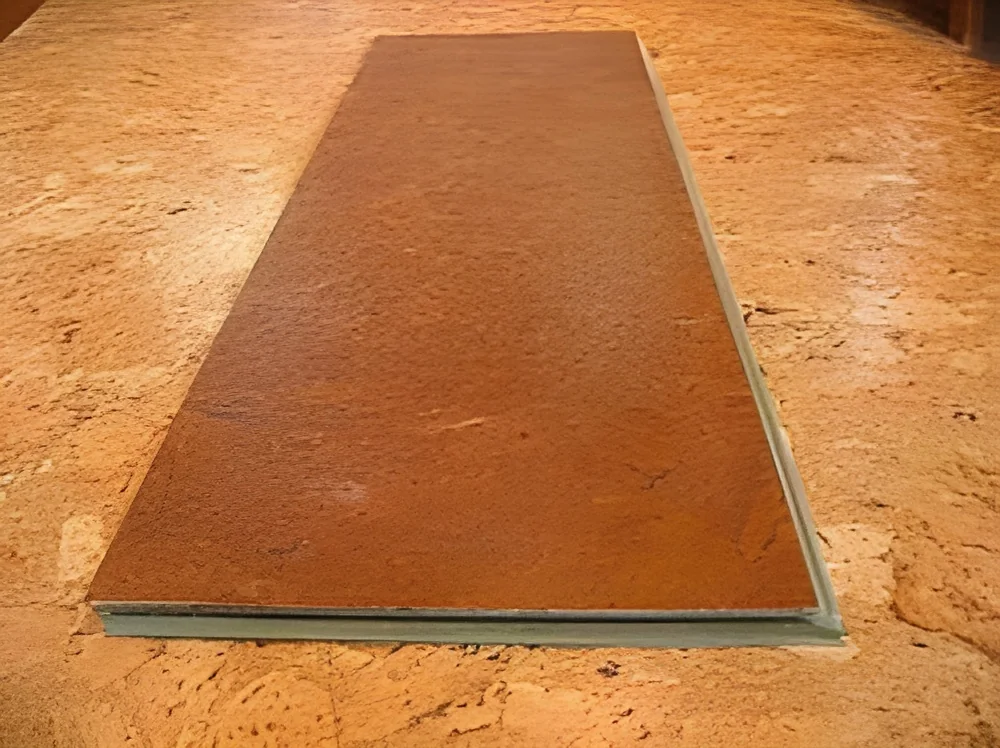
Key Features and Specifications
High-Density Fibreboard (HDF) offers a range of features that make it a popular choice in various industries. Its combination of strength, durability, and aesthetic appeal makes it suitable for diverse applications. Understanding the specifications of HDF is essential for businesses looking to make informed purchasing decisions.
Key specifications include:
1. Density
- HDF typically has a density range of 800 to 1,200 kg/m3.
- This density provides strength and durability, making it suitable for heavy loads.
2. Thickness
- Common thicknesses range from 6 mm to 25 mm.
- Thicker boards offer enhanced stability and are ideal for flooring applications.
3. Surface Finish
- HDF can be produced with a variety of surface finishes, including smooth, textured, or laminated.
- The finish affects both aesthetics and performance, such as resistance to scratches.
4. Moisture Resistance
- Depending on the formulation, HDF can be treated for moisture resistance.
- This feature is crucial for applications in humid environments.
5. Fire Rating
- HDF can achieve varying fire ratings based on the additives used in production.
- This makes it suitable for use in fire-sensitive applications.
6. Formaldehyde Emission Levels
- HDF is available in low-emission options that comply with strict environmental regulations.
- This is important for indoor air quality and regulatory compliance.
7. Acoustic Properties
- HDF provides sound insulation benefits, making it ideal for flooring and wall applications.
- Its density helps in reducing noise transmission.
8. Sustainability Certifications
- Many HDF products come with certifications such as CE, ensuring compliance with European safety standards.
- This is important for businesses looking for environmentally friendly materials.
In summary, understanding the key features and specifications of High-Density Fibreboard (HDF) enables businesses to select the right product for their specific needs, ensuring quality and performance.
Common Applications and Use Cases
High-Density Fibreboard (HDF) is utilized across multiple industries due to its versatile properties and cost-effectiveness. Its applications range from construction to furniture manufacturing.
1. Flooring: HDF is widely used in laminate flooring due to its durability and ability to mimic hardwood appearances. It provides a stable and attractive surface.
2. Furniture: Manufacturers use HDF to create various types of furniture, including cabinets, tables, and shelves. Its strength allows for intricate designs and functional pieces.
3. Wall Paneling: HDF is used for wall panels and decorative surfaces, offering aesthetic appeal and easy maintenance.
4. Soundproofing: In acoustic applications, HDF contributes to sound insulation in commercial spaces, improving overall acoustics.
5. Packaging: HDF can also serve in packaging applications, offering a lightweight yet sturdy option for protecting goods.
6. Automotive: Some automotive parts utilize HDF for interior components due to its lightweight and durable nature.
7. Decorative Items: HDF is employed in crafting decorative items, including art pieces and ornaments, capitalizing on its finish and versatility.
Product Variants and Subcategories
High-Density Fibreboard (HDF) comes in various forms to meet specific customer needs. This diversity allows businesses to select the most appropriate variant for their applications.
Standard HDF
This is the most common variant, widely used in flooring and furniture. It combines strength with affordability, making it an ideal choice for many manufacturers.
Moisture-Resistant HDF
This variant is specially treated to withstand humid environments, making it suitable for bathrooms and kitchens. Its durability ensures longevity in challenging conditions.
Acoustic HDF
Designed for soundproofing applications, this variant features enhanced density and sound-absorbing properties. It is ideal for use in commercial spaces where noise reduction is essential.
Fire-Rated HDF
This variant is treated with fire-resistant materials, complying with safety regulations. It is suitable for use in commercial and residential buildings where fire safety is a concern.
Benefits and Advantages
High-Density Fibreboard (HDF) offers numerous benefits that make it a preferred choice for businesses across various sectors. Its combination of performance and practicality enhances operational efficiency.
Key benefits include:
1. Cost-Effectiveness: HDF provides a budget-friendly alternative to solid wood products without compromising on quality or appearance.
2. Versatility: HDF can be used in multiple applications, from flooring to furniture, making it a flexible choice for manufacturers.
3. Eco-Friendly: HDF is made from recycled wood fibers, contributing to sustainability and reducing waste in the environment.
4. Easy to Work With: HDF can be easily cut, shaped, and finished, allowing manufacturers to create customized products.
5. Aesthetic Appeal: The smooth surface of HDF allows for various finishes, enabling manufacturers to produce visually appealing items.
6. Durability: HDF is resistant to moisture, scratches, and impacts, ensuring longevity in high-traffic areas.
Buying Guide for B2B Buyers
When sourcing High-Density Fibreboard (HDF), it is crucial for businesses to consider several important factors to ensure they make the right purchasing decisions.
1. Quality Assessment: Evaluate the quality of HDF by checking its density, surface finish, and moisture resistance. High-quality materials will enhance the final product's durability and performance.
2. Supplier Verification: It is essential to vet suppliers for reliability and reputation. Look for certifications and customer reviews to ensure they meet industry standards.
3. Pricing and MOQ: Understand the pricing structures and minimum order quantities (MOQ) before making a purchase. This helps in budgeting and inventory planning.
4. Delivery and Lead Times: Consider the logistics involved in delivery. Ensure that suppliers can meet your timeline to avoid project delays.
5. Compliance Requirements: Verify that the HDF meets local and international compliance standards. This includes checking for certifications like CE to ensure safety and quality.
Compliance and Certifications
High-Density Fibreboard (HDF) is subject to various quality standards and compliance requirements that ensure its safety and performance in industrial applications.
Relevant quality standards include ISO 9001, which focuses on quality management systems, ensuring that manufacturers maintain consistent quality in their products. Additionally, Hazard Analysis Critical Control Point (HACCP) principles can apply in specific contexts where food safety is a concern.
HDF products are often certified with CE markings, indicating compliance with European safety regulations. This certification assures buyers of the product's safety, performance, and environmental impact.
Safety and testing requirements are critical in the production of HDF, with manufacturers adhering to regulations that ensure the board’s structural integrity and suitability for various applications.
Regional compliance considerations may vary, with local regulations dictating specific standards for emissions and material safety. Businesses must stay informed about these requirements to ensure compliance in their respective markets.
Why Source High-Density Fibreboard (HDF) from Pepagora?
Pepagora provides a trusted platform for sourcing High-Density Fibreboard (HDF) with several key advantages that benefit B2B buyers.
Verified Supplier Network: Pepagora connects buyers with a network of verified suppliers, ensuring that businesses can source high-quality HDF products from reputable manufacturers. This network enhances trust and reliability in the sourcing process.
Streamlined RFQ Process: The platform offers a streamlined request for quotation (RFQ) process, making it easy for buyers to receive competitive pricing and terms from multiple suppliers. This efficiency helps businesses make informed purchasing decisions quickly.
Trade Assurance and Support: Pepagora provides trade assurance and support services to protect buyers throughout the purchasing process. This includes assistance with disputes and ensuring that transactions are secure.
Regional Coverage: With a strong presence in India, the GCC, and Southeast Asia, Pepagora offers geographic reach that enables businesses to source HDF products across multiple regions. This broad coverage ensures that buyers can find suitable suppliers no matter their location.

 IN
IN