
 IN
Heart-Healthy Foods
3 products available
What are Heart-Healthy Foods?
Heart-healthy foods are nutritional options that support cardiovascular health by promoting healthy cholesterol levels, reducing inflammation, and maintaining optimal blood pressure. These foods are typically rich in essential nutrients such as fiber, vitamins, and healthy fats, while being low in saturated fats, trans fats, and added sugars. Common examples include fruits, vegetables, whole grains, nuts, seeds, and fatty fish.
The primary uses of heart-healthy foods extend across various sectors, including food service, healthcare, and wellness industries. Businesses in these sectors often incorporate these foods into meal plans, dietary programs, and product offerings aimed at improving health outcomes for consumers. With a growing focus on health and wellness, heart-healthy foods are increasingly sought after in retail markets and restaurants.
As health awareness rises globally, the market for heart-healthy foods is expanding significantly. Consumers are becoming more informed about the importance of diet in preventing heart disease, prompting businesses to adapt their product lines. This trend is evident in the food processing and distribution industries, where demand for heart-healthy ingredients is driving innovation and growth.
Key Features and Specifications
Heart-healthy foods encompass a wide range of products designed to meet specific dietary needs. These features are essential for ensuring that the foods contribute effectively to cardiovascular health.
Key specifications include:
1. Nutritional Content
- Rich in fiber, vitamins, and minerals
- Low in saturated fats and added sugars
2. Ingredient Source
- Whole food sources preferred over processed options
- Emphasis on organic and non-GMO ingredients
3. Shelf Life
- Varies by product type, typically ranging from several months to years
- Preservation methods may include vacuum sealing or refrigeration
4. Allergen Information
- Clear labeling of common allergens such as nuts, gluten, and dairy
- Options available for allergen-free diets
5. Packaging Standards
- Eco-friendly packaging materials preferred
- Compliance with food safety regulations
6. Flavor Profiles
- Variety of flavors to cater to consumer preferences
- Options for savory, sweet, and spicy variants
7. Serving Size Recommendations
- Clearly defined serving sizes for health claims
- Nutritional guidance provided for portion control
8. Compliance with Regulations
- Adherence to food safety standards and labeling requirements
- Certifications from recognized health organizations
In summary, the specifications of heart-healthy foods are designed to ensure they meet the dietary needs of consumers while adhering to safety and quality standards.
Common Applications and Use Cases
Heart-healthy foods find applications in various sectors that prioritize health and wellness.
1. Food Service: Restaurants and catering services often include heart-healthy options in their menus to attract health-conscious customers. This includes salads, whole grain dishes, and lean protein options.
2. Healthcare: Hospitals and wellness centers provide heart-healthy meal plans for patients and residents, focusing on foods that support recovery and overall heart health.
3. Retail: Grocery stores and health food shops showcase heart-healthy products, including snacks, cereals, and frozen meals, promoting healthier eating habits among consumers.
4. Meal Prep Services: Companies offering meal prep solutions incorporate heart-healthy ingredients to create balanced meals for busy individuals looking to maintain a healthy lifestyle.
5. Fitness Centers: Gyms and fitness studios often sell heart-healthy snacks and supplements, catering to members focused on maintaining cardiovascular fitness.
6. Corporate Wellness Programs: Businesses implement heart-healthy food options in their cafeterias to support employee health and productivity, aligning with wellness initiatives.
7. Nutrition Education: Schools and community programs use heart-healthy foods in educational campaigns to teach children and families about healthy eating habits.
Product Variants and Subcategories
Heart-healthy foods come in various forms to cater to diverse consumer preferences and dietary needs.
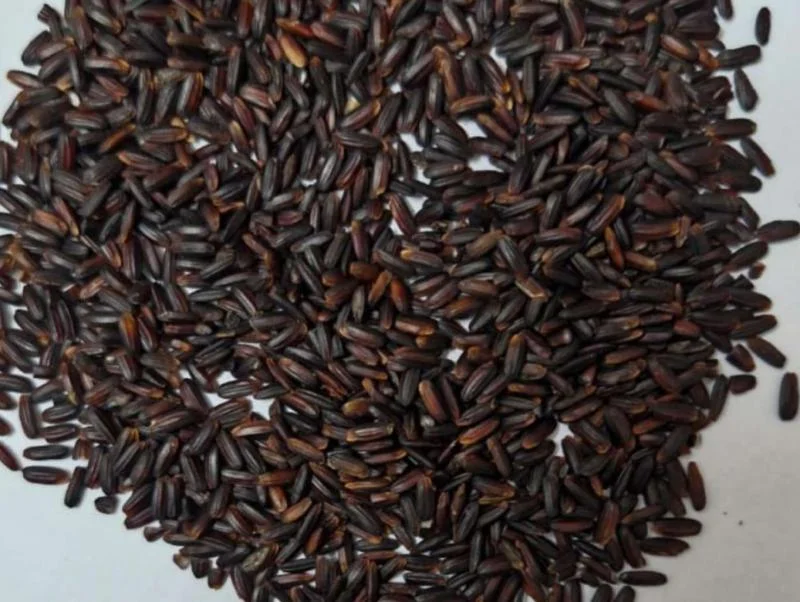
Whole Grains: This category includes products like brown rice, quinoa, and whole grain bread. These foods are high in fiber and essential nutrients, making them a staple for heart-healthy diets.
Nuts and Seeds: Almonds, walnuts, chia seeds, and flaxseeds are packed with healthy fats and protein. They serve as excellent snacks or ingredients in meals, promoting heart health.
Fruits and Vegetables: Fresh, frozen, or dried options provide essential vitamins and minerals. Berries, leafy greens, and citrus fruits are particularly beneficial for cardiovascular health.
Fatty Fish: Salmon, mackerel, and sardines are rich in omega-3 fatty acids. These fish are often recommended for their heart-protective properties and can be incorporated into various dishes.
Low-Fat Dairy: Options such as yogurt and cheese made from low-fat milk provide calcium and protein without excessive saturated fats, making them suitable for heart-healthy diets.
Benefits and Advantages
Heart-healthy foods offer numerous advantages for consumers and businesses alike.
1. Improved Cardiovascular Health: Regular consumption of these foods can reduce the risk of heart disease and related conditions.
2. Enhanced Nutritional Value: These foods are nutrient-dense, providing essential vitamins and minerals that support overall health.
3. Weight Management: Heart-healthy foods often promote satiety, helping individuals maintain a healthy weight.
4. Increased Energy Levels: A balanced diet rich in heart-healthy foods can boost energy and vitality, enhancing daily performance.
5. Reduced Inflammation: Many heart-healthy foods contain anti-inflammatory properties that can benefit chronic health issues.
6. Positive Brand Image: Businesses that offer heart-healthy options can enhance their reputation by aligning with consumer health trends and preferences.
Buying Guide for B2B Buyers
When sourcing heart-healthy foods, buyers should consider several important factors to ensure they select the right products for their needs.
1. Quality Assessment: Evaluate the nutritional profiles and ingredient integrity of heart-healthy foods. Look for certifications that indicate high-quality standards.
2. Supplier Verification: Vet potential suppliers to ensure they comply with food safety regulations and possess a good reputation in the industry.
3. Pricing and MOQ: Understand the market pricing for heart-healthy foods and establish minimum order quantities that suit your business model.
4. Delivery and Lead Times: Discuss logistics with suppliers to ensure timely delivery of products, especially for perishable items.
5. Compliance Requirements: Be aware of regional regulations regarding food safety and labeling to ensure all products meet necessary compliance standards.
Compliance and Certifications
Compliance and certification are crucial for ensuring the quality and safety of heart-healthy foods in the market.
Relevant quality standards such as ISO 9001 and HACCP (Hazard Analysis and Critical Control Points) are essential for food safety management systems. These standards help businesses maintain high-quality processes from production to distribution.
Certification from recognized organizations, such as CE, indicates that products meet specific safety and performance criteria. This certification is important for building consumer trust and ensuring regulatory compliance.
Safety and testing requirements are vital in ensuring that heart-healthy foods are free from contaminants and meet nutritional claims. Regular testing and audits should be conducted to maintain these standards.
Regional compliance considerations can vary, and businesses should remain informed about local laws governing food products. Adhering to these regulations is crucial for successful market entry and product acceptance.
Why Source Heart-Healthy Foods from Pepagora?
Pepagora offers a reliable platform for sourcing heart-healthy foods, providing B2B buyers with several key advantages.
Verified Supplier Network: Pepagora connects buyers with a network of verified suppliers, ensuring that all products meet high-quality standards and compliance requirements.
Streamlined RFQ Process: The request for quotation (RFQ) system simplifies the procurement process. Buyers can easily compare options and make informed decisions.
Trade Assurance and Support: Pepagora provides trade assurance to protect buyers throughout the purchasing process, offering support for any issues that arise.
Regional Coverage: With a broad geographic reach that includes India, the GCC, and Southeast Asia, Pepagora facilitates access to heart-healthy foods in diverse markets, catering to varying consumer needs.


 India
Frequently Asked Questions
What are Heart-Healthy Foods?
Heart-Healthy Foods are those that promote cardiovascular health and reduce the risk of heart disease. These foods are typically low in saturated fats, trans fats, and cholesterol, while being rich in nutrients like fiber, vitamins, and healthy fats.
What are the different types of Heart-Healthy Foods?
Different types of Heart-Healthy Foods include fruits, vegetables, whole grains, lean proteins, and healthy fats such as those found in nuts and olive oil. Additionally, fatty fish rich in omega-3 fatty acids, like salmon and mackerel, are also considered heart-healthy.
How do I choose the right Heart-Healthy Foods?
To choose the right Heart-Healthy Foods, look for items that are high in fiber and low in added sugars and unhealthy fats. Reading food labels can help you identify products that align with heart-healthy principles, and focusing on whole, unprocessed foods is a good strategy.
What are the standard specifications for Heart-Healthy Foods?
Standard specifications for Heart-Healthy Foods often include nutritional content, such as low levels of saturated fat and sodium, and a high content of dietary fiber. These foods should also comply with food safety regulations and labeling standards as set by health authorities.
What is the price range for Heart-Healthy Foods?
The price range for Heart-Healthy Foods can vary widely depending on the type and source. Generally, prices may range from economical options like whole grains and legumes to premium selections such as organic produce or specialty items like wild-caught fish.
What quality standards apply to Heart-Healthy Foods?
Quality standards for Heart-Healthy Foods typically include compliance with food safety regulations, nutritional labeling accuracy, and adherence to organic or natural food certifications where applicable. Manufacturers may also follow industry best practices to ensure product consistency and safety.
Where can I find Heart-Healthy Foods suppliers in India?
You can find Heart-Healthy Foods suppliers in India through B2B marketplaces like Pepagora, where various manufacturers and distributors list their products. Additionally, trade shows and food expos can provide opportunities to connect with suppliers specializing in health-focused food products.
Can Heart-Healthy Foods be customized?
Yes, many suppliers of Heart-Healthy Foods offer customization options to meet specific dietary needs or preferences. This may include adjusting ingredient proportions, creating unique flavor profiles, or packaging variations tailored to customer requirements.
What is the typical minimum order quantity for Heart-Healthy Foods?
The typical minimum order quantity (MOQ) for Heart-Healthy Foods can vary depending on the supplier and the product type. Generally, MOQs may range from small quantities for retail items to larger bulk orders for wholesale purchases.
What is the typical lead time for Heart-Healthy Foods?
The typical lead time for Heart-Healthy Foods can range from a few days to several weeks, depending on factors such as product availability, order size, and supplier processing times. It is advisable to confirm lead times with the supplier at the time of ordering.
Why Businesses Trust Pepagora
Thousands of companies trust Pepagora to source smarter and sell faster
Expand Your Sales Globally

Source Smarter,Grow Faster
