
 IN
Grilles
3 products available
What are Grilles?
Grilles are essential components used in various applications to control airflow, enhance ventilation, and improve aesthetics in both commercial and industrial settings. They are typically made from materials such as metal, plastic, or composite materials and can be designed in a variety of styles and sizes. Grilles can be fixed, adjustable, or removable, allowing for flexibility in air distribution and control.
In terms of business applications, grilles are commonly used in HVAC systems, architectural designs, and safety features across many industries. They serve to direct air, protect equipment, and provide a finished look to ventilation systems. Industries such as manufacturing, healthcare, and hospitality rely on grilles to ensure optimal air quality and regulatory compliance.
The relevance of grilles in the industrial market cannot be overstated. With increasing emphasis on energy efficiency and air quality, the demand for high-quality grilles continues to grow. Companies are constantly seeking innovative solutions that meet both functional and aesthetic needs, making grilles a vital product in the B2B landscape.
Key Features and Specifications
Grilles come with various features and specifications that cater to different industry needs. These specifications help buyers understand the capabilities and limitations of the product, ensuring they make informed decisions.
Key specifications include:
1. Material Composition
- Grilles can be constructed from materials such as aluminum, steel, or plastic.
- Each material offers different levels of durability and corrosion resistance.
2. Size and Dimensions
- Grilles are available in a range of sizes to fit standard and custom openings.
- Common dimensions include width, height, and depth specifications.
3. Airflow Capacity
- Measured in cubic feet per minute (CFM), this indicates how much air a grille can handle.
- Higher airflow capacity can improve ventilation efficiency.
4. Design Style
- Grilles come in various designs, including linear, square, and round shapes.
- The choice of design can affect both functionality and aesthetics.
5. Mounting Options
- Grilles can be surface-mounted or recessed, depending on the installation requirements.
- Different mounting options provide flexibility in installation.
6. Finish and Coating
- Available finishes include powder-coated, painted, or anodized.
- These finishes enhance appearance and improve resistance to weathering.
7. Adjustable Louvers
- Some grilles feature adjustable louvers for customizable airflow direction.
- This allows users to control air distribution more effectively.
8. Noise Reduction Features
- Certain grilles are designed with noise-reducing technology to minimize sound levels.
- This feature is particularly important in environments where noise control is a priority.
In summary, understanding the features and specifications of grilles is crucial for selecting the right product for specific applications.
Common Applications and Use Cases
Grilles serve a wide range of industries, each with unique applications.
1. HVAC Systems: Grilles are integral to heating, ventilation, and air conditioning systems, ensuring proper air distribution and temperature control.
2. Commercial Buildings: In offices and retail spaces, grilles contribute to aesthetic appeal while maintaining efficient air circulation.
3. Manufacturing: Grilles are used in factories and plants to regulate airflow and protect machinery from debris.
4. Healthcare: Hospitals and clinics utilize grilles to provide clean air environments, essential for patient care and compliance with health standards.
5. Hospitality: Hotels and restaurants rely on grilles for both functional and decorative purposes, enhancing guest comfort.
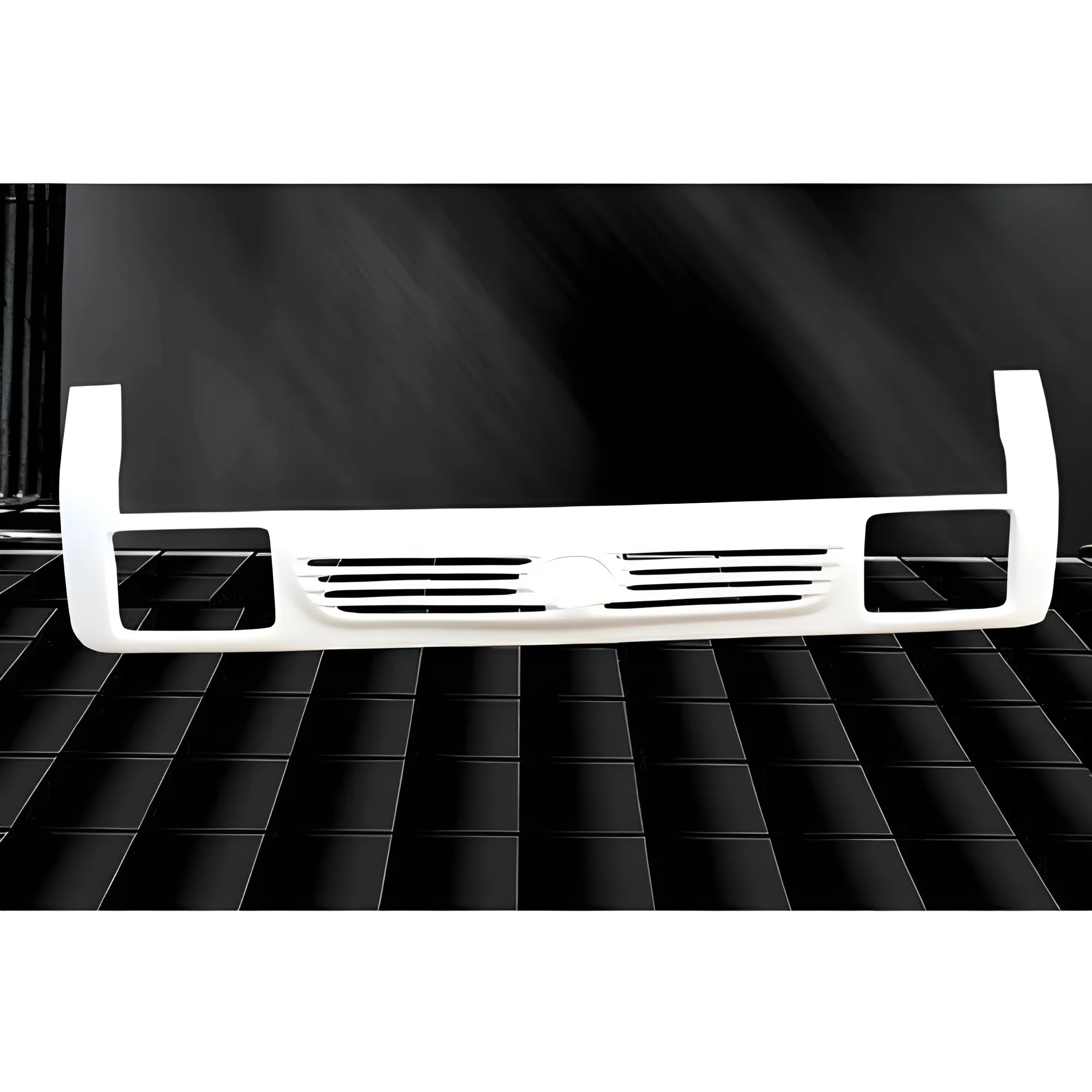
6. Automotive: Grilles are used in vehicles for engine cooling and aerodynamic purposes, playing a vital role in performance.
7. Data Centers: In these facilities, grilles help manage airflow to maintain optimal operating temperatures for sensitive equipment.
Product Variants and Subcategories
Grilles are available in various types and configurations to meet diverse needs.
Linear Grilles: These grilles are characterized by their elongated design, making them ideal for long air distribution runs. They are commonly used in commercial spaces for aesthetic and functional purposes.
Ceiling Grilles: Designed for installation in ceilings, these grilles provide a seamless look while facilitating airflow from HVAC systems. They are often used in office buildings and retail environments.
Floor Grilles: Floor-mounted grilles are essential for allowing air circulation from below. They are frequently used in spaces where underfloor air distribution systems are implemented.
Wall Grilles: These grilles are installed on walls and can be used for both supply and return air applications. They offer versatility in various environments, including industrial and commercial settings.
Benefits and Advantages
Grilles offer numerous benefits that enhance their value for businesses.
1. Improved Air Quality: Grilles help facilitate better airflow, contributing to healthier indoor environments.
2. Energy Efficiency: By optimizing air distribution, grilles can reduce energy costs associated with heating and cooling.
3. Aesthetic Appeal: Available in various designs and finishes, grilles can complement the overall look of any space.
4. Versatility: Grilles can be used in a wide range of applications, making them suitable for many different industries.
5. Durability: High-quality materials ensure that grilles withstand environmental factors, resulting in longer service life.
6. Customization: Many grilles can be customized to meet specific size and design requirements, catering to unique project needs.
Buying Guide for B2B Buyers
When sourcing grilles, it is essential for B2B buyers to consider several factors to ensure a successful purchase.
1. Quality Assessment: Evaluate the material quality and manufacturing processes to ensure the grille meets industry standards and will perform reliably.
2. Supplier Verification: Vet suppliers by checking their credentials, customer reviews, and industry experience to ensure you select a trustworthy partner.
3. Pricing and MOQ: Understand the price range and minimum order quantities to budget effectively and meet project requirements.
4. Delivery and Lead Times: Discuss logistics with suppliers to ensure timely delivery of products, which is critical for project timelines.
5. Compliance Requirements: Confirm that the grilles meet any relevant regulatory standards and certifications necessary for your industry.
Compliance and Certifications
Grilles must adhere to specific quality standards and certifications to ensure safety and reliability. Common standards include ISO 9001, which focuses on quality management systems, and CE certification, indicating conformity with health, safety, and environmental protection standards.
Additionally, many industries require compliance with safety and testing regulations, ensuring that products can withstand operational demands. Regional compliance considerations may vary, so it is crucial for buyers to be aware of local regulations that may apply to their specific applications.
Why Source Grilles from Pepagora?
Pepagora provides a trusted platform for sourcing grilles, offering several key advantages to B2B buyers.
Verified Supplier Network: Pepagora has a rigorous vetting process for suppliers, ensuring that buyers can trust the quality and reliability of the products they source.
Streamlined RFQ Process: The platform simplifies the request for quotation process, allowing buyers to easily compare offers and make informed decisions.
Trade Assurance and Support: Pepagora offers buyer protection through trade assurance initiatives, ensuring that transactions are secure and satisfactory.
Regional Coverage: With a wide reach across India, the GCC, and Southeast Asia, Pepagora connects buyers with suppliers in various regions, facilitating access to a diverse range of grille options.

 India

 India
Frequently Asked Questions
What are Grilles?
Grilles are architectural elements used for ventilation, privacy, and aesthetic purposes. They are typically made of materials like metal, wood, or plastic and are installed in doors, windows, or walls to allow airflow while maintaining security and decorative appeal.
What are the different types of Grilles?
There are various types of grilles, including fixed grilles, adjustable grilles, and decorative grilles. Fixed grilles are stationary and provide consistent airflow, while adjustable grilles allow for airflow control. Decorative grilles add aesthetic value and come in various designs.
How do I choose the right Grilles?
Choosing the right grilles involves considering factors such as the intended use, required airflow, and aesthetic preferences. Additionally, you should consider the material and durability based on the environmental conditions in which they will be installed.
What are the standard specifications for Grilles?
Standard specifications for grilles typically include dimensions, material type, design style, and airflow rate. It's essential to check for compatibility with HVAC systems and building codes to ensure proper installation and functionality.
What is the price range for Grilles?
The price range for grilles can vary widely based on factors such as material, size, and design complexity. Generally, you can expect prices to range from a few hundred to several thousand Indian Rupees, depending on the specifications.
What quality standards apply to Grilles?
Quality standards for grilles often include durability, corrosion resistance, and adherence to safety regulations. Manufacturers may follow guidelines set by organizations like the Bureau of Indian Standards (BIS) to ensure product quality and performance.
Where can I find Grilles suppliers in India?
You can find grilles suppliers in India through online B2B marketplaces like Pepagora, trade shows, or industry directories. It's advisable to compare multiple suppliers to assess their product offerings, pricing, and reputation.
Can Grilles be customized?
Yes, many manufacturers offer customization options for grilles, allowing you to choose specific materials, sizes, and designs to meet your requirements. Customization can help achieve the desired aesthetic and functional characteristics.
What is the typical minimum order quantity for Grilles?
The typical minimum order quantity (MOQ) for grilles can vary by manufacturer but generally ranges from 10 to 50 units. It's important to check with individual suppliers for their specific MOQ policies.
What is the typical lead time for Grilles?
The typical lead time for grilles can vary depending on the supplier and the complexity of the order. Generally, you can expect lead times to range from 2 to 6 weeks, particularly if customization is involved.
Why Businesses Trust Pepagora
Thousands of companies trust Pepagora to source smarter and sell faster
Expand Your Sales Globally

Source Smarter,Grow Faster
