
 IN
Floating Fish Feed Pellets
6 products available
What are Floating Fish Feed Pellets?
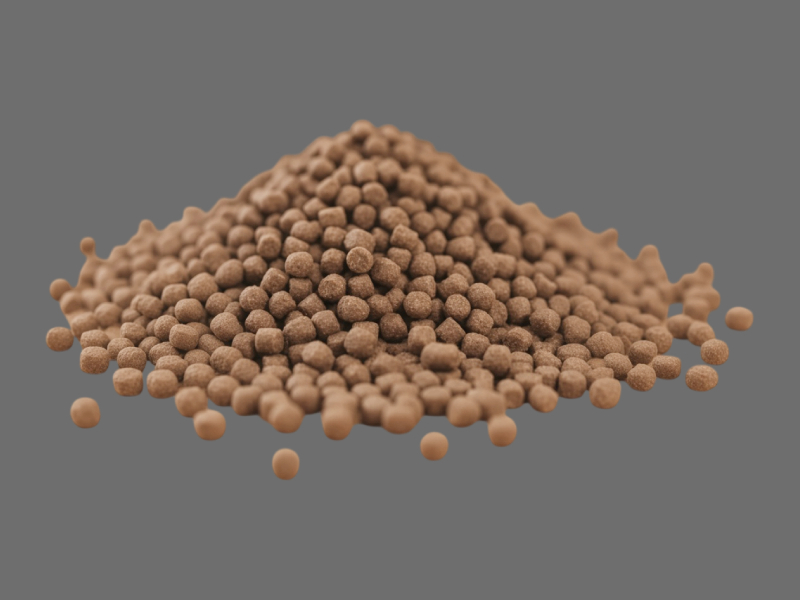
Floating fish feed pellets are specialized feeds designed for the aquaculture industry. These pellets are formulated to float on the water's surface, making them easily accessible for fish. This design not only promotes efficient feeding but also helps in reducing feed waste. These pellets are typically made from a variety of ingredients, including fish meal, plant proteins, vitamins, and minerals, which provide a balanced diet for fish.
The primary use of floating fish feed pellets is in fish farming operations for species such as tilapia, catfish, and trout. They are also utilized in ornamental fish cultivation. The aquaculture sector is rapidly expanding due to the rising demand for seafood, making floating fish feed pellets a crucial component for enhancing productivity and profitability in fish farming. As the global population grows and the need for sustainable protein sources increases, the relevance of floating fish feed pellets in the market continues to rise.
Key Features and Specifications
Floating fish feed pellets come with several key features that make them suitable for various aquaculture applications. These specifications are essential for ensuring the quality and effectiveness of the feed.
Key specifications include:
1. Nutritional Composition
- High protein content ranging from 30% to 45%
- Balanced levels of fats, carbohydrates, vitamins, and minerals
2. Pellet Size
- Available in sizes typically ranging from 1mm to 10mm
- Variability allows customization for different fish species and growth stages
3. Floating Characteristics
- Designed to float for extended periods, minimizing sinkage
- Enhanced buoyancy through specific formulation techniques
4. Moisture Content
- Standard moisture levels typically between 8% and 12%
- Controlled moisture to ensure product stability and shelf life
5. Packaging
- Offered in various packaging options, including bulk bags and smaller retail sizes
- Packaging designed to maintain freshness and prevent contamination
6. Shelf Life
- Typical shelf life of 6 months to 1 year under proper storage conditions
- Requires cool, dry storage to maximize longevity
In summary, these specifications highlight the essential qualities of floating fish feed pellets that cater to the diverse needs of aquaculture professionals.
Common Applications and Use Cases
Floating fish feed pellets are widely used across different sectors of aquaculture.
1. Commercial Fish Farming: These pellets are essential for the efficient rearing of species like tilapia and catfish, optimizing growth rates and feed conversion ratios.
2. Ornamental Fish Breeding: Aquarists utilize floating feed pellets to maintain healthy diets for ornamental fish, ensuring vibrant colors and optimal health in display tanks.
3. Aquaponics Systems: Floating fish feed is integral to aquaponics, where fish waste nourishes plants, creating a sustainable ecosystem.
4. Recreational Fishing: Pellets are often used in bait for recreational fishing, attracting fish effectively due to their floating nature.
5. Research Facilities: Floating fish feed pellets are used in aquatic research for studying fish behavior and growth patterns.
6. Aquaculture Education: Institutions use these pellets in training programs to educate students on fish nutrition and aquaculture practices.
Product Variants and Subcategories
Floating fish feed pellets come in various formulations tailored for specific applications and fish types.
Premium Fish Feed Pellets: These pellets are enriched with higher protein content and essential nutrients. They are ideal for fast-growing species and are often used in commercial fish farming to maximize growth potential.
Organic Fish Feed Pellets: Made from organic ingredients, these pellets cater to the increasing demand for sustainable and chemical-free fish farming. They appeal to environmentally conscious aquaculture operations.
Growth-Specific Fish Feed Pellets: These are formulated for different growth stages, from fry to adult fish. Each variant provides the specific nutrients needed for optimal growth at various life stages.
Benefits and Advantages
Floating fish feed pellets offer numerous benefits for aquaculture operations.
1. Improved Feed Efficiency: The floating nature reduces waste and ensures fish consume the feed, leading to better feed conversion ratios.
2. Easy Monitoring: Farmers can observe feeding behavior, allowing for adjustments in feeding rates and timing.
3. Enhanced Growth Rates: The balanced nutritional profile supports rapid growth, essential for commercial fish farming.
4. Versatile Use: Suitable for various fish species and growth stages, making them adaptable for different aquaculture systems.
5. Reduced Environmental Impact: By minimizing feed waste, these pellets contribute to a more sustainable aquaculture practice.
6. Cost-Effectiveness: High-quality formulations can lead to lower overall feed costs due to improved growth and feed efficiency.
Buying Guide for B2B Buyers
When sourcing floating fish feed pellets, several factors must be considered to ensure a successful purchase.
1. Quality Assessment: Look for products with a high nutritional profile and consistent composition. Request samples to evaluate the feed's physical characteristics and palatability.
2. Supplier Verification: Vet suppliers for reliability and reputation in the market. Check for reviews, ratings, and any certifications that indicate quality assurance.
3. Pricing and MOQ: Understand pricing structures and minimum order quantities (MOQ) to ensure they align with your business needs. Compare different suppliers to find competitive pricing.
4. Delivery and Lead Times: Confirm logistics, including delivery timelines and shipping methods. Timely delivery is crucial for maintaining feeding schedules.
5. Compliance Requirements: Ensure that the products meet local regulations and certifications, such as CE certification, to guarantee safety and quality standards.
Compliance and Certifications
Floating fish feed pellets must adhere to various quality standards to ensure safety and effectiveness in aquaculture.
Relevant quality standards include ISO 9001, which focuses on quality management systems, and HACCP, which emphasizes food safety through hazard analysis and critical control points. These standards help ensure that products are consistently manufactured and controlled to meet quality benchmarks.
Industry certifications such as CE indicate compliance with European health, safety, and environmental protection standards. This certification is crucial for businesses looking to export products to the European market.
Safety and testing requirements are also critical. Manufacturers should implement rigorous testing protocols to monitor nutritional content and ensure that the feed is free from contaminants.
Regional compliance considerations vary. Different countries have specific regulations regarding animal feed, so it is essential to understand local requirements to ensure compliance.
Why Source Floating Fish Feed Pellets from Pepagora?
Pepagora provides a trusted platform for sourcing floating fish feed pellets, offering several key advantages to B2B buyers.
Verified Supplier Network: Pepagora ensures that all suppliers undergo a thorough verification process, which builds trust and guarantees quality products. Buyers can access a wide range of suppliers who meet stringent industry standards.
Streamlined RFQ Process: The request for quotation (RFQ) process on Pepagora is designed to be user-friendly, allowing buyers to easily compare offers from multiple suppliers. This efficiency saves time and helps in making informed purchasing decisions.
Trade Assurance and Support: Pepagora offers trade assurance, providing buyers with protection against potential issues during the transaction. Their support team is available to assist with any inquiries or concerns, ensuring a smooth buying experience.
Regional Coverage: With a strong presence in India, the GCC, and Southeast Asia, Pepagora facilitates access to floating fish feed pellets across diverse markets. This regional coverage allows businesses to connect with suppliers that meet their specific needs.




Frequently Asked Questions
What are Floating Fish Feed Pellets?
Floating fish feed pellets are specially formulated feeds designed for fish that feed on the water's surface. These pellets are buoyant, allowing them to remain on the water's surface, making it easier for fish to consume them. They are typically made from a blend of protein, fats, vitamins, and minerals to support fish growth and health.
What are the different types of Floating Fish Feed Pellets?
There are several types of floating fish feed pellets, including those formulated for specific fish species, growth stages, and dietary needs. Common types include starter feeds, grower feeds, and maintenance feeds. Each type is designed to meet the nutritional requirements of fish at different life stages and conditions.
How do I choose the right Floating Fish Feed Pellets?
Choosing the right floating fish feed pellets involves considering the species of fish, their age, and specific dietary needs. It is essential to review the nutritional content, such as protein and fat levels, and to select a pellet size appropriate for the fish being fed. Consulting with aquaculture experts or suppliers can also provide valuable guidance.
What are the standard specifications for Floating Fish Feed Pellets?
Standard specifications for floating fish feed pellets typically include nutrient composition, pellet size, and buoyancy. Nutritional content should meet the dietary requirements of the target fish species, while pellet size should be suitable for their mouth size. Additionally, the pellets should maintain their structure and float for a specified duration.
What is the price range for Floating Fish Feed Pellets?
The price of floating fish feed pellets can vary based on factors such as ingredient quality, pellet size, and brand. Generally, prices range from INR 30 to INR 200 per kg, depending on the formulation and supplier. Bulk purchases often come with discounts, making it more cost-effective.
What quality standards apply to Floating Fish Feed Pellets?
Floating fish feed pellets must adhere to quality standards set by regulatory bodies to ensure safety and nutritional adequacy. Common standards include nutritional analysis, contaminant limits, and production hygiene. Suppliers should provide certifications to validate compliance with these standards.
Where can I find Floating Fish Feed Pellets suppliers in India?
Floating fish feed pellets suppliers can be found through online B2B marketplaces like Pepagora, local aquaculture supply stores, and industry trade shows. It is advisable to compare suppliers based on product quality, customer reviews, and pricing. Networking within the aquaculture community can also lead to recommendations.
Can Floating Fish Feed Pellets be customized?
Yes, floating fish feed pellets can often be customized to meet specific nutritional requirements or preferences. Many manufacturers offer customization options, allowing adjustments in ingredient composition, pellet size, and packaging. It is best to discuss specific needs directly with suppliers.
What is the typical minimum order quantity for Floating Fish Feed Pellets?
The minimum order quantity (MOQ) for floating fish feed pellets typically ranges from 100 kg to 1 ton, depending on the supplier. Some manufacturers may have lower MOQs for specific products or during promotional periods. It's advisable to check with individual suppliers for their specific MOQs.
What is the typical lead time for Floating Fish Feed Pellets?
The typical lead time for floating fish feed pellets can vary based on the supplier and order size, generally ranging from 7 to 21 days. Custom orders may require additional time for formulation and production. It's important to communicate with suppliers to get accurate delivery timelines.
Why Businesses Trust Pepagora
Thousands of companies trust Pepagora to source smarter and sell faster
Expand Your Sales Globally

Source Smarter,Grow Faster
