What are Fixed Resistors?
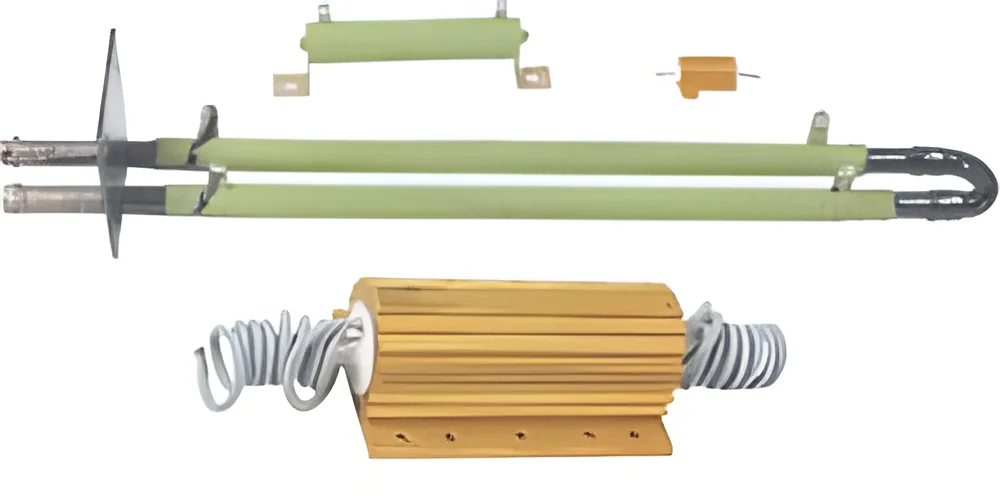
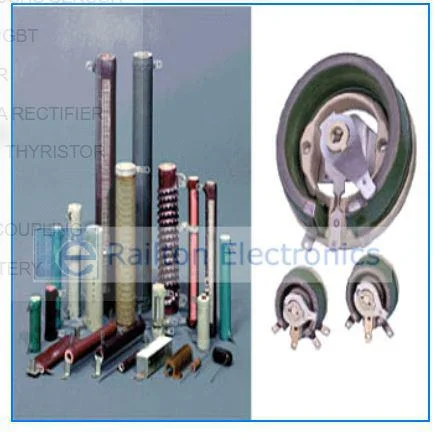
Fixed resistors are passive electrical components that provide a specific level of resistance in an electrical circuit. Unlike variable resistors, fixed resistors have a constant resistance value that does not change. They are typically used to control current flow, divide voltages, and protect sensitive components from excessive current levels. Fixed resistors come in various materials, such as carbon, metal film, and wire-wound, each offering distinct electrical characteristics and thermal stability.
These components find extensive use in various business applications, including consumer electronics, automotive, telecommunications, and industrial machinery. Fixed resistors are essential in circuit design, enabling engineers to achieve desired performance levels in electronic devices. Their reliability and accuracy are crucial in maintaining the functionality and safety of electrical systems. The fixed resistor market is influenced by the growing demand for electronic devices and advancements in technology, making it a vital component in modern manufacturing.
Key Features and Specifications
Fixed resistors are characterized by several key features and specifications that define their performance in electrical circuits.
Key specifications include:
1. Resistance Value
- Measured in ohms, this value determines how much the resistor opposes current flow.
- Common ranges include low, medium, and high resistance values.
2. Power Rating
- Indicates the maximum power the resistor can dissipate without failure.
- Typical ratings range from 1/8 watt to several hundred watts.
3. Tolerance
- Represents the accuracy of the resistance value, typically expressed as a percentage.
- Common tolerances are ±1%, ±5%, and ±10%.
4. Temperature Coefficient
- Measures how much the resistance changes with temperature, expressed in parts per million (ppm).
- Typical values range from ±50 ppm/°C to ±100 ppm/°C.
5. Voltage Rating
- The maximum voltage the resistor can handle without breaking down.
- Ratings vary depending on the resistor type and application.
6. Construction Type
- Refers to the material and method of manufacture, such as carbon composition, metal film, or wire-wound.
- Each type has unique characteristics that suit different applications.
7. Size and Form Factor
- Fixed resistors come in various physical sizes and shapes, influencing their application in circuit designs.
- Common sizes include surface-mount and through-hole types.
8. Environmental Ratings
- Indicates the ability of the resistor to withstand environmental factors such as humidity and temperature extremes.
- Some resistors are rated for specific environmental conditions, enhancing their reliability.
Fixed resistors are critical components that contribute to the stability and performance of electronic devices.
Common Applications and Use Cases
Fixed resistors serve various industries and applications, highlighting their versatility in electronic design.
1. Consumer Electronics: Fixed resistors are used in devices like televisions, computers, and smartphones to manage voltage levels and current flow.
2. Automotive Industry: They are essential for controlling electrical systems in vehicles, including sensors, lighting, and infotainment systems.
3. Telecommunications: Fixed resistors play a vital role in network equipment, ensuring stable signal transmission and preventing circuit overloads.
4. Industrial Machinery: Used in control systems, fixed resistors help regulate and monitor the operation of various machines in manufacturing.
5. Medical Equipment: In devices like monitors and diagnostic tools, they ensure proper functioning by controlling current and voltage levels.
6. Power Supplies: Fixed resistors are crucial in voltage regulation circuits, helping to maintain stable power output.
7. Home Appliances: They are found in appliances such as refrigerators and washing machines, where they help manage electrical functions.
Product Variants and Subcategories
The diversity of fixed resistors allows for tailored solutions in various applications.
Standard Fixed Resistors: These are the most common type, designed to provide a specific resistance value for general use in circuits. They are available in various power ratings and sizes, making them suitable for a wide range of applications.
High Precision Resistors: These resistors offer tighter tolerance levels, making them suitable for applications requiring high accuracy, such as in measurement devices and instrumentation.
Power Resistors: Designed to handle high power loads, these resistors are used in applications where significant current flow is expected, such as in power electronics and motor control systems.
Surface Mount Resistors: These resistors are designed for surface-mount technology (SMT) applications, allowing for compact designs in modern electronic devices.
Benefits and Advantages
Fixed resistors provide several key benefits that contribute to their widespread use in electronic circuits.
1. Stability: They offer stable resistance values, ensuring consistent performance in various applications.
2. Reliability: Fixed resistors are known for their durability and long lifespan, reducing the need for replacements.
3. Cost-Effectiveness: They are generally affordable, making them an economical choice for circuit design.
4. Versatility: Fixed resistors can be used in a wide range of applications across multiple industries.
5. Ease of Use: Their straightforward installation and integration into circuits facilitate efficient manufacturing processes.
6. Availability: Fixed resistors are widely available, ensuring easy sourcing for manufacturers and engineers.
Buying Guide for B2B Buyers
When sourcing fixed resistors, it is essential to consider several factors to ensure the right choice for your applications.
1. Quality Assessment: Evaluate the quality of fixed resistors based on manufacturer reputation, reviews, and compliance with industry standards.
2. Supplier Verification: Vet suppliers thoroughly to ensure they provide reliable products and have a solid track record.
3. Pricing and MOQ: Understand the pricing structure and minimum order quantities (MOQ) to align purchases with budget constraints.
4. Delivery and Lead Times: Consider logistics and delivery schedules to ensure timely availability of components for production.
5. Compliance Requirements: Ensure that the resistors meet necessary regulatory and compliance standards for your industry.
Compliance and Certifications
Fixed resistors must adhere to specific quality and safety standards to ensure their reliability in various applications.
Relevant quality standards such as ISO 9001 and CE certifications are essential for manufacturers to guarantee that their products meet industry requirements. These standards ensure that fixed resistors are produced under strict quality management systems.
Additionally, safety and testing requirements, including compliance with environmental regulations, are critical for ensuring that fixed resistors perform reliably under various conditions. Manufacturers must also consider regional compliance, which may vary by market, to ensure their products are suitable for use in different geographical areas.
Why Source Fixed Resistors from Pepagora?
Pepagora provides a trusted platform for sourcing fixed resistors, offering several key advantages to B2B buyers.
Verified Supplier Network: Pepagora works with a network of verified suppliers, ensuring that buyers have access to high-quality products from reputable manufacturers.
Streamlined RFQ Process: The platform simplifies the request for quotation (RFQ) process, allowing businesses to obtain competitive pricing and terms quickly.
Trade Assurance and Support: Buyers are protected through trade assurance policies that enhance transaction security and provide support throughout the purchasing process.
Regional Coverage: Pepagora has a significant presence in regions such as India, GCC, and Southeast Asia, facilitating sourcing for businesses across diverse markets.

 IN
IN

 India
India