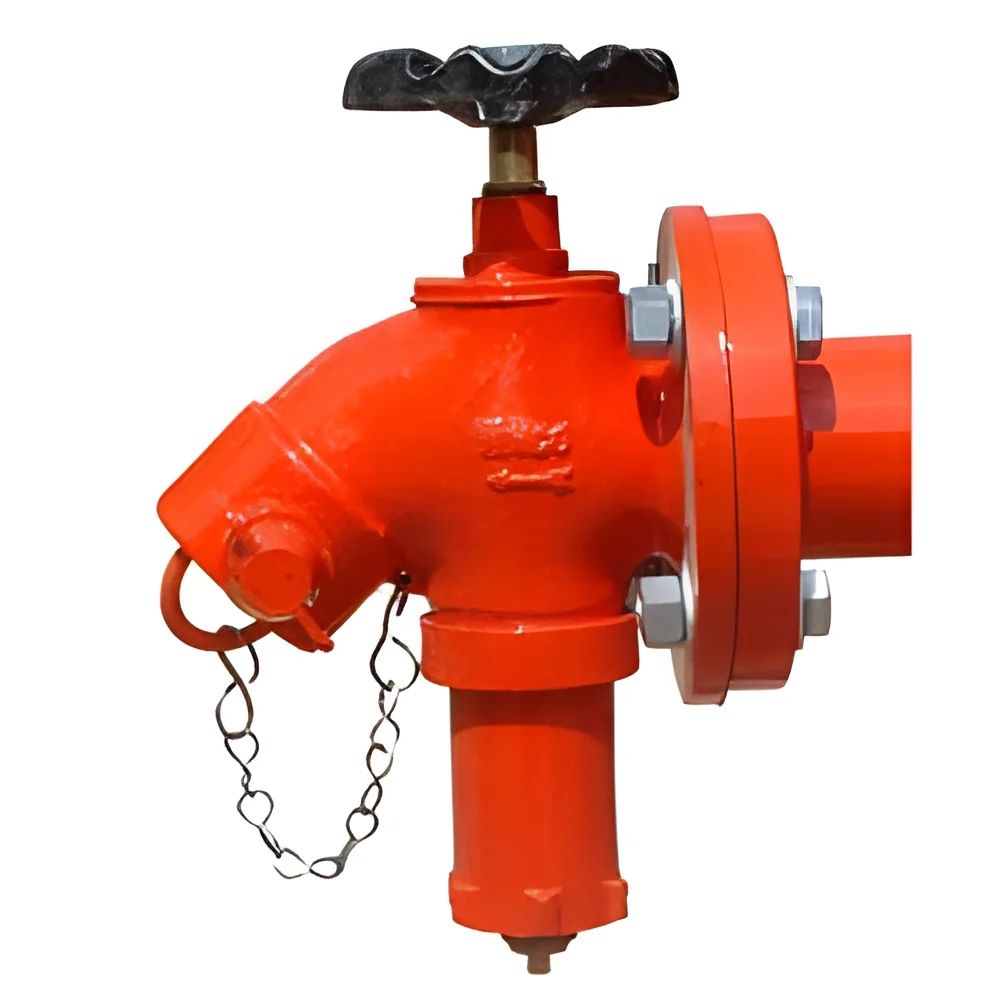
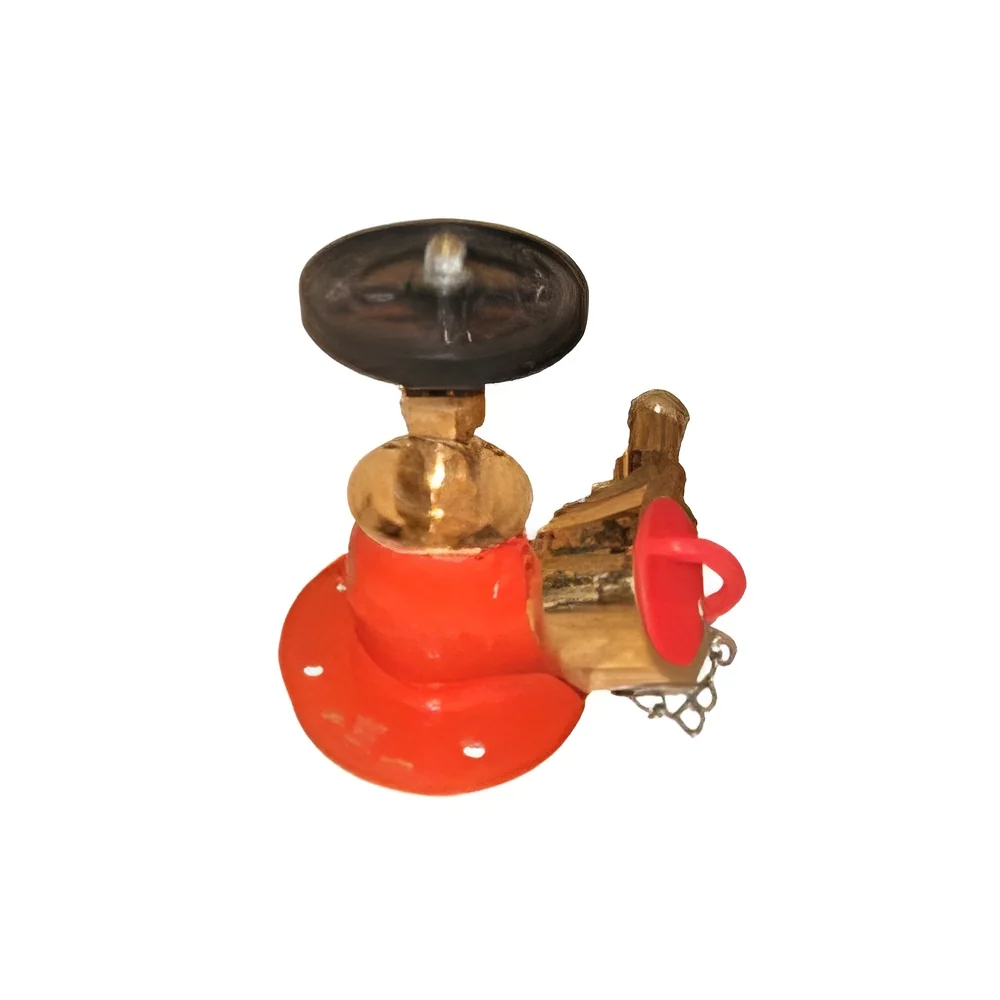
What are Fire Hydrant Systems?
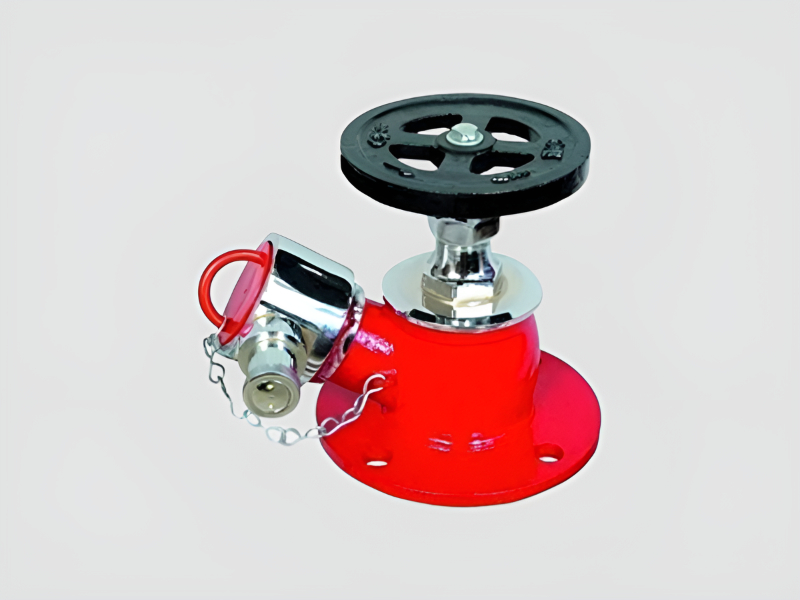
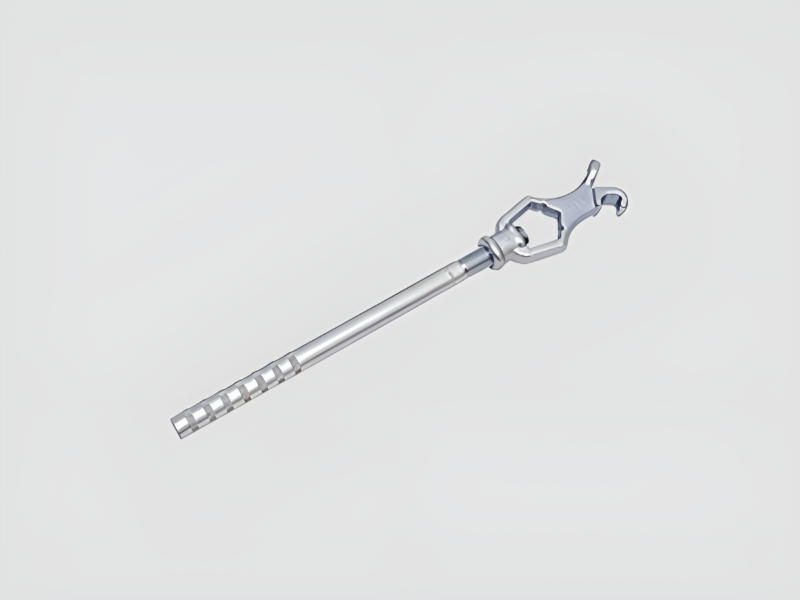
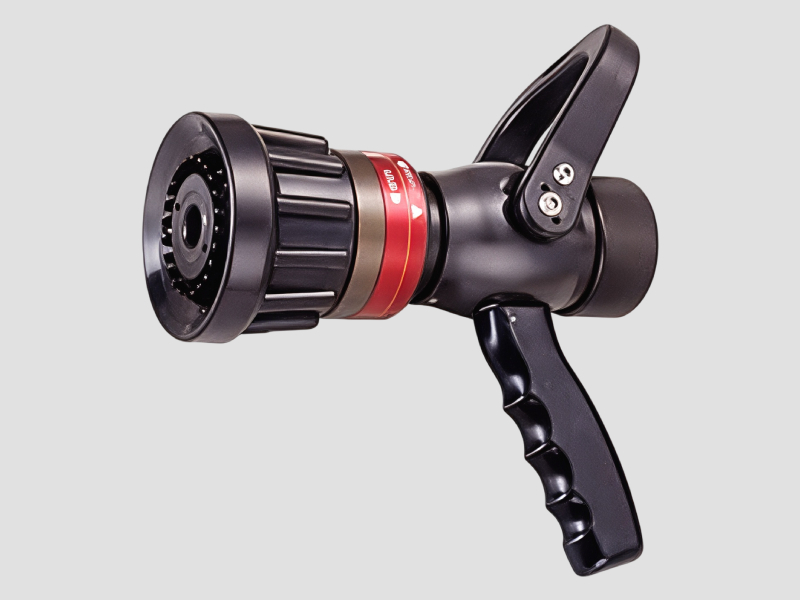
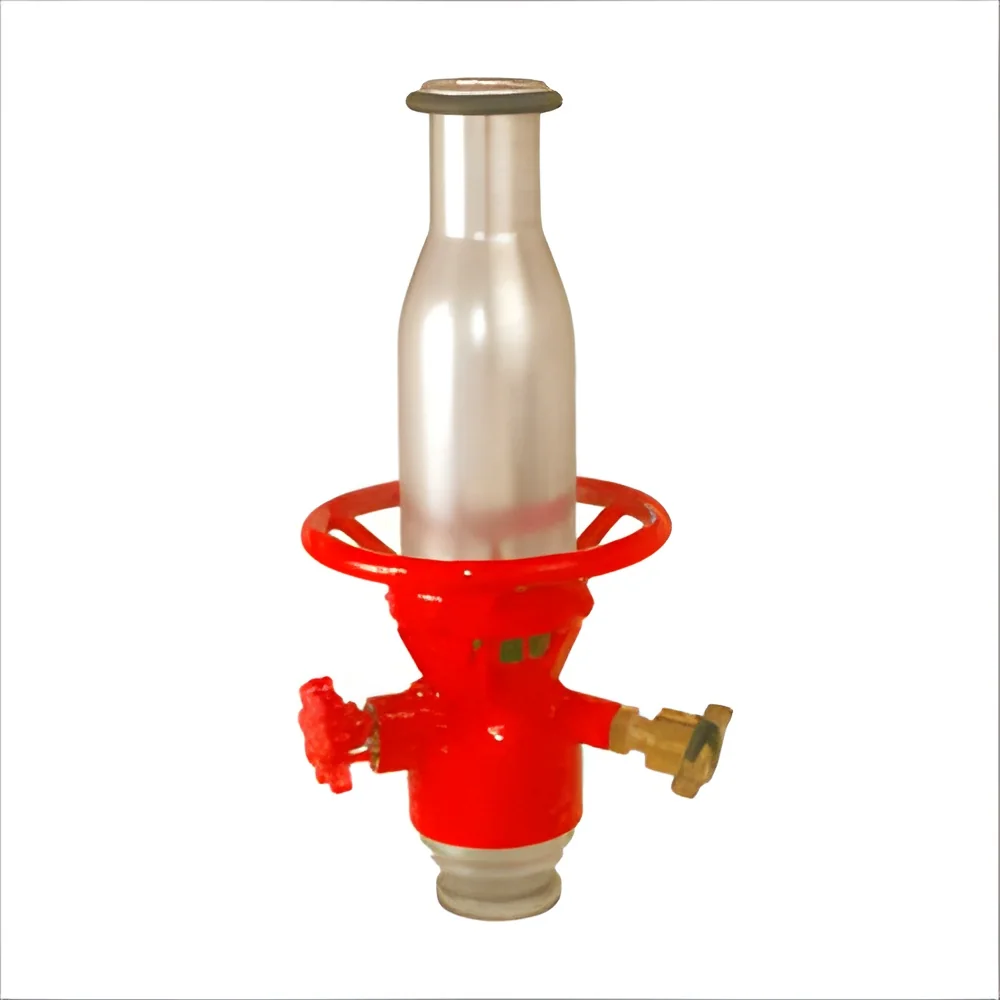
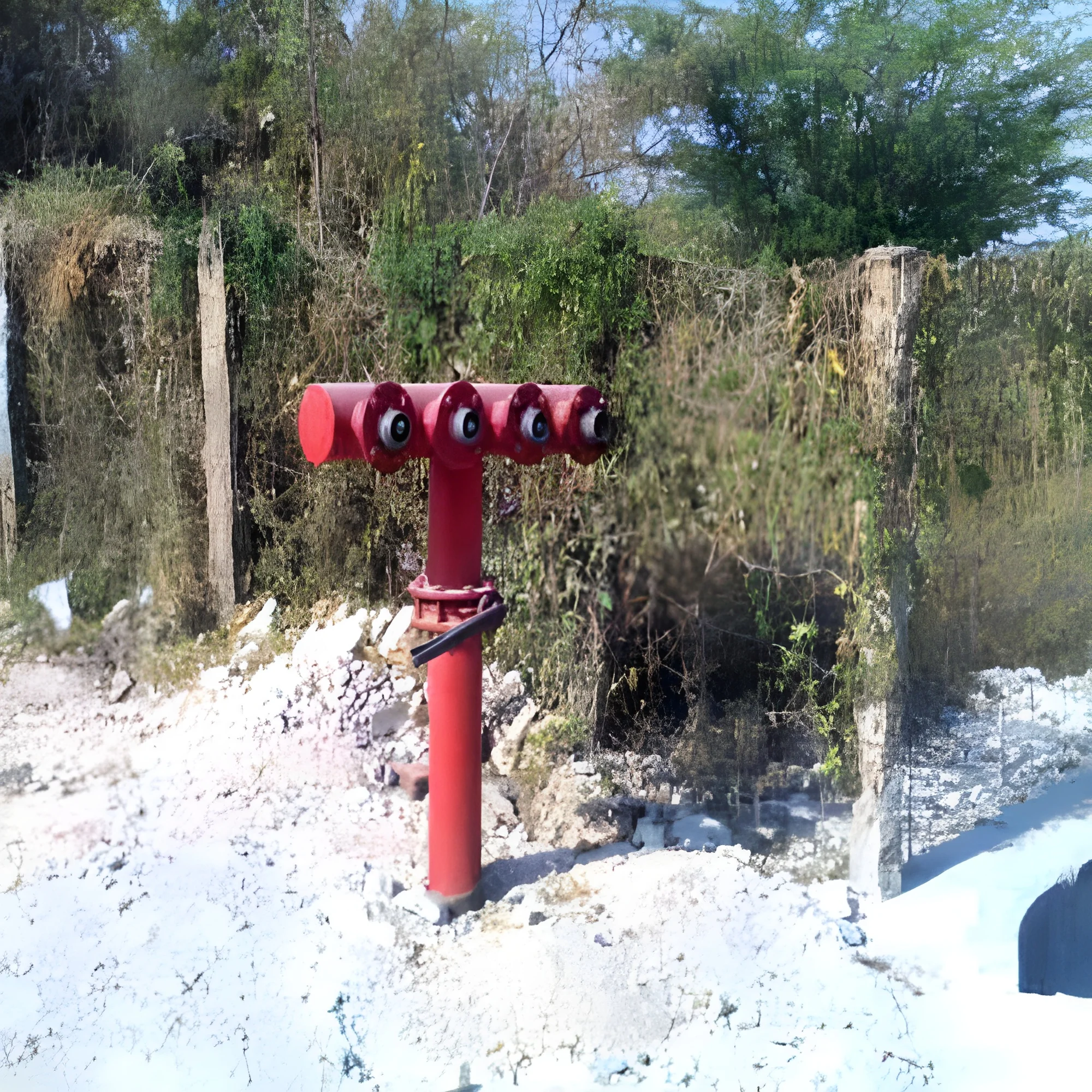
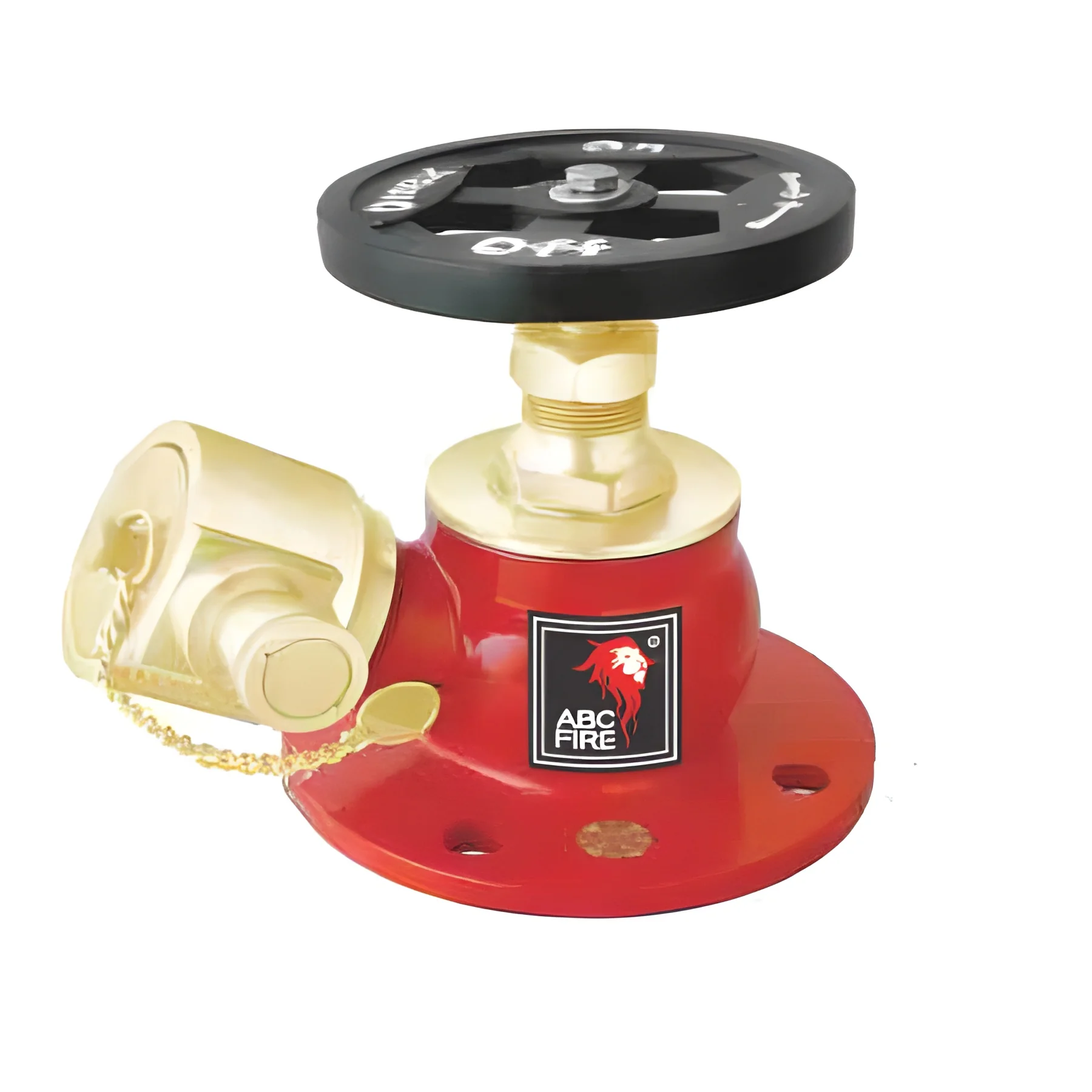
Fire Hydrant Systems are essential components of fire protection infrastructure, designed to provide a reliable source of water for firefighting efforts. These systems consist of various elements, including hydrants, valves, and piping, that work together to ensure a swift response in emergencies. Fire hydrants are typically installed in strategic locations to allow firefighters easy access to water, facilitating quick fire suppression and minimizing damage.
The primary uses of Fire Hydrant Systems extend across multiple sectors, including urban areas, industrial sites, and commercial facilities. Fire departments rely on these systems to provide adequate water supply during fire incidents. Additionally, businesses utilize them to comply with safety regulations and protect assets, personnel, and the environment. In the context of growing urbanization and increasing fire hazards, the relevance of Fire Hydrant Systems in the market continues to rise, making them a critical investment for safety and compliance.
Key Features and Specifications
Fire Hydrant Systems come with several key features that enhance their effectiveness and reliability. These systems are built to withstand harsh environments and provide consistent performance during emergencies. Understanding the specifications of these systems is crucial for businesses considering their implementation.
Key specifications include:
1. Material Quality
- Typically made from durable cast iron or ductile iron
- Resistant to corrosion and extreme weather conditions
2. Operating Pressure
- Standard operating pressures range from 20 to 150 psi
- Designed to accommodate varying firefighting needs
3. Flow Rate
- Flow rates generally range from 500 to 2000 gallons per minute (GPM)
- Ensures adequate water supply for firefighting operations
4. Connection Types
- Available in various connection sizes and types, such as NST or NPT
- Customizable based on specific firefighting requirements
5. Valve Mechanism
- Features a reliable valve system for controlled water flow
- Manual and automatic options available
6. Color Coding
- Hydrants are often color-coded for easy identification of flow rates
- Enhances operational efficiency during emergencies
7. Installation Depth
- Standard installation depths can vary from 3 to 5 feet
- Ensures optimal accessibility in different environments
8. Maintenance Features
- Some systems include built-in monitoring capabilities for ease of maintenance
- Regular maintenance schedules recommended for optimal performance
In summary, understanding the key features and specifications of Fire Hydrant Systems aids businesses in making informed purchasing decisions to ensure compliance and safety.
Common Applications and Use Cases
Fire Hydrant Systems are versatile and serve various industries. Their implementation is crucial for effective fire protection across different environments.
1. Municipalities: Fire hydrants are essential in urban settings, providing firefighters with immediate access to water in case of fire emergencies.
2. Manufacturing Facilities: Industries often have Fire Hydrant Systems installed to protect valuable equipment and personnel from fire hazards.
3. Warehousing: Large storage facilities utilize these systems to safeguard against fire threats that could lead to significant property loss.
4. Transportation Hubs: Airports and train stations rely on Fire Hydrant Systems to ensure rapid response capabilities in high-traffic areas.
5. Educational Institutions: Schools and universities implement these systems as part of their fire safety protocols to protect students and staff.
6. Healthcare Facilities: Hospitals and clinics require reliable fire protection systems to safeguard sensitive medical equipment and patient safety.
7. Commercial Buildings: Office complexes and shopping centers use Fire Hydrant Systems to meet insurance and safety regulations.
Product Variants and Subcategories
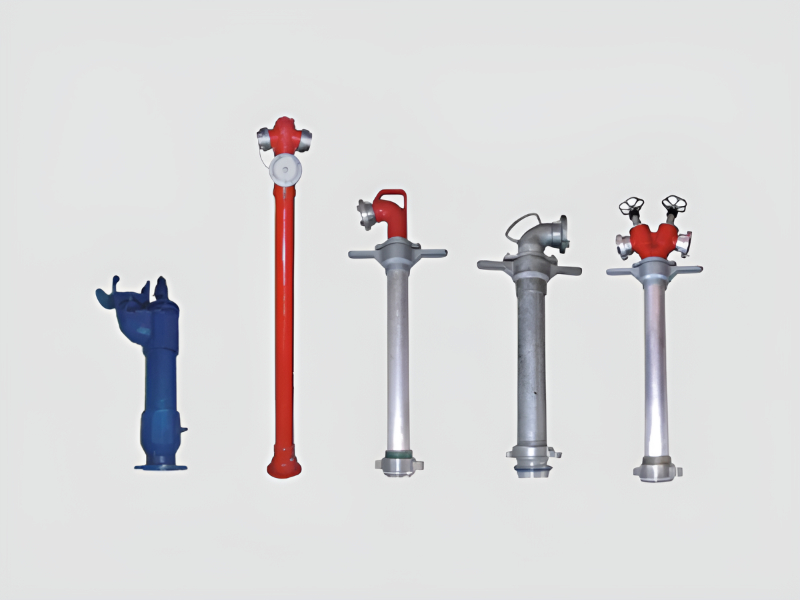
Fire Hydrant Systems come in various types to meet diverse requirements. Each variant offers distinct features tailored to specific applications.
Municipal Fire Hydrants: These are designed for public use, often featuring standard sizes and colors to meet municipal regulations. They prioritize high flow rates and accessibility.
Industrial Fire Hydrants: Built to withstand harsh conditions, these hydrants are often used in manufacturing and processing plants. They offer specialized features such as enhanced durability and pressure capabilities.
Portable Fire Hydrants: These lightweight systems are designed for temporary use in emergency situations, providing flexibility in deployment and rapid access to water.
Dry Barrel Hydrants: Ideal for areas with freezing temperatures, these hydrants prevent water from freezing in the barrel while still allowing for effective firefighting.
Wet Barrel Hydrants: Commonly used in warmer climates, these hydrants maintain a constant water supply without the freezing concerns associated with dry barrels.
Benefits and Advantages
Fire Hydrant Systems offer numerous advantages for businesses prioritizing safety and regulatory compliance. Their benefits extend beyond mere fire protection.
1. Enhanced Safety: Immediate access to water during emergencies significantly reduces fire damage and enhances overall safety for personnel and property.
2. Regulatory Compliance: Installation of Fire Hydrant Systems ensures compliance with local fire safety regulations and standards, minimizing legal liabilities.
3. Increased Property Value: A well-maintained fire protection system can enhance the value of a property, making it more attractive to potential buyers or tenants.
4. Cost-Effective Solution: Investing in Fire Hydrant Systems can lead to lower insurance premiums, as insurance companies often favor properties with robust fire protection measures.
5. Community Protection: Municipal Fire Hydrant Systems contribute to the overall safety of communities, providing essential resources for fire departments.
6. Reliability: With regular maintenance, these systems are highly dependable, ensuring preparedness in the event of a fire.
Buying Guide for B2B Buyers
When sourcing Fire Hydrant Systems, businesses should consider several key factors to ensure they choose the right product for their needs.
1. Quality Assessment: Evaluate materials and construction methods to ensure durability and reliability. Look for systems that meet industry standards for fire protection.
2. Supplier Verification: Vet suppliers to confirm their reputation and reliability. Check references and industry certifications to ensure you are partnering with a trustworthy source.
3. Pricing and MOQ: Understand the market pricing for Fire Hydrant Systems and inquire about minimum order quantities. This helps in aligning your budget with supplier offerings.
4. Delivery and Lead Times: Discuss logistics with suppliers to ensure timely delivery of systems. Plan for potential lead times, especially for customized solutions.
5. Compliance Requirements: Familiarize yourself with local regulations and standards that apply to Fire Hydrant Systems. Ensure your chosen solution meets these compliance needs.
Compliance and Certifications
Fire Hydrant Systems must adhere to various quality standards and regulations to ensure safety and effectiveness. Key standards include ISO 9001, which focuses on quality management systems, ensuring that manufacturers adhere to high quality control measures.
Additionally, industry certifications such as CE indicate that the products meet European safety and environmental requirements. These certifications are vital for ensuring that Fire Hydrant Systems are reliable during emergencies.
Safety and testing requirements are also crucial, with systems subjected to rigorous testing to ensure they can withstand extreme conditions. Regional compliance considerations vary, so it is important to understand local regulations that may influence the installation and operation of Fire Hydrant Systems.
Why Source Fire Hydrant Systems from Pepagora?
Pepagora provides a trusted platform for sourcing Fire Hydrant Systems, offering several key advantages that set it apart from other suppliers.
Verified Supplier Network: Pepagora ensures that all suppliers in its network are thoroughly vetted. This verification process guarantees that buyers are dealing with reputable manufacturers, minimizing risks associated with procurement.
Streamlined RFQ Process: The platform features a user-friendly Request for Quotation (RFQ) system that simplifies the purchasing process. Buyers can easily request quotes from multiple suppliers, facilitating competitive pricing and informed decision-making.
Trade Assurance and Support: Pepagora offers trade assurance to protect buyers throughout the purchasing process. This includes support for resolving disputes and ensuring product quality, providing peace of mind for businesses.
Regional Coverage: With a strong presence in India, the GCC, and Southeast Asia, Pepagora facilitates access to a wide range of Fire Hydrant Systems suitable for various markets. This extensive geographic reach allows businesses to find tailored solutions that meet their specific needs.

 IN
IN

 India
India