
 IN
Fingerprint Scanners for Attendance
6 products available
What are Fingerprint Scanners for Attendance?
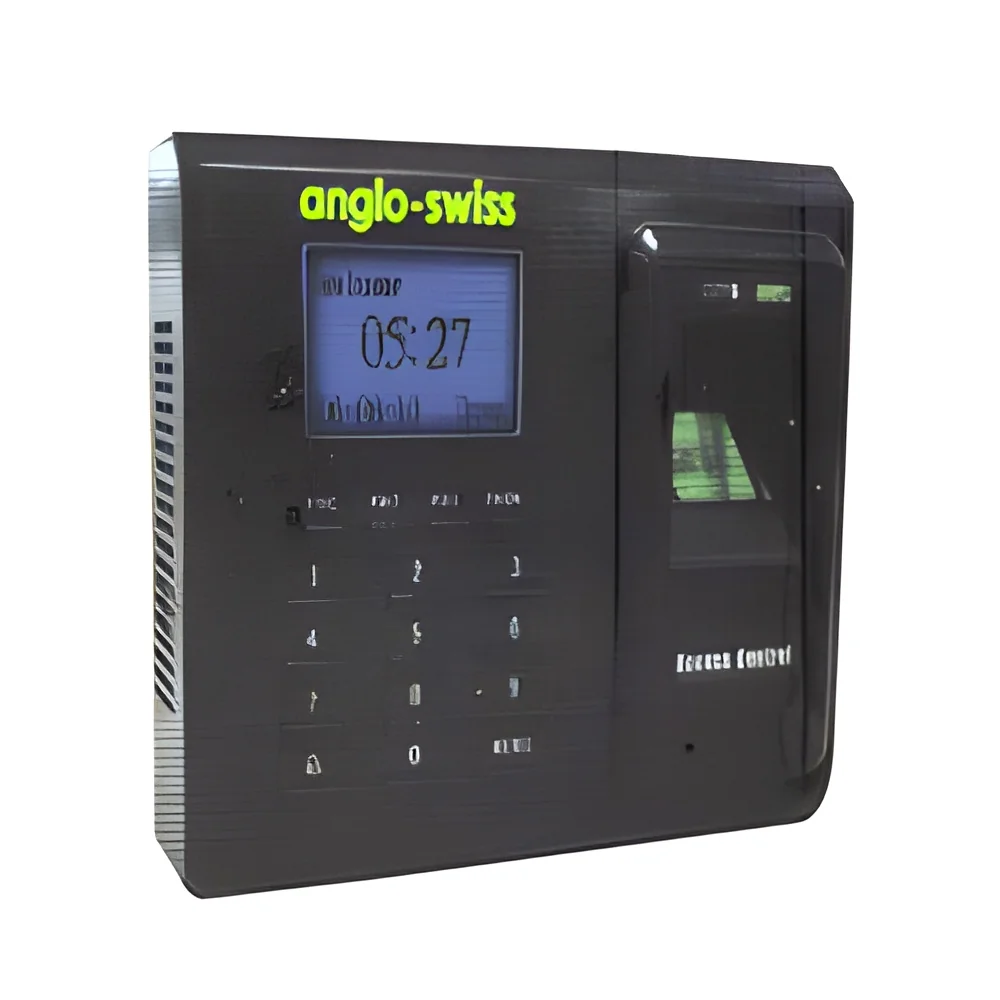
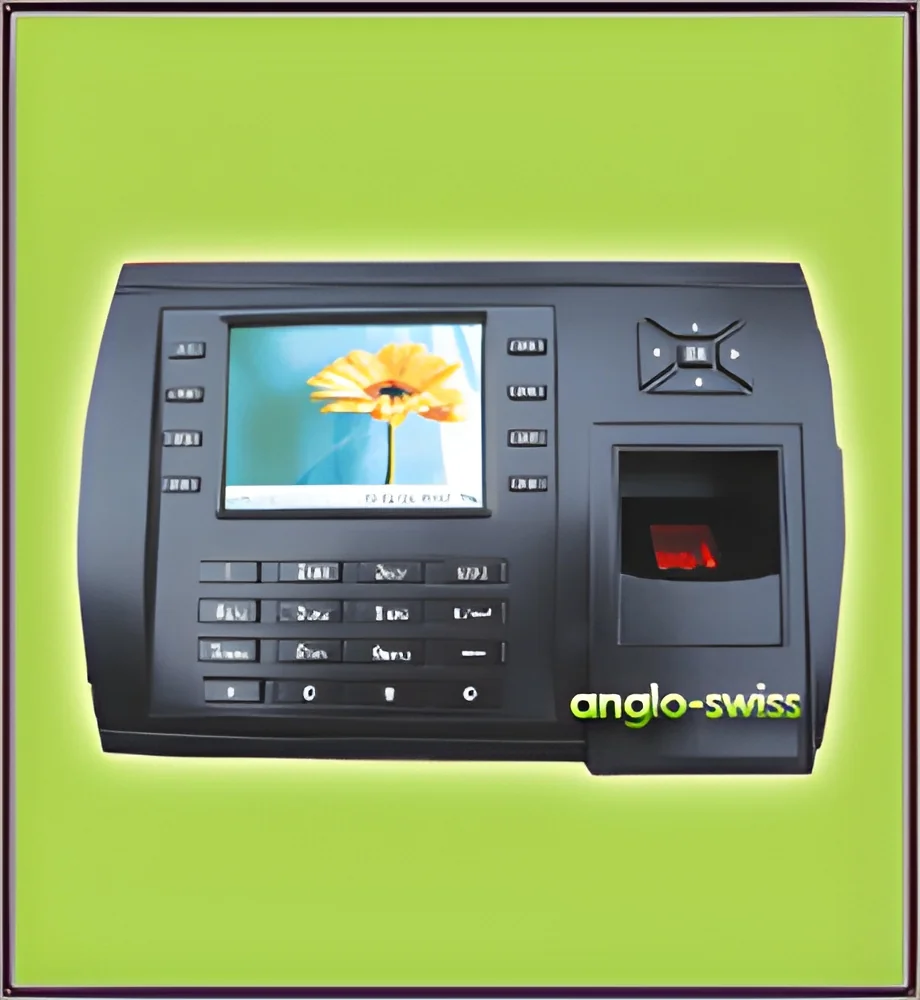
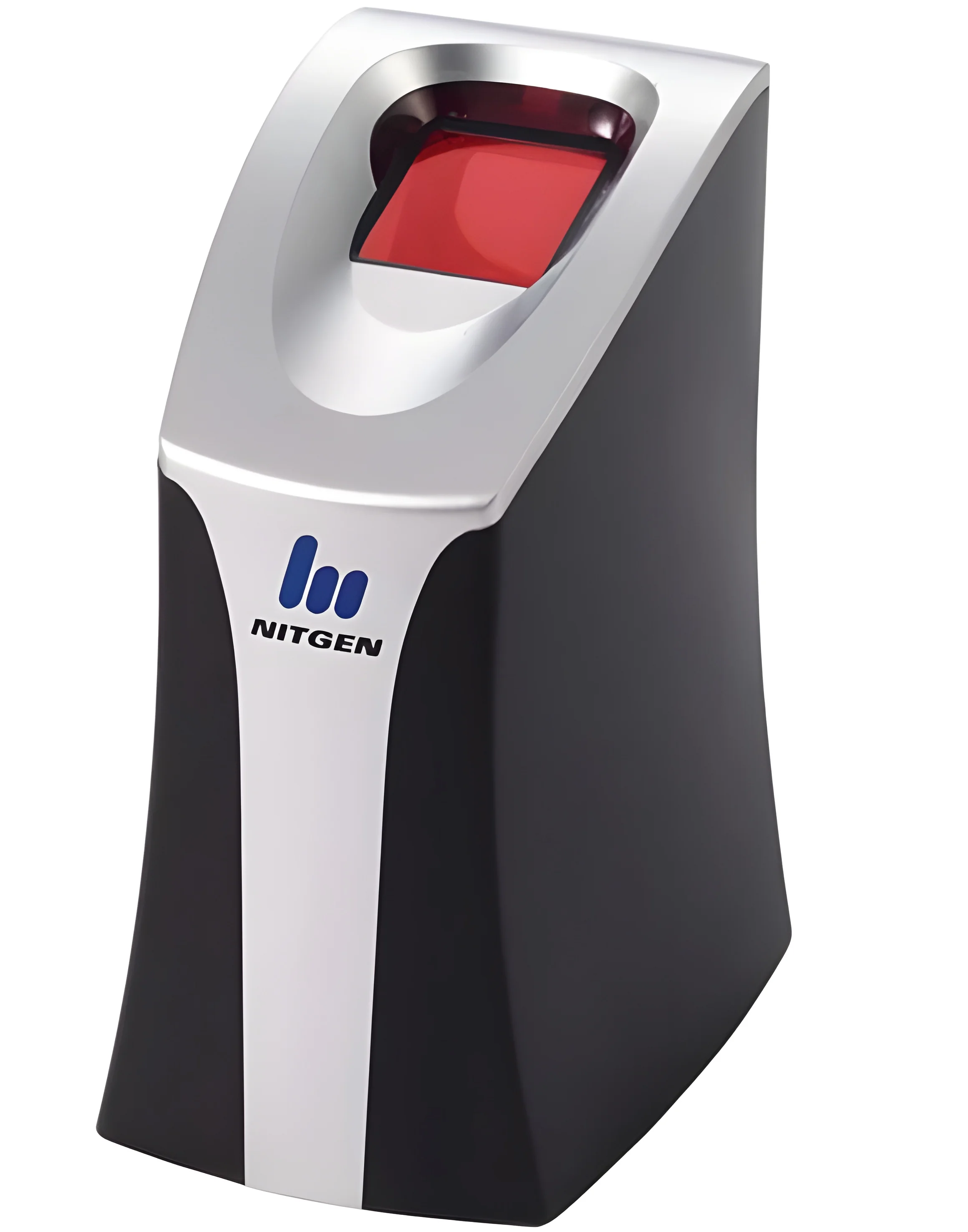
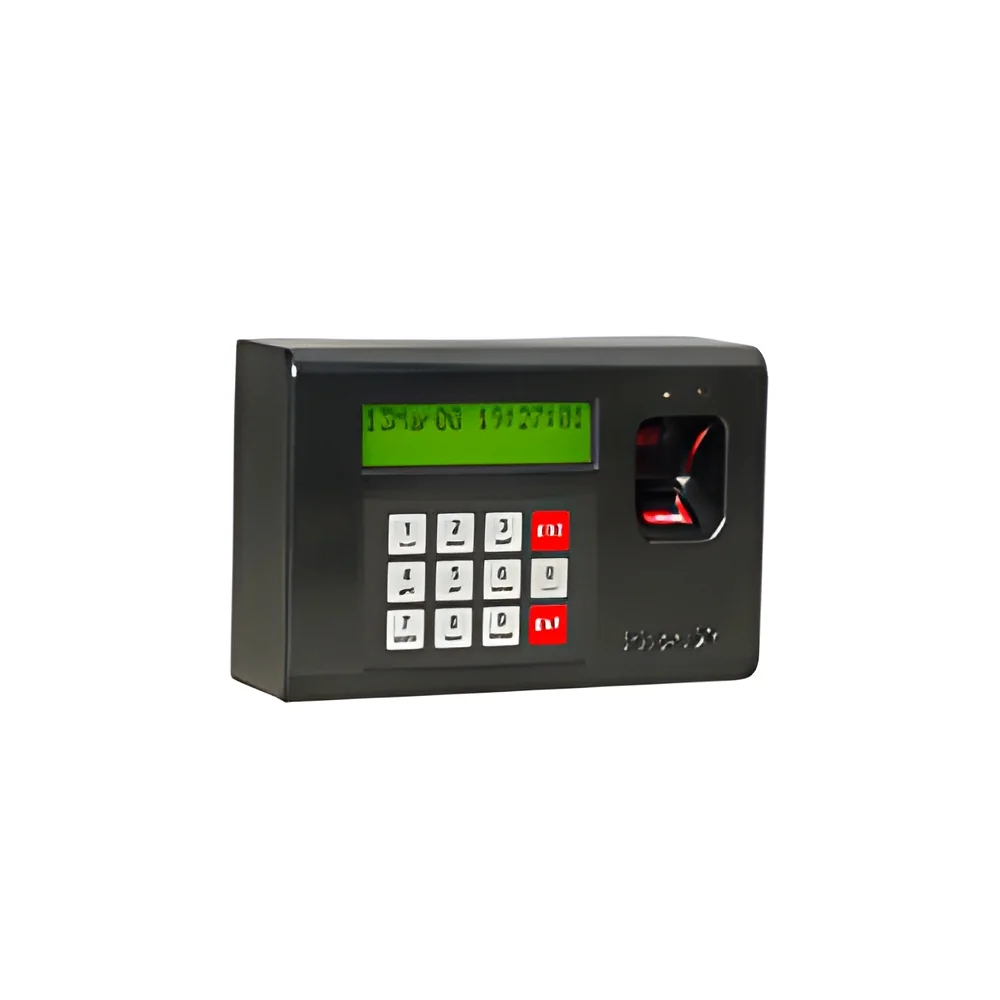
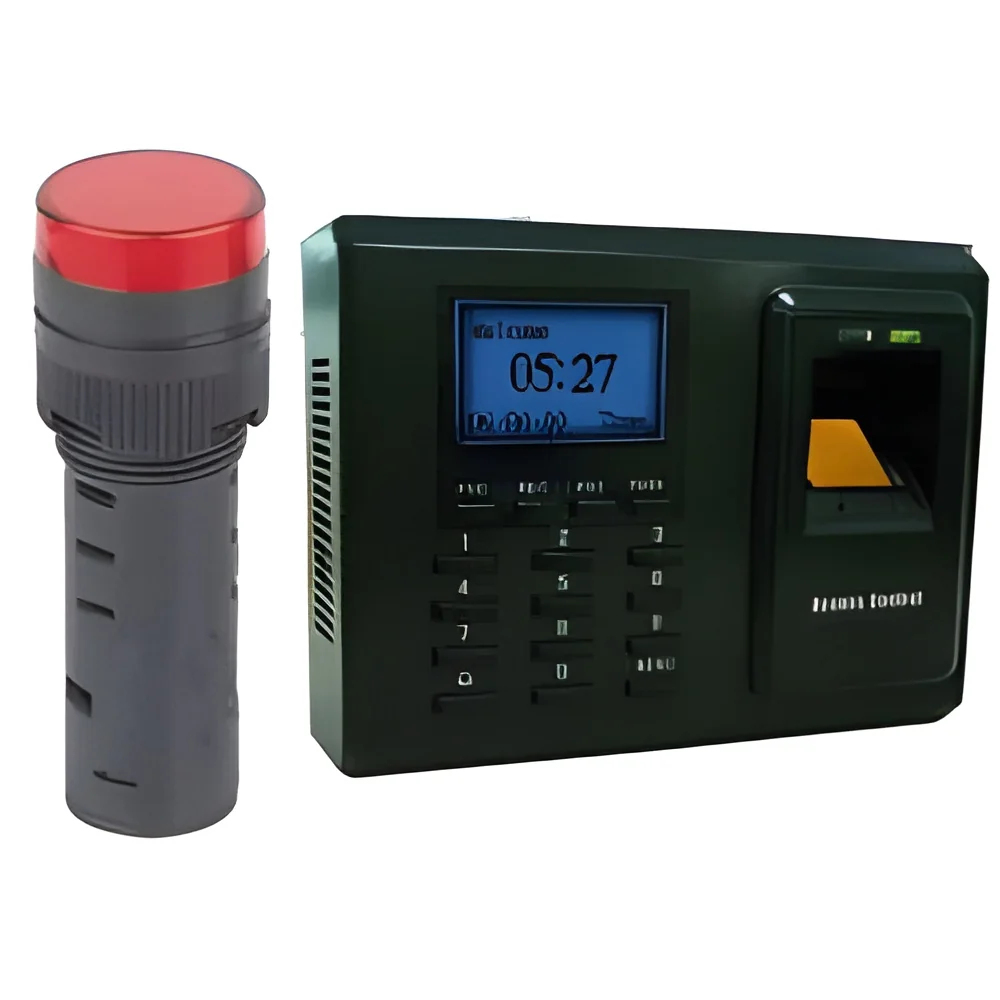
Fingerprint scanners for attendance are biometric devices designed to automate the process of recording employee attendance. These scanners utilize advanced fingerprint recognition technology to accurately identify individuals based on their unique fingerprint patterns. By scanning a person's fingerprint, the device can verify their identity and log their attendance in real-time, eliminating the need for manual timekeeping methods.
These devices find primary use in workplaces, schools, and various organizations where tracking attendance is critical. By providing a reliable and accurate means of recording attendance, businesses can enhance operational efficiency, reduce time theft, and improve payroll accuracy. The market for fingerprint scanners for attendance has grown significantly as more organizations recognize the importance of precise attendance tracking and the benefits of biometric technology in streamlining HR processes.
With the increasing emphasis on security and efficiency in the workplace, fingerprint scanners for attendance have become a relevant solution across industries. Their ability to mitigate issues related to buddy punching and time fraud positions them as essential tools for businesses looking to optimize their attendance systems.
Key Features and Specifications
Fingerprint scanners for attendance come equipped with various features that enhance their functionality and user experience. Understanding these key specifications can help businesses make informed decisions when selecting the right device for their needs.
Key specifications include:
1. Fingerprint Recognition Technology
- Optical, capacitive, or ultrasonic technology
- Varies in accuracy and speed of identification
2. Enrollment Capacity
- Number of fingerprints the device can store
- Ranges from hundreds to thousands based on model
3. Connectivity Options
- USB, Ethernet, or Wi-Fi capabilities
- Allows integration with existing systems
4. User Interface
- LCD display or LED indicators
- Provides easy navigation and user prompts
5. Power Supply
- AC power or battery-operated options
- Battery life varies by model, affecting portability
6. Security Features
- Data encryption and anti-tampering mechanisms
- Protects sensitive attendance data
7. Operating Temperature Range
- Typically designed to operate in various environmental conditions
- Exact temperature ranges not specified
8. Compliance with Standards
- CE certification for safety and quality
- Ensures adherence to industry regulations
In summary, fingerprint scanners for attendance are characterized by their innovative technology, user-friendly interfaces, and essential security features, making them vital tools for efficient attendance management.
Common Applications and Use Cases
Fingerprint scanners for attendance are versatile devices applicable across a range of industries. Their ability to streamline attendance tracking makes them invaluable in various sectors.
1. Corporate Offices: Many businesses use fingerprint scanners to record employee attendance, ensuring accurate payroll processing and reducing time fraud.
2. Educational Institutions: Schools and universities deploy these scanners to monitor student attendance, enhancing administrative efficiency and compliance with attendance regulations.
3. Manufacturing Facilities: In industrial settings, fingerprint scanners help track attendance on the shop floor, ensuring accurate labor reporting and resource allocation.
4. Healthcare: Hospitals and clinics utilize fingerprint attendance systems to monitor staff presence, promoting accountability and compliance with staffing regulations.
5. Retail: Retailers use these devices to manage employee attendance, optimize scheduling, and enhance overall workforce management.
6. Government Agencies: Public sector organizations implement fingerprint scanners to streamline employee attendance tracking and improve operational accountability.
7. Construction Sites: Construction firms deploy these scanners to monitor worker attendance, ensuring compliance with safety standards and labor regulations.
Product Variants and Subcategories
Fingerprint scanners for attendance come in various models, each suited for different applications and environments.
Fixed Fingerprint Scanners: These devices are typically used in office settings where employees can easily access them to clock in and out. They often feature robust security features and high enrollment capacities.
Portable Fingerprint Scanners: Designed for mobility, these scanners are ideal for environments such as construction sites or remote locations. They often operate on battery power, allowing for flexible deployment.
Benefits and Advantages
Fingerprint scanners for attendance offer numerous advantages that enhance business operations.
1. Increased Accuracy: These devices minimize human error associated with manual attendance tracking, ensuring precise attendance records.
2. Time Efficiency: Automated attendance logging significantly reduces the time spent on manual processes, allowing HR staff to focus on more strategic tasks.
3. Enhanced Security: Biometric data is unique to each individual, providing a high level of security against time theft and buddy punching.
4. Cost Savings: By reducing payroll inaccuracies and administrative overhead, businesses can achieve substantial cost savings over time.
5. Easy Integration: Many fingerprint scanners can seamlessly integrate with existing HR and payroll systems, enhancing overall operational efficiency.
6. Improved Accountability: Employees are more likely to adhere to attendance policies when they know their attendance is being accurately monitored.
Buying Guide for B2B Buyers
When sourcing fingerprint scanners for attendance, businesses should consider several important factors to ensure they choose the right product.
1. Quality Assessment: Evaluate the quality of the fingerprint scanner by reviewing manufacturer specifications, customer reviews, and performance ratings to ensure reliability.
2. Supplier Verification: Vet suppliers by checking their credentials, certifications, and customer feedback. A reputable supplier is crucial for post-purchase support and warranty services.
3. Pricing and MOQ: Consider the pricing structure and minimum order quantities (MOQs) set by suppliers. This helps in budgeting and ensures that you are getting value for your investment.
4. Delivery and Lead Times: Discuss logistics with suppliers to understand delivery times and ensure timely availability of the products.
5. Compliance Requirements: Ensure that the selected fingerprint scanners comply with relevant industry standards and regulations to avoid potential legal issues.
Compliance and Certifications
Fingerprint scanners for attendance must adhere to various quality standards and certifications to ensure safety and reliability. Relevant quality standards like ISO 9001 govern quality management systems, promoting consistent product quality and safety.
Additionally, industry certifications such as CE indicate that the product meets European safety, health, and environmental protection standards. This certification is crucial for businesses operating in regulated industries.
Safety and testing requirements may vary by region, and businesses should ensure that their chosen devices comply with local regulations. Depending on the market, other certifications may apply, and understanding these requirements is essential for compliance.
Why Source Fingerprint Scanners for Attendance from Pepagora?
Pepagora provides a trusted platform for sourcing fingerprint scanners for attendance, offering several key advantages to businesses.
Verified Supplier Network: Pepagora connects buyers with a network of verified suppliers, ensuring that only reputable companies are represented. This reduces the risk of subpar products and enhances buyer confidence.
Streamlined RFQ Process: Businesses can easily request quotations from multiple suppliers through Pepagora, allowing for quick comparisons and informed purchasing decisions.
Trade Assurance and Support: Pepagora offers trade assurance features that protect buyers throughout the purchasing process. This includes support for resolving disputes and ensuring product satisfaction.
Regional Coverage: With a strong presence in India, the Gulf Cooperation Council (GCC), and Southeast Asia, Pepagora provides access to a wide range of fingerprint scanner suppliers, catering to diverse business needs across different regions.


 India
 India
 India
 India
 India
Frequently Asked Questions
What are Fingerprint Scanners for Attendance?
Fingerprint Scanners for Attendance are biometric devices used to record and verify the attendance of employees or individuals by scanning their fingerprints. These devices ensure accurate attendance tracking and enhance security by preventing unauthorized access.
What are the different types of Fingerprint Scanners for Attendance?
There are several types of Fingerprint Scanners for Attendance, including optical scanners, capacitive scanners, and thermal scanners. Each type uses different technology to capture and recognize fingerprints, catering to various needs and environments.
How do I choose the right Fingerprint Scanners for Attendance?
When selecting Fingerprint Scanners for Attendance, consider factors such as scanning speed, fingerprint capacity, user interface, and integration capabilities with existing systems. It's also important to assess the environmental conditions where the scanner will be used.
What are the standard specifications for Fingerprint Scanners for Attendance?
Standard specifications for Fingerprint Scanners for Attendance typically include resolution (measured in DPI), scanning speed, storage capacity, and connectivity options (USB, Wi-Fi, etc.). Additionally, durability and operational temperature range are crucial for long-term use.
What is the price range for Fingerprint Scanners for Attendance?
The price range for Fingerprint Scanners for Attendance can vary significantly based on features and technology, typically ranging from INR 5,000 to INR 50,000. Higher-end models may offer advanced functionalities such as facial recognition and cloud connectivity.
What quality standards apply to Fingerprint Scanners for Attendance?
Quality standards for Fingerprint Scanners for Attendance often include compliance with ISO/IEC standards for biometric systems. Additionally, devices should undergo rigorous testing for accuracy, reliability, and user safety.
Where can I find Fingerprint Scanners for Attendance suppliers in India?
Fingerprint Scanners for Attendance suppliers in India can be found through B2B marketplaces like Pepagora, local electronics distributors, and official manufacturer websites. Researching reviews and certifications can also help identify reputable suppliers.
Can Fingerprint Scanners for Attendance be customized?
Yes, many manufacturers offer customization options for Fingerprint Scanners for Attendance, allowing businesses to tailor features such as software interfaces, design, and integration capabilities according to their specific needs.
What is the typical minimum order quantity for Fingerprint Scanners for Attendance?
The typical minimum order quantity (MOQ) for Fingerprint Scanners for Attendance can vary by supplier, but it generally ranges from 5 to 50 units. It's advisable to check with individual suppliers for their specific MOQ requirements.
What is the typical lead time for Fingerprint Scanners for Attendance?
The typical lead time for Fingerprint Scanners for Attendance usually ranges from 1 to 4 weeks, depending on the supplier and the complexity of the order. Custom orders may require additional time for processing and production.
Why Businesses Trust Pepagora
Thousands of companies trust Pepagora to source smarter and sell faster
Expand Your Sales Globally

Source Smarter,Grow Faster
