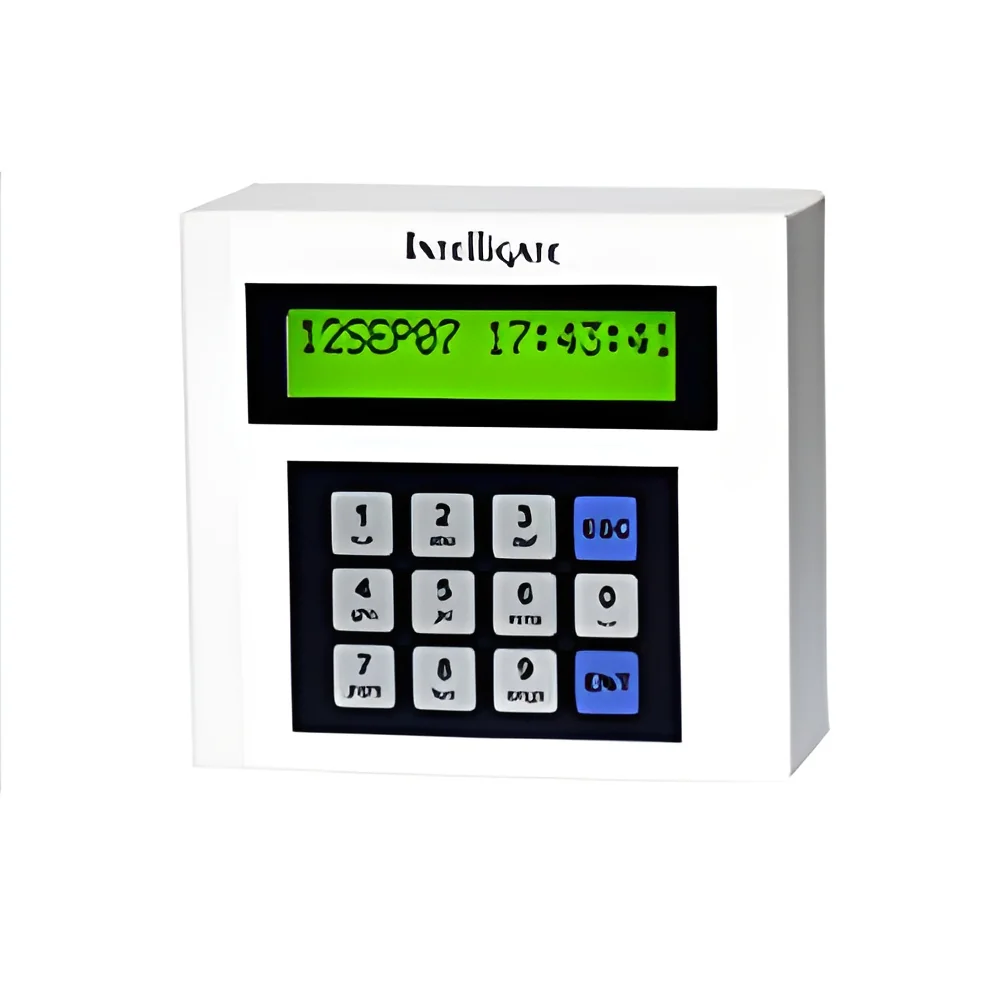
What are RFID Attendance Systems?
RFID Attendance Systems are advanced technologies that utilize radio frequency identification (RFID) to track employee attendance in various settings. These systems consist of RFID tags, which can be attached to employee identification cards or badges, and RFID readers that detect the tags when employees clock in or out. This technology simplifies the attendance tracking process, reducing human error and time spent on record-keeping.
Primarily, RFID Attendance Systems are used in corporate environments, educational institutions, and large facilities where monitoring personnel movement is essential. By automating attendance logging, businesses can streamline their human resource processes, enhance accountability, and improve operational efficiency. The accuracy of RFID data helps organizations maintain compliance with labor regulations and ensures that attendance records are precise and reliable.
The market for RFID Attendance Systems is growing rapidly, driven by an increasing need for efficient workforce management solutions. Industries are recognizing the value of real-time data and analytics offered by these systems, which can provide insights into employee attendance patterns and help in resource planning. As organizations continue to digitize their operations, the relevance of RFID technology in attendance management becomes more pronounced.
Key Features and Specifications
RFID Attendance Systems come with a variety of features that make them suitable for modern business needs. These specifications ensure that the systems operate effectively and meet the requirements of different industries.
Key specifications include:
1. RFID Tag Type
- Passive or active RFID tags
- Range of detection typically from 10 cm to several meters
2. Reader Technology
- Fixed or handheld RFID readers
- Operating frequency of 125 kHz or 13.56 MHz
3. Data Storage Capacity
- Ability to store multiple attendance records
- Options for cloud-based or on-premise data storage
4. User Interface
- Web-based dashboard for real-time monitoring
- Mobile app compatibility for remote access
5. Integration Capabilities
- Compatibility with HR and payroll systems
- API access for custom integrations
6. Security Features
- Encryption protocols for data protection
- User access controls and audit logs
7. Operating Conditions
- Temperature and humidity tolerance details not available
- Designed for indoor or outdoor use based on variant
8. Power Supply
- Battery-operated or wired options available
- Average battery life ranging from 1 to 3 years for passive tags
In summary, RFID Attendance Systems are equipped with various features that enhance their functionality and adaptability across different business environments.
Common Applications and Use Cases
RFID Attendance Systems serve several industries, each benefiting from the technology's efficiency and reliability.
1. Corporate Offices: These systems are widely used to manage employee attendance and monitor entry and exit times, thus streamlining payroll processes.
2. Educational Institutions: Schools and universities utilize RFID systems to track student attendance, making it easier to manage classroom participation and maintain records.
3. Manufacturing Facilities: In industries with high labor turnover, RFID Attendance Systems help monitor workforce attendance and optimize labor allocation.
4. Healthcare Sector: Hospitals use these systems for staff attendance tracking, ensuring compliance with staffing regulations and enhancing patient care.
5. Event Management: RFID Attendance Systems are employed in conferences and festivals to efficiently manage attendee access and monitor participation.
6. Government Agencies: These systems assist in managing employee attendance in public offices, enhancing accountability and operational efficiency.
7. Logistics and Warehousing: Companies use RFID systems to track labor hours and optimize workforce utilization in busy logistics environments.
Product Variants and Subcategories
RFID Attendance Systems come in various forms to cater to different business needs and environments.
Desktop RFID System: This variant is designed for fixed locations, such as reception areas, where employees can easily swipe their RFID cards to clock in and out. It features a user-friendly interface and can integrate with payroll systems for automated data transfer.
Mobile RFID System: This portable system is ideal for organizations requiring flexibility. It allows managers to monitor employee attendance from different locations using handheld RFID readers, making it suitable for remote sites or fieldwork.
Cloud-Based RFID System: This variant stores attendance data in the cloud, enabling real-time access from anywhere. Users benefit from automatic updates and the ability to analyze attendance trends through web-based dashboards.
Benefits and Advantages
RFID Attendance Systems provide numerous benefits that can significantly enhance a business's operational efficiency.
Key benefits include:
1. Increased Accuracy: Automated data capture reduces human error, ensuring reliable attendance records.
2. Time Savings: Streamlined attendance logging processes save time for both employees and HR personnel.
3. Enhanced Security: RFID technology offers secure data transmission, protecting sensitive attendance information.
4. Real-Time Monitoring: Businesses can access attendance data instantly, allowing for better resource management.
5. Cost-Effective: The reduction in administrative workload translates to lower operational costs over time.
6. Compliance Support: RFID systems help organizations meet labor regulations by maintaining accurate attendance records.
Buying Guide for B2B Buyers
When sourcing RFID Attendance Systems, there are several important factors to consider to ensure the right fit for your organization.
1. Quality Assessment: Evaluate the build quality and reliability of the RFID system. Look for products with a proven track record and positive customer reviews to ensure durability and performance.
2. Supplier Verification: Vet potential suppliers thoroughly. Verify their experience in the RFID market and check certifications to ensure they meet industry standards.
3. Pricing and MOQ: Understand the price range for RFID Attendance Systems and inquire about minimum order quantities. Consider bulk purchasing options for cost savings.
4. Delivery and Lead Times: Discuss logistics with suppliers to determine lead times for delivery. Timely availability can impact your implementation schedule.
5. Compliance Requirements: Ensure that the RFID Attendance System complies with relevant regulations in your industry. This may include safety standards and data protection laws.
Compliance and Certifications
RFID Attendance Systems must adhere to specific quality standards and certifications to ensure their reliability and safety in various applications.
ISO 9001 is a widely recognized standard that ensures quality management systems are in place, promoting continuous improvement and customer satisfaction. This certification is essential for manufacturers of RFID systems to guarantee that their products meet consistent quality benchmarks.
Additionally, CE certification indicates that the RFID products meet European safety and health requirements. This certification is crucial for businesses operating in or exporting to European markets, ensuring that the products comply with applicable regulations.
Safety and testing requirements are also important considerations. RFID systems must undergo rigorous testing to ensure they function correctly under various conditions and do not pose risks to users.
Regional compliance considerations may vary, so it is essential for buyers to understand the specific regulations that apply to their location and industry.
Why Source RFID Attendance Systems from Pepagora?
Pepagora offers a trusted platform for sourcing RFID Attendance Systems, providing several key advantages that can benefit B2B buyers.
Verified Supplier Network: Pepagora connects buyers with a network of verified suppliers who have undergone a thorough vetting process. This ensures that buyers can trust the quality and reliability of the systems they purchase.
Streamlined RFQ Process: The platform simplifies the request for quotation (RFQ) process, enabling buyers to easily compare options and receive competitive pricing from multiple suppliers. This efficiency saves time and facilitates better decision-making.
Trade Assurance and Support: Pepagora offers trade assurance, protecting buyers against potential risks and ensuring that their purchases meet quality expectations. Additionally, the support team is available to assist with any inquiries or issues that may arise during the sourcing process.
Regional Coverage: With a focus on regions such as India, the GCC, and Southeast Asia, Pepagora provides extensive geographic reach. This allows businesses in these areas to access a diverse range of RFID Attendance Systems tailored to their specific needs.

 IN
IN