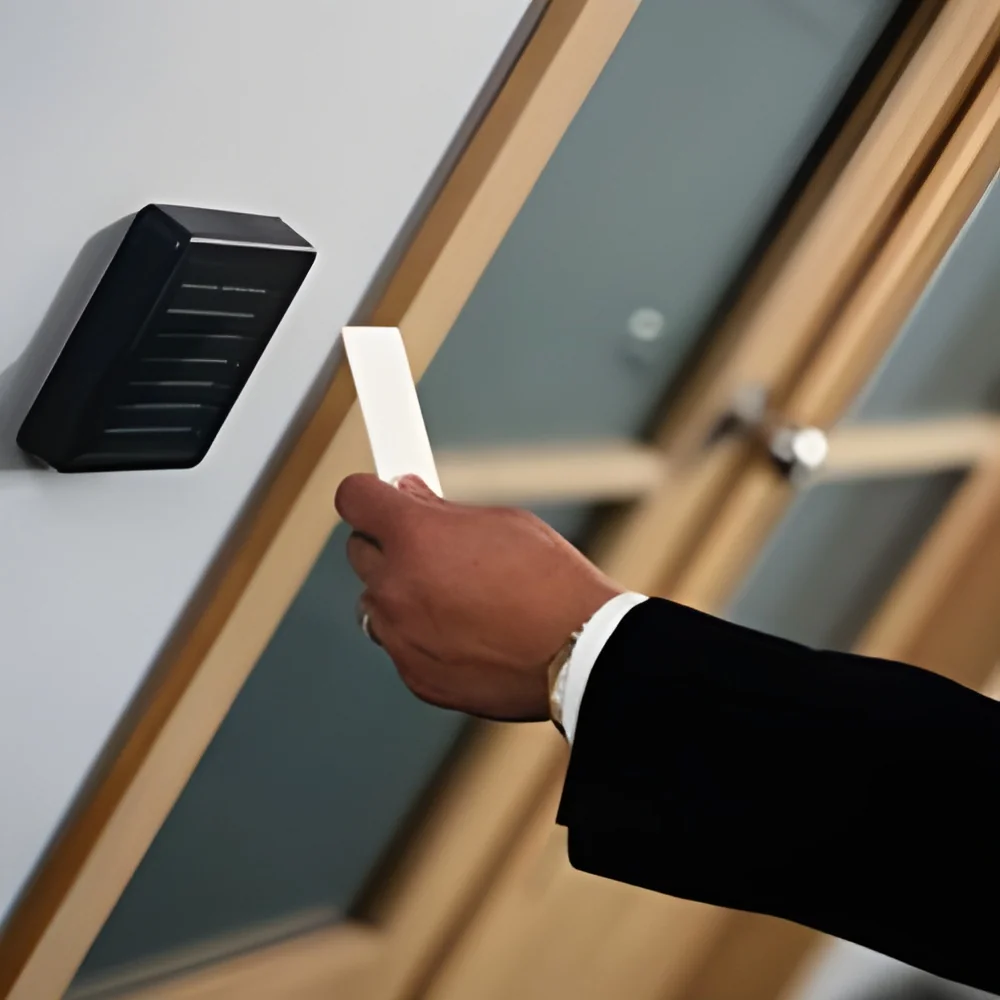
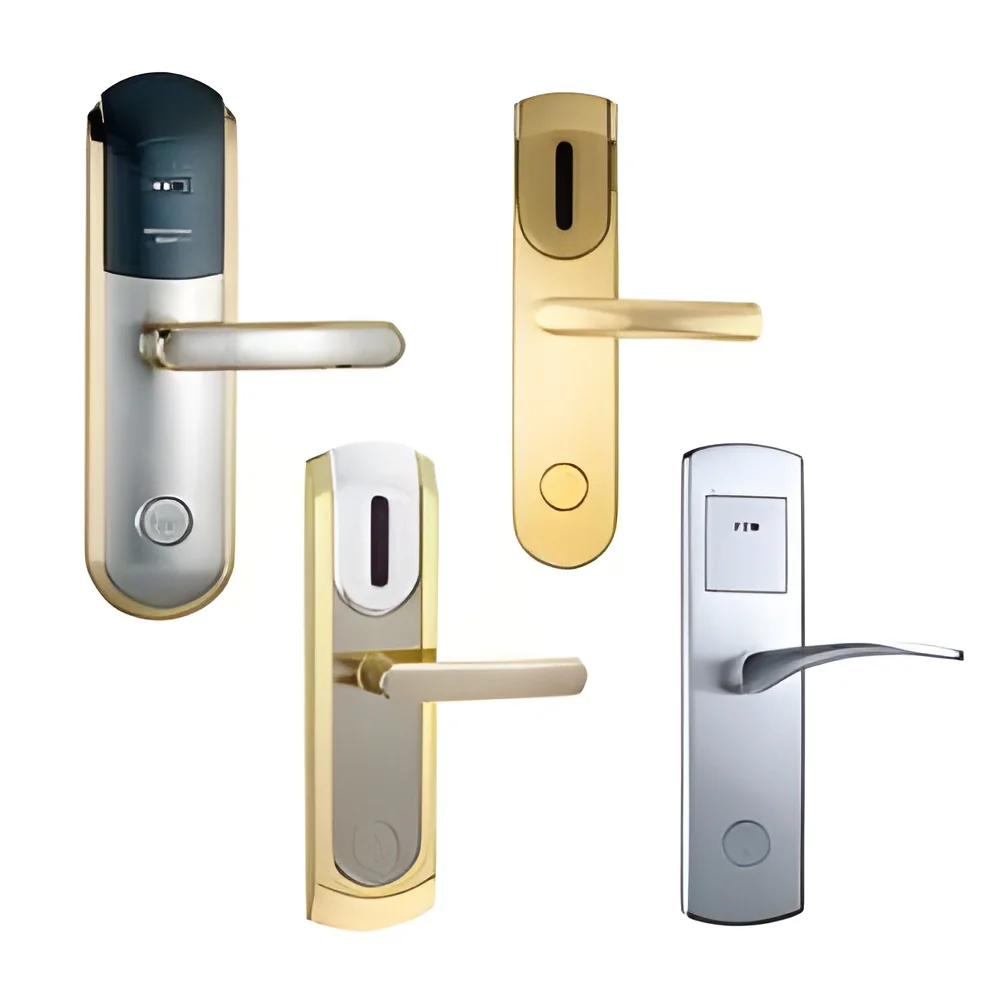
What are Standalone Access Control Units?
Standalone Access Control Units are self-contained security systems designed to manage and monitor access to restricted areas. These units operate independently, allowing organizations to control entry without the need for extensive wiring or connection to a central security system. They typically include an access reader, control panel, and locking mechanism, making them a versatile solution for various security needs.
These units are primarily used in commercial and industrial settings to enhance security measures. Businesses can deploy them in office buildings, warehouses, and manufacturing facilities to regulate who can enter specific locations. Their simplicity and effectiveness make them an ideal choice for small to medium-sized enterprises looking to enhance their security without a significant investment in infrastructure.
In today's market, the demand for Standalone Access Control Units is growing as organizations prioritize security and access management. As businesses face increasing risks related to unauthorized access, these units provide a practical solution that balances security needs with cost-effectiveness. With advancements in technology, Standalone Access Control Units are evolving to include features such as mobile access and integration with other security systems, further solidifying their relevance across various industries.
Key Features and Specifications
Standalone Access Control Units come equipped with a range of features that enhance their functionality and ease of use. These specifications ensure that they meet the diverse needs of businesses across different sectors.
Key specifications include:
1. Access Control Method
- Options include keypads, card readers, and biometric scanners.
- Allows for various authentication methods to suit user preferences.
2. User Capacity
- Typically supports anywhere from 100 to several thousand users.
- Ideal for small offices to large enterprises.
3. Power Source
- Operates on standard electrical supply or battery backup.
- Ensures functionality even during power outages.
4. Connectivity Options
- May offer wired or wireless connectivity for data transfer.
- Allows for easy integration with other security systems.
5. Temperature Operating Range
- Designed to function effectively in a range of environmental conditions.
- Specific temperature ranges not available.
6. Humidity Control
- Designed to withstand varying humidity levels.
- Specific humidity control specifications not available.
7. Monitoring Features
- Many units include real-time monitoring capabilities.
- Specific monitoring features not available.
8. Compliance Certifications
- Typically compliant with CE standards.
- Ensures adherence to safety and quality regulations.
In summary, these specifications make Standalone Access Control Units a flexible and reliable choice for businesses looking to enhance their security infrastructure.
Common Applications and Use Cases
Standalone Access Control Units are versatile and applicable across multiple industries, providing tailored solutions for various access management needs.
1. Office Buildings: These units are commonly used to restrict access to specific areas, such as executive offices and server rooms, ensuring sensitive information remains secure.
2. Warehouses: In logistics and warehousing, access control units help manage entry points, preventing unauthorized access and enhancing inventory security.
3. Educational Institutions: Schools and universities utilize these units to control access to campus facilities, protecting students and staff while ensuring safety.
4. Healthcare Facilities: Hospitals and clinics implement access control to secure patient records and restricted areas, safeguarding sensitive information and ensuring compliance.
5. Retail Stores: Retailers use these units to manage employee access to stockrooms and secure areas, helping to reduce theft and unauthorized access.
6. Manufacturing Plants: In industrial environments, access control units limit entry to sensitive production areas, ensuring safety and protecting proprietary processes.
7. Government Buildings: These units are critical in securing sensitive government facilities, controlling access to ensure the safety of personnel and information.
Product Variants and Subcategories
Standalone Access Control Units come in various forms to meet different security needs and operational requirements. Their diversity allows businesses to choose the right model for their specific applications.
Basic Model
This entry-level variant provides essential access control features such as keypad entry and basic user management. It is suitable for small businesses or locations requiring minimal security.
Advanced Model
Designed for larger organizations, this variant includes additional features such as biometric scanning and advanced reporting capabilities. It suits businesses with stricter security requirements.
Wireless Model
This model offers wireless connectivity, allowing for easier installation and flexibility in placement. It is ideal for companies looking to minimize wiring and enhance mobility.
Mobile-Integrated Model
This variant allows users to access secure areas via mobile devices, integrating modern technology with traditional access methods. It is perfect for tech-savvy organizations that want to streamline access processes.
Benefits and Advantages
Choosing Standalone Access Control Units provides several key benefits that enhance security and operational efficiency.
1. Flexibility: Standalone units can be installed in various locations without extensive wiring, making them easy to implement in different environments.
2. Cost-Effectiveness: These units provide a secure solution at a lower cost compared to complex integrated systems, making them suitable for small to medium-sized enterprises.
3. User-Friendly: Many models feature intuitive interfaces that simplify user management and access control, reducing the need for extensive training.
4. Enhanced Security: With various authentication methods available, businesses can implement robust security measures to protect sensitive areas.
5. Scalability: Organizations can easily expand their access control systems as their needs grow, adding more units without significant infrastructure changes.
6. Remote Management: Many units offer remote monitoring capabilities, allowing businesses to oversee access control from anywhere.
Buying Guide for B2B Buyers
When sourcing Standalone Access Control Units, buyers should consider several essential factors to ensure they select the right products for their needs.
1. Quality Assessment: Evaluate the quality of the units by checking for compliance with industry standards and certifications. Look for models that have been tested for reliability and durability.
2. Supplier Verification: Vet suppliers thoroughly to ensure they have a good track record and provide reliable products. Check reviews and ask for references to confirm their credibility.
3. Pricing and MOQ: Be aware of the price range for Standalone Access Control Units and consider the minimum order quantities. This helps in budgeting and planning procurement effectively.
4. Delivery and Lead Times: Understand the logistics involved in purchasing these units. Factor in delivery times to ensure they align with your project schedules.
5. Compliance Requirements: Ensure that the units meet relevant regulatory standards for your region. This is crucial for maintaining safety and quality in operations.
Compliance and Certifications
Compliance and certifications play a vital role in the quality and safety of Standalone Access Control Units.
Reputable access control units adhere to quality standards such as ISO 9001, which ensures systematic quality management processes. This standard helps organizations consistently provide products that meet customer and regulatory requirements.
Industry certifications, particularly CE marking, indicate that the products comply with European health, safety, and environmental protection standards. This certification is crucial for companies looking to operate in or export to European markets.
Additionally, safety and testing requirements are essential to ensure that these units function correctly under various conditions. Organizations should also consider regional compliance factors, as different areas may have specific regulations governing access control systems.
Why Source Standalone Access Control Units from Pepagora?
Pepagora provides a trusted platform for sourcing Standalone Access Control Units, offering several key advantages for B2B buyers.
Verified Supplier Network: Pepagora’s extensive network includes verified suppliers known for their quality products and reliability. This network ensures that buyers can find trustworthy sources for their access control needs.
Streamlined RFQ Process: The request for quotation (RFQ) system simplifies the procurement process. Buyers can easily compare quotes from multiple suppliers, ensuring they find the best value for their investment.
Trade Assurance and Support: Pepagora offers trade assurance, providing buyers with protection and support throughout the purchasing process. This commitment to buyer safety enhances confidence in sourcing decisions.
Regional Coverage: With a broad geographic reach across India, the GCC, and Southeast Asia, Pepagora connects buyers with suppliers in various regions, facilitating access to a diverse range of Standalone Access Control Units.

 IN
IN