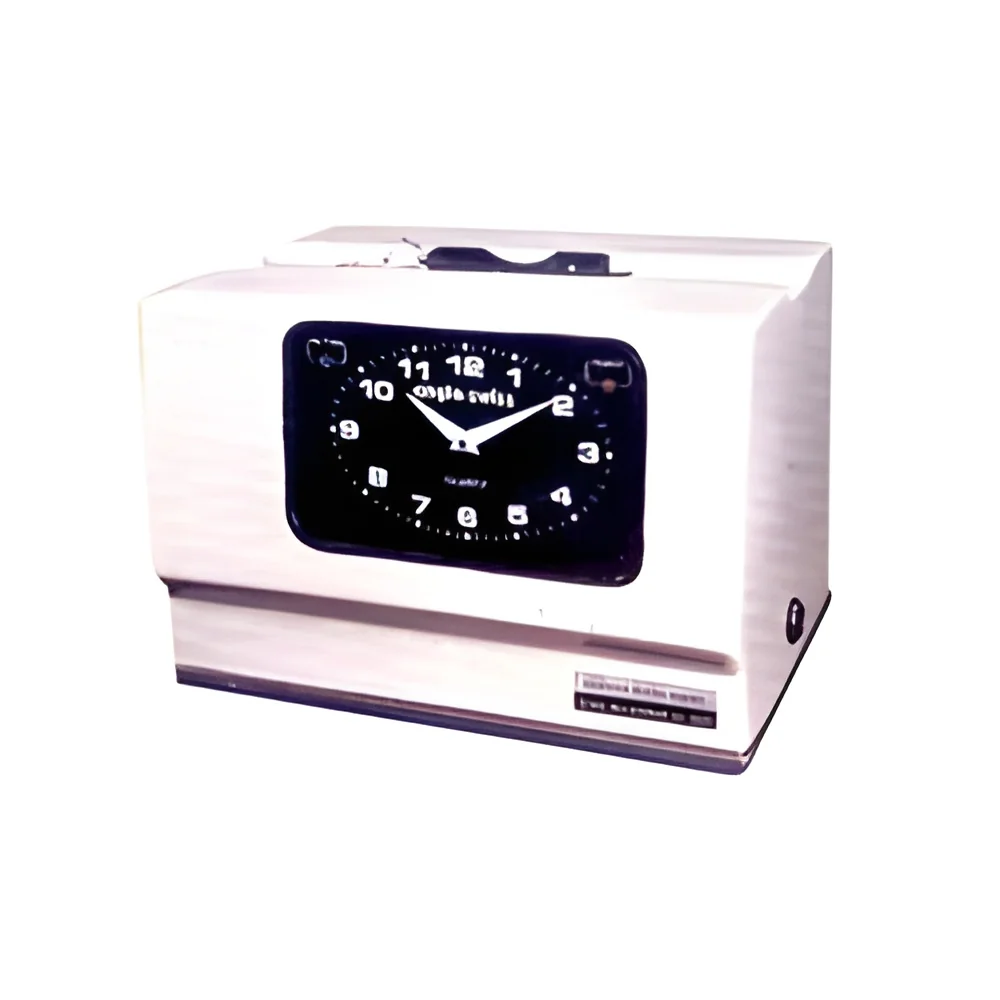
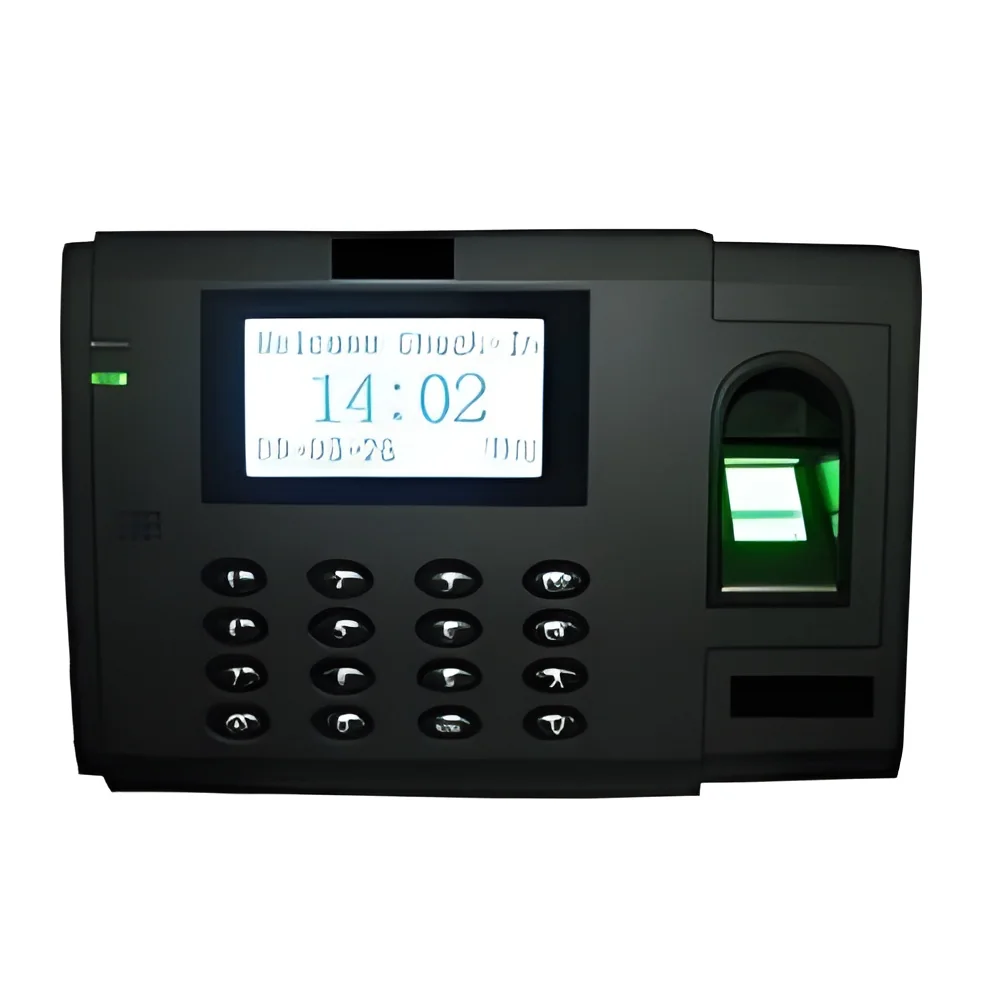
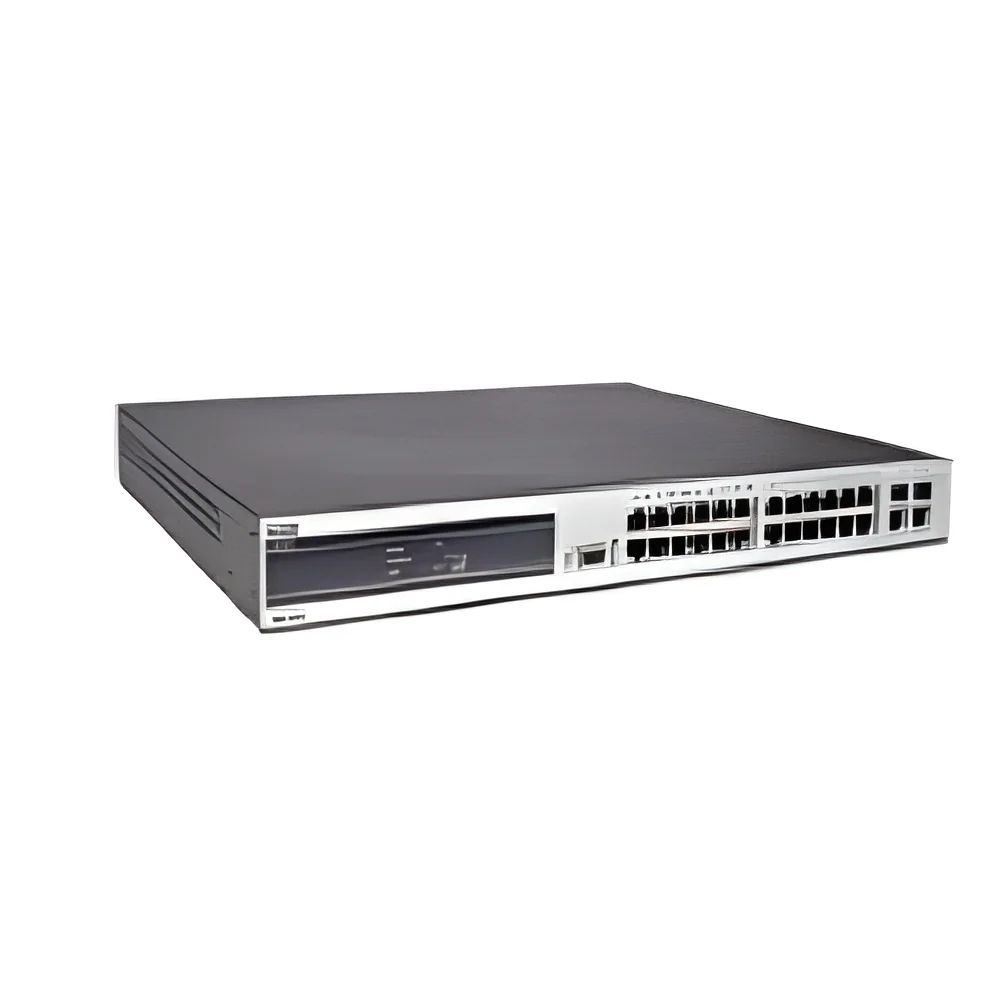
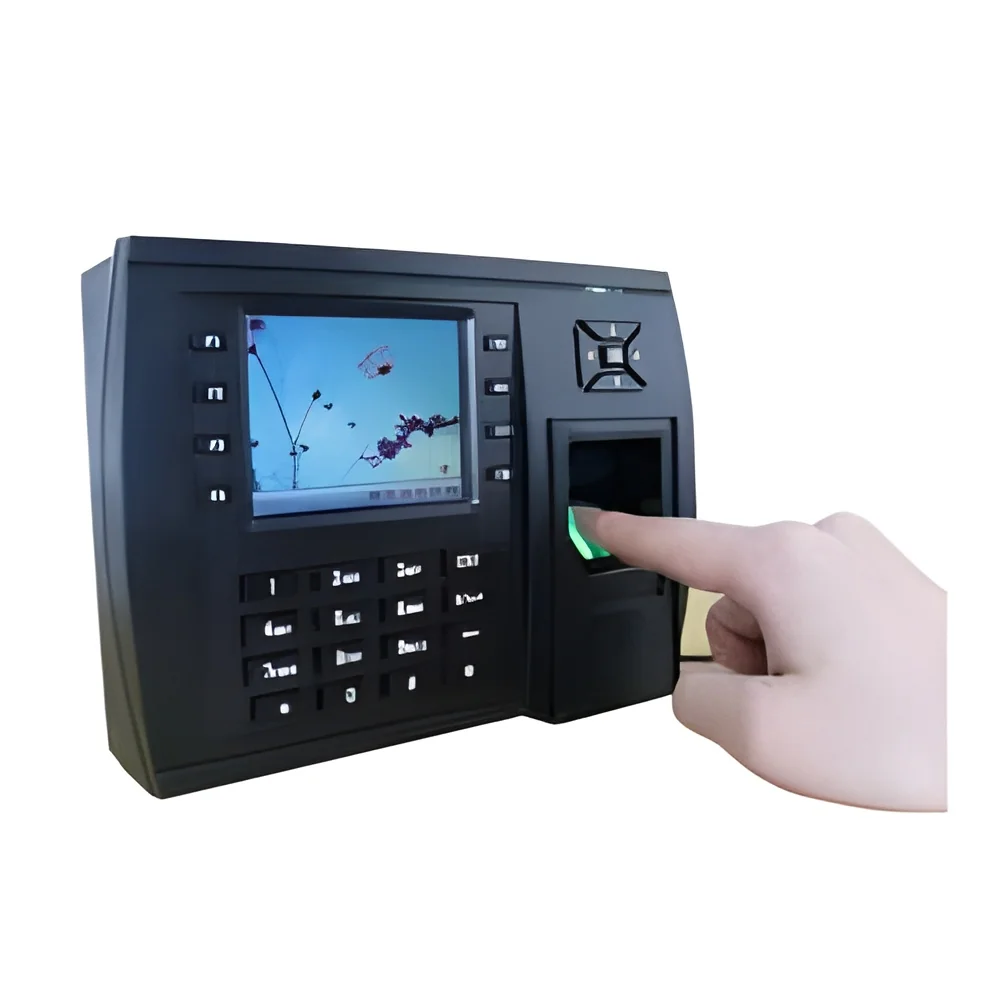
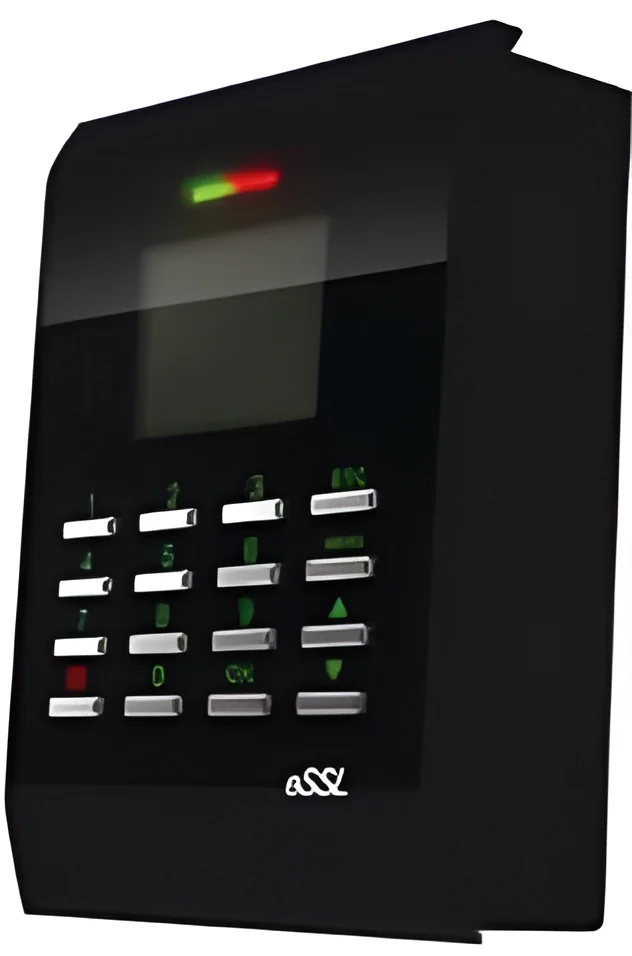
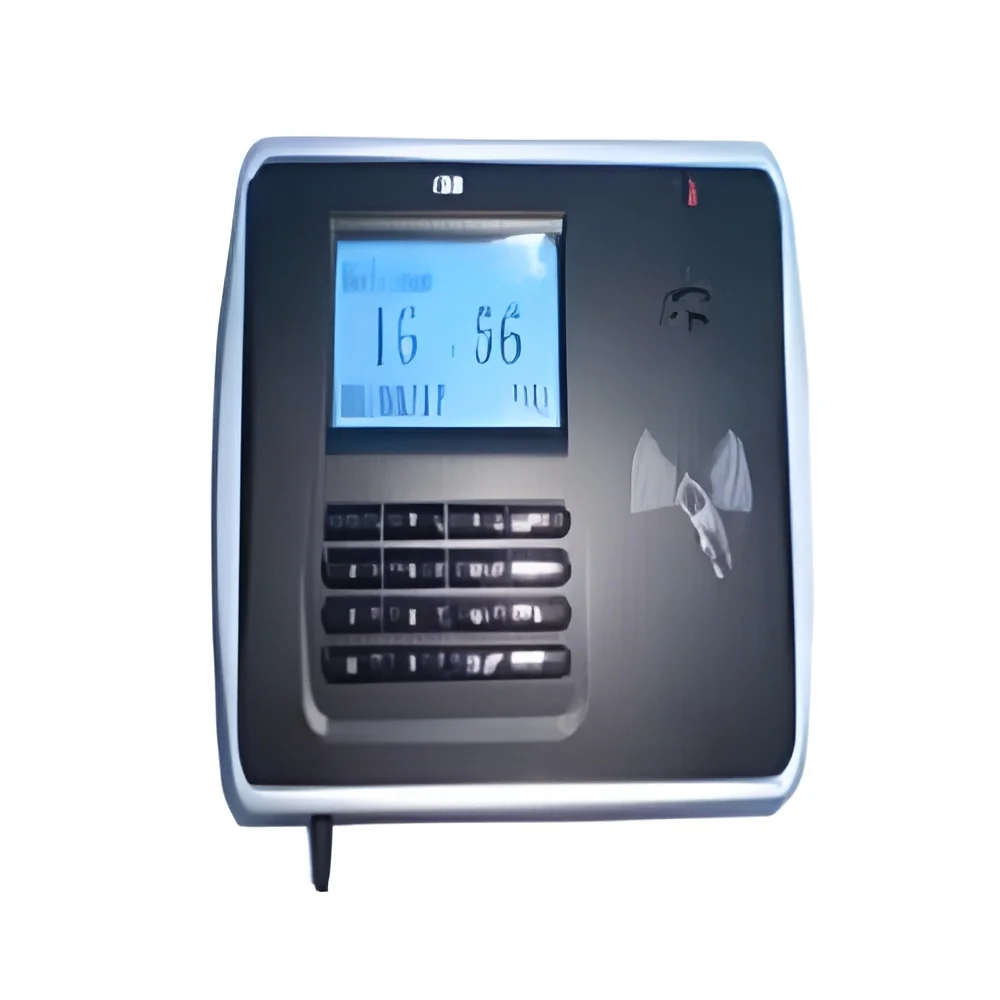
What are Card-Based Attendance Systems?
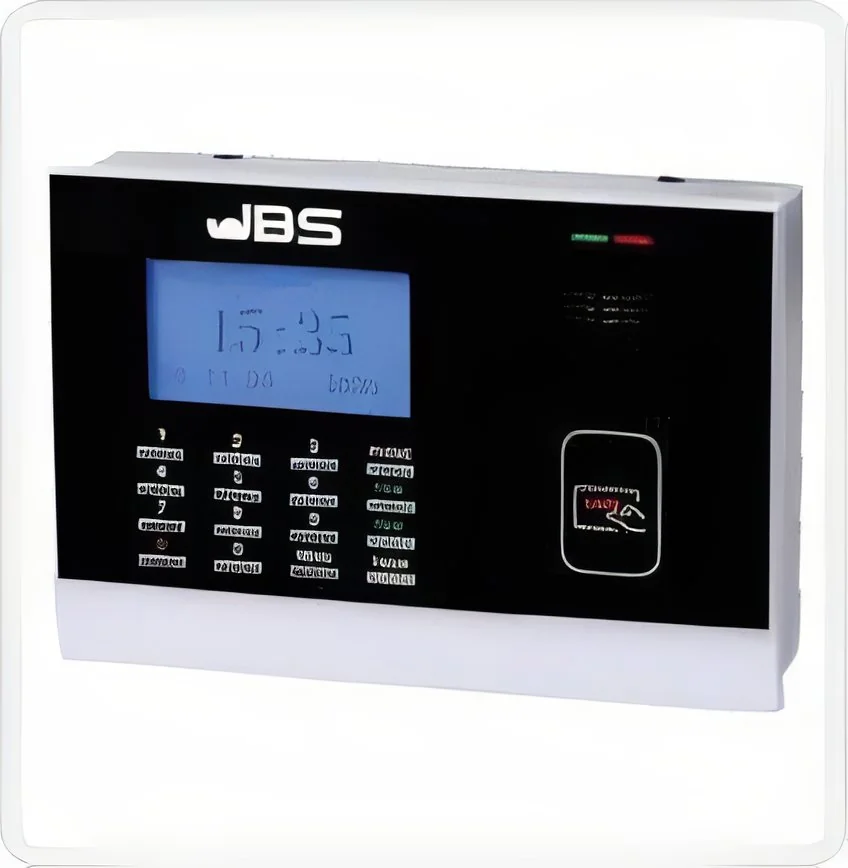
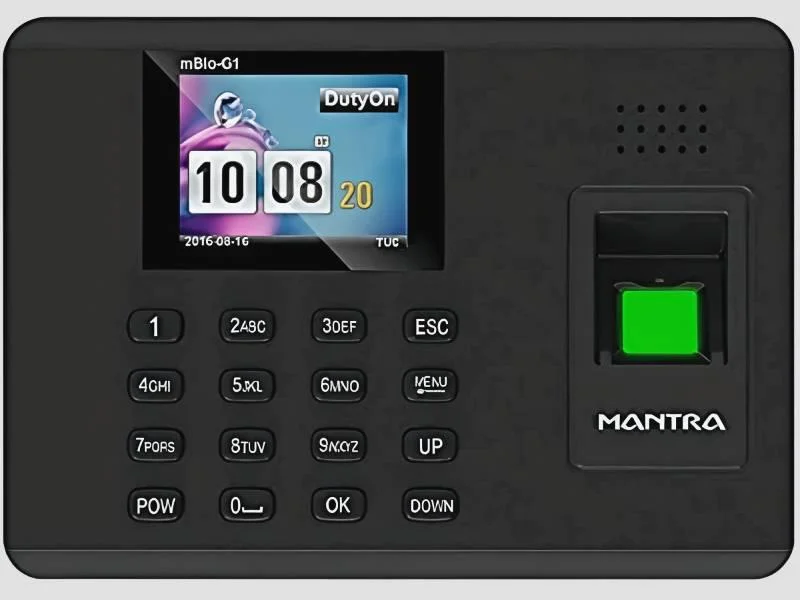
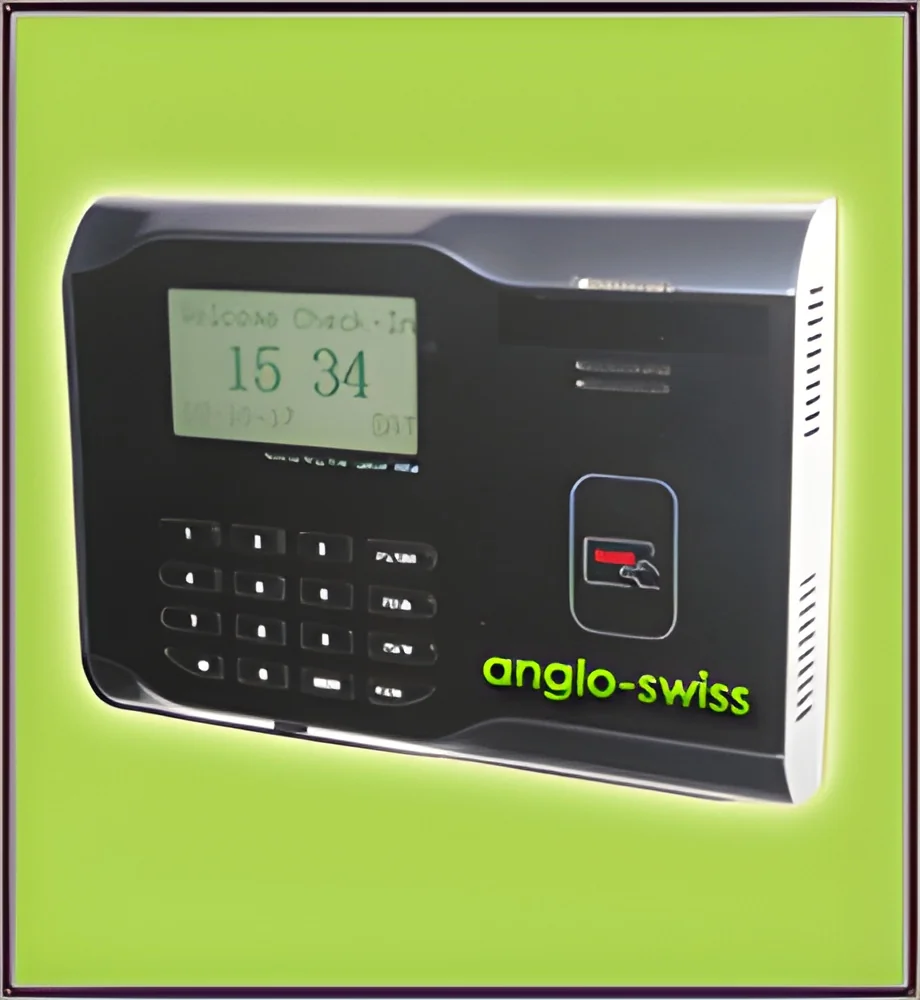
Card-Based Attendance Systems are technology solutions designed to track employee attendance and manage timekeeping through the use of ID cards. These systems typically involve the issuance of unique identification cards to employees, which they scan at designated entry and exit points. The data captured by the system helps in accurately recording attendance, monitoring employee hours, and streamlining payroll processes.
Businesses utilize these systems to enhance operational efficiency and reduce the errors associated with manual attendance tracking. Card-Based Attendance Systems are particularly valuable for organizations with large workforces or multiple locations. They enable real-time data collection and provide essential insights into employee attendance patterns, which can be critical for workforce management and planning. In today's competitive market, these systems are increasingly relevant across various industries, as companies seek to optimize labor costs and improve accountability.
Key Features and Specifications
Card-Based Attendance Systems come equipped with several key features that enhance functionality and user experience. These features are designed to simplify attendance tracking and ensure data accuracy.
Key specifications include:
1. Identification Method
- Utilizes RFID technology or barcode scanning for quick employee identification.
- Supports multiple card types, including proximity cards and magnetic stripe cards.
2. Database Integration
- Seamlessly integrates with existing HR and payroll systems.
- Allows for centralized data management and reporting.
3. User Capacity
- Supports a large number of users, typically ranging from hundreds to thousands.
- Scalable solutions are available for growing businesses.
4. Data Storage
- Provides local or cloud-based data storage options.
- Ensures data security and easy access for authorized personnel.
5. Reporting Capabilities
- Generates comprehensive attendance reports and analytics.
- Customizable reporting features to meet specific business needs.
6. Real-Time Monitoring
- Offers real-time tracking of employee attendance.
- Alerts for unauthorized access or attendance anomalies.
7. User-Friendly Interface
- Features an intuitive interface for ease of use by employees and administrators.
- Multi-language support for diverse workforces.
8. Mobile Access
- Enables remote access to attendance data through mobile devices.
- Facilitates real-time updates and notifications.
In summary, Card-Based Attendance Systems provide a robust framework for managing attendance efficiently. Their various features cater to the needs of modern businesses, ensuring accurate tracking and reporting.
Common Applications and Use Cases
Card-Based Attendance Systems find applications in numerous industries, providing tailored solutions to meet specific operational needs.
1. Manufacturing: In manufacturing plants, these systems help track worker hours and ensure compliance with labor regulations, thereby improving productivity.
2. Healthcare: Hospitals and clinics utilize Card-Based Attendance Systems to monitor staff attendance, ensuring adequate coverage and patient care.
3. Education: Schools and universities implement these systems for tracking student attendance, simplifying record-keeping, and enhancing safety protocols.
4. Retail: Retail businesses use these systems to track employee shifts and attendance, helping to manage labor costs effectively.
5. Construction: Construction companies rely on attendance systems to monitor worker hours on job sites, ensuring accurate billing and resource allocation.
6. Hospitality: Hotels and restaurants benefit from these systems to manage staff attendance and streamline payroll processing.
7. Corporate Offices: Many corporate environments adopt Card-Based Attendance Systems to enhance employee accountability and manage time-off requests.
Product Variants and Subcategories
While specific variants of Card-Based Attendance Systems are not available, the diversity in features and applications allows businesses to choose solutions that best fit their operational needs.
Standard systems may offer basic attendance tracking, while advanced models may include features such as biometric integration, mobile access, and extensive reporting capabilities. This flexibility ensures that organizations can select a system that aligns with their specific requirements, whether they are small businesses or large enterprises.
Benefits and Advantages
Card-Based Attendance Systems provide significant benefits for organizations looking to improve attendance management.
1. Increased Accuracy: Automating attendance tracking reduces human errors associated with manual processes, ensuring precise records.
2. Enhanced Security: The use of ID cards improves security by restricting access to authorized personnel only, minimizing potential fraud.
3. Time Savings: Streamlined attendance reporting saves valuable administrative time, allowing HR teams to focus on other critical tasks.
4. Improved Compliance: These systems facilitate compliance with labor laws and regulations by maintaining accurate attendance records.
5. Better Resource Management: Analytics and reporting features enable organizations to optimize workforce deployment based on attendance data.
6. Cost-Effective: By reducing time theft and improving attendance accuracy, organizations can lower labor costs and improve overall efficiency.
Buying Guide for B2B Buyers
When sourcing Card-Based Attendance Systems, it is essential for B2B buyers to consider several key factors to ensure they select the right solution.
1. Quality Assessment: Evaluate the quality of the system by reviewing specifications, features, and customer testimonials to ensure reliability and performance.
2. Supplier Verification: Vet potential suppliers by checking their credentials, industry reputation, and customer service support to ensure a trustworthy partnership.
3. Pricing and MOQ: Consider the pricing structure and minimum order quantities, as these can vary significantly among suppliers and may impact overall budget.
4. Delivery and Lead Times: Inquire about delivery timelines and lead times to ensure the system can be implemented within the desired schedule.
5. Compliance Requirements: Ensure that the chosen system meets any applicable regulatory and compliance requirements relevant to your industry, such as data protection laws.
Compliance and Certifications
Card-Based Attendance Systems must adhere to various industry standards and certifications to ensure quality and safety. Relevant quality standards like ISO 9001 may apply, focusing on quality management systems.
Certifications such as CE indicate compliance with European health, safety, and environmental requirements, ensuring that the systems meet necessary safety standards. Additionally, businesses should consider safety and testing requirements specific to their industry, which may vary based on regional regulations.
Regional compliance considerations are important, particularly for companies operating in multiple countries. Understanding the local laws governing attendance tracking and data protection is crucial for ensuring that the chosen system complies with all relevant regulations.
Why Source Card-Based Attendance Systems from Pepagora?
Pepagora offers a trusted platform for sourcing Card-Based Attendance Systems, providing several key advantages for B2B buyers.
Verified Supplier Network: Pepagora maintains a network of verified suppliers, ensuring that buyers can connect with reputable manufacturers and service providers. This verification process helps mitigate risks associated with sourcing.
Streamlined RFQ Process: The platform's quotation system simplifies the procurement process, allowing buyers to request and compare quotes from multiple suppliers efficiently.
Trade Assurance and Support: Pepagora provides trade assurance to protect buyers, ensuring that transactions are secure and that support is available for any issues that arise.
Regional Coverage: With a geographic reach that includes India, the GCC, and Southeast Asia, Pepagora connects buyers with suppliers across diverse markets, facilitating access to a wide range of products and services.
By leveraging these advantages, businesses can confidently source Card-Based Attendance Systems that meet their operational needs and support their growth objectives.

 IN
IN