What are Smart Card Readers & Writers?
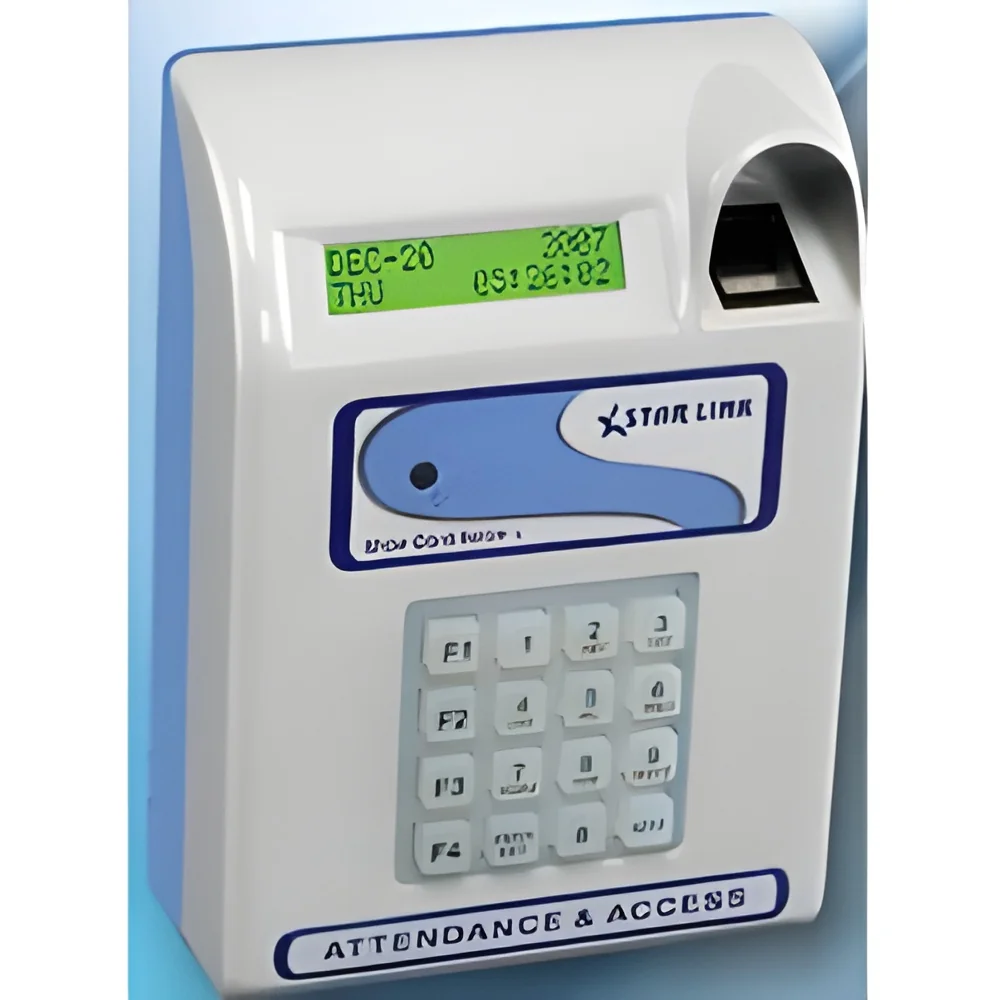
Smart Card Readers and Writers are devices designed to read from and write data to smart cards. Smart cards are secure, portable devices that store data and can communicate with external systems through various protocols. These readers and writers facilitate interactions between smart cards and computer systems, enabling secure access and data transfer.
These devices are widely used in various business applications, including access control, identification, and payment systems. Industries such as banking, healthcare, and transportation utilize smart card technology to enhance security and streamline operations. As businesses increasingly prioritize secure identification and efficient data management, the relevance of smart card readers and writers continues to grow in today's market.
The global demand for smart card technology is driven by the need for enhanced security measures and the integration of digital solutions. With advancements in technology, these devices are becoming more sophisticated, supporting a range of functions from biometric authentication to contactless payment solutions. The increasing adoption of smart cards across sectors highlights their importance in the evolving landscape of business operations.
Key Features and Specifications
Smart card readers and writers come equipped with various features that enhance their functionality and usability. Understanding these specifications is crucial for businesses looking to implement this technology effectively.
Key specifications include:
1. Compatibility
- Supports multiple smart card types (e.g., ISO/IEC 7816, ISO/IEC 14443)
- Ensures versatility across different applications
2. Connectivity
- Options for USB, Bluetooth, or NFC connections
- Facilitates easy integration with existing systems
3. Speed
- Fast data transfer rates
- Enhances user experience by reducing wait times
4. Security Features
- Encryption capabilities for secure data transfer
- Support for secure access protocols
5. Form Factor
- Available in desktop, portable, or embedded designs
- Allows for flexibility based on operational needs
6. Operating Temperature
- Typically operates within standard temperature ranges
- Ensures reliable performance in various environments
7. User Interface
- LED indicators for status monitoring
- Intuitive controls for ease of use
8. Power Supply
- Options for battery-operated or USB-powered models
- Accommodates different operational settings
These specifications collectively define the capabilities of smart card readers and writers, making them essential tools for secure and efficient data management.
Common Applications and Use Cases
Smart card readers and writers find applications in numerous industries, enhancing security and operational efficiency.
1. Banking: Used for secure transactions, card issuance, and identity verification.
2. Healthcare: Supports patient identification, access to medical records, and secure payment processing.
3. Transportation: Enables ticketing and access control for public transport systems, improving user experience.
4. Government: Facilitates secure access to facilities and services, ensuring proper identification of personnel.
5. Education: Utilized for student identification, library access, and campus security.
6. Retail: Enhances payment security and loyalty programs through customer identification.
7. Corporate: Used for employee access control and secure data transactions within organizations.
These applications demonstrate the versatility and importance of smart card technology in various sectors.
Product Variants and Subcategories
Smart card readers and writers come in various forms to meet different business needs. Each variant is designed with specific features that cater to unique applications.
Contact Smart Card Reader
This variant reads data from contact smart cards. It is ideal for environments where direct card insertion is feasible, such as point-of-sale systems and access control.
Contactless Smart Card Reader
Designed to read data from contactless smart cards, this variant allows for quick and convenient transactions without physical contact. It is commonly used in public transportation and payment systems.
Dual-Interface Smart Card Reader
This type combines both contact and contactless capabilities, offering flexibility for users. It is suitable for businesses that utilize different types of smart cards.
Benefits and Advantages
Investing in smart card readers and writers provides several advantages for businesses.
1. Enhanced Security: Smart card technology offers robust security features that protect sensitive data and reduce fraud risk.
2. Improved Efficiency: Quick data transfer speeds and seamless integration with existing systems streamline operations.
3. Versatility: Compatibility with various smart card types and connection methods allows businesses to adapt to changing needs.
4. User Convenience: Contactless options and intuitive interfaces enhance user experience, making transactions faster.
5. Cost-Effectiveness: Reducing errors and fraud through secure transactions can lead to significant savings for businesses.
6. Future-Proofing: As technology evolves, smart card readers and writers can adapt to new standards and protocols, ensuring long-term usability.
Buying Guide for B2B Buyers
When sourcing smart card readers and writers, businesses should consider several critical factors to ensure they make informed decisions.
1. Quality Assessment: Evaluate the quality of devices based on performance, durability, and user reviews. This assessment helps in selecting reliable products.
2. Supplier Verification: Vet potential suppliers by checking their credentials, customer feedback, and history in the industry. This ensures that buyers engage with reputable sources.
3. Pricing and MOQ: Understand the pricing structure and minimum order quantities. This helps businesses budget appropriately and avoid overcommitting.
4. Delivery and Lead Times: Inquire about logistics and expected delivery times to ensure that products arrive when needed to meet operational demands.
5. Compliance Requirements: Ensure that the products meet relevant industry standards and regulatory compliance for safety and performance.
Compliance and Certifications
Smart card readers and writers must adhere to various compliance and certification standards to ensure quality and safety.
ISO 9001: This standard relates to quality management systems, ensuring that manufacturers maintain high-quality production practices.
CE Certification: A key indicator that products meet European health, safety, and environmental protection standards.
Safety and Testing Requirements: Devices should undergo rigorous testing to ensure they function correctly and safely in their intended environments.
Regional Compliance Considerations: Different regions may have specific compliance requirements that manufacturers must meet to market their products effectively.
Why Source Smart Card Readers & Writers from Pepagora?
Pepagora provides a trusted platform for sourcing smart card readers and writers, offering several advantages for businesses.
Verified Supplier Network: Pepagora ensures that all suppliers are thoroughly vetted. This guarantees that buyers can trust the quality and reliability of the products they purchase.
Streamlined RFQ Process: The request for quotation system at Pepagora simplifies the procurement process, allowing businesses to receive competitive quotes quickly and efficiently.
Trade Assurance and Support: Pepagora offers buyer protection through trade assurance, ensuring that transactions are secure and that buyers receive the support they need throughout the process.
Regional Coverage: With a strong presence in India, the GCC, and Southeast Asia, Pepagora provides extensive geographic reach, connecting businesses with suppliers across these key markets. This regional focus enhances accessibility and convenience for buyers.

 IN
IN