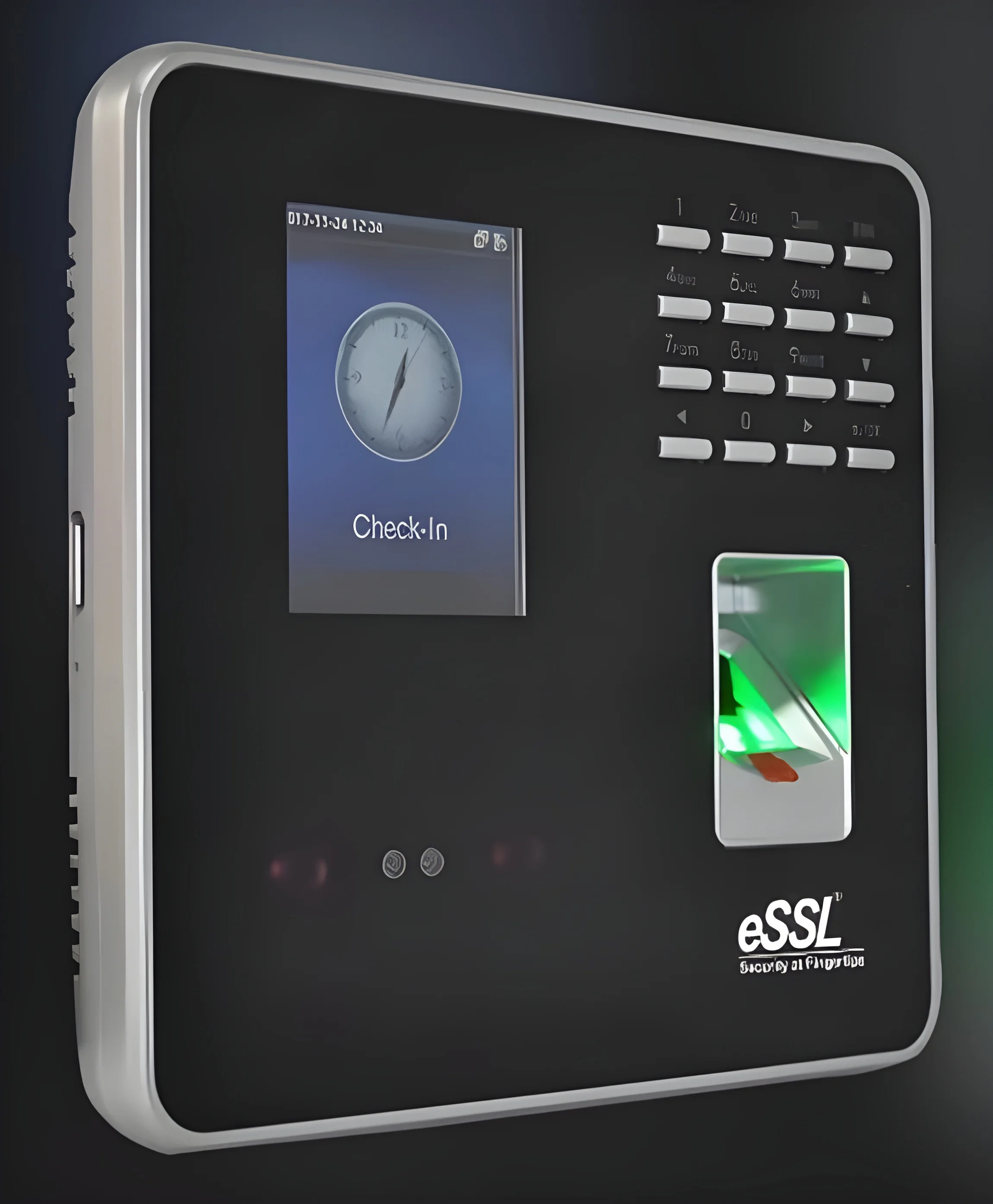
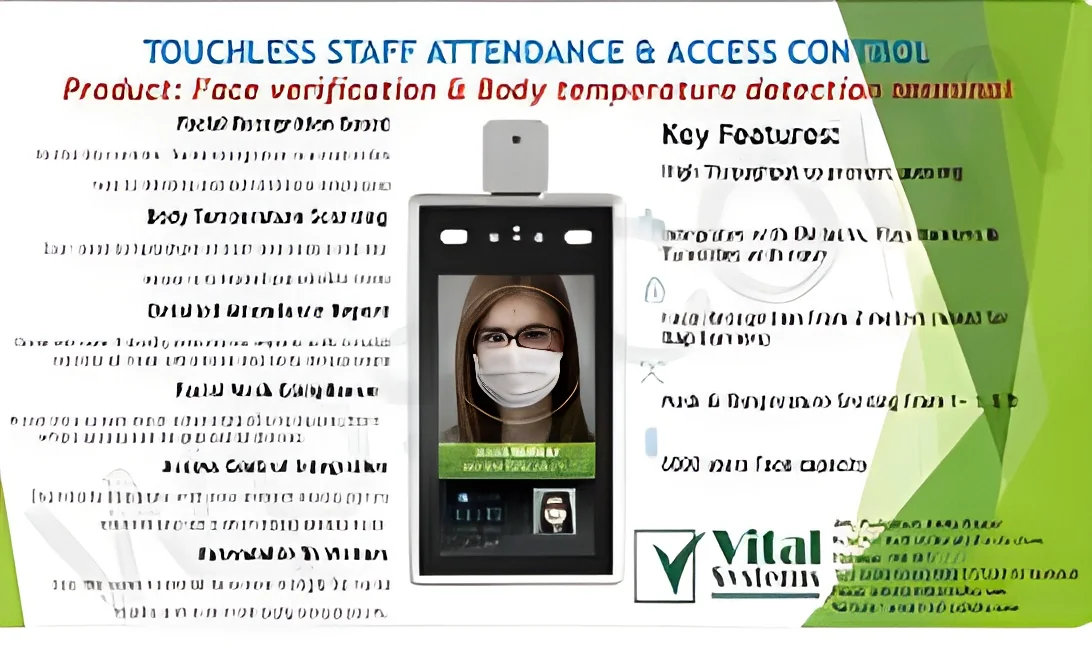
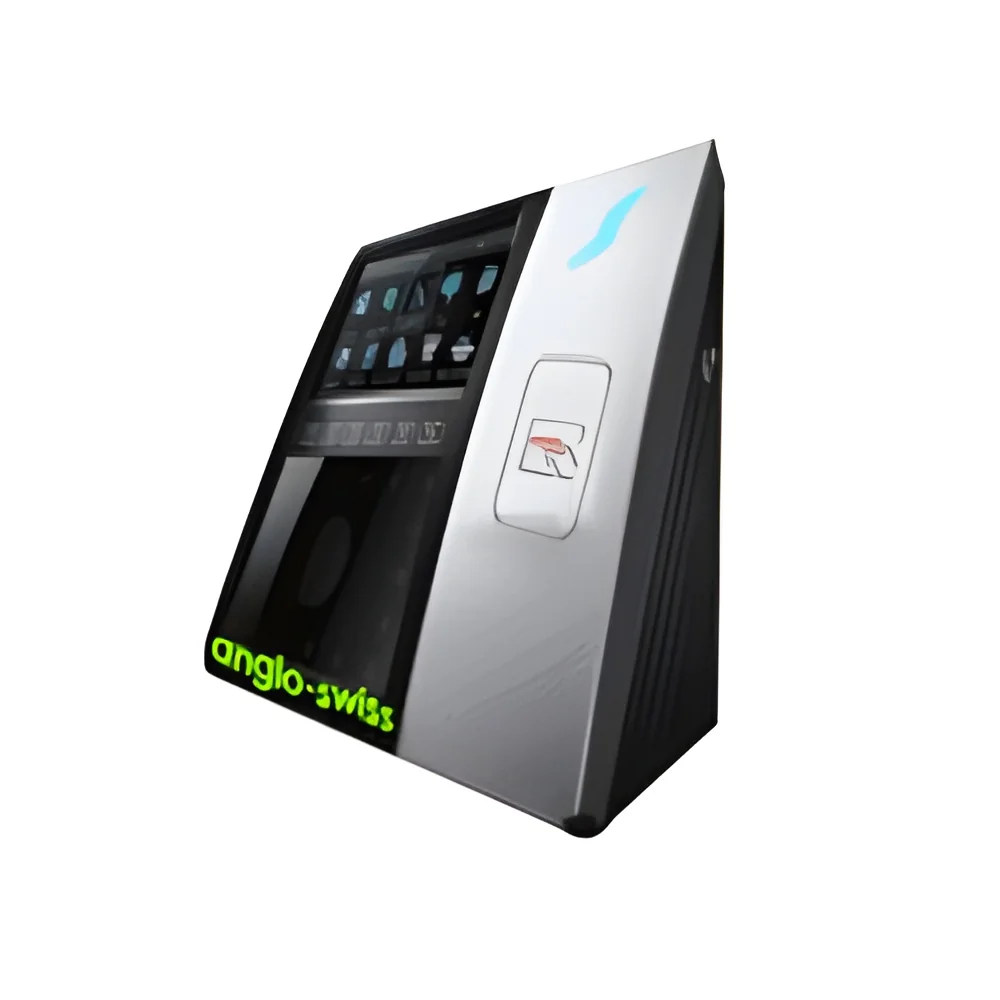
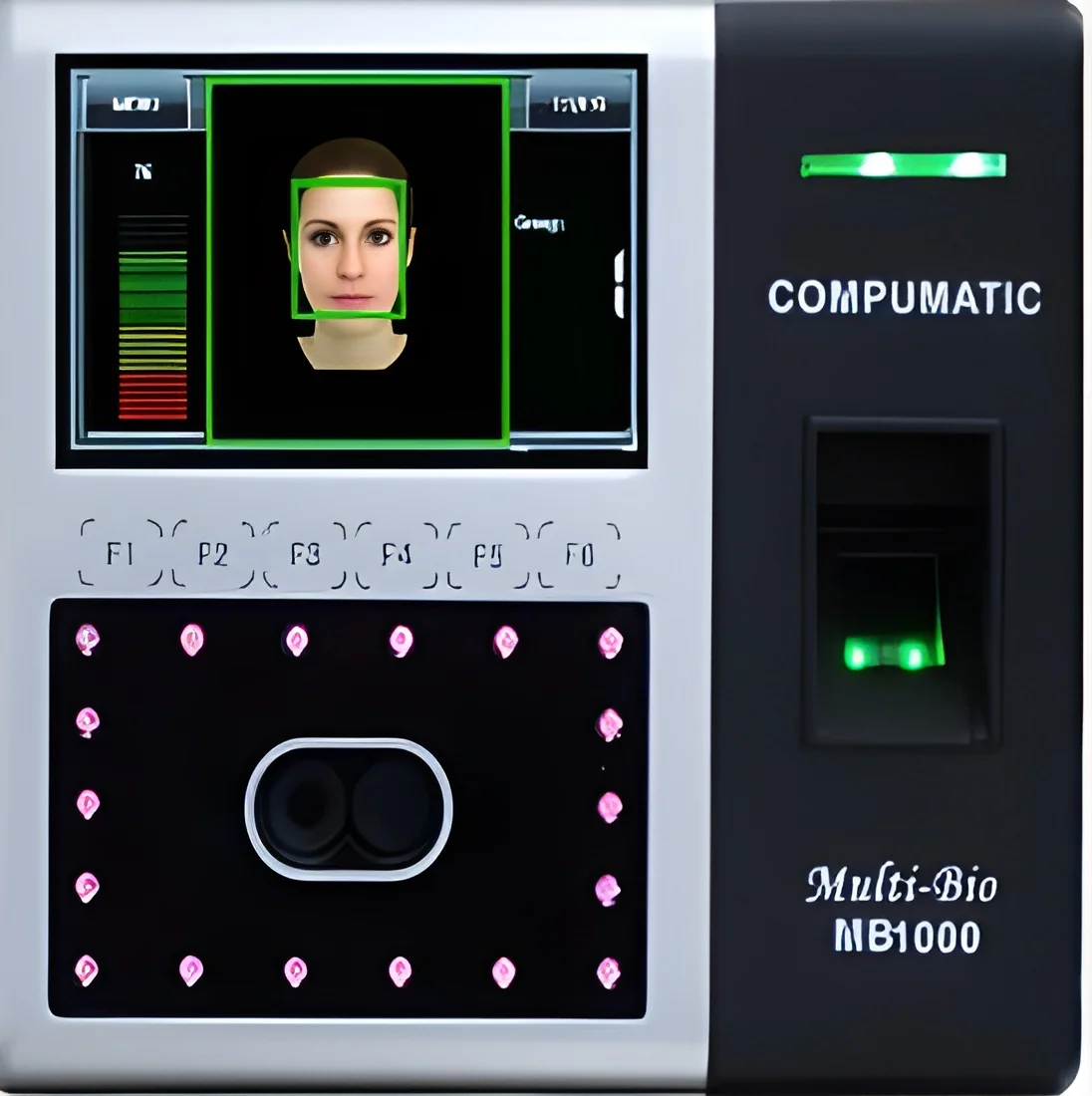
What are Face Recognition Attendance Machines?
Face Recognition Attendance Machines are advanced biometric devices designed to automate the process of tracking employee attendance. These machines utilize facial recognition technology to accurately identify individuals and record their attendance without the need for manual input or physical contact. By capturing and analyzing facial features, these devices ensure that attendance records are precise and tamper-proof.
The primary uses of Face Recognition Attendance Machines are found in various business applications, including workforce management and security. They are especially beneficial in environments where traditional attendance methods, such as punch cards or manual roll calls, may be inefficient or prone to errors. By simplifying the attendance recording process, these machines enhance operational efficiency and allow for more accurate data collection.
In today’s market, the relevance of Face Recognition Attendance Machines spans multiple industries, including corporate offices, educational institutions, manufacturing plants, and healthcare facilities. As businesses increasingly transition to digital solutions for attendance management, the demand for these machines continues to grow, driven by the need for secure, reliable, and user-friendly attendance systems.
Key Features and Specifications
Face Recognition Attendance Machines come equipped with a variety of features that enhance their functionality and usability. These specifications are critical for ensuring that businesses select the right machine for their needs.
Key specifications include:
1. Recognition Accuracy
- High recognition rates ensure that the system correctly identifies users in various lighting conditions.
- Typically above 99% accuracy for effective attendance management.
2. Speed of Recognition
- Fast processing times allow for quick identification, minimizing wait times for employees.
- Usually within 1 second per user.
3. User Capacity
- Machines can store a significant number of user profiles, accommodating large organizations.
- Capacity ranges from 1,000 to over 100,000 users depending on the model.
4. Connectivity Options
- Various connectivity options like Wi-Fi, Ethernet, or USB for easy integration with existing systems.
- Supports cloud-based data storage for remote access.
5. Display Features
- Touchscreen displays for user interaction enhance usability and experience.
- Some models include multilingual support to cater to diverse workplaces.
6. Environmental Adaptability
- Designed to operate in a range of environmental conditions, suitable for indoor or outdoor use.
- Operating temperature ranges and humidity controls can vary by model.
7. Software Integration
- Compatibility with various attendance management software solutions allows for seamless data transfer.
- Customizable reporting features for enhanced data analysis.
8. Security Features
- Advanced encryption protocols to protect sensitive data.
- Options for dual authentication methods to enhance security.
Overall, the diverse features and specifications of Face Recognition Attendance Machines make them a valuable tool for businesses looking to streamline attendance tracking processes.
Common Applications and Use Cases
Face Recognition Attendance Machines have a wide range of applications across different sectors.
1. Corporate Offices: These machines help manage employee attendance efficiently, ensuring accurate payroll processing and reducing time theft.
2. Educational Institutions: Schools and universities utilize these devices to monitor student attendance, enhancing security and accountability.
3. Manufacturing Plants: In industrial settings, these machines track worker attendance real-time, improving safety and operational efficiency.
4. Healthcare Facilities: Hospitals and clinics use face recognition to monitor staff attendance while ensuring higher security standards for patient safety.
5. Government Institutions: These machines help streamline attendance recording for government employees, promoting transparency and accountability.
6. Retail Environments: Retail businesses can use these systems to monitor employee attendance and manage shift schedules effectively.
7. Event Management: At large events, these machines can simplify attendee check-in processes, enhancing overall experience and efficiency.
Product Variants and Subcategories
Face Recognition Attendance Machines come in several variants, each tailored to meet specific needs within diverse environments.
Standard Model
This variant is designed for general use in corporate and educational settings. It features basic facial recognition capabilities and standard connectivity options, making it suitable for most organizations.
Advanced Model
The advanced variant includes additional features such as enhanced security protocols and faster recognition speeds. This model is ideal for high-security environments like government buildings or healthcare facilities.
Mobile Model
This portable variant is designed for on-the-go attendance tracking. It is equipped with a battery and can easily be moved between different locations, making it ideal for events and temporary work sites.
Benefits and Advantages
Face Recognition Attendance Machines offer numerous benefits to organizations seeking to optimize their attendance tracking processes.
Key benefits include:
1. Increased Accuracy: The use of biometric recognition minimizes human error, ensuring that attendance records are precise and reliable.
2. Enhanced Security: Facial recognition technology provides a higher level of security than traditional methods, reducing the risk of fraud.
3. Streamlined Processes: Automating attendance tracking saves time for both employees and management, allowing teams to focus on core tasks.
4. Cost Savings: Improved attendance accuracy can lead to more efficient payroll processes, reducing administrative costs associated with attendance management.
5. User-Friendly Interface: Most machines are designed with intuitive interfaces, making them easy for employees to use without extensive training.
6. Data Insights: These machines often come with software that provides valuable insights into attendance patterns, helping management make informed decisions.
Buying Guide for B2B Buyers
When sourcing Face Recognition Attendance Machines, it is essential for B2B buyers to consider several key factors to ensure they make an informed decision.
1. Quality Assessment: Buyers should evaluate the quality of the devices by reviewing technical specifications and seeking certifications like CE. It is advisable to read reviews and feedback from previous users.
2. Supplier Verification: It is crucial to vet suppliers to ensure they are credible and reliable. Buyers should check for industry certifications and past performance records.
3. Pricing and MOQ: Understanding the pricing structure and minimum order quantities (MOQ) is essential. Buyers should compare prices across several suppliers to find competitive offers without compromising on quality.
4. Delivery and Lead Times: Buyers must inquire about delivery schedules and lead times to ensure that the products are available when needed. Timely delivery is critical for effective project management.
5. Compliance Requirements: It is important to ensure that the selected machines comply with local regulations and standards. This includes understanding any applicable safety and quality standards.
Compliance and Certifications
Face Recognition Attendance Machines must adhere to various compliance and certification requirements to ensure their reliability and safety in the market.
Relevant quality standards such as ISO 9001 are essential for maintaining consistent quality across manufacturing processes. This ensures that the machines are built to meet high standards and perform reliably.
Industry certifications, including CE marking, indicate that the product meets safety and environmental protection standards set by the European Union. This certification is vital for ensuring that the machines are safe for use in various environments.
Safety and testing requirements are also critical. Manufacturers should conduct rigorous testing to ensure that their products can withstand operational demands and environmental conditions.
Regional compliance considerations may vary, so it is essential for buyers to check local regulations to ensure that the machines meet all necessary legal requirements.
Why Source Face Recognition Attendance Machines from Pepagora?
Pepagora provides a trusted platform for sourcing Face Recognition Attendance Machines with several key advantages that benefit B2B buyers.
Verified Supplier Network: Pepagora has established a network of verified suppliers who meet rigorous standards for quality and reliability. This gives buyers confidence in their purchasing decisions.
Streamlined RFQ Process: The Request for Quotation (RFQ) process on Pepagora is designed to be efficient and user-friendly. Buyers can quickly compare offerings from multiple suppliers, allowing for informed decision-making.
Trade Assurance and Support: Pepagora offers trade assurance, providing buyers with protection and support throughout the purchasing process. This helps to mitigate risks associated with sourcing products.
Regional Coverage: Pepagora has a broad geographic reach, covering markets in India, the GCC, and Southeast Asia. This allows buyers from diverse regions to access quality products and services tailored to their specific needs.

 IN
IN