
 IN
Fashion Accessories Wholesalers
23 products available
What are Fashion Accessories Wholesalers?
Fashion accessories wholesalers are specialized suppliers that provide a wide range of fashion-related products to retailers and businesses. These wholesalers typically source and distribute items such as jewelry, handbags, scarves, belts, and other adornments. By focusing on bulk sales, they enable retailers to stock their stores at lower prices, ensuring they can offer competitive pricing to their end customers.
The primary use of fashion accessories wholesalers is to facilitate the supply chain between manufacturers and retailers. Retailers rely on these wholesalers to maintain a diverse inventory that meets consumer demand while minimizing overhead costs. This relationship is crucial in the fast-paced fashion industry, where trends can change rapidly, and timely access to products is essential.
In today's market, the relevance of fashion accessories wholesalers is significant. As consumer preferences shift toward unique and diverse accessory options, wholesalers play a vital role in ensuring that retailers can offer a wide selection. With the global fashion market continuously evolving, these wholesalers adapt to current trends, making them an integral part of the fashion supply chain.
Key Features and Specifications
Fashion accessories wholesalers offer various features and specifications to cater to the diverse needs of retailers. Understanding these specifications is essential for making informed purchasing decisions.
Key specifications include:
1. Product Variety
- A broad range of fashion accessories including jewelry, bags, and more.
- Capability to update inventory based on the latest trends.
2. Bulk Purchasing Options
- Minimized costs through bulk buying.
- Flexibility in order sizes to suit different business scales.
3. Customization Availability
- Options for custom designs and branding.
- Ability to tailor products to specific market needs.
4. Quality Assurance
- Adherence to industry standards for product quality.
- Regular inspections to ensure consistency.
5. Delivery Logistics
- Efficient shipping options to various locations.
- Tracking systems in place for order transparency.
6. Pricing Structures
- Competitive pricing models based on volume.
- Potential for discounts on larger orders.
7. Supplier Relationships
- Strong connections with manufacturers for better pricing.
- Access to exclusive products and collections.
8. Market Responsiveness
- Ability to quickly adapt to changing fashion trends.
- Insights into upcoming styles and consumer preferences.
In summary, fashion accessories wholesalers provide a range of features and specifications that empower retailers to meet consumer demands while optimizing their inventory management.
Common Applications and Use Cases
Fashion accessories wholesalers serve various industries, providing essential products that enhance customer offerings.
1. Retail Clothing Stores: These stores utilize fashion accessories to complement their clothing lines, driving additional sales through upselling.
2. Online Retailers: E-commerce businesses rely on wholesalers to provide a steady stream of trendy accessories that appeal to their online shoppers.
3. Boutiques: Smaller boutiques often turn to wholesalers for unique and exclusive items that set them apart from larger retailers.
4. Event Planners: Fashion accessories are essential for event planners who seek to provide decorative items for occasions like weddings and parties.
5. Gift Shops: Wholesalers supply gift shops with a variety of accessories that make perfect gifts, enhancing customer shopping experiences.
6. Fashion Designers: Independent designers may source accessories from wholesalers to include in their collections, enriching their product offerings.
7. Promotional Companies: Businesses in the promotional sector often partner with wholesalers to create branded accessory items for corporate events.
Product Variants and Subcategories
The diversity within the fashion accessories wholesaler market allows retailers to access a wide array of products. Each variant caters to different consumer needs and preferences.
Jewelry Variants
Jewelry wholesalers provide a diverse selection of items, such as necklaces, bracelets, and earrings. These products can range from costume jewelry to more upscale options, allowing retailers to appeal to various demographics.
Handbag Variants
Handbag wholesalers offer different styles, including totes, clutches, and backpacks. This variety allows retailers to stock products suitable for casual and formal occasions, enhancing their overall inventory.
Scarf Variants
Scarf wholesalers supply a range of materials and designs, from lightweight summer scarves to heavier winter options. This versatility enables retailers to cater to seasonal trends effectively.
Benefits and Advantages
Sourcing from fashion accessories wholesalers offers several key advantages for retailers looking to enhance their product offerings.
1. Cost-Effectiveness: Wholesalers provide products at lower prices, allowing retailers to maximize their profit margins.
2. Diverse Product Range: Access to a wide variety of accessories helps retailers stay current with fashion trends and meet diverse customer preferences.
3. Reduced Inventory Risk: Bulk purchasing minimizes the risk associated with unsold inventory, as retailers can adjust orders based on demand.
4. Supplier Support: Wholesalers often offer marketing and product support, assisting retailers in effectively promoting their offerings.
5. Quick Turnaround: Reliable wholesalers can ensure prompt delivery, enabling retailers to replenish stock as needed without delays.
6. Knowledge of Trends: Experienced wholesalers have insights into fashion trends, helping retailers make informed purchasing decisions.
Buying Guide for B2B Buyers
When sourcing fashion accessories wholesalers, it is vital for B2B buyers to consider several factors to ensure a successful partnership.
1. Quality Assessment: It is essential to evaluate the quality of products offered by wholesalers. Buyers should request samples and verify that they meet industry standards.
2. Supplier Verification: Conducting due diligence on suppliers is crucial. Buyers should research the wholesaler's reputation, track record, and customer reviews to gauge reliability.
3. Pricing and MOQ: Understanding pricing structures and minimum order quantities (MOQ) is vital for budgeting. Buyers should compare prices among different wholesalers to find the best deals.
4. Delivery and Lead Times: Buyers must inquire about shipping options and lead times to ensure timely inventory replenishment. Clear communication on delivery expectations is key.
5. Compliance Requirements: Buyers should be aware of any compliance regulations related to fashion accessories in their target markets. Ensuring that products meet safety and quality standards is essential.
Compliance and Certifications
Compliance and certifications are critical in the fashion accessories industry, ensuring that products meet quality and safety standards.
Relevant quality standards, such as ISO 9001, help maintain consistent product quality and operational efficiency among wholesalers. Compliance with these standards assures buyers that the products are manufactured under stringent guidelines.
Additionally, industry certifications like CE indicate that products conform to European safety standards, making them suitable for markets within the European Union. Buyers should look for these certifications to validate product safety and compliance.
Safety and testing requirements are also paramount in the fashion accessories sector. Wholesalers should conduct regular testing to ensure that their products are free from harmful substances and meet safety regulations.
Finally, buyers must consider regional compliance considerations, as regulations may vary by country. Understanding these requirements can help businesses avoid potential legal issues and ensure smooth operations in their respective markets.
Why Source Fashion Accessories Wholesalers from Pepagora?
Pepagora provides a trusted platform for sourcing fashion accessories wholesalers, offering several key advantages to B2B buyers.
With a verified supplier network, Pepagora ensures that all listed wholesalers are credible and reliable. This verification process helps buyers find trustworthy partners and mitigates risks associated with sourcing.
The streamlined RFQ process simplifies communication between buyers and suppliers. This efficient system allows for quick quotations, enabling buyers to make informed decisions without unnecessary delays.
Trade assurance and support are also pivotal features of Pepagora. The platform offers buyer protection measures, ensuring that transactions are secure and that buyers receive the products as promised.
Furthermore, Pepagora boasts regional coverage, facilitating connections with wholesalers across India, the GCC, and Southeast Asia. This geographic reach enables buyers to explore a diverse array of products and suppliers, enhancing their sourcing experience.

 India
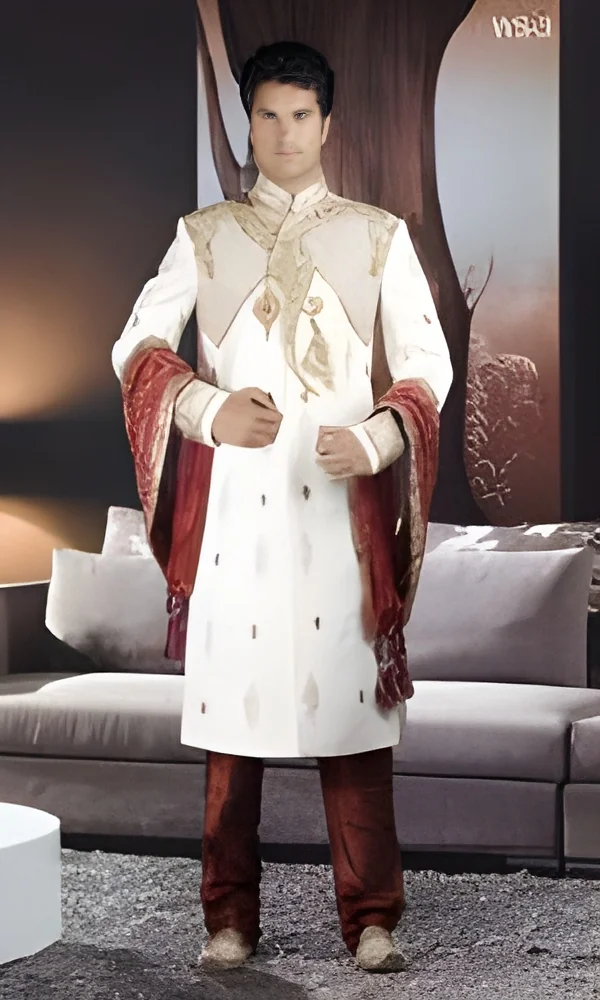
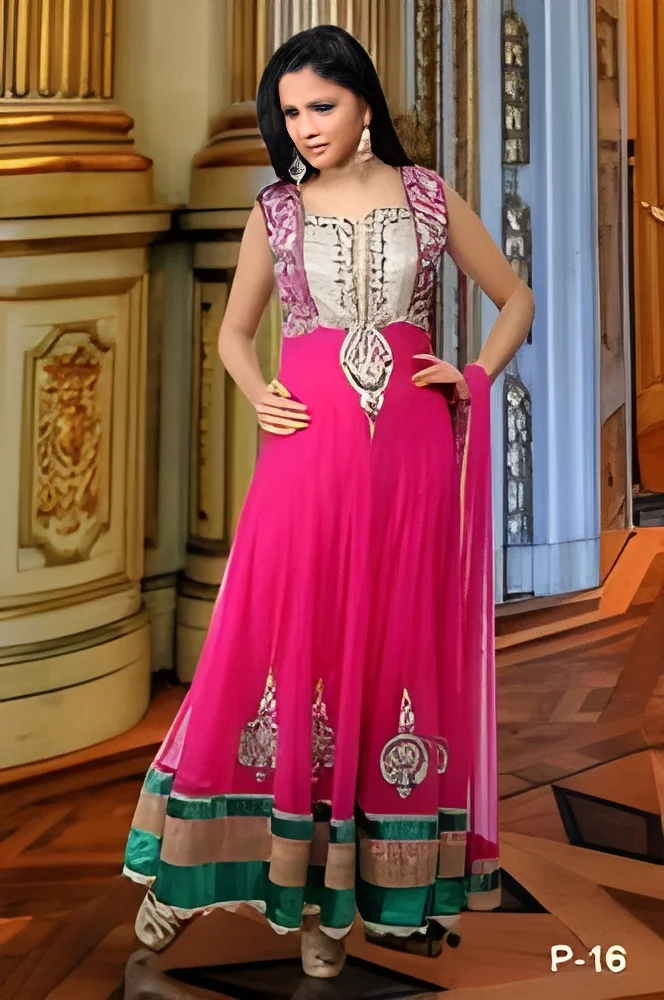
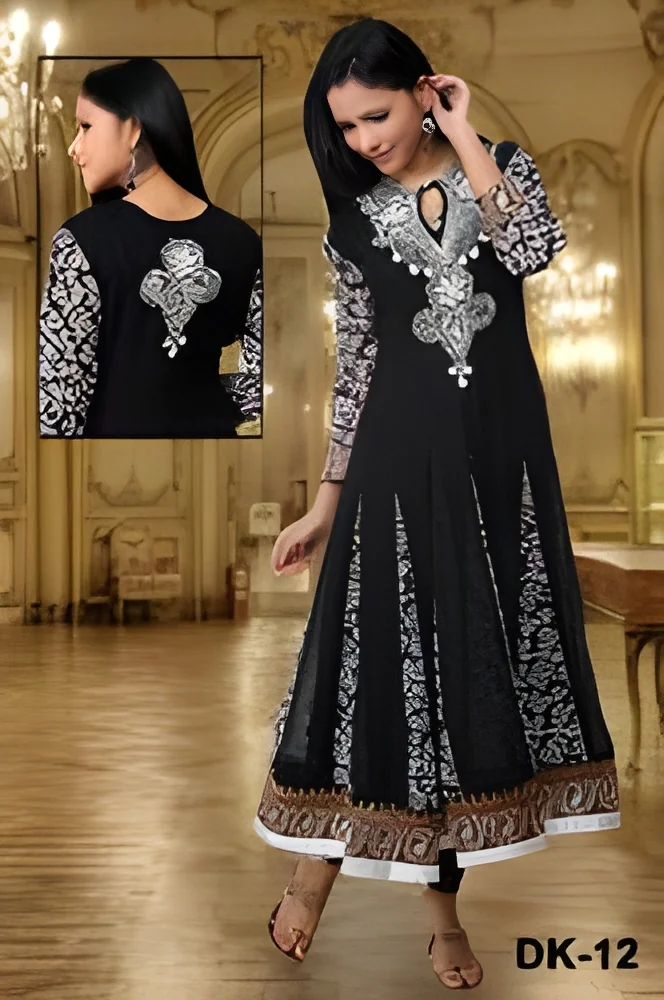 India
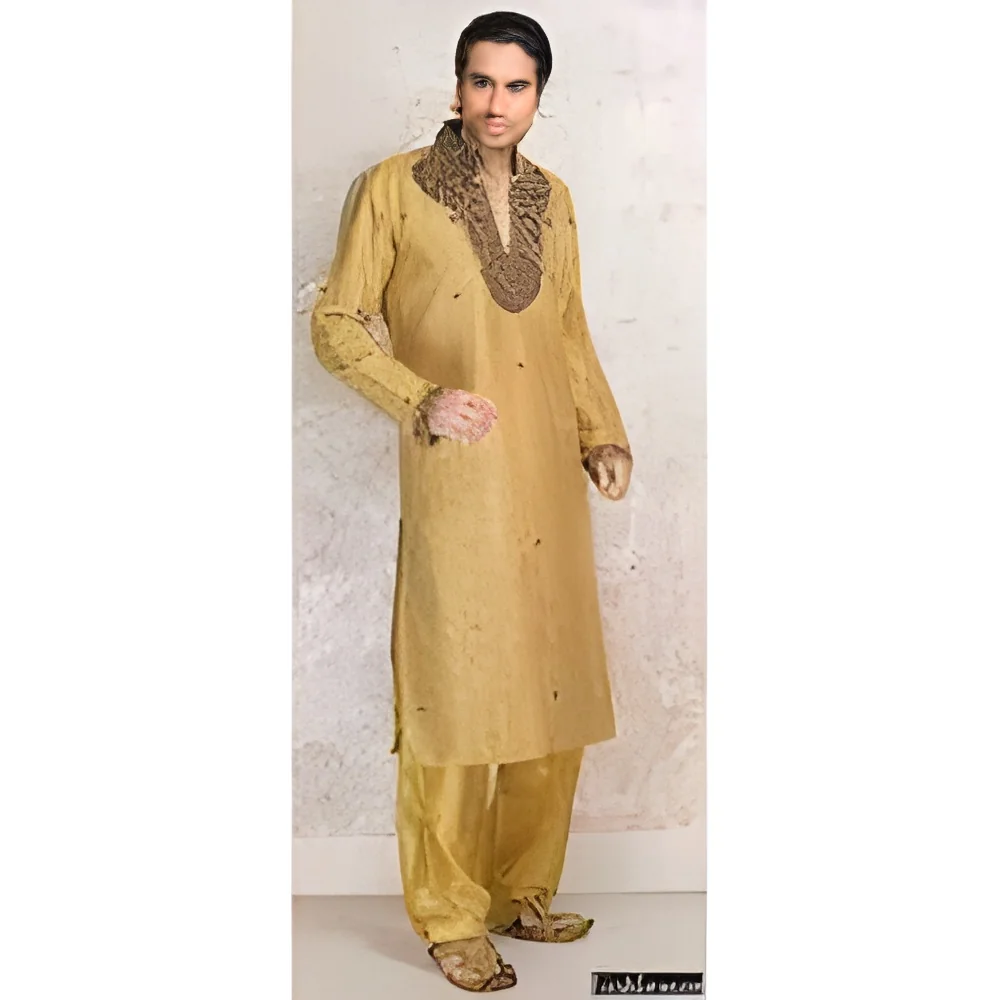

 India
 India

Frequently Asked Questions
What are Fashion Accessories Wholesalers?
Fashion Accessories Wholesalers are businesses that purchase fashion accessories in bulk from manufacturers and sell them to retailers at a wholesale price. These wholesalers typically offer a variety of products, including jewelry, scarves, belts, and handbags, catering to the fashion retail market.
What are the different types of Fashion Accessories Wholesalers?
The different types of Fashion Accessories Wholesalers include those specializing in specific product categories such as jewelry, bags, or seasonal accessories. There are also wholesalers that offer a broad range of fashion accessories, catering to diverse retail needs and trends.
How do I choose the right Fashion Accessories Wholesalers?
To choose the right Fashion Accessories Wholesalers, consider factors such as product range, pricing, quality, and customer service. Research potential wholesalers by reading reviews, asking for samples, and checking their track record in the industry to ensure they meet your business needs.
What are the standard specifications for Fashion Accessories Wholesalers?
Standard specifications for Fashion Accessories Wholesalers typically include product quality, material used, design, and packaging. Wholesalers should adhere to industry regulations and standards to ensure safety and consumer satisfaction.
What is the price range for Fashion Accessories Wholesalers?
The price range for Fashion Accessories Wholesalers can vary widely based on the type of accessories, quality, and brand reputation. Generally, wholesale prices can start from a few rupees for basic items to several thousand rupees for high-end designer pieces.
What quality standards apply to Fashion Accessories Wholesalers?
Quality standards for Fashion Accessories Wholesalers often include compliance with safety regulations, durability, and craftsmanship. Wholesalers may also follow specific industry certifications to ensure their products meet consumer expectations.
Where can I find Fashion Accessories Wholesalers suppliers in India?
You can find Fashion Accessories Wholesalers suppliers in India through online B2B marketplaces, trade shows, and industry directories. Websites like Pepagora.com can connect you with verified suppliers and manufacturers across the country.
Can Fashion Accessories Wholesalers be customized?
Yes, many Fashion Accessories Wholesalers offer customization options to meet the specific needs of retailers. Customization may include variations in design, branding, or packaging, allowing businesses to differentiate their products in the market.
What is the typical minimum order quantity for Fashion Accessories Wholesalers?
The typical minimum order quantity (MOQ) for Fashion Accessories Wholesalers can range from as low as 10 pieces to several hundred, depending on the wholesaler and product type. It is advisable to check with individual suppliers for their specific MOQ requirements.
What is the typical lead time for Fashion Accessories Wholesalers?
The typical lead time for Fashion Accessories Wholesalers can vary based on order size and supplier location, but it usually ranges from 1 to 4 weeks. It's important to discuss lead times with your wholesaler to ensure timely delivery for your business needs.
Why Businesses Trust Pepagora
Thousands of companies trust Pepagora to source smarter and sell faster
Expand Your Sales Globally

Source Smarter,Grow Faster
